
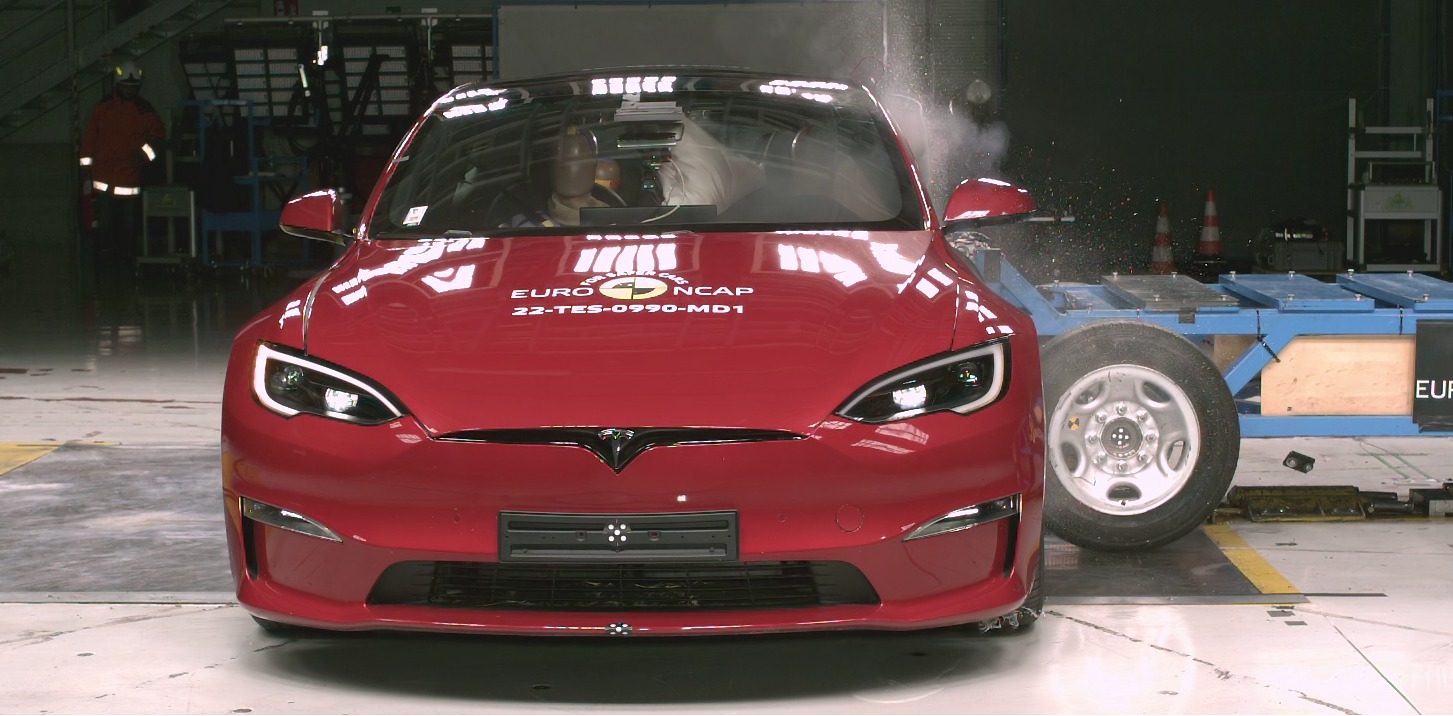
Bigger vehicles often look safer, thanks to their tall bodies, wide frames, and commanding driving positions. But does a larger vehicle always offer better protection in a crash? Euro NCAP test results suggest otherwise. Some large SUVs and multipurpose vehicles have earned fewer stars than smaller cars, while certain compact models have delivered impressive protection for occupants and other road users.
These ratings consider several factors, including adult and child protection, pedestrian safety, and driver-assistance technology. That means a vehicle can perform well in one area yet lose points elsewhere. The six examples below show why shoppers should look beyond vehicle size when comparing safety ratings. Each model has its own strengths and weaknesses, and understanding those details can help buyers make more informed decisions.
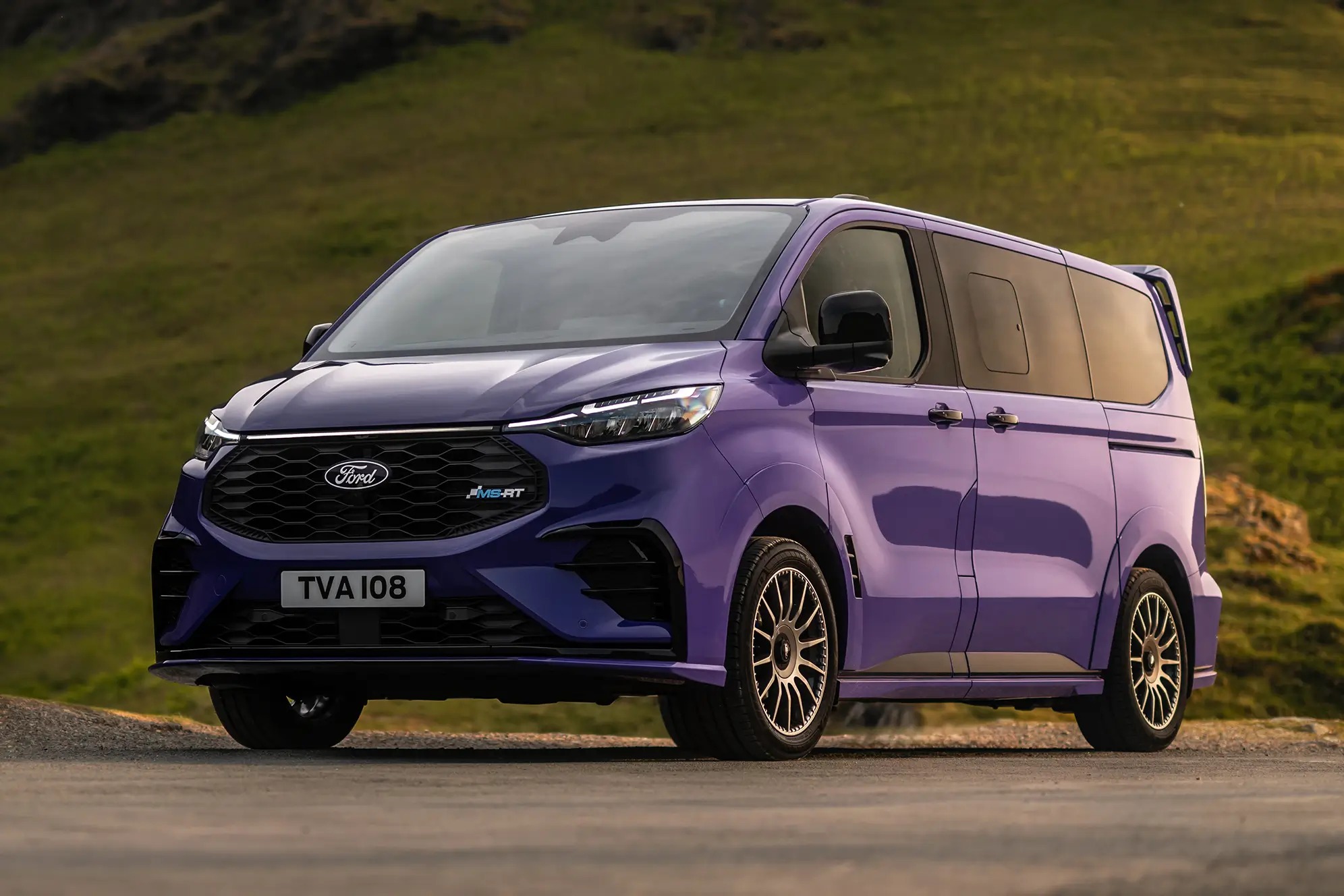
1. Ford Tourneo Custom (Large MPV)
The Ford Tourneo Custom offers generous passenger space, making it an appealing option for families and people who regularly transport several passengers.
Yet its three-star Euro NCAP rating shows that a spacious cabin does not guarantee top-level performance across every safety category.
The model recorded a 75% adult-occupant protection score and a 53% safety-assist score. The latter result points to shortcomings in the systems designed to help drivers avoid collisions and reduce the severity of accidents.
The smaller Suzuki Swift also received three stars, but comparing their ratings requires more than looking at the star count.
Euro NCAP assesses several separate categories, and the balance between occupant protection, vulnerable-road-user protection, and driver assistance can affect a vehicle’s final result.
The Swift recorded 67% for adult-occupant protection, below the Tourneo Custom’s 75%. Therefore, it would be misleading to claim that the Swift performed better in every safety test.
The more useful lesson is that the Tourneo Custom’s lower safety-assist result limits its appeal for buyers who prioritize modern collision-prevention technology.
When considering a large passenger vehicle, check the individual test scores, available safety equipment, and model year rather than relying on the size of the vehicle or its star rating alone.
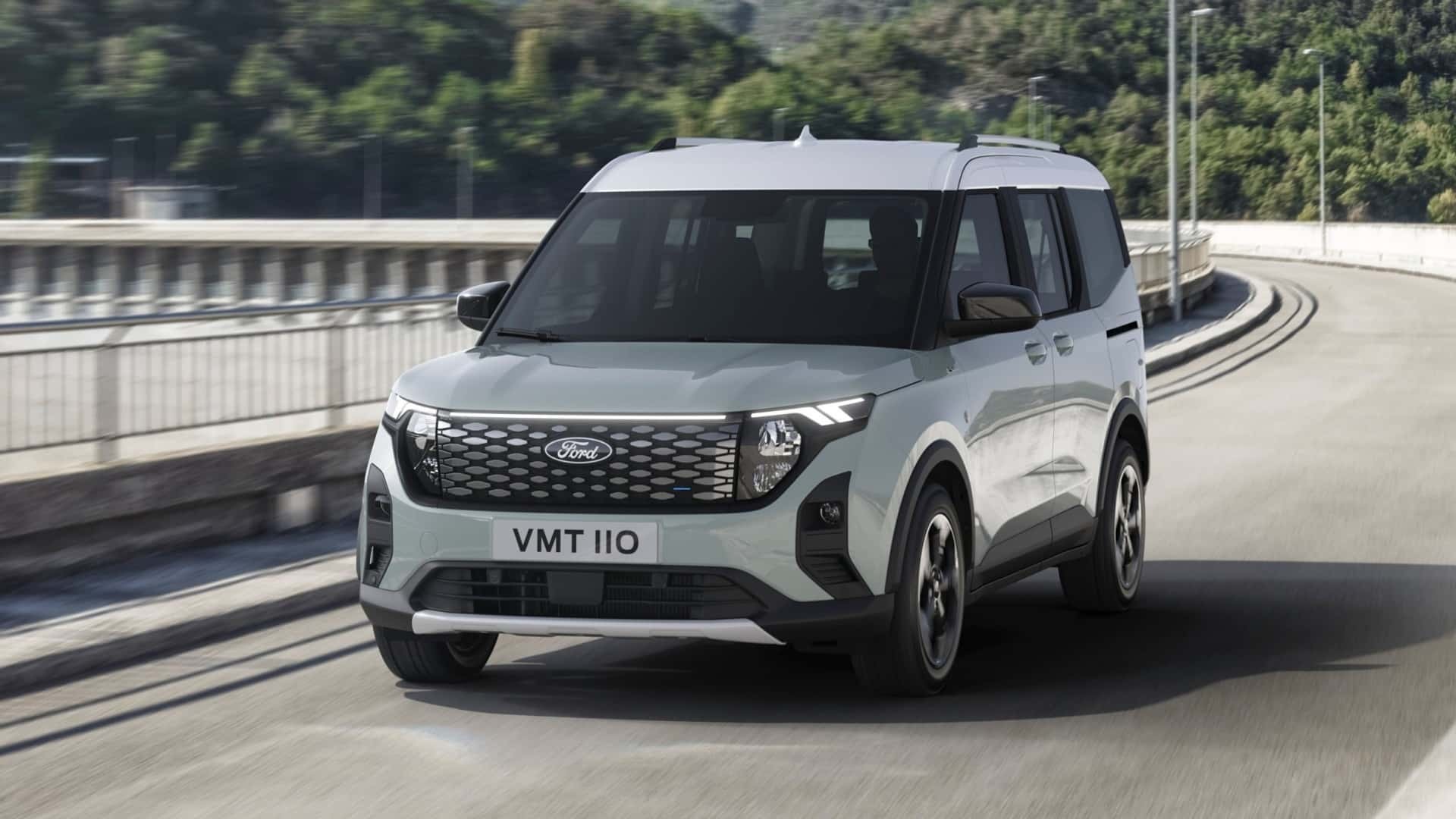
2. Ford Tourneo Courier (Compact MPV)
A compact multipurpose vehicle can be practical without being especially large, but its safety performance still deserves close attention.
The Ford Tourneo Courier earned three stars in Euro NCAP testing, while the Dacia Duster achieved the same rating with stronger results in important occupant-protection categories.
The Tourneo Courier recorded 62% for adult-occupant protection. The Duster scored 70% in that category and 84% for child-occupant protection, giving the Duster an advantage in those specific measurements.
Another concern raised in the supplied assessment was the Courier’s performance as an impact partner in frontal collisions. This refers to how a vehicle’s front structure may affect occupants in another vehicle during a crash.
Crash compatibility matters because safety depends not only on protecting people inside one car but also on reducing injury risks for those in the other vehicle.
Still, a three-star rating does not mean that every version of the Courier performs poorly in every crash scenario. Buyers should check the exact model tested and the equipment included in that version.
For shoppers choosing between practical family vehicles, the Courier’s results are a reminder to compare child protection, adult protection, and collision-avoidance features before making a purchase.
A useful interior and convenient dimensions cannot replace strong performance in independent safety tests.
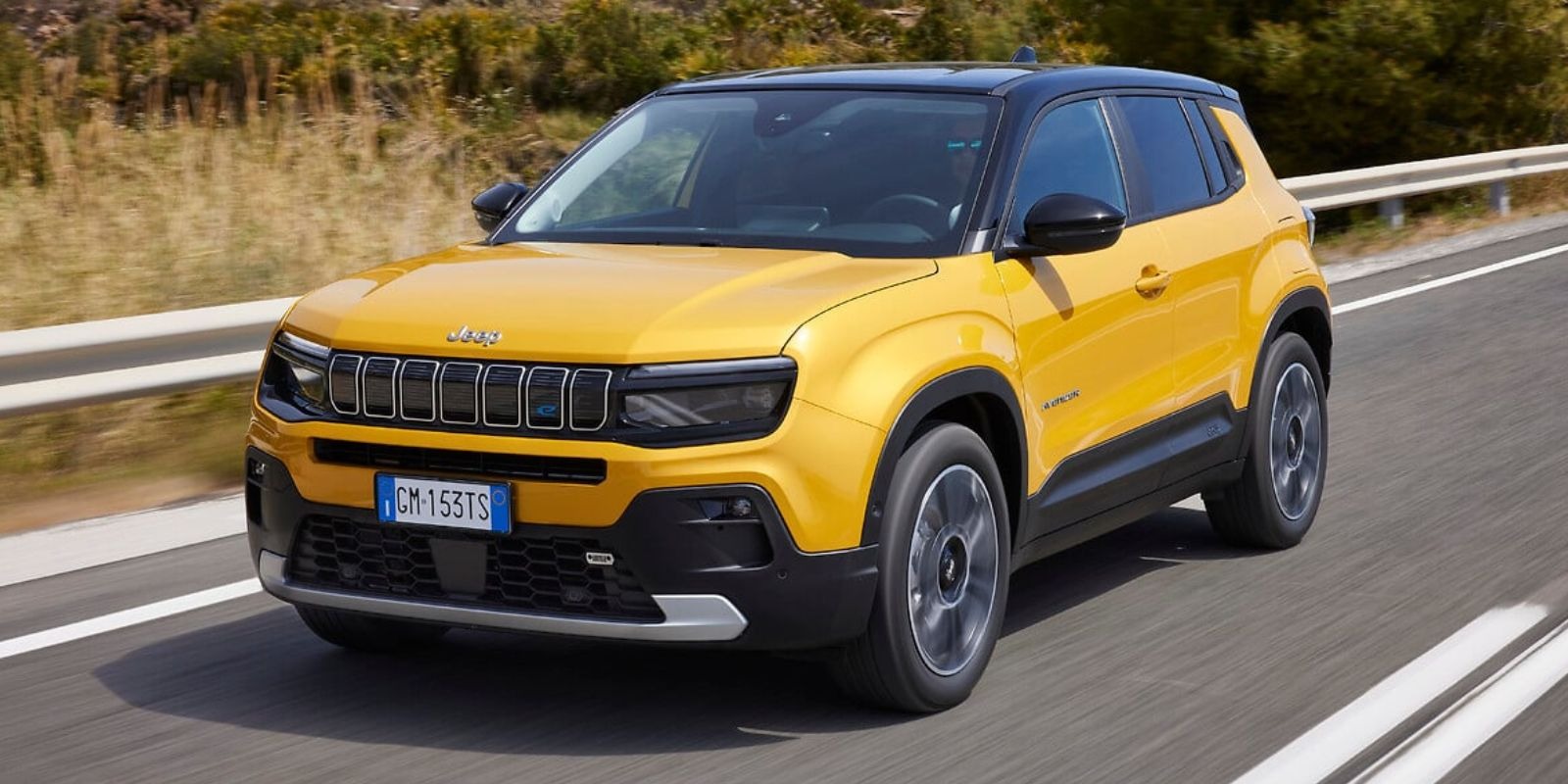
3. Jeep Avenger (Compact SUV)
The Jeep Avenger demonstrates why an SUV’s rugged styling should not be treated as proof of superior safety. Despite its raised driving position and compact crossover design, the model received three stars in the supplied Euro NCAP results.
Its reported scores included 59% for vulnerable-road-user protection and 70% for child-occupant protection. Those figures raise questions about how well the vehicle protects people outside the cabin and younger passengers during the test scenarios assessed.
Euro NCAP also identified weaknesses in automatic emergency braking performance and far-side occupant protection.
Automatic emergency braking, commonly called AEB, can warn the driver or apply the brakes when the system detects a possible collision. Its effectiveness depends on the situation, detection capabilities, and vehicle configuration.
Far-side protection concerns the risk of occupants moving across the cabin during a side impact. Systems such as center airbags can help reduce contact between occupants in certain crashes, although the equipment fitted varies by model.
The Suzuki Swift, a smaller hatchback, was another three-star vehicle in the comparison. However, equal star ratings do not establish that one model is safer in every circumstance. Category scores and the specific tests completed must be considered.
For those considering the Avenger, it is important to confirm the safety rating for the specific model year, check which safety features come standard, and compare its test results with those of similar vehicles.
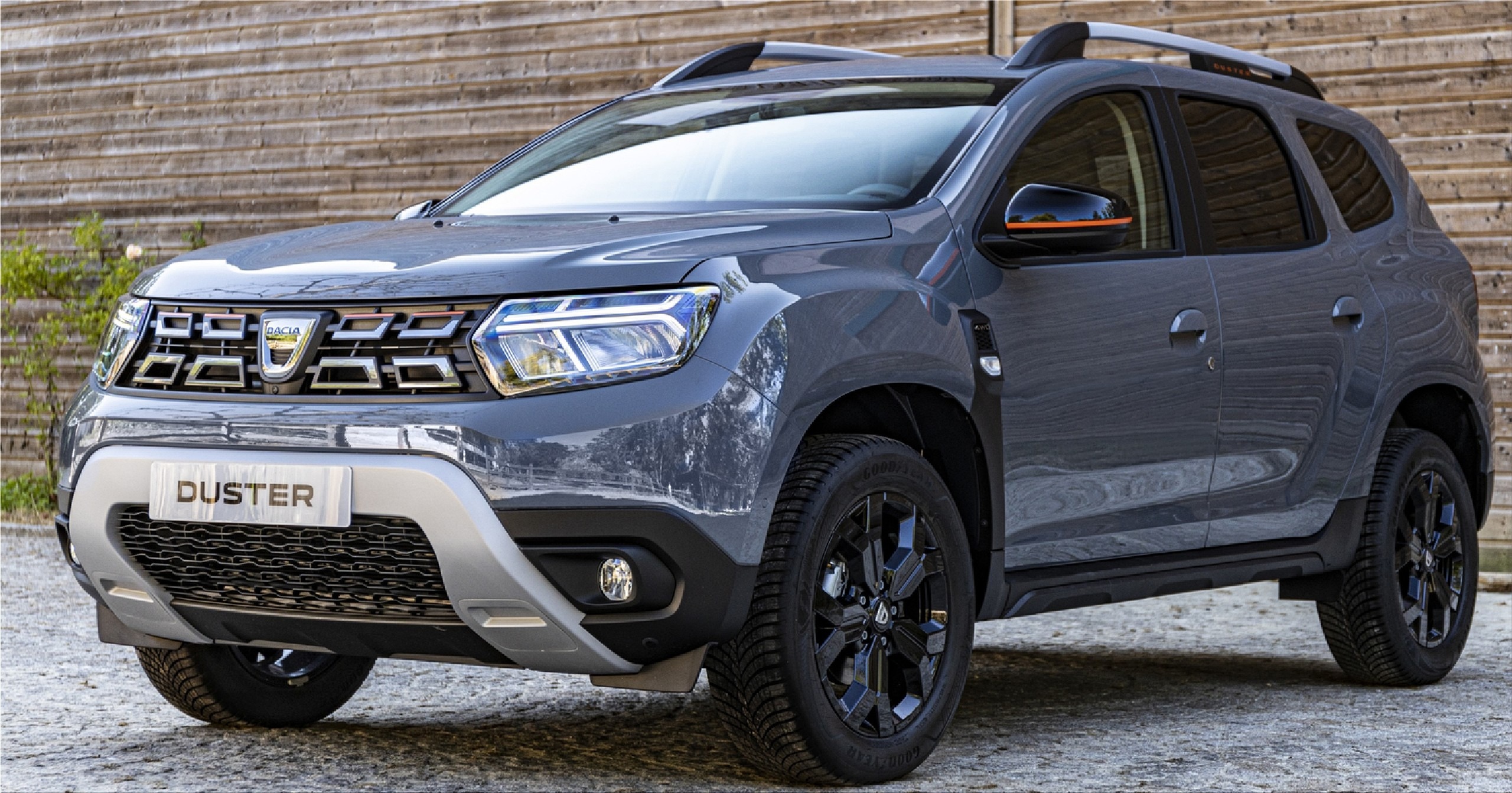
4. Dacia Duster (Small SUV)
The Dacia Duster is an interesting reminder that even a vehicle described as a small SUV can fall short of models that appear similar in size. Its three-star Euro NCAP rating placed it below the five-star smart #3 in the supplied comparison.
The Duster recorded 60% for vulnerable-road-user protection and 57% for safety assistance. These scores suggest that pedestrian and cyclist protection, along with driver-support technology, were weaker areas in its assessment.
The smart #3 earned five stars, demonstrating that a compact electric vehicle can perform well across the range of safety categories considered by Euro NCAP.
Its rating does not mean it will prevent every crash, but it offers buyers evidence of strong performance under the applicable test protocol.
Why do these differences matter? A vehicle’s safety depends on more than the amount of metal surrounding its occupants. The design of its passenger cell, restraint systems, braking assistance, and pedestrian-protection features all contribute to its test performance.
The Duster may still appeal to buyers seeking practicality and value. However, shoppers should weigh those benefits against the vehicle’s safety results and compare the precise version they intend to purchase.
It is also worth remembering that Euro NCAP protocols become more demanding as new tests and assessment requirements are introduced. Ratings should therefore be compared with attention to testing year and protocol, not just the number of stars.
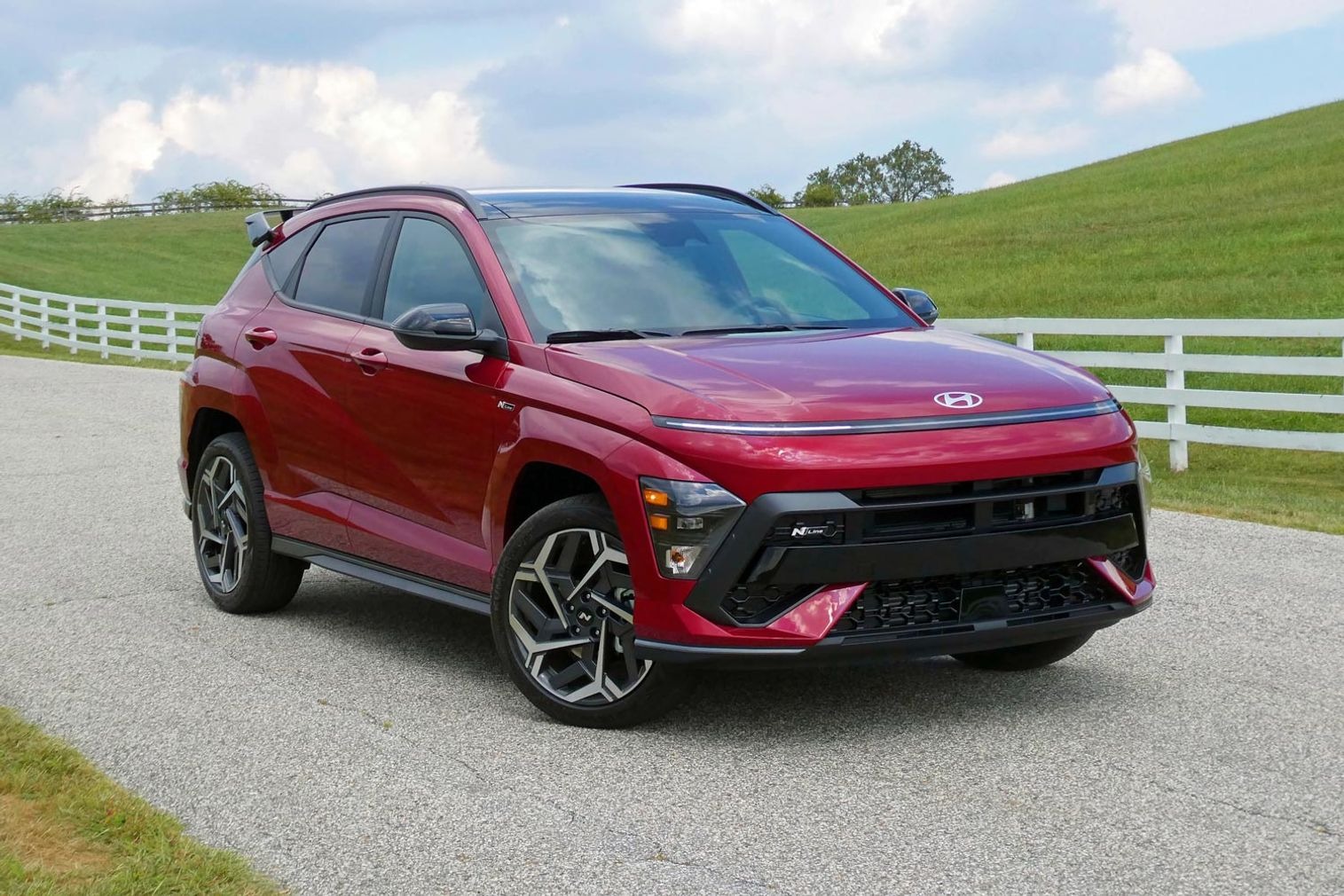
5. Hyundai KONA (Small SUV, enlarged for 2024)
The Hyundai KONA received four stars in the supplied Euro NCAP results, placing it below the five-star Volkswagen ID.7.
The comparison is interesting because the KONA is a compact SUV, while the ID.7 is a larger electric car. It shows that a larger vehicle does not automatically earn a higher safety rating.
Euro NCAP criticized the KONA’s crash-avoidance performance in its assessment. Safety-assistance technology can influence a vehicle’s rating because systems such as lane support, speed assistance, and automatic emergency braking are designed to help prevent accidents or reduce their severity.
The Honda ZR-V also provides a useful point of comparison. It received four stars, but the supplied information describes its crash performance as stronger than the KONA’s.
This shows that star ratings do not reveal everything, as two vehicles with the same rating can perform differently in specific safety tests..
The KONA remains a vehicle worth evaluating on its own merits, including its practical features, available equipment, and occupant protection.
However, buyers should review the exact test report and determine whether the vehicle’s standard safety systems meet their expectations.
Before purchasing, confirm that the rating applies to the model year and powertrain being considered. Equipment and specifications can vary, and a result from one version should not automatically be applied to every version carrying the same name.
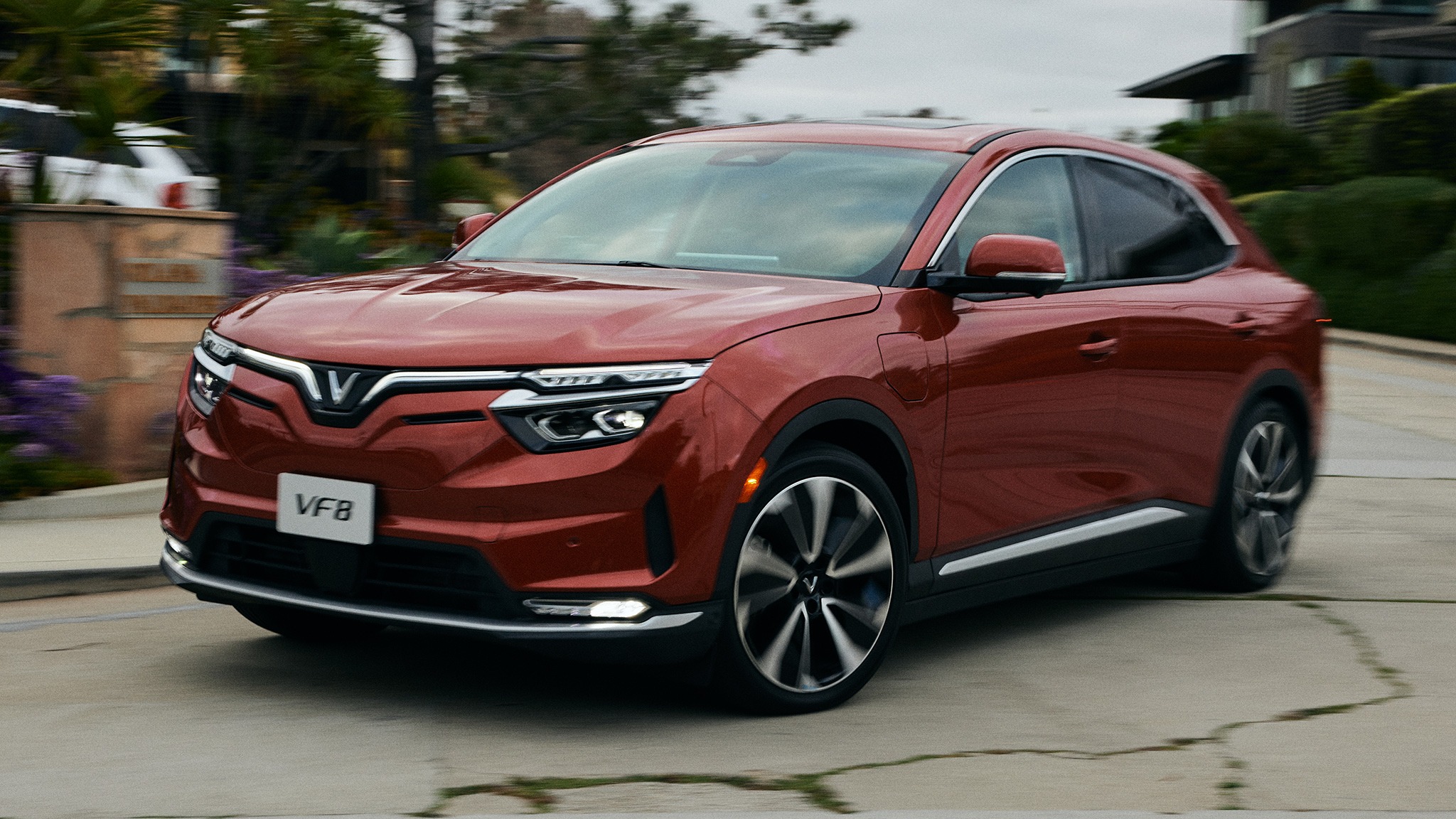
6. VinFast VF8 (Large SUV)
The VinFast VF8 rounds out this list with a four-star Euro NCAP rating, while the smaller smart #3 earned five stars in the supplied comparison.
The result challenges the assumption that a larger SUV must provide better crash protection simply because it has a larger body.
The VF8’s reported weakness involved its restraint systems. Seat belts, airbags, and related components work together to manage the forces acting on occupants during a collision.
Their effectiveness depends on how well they restrain different body sizes and positions and how they perform under the test conditions.
The smart #3’s five-star result shows that a smaller vehicle can deliver strong protection across the assessment categories. Still, this does not mean the smart #3 will outperform the VF8 in every possible crash.
Real-world outcomes depend on factors such as impact direction, vehicle speed, occupant position, and the vehicles involved.
The VF8 may appeal to shoppers seeking an electric SUV with a spacious cabin, but its safety rating deserves careful consideration alongside range, charging needs, ownership costs, and available equipment.
For a fair comparison, review the published Euro NCAP reports for both models and confirm the testing dates. Star ratings are most useful when the vehicles were assessed under comparable protocols.
Buyers should use those results as evidence for their decision, not as a guarantee of what will happen in every accident.
