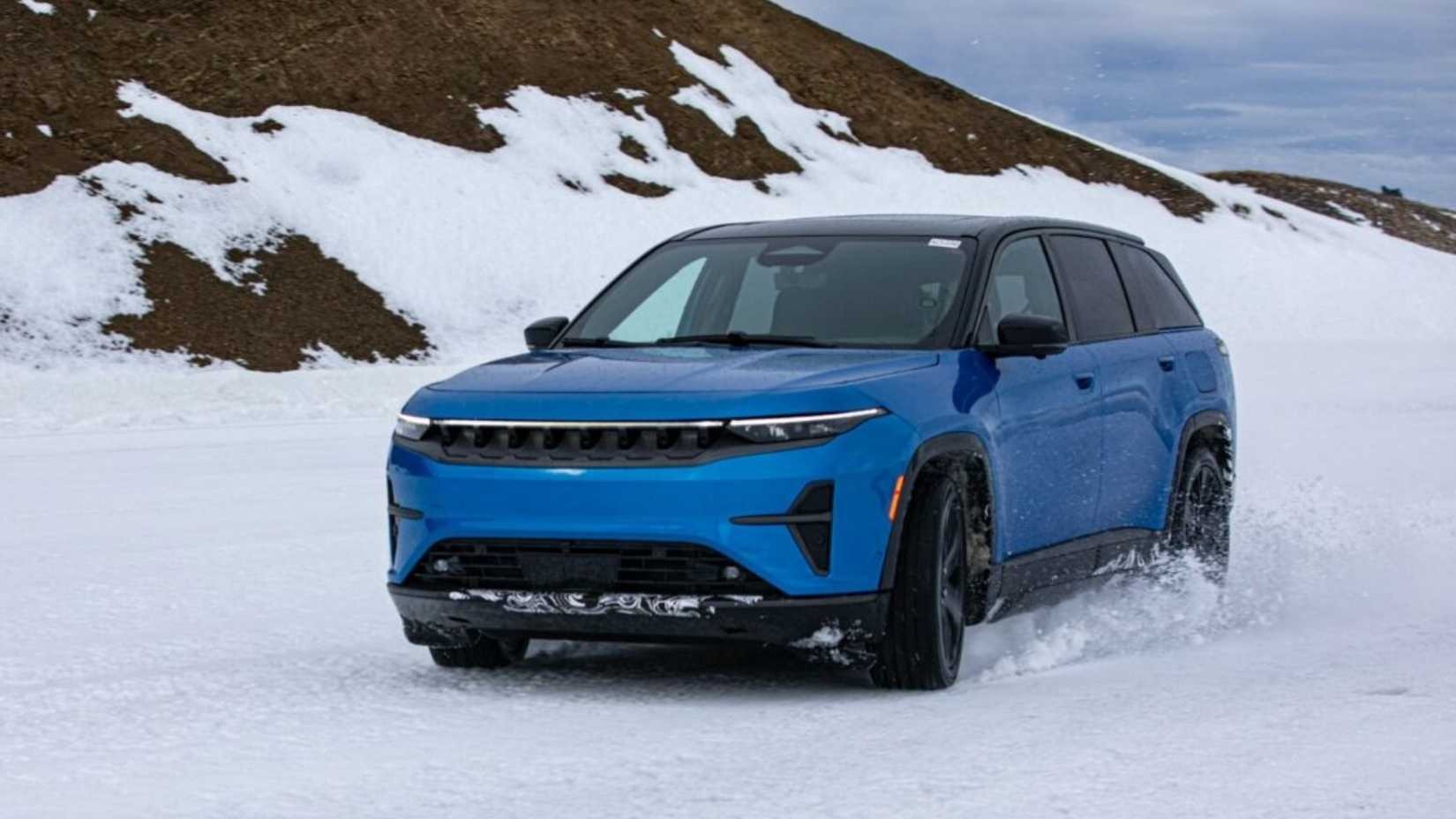
Winter driving can be hard on your vehicle and your wallet, especially when you follow advice that sounds sensible but causes more harm than good. From letting your engine idle for ages to lowering tire pressure for better grip, some familiar habits can waste fuel, wear out expensive parts, and increase the risk of an accident. The frustrating part?
Many of these mistakes are easy to avoid once you understand what your car actually needs in cold weather. Whether you drive through snowy streets every morning or only face freezing temperatures a few times each year, knowing the facts can help you protect your vehicle and save money. Here are 10 winter driving myths worth leaving behind before the next cold snap arrives.
1. Warming up your car saves the engine
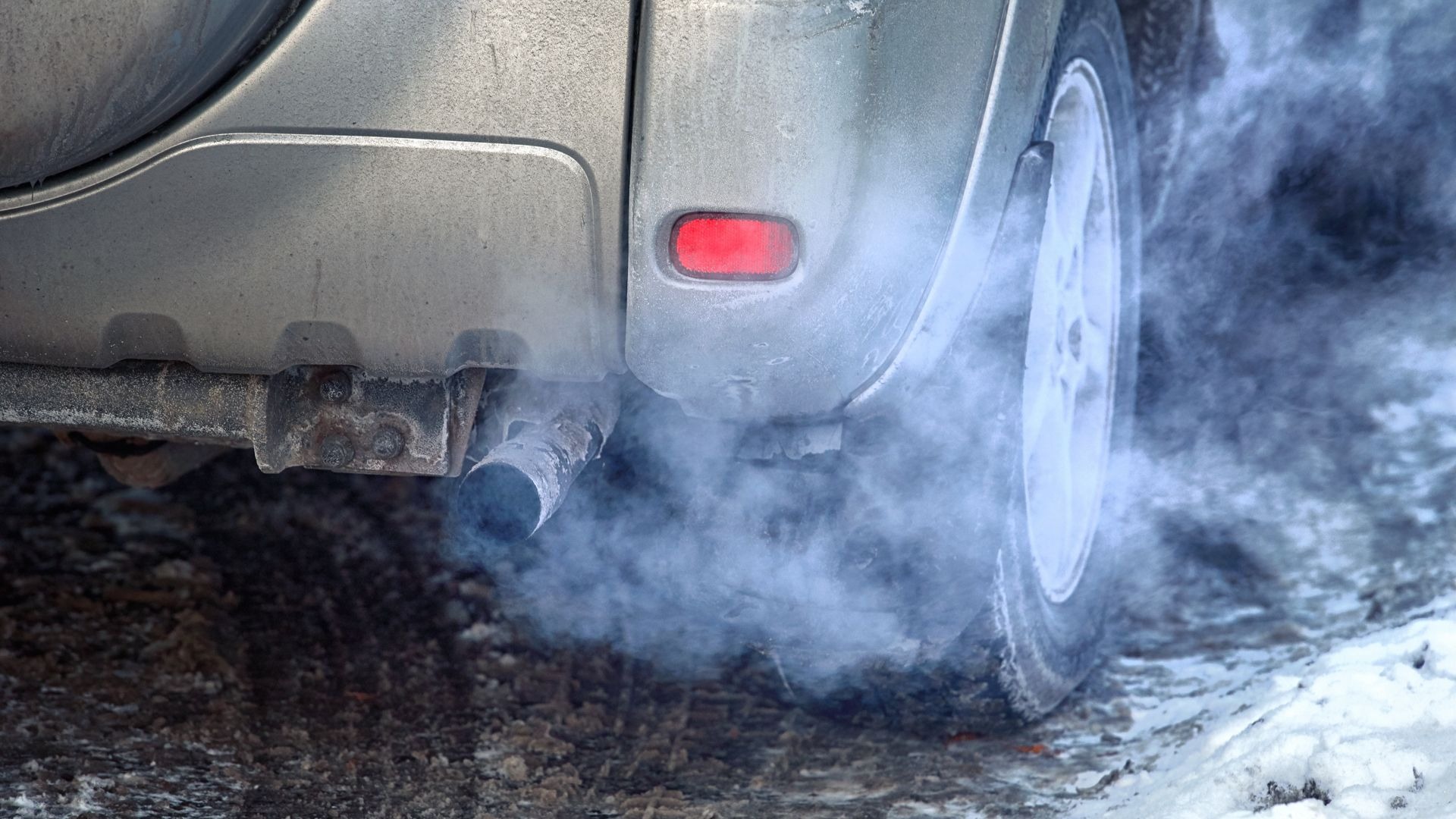
On a freezing morning, sitting in your driveway with the engine running may feel like the responsible thing to do. Many drivers believe their vehicles need 10 or 15 minutes of idling before they can safely hit the road. For most modern cars, that habit wastes fuel without providing much extra protection.
Today’s engines use electronic fuel injection and modern lubrication systems that allow them to operate without lengthy stationary warm-ups.
Engine oil begins circulating shortly after startup, and driving gently helps the engine and other mechanical parts reach their normal operating temperatures.
Think about the money spent every winter morning while your car sits in the driveway. Fuel burns without taking you anywhere, and repeated long idling sessions can contribute to carbon deposits and unnecessary emissions. Those small daily expenses can add up across an entire season.
A better approach is to start the engine, allow a short period for the oil to circulate, and begin driving gently when visibility and conditions are safe.
Avoid hard acceleration and high engine speeds until the vehicle warms up. Always follow the manufacturer’s recommendations, particularly for older vehicles and extreme cold.
You should still clear snow and ice from every window, mirror, light, and the roof before driving. If your windshield needs time to defrost, allow the necessary time for safe visibility rather than rushing onto the road.
2. Snow tires are only needed on the front wheels
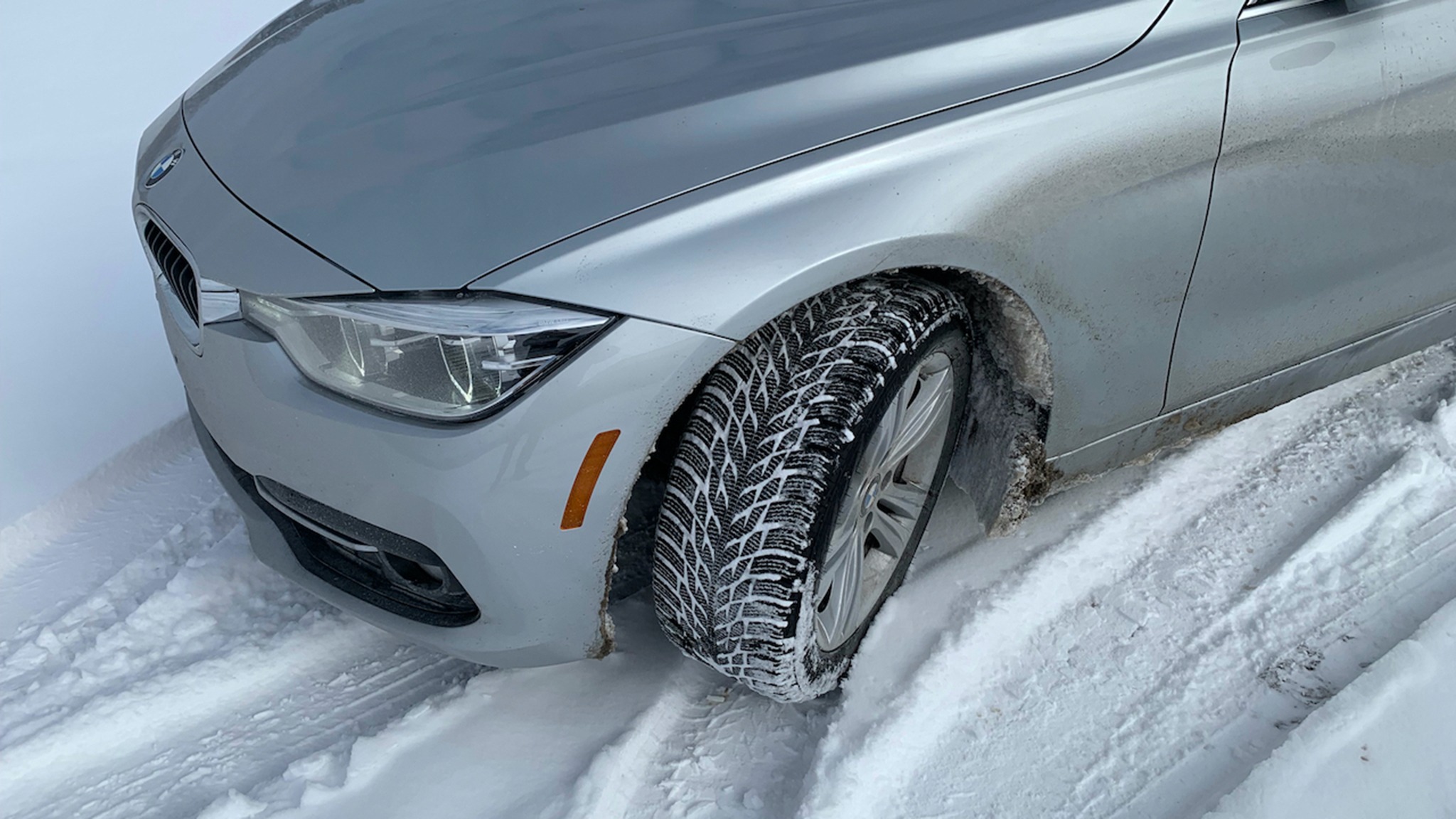
Some drivers believe installing winter tires on the front wheels alone is enough to handle snowy roads, especially when they drive a front-wheel-drive car. It may seem like a way to save money, but using only two winter tires can create a dangerous imbalance in traction.
Winter tires provide better grip in cold conditions, and that advantage should be consistent across all four wheels. If the front tires grip well while the rear tires have less traction, the vehicle can become harder to control during turns, braking, or sudden maneuvers.
This imbalance can cause the rear of the car to slide outward, increasing the risk of losing control on a slippery road. Even experienced drivers may struggle to correct the skid, particularly on ice or packed snow.
The financial consequences can be significant. A collision could lead to bodywork, replacement parts, insurance deductibles, and higher insurance costs. Trying to save money by purchasing only two winter tires could ultimately cost much more than buying a complete set.
The safer choice is to install four matching winter tires of the appropriate size and specification. If buying all four at once is difficult, speak with a qualified tire professional about suitable options rather than mixing tire types in a way that compromises handling.
Before winter arrives, inspect your tires for tread wear and damage. Investing in balanced traction across all four wheels can help you maintain control, protect your vehicle, and avoid expensive repairs.
3. Winter tires are unnecessary
All-season tires are convenient because they can handle a broad range of conditions. That convenience, however, does not mean they perform equally well in every temperature or on every road surface.
When temperatures fall and snow or ice becomes common, relying exclusively on all-season tires may be an expensive gamble.
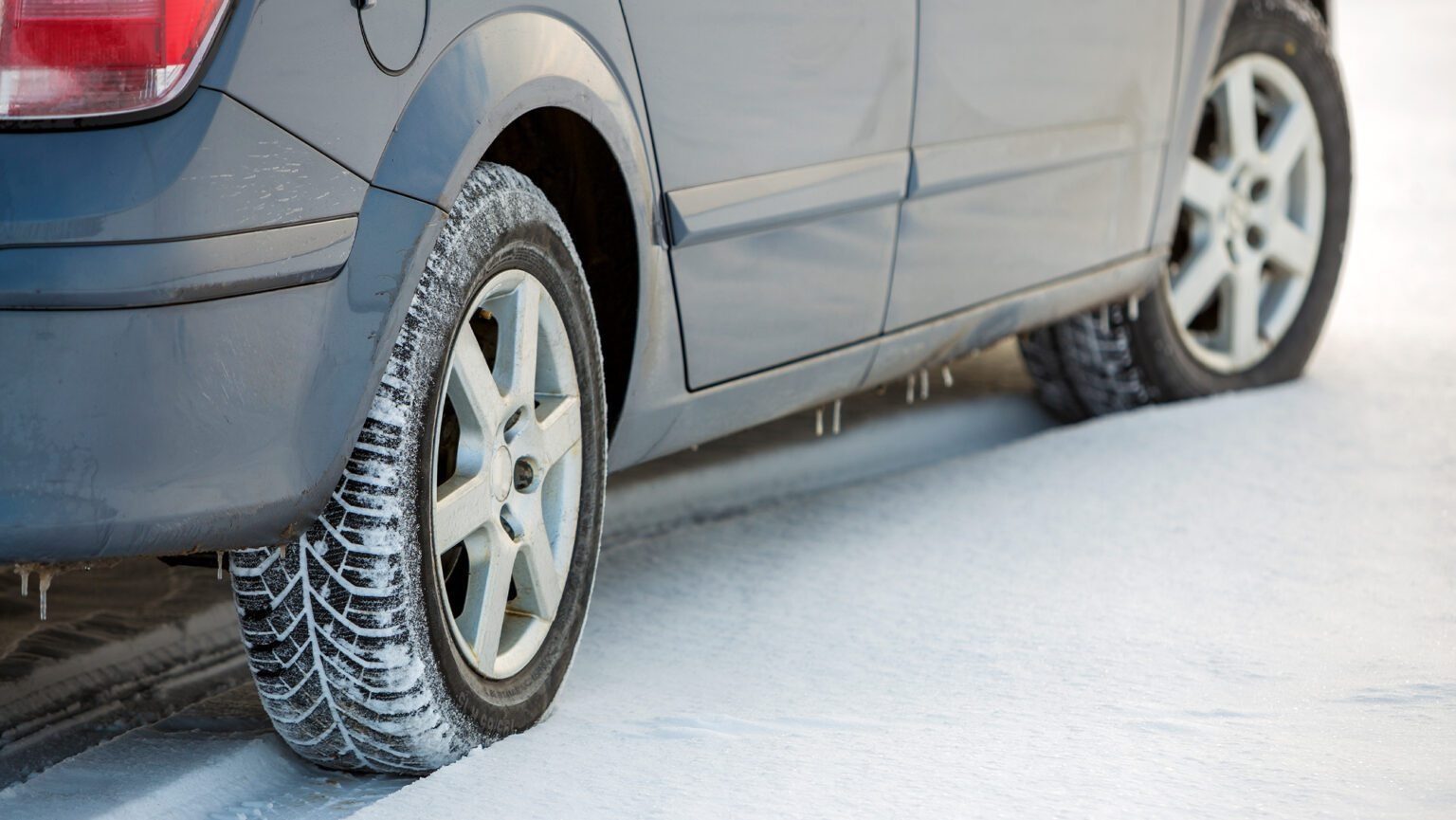
The rubber compounds used in winter tires are designed to remain flexible in cold conditions. Their tread patterns also help manage snow, slush, and water.
Many all-season tires become less pliable in freezing weather, reducing their ability to grip the road. That difference matters most when you need to stop quickly.
A vehicle traveling at the same speed can require a much longer stopping distance on a slippery surface than on dry pavement. Depending on the tires, temperature, and road conditions, winter tires can offer a substantial braking advantage.
Skipping them could lead to costly consequences, including bumper damage, broken headlights, body repairs, insurance deductibles, and medical expenses after a collision.
A set of winter tires costs money upfront, but that expense may be worthwhile if you regularly drive through harsh winter conditions.
Drivers should not assume winter tires are necessary everywhere. In areas with mild winters and little snow, quality all-season tires may be suitable. Check local weather patterns and consider how frequently you drive in freezing conditions.
If you choose winter tires, install them as a complete set of four. Using only two can create an imbalance in grip between the front and rear axles, making the car harder to control.
4. All-wheel drive makes winter driving safe
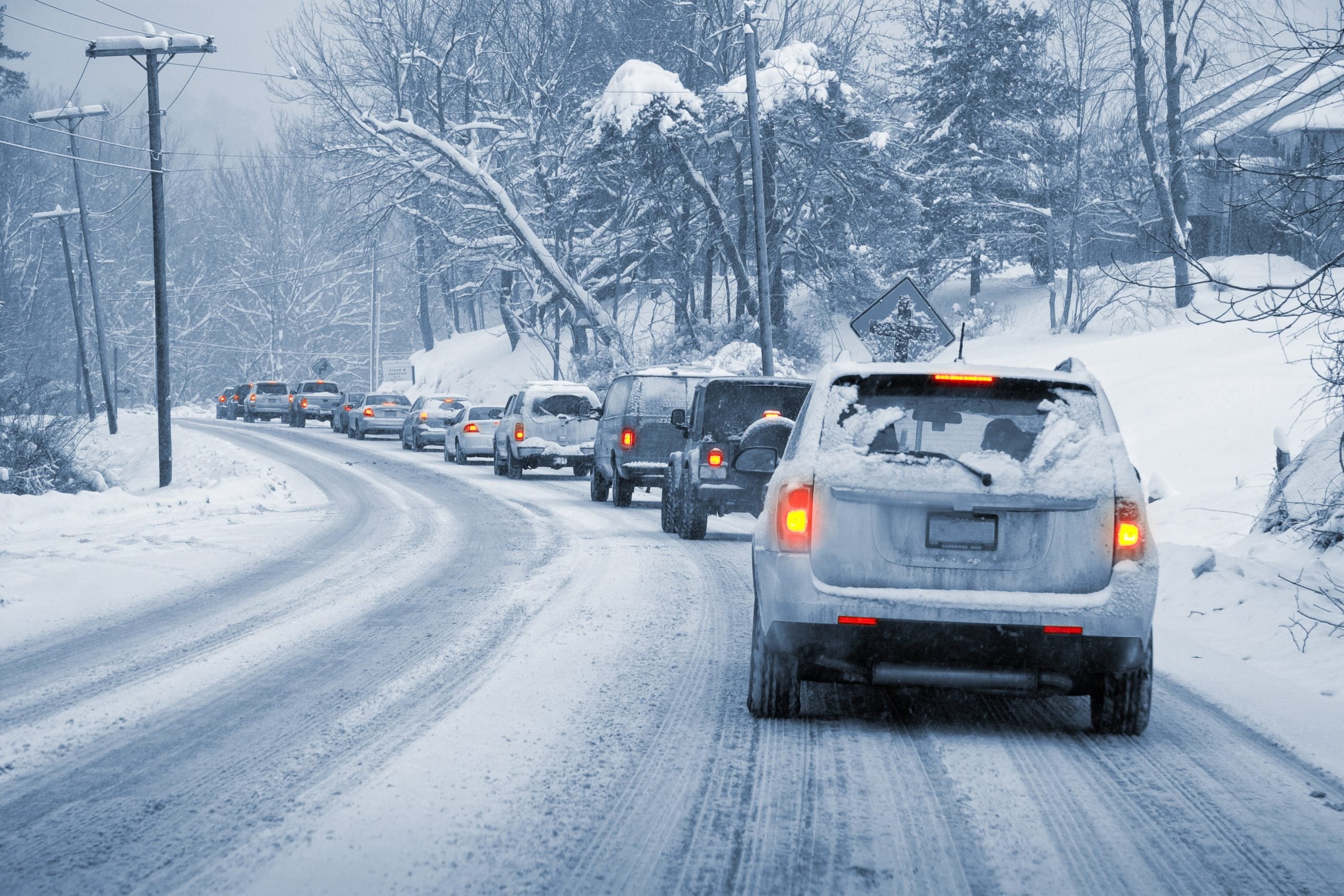
All-wheel drive feels like a winter superpower. Press the pedal, and the car pulls away from the light while others spin. That’s the problem.
Erie Insurance warns that AWD helps you move forward but does nothing for stopping, and overconfidence leads to crashes and expensive repairs.
Think about the physics. Accelerating and braking are different jobs. AWD sends power to more wheels, which helps with getting going.
When you brake, every car’s tires have to grip the road, and an AWD vehicle isn’t special there. It can even weigh more than a similar two-wheel-drive model, which may lengthen stopping distances.
That last point is a general principle and isn’t in the supplied source. Winter tires matter more for traction and braking, according to the source.
A front-wheel-drive car on winter tires can outperform an AWD car on worn all-seasons in many situations. What should you do? Treat AWD as a bonus.
Slow down on ice, increase your following distance, and brake early and gently. Put your money into good tires first. If you already own an AWD vehicle, don’t panic.
Just remember that the confidence it gives you shouldn’t change how you drive. A slower speed is cheaper than a body shop.
5. Pouring hot water on a frozen windshield is safe
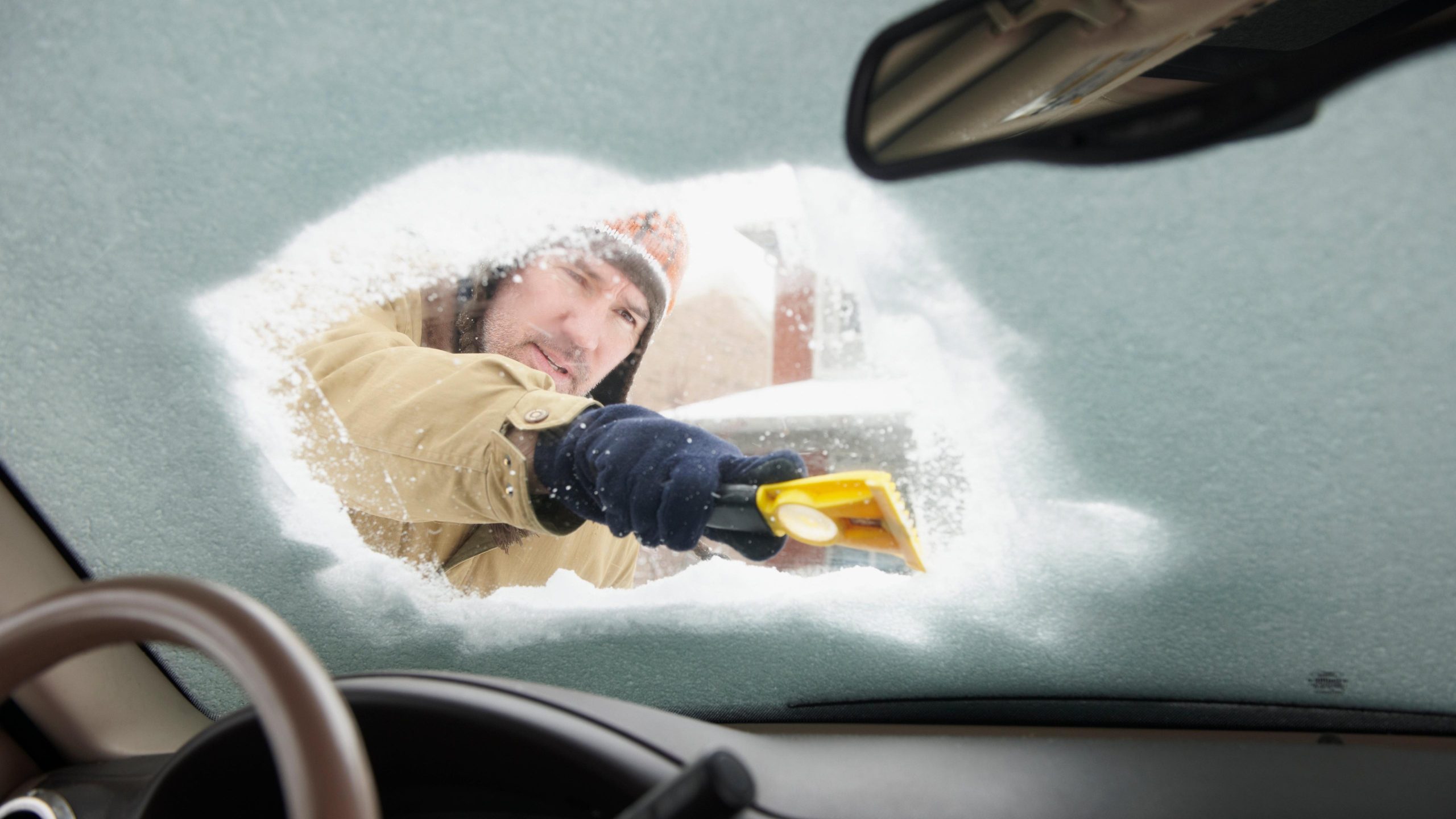
It’s 7 a.m., you’re late, and the windshield is a sheet of ice. Hot water seems like the fastest fix. Don’t. Erie Insurance says hot water can crack cold glass, leading to costly windshield replacement.
Here’s why. Glass expands when it heats and contracts when it cools. Pour hot water on a frozen windshield, and one part heats quickly while the rest stays cold. That uneven stress can crack the glass, especially if there’s already a chip or a small crack.
There’s a second problem. The water also creates slippery puddles that can cause falls, according to the same source. And if temperatures are low, the water can refreeze on the glass, leaving you with more ice than you started with.
What works instead? Start the car, turn on the defroster, and let the heat do the job. Use a plastic ice scraper, and clear the entire windshield, not a small peephole.
Keep a can of de-icer spray if you like, and consider a windshield cover on nights when frost is expected. A cover costs a few dollars and saves ten minutes.
Patience is cheaper than glass.
6. Pumping brakes on ice helps you stop
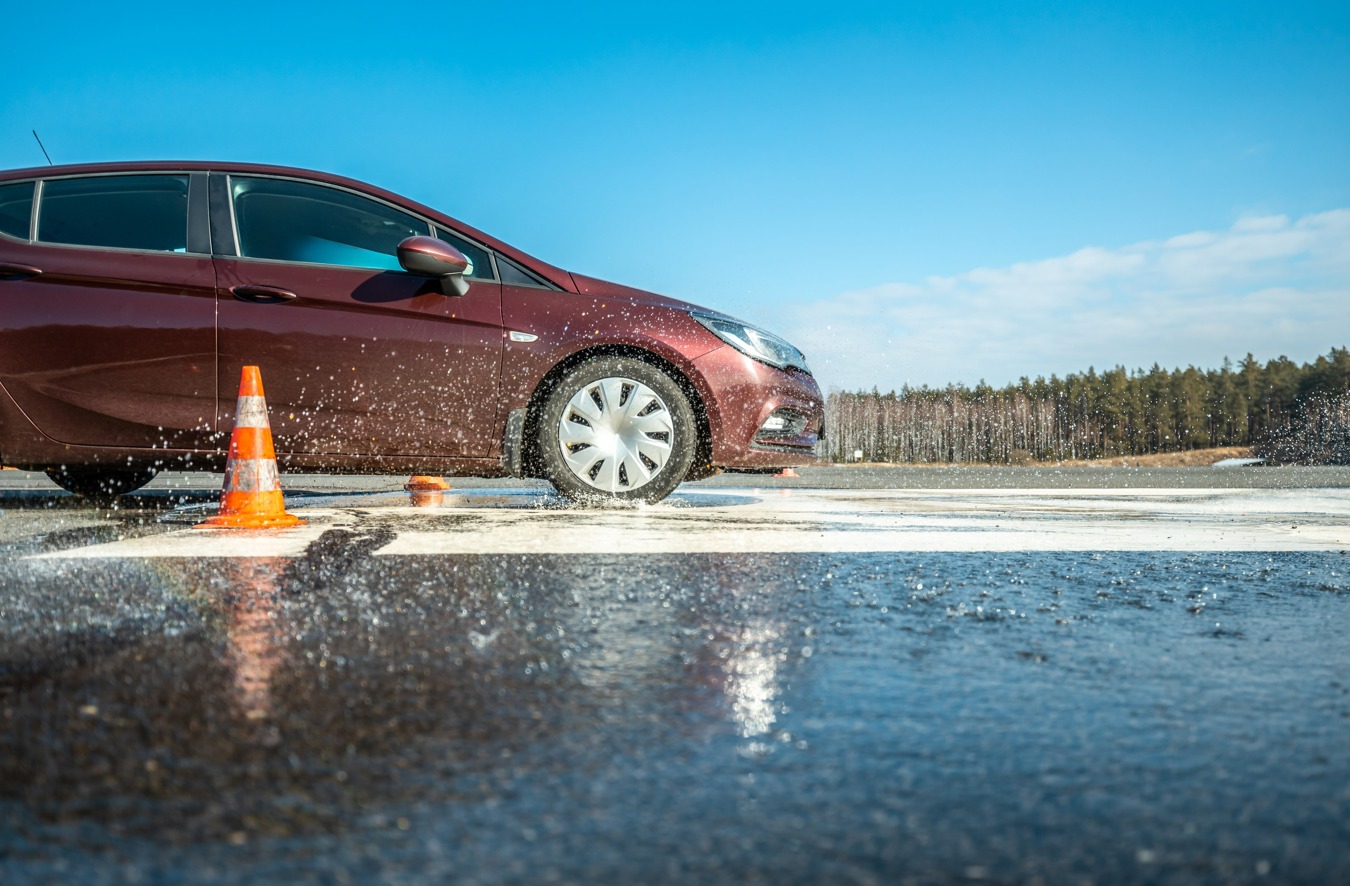
Old driver’s ed taught us to pump the brakes on ice. If your car has anti-lock brakes, that advice is out of date. According to Erie Insurance, ABS-equipped cars automatically pulse the brakes, so pumping them reduces effectiveness and increases stopping distance. Longer stops increase crash risk and repair costs.
What does ABS do? When a wheel starts to lock, the system releases and reapplies pressure many times per second, far faster than a human foot can. That lets you keep steering while you slow down.
What should you do? Press the brake pedal firmly and steadily, and keep your foot down. You may feel a pulsing or hear a grinding noise from the pedal. That’s the system working, so don’t let up. Look where you want to go, and steer that way.
If your car doesn’t have ABS, which is rare on newer vehicles, gentle pumping or threshold braking may still apply. Check your owner’s manual if you’re unsure.
Prevention helps more than technique. Slow down before corners, leave several car lengths, and brake early. Good tires matter too.
Skills cost nothing. Crashes cost a lot.
7. Emergency kits are only for rural drivers
A breakdown on an empty country road sounds like the obvious reason to carry winter emergency supplies. Yet city drivers can become stranded, too.
Heavy snowfall, traffic collisions, road closures, dead batteries, and blocked streets can leave motorists waiting for help much longer than expected.
Imagine being stuck in traffic during a winter storm with a nearly empty phone battery and no warm clothing in the car. Even if you’re only a few miles from home, the situation can become uncomfortable or unsafe when temperatures fall.
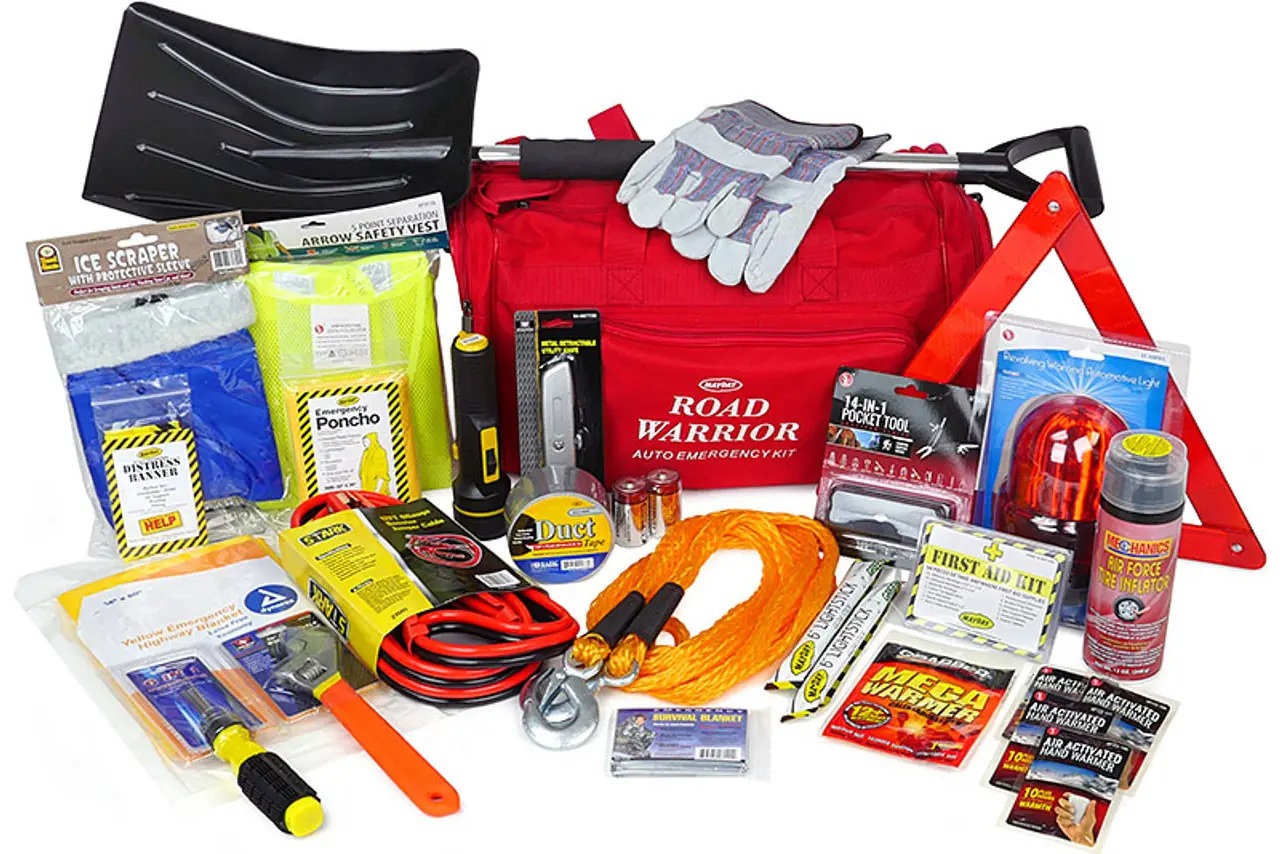
A basic winter emergency kit does not have to be expensive. Start with a warm blanket, gloves, a hat, a flashlight, spare batteries, drinking water, nonperishable snacks, a phone charger or power bank, and a first-aid kit.
A reflective warning triangle and a high-visibility vest can help other drivers see you if you must leave the vehicle. Depending on your location and vehicle, consider jumper cables or a compatible jump starter, a small shovel, an ice scraper, and traction aids suitable for your tires.
Keep essential supplies secured so they do not become dangerous projectiles during sudden braking.
Why does this save money? Being prepared may reduce the need for expensive roadside purchases, prevent avoidable complications while waiting for assistance, and help you respond more safely to a breakdown.
Check your supplies before the cold season begins. Replace expired items, recharge electronic equipment, and make sure everyone who regularly drives the car knows where the kit is stored.
You cannot predict every winter emergency, but you can avoid paying for problems that a little preparation would have made easier to manage.
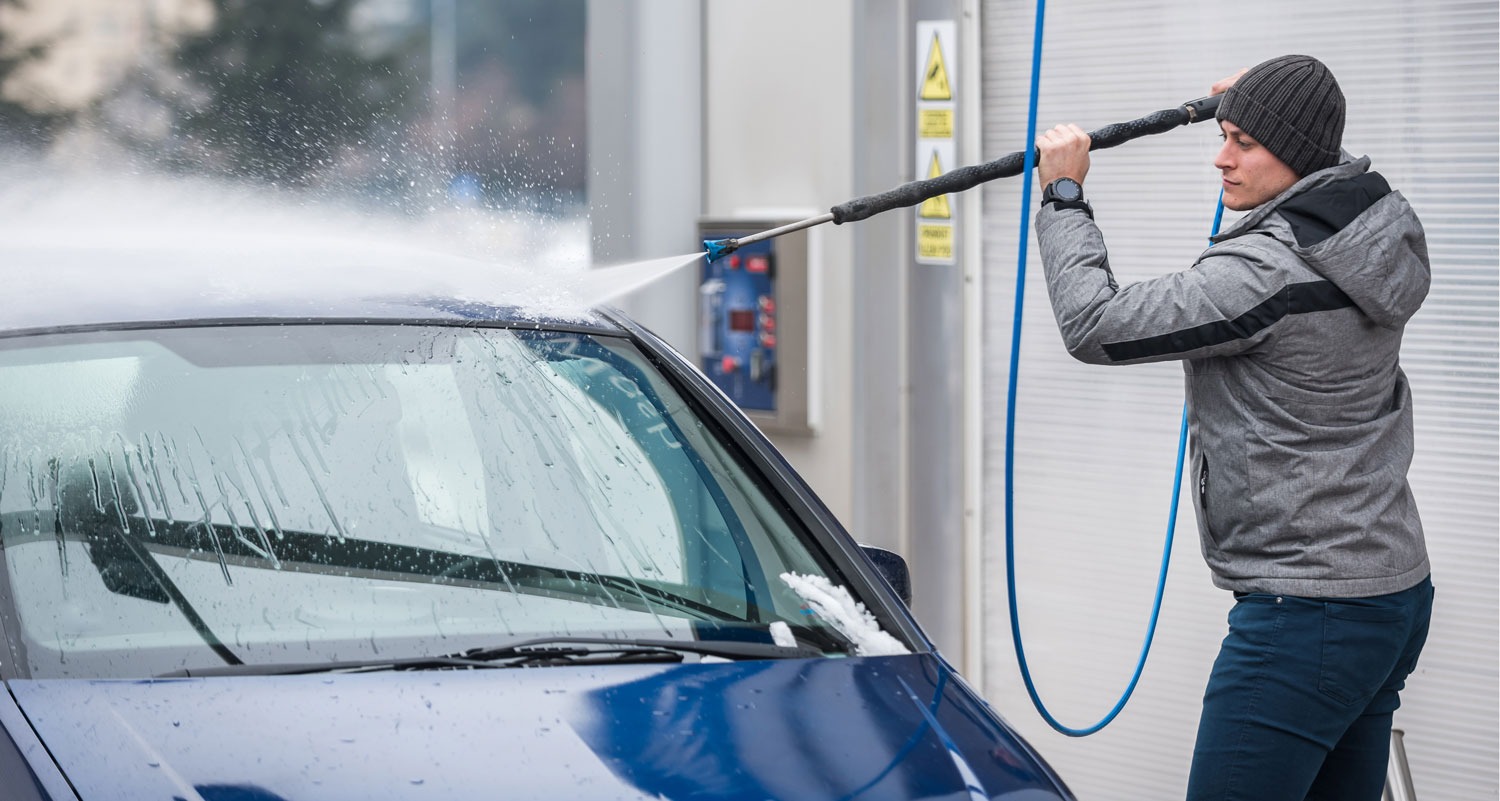
8. Winter car washes are a waste of money
Paying for a car wash when the forecast calls for more snow may seem pointless. Why clean a vehicle that could look dirty again by tomorrow?
The problem often lies beneath the grime, where winter road salt and chemical de-icers can accelerate corrosion and lead to costly repairs.
Salt helps melt ice, but it can also accelerate rust when it remains on metal surfaces in the presence of moisture. The underbody, wheel wells, brake components, and exposed metal parts can be especially vulnerable.
As time goes on, corrosion may damage body panels, fasteners, and certain lines or components. A neglected vehicle can develop problems that are far more expensive than routine cleaning.
Depending on the affected part, repairs may involve bodywork, replacement hardware, or mechanical work that requires a technician to remove corroded components.
Regular winter washing helps remove salt and grime before they accumulate. You do not need to wash your car every day. Instead, wash it periodically during stretches when roads have been treated with salt, especially after driving through slush.
Choose a wash that cleans the underbody, if available, and follow any recommendations for your vehicle’s finish. When temperatures are extremely low, make sure doors, locks, and seals can dry properly to reduce the chance of freezing.
Do not forget the wheels and wheel wells, where packed slush can collect. After washing, gently clear water from door seals and avoid forcing frozen doors open.
Think of winter washing as routine maintenance rather than cosmetic spending. A modest cleaning bill may help prevent corrosion-related expenses later, especially if you live in an area where roads are treated frequently.
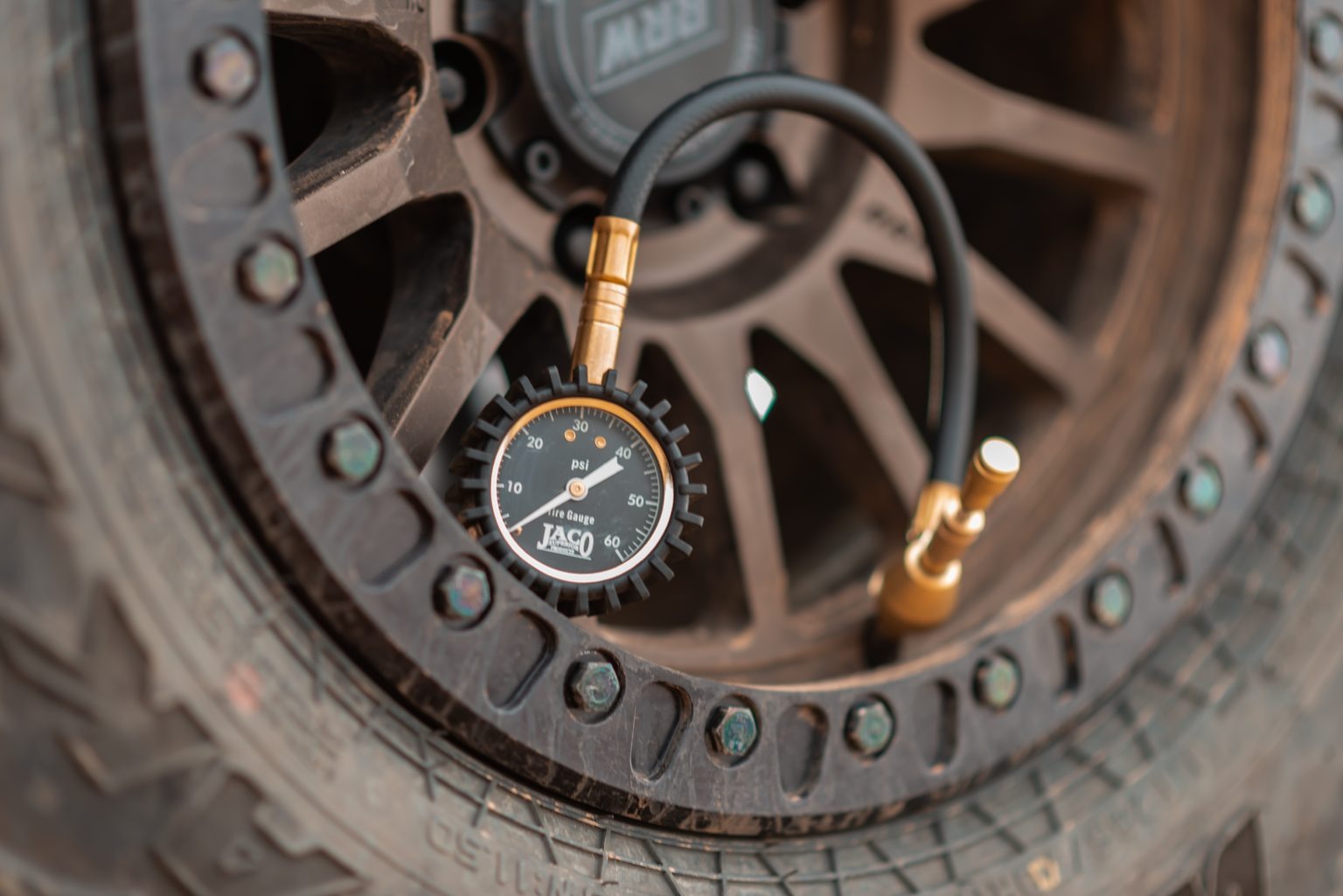
9. Deflating tires improves traction
This myth is back for a second round, with a different angle on the reasoning. According to Garage Living, cold weather already reduces tire pressure, so deflating further increases blowout risk and accelerates tread wear, costing money in replacements.
Notice how this differs from the earlier myth. That one focused on stopping ability. This one highlights the blowout risk and the cost of wear. Together they make the same point from two directions.
Why is cold air so tricky? Air contracts as temperatures fall, so your tires lose pressure without any leak. If you start with the correct pressure in the fall and then let air out for traction, you end up far below the recommended level.
A tire running low flexes more, heats up, and is more likely to fail, especially at highway speed.
The money part is straightforward. Worn tires need replacing sooner. A blowout can mean a tow, a wheel repair, and a possible accident.
What should you do? Keep the pressure at the recommended level, and check it at least monthly. Use a good gauge, and adjust when the weather swings. Fill to the door sticker number.
Traction comes from tread, tire type, and speed, not from letting out air.
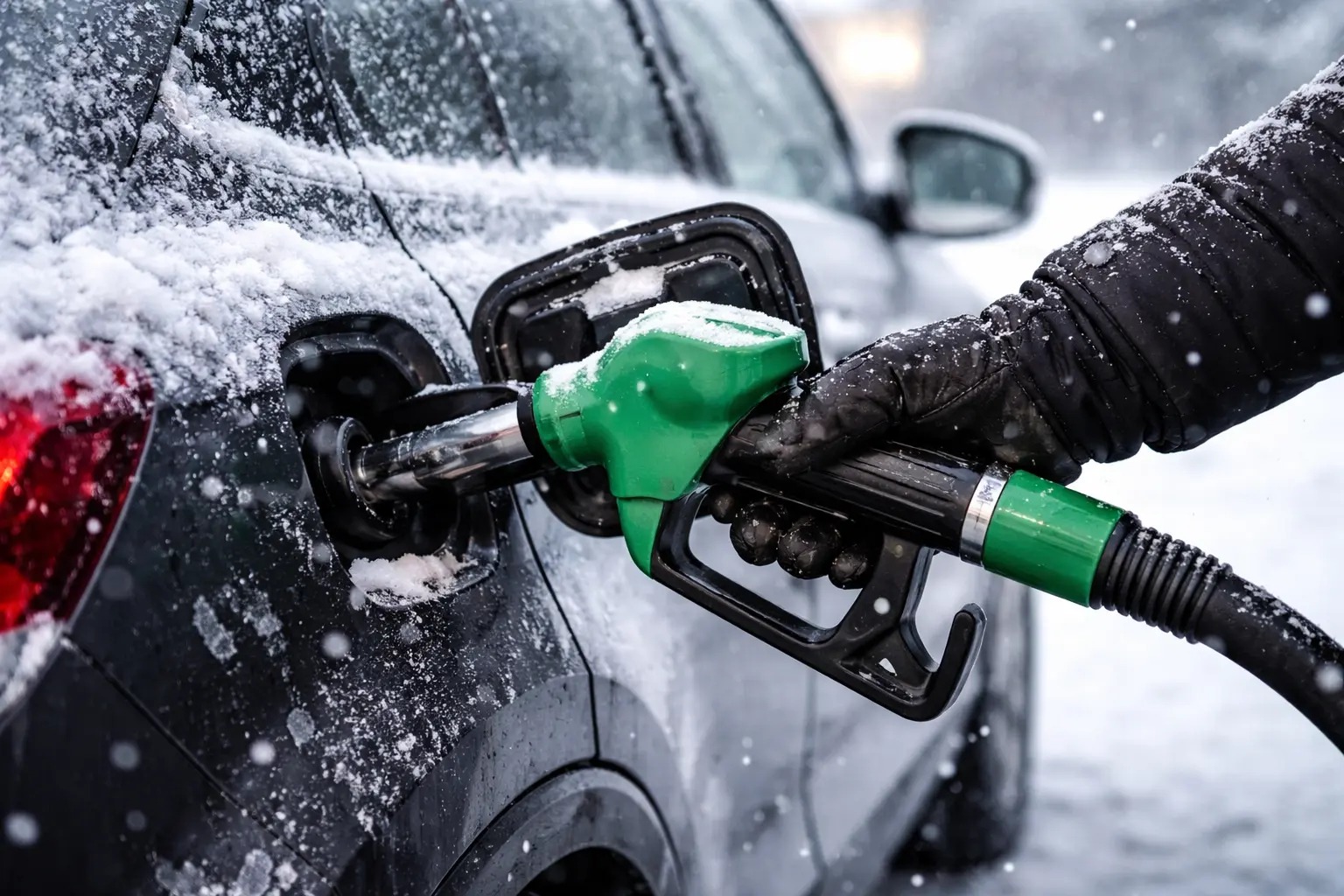
10. Gas won’t freeze
Gasoline rarely freezes in typical winter conditions, but moisture in the fuel system can cause problems. Rockford Mutual Insurance Company explains that condensation can freeze in fuel lines, potentially preventing the engine from starting and leading to repair or towing costs. To reduce the risk, keep your fuel tank at least one-quarter full.
How does condensation form? An emptier tank has more air space, and moist air can condense on the walls as temperatures change. That water can reach the fuel lines, and if it freezes, it blocks the flow. The car cranks but doesn’t start.
A fuller tank has other benefits. It gives you fuel to run the heater if you’re stranded, and it helps reduce the chance of pump trouble from running very low. That second point is a general idea, not from the source.
What should you do? Fill up when the gauge hits a quarter, and don’t wait for the light. Some drivers add a fuel-line antifreeze product, though check the label and your owner’s manual first.
Let’s recap. Each myth on this list costs money through wasted fuel, faster wear, damaged glass, rust, or repairs. Ignore the old advice, check your tires, keep your tank fuller, and drive smoothly. Your wallet will thank you.