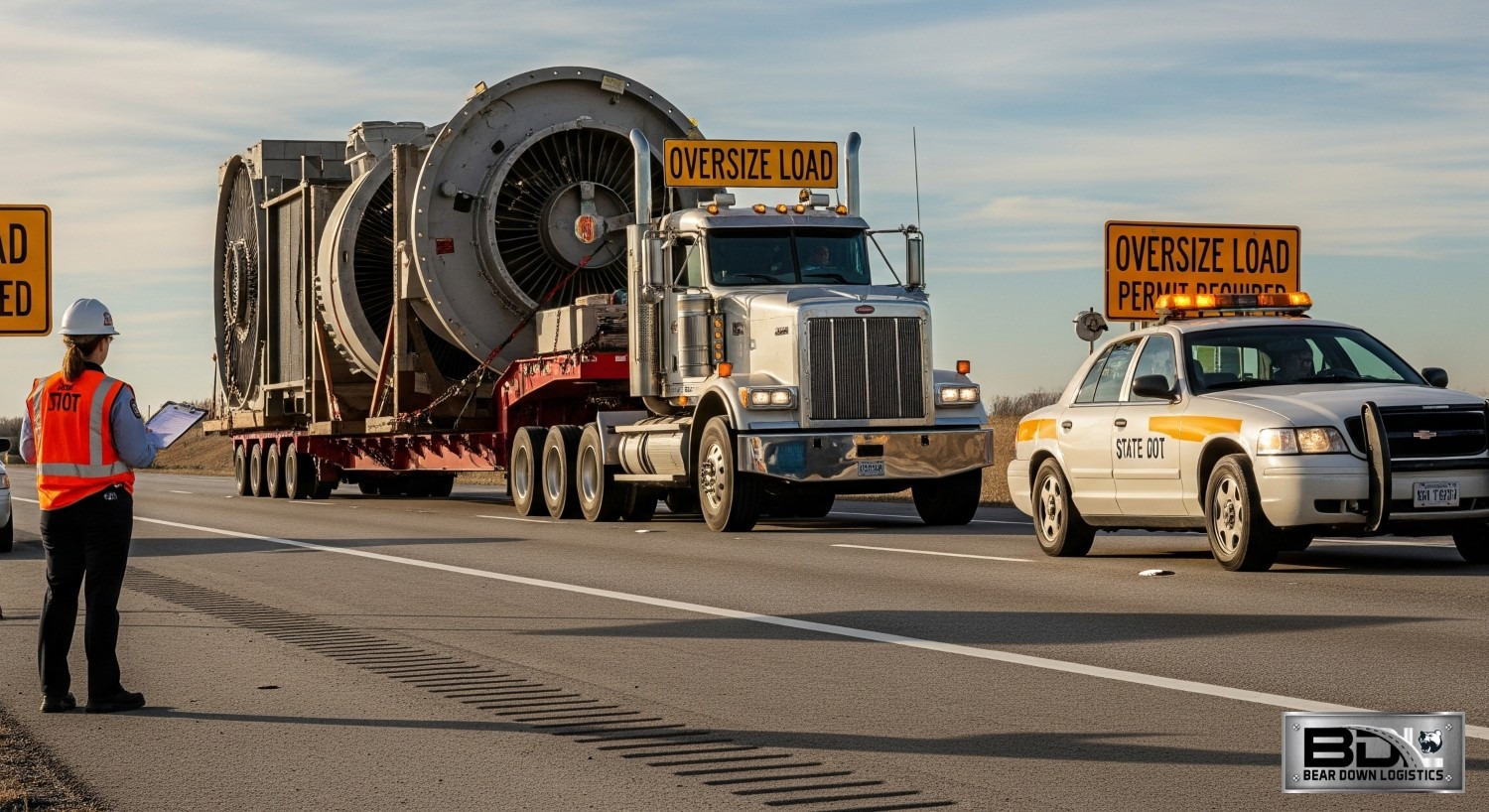
Commercial truck drivers must follow regulations that do not apply to ordinary motorists, including strict driving-hour limits and detailed cargo securement requirements. These rules are designed to improve road safety because large trucks are heavy, powerful vehicles that can cause serious damage when accidents occur.
This guide walks through eight highway rules that apply only to trucks, using plain language and real-world examples. Whether you drive a truck, share the road with them, or just feel curious, you will come away with a better understanding of what keeps those giants moving safely. Settle in and take a look.
1. Hours of Service (HOS) Driving Limits
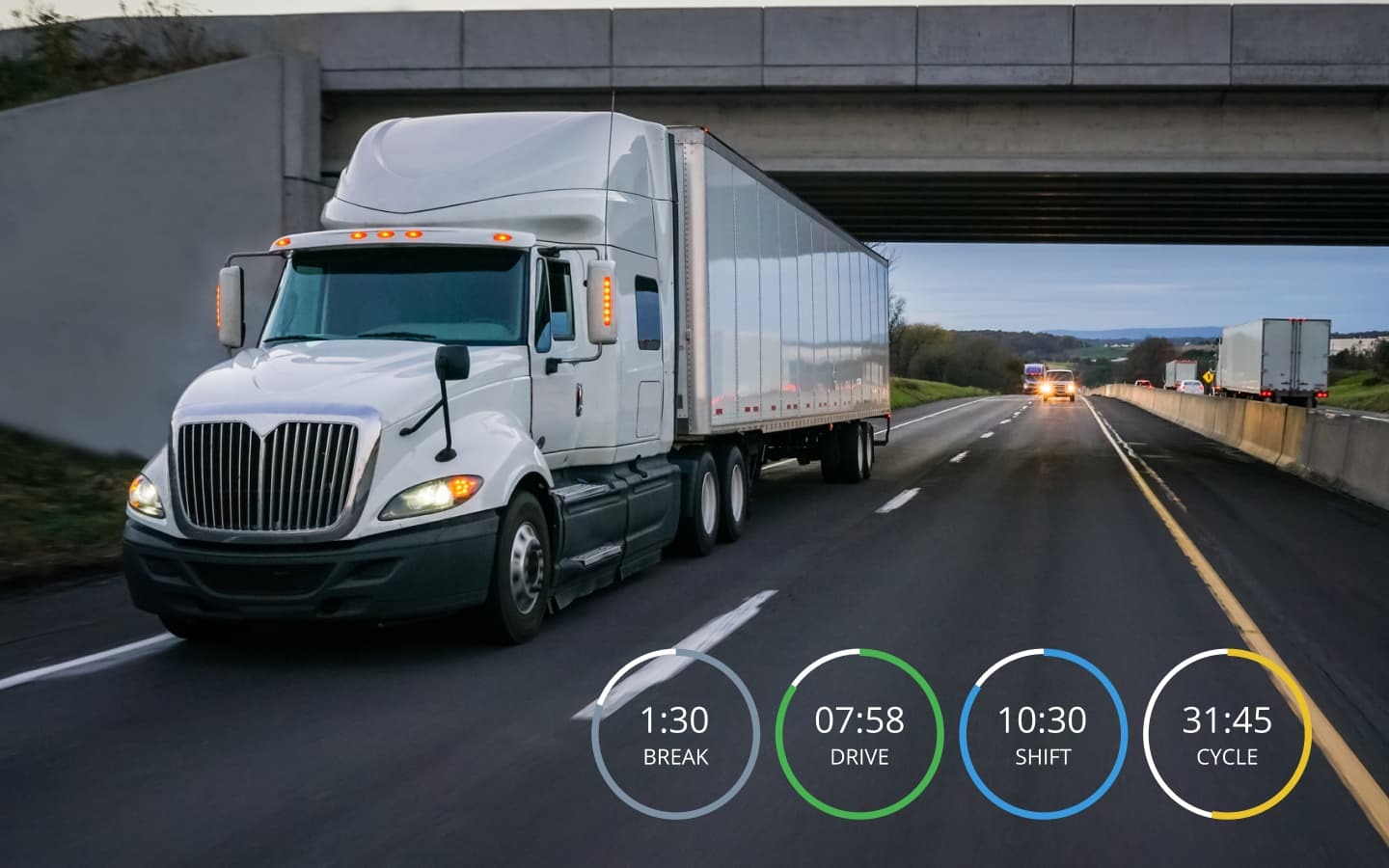
Truck drivers must follow strict federal limits on how long they can drive. A driver may drive a maximum of 11 hours after 10 hours off duty, and a 14-hour on-duty window caps the workday.
Regular motorists face no such limits, which is why you can drive across several states on a road trip without a rulebook looking over your shoulder.
Why so strict? Fatigue is one of the biggest dangers on any highway, and a tired person behind the wheel of an 80,000-pound vehicle is a serious risk. These limits force rest into the schedule, even when a delivery deadline feels urgent.
Picture a driver who starts at 6 a.m. The 14-hour window means the workday closes at 8 p.m., no matter how many breaks or loading delays happen along the way.
Waiting at a dock does not stop that clock. Many drivers describe this as one of the toughest parts of the job, because traffic, weather, and slow warehouses can eat into valuable driving time.
For everyday drivers, the lesson is helpful. When you see a truck parked at a rest area, that driver is likely following the law, not slacking off. Give them space, stay patient, and remember that those rest breaks make the road safer for everyone, including your own family.
2. Mandatory Electronic Logging Devices (ELDs)
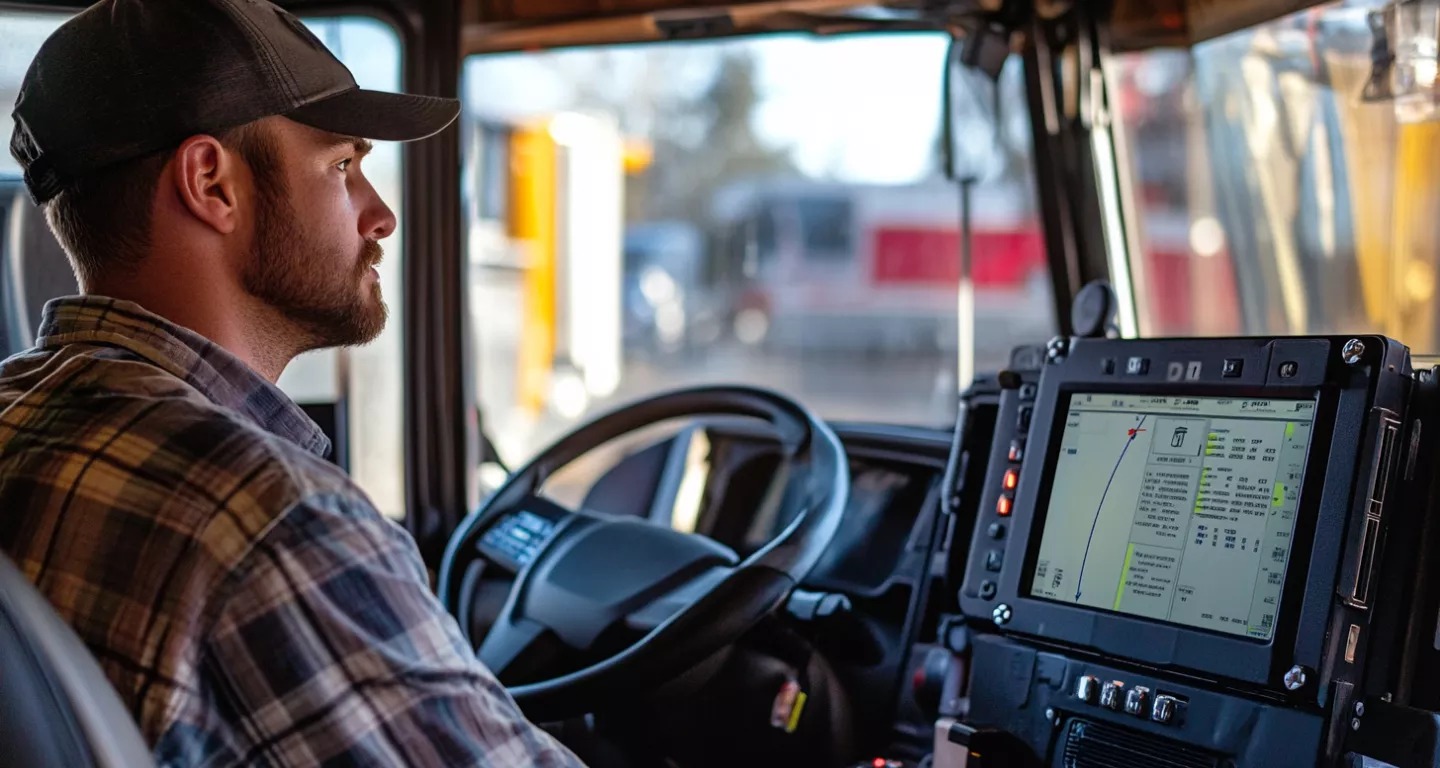
Rules need enforcement, and that is where the electronic logging device comes in. Commercial trucks must use ELDs to record driving hours, which helps prevent falsified logs. Passenger vehicles have no such requirement, so your daily commute goes unrecorded.
Before these devices, drivers kept paper logbooks. Critics sometimes called them “comic books” because entries could be fudged with a quick pen stroke.
An ELD changed that. It connects to the truck’s engine and automatically tracks when the vehicle is moving, how long it has run, and when the driver goes on or off duty.
Let us think about what that means in practice. Inspectors can review the data during a roadside check. Carriers can monitor compliance.
Drivers get a clear view of how many hours remain before they must stop. Honest drivers often appreciate that last benefit, since it removes guesswork.
Some drivers dislike the devices because they feel watched. Others say they level the playing field, since nobody can quietly cheat their way to a better delivery time. Both views make sense.
The takeaway for the rest of us is simple. A truck that stops at a certain time is not necessarily being lazy or difficult. Its electronic record may be telling the driver the legal limit has arrived.
Understanding that makes sharing the highway easier and a little more respectful.
3. Federal Weight and Axle Limits
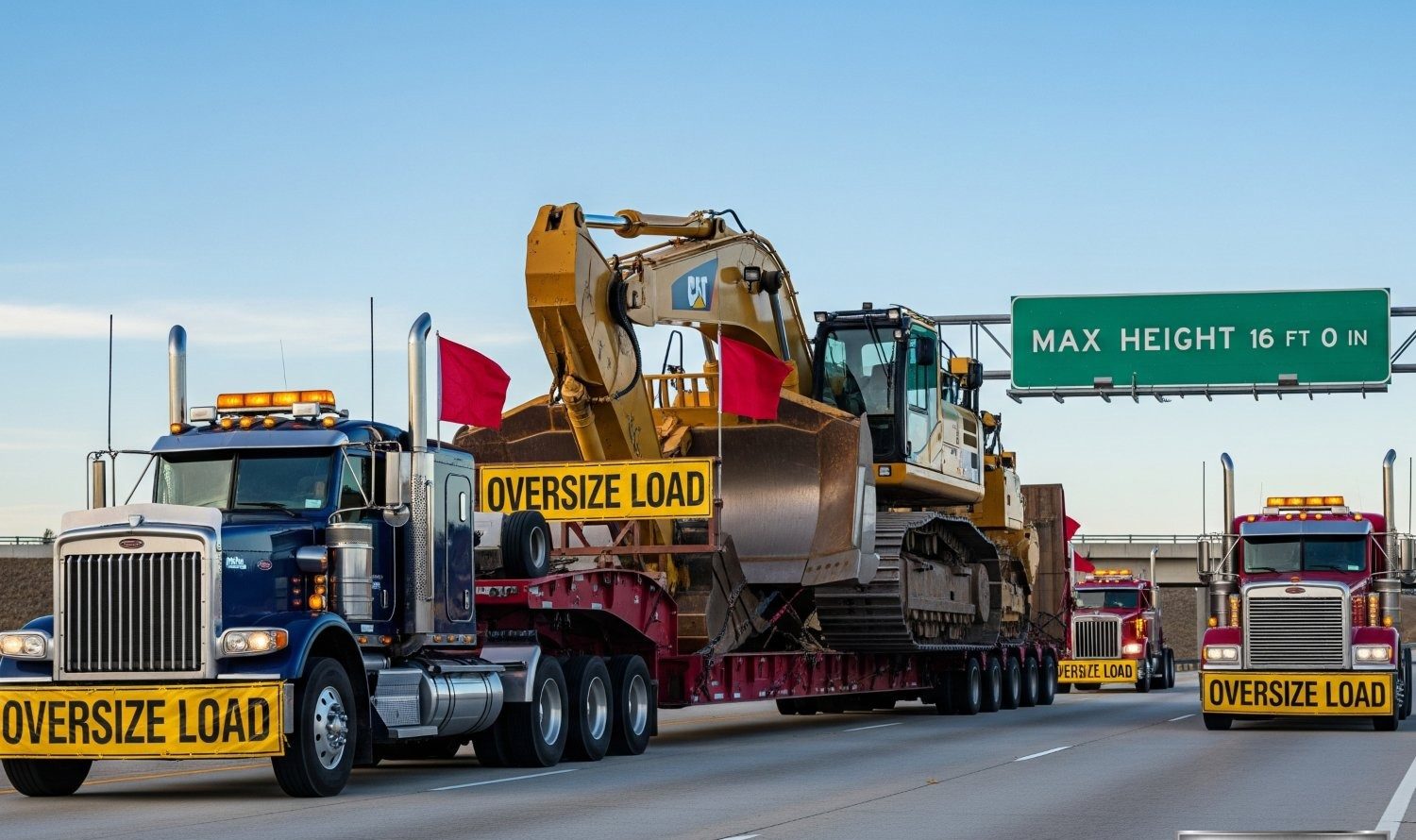
Weight limits are critical for highway safety. Federal regulations set specific limits for commercial trucks, including a maximum gross vehicle weight of 80,000 pounds, 20,000 pounds for a single axle, and 34,000 pounds for a tandem axle. These restrictions do not apply to ordinary passenger vehicles.
Think of axles as the legs of a table. Spread the load evenly, and the table stands firm. Put too much weight on one spot, and something gives.
Roads and bridges are built to handle a certain amount of stress, and overloaded axles can damage pavement and structures far faster than normal traffic does.
A fully loaded truck is also harder to control. It needs much more distance to stop, and it behaves differently on hills and curves. Weight limits protect not only the infrastructure but also the drivers around the truck.
Here is where loading skill comes in. A shipper may fill a trailer to a legal total weight, yet if the pallets sit too far toward the back, one axle group could exceed its limit. Drivers often visit scales to check, and some adjust the position of the trailer wheels to shift weight.
If you drive a passenger car, none of this applies to you. Still, the next time you pass a truck on an upgrade, remember how much planning goes into keeping it legal and safe.
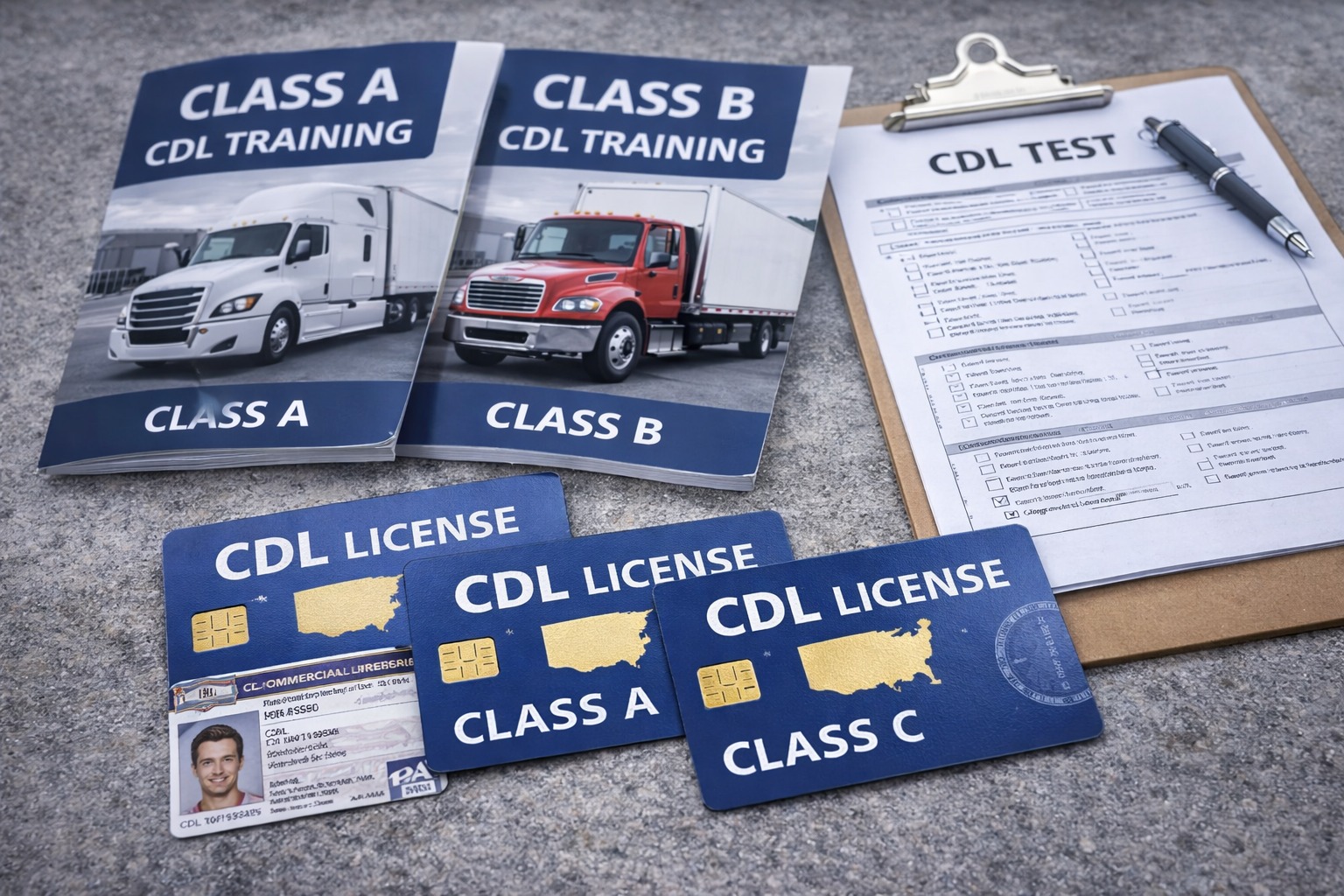
4. Commercial Driver’s License (CDL) Requirements
Not just anyone can climb into a big rig and drive away. Drivers of vehicles over 26,001 pounds, or those carrying hazardous materials, must hold a CDL and meet medical and training requirements. This rule applies only to truck operators.
Why the extra hurdle? A loaded truck behaves nothing like a family sedan. It takes longer to stop, swings wide in turns, and has large blind spots. Handling it well demands specific skills, and the CDL process tests them.
Getting the license usually involves several steps. Applicants study for written knowledge tests, pass a medical exam, and complete training that covers vehicle inspection, basic control, and road driving.
Certain endorsements add further tests for tasks like hauling hazardous materials or pulling multiple trailers. Medical standards matter too.
Drivers must show they are healthy enough to handle long hours behind the wheel. Conditions that affect vision, hearing, or alertness can influence whether someone qualifies.
For the rest of us, the CDL system offers some reassurance. The professional driver beside you has passed tests that most motorists never face.
That does not make every trip flawless, since mistakes happen, but it does mean a baseline of training exists. If you ever consider a career in trucking, view the CDL as your entry ticket.
Choose a reputable training program, ask questions about costs and job placement, and take the safety lessons seriously. They protect you and everyone else on the road.
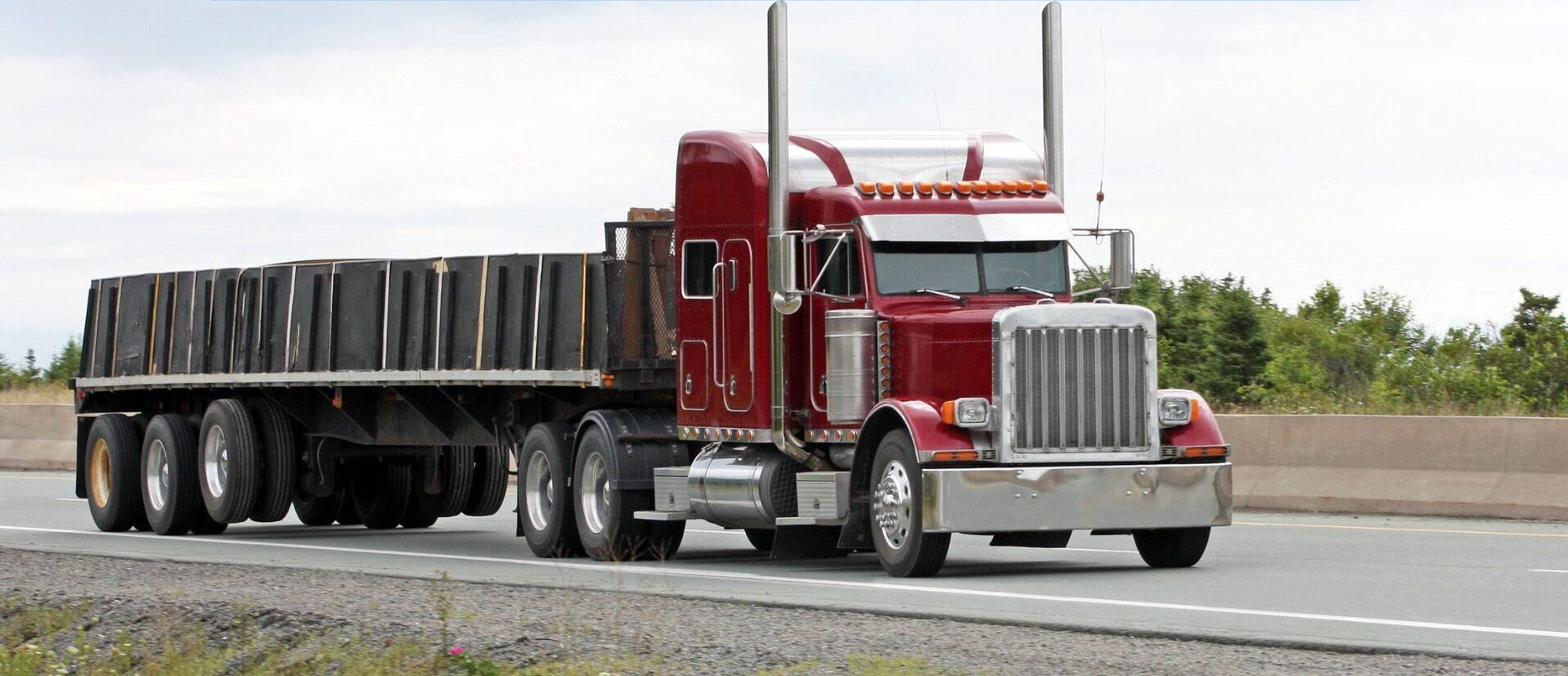
5. Cargo Securement Rules
Imagine a pallet of lumber sliding off a trailer at 65 miles per hour. The thought alone is frightening, and that is exactly why cargo securement rules exist.
Trucks must follow DOT standards requiring tie-downs, straps, chains, and proper load distribution to prevent shifting or falling cargo. Regular cars are not subject to these rules.
The standards work like a recipe with several ingredients. Tie-downs and straps hold the load against the trailer. Chains handle heavy equipment that straps cannot manage. Proper distribution keeps the weight balanced so the truck stays stable in turns and during braking.
Different cargo calls for different methods. Steel coils, logs, machinery, and boxed goods each present their own challenges. Drivers must know how many tie-downs a load needs and where to place them.
They also check the load during the trip, since vibration can loosen straps. Unsecured cargo causes real danger. Debris on a highway can lead to serious crashes, even when the truck itself never leaves its lane.
What can everyday drivers do? Keep a safe following distance behind trucks carrying open or stacked loads. Avoid driving alongside them longer than necessary.
If you spot something loose, report it to the authorities when you can do so safely. A little caution and distance can prevent a very bad day.

6. Drug and Alcohol Testing Requirements
Safety depends on clear heads. Truck drivers must undergo pre-employment, random, post-accident, and reasonable-suspicion drug and alcohol testing under DOT rules. This is unique to commercial drivers, so you will not see the same program for passenger vehicle owners.
Each type of test serves its own purpose. Pre-employment testing screens candidates before they start. Random testing keeps drivers alert to the possibility of a check at any time.
Post-accident testing helps determine whether substances played a role in a crash. Reasonable-suspicion testing happens when a trained supervisor observes signs of impairment.
Does this feel strict? It is meant to be. A commercial vehicle carries tremendous mass, and impairment turns that mass into a hazard. Even small lapses in judgment can lead to severe harm. The testing system creates strong incentives to stay sober on the job.
Drivers who fail a test face serious consequences, which can include removal from driving duties and a process to return to work. Employers also have responsibilities to maintain testing programs and keep records.
Regular motorists are still bound by laws against impaired driving, of course. The difference is that commercial drivers face an extra layer of oversight tied to their profession.
If you ever work in this field, learn your employer’s policy and understand your rights. Questions about prescription medications should go to your doctor and your employer’s medical review contact before you drive.
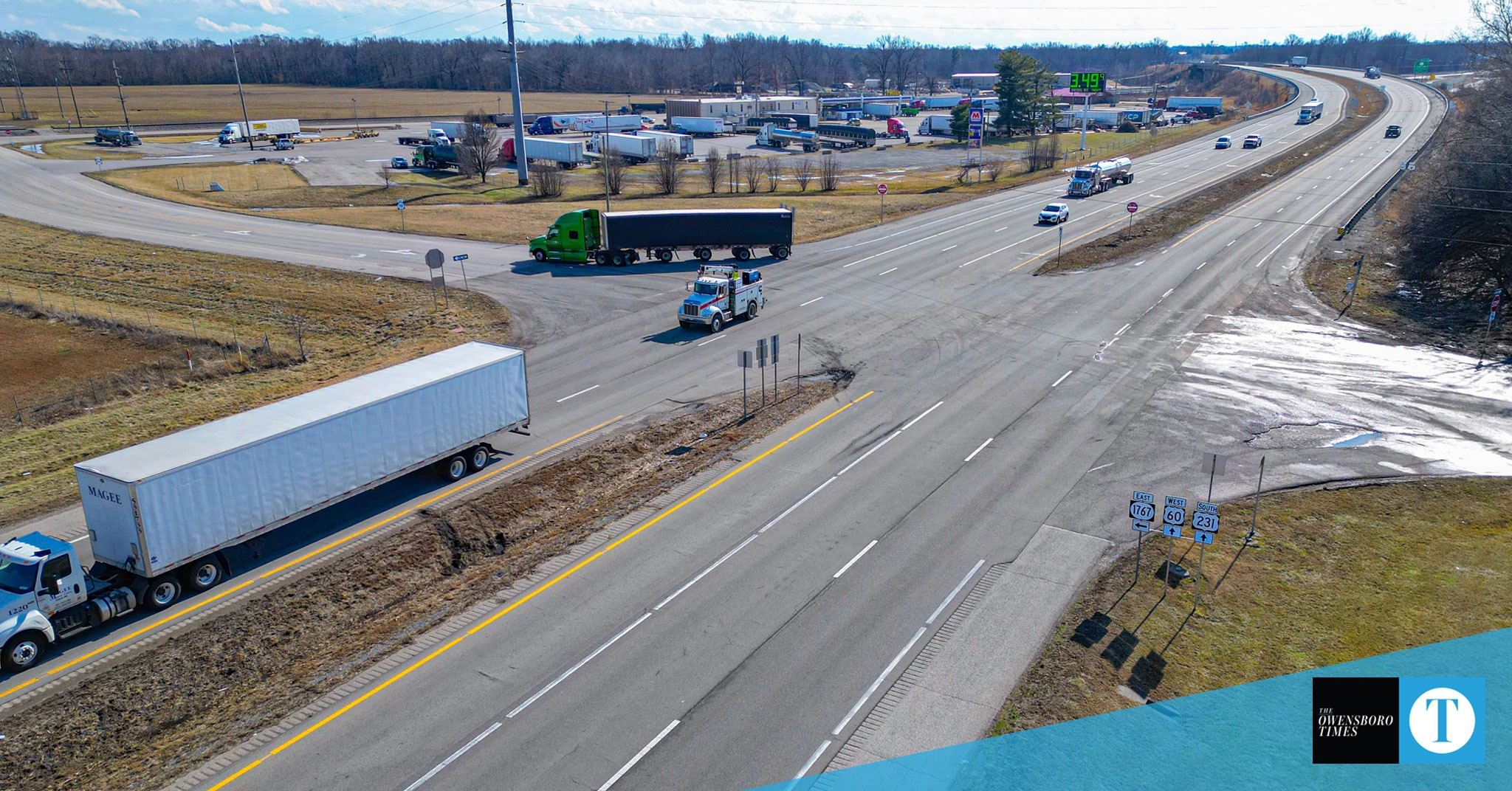
7. Lane Restrictions for Trucks
Have you ever noticed signs telling trucks to stay out of the left lane? Many U.S. states restrict trucks from using the left lane on highways, or limit them to specific lanes. These restrictions apply only to large trucks.
The reasoning is straightforward. Trucks are slower to accelerate and heavier to stop. When one occupies the far-left lane, faster traffic can bunch up behind it, and that mix can create frustration and risk. Keeping trucks to the right helps traffic flow more predictably.
There is another angle. Left lanes often sit next to medians and have less shoulder space. If a truck has trouble there, options for pulling over safely shrink. Right lanes usually offer easier exits and a wider shoulder.
Rules vary from state to state. Some apply only on highways with three or more lanes. Others limit trucks to the two right lanes. Signs usually mark the rules, and drivers must pay attention as they cross state lines. A rule that applies in one state may not exist in the next.
For regular drivers, a helpful habit follows from this. Pass trucks on the left, and move back to the right only when you can see the entire cab in your mirror. Doing so keeps you out of the blind spot and keeps traffic moving smoothly.

8. Mandatory Vehicle Inspections and Maintenance Standards
Every journey starts with a walk-around. Trucks must complete daily pre-trip and post-trip inspections, maintain driver vehicle inspection reports, known as DVIRs, and meet federal safety equipment requirements covering brakes, lights, wipers, and more. Passenger vehicles are not required to follow these inspection schedules.
Picture a driver at dawn with a flashlight, checking tires, testing lights, and inspecting brake components. It takes time, but a brake failure on a loaded truck could be disastrous. Catching a worn part before the trip begins is far better than discovering it on a steep downgrade.
The post-trip inspection matters just as much. At the end of the day, the driver notes any defects, which allows the carrier to schedule repairs before the next run.
The DVIR creates a written record, so problems do not vanish into thin air. If a defect affects safety, the truck should not go back on the road until it is fixed.
Roadside inspectors can also stop trucks to check equipment and paperwork. A truck that fails may be placed out of service until repairs are made.
Car owners can borrow this idea, even though no law demands it. Take a minute each week to check tires, lights, and fluid levels. Small habits prevent big problems. If professionals do it daily, the rest of us can manage a quick look now and then.
Trucks operate under rules built around safety, and each requirement addresses a real risk. Understanding them helps every driver share the highway with more patience and respect.