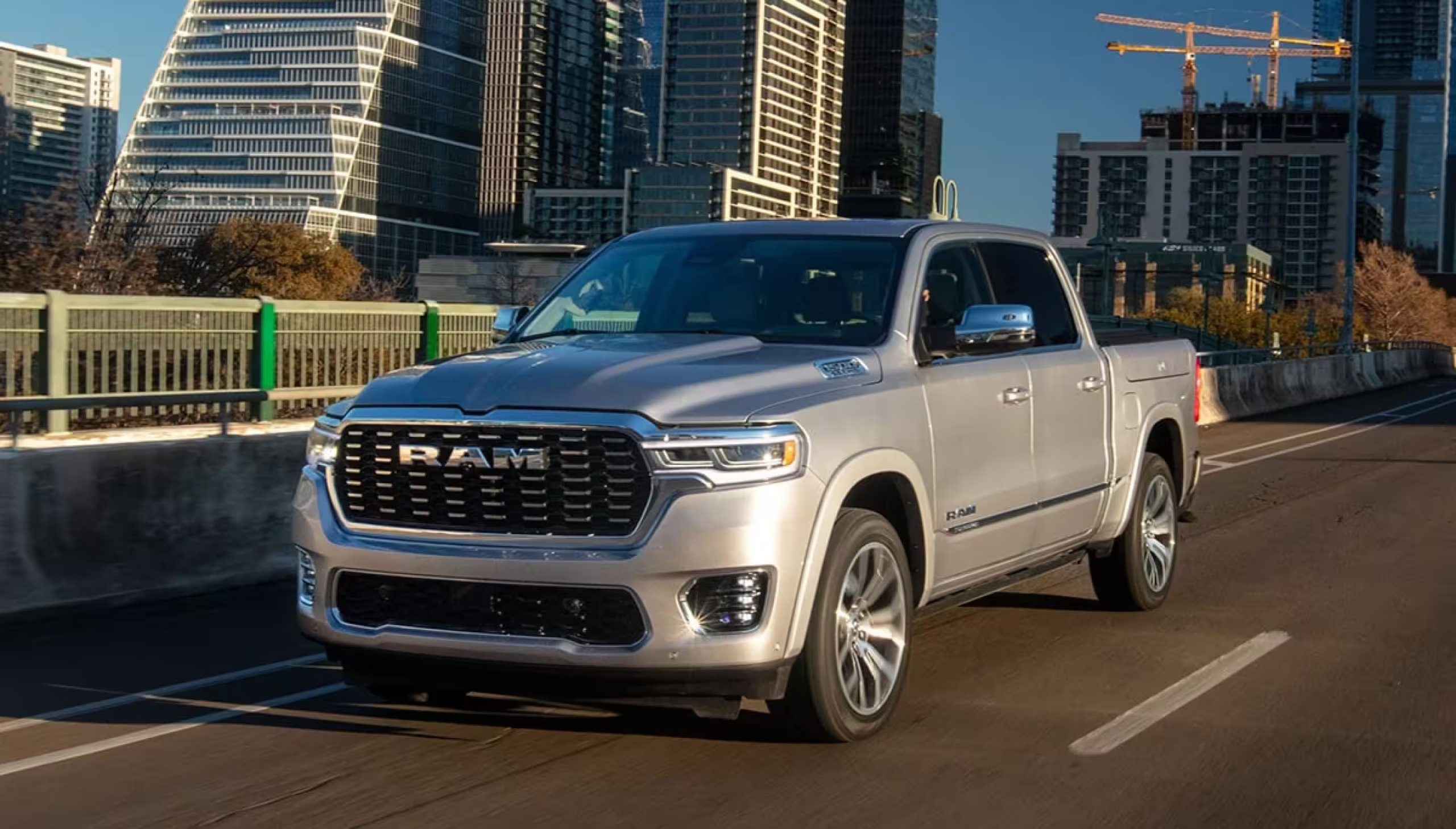
The Ram 1500 has grown from a straightforward work truck into one of America’s most comfortable and technologically advanced full-size pickups. Across five generations, it has delivered bold styling, powerful engines, useful hauling ability, and cabin features that rival those of many luxury vehicles.
Some versions earned attention for their rugged simplicity, while others introduced suspension designs, innovative storage solutions, and impressive performance options.
But which generation deserves the top spot? This ranking considers engineering, ride comfort, engine choices, technology, reliability considerations, and historical influence. Whether you’re shopping for a used pickup or simply curious about Ram’s history, these six sections explain how the five generations compare and what makes each one worth considering.
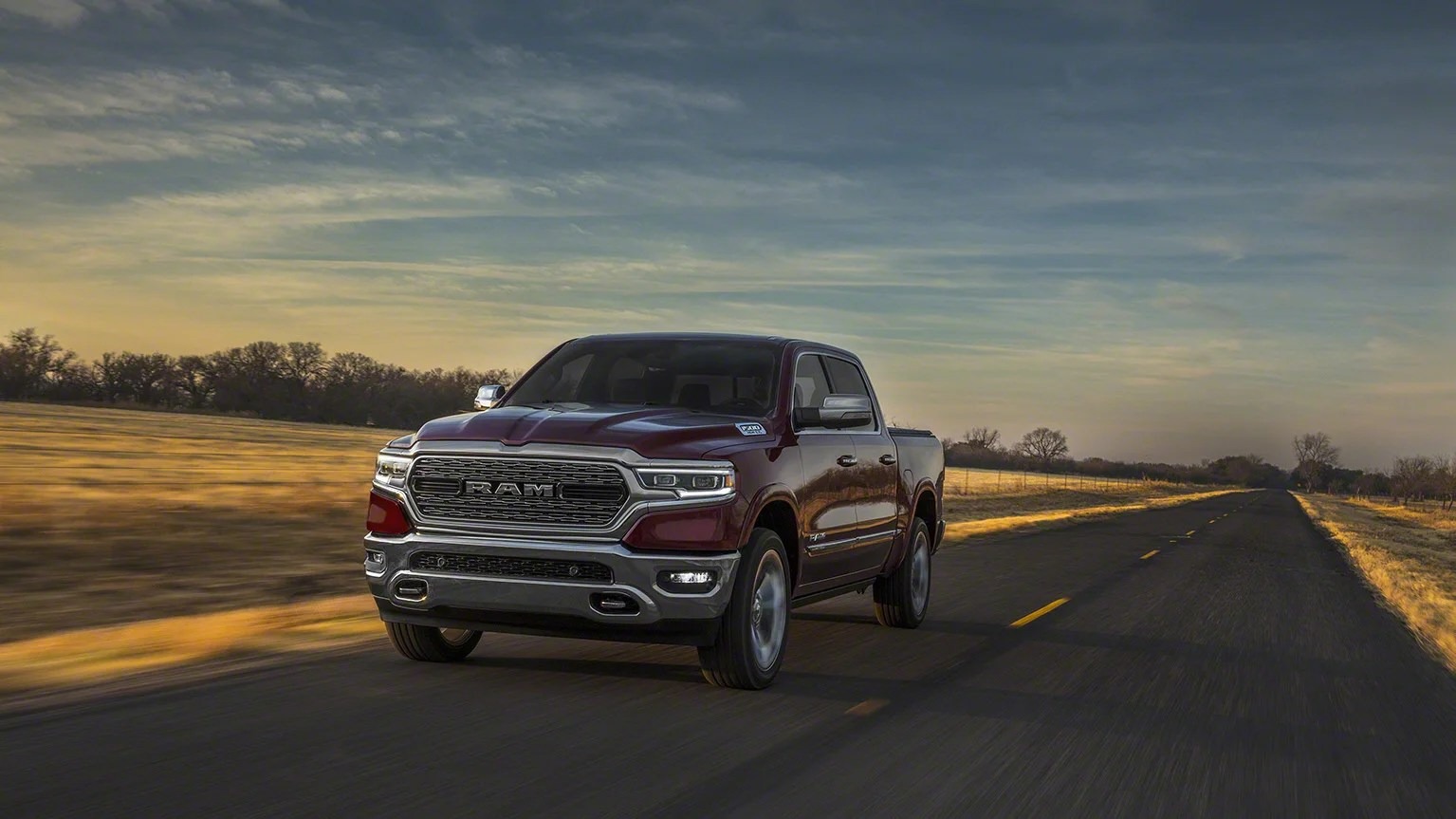
1. Fifth Generation (2019-Present)
The fifth-generation Ram 1500 takes first place thanks to its impressive combination of comfort, capability, engine choices, and modern technology.
Introduced for the 2019 model year, this generation brought a redesigned platform, a more refined cabin, and engineering improvements aimed at making daily driving and demanding work more enjoyable.
One of its biggest strengths is the interior. Depending on trim, buyers can find premium materials, comfortable seating, extensive storage, and an available 12-inch vertical touchscreen. Higher-end versions provide an upscale experience that makes long highway journeys feel less tiring.
Under the hood, the lineup has included V6 and V8 engines, eTorque mild-hybrid assistance on selected powertrains, and the newer Hurricane twin-turbocharged inline-six engines in applicable model years.
These options give buyers different combinations of performance and efficiency. The high-performance Ram 1500 TRX also brought supercharged V8 power rated at 702 horsepower, making it one of the most memorable performance trucks of its era.
Ride quality is another major advantage. Available four-corner air suspension can adjust vehicle height and help balance comfort with practical needs.
The redesigned body structure also incorporated weight-saving measures, with reductions of up to roughly 225 pounds cited for certain comparisons.
Modern driver-assistance features, towing technology, and available camera systems add convenience for work and recreation. Equipment varies by model year and trim, so buyers should verify the specifications of individual trucks.
The fifth generation earns the top position because it brings together strong performance, impressive comfort, useful technology, and broad versatility.
For drivers who want a full-size pickup that can handle work during the week and family trips on weekends, it sets a high standard for the Ram lineup.
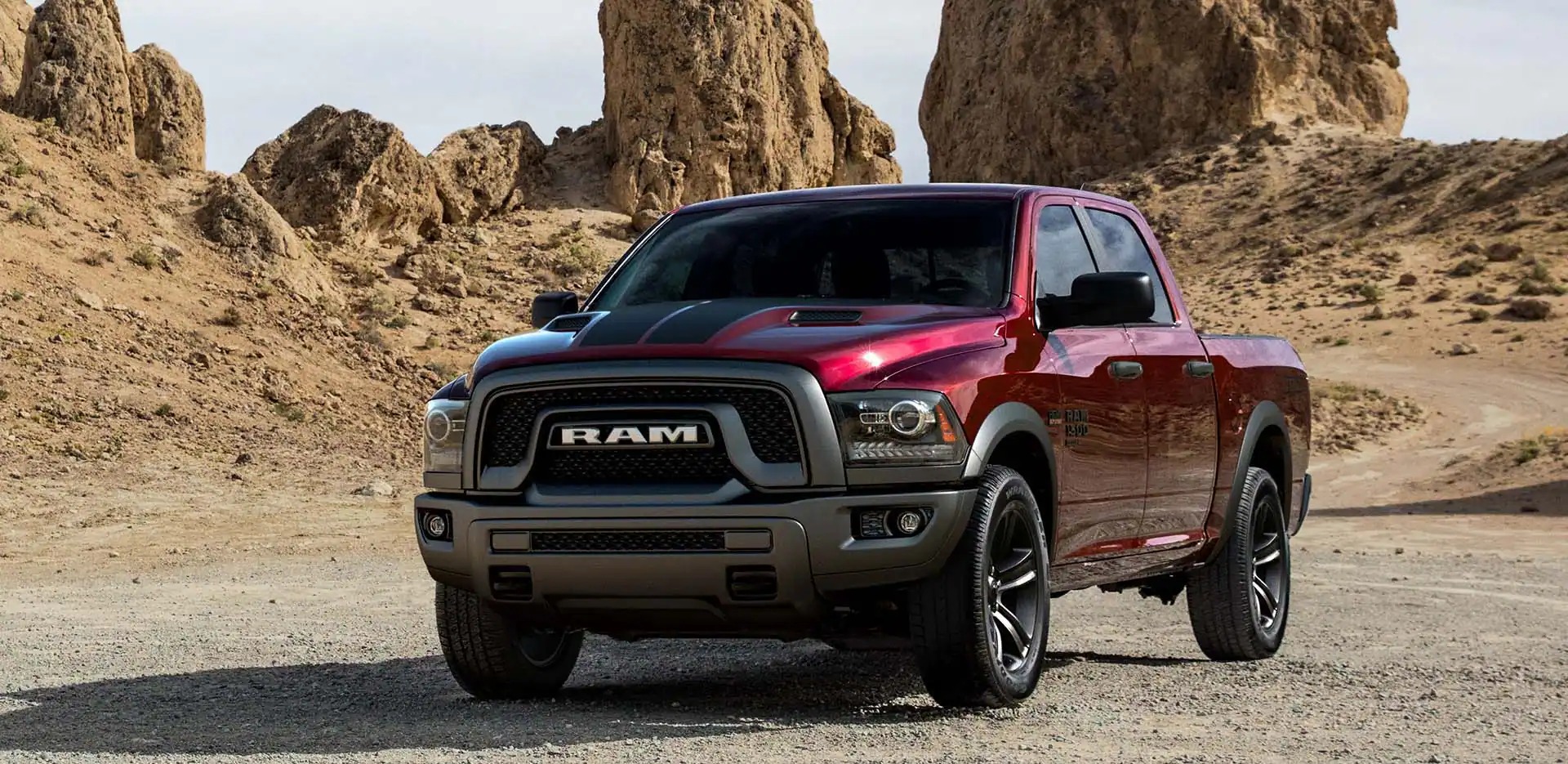
2. Fourth Generation (2009-2018, Classic 2019-2024)
What if a pickup could deliver a smoother ride without giving up its usefulness? The fourth-generation Ram 1500 answered that question by introducing coil-spring rear suspension on a full-size American pickup, replacing the traditional leaf-spring setup used by many rivals.
Produced from 2009 through 2018, this generation brought a major improvement in ride comfort and helped establish Ram’s reputation for building trucks that were pleasant to drive every day.
The design reduced the harshness often associated with unloaded pickups, making commuting and long trips more comfortable. The engine lineup offered several choices, including the 3.6-liter Pentastar V6, 5.7-liter HEMI V8, and 3.0-liter EcoDiesel V6 on selected model years.
Buyers could choose a setup suited to daily transportation, towing, or general work duties. Practical features also helped this generation stand out.
The available RamBox cargo-management system provided lockable storage compartments built into the bed sides, creating extra space for tools and equipment. Interior materials, infotainment options, and convenience features improved as the generation progressed.
The Ram brand became a standalone marque in 2010 following Chrysler’s corporate restructuring, giving the truck its own distinct identity. Its strong popularity also led to continued production of the fourth-generation design as the Ram 1500 Classic.
The Classic remained available through the 2024 model year in selected markets and configurations. Why does it rank second? Its ride comfort, practical storage, and broad engine selection made it an important step forward.
Yet the fifth generation offers a newer platform, more advanced technology, and additional powertrain developments. For used-truck shoppers, a well-maintained fourth-generation Ram remains an appealing choice.
When comparing older trucks with different maintenance histories, it’s essential to check the engine, transmission, suspension, service records, and equipment.
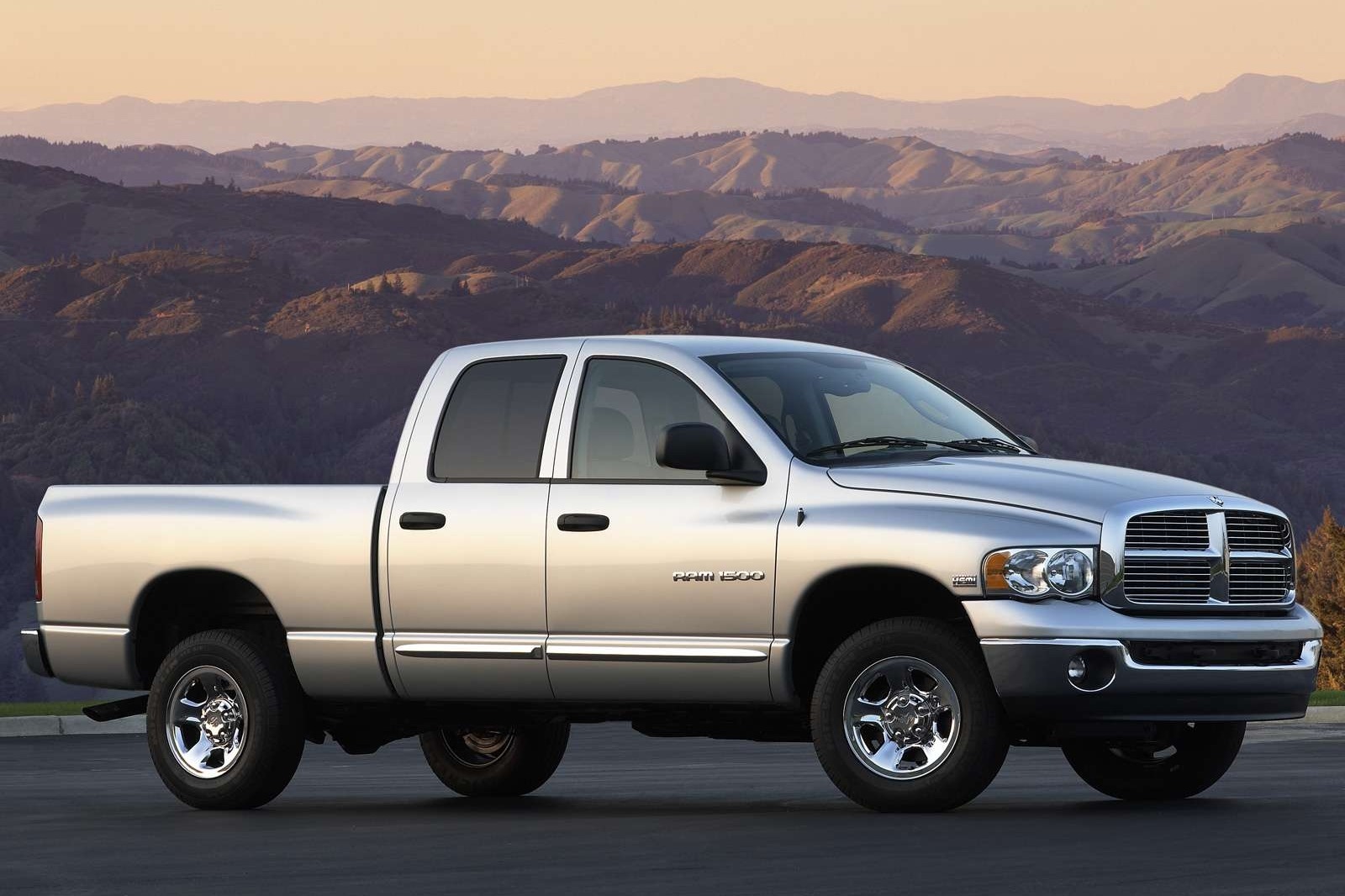
3. Third Generation (2002-2008)
The third-generation Ram 1500 deserves credit for bringing more power, improved road manners, and greater everyday practicality to the pickup lineup.
Built from 2002 through 2008, it used a redesigned frame and suspension setup that improved the truck’s driving experience compared with its predecessor.
Its biggest headline was the return of the 5.7-liter HEMI V8 in 2003. Rated at 345 horsepower when introduced, this engine gave the Ram strong acceleration and made it attractive to buyers who wanted traditional V8 performance.
Other engine choices were available, allowing customers to select a truck suited to their budget and intended use.
Cabin design also received attention. The Mega Cab, introduced during this generation, offered exceptional interior space and generous rear-seat room.
That made the Ram more appealing to families and buyers who needed a practical pickup with room for passengers.
Performance fans also had plenty to appreciate in the Ram SRT-10. This special edition featured an 8.3-liter V10 derived from the Dodge Viper’s engine, delivering up to 500 horsepower. Its powerful setup helped distinguish the Ram from other performance pickups.
Despite these strengths, the third generation ranks below the fourth and fifth because its interior technology, fuel efficiency, and driver-assistance features are dated by current standards. Fuel consumption can also be substantial, particularly with larger engines.
Used examples require careful inspection. Buyers should review engine and transmission condition, suspension wear, rust, service history, and evidence of heavy towing or commercial use.
A performance model may require additional attention because some examples have been driven enthusiastically. This generation represents an important stage in the Ram’s development.
It combined traditional truck strength with more passenger-friendly features and memorable performance options, helping establish the pickup as a versatile choice for work, family duties, and recreation.
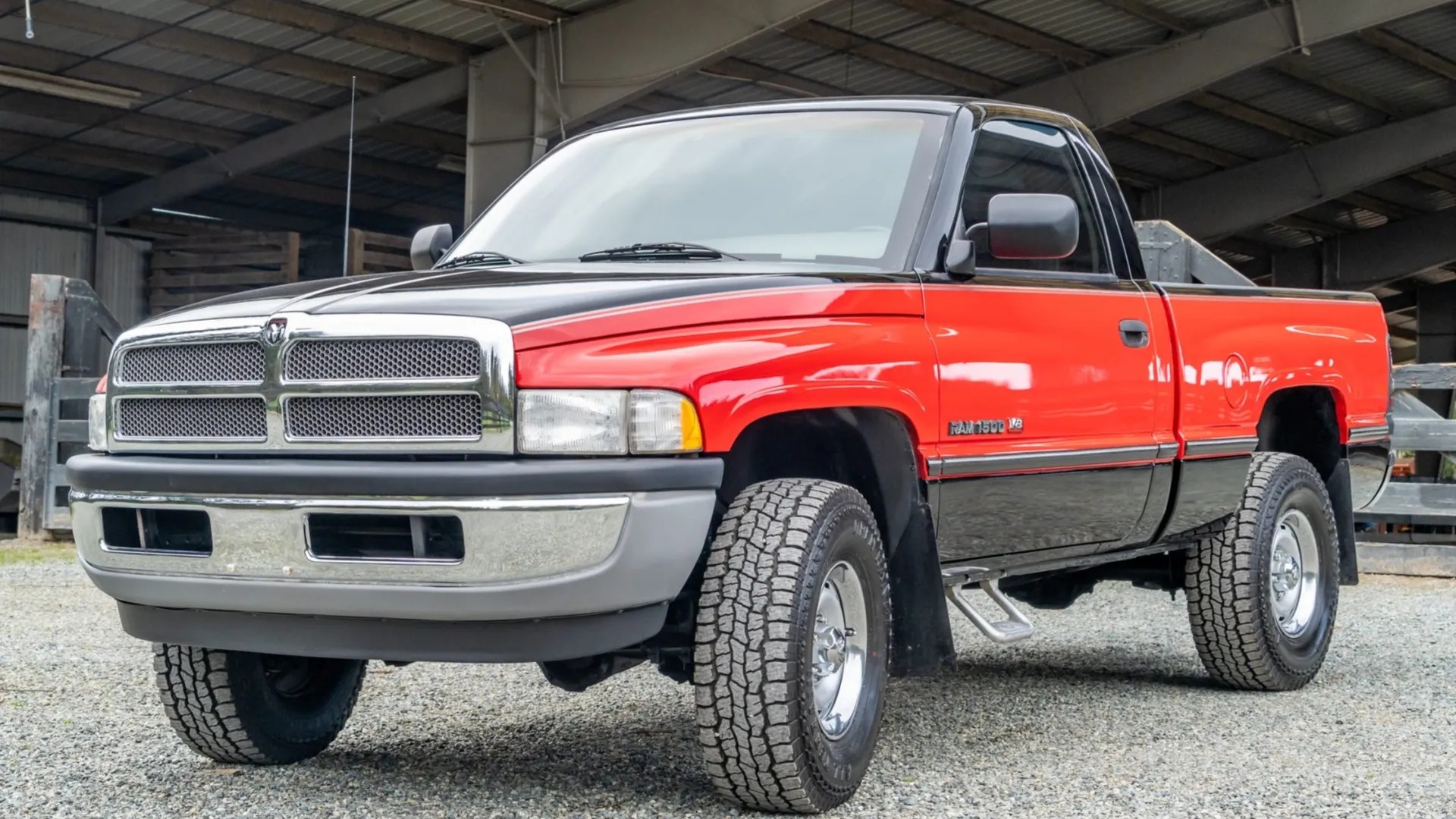
4. Second Generation (1994-2001)
Few pickup redesigns have made such a strong visual impression as the second-generation Dodge Ram. Introduced for 1994, this generation abandoned the more conventional appearance of its predecessor and adopted a bold front end inspired by the look of big-rig trucks.
Its prominent grille, muscular bodywork, and rounded contours helped distinguish it from competitors. The styling was more than a cosmetic change.
It gave Dodge a recognizable identity in a crowded pickup market and helped attract buyers who wanted a truck that looked powerful even before the engine started.
Under the hood, the Ram offered Magnum V6 and V8 engines, with configurations varying by year and trim. Heavy-duty versions also offered powerful diesel options, including the Cummins inline-six, while an 8.0-liter V10 was available in selected models.
The Cummins diesel belonged to the heavy-duty lineup rather than the Ram 1500 itself, an important distinction for anyone researching these trucks.
A major practical addition arrived in 1998 with the Quad Cab. Its additional passenger space and rear doors made the truck more useful for people who needed to carry family members or coworkers alongside equipment.
The second generation ranks fourth because its styling and historical impact remain memorable, but its cabin comfort, fuel economy, safety technology, and everyday refinement fall short of later versions.
Older examples may also need repairs involving aging rubber components, suspension parts, electrical systems, or corrosion. For shoppers, condition is especially important.
A well-cared-for truck can still serve as a useful work vehicle, while a neglected example may require extensive repairs regardless of its attractive appearance.
This generation helped redefine Dodge’s place in the pickup market. Its bold design influenced the brand’s identity for years and showed that a truck could stand out through styling as much as through engine performance and hauling ability.
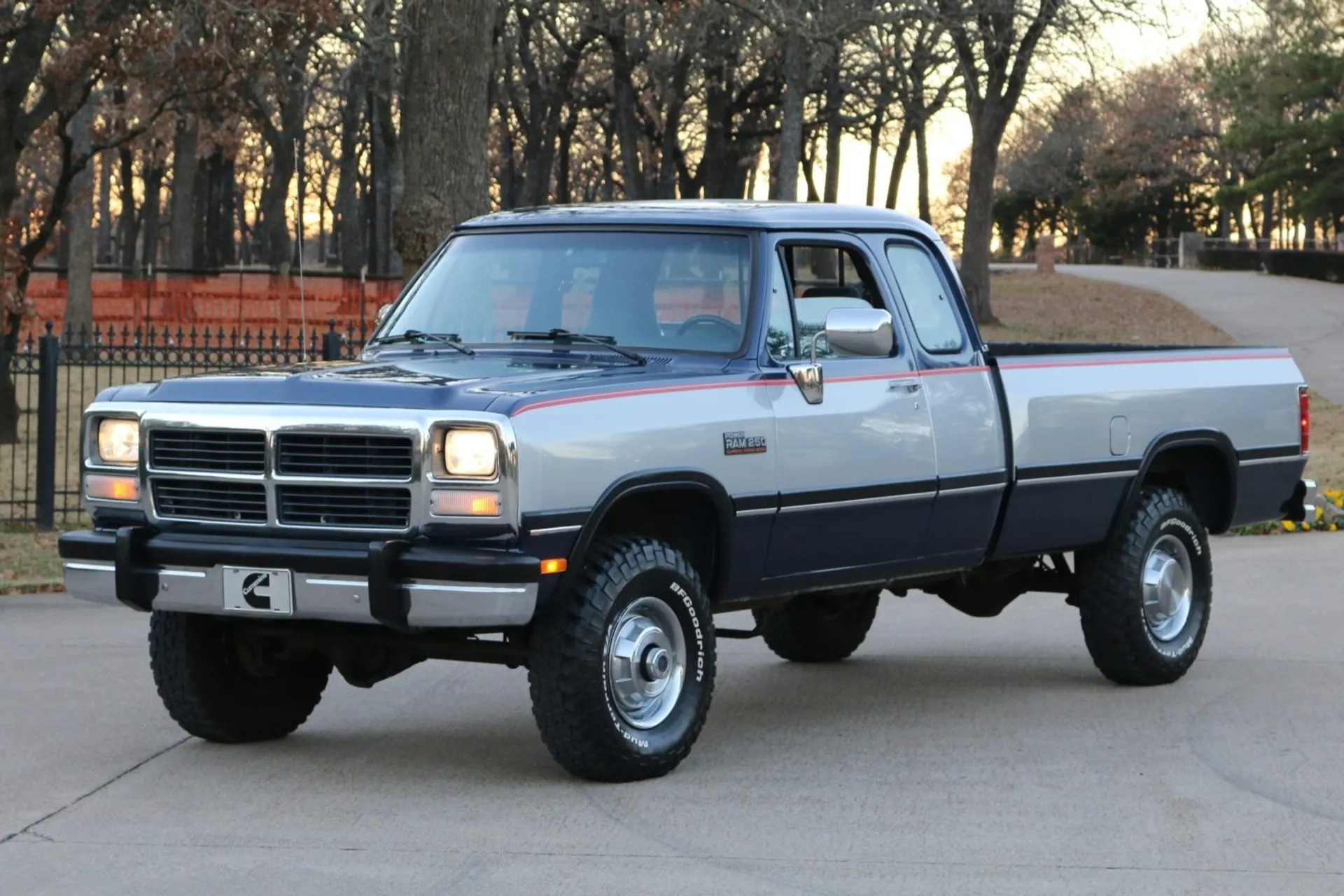
5. First Generation (1981-1993)
Before the Ram became known for premium interiors and advanced suspension systems, its predecessors focused on practical transportation and hard work.
The first generation in this ranking covers the D and W series trucks sold from 1981 through 1993, before the second-generation redesign arrived for 1994.
These trucks had boxy bodies, straightforward cabins, and comparatively simple equipment. Their appeal rested on utility rather than luxury. Buyers could choose different cab styles, bed lengths, engines, and drivetrain configurations according to their needs.
Engine options included gasoline six-cylinder and V8 units, with electronic fuel injection introduced on selected engines during the later years.
That development helped modernize engine management, although the trucks retained a much more basic driving experience than their successors.
Mechanical simplicity can be an advantage for owners who value older vehicles and prefer less electronic equipment. However, age brings its own challenges.
Corrosion, worn suspension components, deteriorated seals, aging wiring, and previous repairs can affect reliability. A simple design does not guarantee that an old truck will be inexpensive to maintain.
It is also worth separating the light-duty Ram 1500 lineage from the heavy-duty models. The Cummins diesel became an important part of Dodge’s heavy-duty pickup history in 1989, but it was not an engine offered in the Ram 1500.
This generation takes fifth place because it lacks the comfort, refinement, safety features, and performance choices available in later trucks.
Still, it laid important groundwork for the Ram identity and provided a straightforward platform for work and everyday transportation.
Collectors may appreciate the period styling, while practical buyers may value a clean example for light-duty use. Either way, a detailed inspection and a review of available parts should come before purchase.