
Consumer Reports evaluates used-car reliability using owner surveys that track problems across major vehicle systems, from engines and transmissions to electronics and suspension components. Some model years perform significantly worse than average, making them riskier choices for shoppers looking to avoid unexpected repair bills.
A low asking price can make these vehicles tempting, but expensive mechanical problems may quickly erase the savings.
This list highlights seven used cars flagged in Consumer Reports’ reliability guidance, explaining what buyers should investigate, which ownership risks deserve attention, and how to make a more informed decision before committing to a purchase.
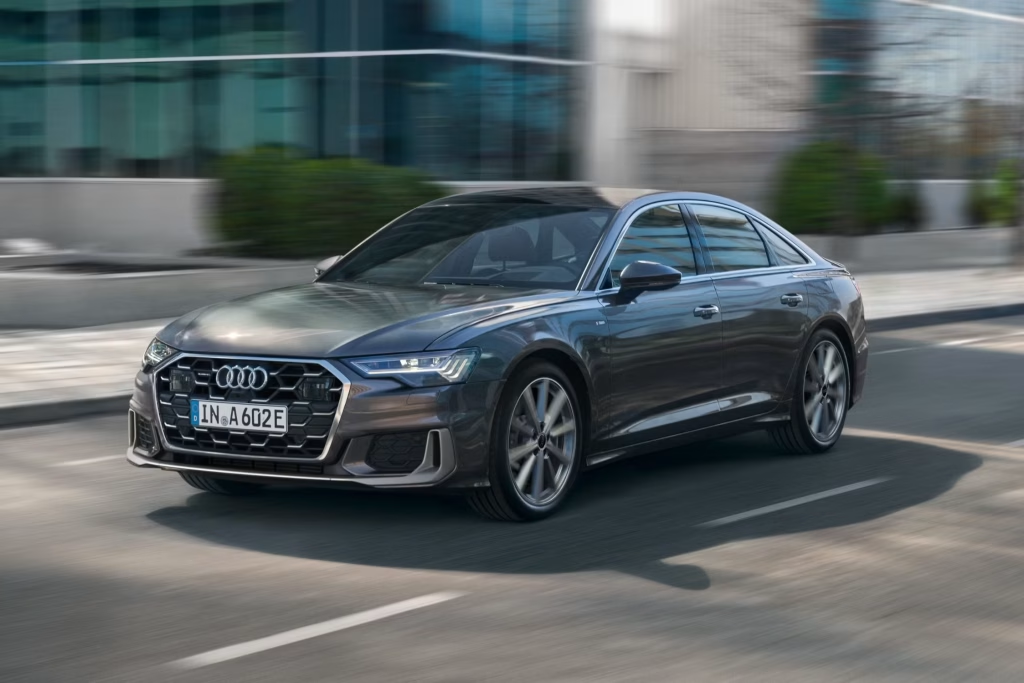
1. Audi A6 (2019): A Luxury Sedan With Potentially Expensive Ownership Risks
The 2019 Audi A6 appears in Consumer Reports’ 2026 used-car buying guide among models with much worse-than-average reliability. The finding is based on responses to the organization’s annual auto surveys covering specific model years, rather than a blanket judgment against every Audi A6.
Luxury sedans can be tempting on the used market because depreciation makes their original premium equipment accessible at a lower price. The problem is that a reduced purchase price does not necessarily bring lower repair costs.
An older A6 combines sophisticated electronics, comfort features, and complex mechanical systems, so a buyer needs to understand the condition of the particular vehicle before committing.
A pre-purchase inspection should pay attention to the engine, transmission, electronic accessories, climate control, and warning messages.
These are inspection priorities, not a claim that every 2019 A6 suffers from each problem. Ask for maintenance records and investigate any recurring faults rather than accepting a seller’s assurance that a warning light is unimportant.
The distinction between reliability data and an individual vehicle is crucial. Consumer Reports uses owner-survey responses to compare model-year problem rates with those of other vehicles from the same year. Its findings can identify risk, but they cannot predict exactly which component will fail in a particular car.
For buyers who still want this Audi, an independent inspection and a realistic repair reserve are essential. Compare the car’s price and service history with other options in the same budget. A discounted luxury sedan can be appealing, but the right purchase depends on its documented condition, not its badge or original sticker price.
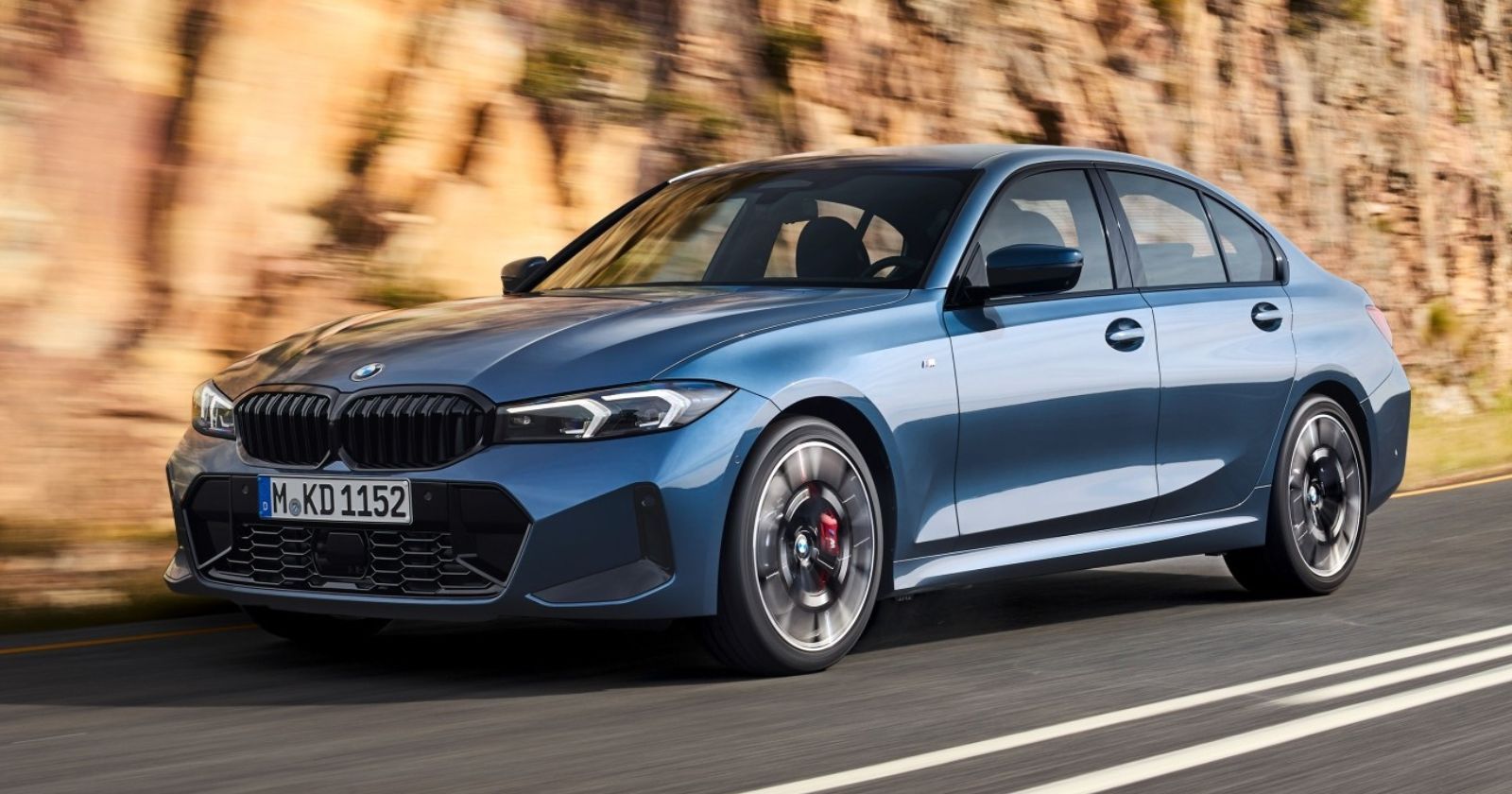
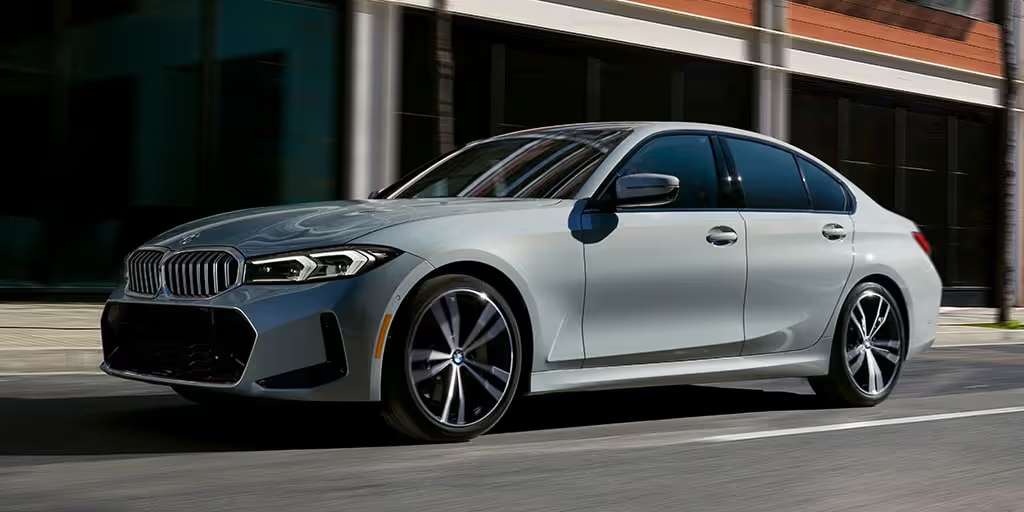
2. BMW 3 Series (2024): A Nearly New Car That Still Needs Careful Checking
A newer used car is not automatically a safer financial bet. Consumer Reports’ 2026 buying guide identifies the 2024 BMW 3 Series among model years with much worse-than-average reliability, based on its annual owner surveys.
That finding is specific to the listed model year and should not be generalized to every 3 Series generation.
The 3 Series appeals to drivers who want sharp handling, a premium interior, and a sportier character than many mainstream sedans provide. Buying one used can reduce the initial purchase cost, but a reliability warning is a reason to investigate the exact car rather than assume that low mileage guarantees trouble-free ownership.
Start with the service history and confirm that scheduled maintenance was completed on time. During an independent inspection, have the technician check the powertrain, electrical equipment, infotainment system, and driver-assistance features. These are sensible areas to evaluate, not a statement that all such components are defective in the 2024 model.
Consumer Reports bases its reliability assessments on member reports across 20 potential trouble spots, including the engine, transmission, electrical accessories, and in-car electronics. It compares results with other vehicles from the same model year, so its warning reflects reported problems rather than a universal prediction of failure.
Before purchasing, compare the car’s price with examples that have documented maintenance and verify whether any factory warranty remains. A vehicle with a clear history and a satisfactory independent inspection may still suit a particular buyer, but it should not be purchased solely because it looks nearly new.
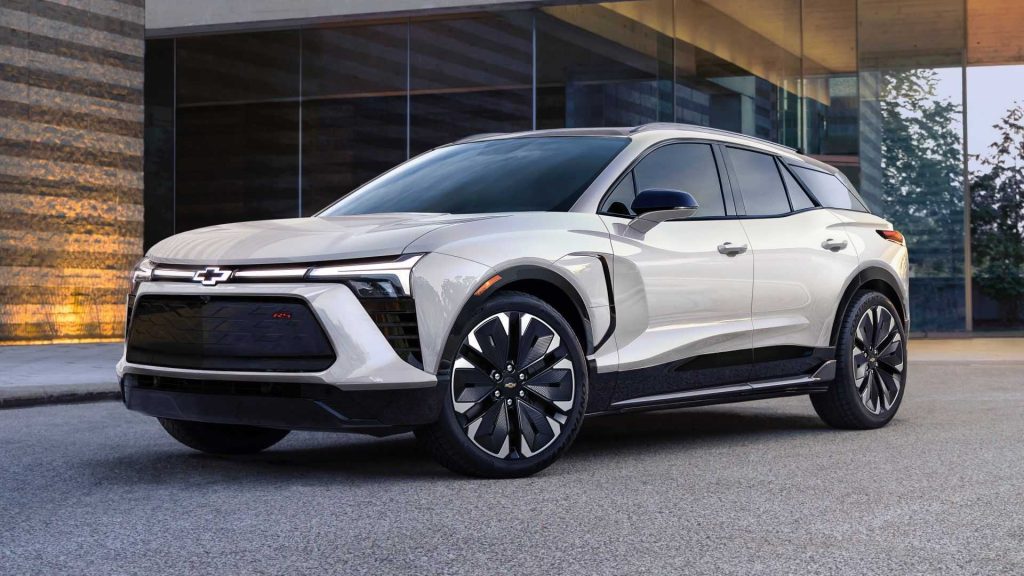
3. Chevrolet Blazer EV (2024): Investigate Charging and Electrical-System History
The 2024 Chevrolet Blazer EV appears in Consumer Reports’ 2026 used-car guide among vehicles with much-worse-than-average reliability. This is a model-year-specific finding based on owner-survey responses, not proof that every Blazer EV has experienced a failure.
Buying an electric vehicle secondhand requires checks that differ from those for a gasoline-powered SUV. Battery condition, charging performance, software operation, climate control, and the availability of applicable warranty coverage deserve particular attention.
An EV may have fewer conventional engine-maintenance requirements, but its electrical and charging systems still need to work correctly.
Before purchasing a used Blazer EV, test the infotainment system and available driver-assistance features, examine the charging equipment, and ask whether the vehicle has received applicable software updates and recall repairs.
A qualified technician or Chevrolet dealer should investigate stored diagnostic codes and any history of charging interruptions or warning messages. Do not assume a problem has been permanently fixed simply because it disappeared after restarting the vehicle.
Consumer Reports’ reliability methodology compares reported problems with those of vehicles from the same model year. Its findings are useful for identifying areas of concern, but they do not reveal the condition of every individual SUV.
Battery coverage is another important consideration. Check the original warranty terms, remaining coverage, mileage limits, and any conditions affecting transfer to a subsequent owner. The seller’s description of battery health should not replace documented information.
The Blazer EV may appeal to buyers seeking an electric SUV, but its price should reflect the model-specific reliability warning and the results of a thorough inspection. Confirm charging operation, service history, and warranty status before making a decision.
4. Chrysler Pacifica Hybrid (2018 to 2024): A Family Minivan That Demands Detailed Research
The Chrysler Pacifica Hybrid is listed in Consumer Reports’ 2026 used-car guide for model years 2018 through 2024. The guide identifies these years as having much worse-than-average reliability based on responses to annual owner surveys.
This finding is a reason for careful screening, not a claim that every Pacifica Hybrid has the same fault.
The minivan’s appeal is easy to understand. It combines family-friendly seating and cargo flexibility with plug-in hybrid capability, allowing suitable journeys to use electric power before the gasoline engine is needed. That complexity also makes a thorough used-car inspection especially important.
Buyers should confirm that the vehicle charges correctly, that its gasoline engine operates normally, and that no hybrid-system warnings remain unresolved. Have a qualified technician inspect the high-voltage system, charging components, cooling systems, transmission operation, and electronic controls.
These inspections help determine the condition of each individual minivan and should not be taken as evidence that every model year has the same problems.
Service documentation matters greatly on a plug-in hybrid. Ask for records of previous repairs, software updates, and any recall work, then verify outstanding recalls through official records. Confirm warranty eligibility for the battery and hybrid components rather than assuming every used vehicle retains full coverage.
Consumer Reports’ survey methodology evaluates reported problems across multiple vehicle systems and compares a model year’s performance with the average for that year. It provides a useful warning signal, but an inspection is still needed to assess a specific Pacifica Hybrid.
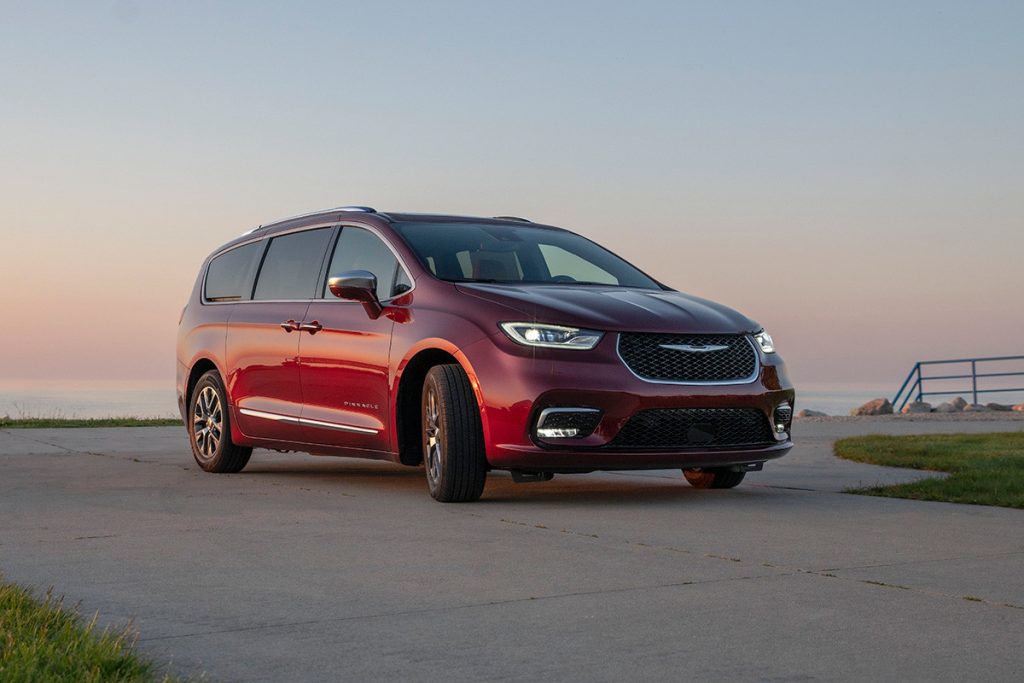
For families considering this minivan, the best approach is to compare its purchase price with its documented condition, remaining warranty, and potential repair exposure. A low price should not outweigh unresolved charging, hybrid-system, or drivetrain concerns.
5. Ford Escape (2021): Check the Specific Powertrain Before Buying
The 2021 Ford Escape appears in Consumer Reports’ 2026 used-car guide among model years with much-worse-than-average reliability. The warning applies to the listed year, not automatically to every Escape generation or powertrain.
The Escape was offered in different configurations, so buyers should identify the exact engine and drivetrain before researching its history. Equipment and mechanical layouts can differ between versions, meaning that a generic inspection or a report about another Escape variant may not answer the right questions.
During a test drive, pay attention to transmission behavior, engine performance, braking, steering, and warning messages. Have an independent mechanic check for fluid leaks, stored diagnostic codes, suspension wear, and signs of overdue maintenance. These are standard inspection priorities rather than a claim that every 2021 Escape has these faults.
Consumer Reports bases its model-year reliability warnings on owner-reported problems collected through annual surveys.
Its methodology compares vehicles with others from the same model year and covers numerous systems, including the engine, transmission, and electrical accessories. The result identifies a higher reported risk, not a guarantee that a particular Escape will fail.
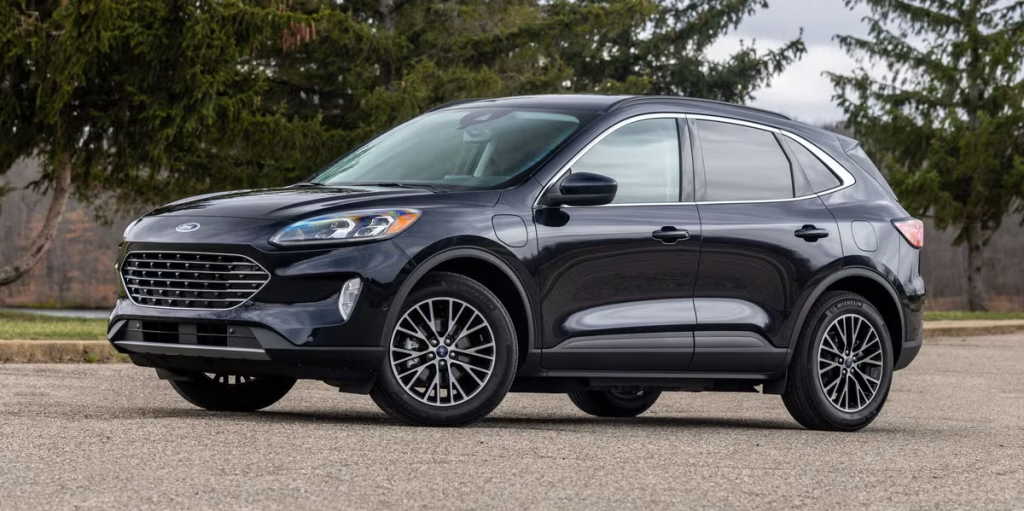
A prospective buyer should also check the vehicle’s VIN for outstanding recalls and review its service records. If a seller cannot explain a persistent warning light or provide evidence of a significant repair, an independent diagnosis should come before any purchase agreement.
The Escape can offer useful passenger space and everyday practicality, but those strengths do not cancel out a model-year reliability warning. Compare several examples, prioritize documented maintenance, and avoid making a decision based on a low asking price alone.
6. Volkswagen Taos (2022): Don’t Let a Newer Appearance Hide the Risk
The 2022 Volkswagen Taos appears in Consumer Reports’ 2026 used-car guide as a model year with much-worse-than-average reliability. The finding comes from the organization’s annual owner surveys and is specific to the listed year. It should not be treated as a verdict on every Taos sold in the United States.
The Taos offers a relatively compact footprint with the elevated seating position and cargo flexibility many crossover buyers want.
Because the 2022 model is still relatively modern compared with older used vehicles, shoppers may assume that its age alone makes it a low-risk choice. Consumer Reports’ data is a reminder that vehicle age and reported reliability are not the same thing.
Before buying one, examine the maintenance history and test the transmission at low and highway speeds. Check the operation of the infotainment system, driver-assistance features, air conditioning, and other electrical equipment.
A technician should also scan for diagnostic trouble codes and investigate any symptoms reported by the current owner. These steps assess the actual vehicle rather than assume a particular defect is present.
Consumer Reports evaluates owner-reported problems across 20 areas, including powertrain and electrical systems, and compares a vehicle’s results with those of other models from the same year. That makes the warning a useful screening tool, although it cannot predict the future reliability of one individual Taos.
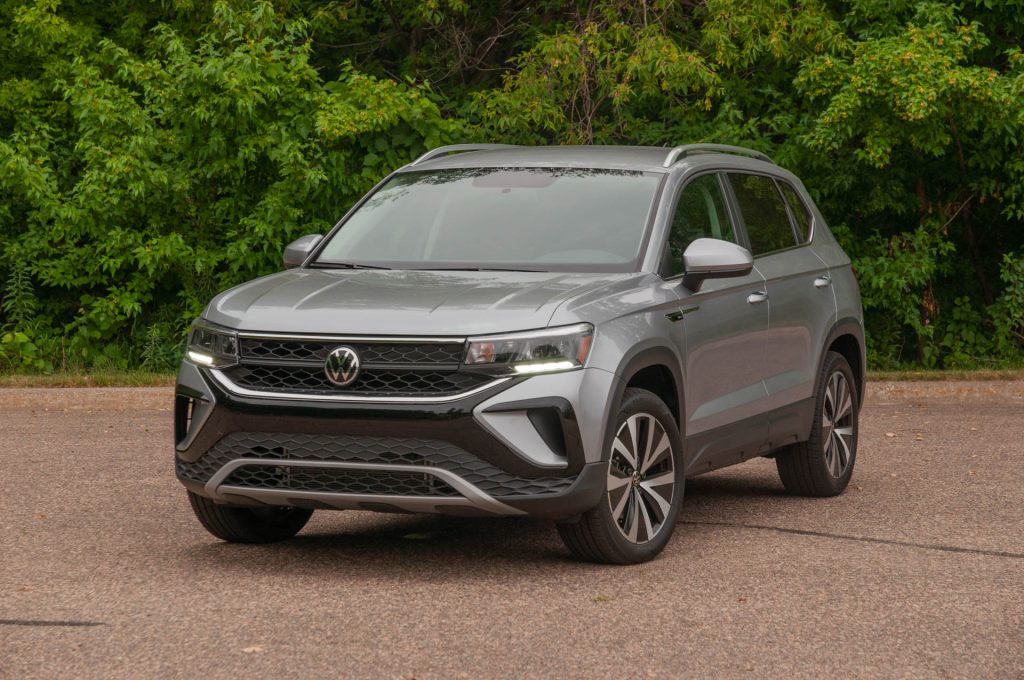
Buyers should check for open recalls and confirm that applicable repairs have been completed. Compare the Taos with competing small SUVs that have stronger reliability records, while considering price, mileage, condition, and warranty coverage.
A used Taos may still suit someone who finds a well-maintained example at an appropriate price. The key is to investigate the vehicle carefully instead of treating its modern styling and relatively recent model year as proof of dependable ownership.
7. Jeep Wrangler (Selected Model Years): Inspect More Than Its Off-Road Equipment
The Jeep Wrangler appears in Consumer Reports’ 2026 used-car guide for selected model years, including 2016, 2018 to 2019, 2021, and 2023.
These entries have much-worse-than-average reliability according to the organization’s annual owner surveys. The warning does not mean every Wrangler is unreliable or that every model year shares identical problems.
The Wrangler’s off-road ability is a major attraction, but used examples can have very different histories. One may have spent most of its life on paved roads, while another has been modified for trails, fitted with larger tires, or driven through mud and water. Those differences make an individual inspection especially important.
Look beneath the vehicle for corrosion, damaged skid plates, fluid leaks, and evidence of poorly executed modifications.
Examine the steering and suspension, listen for unusual drivetrain noises, and verify that four-wheel-drive equipment operates correctly when fitted. A mechanic familiar with off-road vehicles can identify problems that a brief road test might miss.
Consumer Reports’ warning is based on reported reliability relative to other vehicles from the same model year. It is not a claim that every Wrangler has a particular mechanical failure, and it cannot replace an inspection of the actual vehicle.
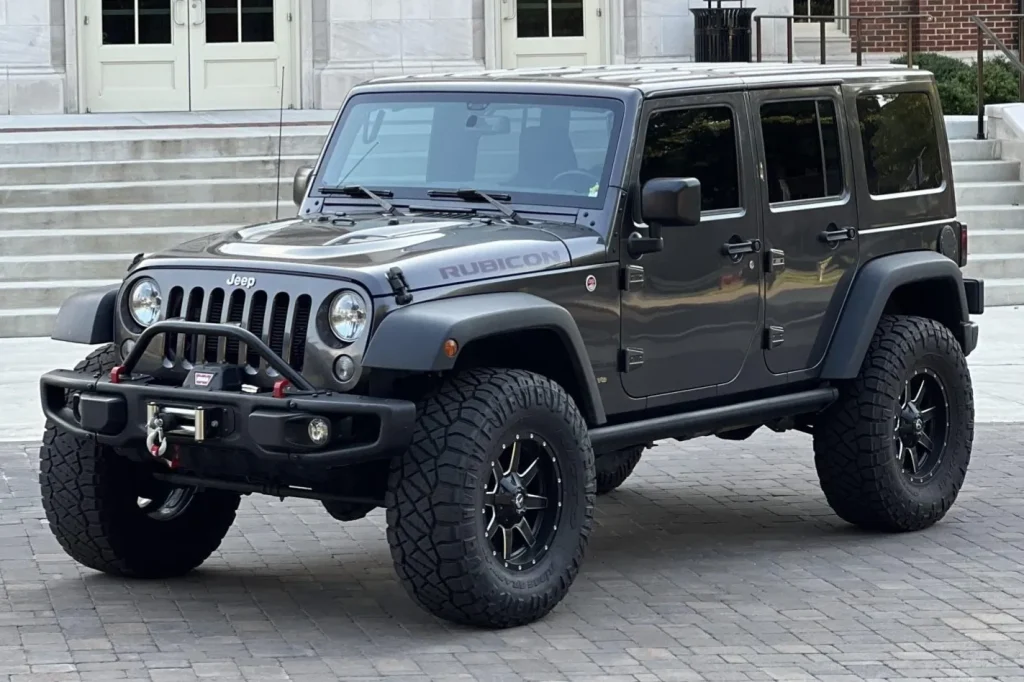
Buyers should request maintenance records and check whether modifications have affected the manufacturer’s warranty. They should also verify outstanding recalls by VIN before completing a purchase.
A well-maintained Wrangler can still appeal to someone who needs its off-road capability. However, shoppers who mainly want a comfortable commuter should compare it with other SUVs that better match their needs.
The right decision depends on the vehicle’s condition, its history, and the buyer’s intended use, not simply its reputation for adventure.
