
Paying off a car loan changes the economics of ownership. Without a monthly payment, keeping a dependable vehicle can become more attractive than replacing it with another car and taking on fresh debt.
Some American drivers hold onto their vehicles for well over a decade, particularly when those vehicles continue meeting their daily needs. Research from iSeeCars identifies models whose original owners are unusually likely to keep them for 15 years or longer.
The data does not track individual loan payoff dates, but it reveals which vehicles frequently remain in the same household long after many financing terms would have ended.
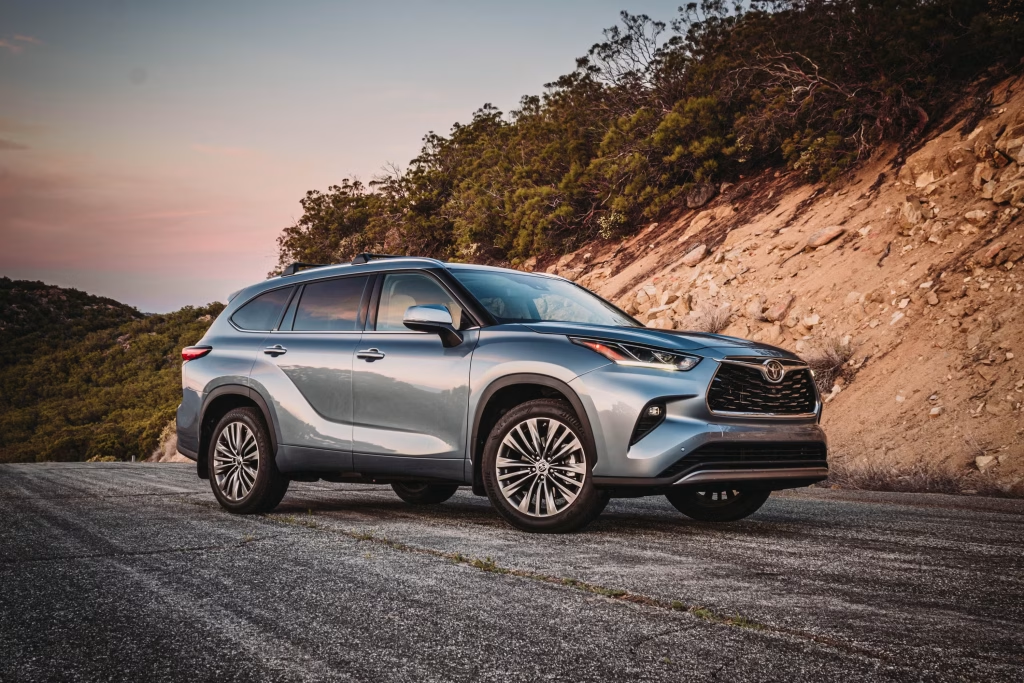
1. Toyota Highlander Hybrid: The Family SUV Owners Keep
The Toyota Highlander Hybrid stands out in iSeeCars’ study of vehicles retained by their original owners for at least 15 years. In its 2024 analysis of more than 929,000 vehicles from model years 1981 through 2009 sold between January and September 2024, the Highlander Hybrid ranked first.
Seven percent of qualifying vehicles were kept by their original owners for 15 years or longer, approximately 1.9 times the study’s 3.7 percent average.
That finding helps explain why some families keep this SUV after the loan disappears from their monthly budget. A three-row layout can accommodate children, relatives, luggage, and everyday errands without requiring a second vehicle.
Hybrid assistance can also help reduce gasoline consumption compared with a comparable conventional SUV, although actual fuel economy varies by generation, driving conditions, and maintenance.
Long ownership is not proof that every Highlander Hybrid is trouble-free. Battery condition, suspension wear, air-conditioning performance, and regular maintenance still matter as mileage increases.
Owners who have already paid off their vehicles may prefer addressing manageable repairs rather than financing a replacement, especially when the SUV continues to satisfy their needs.
The financial advantage becomes clearer when the alternative is a new loan, higher insurance costs, and depreciation on another vehicle. Nevertheless, keeping an older SUV makes sense only when its repair bills remain reasonable, and its safety equipment is in good condition.
iSeeCars measured long-term retention, not loan histories or mechanical reliability directly. The Highlander Hybrid’s ranking therefore indicates strong owner retention, not a guarantee that every example will be economical to maintain for 15 years.
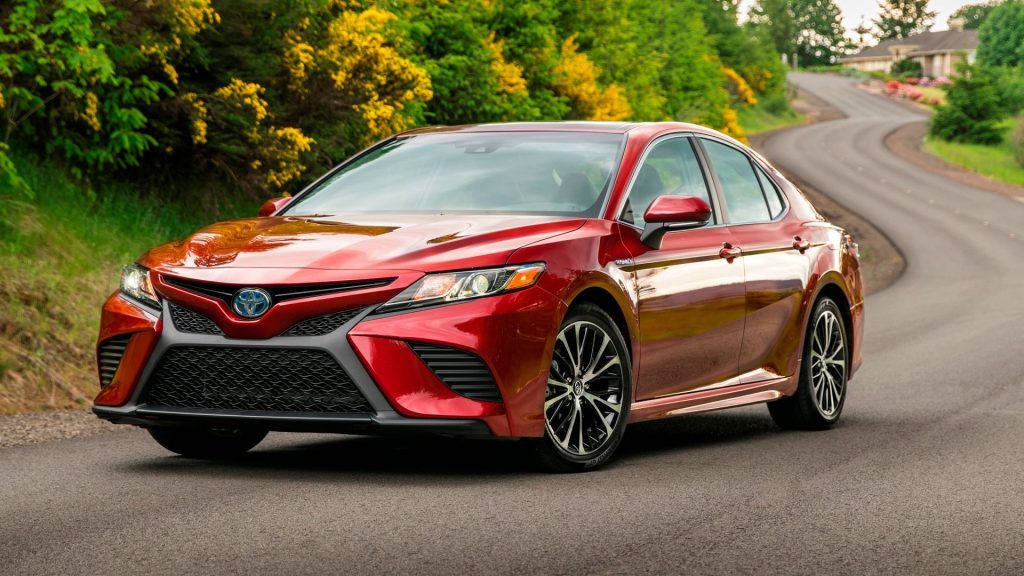
2. Toyota Camry Hybrid: A Sedan That Can Stay in the Driveway
For drivers who do not need an SUV’s extra space, the Toyota Camry Hybrid offers another reason to keep a paid-off car.
In iSeeCars’ 2024 most-loved vehicle study, it ranked second, with 6.9 percent of qualifying original owners keeping their vehicles for at least 15 years. This was well above the study’s average of 3.7 percent, giving it a retention rate approximately 1.8 times higher than the average.
A midsize sedan can be particularly easy to retain after financing ends. It provides everyday passenger space without the purchase price, size, and tire costs associated with many larger SUVs.
Hybrid power can also make commuting less expensive at the pump, especially in stop-and-go traffic where regenerative braking recovers some energy that would otherwise be lost.
The Camry Hybrid’s appeal is not simply about fuel economy. Familiar controls, comfortable seating, and a conventional four-door layout can make it a practical long-term companion for commuters and families. Owners who know the car’s service history may also prefer it to an unfamiliar replacement with an uncertain maintenance record.
Still, a hybrid is not maintenance-free. Its gasoline engine, cooling systems, brakes, and high-voltage components require attention, and battery repairs can be expensive outside applicable warranty coverage. Before deciding to keep one indefinitely, owners should compare upcoming maintenance costs with the price of replacing the vehicle.
The iSeeCars findings measure how long original owners retained their vehicles, not whether they had paid off their loans. Even so, the Camry Hybrid’s strong showing makes it a data-backed example of a sedan that many households choose to keep well beyond the typical ownership period.
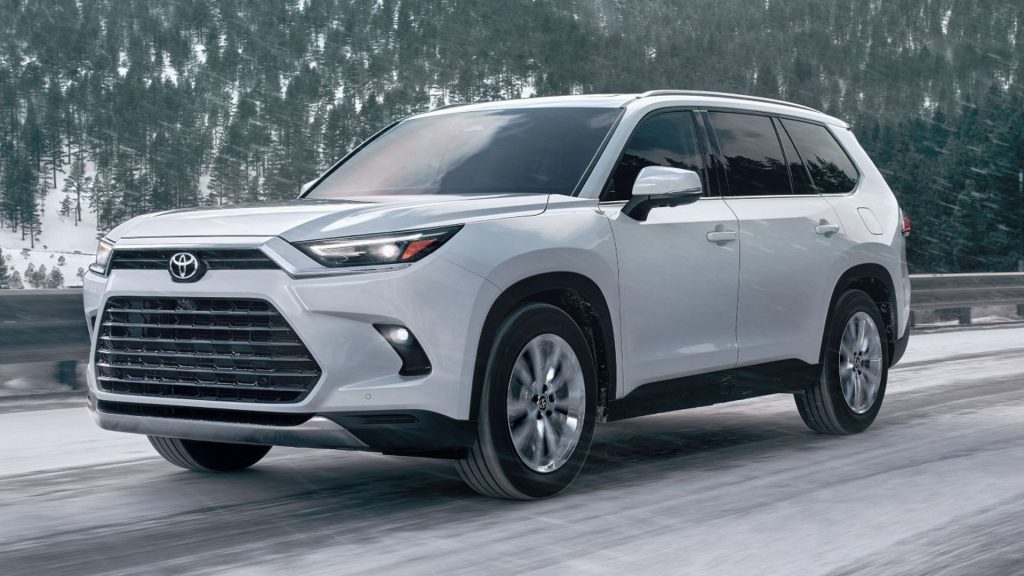
3. Toyota Highlander: Keeping the SUV Can Beat Starting Another Loan
The conventional Toyota Highlander also performed strongly in iSeeCars’ long-term ownership research. Its 2024 study found that 6.6 percent of qualifying Highlanders remained with their original owners for at least 15 years, putting the model third among the 13 vehicles highlighted in the report. That was about 1.8 times the study’s average rate of 3.7 percent.
For a household that has finished paying off its SUV, the Highlander’s flexibility can make replacement difficult to justify. It offers three-row seating in many configurations, room for family trips, and the utility needed for shopping, school runs, and vacations.
If those needs have not changed, a familiar vehicle may continue serving the household without a new monthly payment.
Keeping the same SUV also avoids the immediate depreciation associated with purchasing another vehicle. However, that advantage can shrink if expensive repairs arrive together.
Tires, suspension parts, cooling-system components, and age-related electrical problems deserve attention as mileage accumulates. Maintenance records help owners distinguish normal wear from signs that the vehicle is becoming uneconomical to retain.
A sensible decision compares anticipated repair costs with the full cost of replacement, including financing, insurance, taxes, and depreciation. The Highlander’s long-retention result suggests that many original owners find reasons to hold on, but it does not prove that every model year has identical reliability or running costs.
The key detail is that iSeeCars measured original-owner retention, not loan payoff dates. The data supports the Highlander’s reputation as a vehicle people keep for a long time, while each owner must decide whether their own SUV remains worth maintaining.
4. Toyota Tacoma: A Pickup That Can Remain Useful for Years
Pickup owners often develop a practical relationship with their trucks. The Toyota Tacoma illustrates that pattern in iSeeCars’ 2024 research, where 6.4 percent of qualifying vehicles were kept by their original owners for 15 years or longer. The Tacoma ranked fourth in the study, reaching roughly 1.7 times the 3.7 percent average retention rate.
A midsize pickup can retain its usefulness long after the final loan payment because its purpose does not depend on having the latest technology. It can carry home-improvement supplies, outdoor equipment, and bulky purchases while remaining manageable for everyday driving.
Owners who use a truck for work or hobbies may also know its maintenance history well enough to prefer keeping it over starting again with another vehicle.
There is a financial consideration, too. Replacing a paid-off Tacoma with a newer truck can mean taking on a substantial payment, particularly when buying a higher trim or four-wheel-drive configuration. Keeping the existing truck avoids that commitment, although it does not eliminate costs for fuel, tires, repairs, or registration.
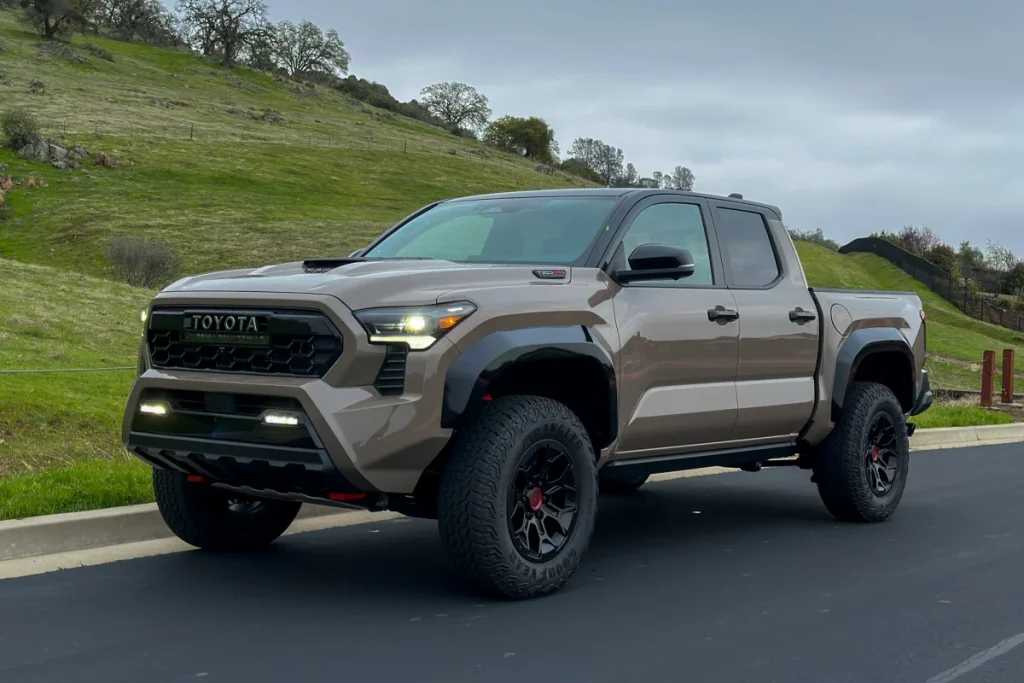
Condition matters more than the odometer alone. Buyers and long-term owners should monitor frame condition, corrosion, suspension wear, drivetrain maintenance, and any signs of hard towing or off-road use. A truck that has been neglected or used beyond its intended workload may not deliver the same long-term value.
The study measures how long original owners kept their trucks, not the age at which they paid off a loan. Still, the Tacoma’s retention figure shows that many owners continue finding practical value in the same pickup for at least 15 years.
5. Toyota Prius: Fuel Savings Give Owners a Reason to Hold On
The Toyota Prius ranked fifth in iSeeCars’ 2024 study of vehicles kept by their original owners for at least 15 years. The research found that 6.3 percent of qualifying Prius vehicles reached that ownership milestone, approximately 1.7 times the study’s average rate of 3.7 percent.
For drivers with long commutes, the Prius can remain attractive after its loan is paid off because fuel economy is central to its design. Hybrid technology combines a gasoline engine with electric assistance, while regenerative braking recovers some energy during deceleration.
Actual fuel economy depends on model year, traffic, weather, tires, and driving habits, but efficient operation can help reduce day-to-day running costs.
The hatchback body also makes the Prius useful beyond commuting. Its cargo area can handle groceries, luggage, and everyday household items without requiring the owner to move into a larger vehicle.
If the car still fits the household’s needs, replacing it simply because it has aged may bring more expense than benefit.
Battery condition deserves attention, particularly on older, high-mileage examples. A hybrid battery does not have a universal expiration date, and its remaining life depends on multiple factors. Owners should investigate warning lights, changes in performance, and diagnostic results rather than assume either that the battery is failing or that it will last indefinitely.
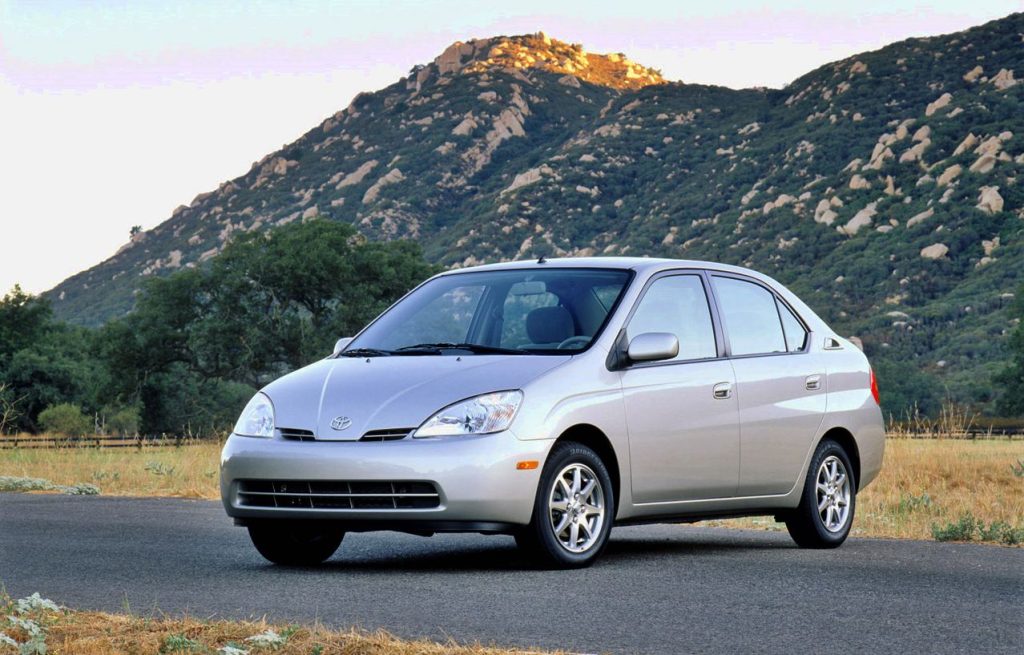
The smartest comparison is between the cost of maintaining the current Prius and the total cost of buying another car. A paid-off vehicle with manageable repair needs can free up money for other priorities, but a major repair should be evaluated on its own merits.
The iSeeCars result reflects long-term ownership, not loan records. Nevertheless, the Prius’s strong retention rate shows that many owners see enough continuing value to keep the same efficient hatchback for 15 years or more.
6. Honda CR-V: Practicality That Continues After Financing
The Honda CR-V ranked sixth in iSeeCars’ 2024 most-loved vehicles analysis. Some 6.3 percent of qualifying CR-Vs were retained by their original owners for at least 15 years, giving the model a retention rate approximately 1.7 times the study’s 3.7 percent average.
The CR-V’s appeal comes from its ability to handle ordinary family responsibilities without being excessively large. Its raised seating position, flexible cargo area, and useful passenger space suit commuting, errands, and road trips.
When the loan payment disappears, an owner who remains satisfied with the vehicle may see little reason to replace it just to get a newer dashboard or infotainment system.
Keeping a familiar crossover can also simplify budgeting. The owner knows its service history, how it behaves in different weather, and whether previous repairs have resolved earlier problems.
A replacement brings new purchase costs and depreciation, while financing adds interest expenses that can make a newer vehicle more expensive than its monthly payment initially suggests.
That does not mean a CR-V should be kept regardless of condition. Older examples still need routine maintenance, and buyers should check for transmission issues, suspension wear, fluid leaks, corrosion, and evidence of overdue service.
The appropriate checks vary by generation and powertrain, so a model-specific inspection is more useful than a blanket reliability claim.
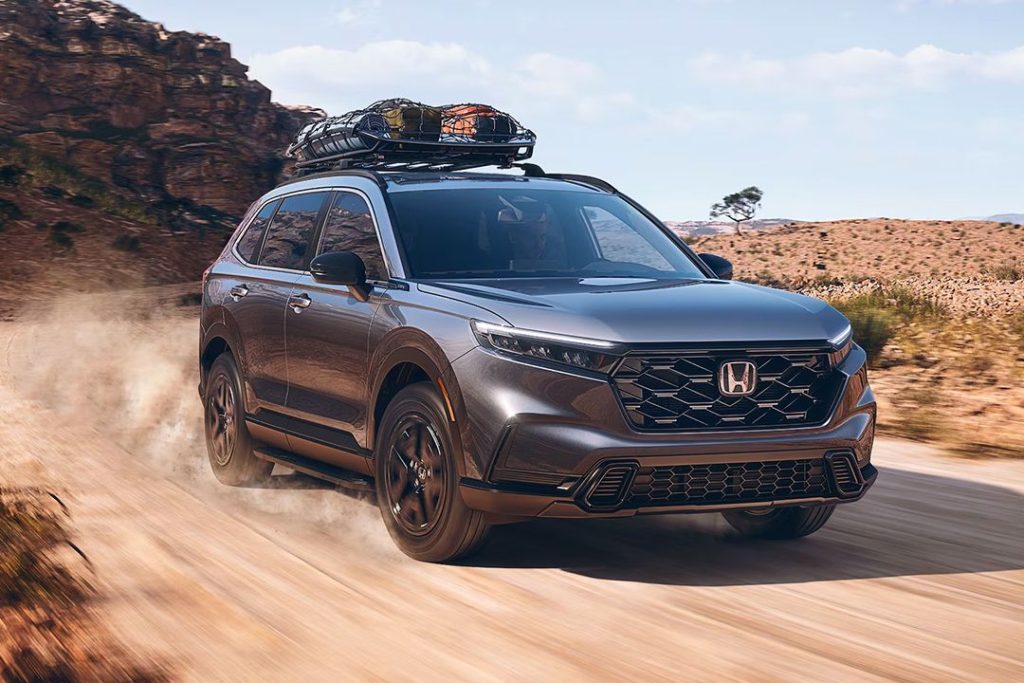
The 15-year retention statistic is evidence of owner commitment, not a guarantee that every CR-V will remain trouble-free. Nor does it tell us when individual owners finished paying their loans.
For a household whose CR-V remains safe, dependable, and large enough for its needs, continuing to drive it after the debt is cleared can be a sensible financial choice.
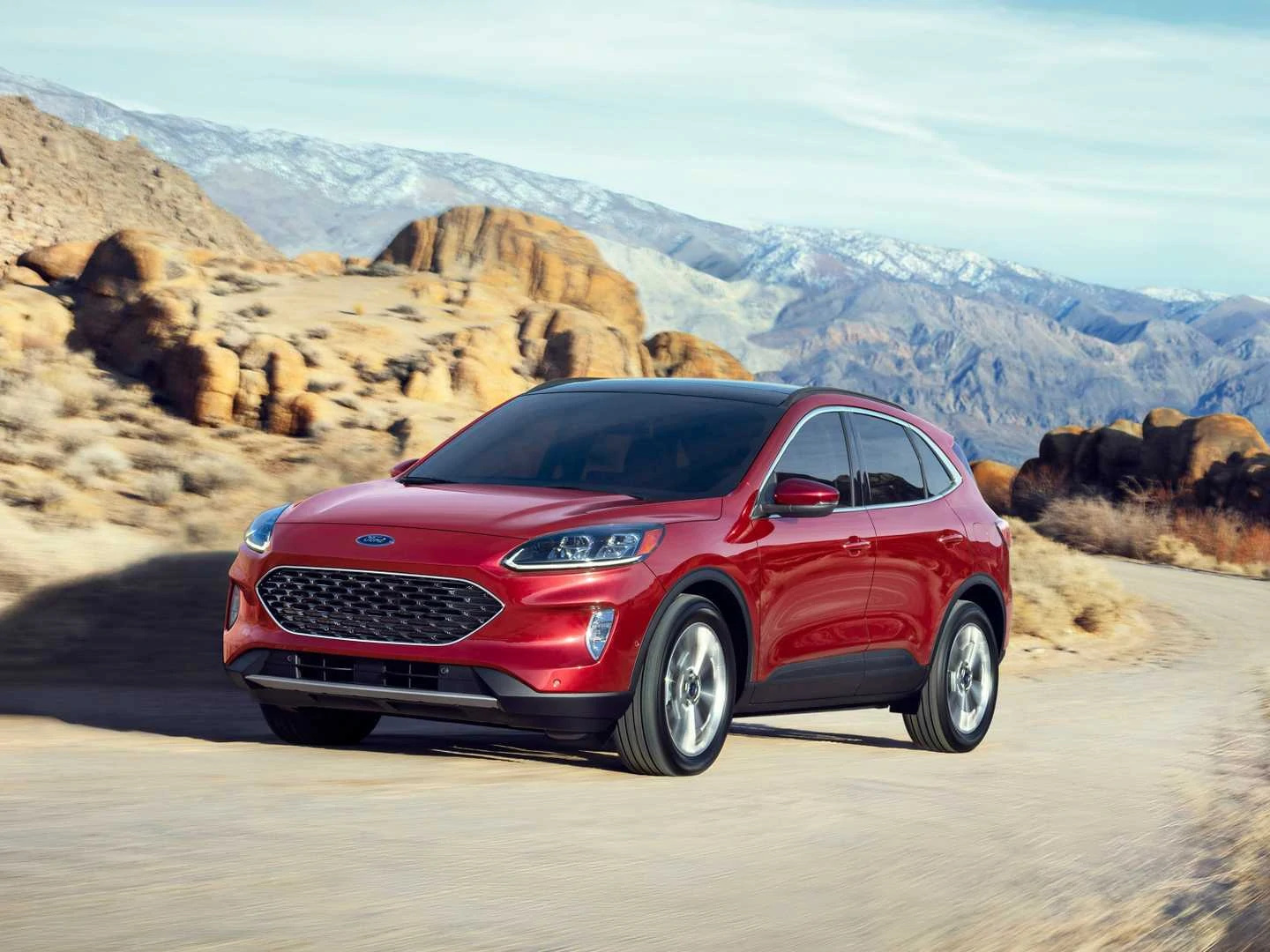
7. Ford Escape Hybrid: A Paid-Off Crossover With a Different Appeal
The Ford Escape Hybrid provides a useful contrast to the Toyota-heavy group. In iSeeCars’ 2024 study, 6.3 percent of qualifying examples were kept by their original owners for at least 15 years, matching the Honda CR-V’s retention percentage and reaching approximately 1.7 times the study’s 3.7 percent average.
The Escape Hybrid appeals to drivers who want the versatility of a crossover without sacrificing fuel efficiency. Its elevated seating position and adaptable cargo area provide the practicality expected of a small SUV, while the hybrid system can help lower fuel consumption, particularly in suitable driving conditions.
That combination may make an older example worth retaining when the loan has ended, and the vehicle still meets daily needs.
Long-term ownership also allows drivers to avoid shopping for another car at current market prices. Instead of taking on fresh debt, they can direct money toward maintenance and other household expenses.
This calculation is particularly attractive when the existing Escape has a documented service history and no major unresolved mechanical problems.
However, hybrid components need proper assessment as a vehicle ages. Owners should pay attention to warning lights, cooling-system condition, unusual noises, and changes in performance.
A qualified technician can determine whether a concern involves the high-voltage battery, the gasoline engine, or another component. Repair costs and warranty coverage vary by model year.
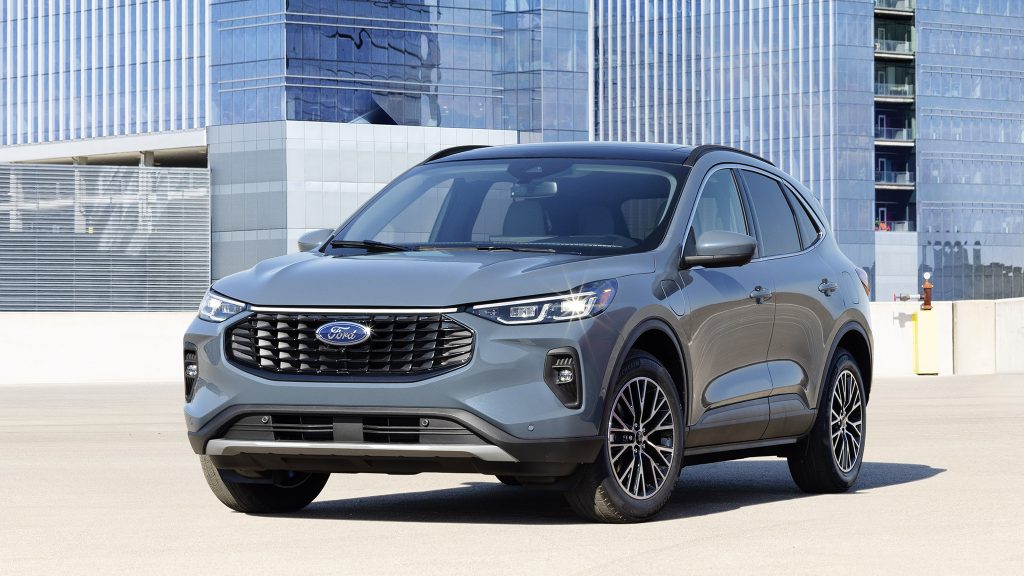
The study’s retention result is not proof that every Escape Hybrid is cheaper to own than competing vehicles. It measures how often original owners kept qualifying vehicles for at least 15 years, not how much they spent or when their loans ended.
Still, the Escape Hybrid’s presence among the leading long-retained models shows that a non-Toyota hybrid can also persuade owners to stick with a familiar vehicle long after its financing obligation has passed.
8. Toyota RAV4: The Compact SUV That Stays Useful
A Toyota RAV4 can be easy to keep after its loan is paid because it covers many everyday needs without demanding a larger vehicle.
In iSeeCars’ 2024 study, the RAV4 ranked among the 13 vehicles most likely to remain with their original owners for at least 15 years. About 6.2 percent of qualifying vehicles met this benchmark, exceeding the study’s average of 3.7 percent by approximately 1.6 times.
The RAV4’s compact footprint helps with parking and urban driving, while its cargo area provides room for shopping, luggage, and outdoor equipment. For drivers who do not need a three-row SUV or a pickup bed, that balance can make replacement unnecessary.
A vehicle that continues fitting the owner’s routine has a strong practical argument for staying in the driveway.
Once financing ends, the owner can compare maintenance expenses against the cost of another purchase rather than automatically treating age as a reason to trade in. Avoiding a new loan can preserve cash, although repairs should not be ignored simply to keep the vehicle debt-free.
The important checks depend on the RAV4’s year and configuration. Routine service records, transmission behavior, suspension condition, tire wear, fluid leaks, and corrosion all help establish whether a particular example remains a sensible long-term keeper. Hybrid versions require their own powertrain-specific checks.
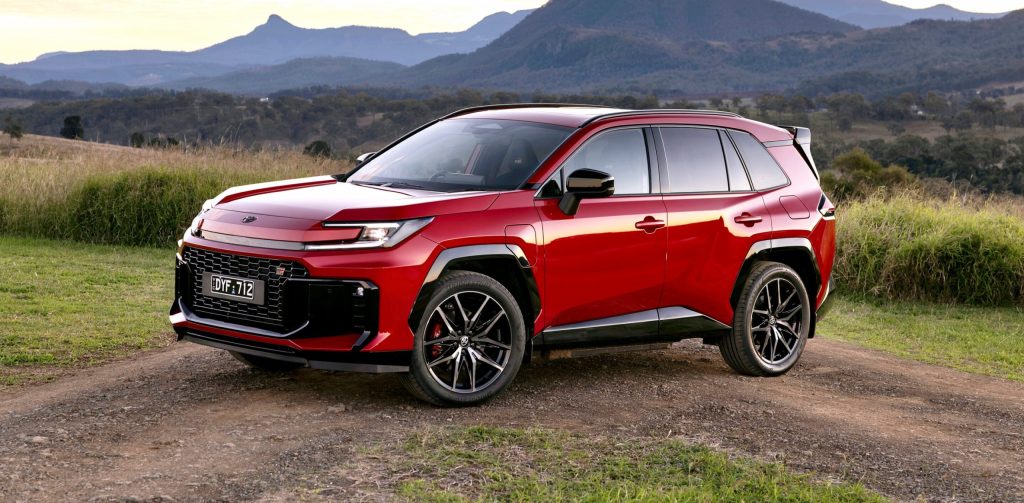
A high retention percentage does not establish that all RAV4s have identical reliability, and it does not tell us whether owners paid cash or financed their vehicles. It does show that original owners frequently choose to keep the model for at least 15 years.
For drivers satisfied with the space, comfort, and condition of their RAV4, that long-term usefulness can make continuing ownership more appealing than starting another payment schedule.
9. Lexus IS 350: Keeping a Luxury Car Without Another Payment
The Lexus IS 350 shows that long-term ownership is not limited to practical family crossovers. In iSeeCars’ 2024 research, 5.8 percent of qualifying vehicles were kept by their original owners for at least 15 years, around 1.5 times the study’s 3.7 percent average. It ranked ninth among the 13 models highlighted in the report.
For owners who enjoy driving their sedan, paying off the loan can remove a major reason to replace it. The IS 350 offers a more performance-oriented experience than an ordinary commuter car, with a V6 engine in relevant generations, a premium interior, and compact dimensions suited to daily use.
Someone who still appreciates those qualities may see little benefit in taking out a new loan just to obtain a newer model.
Luxury ownership does require realistic budgeting. Tires, brakes, suspension components, and specialized replacement parts can cost more than equivalent items on some mainstream sedans. Insurance and fuel expenses also depend on the vehicle’s year, configuration, location, and driver. Those costs do not disappear when financing ends.
Before deciding to keep an older IS 350, assess its maintenance history and mechanical condition. Look for evidence of regular fluid changes, investigate warning lights, and have any unusual engine, transmission, or suspension behavior diagnosed. A well-maintained example may justify continued ownership, while one needing several expensive repairs may not.
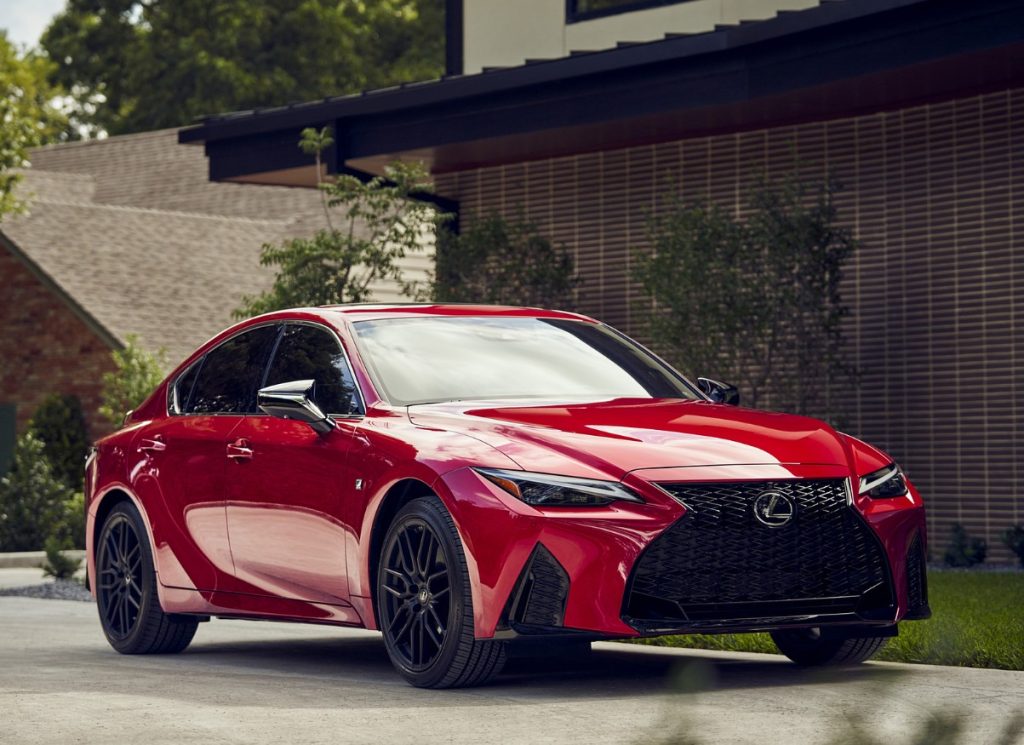
The retention figure measures original-owner behavior, not mechanical reliability in isolation. It also does not establish the date when an individual loan was paid off. Nevertheless, the IS 350’s position in the study indicates that a meaningful share of owners value their cars enough to retain them for at least 15 years.
For drivers who want a luxury sedan without repeatedly financing a replacement, keeping a sound, familiar car can be a financially sensible option.
10. Nissan Versa: An Affordable Car Worth Keeping
The Nissan Versa completes this list with a different kind of ownership proposition. In iSeeCars’ 2024 study, 5.7 percent of qualifying Versas were kept by their original owners for 15 years or longer, approximately 1.5 times the study’s average retention rate of 3.7 percent. It ranked tenth among the 13 vehicles highlighted.
Unlike a luxury sedan or a large SUV, the Versa’s appeal centers on affordable transportation. Its compact size suits city streets and tight parking spaces, while its modest footprint makes it practical for commuting and everyday errands.
For an owner whose transportation needs are simple, an older Versa may continue doing its job long after the original loan has disappeared.
The financial logic is straightforward. Replacing a functioning paid-off car means paying for another vehicle, potentially adding interest charges and absorbing fresh depreciation. Keeping the Versa can free up money for savings or other expenses, provided the car remains safe and its maintenance needs are manageable.
Condition still matters. Owners should follow the maintenance schedule for their particular model year and investigate transmission behavior, fluid leaks, tire wear, suspension noises, and warning lights.
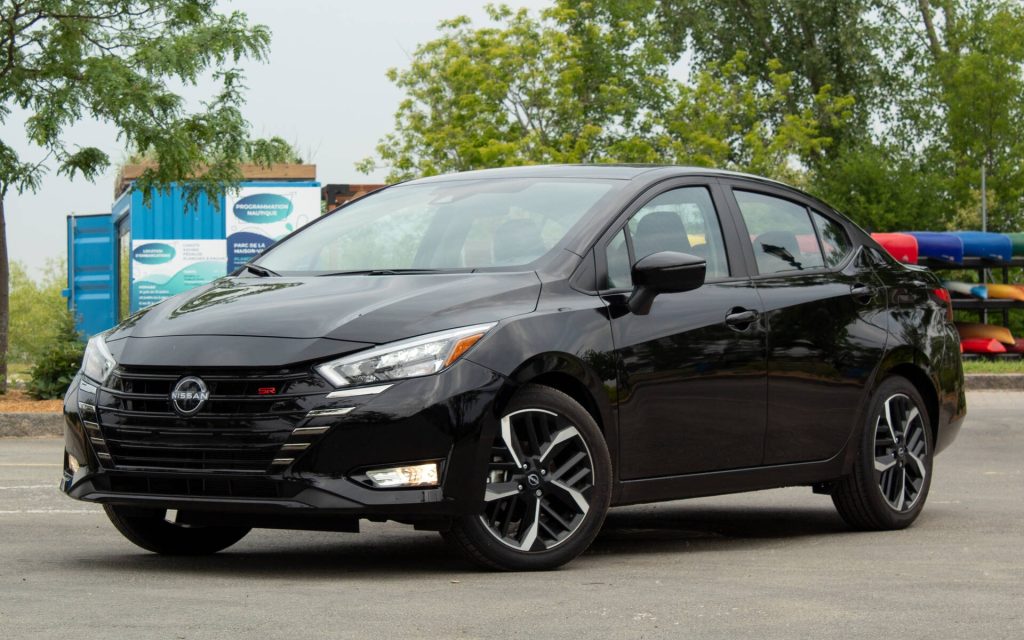
Some Versa generations use continuously variable transmissions, so the correct inspection and service requirements depend on the exact vehicle. A pre-purchase inspection is particularly valuable when considering an older, high-mileage example.
iSeeCars’ findings describe long-term retention, not the cost of repairs or the timing of loan payoff. The study therefore cannot prove that the Versa is the cheapest car to own for 15 years. What it does establish is that original owners retain qualifying examples more often than the average vehicle.
For someone who values dependable basic transportation over the latest features, keeping a paid-off Versa can be more attractive than borrowing money for a replacement.
