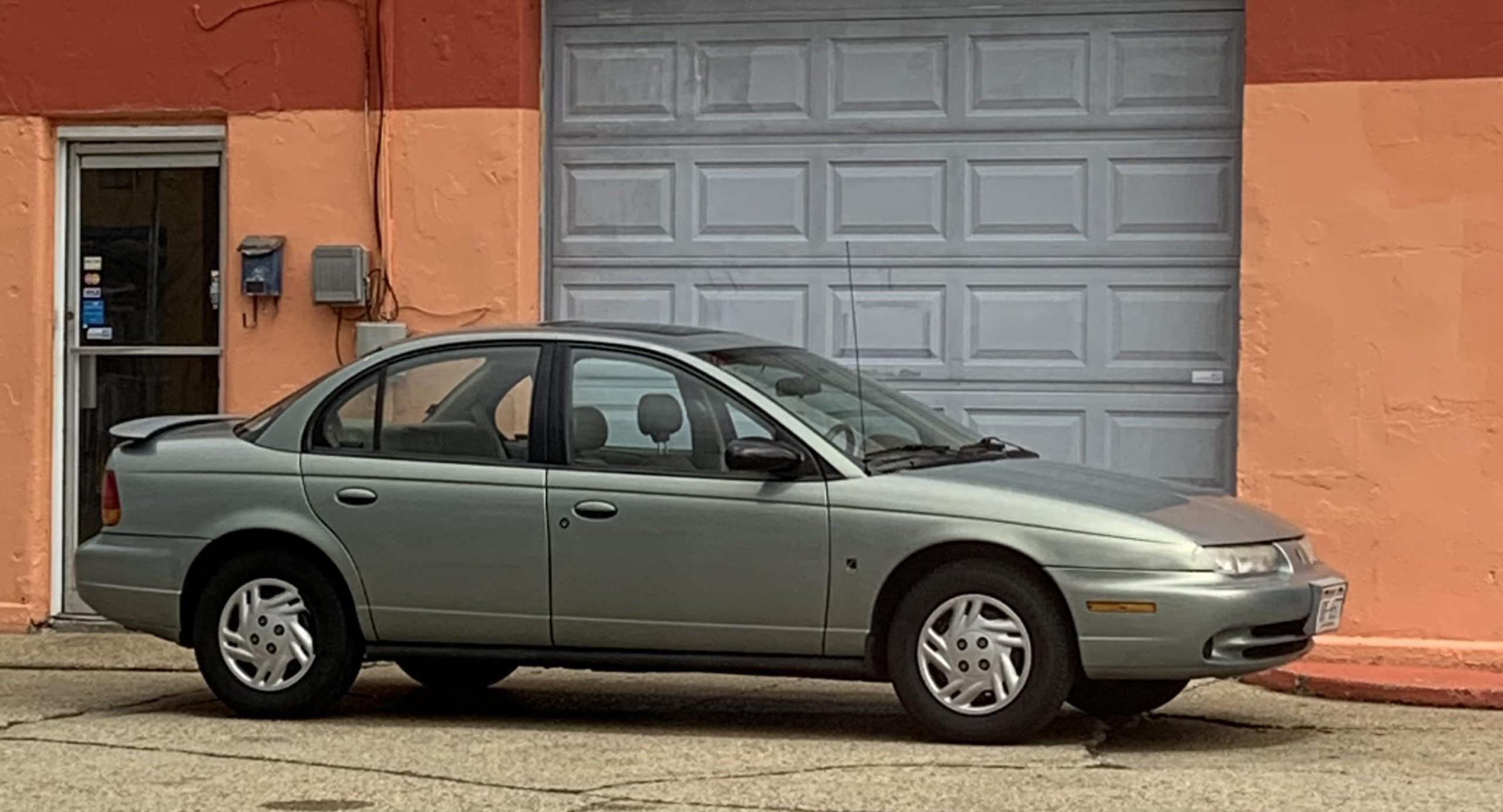
America’s best-selling cars in 1995 reflected a market dominated by family sedans, practical compact cars, and familiar domestic nameplates.
Three decades later, some have disappeared from U.S. showrooms, while others have evolved with advanced crash structures, automatic emergency braking, and improved occupant protection. The Ford Taurus led passenger-car sales in 1995 with 366,266 units, followed by the Honda Accord and Toyota Camry.
This comparison revisits six popular cars from that era and examines what happened to their nameplates, including the safety performance of their 2026 successors where available.
1. Ford Taurus: America’s Best-Selling Passenger Car of 1995
The Ford Taurus was America’s best-selling passenger car in 1995, with 366,266 units sold. Its popularity reflected the appeal of a roomy family sedan that combined comfortable seating, practical four-door access, and a price accessible to many American households.
The Taurus of 1995 belongs to a very different safety era. Modern automatic emergency braking, pedestrian detection, and today’s rigorous crash-test protocols were not standard expectations for family cars.
Its safety equipment and crash protection should not be compared directly with those of a new vehicle without accounting for the enormous changes in vehicle design and testing.
One key limitation in any 2026 comparison is that Ford no longer offers the Taurus in the U.S. market. Production for North America ended in 2019 as the company moved away from traditional sedans in favor of other vehicle types. As a result, there is no 2026 U.S.-market Taurus available for IIHS or NHTSA safety ratings.
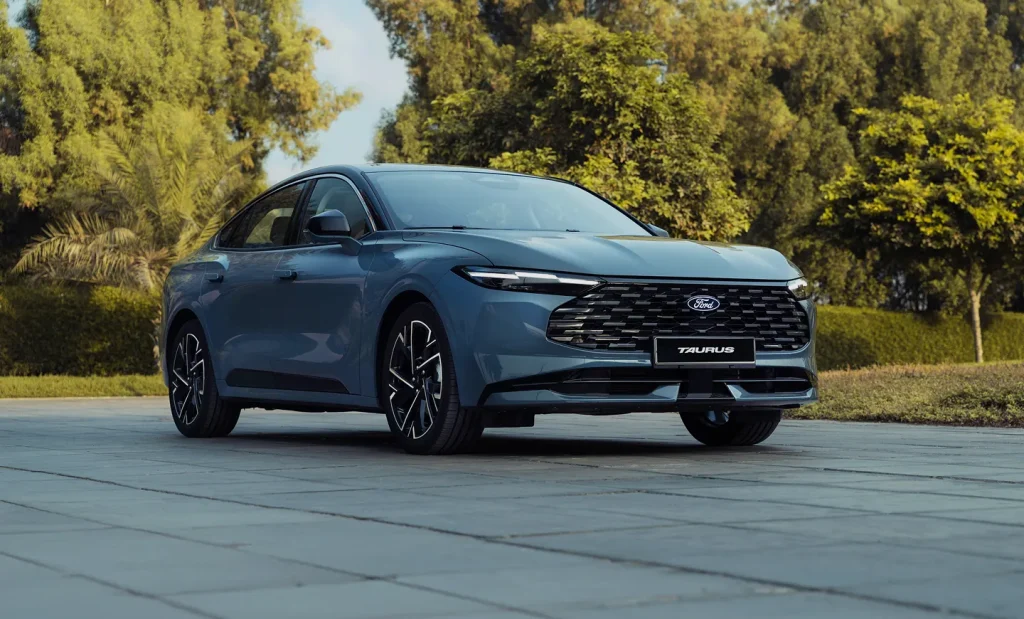
For shoppers considering a modern replacement, Ford’s current SUV lineup offers different vehicle types, but a safety rating must be checked for the exact model and year. It would be misleading to transfer an Explorer or another Ford’s crash-test results to the discontinued Taurus.
The Taurus remains an important part of American automotive history because of its sales success. Its absence from the 2026 market also illustrates how dramatically consumer preferences and manufacturer lineups have changed since the mid-1990s.
2. Honda Accord: A Family Sedan That Still Earns Safety Recognition
The Honda Accord sold 341,384 units in the United States in 1995, making it one of the country’s most popular passenger cars. Its combination of usable passenger space, efficient engines, and everyday practicality helped establish a nameplate that remains in Honda’s American lineup three decades later.
The 2026 Accord benefits from safety engineering that was unavailable in the 1995 version. IIHS rates the current sedan Top Safety Pick, with good ratings in the small-overlap front, updated moderate-overlap front, and updated side crash tests.
Its headlights are rated good, while standard pedestrian front crash prevention is rated acceptable. These results reflect the institute’s published evaluation, not a claim that the vehicle can prevent every crash.
The Accord’s moderate-overlap test also evaluates protection for rear-seat passengers, an important consideration for a family sedan. IIHS reports a good overall rating in this test, including good rear-passenger head and neck protection and a good restraint assessment.
Some individual injury measures and restraint details receive different ratings, so the full test results provide more information than a single award label.
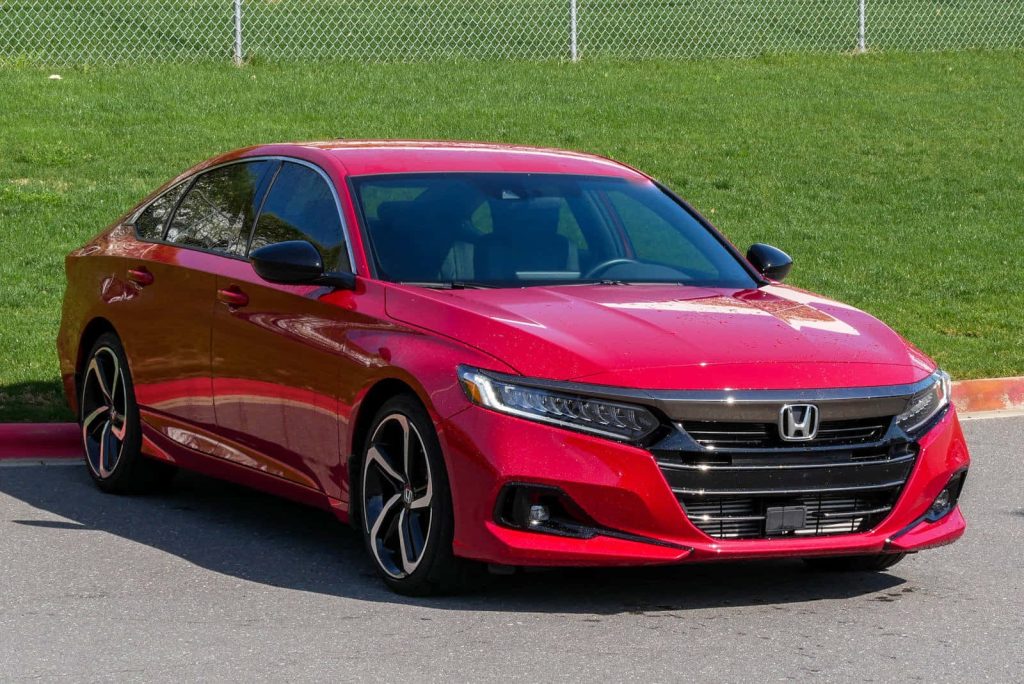
The comparison with 1995 is striking: today’s Accord combines a long-established family-car layout with modern crash structures, driver assistance, and detailed independent testing. Buyers should still confirm the precise model year and equipment because ratings and standard features can change between redesigns.
For drivers who want a midsize sedan rather than an SUV, the Accord demonstrates how a long-running nameplate can evolve while retaining its original purpose: practical transportation for American households.
3. Toyota Camry: From a Rising Contender to a Modern Safety Leader
The Toyota Camry sold 328,602 units in the United States in 1995, placing it behind the Taurus and Accord among passenger cars. Its blend of practicality, efficient engines, and family-friendly packaging helped it become one of America’s defining midsize sedans.
The 2026 Camry retains the four-door family-sedan format, but its powertrain and safety technology have changed substantially. Toyota’s current U.S. Camry lineup is hybrid-only, unlike the 1995 range of conventional gasoline engines.
The newer car combines a gasoline engine with electric motors, aiming to improve fuel efficiency without requiring owners to plug it in.
On safety, the 2026 Camry earns the IIHS Top Safety Pick+ award. The institute’s current midsize-car summary gives it good ratings in the small-overlap front, updated moderate-overlap front, and updated side crash tests.
Its headlights are rated good, and its standard pedestrian front crash prevention system is rated good. The vehicle-to-vehicle front crash prevention system is rated acceptable.
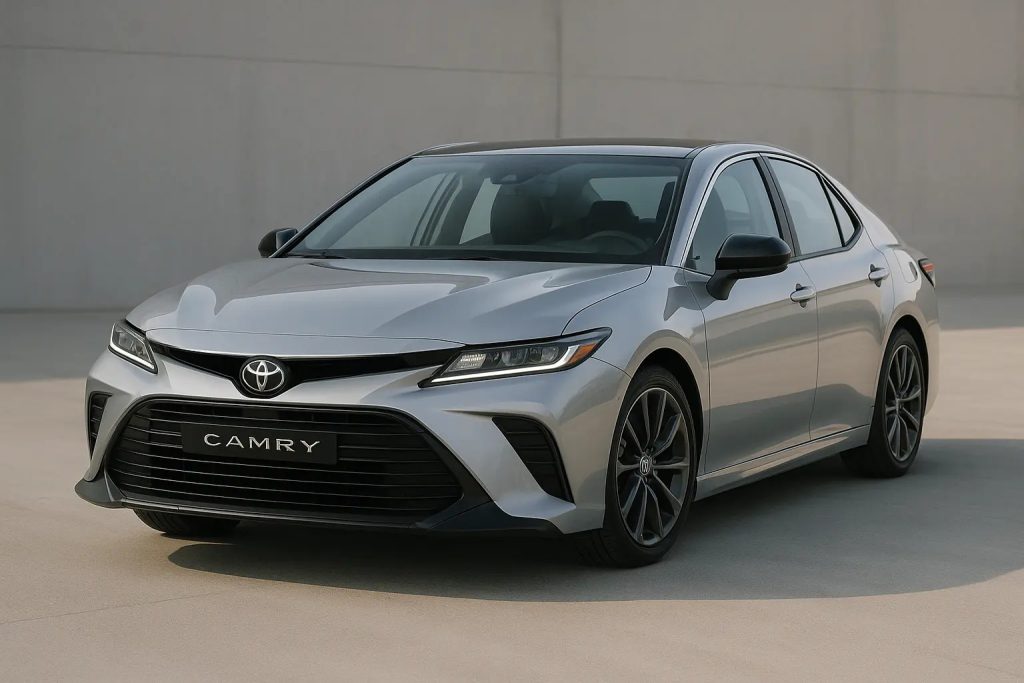
NHTSA also selected the 2026 Toyota Camry for its 5-Star Safety Ratings program, but selection for testing is not itself a star rating. Consumers should check NHTSA’s results page for the actual rating and the precise configuration tested.
The contrast with 1995 is not simply that the modern Camry has more technology. Today’s safety evaluations also measure occupant protection in more demanding crash scenarios and assess collision-avoidance systems. The award applies to the 2026 model and its tested equipment, so buyers should still verify the specific vehicle’s features and configuration.
For families comparing midsize sedans, the Camry shows how a high-volume model from 1995 has evolved into a hybrid-only sedan with strong independent crash-test recognition.
4. Honda Civic: A Compact-Car Successor With a Strong Safety Record
The Honda Civic recorded 289,435 U.S. sales in 1995, placing it among the country’s most popular vehicles that year. Its smaller footprint and practical fuel-efficient design appealed to buyers who wanted everyday transportation without moving up to a midsize sedan.
The Civic remains on sale in 2026, but its safety rating is not identical to the Accord’s. IIHS awards the 2026 Civic Top Safety Pick, rather than Top Safety Pick+.
Its small-overlap front and updated side crash tests are rated good, while the updated moderate-overlap front test is acceptable. Headlights and standard pedestrian front crash prevention are rated good and acceptable, respectively.
This distinction matters because safety awards reflect specific test results and criteria. The Civic’s rating is strong, but buyers should not assume it earns the institute’s highest award simply because another Honda model does. The exact model year and body style also matter, as sedan and hatchback test details are listed separately in IIHS records.
The 1995 Civic and its 2026 counterpart share a practical mission, but modern occupant protection and crash-avoidance technology have changed substantially.
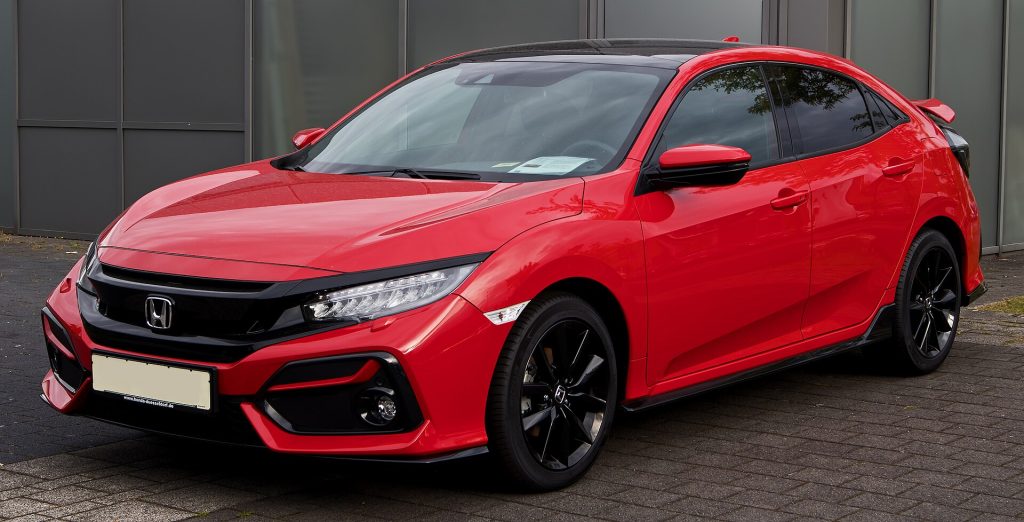
Today’s Civic includes safety systems designed to help prevent or mitigate certain crashes, while independent crash tests measure protection in scenarios that were not evaluated in the same way three decades ago.
NHTSA selected the 2026 Civic, which is not shown in the current testing list retrieved here, so a specific federal star rating should not be assumed without checking NHTSA’s live results. For buyers, the confirmed IIHS Top Safety Pick award is useful evidence, provided the vehicle matches the tested model year and configuration.
5. Saturn S-Series: A Popular 1995 Choice With No 2026 Successor
The Saturn S-Series helped make Saturn a recognizable name in the American compact-car market during the 1990s. Saturn vehicles recorded 285,674 U.S. sales in 1995, putting the brand just ahead of the Ford Escort in the year’s broad vehicle sales rankings.
The S-Series included the SC coupe, SL sedan, and SW wagon, giving buyers several body styles built around the same compact-car concept. Saturn also promoted a different retail experience from traditional dealerships, helping the young brand stand out in a crowded market.
There is no 2026 Saturn model to assess for safety. General Motors discontinued the Saturn brand, and production ended in 2010. As a result, neither IIHS nor NHTSA can provide a 2026 Saturn crash-test rating.
Any safety assessment of an S-Series must instead refer to the original vehicle’s equipment and historical testing, if available, rather than borrowing results from a modern Chevrolet or another GM product.
That distinction matters because safety technology has changed dramatically since 1995. Modern vehicles benefit from decades of development in crash structures, airbags, restraints, and electronic crash-avoidance systems.
A vintage Saturn may still serve as a collector car or occasional driver, but its safety equipment should not be presumed equivalent to a new compact sedan.
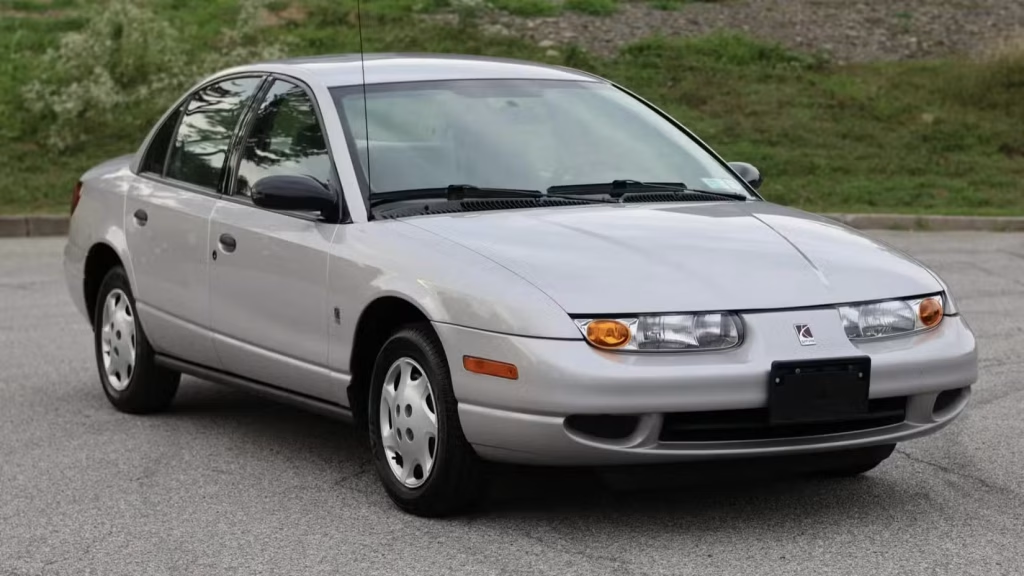
Anyone considering a surviving S-Series should check for rust, maintenance history, airbag status, and outstanding recalls through official records. Age-related deterioration can affect a vehicle’s condition even when it runs well.
Saturn’s sales success in 1995 is a reminder that once-popular brands can disappear. In a modern safety comparison, the absence of a current successor is itself the key finding.
6. Ford Escort: A Best-Seller That Left the U.S. Market
The Ford Escort was another familiar name in the 1995 American market. U.S. sales rankings recorded 285,570 Escorts that year, placing it close to Saturn in the overall vehicle tally. Its appeal rested on compact dimensions, relatively accessible pricing, and a practical role as commuter transportation.
Unlike the Accord, Camry, and Civic, the American Escort has no 2026 U.S.-market successor bearing the same name. Ford ended U.S. Escort production in the early 2000s, and the current American lineup does not include a new Escort. Consequently, there is no 2026 U.S. Escort for IIHS or NHTSA to rate.
It would be inaccurate to assign the Escort a modern star rating or use the results of a different Ford model as a substitute. Crash-test standards and vehicle designs have evolved considerably since the 1990s, and a modern vehicle’s rating cannot be transferred to an older car based on brand alone.
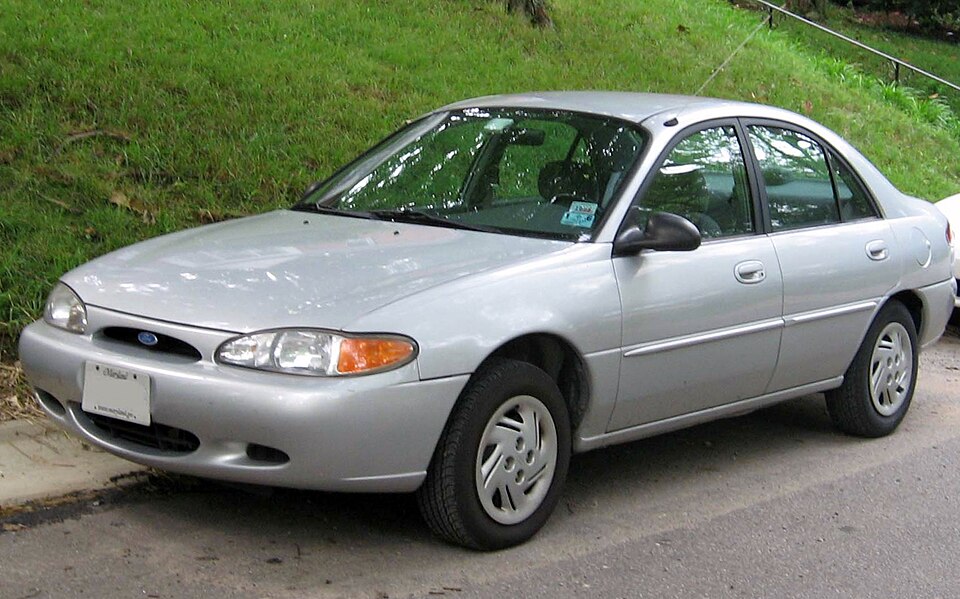
For someone still driving a 1995 Escort, basic maintenance is only one part of the safety picture. Tires, brakes, suspension, seat belts, airbags where equipped, corrosion, and the structural condition of the body should all be checked. The availability of replacement parts and the quality of repairs also matter as the car ages.
The Escort’s place in the 1995 sales rankings shows how important inexpensive compact cars once were to American buyers. Its absence from today’s U.S. showroom highlights a major shift in the market, where many shoppers have moved toward crossovers and SUVs.
For modern safety, buyers should compare currently sold vehicles using their own IIHS and NHTSA results rather than treating a historic sales leader as a direct equivalent of a new car.