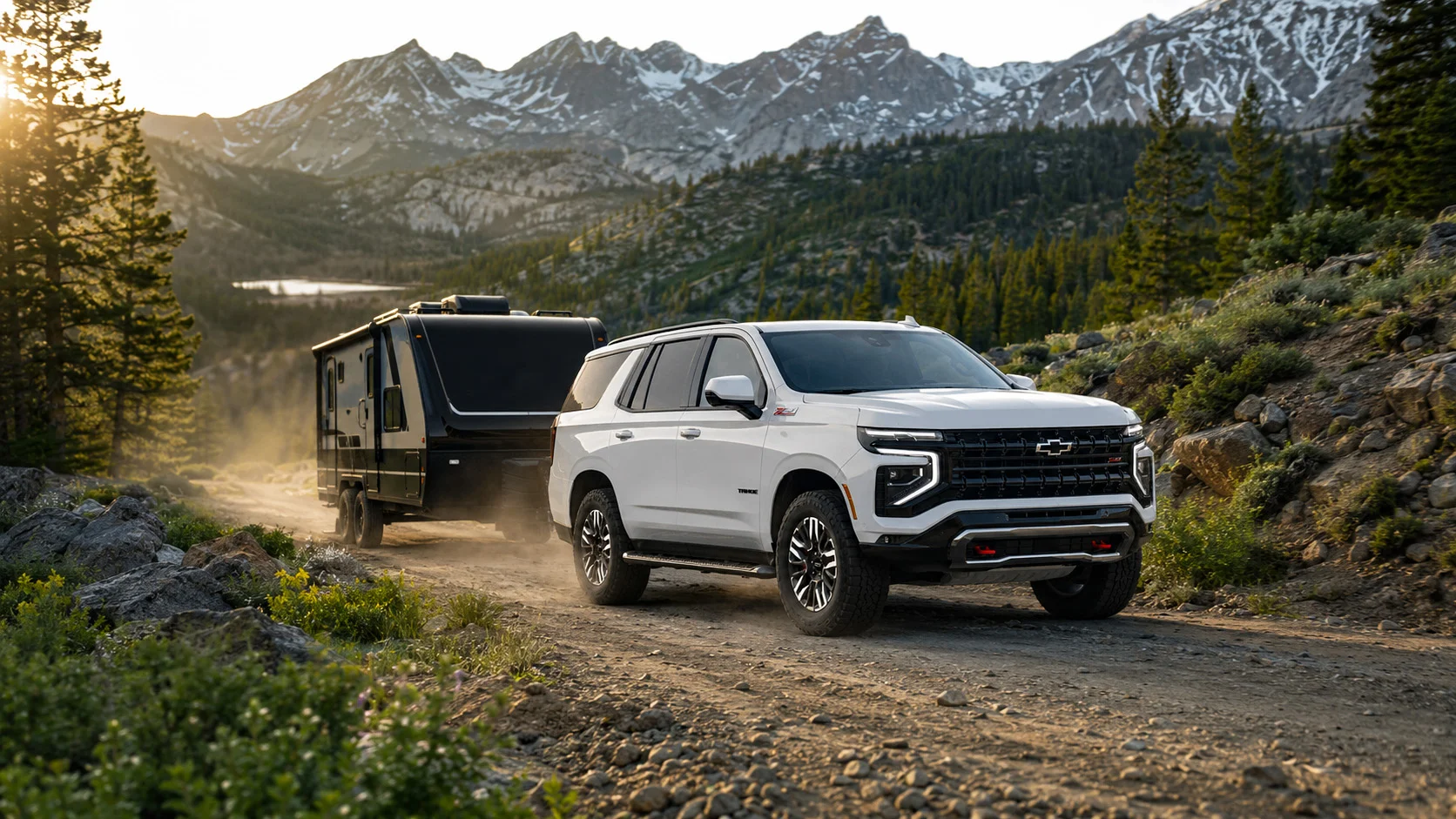
The Chevrolet Tahoe has earned its place among America’s most recognizable full-size SUVs through decades of practical engineering, strong V8 performance, generous passenger space, and dependable towing capability.
Since its introduction in 1995, the Tahoe has evolved from a rugged truck-based utility vehicle into a sophisticated family SUV with advanced safety features, modern infotainment, and improved ride comfort. Each generation brings different strengths, making some versions more desirable than others.
This ranking examines eight Chevrolet Tahoe models, comparing their performance, reliability, comfort, technology, practicality, and long-term ownership value to identify which versions deserve the highest praise.
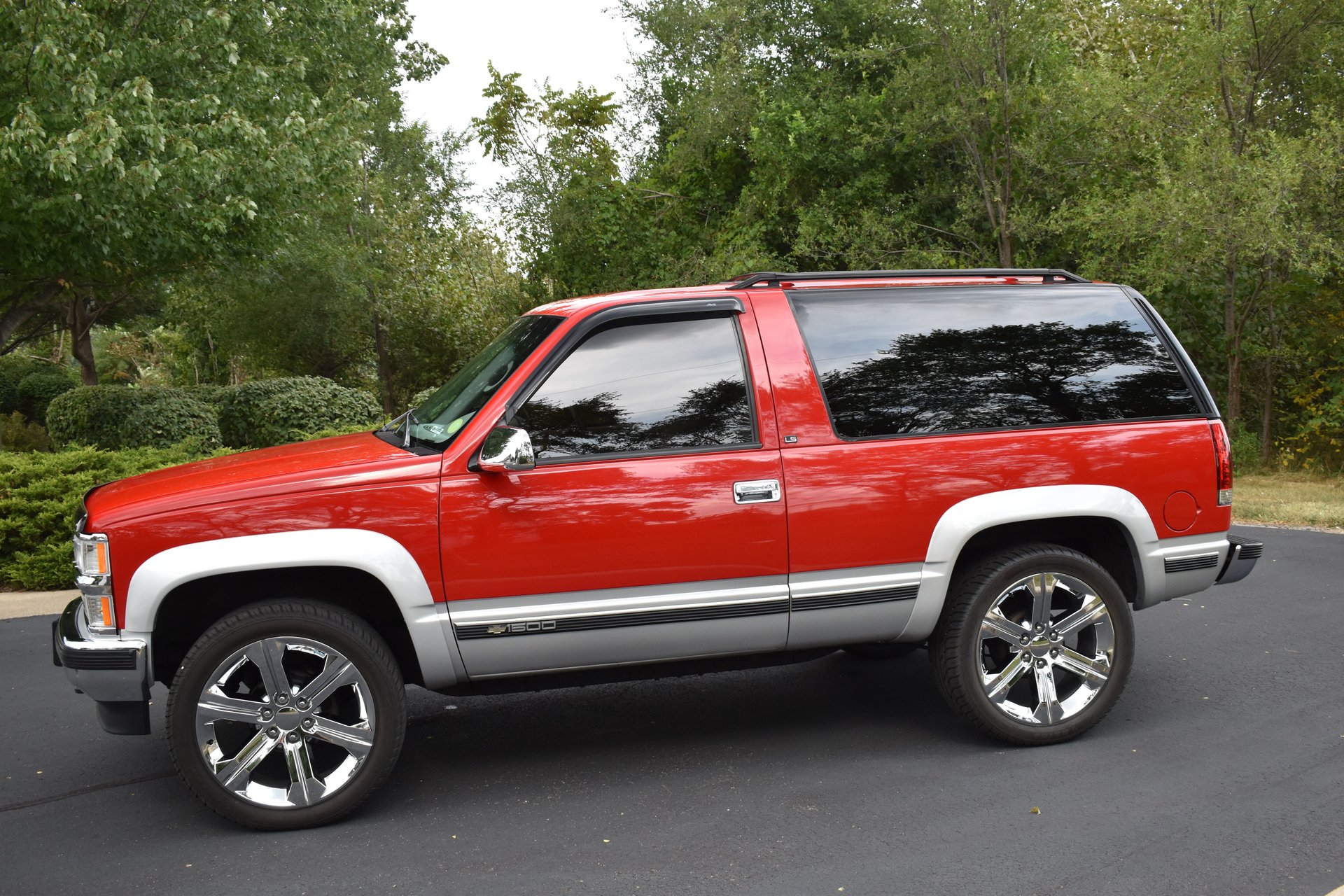
8. 1995 Chevrolet Tahoe: The Original Nameplate
The 1995 Chevrolet Tahoe introduced a new identity for Chevrolet’s full-size SUV lineup. Built on the GMT400 truck platform, it continued the traditional body-on-frame construction that had defined Chevrolet’s larger utility vehicles for years.
The Tahoe replaced the full-size Chevrolet Blazer name, while the related GMC model was marketed as the Yukon. Its straightforward engineering established the foundation for a vehicle that would eventually become a major player in the full-size SUV market.
The original Tahoe offered a rugged appearance with squared-off bodywork, a relatively simple cabin, and a design closely related to Chevrolet’s pickup trucks. Buyers could choose a two-door configuration or a more practical four-door body style.
The shorter two-door model had a distinctive character, appealing to drivers who wanted a compact footprint relative to larger SUVs without giving up a traditional truck chassis. The four-door version offered easier rear-seat access and greater convenience for families.
Power came from gasoline V8 engines, with the 5.7-liter small-block V8 serving as a familiar choice for many buyers. Engine availability varied by model year and configuration, and diesel options were offered in certain early versions.
The Tahoe was not designed to deliver sports-car acceleration. Its strengths included low-speed pulling power, highway cruising ability, and the mechanical simplicity associated with older truck-based vehicles. Four-wheel drive was available for buyers who needed additional traction on challenging surfaces.
Inside, the 1995 model was considerably more basic than a modern Tahoe. Hard-wearing materials, straightforward controls, and a practical dashboard took priority over decorative finishes or electronic convenience features.
Depending on configuration, the SUV could accommodate a substantial amount of luggage and equipment. However, fuel consumption, road noise, and ride refinement were clear disadvantages compared with newer models. Safety equipment and driver assistance technology were also limited by contemporary standards.
The original Tahoe ranks eighth because its age creates ownership challenges that its rugged construction cannot entirely overcome. Finding a well-maintained example can be rewarding for enthusiasts who appreciate classic American SUVs, but rust, worn suspension components, aging electrical systems, and neglected maintenance deserve careful inspection.
Its historical importance is undeniable, and its traditional proportions remain appealing. For most buyers seeking everyday transportation, however, newer generations provide better comfort, safety, and usability.
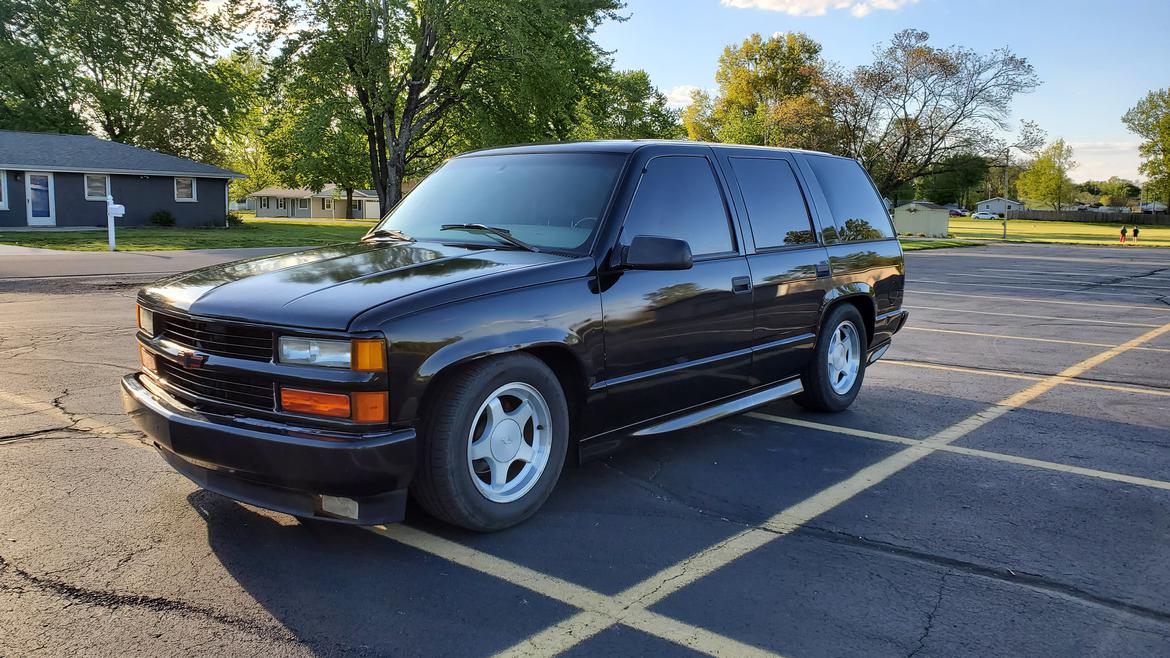
7. 2000 Chevrolet Tahoe: The Second Generation Arrives
The second-generation Chevrolet Tahoe arrived for the 2000 model year, bringing a substantial redesign based on General Motors’ GMT800 platform. Its smoother exterior styling replaced the original model’s more angular appearance, while the revised structure and updated mechanical components reflected changing expectations for full-size SUVs.
Chevrolet retained the body-on-frame layout, preserving the Tahoe’s truck-based capability while making the vehicle more suitable for regular family transportation.
The new design looked more contemporary without abandoning the imposing proportions expected from a large Chevrolet SUV. Rounded body panels, revised headlights, and a cleaner front fascia gave the Tahoe a more cohesive appearance. Its four-door configuration was particularly attractive to households that needed convenient rear-seat access.
The cabin also benefited from updated ergonomics, more modern dashboard styling, and a layout that felt less utilitarian than the previous generation.
Under the hood, the second-generation Tahoe offered V8 power, including the widely used 5.3-liter Vortec V8. Depending on configuration, other engines were available in related full-size GM vehicles and certain Tahoe markets.
The 5.3-liter engine became especially well known for delivering a useful combination of power and everyday drivability. Four-speed automatic transmissions were common, and rear-wheel drive or four-wheel drive could be selected according to the vehicle’s intended use.
Practicality remained a central advantage. The Tahoe provided substantial cargo capacity, a commanding driving position, and the ability to tow suitable trailers when properly equipped. Its more refined cabin made long journeys easier, while the traditional rear suspension arrangement helped preserve the model’s work-oriented character.
Fuel economy remained modest, particularly in city traffic, and its size could make parking difficult in crowded urban areas. Nevertheless, the second generation represented a major step forward in everyday usability.
This generation ranks seventh because its improvements were meaningful, yet it lacks the modern safety technology and cabin refinement available in later Tahoes. Age-related maintenance is a significant consideration, particularly when shopping for a vehicle more than two decades old.
Buyers should inspect the transmission, cooling system, suspension, frame, and service records rather than assuming that a familiar V8 guarantees trouble-free ownership. A properly maintained example can still be useful, but condition matters more than mileage alone.
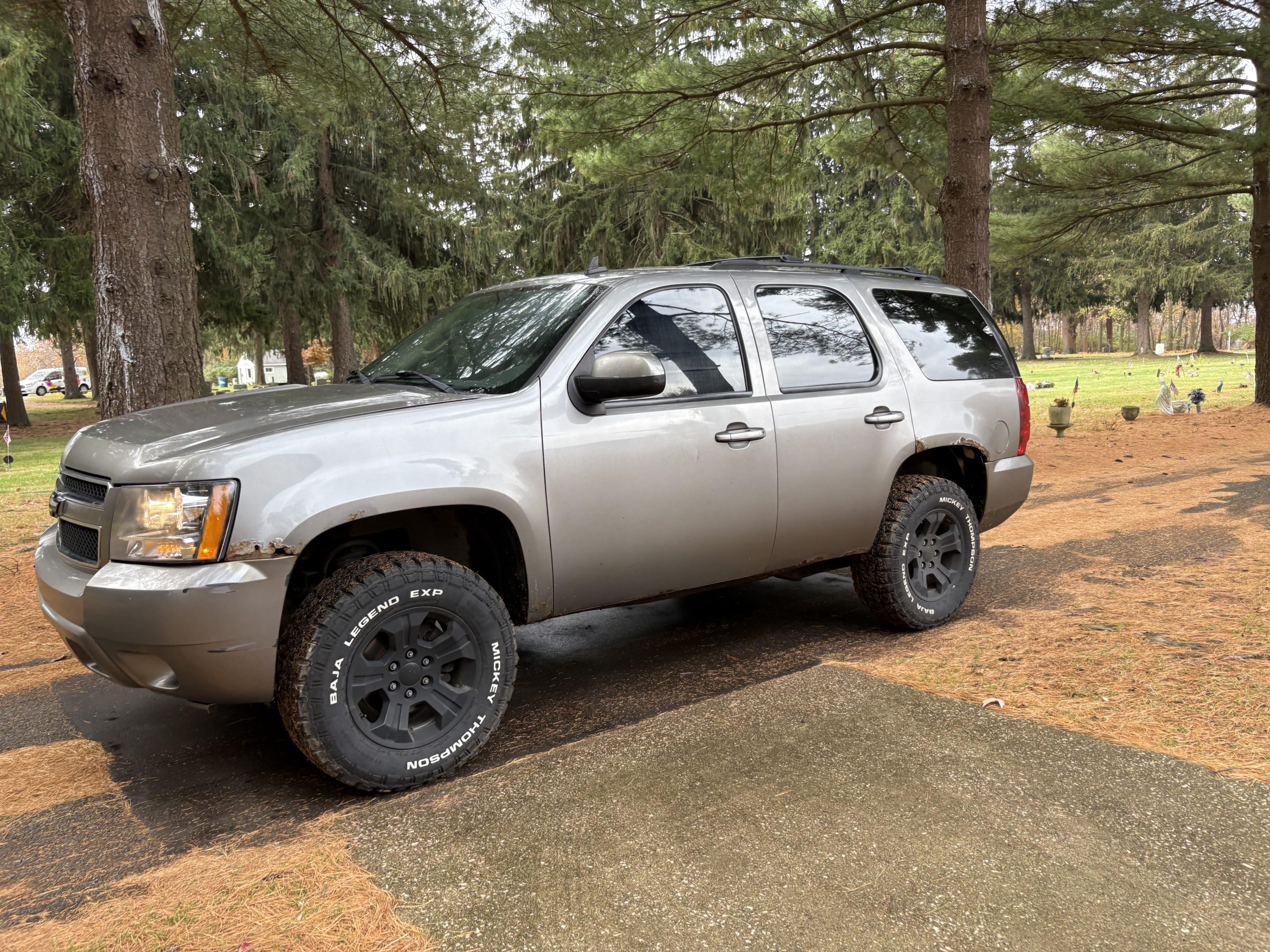
6. 2007 Chevrolet Tahoe: A More Refined Full-Size SUV
The third-generation Chevrolet Tahoe debuted for the 2007 model year on General Motors’ GMT900 platform. This redesign emphasized a stronger exterior presence, improved cabin quality, and more modern engineering.
Chevrolet refined the SUV’s proportions and introduced a more substantial front fascia, helping the Tahoe look contemporary without sacrificing its recognizable truck-based identity. The updated platform also brought structural changes intended to improve strength and driving refinement.
The exterior design became sharper and more imposing, with a prominent grille, carefully shaped headlights, and broader body surfaces. Inside, the dashboard received a more polished arrangement, while available leather upholstery, upgraded audio equipment, and automatic climate control made higher trim levels more comfortable.
The Tahoe remained a large vehicle, but its cabin felt better suited to family trips and executive transportation than the more utilitarian interiors of earlier models.
Engine choices included a 4.8-liter V8 in certain configurations and the popular 5.3-liter V8, with availability varying by drivetrain and trim.
A six-speed automatic transmission became available in some later configurations, while earlier models commonly used four-speed automatic gearboxes. Chevrolet also offered a Tahoe Hybrid beginning with the 2008 model year, pairing a gasoline V8 with an electric propulsion system to reduce fuel consumption under suitable driving conditions.
Road manners improved through revised suspension tuning and structural refinements, though the Tahoe retained the heavy, truck-like character expected of a body-on-frame SUV. Its towing capability, spacious interior, and available four-wheel drive continued to attract families, businesses, and drivers who regularly transported equipment.
However, fuel consumption remained a concern, and the SUV’s substantial mass could make emergency maneuvers less reassuring than in smaller vehicles. Later examples also benefited from additional refinements introduced during the generation’s life cycle.
The 2007 Tahoe earns sixth place because it offers a strong balance between traditional capability and more modern comfort, but age and maintenance history influence its value significantly. Buyers should check engine operation, transmission behavior, suspension condition, and any signs of excessive oil consumption or neglected servicing.
The Hybrid is an interesting alternative, yet its specialized components can complicate repairs as the vehicle ages. For enthusiasts seeking a relatively modern classic SUV, this generation remains appealing, particularly when equipped with the 5.3-liter V8.
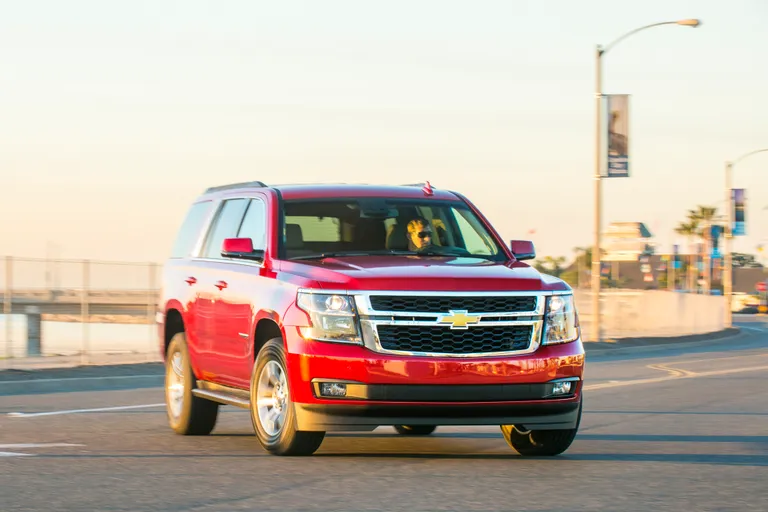
5. 2015 Chevrolet Tahoe: A Major Step Forward in Comfort
The fourth-generation Chevrolet Tahoe arrived for the 2015 model year on General Motors’ K2XX platform. Chevrolet concentrated on improving refinement, strengthening the structure, and creating a more premium cabin while retaining the vehicle’s established truck-based foundations.
The redesign introduced more carefully integrated exterior styling, updated interior materials, and additional technology. It represented an important transition from a traditional utility vehicle toward a sophisticated family SUV.
The exterior received a more upright front end, distinctive lighting, and cleaner body lines. Inside, the redesigned dashboard featured a more contemporary layout, while available leather seating, power-adjustable front seats, and an upgraded infotainment system improved everyday convenience.
Higher trim levels offered a more luxurious atmosphere, making the Tahoe suitable for long family journeys and professional use. Three-row seating remained central to its appeal, though available passenger space depended on seating configuration and individual body dimensions.
Power came from a 5.3-liter EcoTec3 V8 paired with a six-speed automatic transmission in the initial model years. Later updates brought an eight-speed automatic to selected configurations, and equipment varied across trims and production years.
The engine delivered useful acceleration for a large SUV, while cylinder deactivation helped reduce fuel consumption during certain light-load driving conditions. Properly equipped versions also retained substantial towing capability, supporting the Tahoe’s reputation as a versatile vehicle for recreational and work-related needs.
The cabin was quieter and more comfortable than those of earlier generations, with improved seating, more sophisticated climate controls, and available convenience features. Chevrolet also offered modern safety equipment, including available forward collision alert and lane departure warning on appropriately equipped models.
However, the independent front suspension and solid rear axle continued to influence how the SUV handled uneven pavement. Its substantial size still required careful attention in tight parking spaces, and fuel costs remained higher than those of many smaller family vehicles.
This Tahoe ranks fifth because it combines strong capability with a significantly more polished driving experience, yet its early production years warrant careful research. Some owners have reported transmission shudder, electrical issues, and problems associated with engine or cylinder-deactivation systems.
These concerns do not affect every vehicle, but a thorough inspection and documented maintenance history are essential. For buyers who want a large, comfortable SUV without moving into the newest generation’s higher purchase prices, a well-maintained 2015 to 2020 Tahoe can be a sensible option.
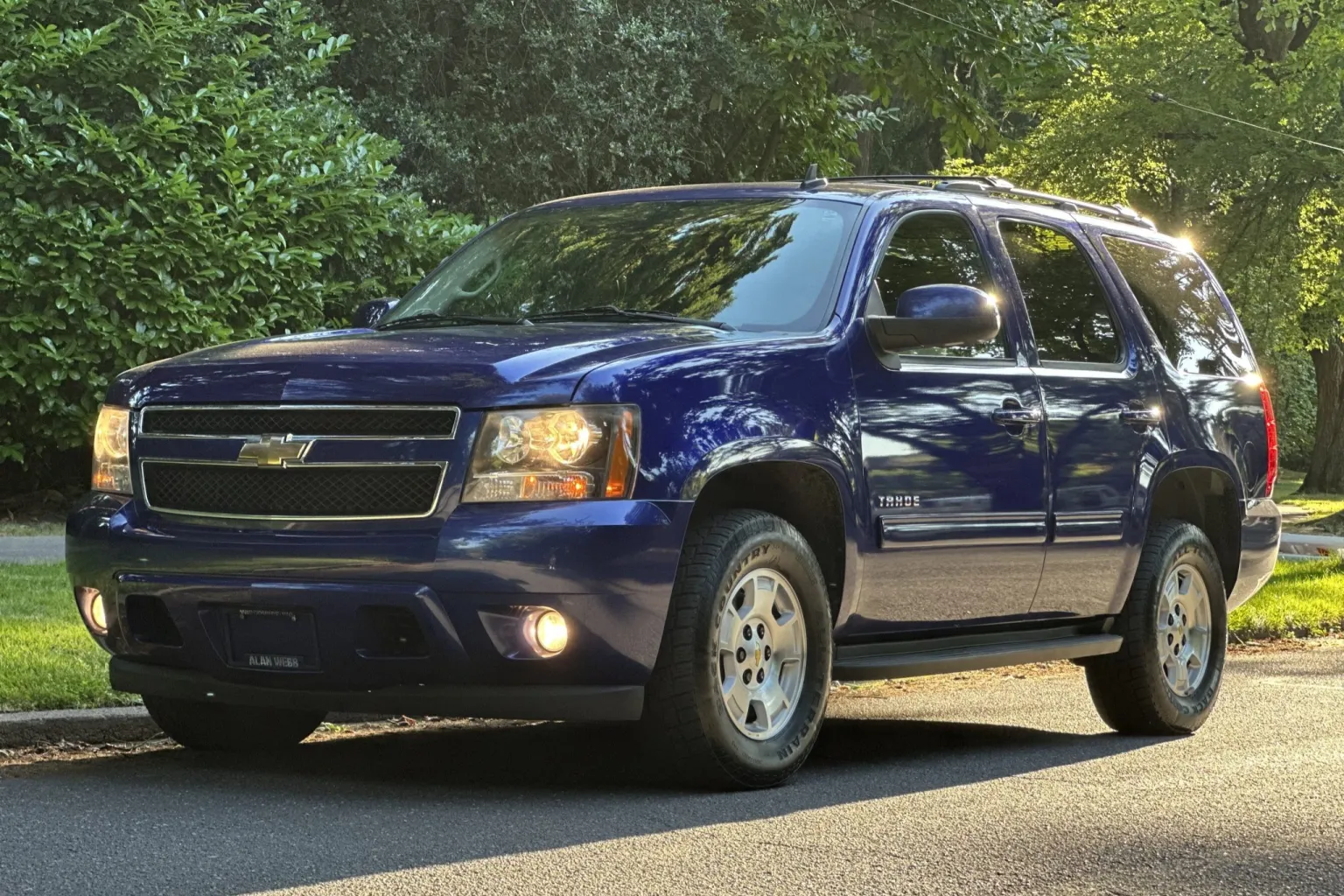
4. 2010 Chevrolet Tahoe: The Mature Third-Generation Model
The 2010 Chevrolet Tahoe represents a mature version of the third generation, benefiting from several years of engineering development and incremental product improvements. By this point, Chevrolet had refined the GMT900 platform and expanded the availability of convenience and safety equipment.
The Tahoe maintained its familiar proportions and truck-derived mechanical layout, but its equipment and cabin presentation made it more appealing to households seeking a capable SUV for daily driving and longer journeys.
Its exterior design retained the broad grille, strong shoulders, and squared rear section that helped distinguish the Tahoe from smaller crossover vehicles. The appearance was substantial without being excessively decorative, and different trim levels provided a choice between practical equipment and more upscale appointments.
The LT and LTZ versions offered additional comfort features, while off-road-oriented packages on applicable models appealed to drivers who wanted a more rugged setup.
The 5.3-liter V8 provided the principal power source for many examples, paired with an automatic transmission designed to handle the vehicle’s weight and torque output. Rear-wheel drive and four-wheel drive were available, depending on specification.
The powertrain delivered confident highway acceleration and useful towing performance, while its familiar architecture made many service procedures well understood by experienced mechanics. Fuel economy, however, remained a weakness, especially in congested traffic.
Inside, the Tahoe provided a roomy first and second row, with an available third row increasing passenger capacity. The dashboard layout was straightforward, and the controls were generally easy to operate.
Higher trim levels included features such as leather upholstery, heated front seats, automatic climate control, and upgraded entertainment equipment. Cargo space was useful for family luggage, sporting equipment, and shopping, though the third row reduced the room available behind it. The driving experience remained more truck-like than that of a modern crossover.
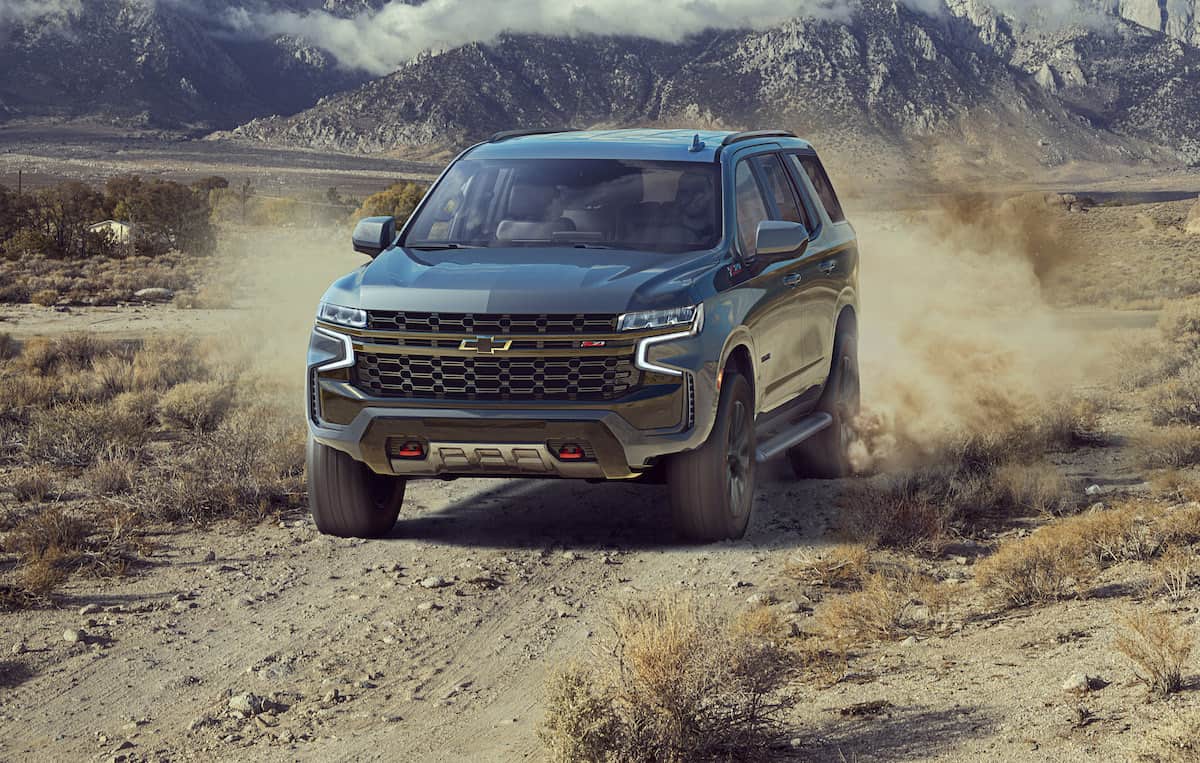
3. 2021 Chevrolet Tahoe: The Fifth Generation Changes Everything
The fifth-generation Chevrolet Tahoe arrived for the 2021 model year with a major engineering redesign. The most important change was the move to an independent rear suspension, replacing the solid rear axle used by earlier generations.
This revision allowed Chevrolet to improve ride quality and make more efficient use of the cabin’s interior space. The redesign also introduced a longer wheelbase, revised packaging, and a more modern electronic architecture.
The exterior retained the Tahoe’s imposing presence, but its styling became more contemporary. A broad grille, slim lighting elements, and sculpted bodywork gave the vehicle a more sophisticated appearance.
The larger proportions also helped Chevrolet create a more spacious interior. Inside, the redesigned cabin offered improved passenger accommodation, updated storage solutions, and a more modern dashboard. Available digital displays, smartphone integration, and premium audio equipment helped bring the Tahoe in line with changing expectations for large family vehicles.
Engine options included a 5.3-liter V8, a 6.2-liter V8 on selected trims, and a 3.0-liter Duramax turbo-diesel inline-six. The diesel engine appealed to drivers seeking strong low-speed torque and potentially better fuel economy on longer journeys.
A ten-speed automatic transmission was used across the principal powertrain lineup. Exact output, towing capacity, and equipment depended on the engine, drivetrain, trim, and installed options, so buyers should consult the specifications for the particular vehicle they intend to purchase.
The independent rear suspension made a noticeable difference to ride comfort and interior packaging. Passengers benefited from improved third-row accommodation, while the revised cargo area made the Tahoe more practical for households carrying several people and their luggage.
Available driver assistance features and modern infotainment equipment improved convenience during long trips. Nevertheless, the large body remained difficult to maneuver in restricted spaces, and the added electronic systems introduced more components that could require attention as the vehicle aged.
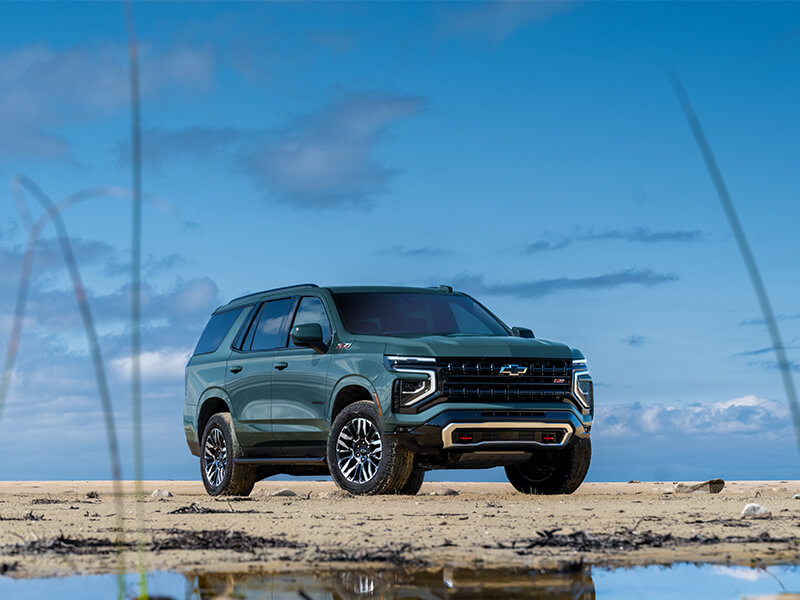
2. 2025 Chevrolet Tahoe: A More Complete Modern SUV
The 2025 Chevrolet Tahoe received a significant mid-cycle update to the fifth generation, improving the interior presentation, updating technology, and revising exterior details.
Rather than replacing the underlying architecture, Chevrolet focused on making the existing platform more competitive. The refreshed model retained the independent rear suspension and spacious three-row layout introduced for 2021, while offering a more contemporary cabin and a broader set of convenience features.
Exterior changes included revised front-end styling and updated lighting, giving the SUV a fresher appearance. The cabin received a large central infotainment display and a redesigned dashboard arrangement that placed greater emphasis on digital controls.
A digital instrument cluster and updated connectivity features improved access to vehicle information and entertainment functions. Equipment varied by trim, with higher-specification models providing additional comfort and convenience features for drivers who wanted a more luxurious experience.
The 2025 Tahoe offered a 5.3-liter V8, an available 6.2-liter V8, and an updated 3.0-liter Duramax turbo-diesel engine. All were paired with a ten-speed automatic transmission.
The V8 options appealed to buyers who valued conventional gasoline power and strong performance, while the diesel remained attractive for its torque delivery and long-distance efficiency potential. Chevrolet also improved the diesel engine’s output for the refreshed model. Actual fuel economy and performance depended on configuration, driving conditions, and load.
Passenger comfort remained a major strength. The spacious cabin, improved rear-seat accommodation, and generous cargo area made the Tahoe suitable for family vacations and everyday transportation.
Available safety and driver assistance technologies helped reduce the burden of long-distance driving, while the updated infotainment system improved usability for modern passengers. Even so, the vehicle’s large dimensions, relatively high fuel consumption with gasoline engines, and premium trim pricing may discourage buyers who do not need its full capabilities.
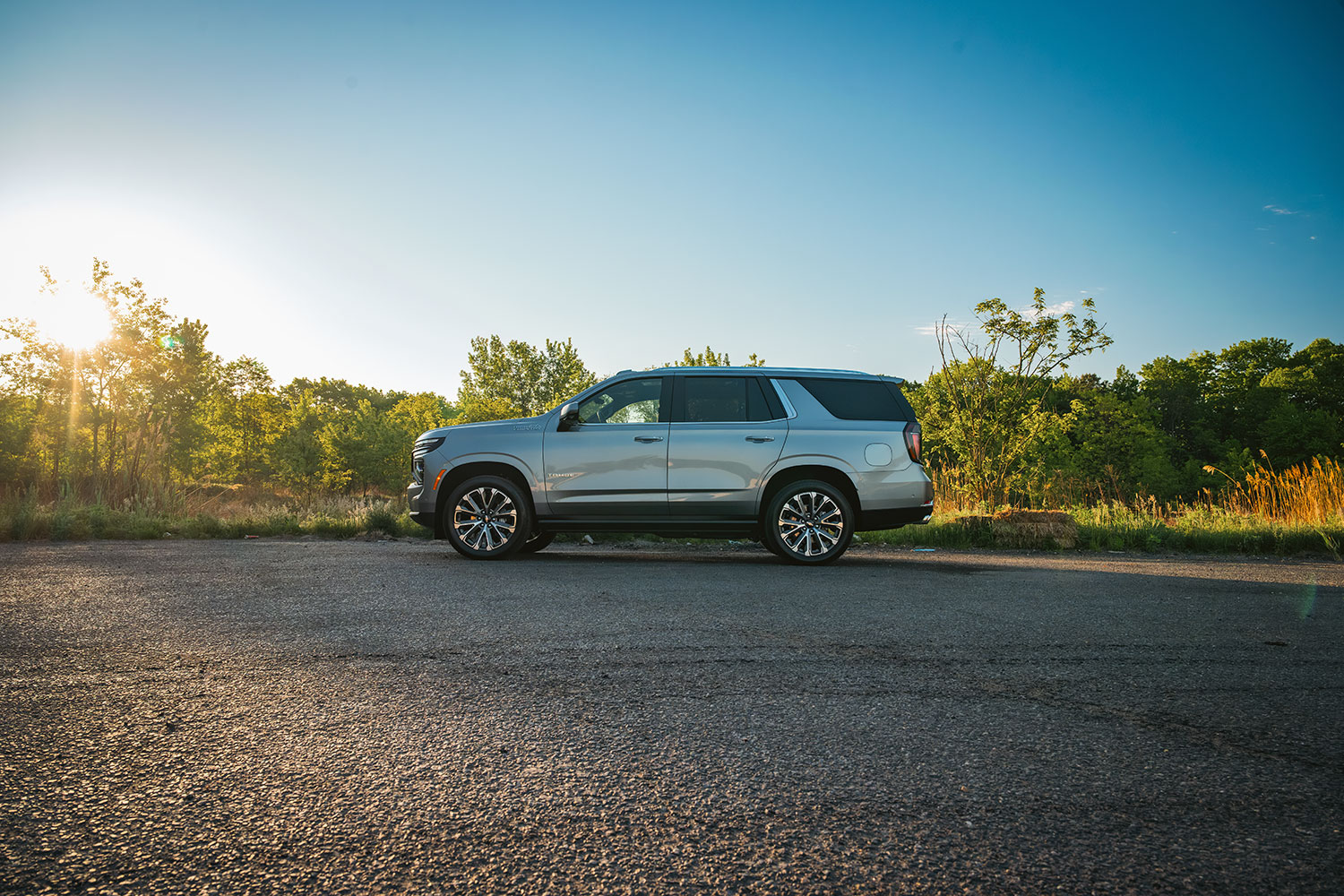
1. 2026 Chevrolet Tahoe: The Best Overall Choice
The 2026 Chevrolet Tahoe takes the top position in this ranking as the newest model year in the current generation. It builds on the major improvements introduced in 2021 and the interior and equipment updates introduced for 2025.
The result is a full-size SUV that combines traditional truck-based capability with modern passenger comfort, advanced connectivity, and a broad range of powertrain choices. Its appeal comes from how effectively it serves families, towing needs, and long-distance travel.
The Tahoe’s exterior maintains the bold styling expected from Chevrolet’s largest mainstream SUV. Its tall front end, broad grille, and substantial body proportions communicate strength, while the more modern lighting and surface details give it a contemporary appearance.
The design is functional as well as distinctive, with a large tailgate opening and a cabin shaped around three rows of seating. Buyers can choose among several trim levels, allowing them to prioritize affordability, comfort, off-road equipment, or premium features.
Powertrain selection is a major advantage. The 5.3-liter V8 offers a familiar balance of performance and everyday usability, while the available 6.2-liter V8 provides greater power for drivers who want stronger acceleration.
The 3.0-liter Duramax turbo-diesel delivers substantial torque and can be particularly appealing for extended highway driving and towing, depending on the intended use. A ten-speed automatic transmission supports the available engines. Maximum towing ratings vary with configuration and equipment, so buyers should verify the rating for their specific vehicle.
Inside, the Tahoe offers generous room for passengers and luggage, with a third row that is more accommodating than those in many older full-size SUVs. The modern infotainment system, digital displays, and available driver assistance features contribute to a more convenient driving experience.
Its independent rear suspension helps improve ride comfort and packaging, while the body-on-frame structure preserves the capability required for demanding tasks. The trade-offs include a large turning footprint, considerable weight, and running costs that can be substantial compared with smaller SUVs.