Car recalls are issued to protect drivers, passengers, and other road users from defects that may cause crashes, injuries, or fires. Yet a recall announcement does not guarantee that every affected vehicle receives the necessary repair.
Thousands of vehicles can remain on the road with unresolved safety problems because owners never receive the notice, postpone dealership visits, or purchase used cars without checking their history.
The National Highway Traffic Safety Administration (NHTSA) tracks recall information and publishes data that help explain this gap. Understanding recall completion reporting can help vehicle owners identify risks and make informed decisions.
1. Takata Airbag Inflator Recalls
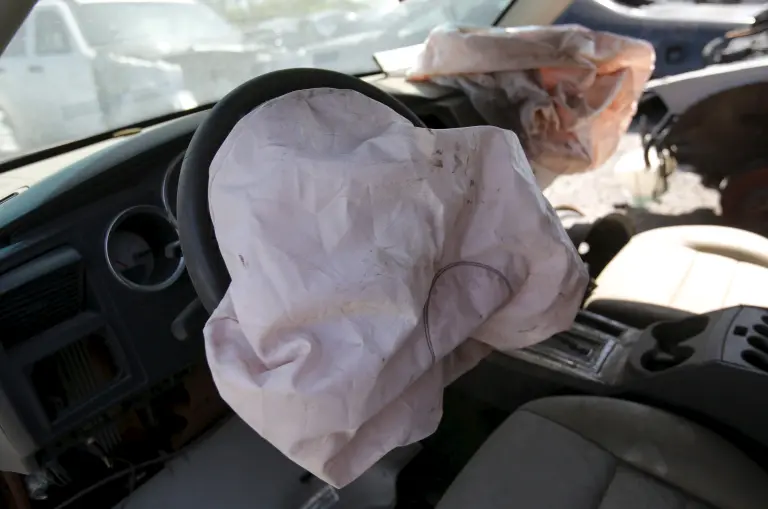
The Takata airbag crisis remains a major example of why recall completion reporting matters. Defective inflators can rupture during deployment and send metal fragments into the passenger compartment. The problem affected vehicles sold by numerous manufacturers, including Honda, Toyota, Ford, BMW, Nissan, Mazda, and several others.
NHTSA coordinated efforts to prioritize dangerous vehicles and encourage owners to obtain replacement parts. The scale of the campaign made it difficult to contact every owner and complete every repair quickly. The danger was particularly serious for older vehicles exposed to high temperatures and humidity.
Many owners kept driving affected vehicles because they never received a recall notice, had moved since purchasing the car, or assumed the airbag system was functioning properly. An airbag defect may remain invisible during normal driving.
Warning lights do not reliably reveal every dangerous inflator problem, so a vehicle can appear roadworthy while still carrying a serious safety risk. Owners who bought used vehicles sometimes had no idea that a previous owner had ignored a recall. These circumstances made the Takata campaign difficult to complete across millions of vehicles.
NHTSA’s reporting distinguishes between vehicles requiring repairs and vehicles for which a recall remedy has been completed or an approved disposition has been recorded. That distinction matters because a vehicle’s status may change after it is scrapped, exported, stolen, or otherwise removed from the active vehicle population.
Completion figures also change as manufacturers submit updated information. A historical completion rate should therefore be read with its reporting date and methodology in mind rather than treated as a permanent measurement of current risk.
The campaign also demonstrated how parts availability can influence recall results. Manufacturers must obtain approved replacement inflators, distribute them to service locations, notify owners, and document completed repairs. When millions of components require replacement, these steps take time.
NHTSA introduced coordinated measures to prioritize the highest-risk vehicles and improve repair efforts. Older inflators in hot and humid areas received particular attention because environmental exposure can accelerate the deterioration of the propellant used inside certain inflators.
2. Ford Ranger Airbag Recalls
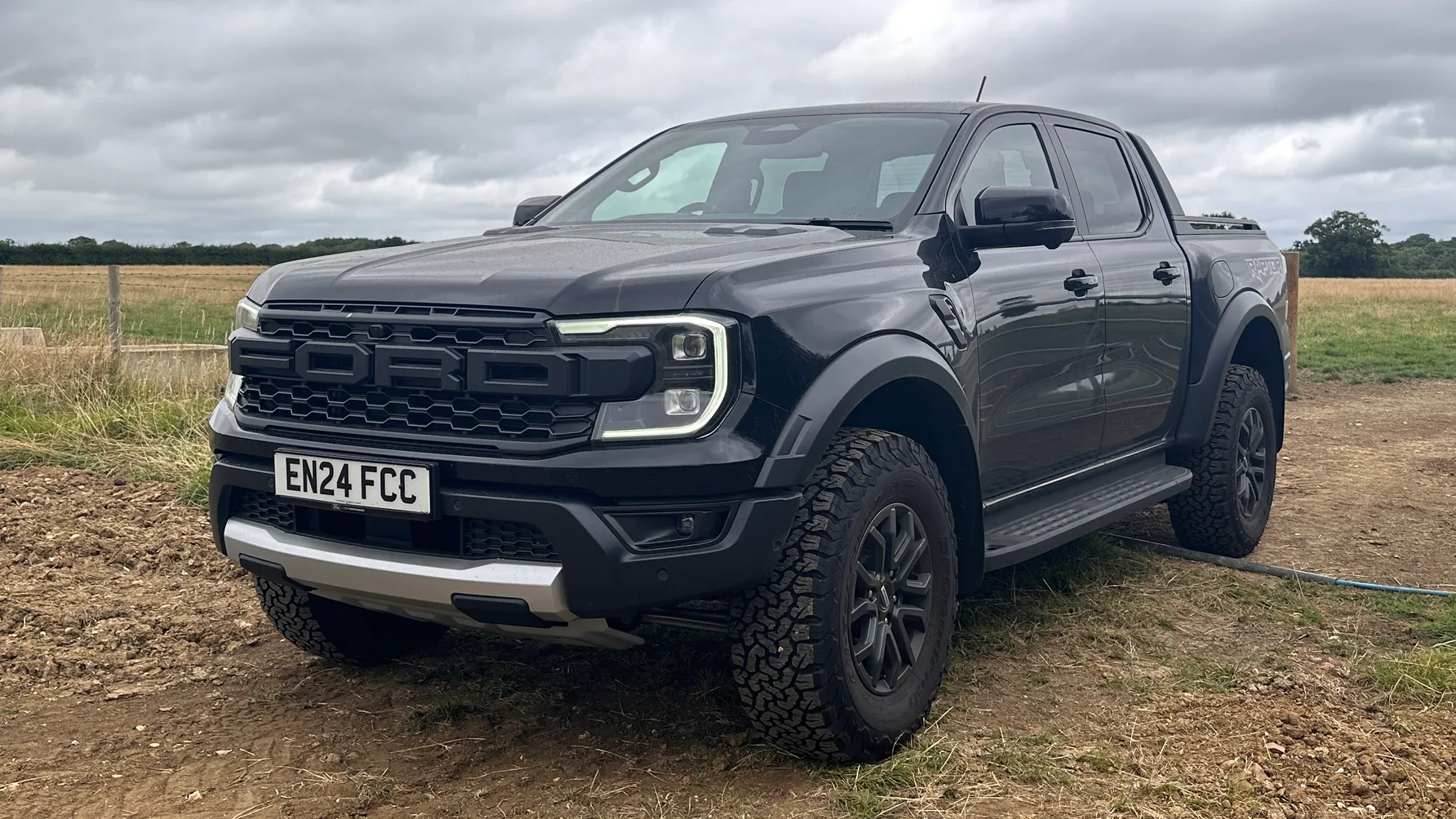
Certain older Ford Ranger pickups were included in the Takata airbag campaign, and some received particularly urgent warnings because of the potential consequences of inflator failure.
These trucks became an important example of how an aging vehicle can remain exposed to a known safety defect long after a recall announcement. Older pickups may change hands several times, spend years in rural areas, or remain in use as work vehicles. Each change of ownership can make communication and repair tracking more difficult.
NHTSA reported that repair rates for recalled 2006 Ford Rangers designated as do-not-drive vehicles increased from approximately 6 percent in January 2018 to 82 percent in October 2018. That substantial improvement showed the value of targeted outreach and clear safety messaging.
It also demonstrated that a large number of affected vehicles remained unrepaired during the earlier reporting period. These figures describe a historical stage of the campaign, not the current completion rate for every Ranger affected by the recall.
The challenge for older pickups often begins with ownership records. A truck may have been sold privately without a dealership recording the new owner’s contact details. Some vehicles may be registered at addresses that no longer match the owner’s residence.
Others may sit unused for extended periods and return to service years later. A recall letter can only help when it reaches someone who recognizes the vehicle, understands the risk, and has a practical way to arrange the repair.
An unresolved airbag recall can be especially concerning because the defect is not necessarily visible. The truck may start normally, brake properly, and travel thousands of miles without showing an obvious symptom.
That apparent reliability can encourage the owner to postpone a dealership visit. However, an inflator’s condition may not be reflected in everyday driving performance. The appropriate response is to verify the recall status and follow the manufacturer’s instructions, including any direction to stop driving the vehicle.
3. Honda Vehicles Affected by Takata Airbags
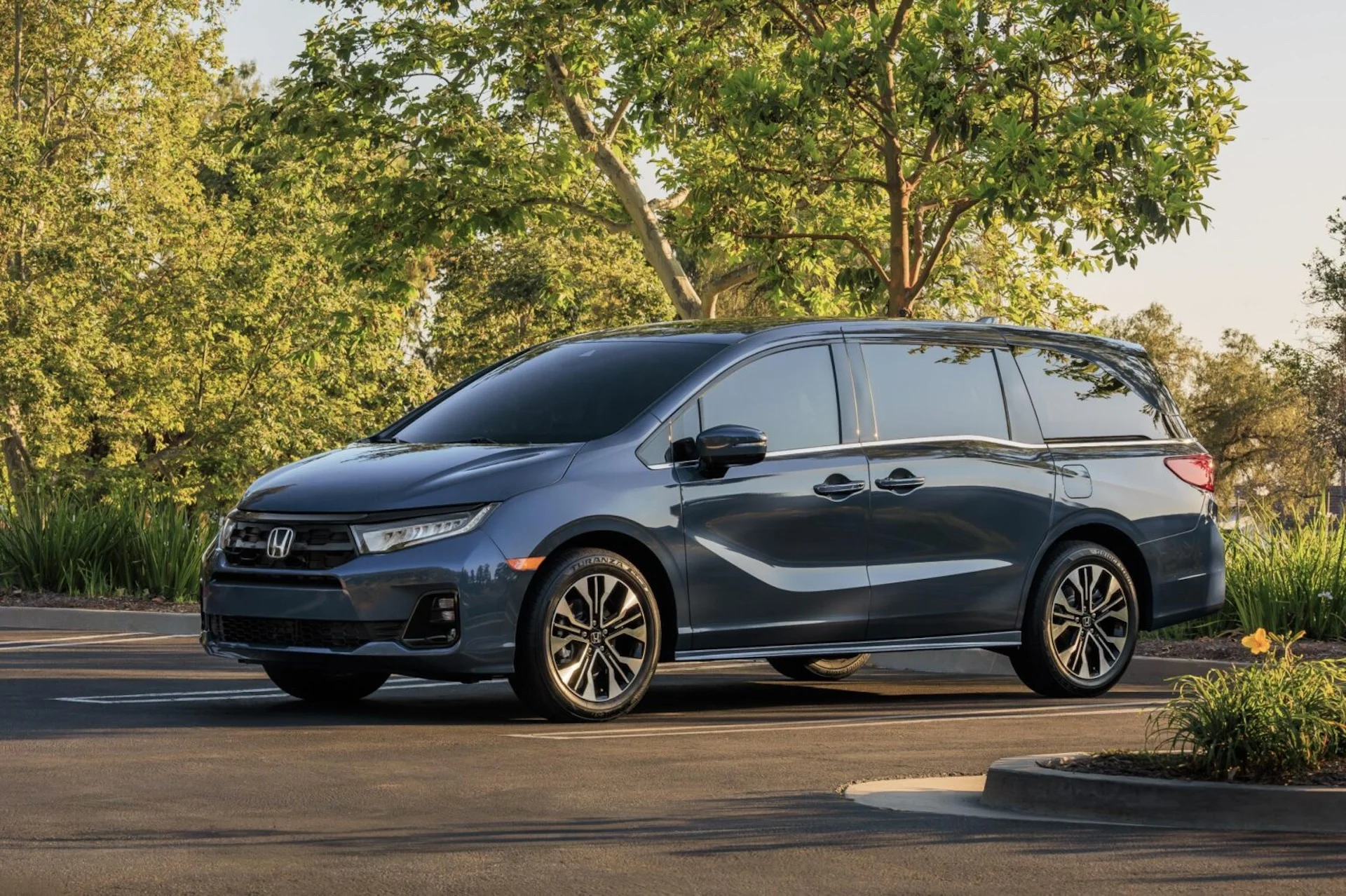
Honda vehicles received extensive attention during the Takata crisis because certain older models used inflators associated with severe injuries and deaths. Some high-risk Honda vehicles achieved very high repair rates after concentrated outreach, yet the scale of the campaign left additional vehicles requiring attention.
NHTSA reported that certain recalled 2001 to 2003 Honda vehicles reached a repair rate of approximately 96 percent in the 2018 reporting period. This historical result highlights progress, but it does not establish the current status of every affected Honda.
A key difficulty is that a manufacturer can have a strong repair rate while individual vehicles remain unrepaired. A high percentage reflects the status of a group, not a guarantee about a specific car.
The remaining vehicles may belong to owners who cannot be reached, cars that have changed hands repeatedly, or vehicles that have been stored or neglected. Even a relatively small unrepaired share can represent a meaningful number of vehicles when the original campaign population is large.
Owners of older Honda sedans, coupes, and SUVs should pay particular attention to recall history when buying a used car. A vehicle may have received routine servicing at independent workshops without having its safety recall repaired.
Independent mechanics can maintain many components, but recall completion should be confirmed through the manufacturer or an authorized dealer. A service invoice that mentions airbags is not enough unless it establishes that the specific recall remedy was completed.
Recall completion reporting helps regulators understand where further communication may be needed. Manufacturers can use their records to identify unrepaired vehicles, send notices, and direct replacement parts toward affected areas.
NHTSA also describes efforts involving state motor vehicle agencies and other partners to improve contact with owners. Such campaigns can increase repairs when conventional letters fail to reach people or do not communicate the urgency of the problem clearly.
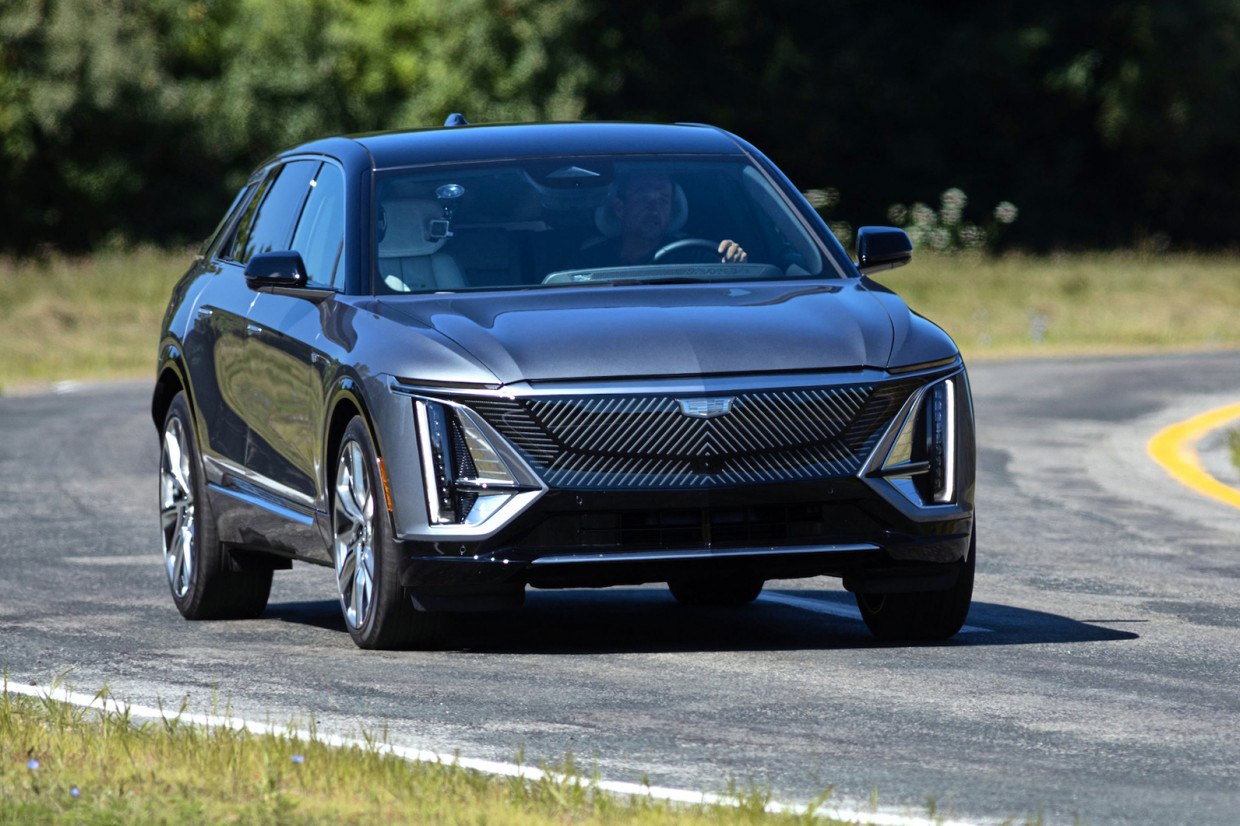
4. General Motors Ignition Switch Recalls
The General Motors ignition switch recall became a landmark case involving a defect that could affect vehicle power and airbag performance. In affected vehicles, an ignition switch could move out of the run position under certain conditions.
This could shut down the engine and electrical systems, potentially disabling safety features and increasing crash risk. The recall attracted substantial public attention because the defect was linked to serious crashes and fatalities, raising questions about defect detection, internal decision-making, and the speed of corrective action.
The recall also illustrates why announcing a repair campaign does not resolve every safety concern. Owners must be informed, parts must be available, dealers must perform the remedy, and completion must be recorded.
NHTSA’s historical oversight review cited the General Motors ignition switch campaign in its discussion of recall completion, noting a completion rate of roughly 70 percent in the context of broader comparisons. That figure should not be interpreted as the current rate for every affected model or campaign.
A driver may not recognize the connection between an ignition defect and a safety system. The engine could stall unexpectedly, and the loss of electrical power could affect systems needed during a crash.
A vehicle that has operated normally for years may therefore still have an unresolved safety issue. This is why owners should use official recall information rather than relying on personal driving experience or the absence of warning lights.
Older vehicles present a special challenge for recall follow-up. Some may have been sold through several owners, repaired after collisions, or modified over time.
A vehicle’s condition can make it harder to determine whether a particular component remains installed or whether the official remedy was completed. Manufacturers and regulators use recall records to address these questions, but an owner should still verify the status of the exact VIN before assuming the matter is settled.
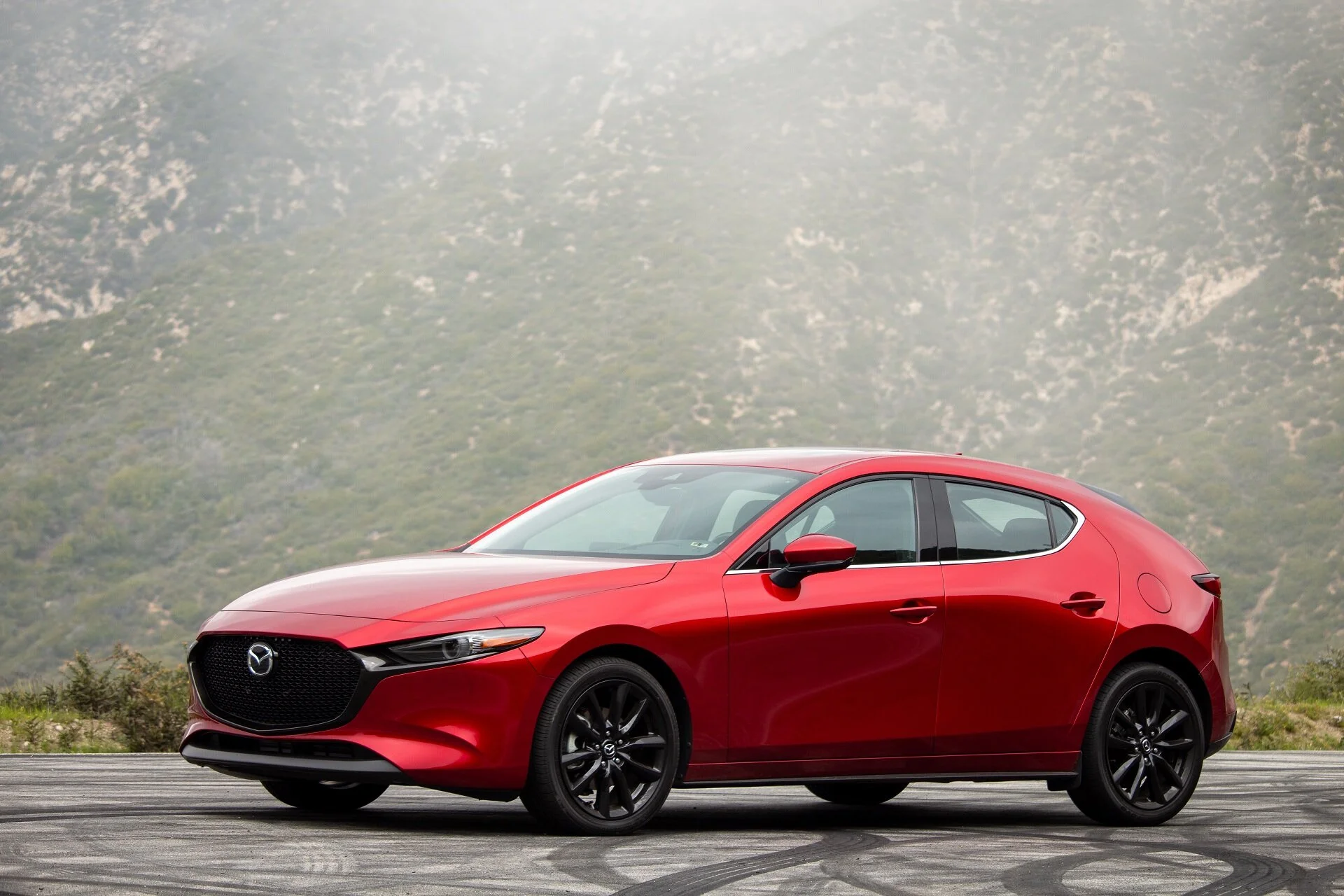
5. Mazda Vehicles With Older Ignition Switch Defects
Mazda’s historical recall completion figures show how an older vehicle population can make it difficult to finish a safety campaign. A 2023 NHTSA report discussing recalls issued from 2012 through 2016 identified Mazda’s 2015 completion rate as particularly low, at approximately 9 percent.
The report explained that a large recall involving very old vehicles with a potentially overheating ignition switch pulled down the result. This was a historical manufacturer-level figure, not a verified completion rate for every Mazda recall.
Older cars may remain in service long after manufacturers stop producing them. Owners might use them for short commutes, seasonal driving, or occasional errands.
When a recall notice arrives for a vehicle that appears to work normally, the owner may delay making an appointment. The delay can continue for years, especially when the vehicle is inexpensive and the owner is reluctant to spend time arranging repairs.
Ignition switch defects deserve attention because electrical interruptions can affect engine operation and related vehicle systems. The precise consequences depend on the affected model and defect. Owners should not attempt to diagnose a recall using general symptoms alone.
A switch that seems to operate correctly during ordinary use can still fall within a safety campaign, so the manufacturer’s recall instructions remain the appropriate source for deciding what action is required.
Recall data also reveal the limits of relying on a single percentage. A completion rate can be influenced by the age of the vehicles, the number included in the campaign, access to replacement parts, and the time elapsed since notices were issued. A low rate can signal that many repairs remain outstanding, but it does not independently prove that owners were careless or that every unrepaired vehicle remains in active use.
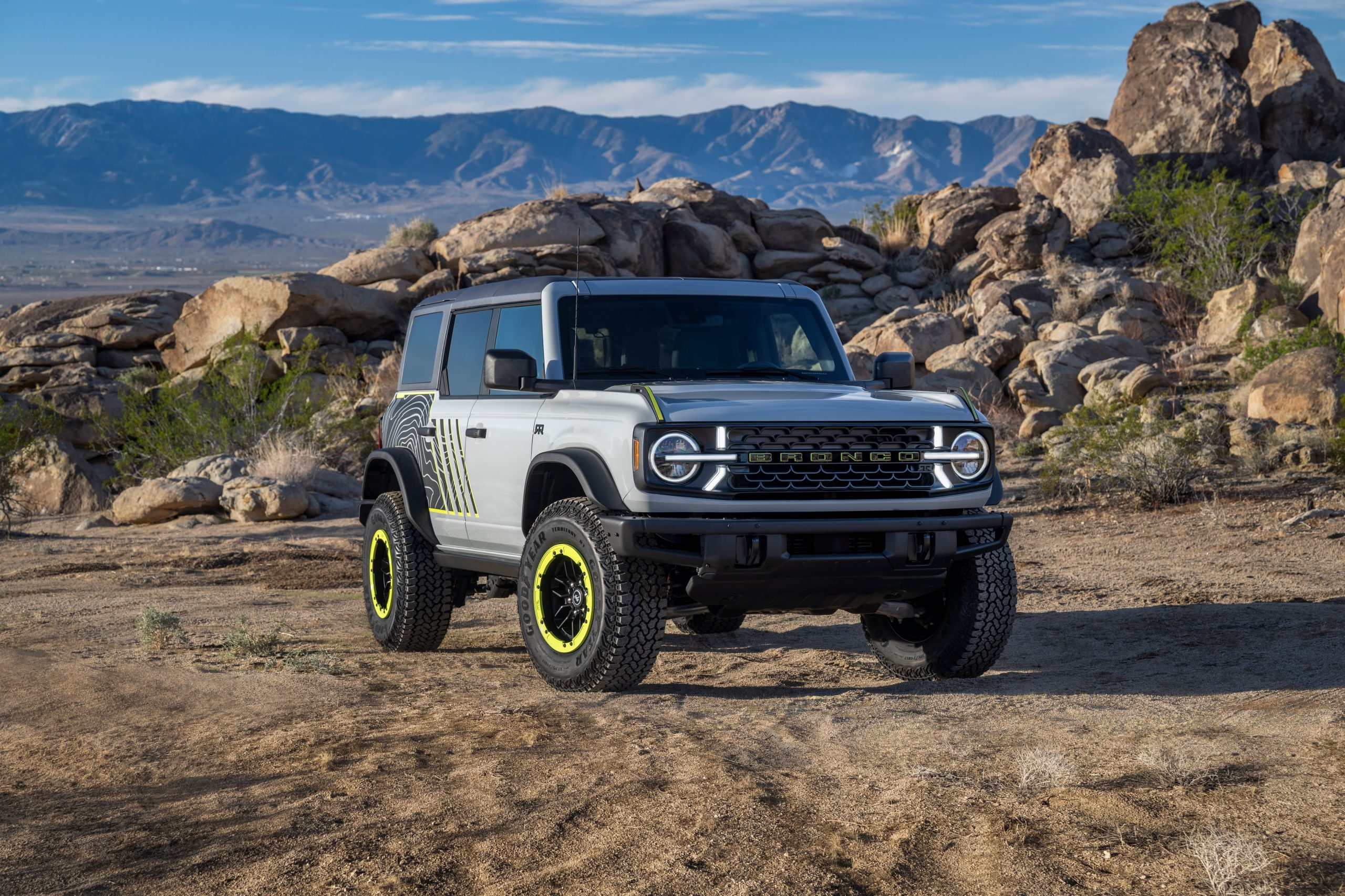
6. Ford Vehicles Included in Firestone Tire Recall Campaigns
Ford and Firestone became associated with a major tire safety controversy involving tread separation and vehicle rollover concerns. The issue led to extensive recalls and investigations, with particular attention to certain tires fitted to Ford Explorer SUVs. It demonstrated how a vehicle safety problem can involve more than the vehicle manufacturer alone.
Tire design, manufacturing, maintenance, inflation pressure, driving conditions, and vehicle characteristics can all affect the way a tire performs.
For recall completion reporting, tire campaigns present a challenge because tires can be replaced without the vehicle returning to the original dealership.
A vehicle may receive new tires through a private shop, change owners, or have its tires replaced several times over its service life. Unless the appropriate recall remedy is recorded, it can be difficult to determine whether the specific recalled tires were removed through the official campaign or whether the vehicle still requires action.
Owners may also confuse ordinary tire maintenance with recall repair. Replacing a worn tire does not automatically establish that the correct remedy was carried out under a safety campaign.
The tire’s make, model, size, production details, and recall eligibility may matter. Owners should check the exact campaign instructions and retain invoices that identify the tires installed. When records are unclear, contacting the manufacturer or a qualified tire professional can help establish the next step.
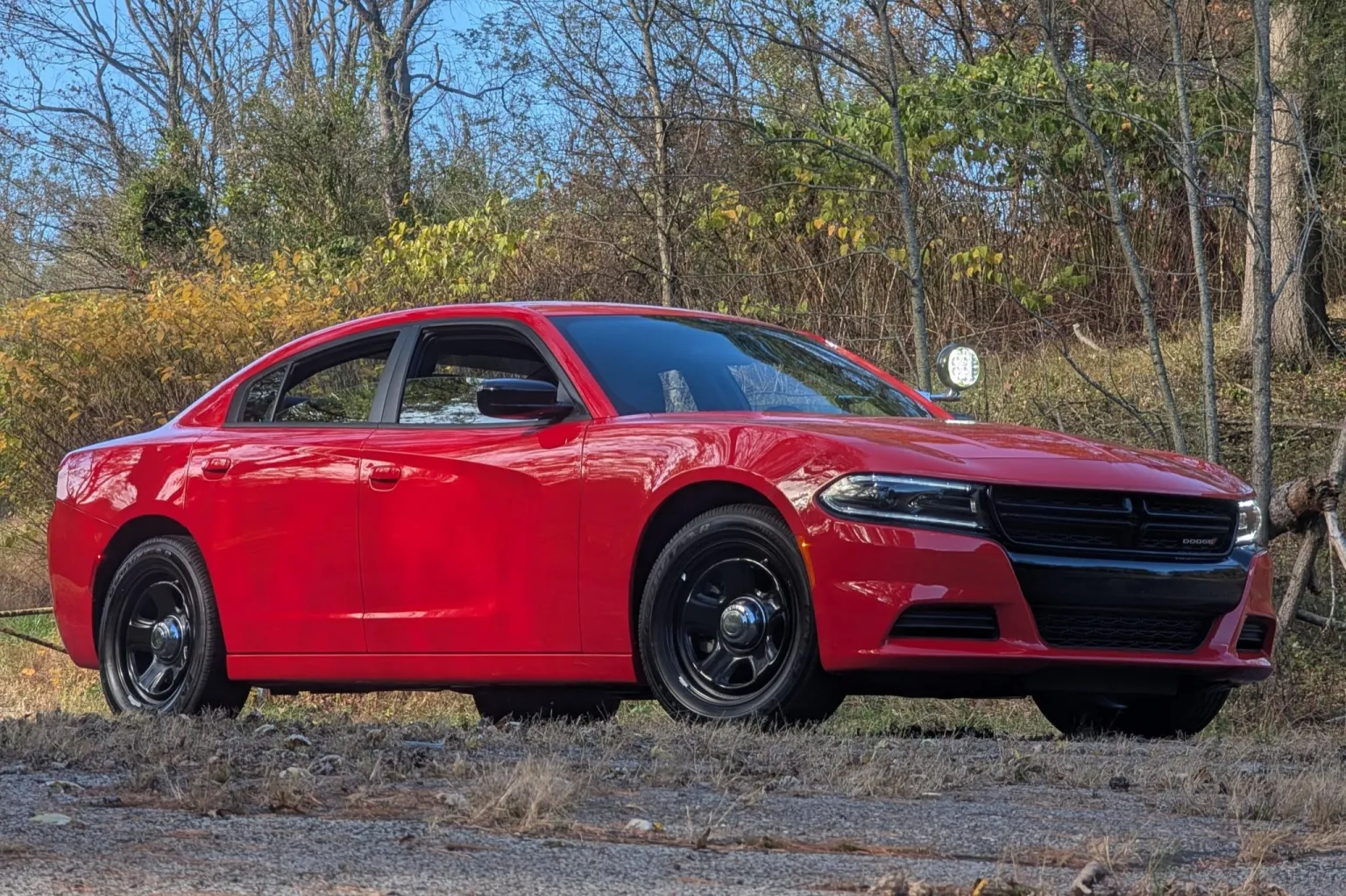
7. Chrysler, Dodge, and Jeep Vehicles With Takata Airbag Recalls
Chrysler, Dodge, and Jeep vehicles were included in the extensive Takata airbag recall programs. These campaigns covered different models and model years, so the fact that a vehicle carries one of these badges does not establish that it is affected.
The important question is whether its VIN appears in an applicable recall campaign. Historical NHTSA reporting found that Takata recalls reduced average completion rates for several major manufacturers, including Chrysler’s former corporate group.
Older vehicles from these brands may be particularly difficult to track when they have moved between private owners, dealerships, auctions, and salvage yards.
Some vehicles are repaired after collision damage and later sold without complete records. Others remain in daily use for many years. When the ownership trail is incomplete, a recall notice sent to a previous address may never reach the person who currently drives the vehicle.
An airbag inflator defect is not something an owner can reliably evaluate through a visual inspection. The airbag cover may look intact, and the vehicle may pass an ordinary maintenance check.
The condition of the inflator depends on the particular component and its history, not merely on the appearance of the dashboard or steering wheel. If an open recall exists, the owner should follow the manufacturer’s instructions rather than attempt a home inspection or repair.
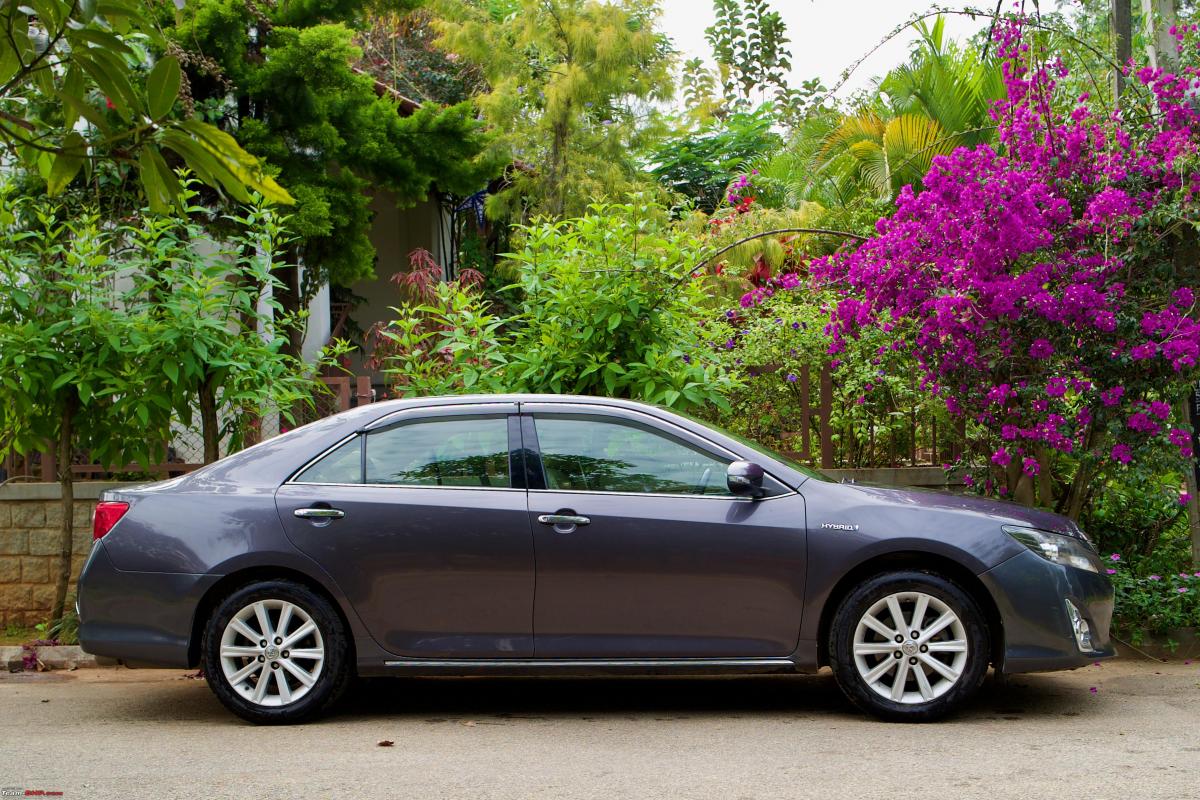
8. Toyota and Lexus Vehicles With Takata Airbag Recalls
Toyota and Lexus participated in the Takata airbag recall programs, which covered vehicles across several model years. These recalls demonstrate that a manufacturer’s reputation for reliability does not eliminate the need for safety checks.
Reliability generally refers to a vehicle’s ability to operate dependably, while recall status concerns a specific identified defect. A well-maintained car can still require a safety repair that has nothing to do with its routine servicing history.
The scale of the Takata campaign complicated completion efforts across the automotive industry. NHTSA’s reporting for 2010 through 2022 showed lower average completion rates for Takata-related recalls than for non-Takata recalls at several major manufacturers, including Toyota.
These are historical averages across groups of recalls, not individual completion rates for every Toyota or Lexus model. They help explain why a large campaign may leave a substantial number of vehicles awaiting repair.
Used-car purchases create an additional challenge because the buyer may inherit a vehicle with incomplete maintenance documentation. A seller might honestly believe every necessary repair has been completed but lack the records to confirm it.
Buyers should therefore run an independent VIN check rather than relying only on a seller’s statement, a service sticker, or a general vehicle history report. The check should be repeated if the vehicle changes ownership or new recall notices are issued.
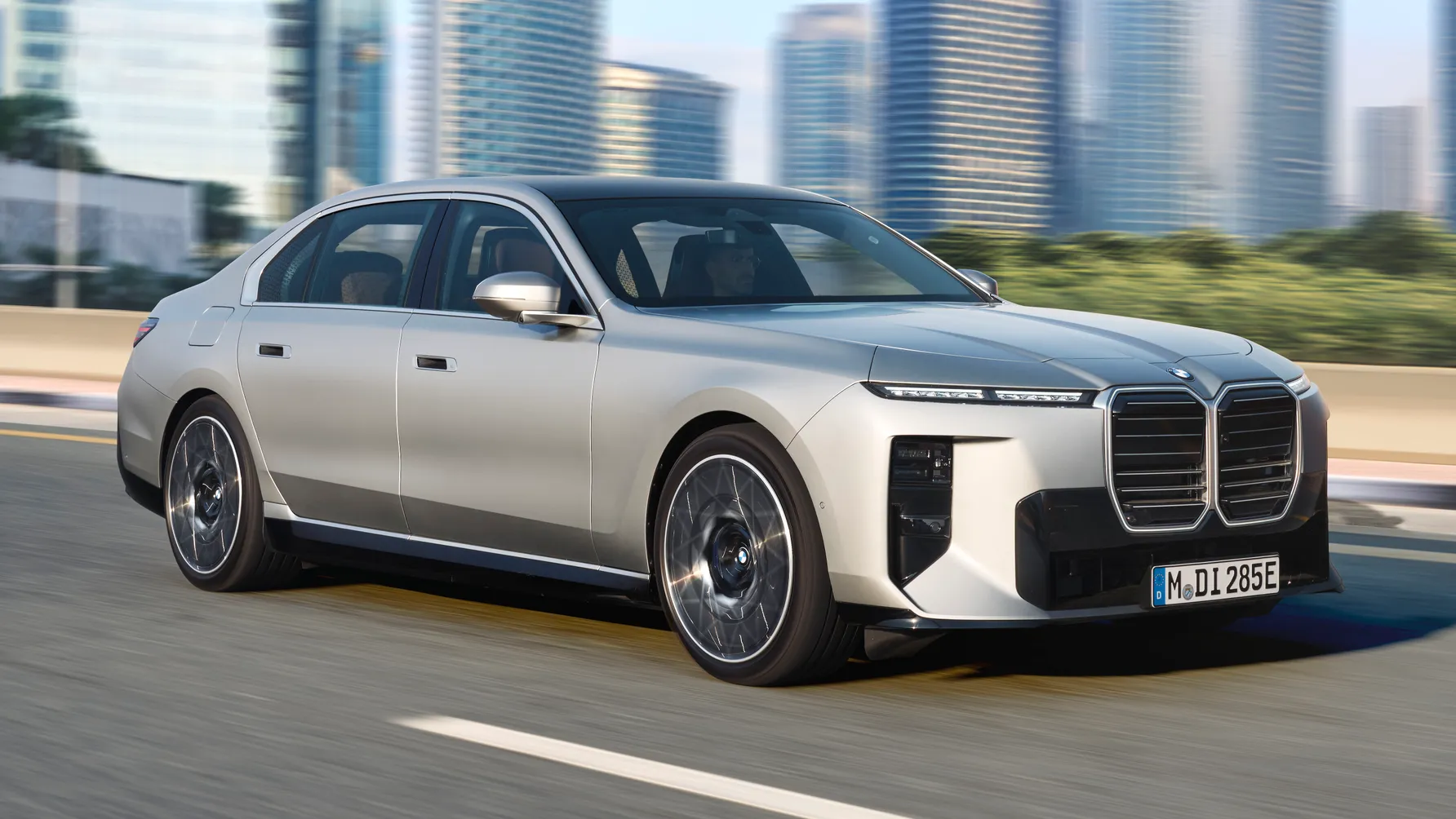
9. BMW, Mercedes-Benz Airbag Recalls
Several European automakers participated in the Takata airbag recall effort, including BMW and Mercedes-Benz. The campaigns affected particular vehicles and inflators, rather than every model sold by these brands.
The challenge was especially significant where older cars remained on the road long after their original sale. Owners may import vehicles, relocate internationally, or purchase used cars from specialist dealers, making it harder to maintain accurate contact information and complete repair records.
NHTSA’s historical recall completion reports show that Takata-related campaigns had lower average completion rates than non-Takata recalls for a number of major manufacturers.
The 2010 to 2022 analysis reported especially low Takata averages for some brands, including Mercedes-Benz and BMW. Those figures describe aggregated historical performance and should not be used to rank the current safety of individual brands or to infer that a specific vehicle remains unrepaired.
Imported vehicles can create confusion because owners may assume a recall notice from another country does not apply locally, or they may be uncertain which dealership can perform the repair.
Eligibility and available remedies depend on the vehicle, its VIN, the recall campaign, and the manufacturer’s service arrangements. Owners should contact the brand’s official customer service or an authorized dealer for guidance when a vehicle has crossed borders or changed registration jurisdictions.
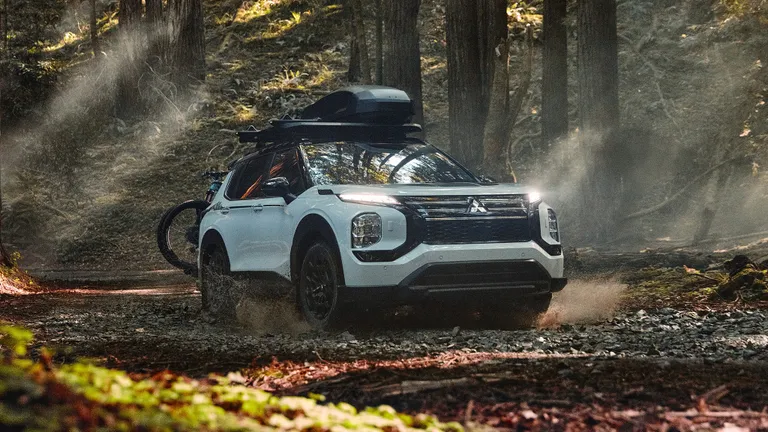
10. Mitsubishi, Subaru With Unresolved Safety Recalls
Mitsubishi and Subaru have also appeared in historical recall completion analyses involving Takata airbags. NHTSA’s reports covering earlier recall periods found that completion rates varied considerably between manufacturers and campaigns.
These differences reflected factors such as vehicle age, repair availability, and the size of the affected population. Such findings help explain why some recalls remain unfinished for years, but they do not establish the current status of any particular vehicle.
Older vehicles often have a complicated ownership history. A car may have been sold several times privately, moved between states, or purchased through an auction.
The original manufacturer may no longer have accurate contact information for the person currently driving it. If a recall notice goes to a previous owner, the repair may remain outstanding even when the current owner is willing to arrange the work. This makes accurate ownership information an important part of effective recall completion.
Subaru and Mitsubishi owners should not assume that every model from a particular year is affected by the same defect. Recall eligibility depends on the campaign, production details, and vehicle identification number.
Even vehicles that look identical may have different components depending on their manufacturing dates or specifications. A VIN check provides a more reliable answer than general online discussions or lists of potentially affected models.