
Classic cars offer a special combination of timeless styling, nostalgic appeal, and enjoyable driving experiences. For enthusiasts who want to own a vintage vehicle without spending a fortune on insurance, choosing the right model can make a meaningful difference.
The cheapest classic cars to insure are often vehicles with modest market values, manageable repair costs, limited annual mileage, and strong enthusiast followings. From practical classics to sporty coupes, several models can offer an appealing balance of affordability and character. This guide highlights ten classic cars worth considering, along with factors that influence insurance costs and ownership expenses.
1. Volkswagen Beetle
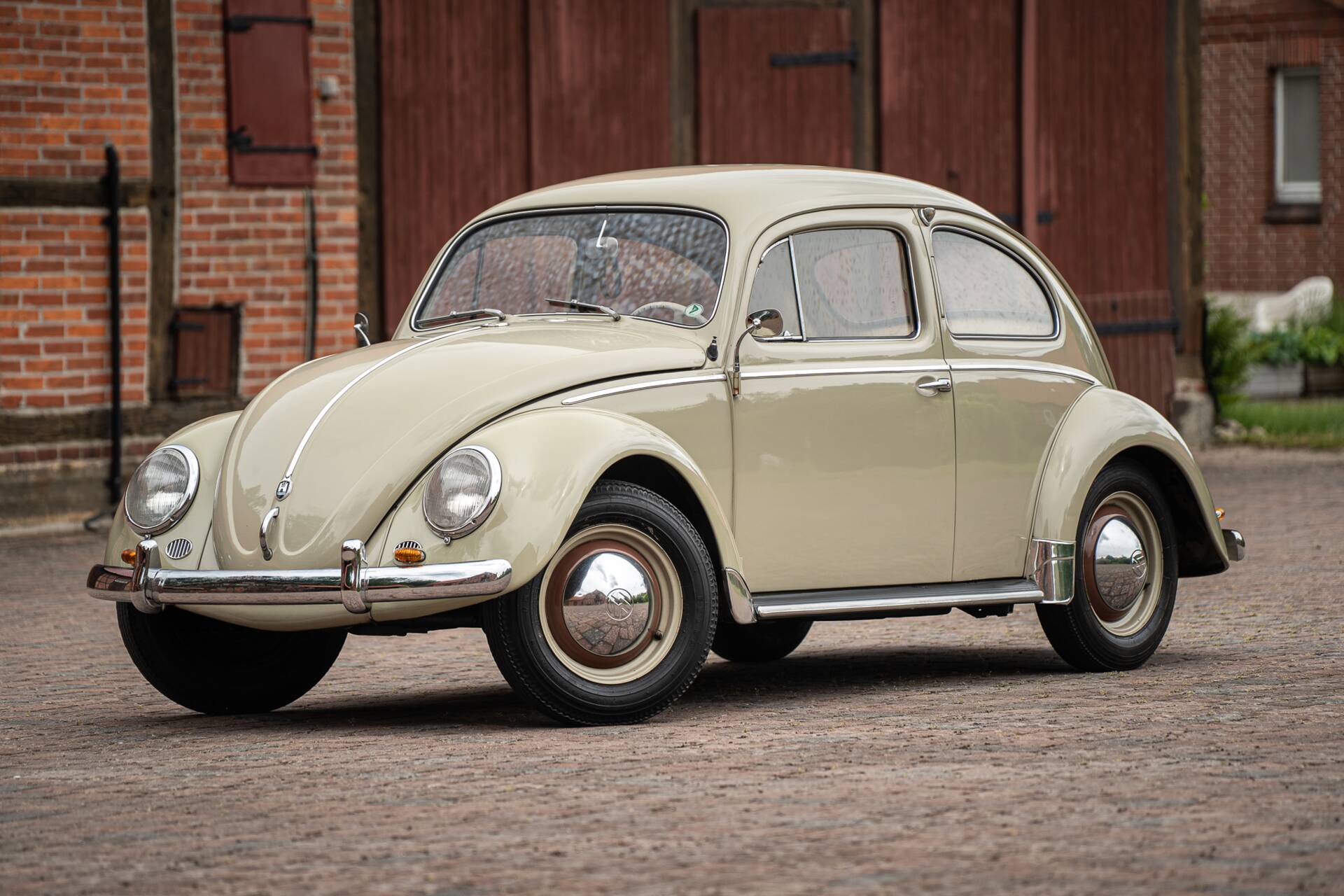
The Volkswagen Beetle is among the most recognizable classic cars ever produced. Its rounded body, compact dimensions, and straightforward engineering have made it a favorite among collectors for decades. Early models and later air-cooled versions appeal to different budgets, giving buyers several ways to enter the classic car market.
For drivers who appreciate vintage styling without the expense associated with rare luxury vehicles, the Beetle can be a sensible starting point. Its widespread recognition and established enthusiast community also make it easier to research ownership requirements before purchasing a vehicle.
Insurance costs for a classic Beetle can be relatively affordable when the car qualifies for a specialist classic car policy. Insurers may consider its agreed value, storage arrangements, driving history, annual mileage, and intended use. A vehicle driven occasionally for weekend trips may qualify for different terms from a car used for daily commuting.
The Beetle’s modest performance can also be attractive to insurers assessing certain risk factors, though no model is automatically cheap to cover. Actual premiums depend on the driver, location, policy restrictions, and vehicle condition.
The Beetle also offers an uncomplicated classic motoring experience that suits drivers who value personality over outright speed. Its modest power output, distinctive engine sound, and compact shape make it particularly appealing for relaxed drives and vintage car gatherings.
Well-preserved examples can attract enthusiastic buyers, but originality, documented restoration work, and rust-free bodywork can influence market value significantly. Buyers should establish a realistic valuation before requesting an agreed-value policy, since the amount insured needs to reflect the actual vehicle rather than an optimistic asking price.
2. MGB Roadster
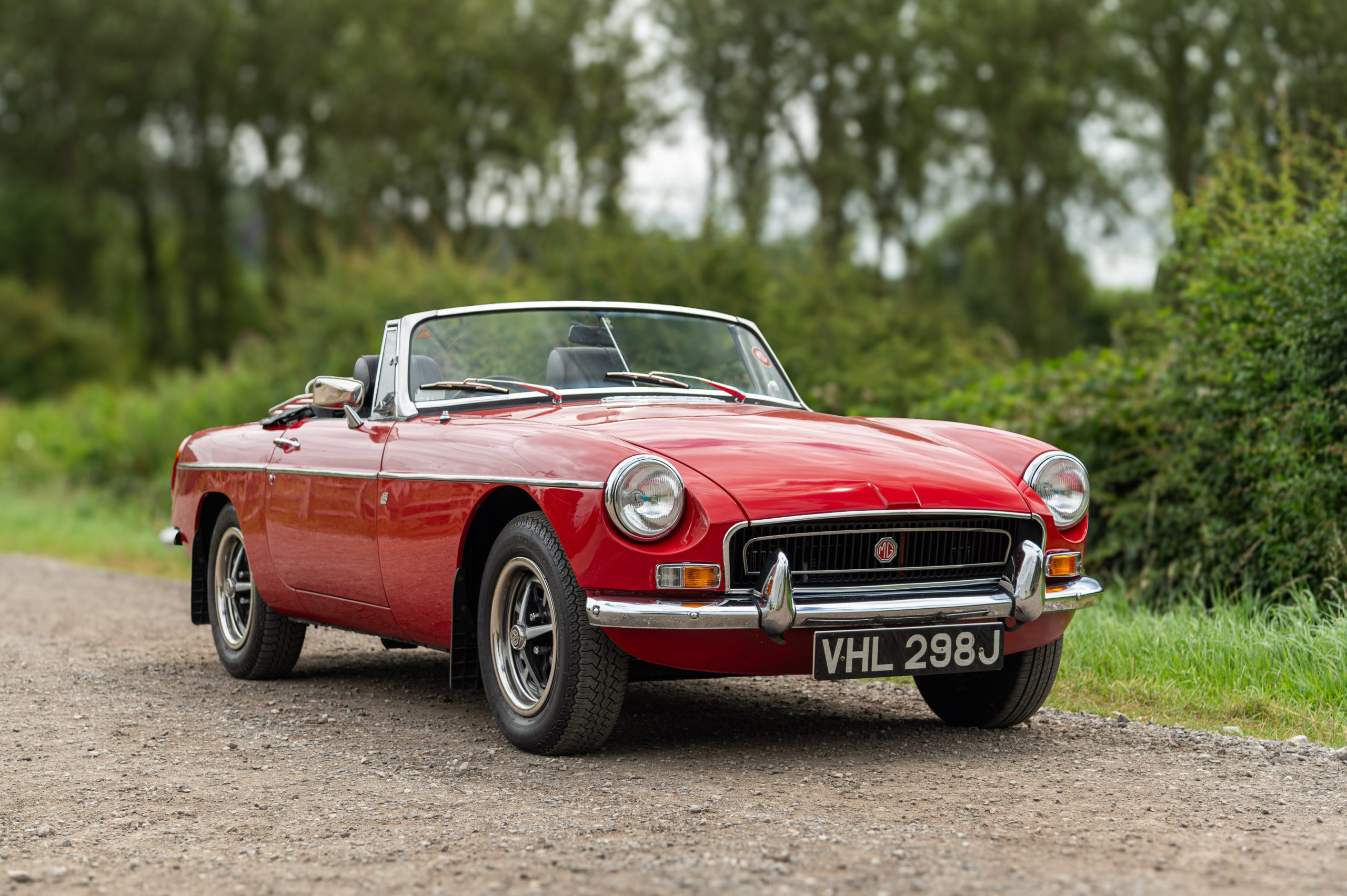
The MGB is a popular British sports car known for its clean proportions, open-top driving experience, and approachable mechanical layout. Produced from the early 1960s through the 1980s, it remains an attractive choice for enthusiasts seeking traditional sports car character.
The roadster is especially appealing during pleasant weather, while the fixed-roof GT version provides a different look and a more enclosed cabin. Compared with scarce, high-performance collector cars, many MGB examples occupy a more accessible part of the classic car market.
Classic car insurance may be affordable for an MGB when the owner uses it for leisure driving and keeps annual mileage within the insurer’s permitted limit. Its moderate performance relative to powerful contemporary sports cars can be helpful in some underwriting assessments, but insurance pricing varies considerably.
Drivers with previous claims, limited experience, or a vehicle kept in a high-risk area may receive higher quotations. A specialist insurer may also ask about secure overnight parking, other vehicles available for regular transportation, and the car’s condition.
Buyers should pay close attention to corrosion, particularly around structural areas, suspension mounting points, and body panels. Repairs can become expensive when rust has spread beneath the surface, or previous work has concealed underlying damage.
Mechanical components are generally well documented, and the model benefits from a strong restoration community. Nevertheless, availability of parts does not make every repair inexpensive. A thorough inspection and a realistic maintenance reserve can help prevent the purchase from becoming a financial burden.
The MGB offers an engaging driving experience without requiring the owner to pursue extreme speed. Its classic dashboard, manual gearbox, and traditional roadster layout create a distinctly vintage atmosphere.
Enthusiasts can enjoy local drives, club events, and carefully planned road trips, subject to the car’s mechanical condition and insurance terms. Buyers should remember that a vintage sports car may lack the modern crash protection, driver assistance systems, and convenience features found in newer vehicles.
3. Ford Mustang
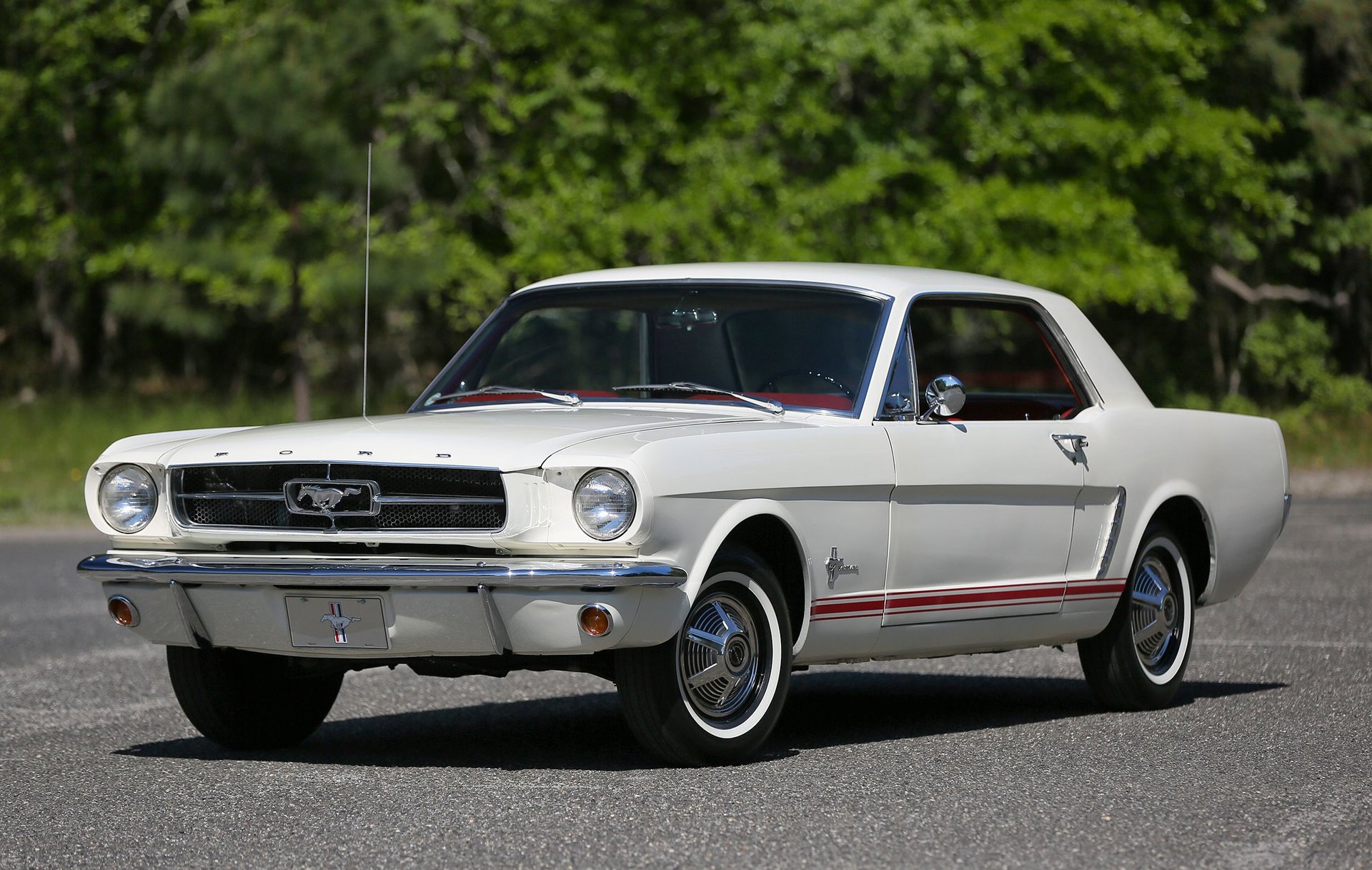
The Ford Mustang has become an enduring symbol of American automotive design. Introduced in 1964, it helped establish the pony car category with its long hood, short rear deck, and broad selection of engine options.
Early six-cylinder models can offer a different ownership proposition from powerful V8 versions, particularly when buyers prioritize manageable running costs over maximum performance. The Mustang’s popularity gives shoppers plenty of examples to research, although condition and specification can produce substantial differences in price.
Insurance premiums depend heavily on the particular Mustang being covered. Engine size, modifications, theft risk, declared value, driver experience, and intended use may all affect the quotation.
A relatively standard car with modest performance may receive a more favorable assessment than a heavily modified example. Classic insurance can also include mileage restrictions and requirements for secure storage. Owners should obtain quotations for the exact model year and engine configuration instead of assuming all Mustangs carry similar premiums.
The cost of maintaining a vintage Mustang depends on the car’s history and restoration quality. Replacement parts and technical information are widely available through specialist suppliers and enthusiast communities, but bodywork and major restoration projects can become expensive.
Rust, accident damage, worn suspension components, and questionable engine modifications deserve particular attention during an inspection. A vehicle that appears attractive in photographs may need substantial work before it becomes reliable enough for regular leisure driving.
4. Mercedes-Benz W123
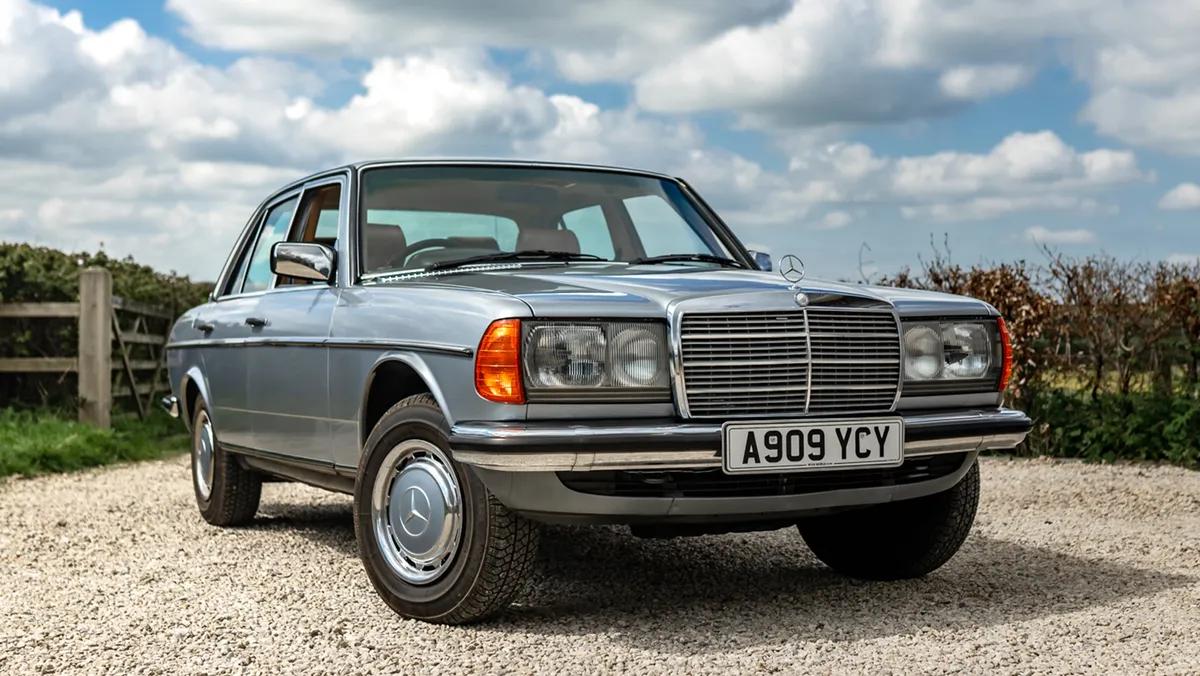
The Mercedes-Benz W123 is widely associated with solid construction, understated styling, and long-distance comfort. Produced during the late 1970s and 1980s, this Mercedes-Benz series included saloons, estates, coupes, and several engine choices.
Diesel versions are particularly well known among enthusiasts for their durability when properly maintained. Its traditional appearance and practical cabin make the W123 appealing to buyers who want a classic vehicle that feels more substantial than a small vintage runabout.
Classic insurance may be available at reasonable rates for a W123 used occasionally and kept in suitable condition. The final premium depends on the particular engine, vehicle value, local theft patterns, and the owner’s circumstances.
A powerful coupe or an unusually rare version may be assessed differently from a common saloon. Insurers may also distinguish between everyday transportation and limited leisure use. Buyers should compare policy features, not simply choose the lowest advertised price.
Maintenance requires attention to the vehicle’s age, even when its engineering has a reputation for durability. Rust can affect body panels, floor sections, wheel arches, and other vulnerable areas. Worn suspension components, ageing rubber parts, fuel-system problems, and neglected servicing can also create unexpected expenses.
Diesel engines may last a long time, but their condition should never be assumed from mileage alone. Service records and an inspection by a mechanic familiar with older Mercedes-Benz models are valuable safeguards.
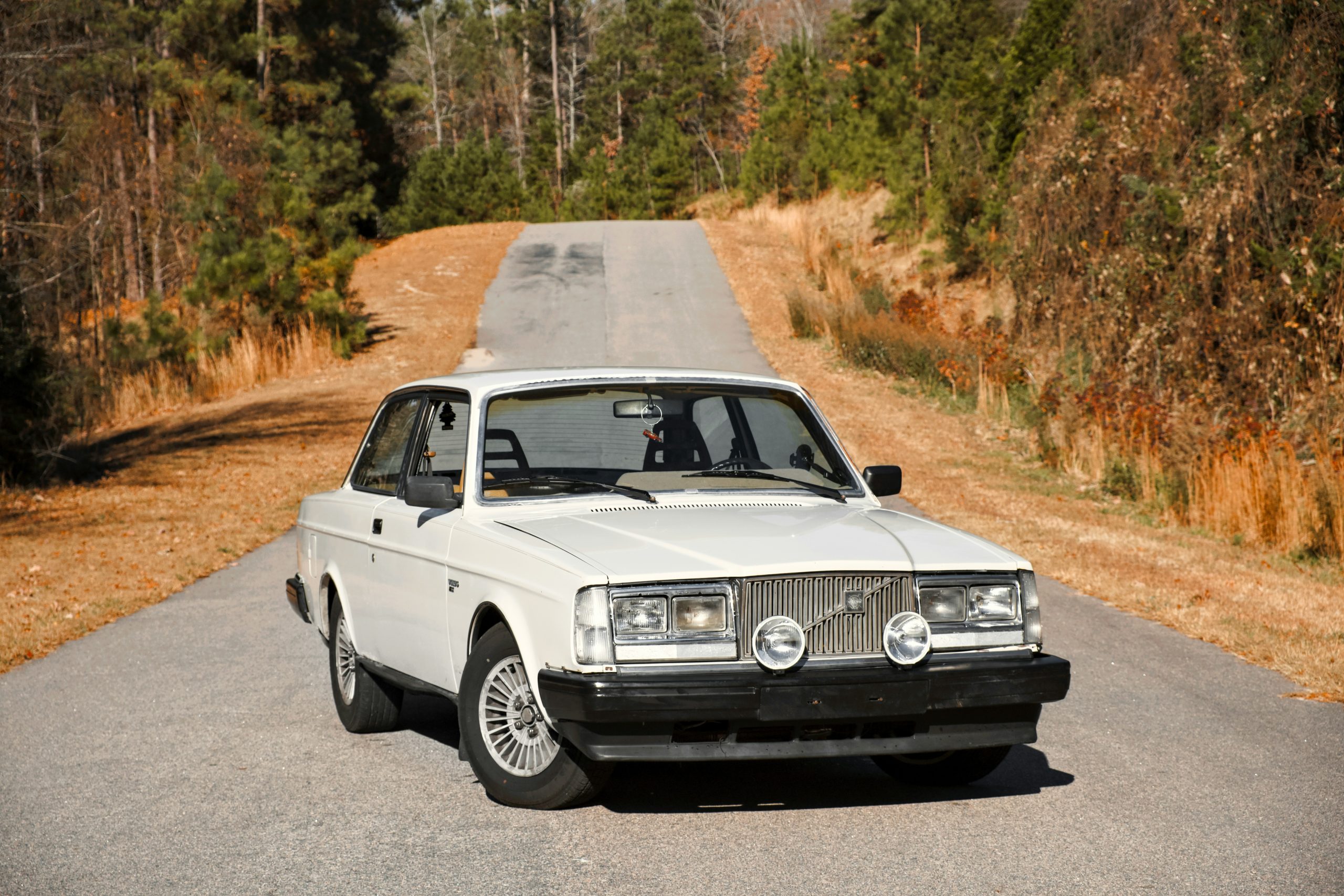
5. Volvo 240
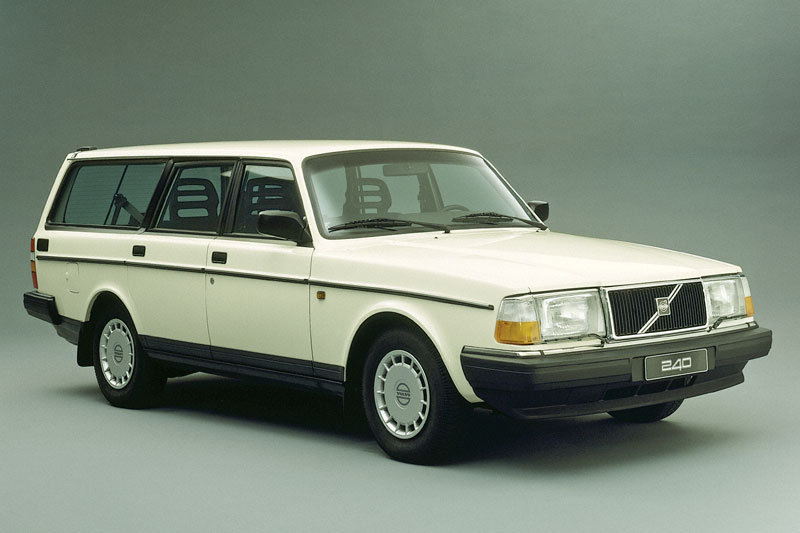
The Volvo 240 is known for its boxy profile, practical interior, and reputation for sturdy construction. Available as a saloon and an estate, the 240 appeals to enthusiasts who want a classic vehicle with useful cargo space and an understated appearance.
Its long production run means that specifications, equipment, and condition vary widely. Buyers may find standard family-oriented examples more accessible than unusually preserved, low-mileage cars that attract collector interest.
Insurance costs for a Volvo 240 can be competitive when the car is insured under a policy suited to limited classic use. Its original performance characteristics may appeal to some insurers, but age alone does not guarantee a low premium.
The driver’s record, storage arrangements, location, annual mileage, and vehicle valuation remain important factors. Modified cars, rare variants, and examples with expensive restoration work may require a different approach to valuation and coverage.
Mechanical simplicity is a major attraction for many 240 owners, yet the car is no longer new and still requires regular maintenance. Buyers should inspect the body for corrosion, check the cooling system, examine suspension components, and confirm that electrical equipment functions correctly.
Estate models deserve careful inspection of the rear cargo area and tailgate. A documented service history can provide reassurance, while an independent assessment helps identify problems hidden by cosmetic restoration.
6. Mazda MX-5 Miata
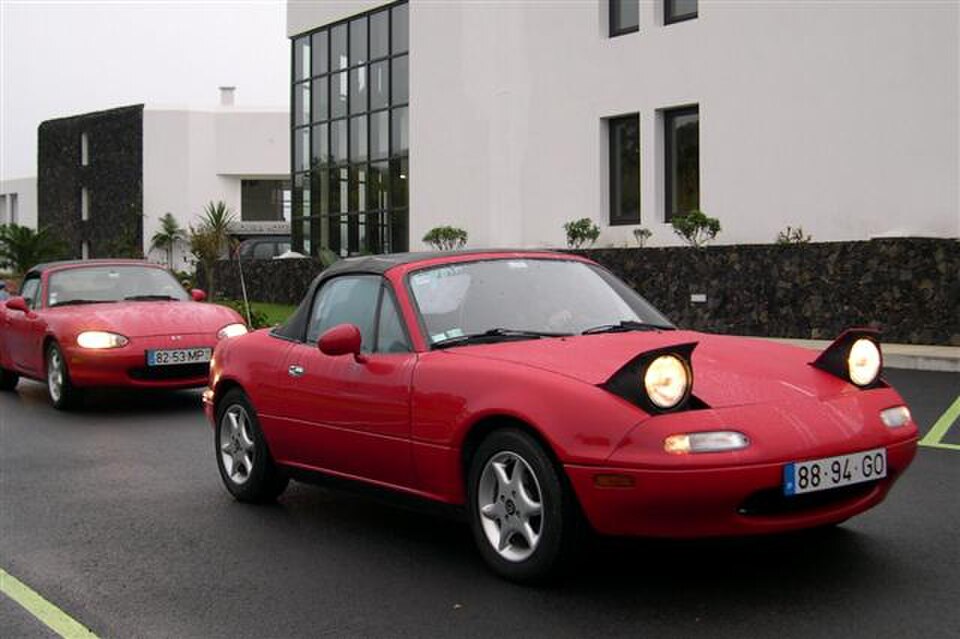
The first-generation Mazda MX-5 Miata arrived in 1989 and helped renew interest in small, lightweight sports cars. Its simple two-seat layout, responsive handling, and pop-up headlights give early examples a distinctive character.
Compared with larger performance vehicles, the original MX-5 focuses on driver involvement rather than high engine output. This balance makes it popular with enthusiasts seeking an enjoyable classic sports car without moving directly into high-powered or exotic territory.
Insurance pricing varies with the vehicle’s age, engine, location, driver profile, and use. Some early MX-5 models may qualify for specialist classic cover, while others may be insured through standard policies.
Eligibility rules differ, and an insurer may set minimum vehicle-age requirements or mileage limits. Buyers should also disclose performance modifications, aftermarket wheels, suspension changes, and engine work, since these can influence both premiums and coverage conditions.
Rust is a major concern when inspecting an early MX-5. Areas around the sills, wheel arches, and structural sections deserve careful examination, as corrosion repairs can be costly when damage becomes extensive.
Buyers should check the soft top for leaks and deterioration, test the cooling system, and review the engine’s service history. A clean exterior does not always indicate sound underlying metal, so a professional inspection is worthwhile before committing to a purchase.
7. Triumph Spitfire
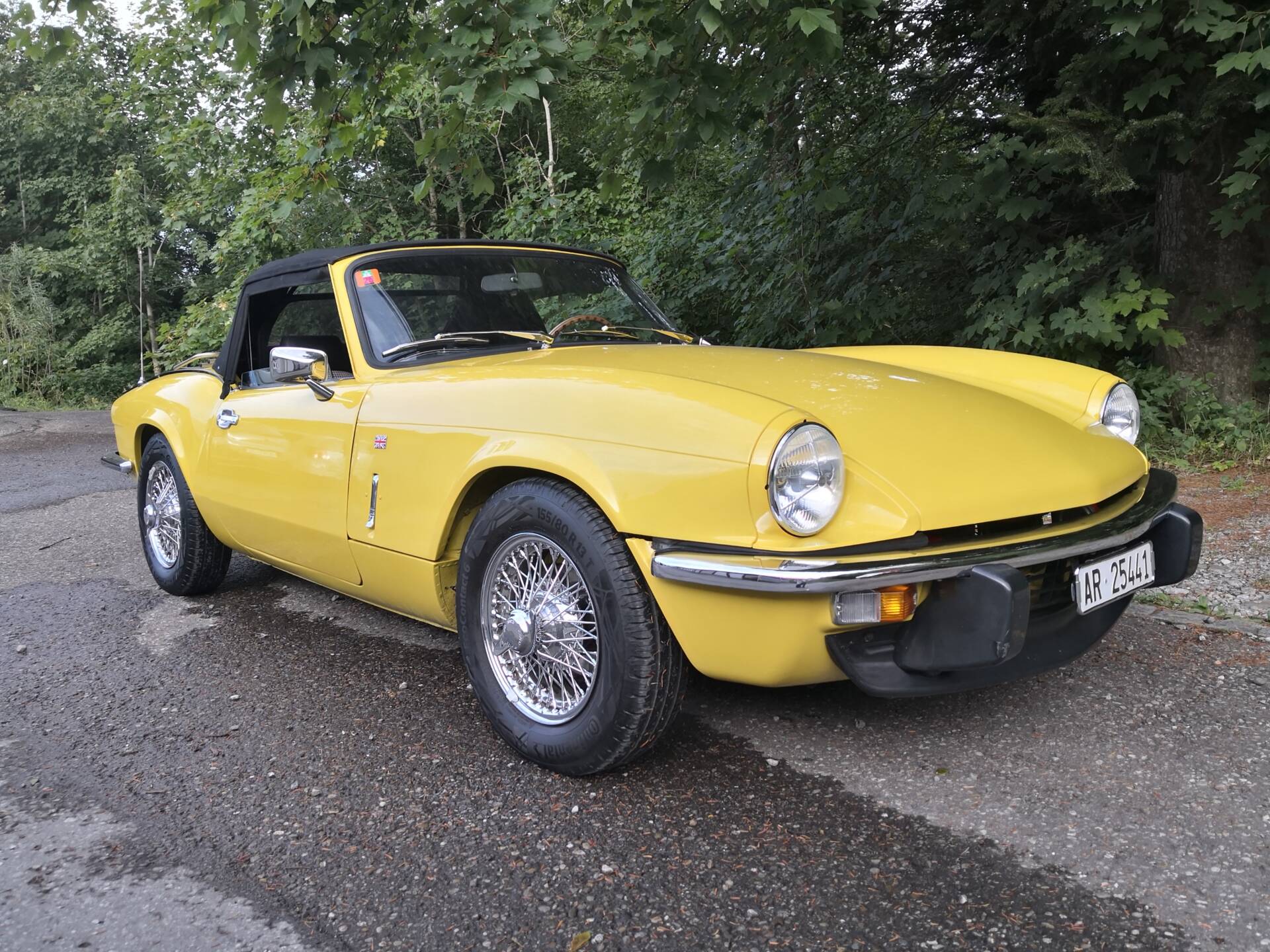
The Triumph Spitfire is a compact British roadster with distinctive styling and a traditional sports car layout. Its small dimensions, open-top design, and relatively modest engine options make it attractive to enthusiasts who enjoy classic motoring without the size of a large touring car.
Different versions were produced over its lifespan, and buyers can choose from several generations depending on their preferences for styling, equipment, and originality. The model’s established enthusiast following also provides useful resources for research and maintenance.
Insurance costs for the Triumph Spitfire may be manageable under a specialist classic policy, particularly for owners who drive the car occasionally. Insurers can assess engine size, market value, annual mileage, storage arrangements, and the driver’s previous claims.
A car kept in a secure garage and used for leisure trips may meet certain classic policy requirements, but eligibility is not guaranteed. Comparing multiple quotations helps establish whether the car is genuinely affordable to cover in the owner’s circumstances.
Condition is particularly important when buying a Spitfire. Corrosion can affect the chassis, body panels, floor sections, and other structural areas, while neglected mechanical components can require expensive repairs.
Buyers should inspect the cooling system, suspension, brakes, gearbox, and engine carefully. Replacement parts and restoration information are available through specialist suppliers, but labour costs can quickly exceed expectations if the car needs extensive work. An inspection by a classic car specialist is a sensible investment.
The Spitfire’s appeal lies in its lightweight construction and direct driving experience. It is well suited to leisurely countryside journeys, classic car meetings, and warm-weather outings.
The small cabin and limited luggage capacity mean that it is less practical than a conventional saloon, and older safety equipment requires careful consideration. Owners should prioritize reliable brakes, sound tyres, effective lights, and proper servicing before using the vehicle on public roads.
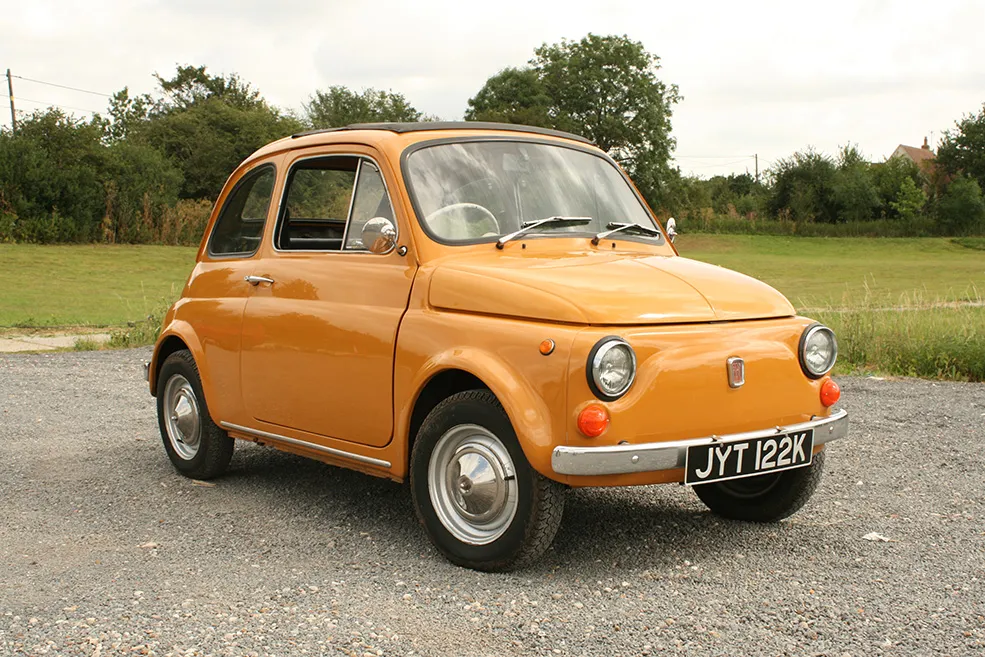
8. Fiat 500 Classic
The classic Fiat 500 is a small Italian car recognized for its rounded design and compact proportions. Its city-friendly dimensions, distinctive appearance, and historical significance have made it popular among collectors and enthusiasts.
Early examples were designed for accessible everyday transportation, which gives the model a different character from larger luxury classics. Buyers should distinguish the original vintage Fiat 500 from the modern Fiat 500 introduced in the twenty-first century, since the vehicles have different engineering, market values, and insurance requirements.
A classic Fiat 500 may qualify for specialist insurance depending on its age, condition, location, and intended use. Its modest engine capacity can be attractive to some insurers, but small size does not automatically guarantee a low premium.
The agreed value, theft risk, availability of replacement parts, and owner’s driving history can influence pricing. Some policies require the vehicle to be used only for leisure driving, while others impose storage or mileage conditions. Reading the eligibility requirements carefully is essential.
The car’s small engine and straightforward layout can make routine maintenance approachable for owners with suitable mechanical knowledge. However, age introduces challenges, including corrosion, deteriorated wiring, worn brakes, and poorly completed restoration work.
Buyers should pay attention to the body structure, floor panels, suspension, and engine condition. Rare or fully restored examples can command higher prices, so repairs to an inexpensive vehicle may not always be economically sensible. A specialist inspection helps establish whether the purchase represents good value.
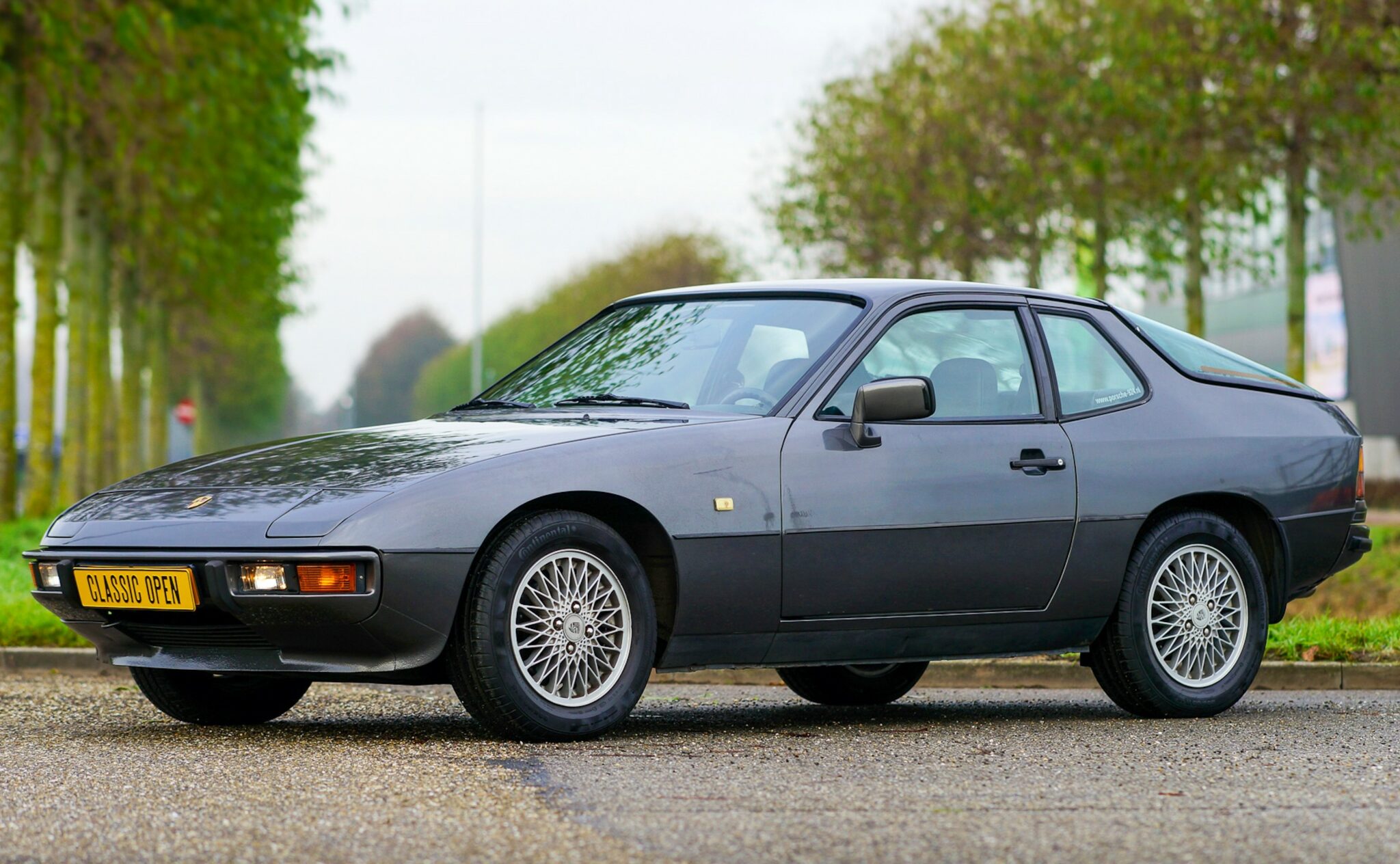
9. Porsche 924
The Porsche 924 offers a distinctive entry point into classic Porsche ownership. Its front-engine layout, sloping bodywork, and pop-up headlights separate it visually from the company’s more familiar rear-engined sports cars.
Produced in several versions, the 924 combines period styling with a practical hatchback design. Some examples remain relatively accessible compared with more prestigious Porsche models, making it attractive to enthusiasts who want a vintage sports coupe without immediately pursuing a high-value collector car.
Insurance costs for a Porsche 924 can vary considerably by engine specification, market value, location, and driver experience. Classic policies may be available for eligible examples, though insurers can apply restrictions based on age, usage, and storage.
Its sports car classification may influence the premium, even when the vehicle has modest power by modern standards. Buyers should obtain quotations for the precise year and version, particularly when considering higher-performance variants or cars with extensive modifications.
Mechanical condition deserves careful attention because repairs to older sports cars can become expensive. Buyers should examine the engine, transmission, cooling system, suspension, brakes, and electrical components. Maintenance records can help establish whether scheduled work has been completed.
The condition of the body and interior also matters, since replacing missing trim or repairing neglected upholstery may require considerable effort. A professional inspection can reveal whether a seemingly affordable Porsche needs costly work before it is ready for regular use.
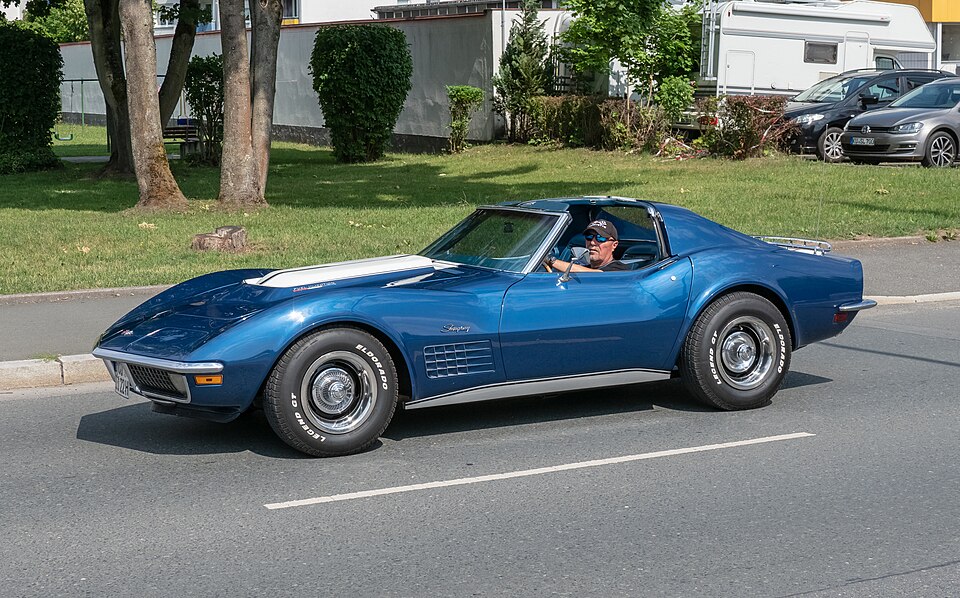
10. Chevrolet Corvette C3
The Chevrolet Corvette C3 stands out for its sculpted bodywork, long hood, and unmistakable American sports car styling. The third-generation Corvette remained in production for many years, with numerous engine and equipment variations.
Its dramatic appearance appeals to enthusiasts who want a classic vehicle with strong visual presence. However, the purchase price and ownership expenses can differ significantly between ordinary examples, rare specifications, and cars that have undergone extensive restoration.
Insurance affordability depends on the Corvette’s engine, declared value, driving history, and intended use. Many versions have larger engines than the compact classics on this list, and insurers may account for performance and replacement costs when calculating premiums.
An eligible vehicle might receive specialist classic coverage, particularly when driven for leisure rather than everyday commuting. Buyers should confirm mileage restrictions, storage conditions, and valuation requirements before assuming that classic insurance will be inexpensive.
Maintenance costs deserve close attention when assessing a C3 Corvette. Engine condition, transmission performance, cooling, suspension, brakes, and electrical systems all require proper evaluation. Fibreglass body panels do not rust like conventional steel panels, but the underlying frame and metal components can corrode.
Body repairs and restoration work can also be expensive, particularly when previous damage has been poorly repaired. An independent inspection by a mechanic experienced with Corvettes can help identify issues before purchase.
