Buying a used car can feel reassuring when the engine starts promptly, the brakes respond smoothly, and the vehicle handles well during a brief drive. However, some expensive problems only become noticeable after the engine warms up, the car spends more time on the highway, or specific systems operate under heavier loads.
A short test drive may not expose hidden coolant leaks, intermittent electrical faults, internal transmission wear, or damage from an earlier collision. The key is to look beyond how the vehicle feels for a few minutes. Service records, a thorough inspection, and a longer drive can reveal warning signs before you commit.
1. Engine Overheating That Appears After a Longer Drive
An engine that runs smoothly for the first few minutes can still have a cooling-system problem that becomes obvious only after the vehicle reaches operating temperature. During a short test drive around nearby streets, the temperature gauge may remain normal.
After extended driving, highway speeds, or time spent in traffic, however, a weak water pump, restricted radiator, faulty thermostat, damaged radiator fan, or leaking hose may cause the engine to overheat.
Pay attention to the temperature gauge throughout the drive rather than checking it only at the beginning. If the reading climbs unusually high, fluctuates without an obvious reason, or approaches the red zone, take the warning seriously.
You should also notice whether the cabin heater produces consistent warmth when switched on, although heater performance alone cannot confirm a cooling-system fault.
Before starting the car, inspect the ground for dried coolant residue or fresh leaks. Look around the radiator, coolant reservoir, and visible hoses for staining, cracks, or crusty deposits.
A sweet smell around the engine compartment can also indicate leaking coolant. Never remove a radiator cap or pressurized coolant-reservoir cap while the engine is hot because escaping coolant can cause severe burns.
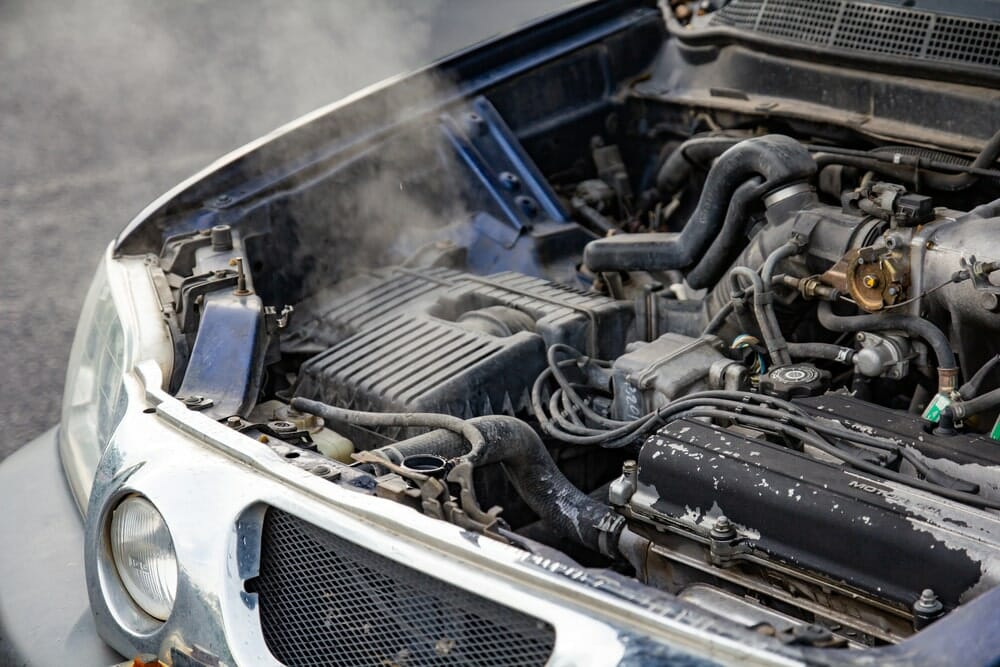
A seller may claim that an occasional temperature spike is harmless, but overheating can damage cylinder-head gaskets and other expensive engine components.
Ask an independent mechanic to pressure-test the cooling system and investigate any suspicious temperature changes before purchasing the vehicle. If the seller refuses a reasonable inspection, consider walking away rather than gambling on an unknown repair bill.
2. Transmission Slipping or Shifting Problems When Hot
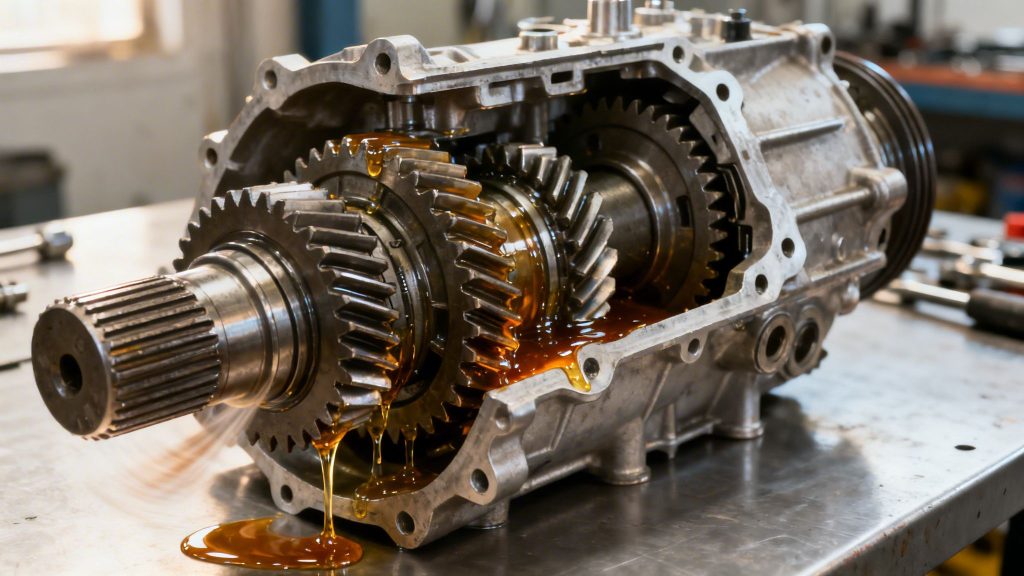
A transmission may behave acceptably when cold and develop problems after the fluid and internal components warm up. This is one reason a quick drive around a dealership parking lot cannot establish that a used car’s transmission is healthy.
Depending on the vehicle, underlying issues may involve worn clutch components, hydraulic pressure problems, deteriorated fluid, faulty sensors, or internal mechanical wear.
During a longer drive, pay attention to how the vehicle accelerates and changes gears. An automatic transmission should not repeatedly flare in engine speed without a corresponding increase in road speed.
Delayed engagement when selecting Drive or Reverse, harsh shifts, unexpected jolts, and persistent whining or grinding noises deserve investigation. In a manual car, a clutch that slips under acceleration can allow engine speed to rise while the vehicle gains speed slowly.
Try a mixture of gentle acceleration, steady cruising, and normal deceleration when road conditions permit. Notice whether the symptoms appear only after several miles or when climbing a hill. Do not deliberately perform aggressive launches or force the vehicle into stressful conditions simply to provoke a fault.
Transmission-fluid condition can provide additional clues, but color alone does not establish whether a transmission is healthy.
Some vehicles have sealed systems or manufacturer-specific procedures for checking fluid, so avoid opening components without the correct instructions. A burnt smell, visible leak, or evidence of neglected servicing warrants closer attention.
The American Automobile Association identifies delayed shifts, unusual noises, leaks, and burning odors among possible signs of transmission fluid or transmission problems. Arrange an independent inspection if anything seems abnormal. A brief test drive that feels smooth is encouraging, but it is not proof that the transmission will remain trouble-free.
3. Intermittent Electrical Faults That Come and Go
Electrical problems can be particularly difficult to identify during a short test drive because they may appear only under certain conditions. A vehicle might start immediately, display no warning lights, and operate normally for ten minutes, yet still have a failing alternator, weak battery, damaged wiring, poor ground connection, or electronic control issue.
Start by checking every electrical feature you can reasonably test. Operate the power windows, door locks, headlights, turn signals, dashboard controls, infotainment system, backup camera, and power mirrors.
Test the air conditioning and cabin fan at different settings. If the vehicle has heated seats, parking sensors, or driver-assistance features, check those too. One malfunction does not automatically mean the entire electrical system is failing, but several unrelated problems may point to a shared power supply, wiring, or control-module issue.
Watch the instrument panel when starting the engine. Warning lights normally illuminate briefly during the self-check and should behave according to the owner’s manual.
A warning light that remains on, flashes unexpectedly, or disappears and returns during driving needs investigation. Do not assume a dashboard without warning lights proves the car has no stored diagnostic trouble codes.
A weak battery may also become more noticeable after repeated starts, while a charging-system fault can cause problems as electrical demand increases. A mechanic can test battery condition, charging output, stored fault codes, and relevant wiring.
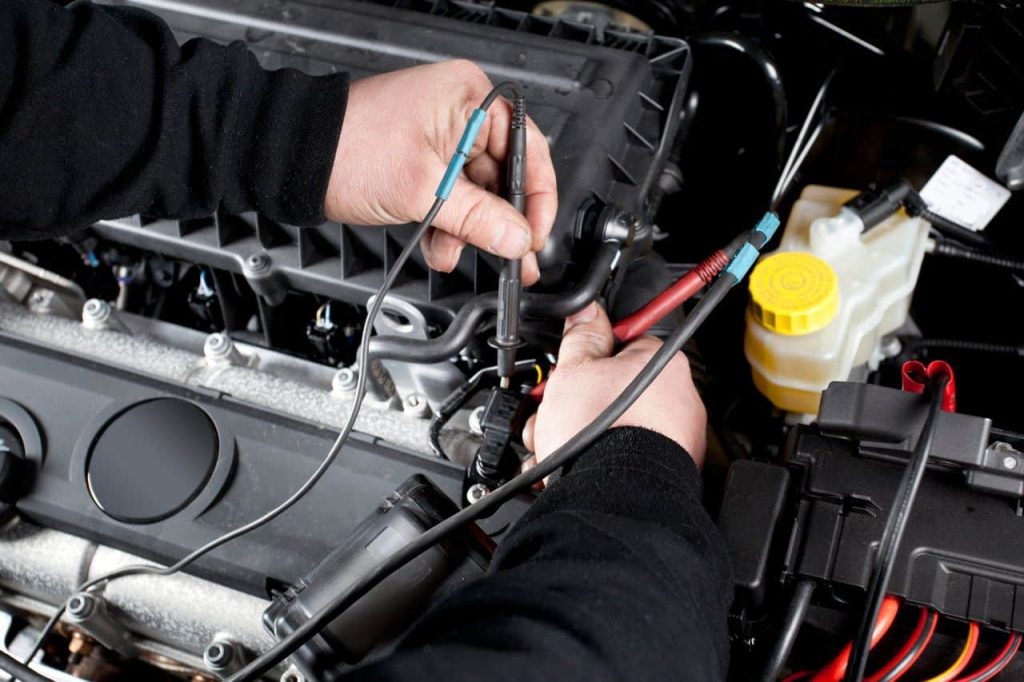
Look for evidence of amateur repairs, loose connectors, aftermarket accessories installed without proper wiring, or moisture around electrical components. Flood exposure and collision repairs can create difficult-to-trace electrical faults.
Ask the seller whether any warning lights or electronic features have malfunctioned recently. An independent inspection is worthwhile even when the car behaves perfectly during the initial drive. Intermittent faults can be expensive because diagnosing the cause may take as much time as repairing it.
4. Coolant or Oil Leaks That Become Visible After Driving
A clean driveway and dry engine compartment do not guarantee that a used car is free from leaks. Some leaks occur only when the engine is hot, the cooling system is pressurized, or oil is circulating at operating pressure. A short drive may end before enough fluid escapes to leave an obvious puddle.
Begin your inspection with the engine cold. Look beneath the vehicle for fresh spots and examine accessible areas around the engine, radiator, hoses, and fluid reservoirs. Engine oil commonly appears brown or black, although its appearance varies with age and condition.
Coolant may be brightly colored or have a different appearance depending on the formulation. Never identify a fluid by color alone, since contaminants, lighting, and different products can be misleading.
After the drive, park on a clean surface and check the ground again. A mechanic may find seepage around an oil pan, valve cover, radiator connection, water pump, or other component that was difficult to inspect from above. Some leaks leave only a damp film or residue rather than producing drops large enough to notice immediately.
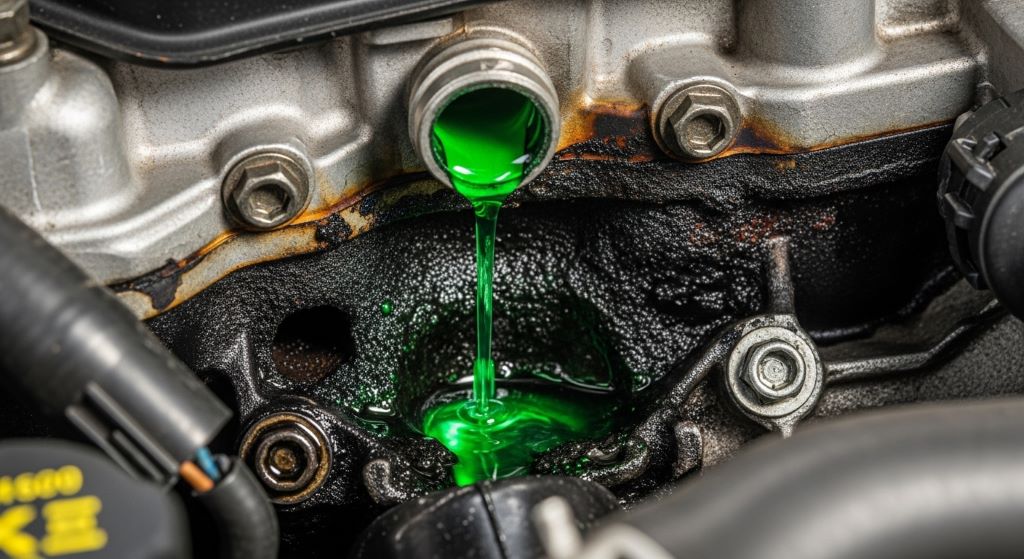
Pay attention to warning signs inside the cabin and around the engine. A persistent burning-oil smell, smoke from the engine compartment, unexplained low-fluid warnings, or repeated need to top up fluids should not be dismissed. Blue exhaust smoke can indicate oil entering the combustion process, although a qualified technician must determine the cause.
A leak may be relatively inexpensive to repair if it comes from a simple hose or seal. Problems involving major engine components can cost substantially more. Ask for a written inspection identifying the source, severity, and estimated repair cost rather than accepting a vague promise that the vehicle only needs a minor fix.
5. Worn Suspension and Steering Components That Need Rougher Roads to Reveal Themselves
A car can feel stable on a smooth road while hiding suspension or steering problems that become noticeable over potholes, uneven pavement, or repeated bumps. Worn shock absorbers, struts, bushings, ball joints, tie-rod ends, or wheel bearings may produce symptoms that a short drive on freshly paved streets never exposes.
During a test drive, listen for knocking, clunking, squeaking, or rattling when the car passes over ordinary road imperfections.
Pay attention to whether the vehicle continues bouncing excessively after a bump, leans unusually in corners, or feels unsettled at normal road speeds. These observations are clues, not definitive diagnoses, because similar symptoms can arise from different components.
Steering behavior deserves equal attention. If the car pulls consistently to one side on a reasonably level road, possible explanations include incorrect wheel alignment, uneven tire pressure, tire damage, or a problem with the suspension or brakes.
A steering wheel that feels unusually loose, notchy, or slow to respond may also justify further investigation. Do not test these symptoms by taking your hands off the steering wheel or making abrupt maneuvers.
Tires can reveal useful evidence, too. Uneven wear across the tread may be associated with alignment issues, worn suspension parts, incorrect inflation, or previous maintenance problems. However, tire wear alone cannot establish which component is defective.
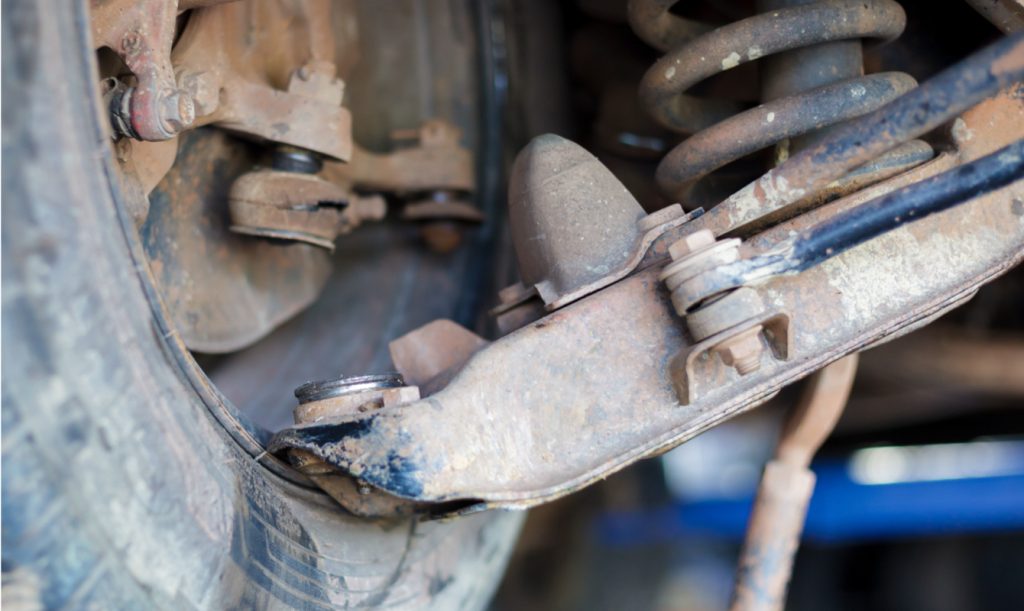
Ask the seller whether suspension repairs have been performed and whether the car has recently struck a large pothole or curb. An independent mechanic can inspect the undercarriage, check for looseness, assess shock absorbers and steering joints, and determine whether the vehicle needs an alignment.
These checks matter because replacing tires or correcting alignment will not necessarily solve a worn mechanical component. A smooth first impression should not replace an inspection of the parts responsible for keeping the vehicle stable and predictable.
6. Brake Problems That Appear After Repeated Stops
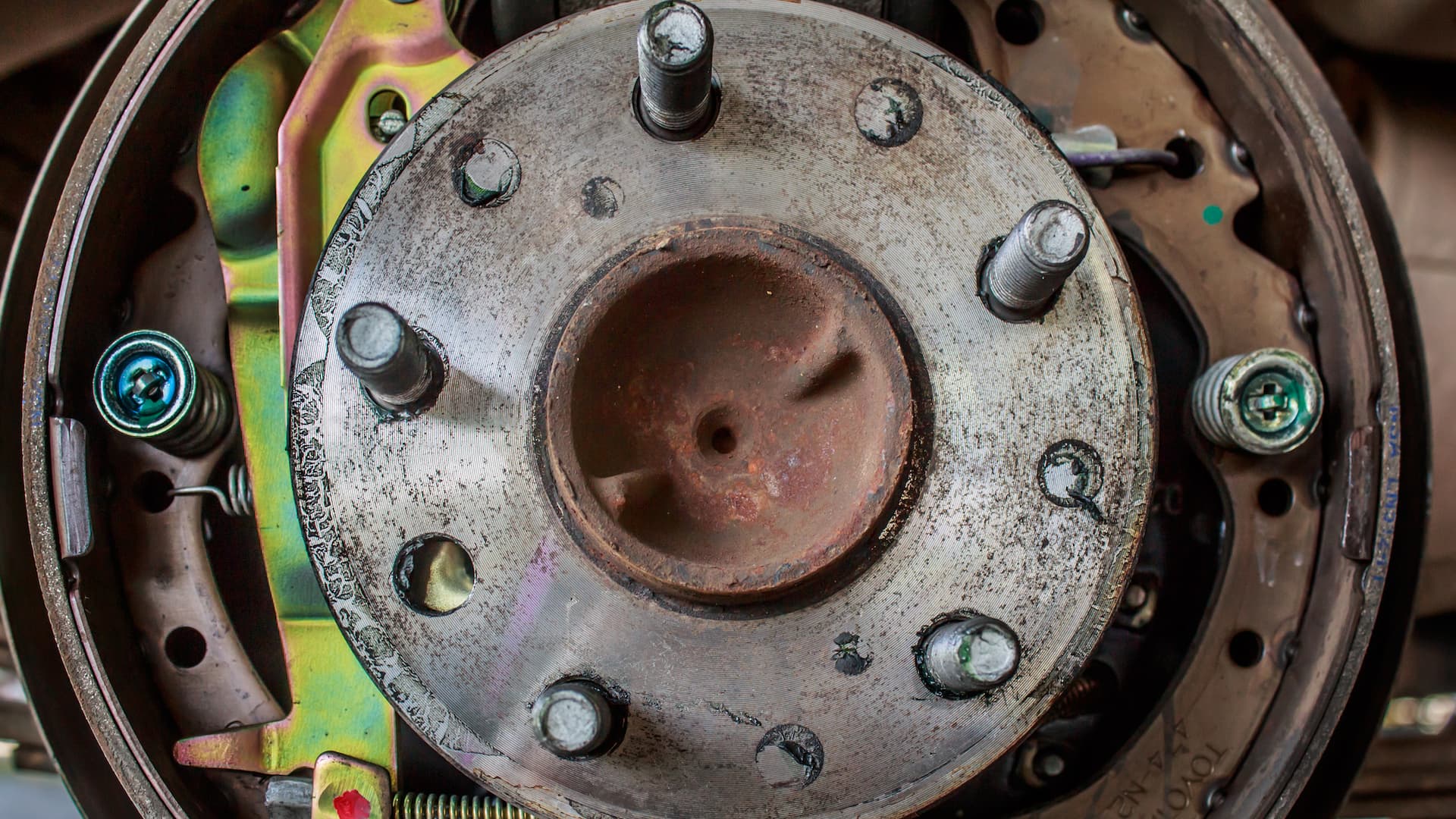
A brake pedal that feels normal during one or two stops may not tell the full story. Certain problems become easier to detect after the brakes warm up, during repeated ordinary stops, or when the vehicle is traveling at higher speeds.
Worn pads, damaged rotors, sticking calipers, contaminated brake fluid, or other faults can affect braking performance in different ways.
During a safe test drive, apply the brakes progressively at appropriate speeds and observe how the vehicle responds. The pedal should not sink unexpectedly, feel unusually soft, or require noticeably more pressure than expected.
Grinding, persistent squealing, vibration through the pedal, or a steering wheel that shakes while braking warrants further investigation. Some brake noises can occur without a serious fault, but they should not be dismissed without checking their cause.
Pay attention to whether the vehicle pulls to one side during braking. Uneven brake operation, tire problems, alignment issues, or suspension faults may contribute to that behavior. A mechanic can distinguish between these possibilities by examining the relevant components.
Repeated braking under normal driving conditions may also reveal symptoms that were absent at the beginning. However, do not deliberately perform repeated hard stops to test a seller’s car. Aggressive testing can create hazards and is unnecessary for an initial assessment.
Look at the brake-fluid reservoir only when it is safe and appropriate to do so, and compare its level with the manufacturer’s guidance. Low fluid can indicate worn brake components or a leak, among other causes. Never treat simply topping it up as a substitute for finding the reason.
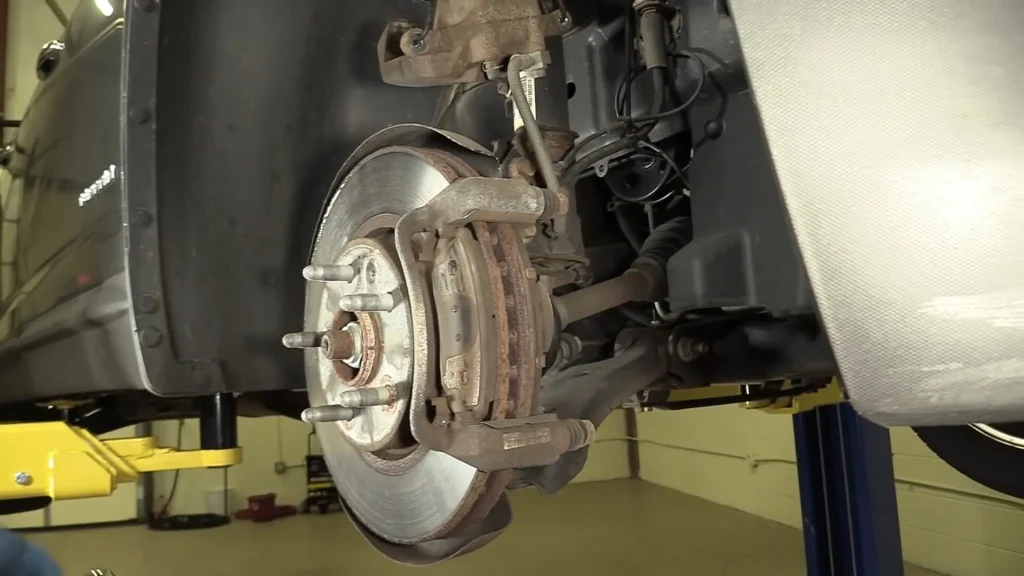
The Federal Trade Commission’s used-car guidance encourages buyers to seek an independent mechanical inspection rather than relying only on a vehicle history report. Ask the mechanic to check pad thickness, rotor condition, hoses, calipers, fluid leaks, and the parking brake. Braking is a safety-critical system, so unexplained symptoms should be resolved before purchase.
7. Hidden Accident Damage or Previous Flood Exposure
A vehicle can look attractive in a dealership lot and still carry damage from an earlier collision or flood. Fresh paint, polished panels, and a clean interior may improve its appearance without revealing what happened underneath.
A short test drive might not expose weakened structural components, corrosion in electrical connections, or problems caused by poorly completed repairs.
Start by examining the body panels in daylight. Differences in paint shade, uneven gaps between doors and fenders, overspray around trim, and mismatched fasteners can suggest previous bodywork.
None of these signs proves that a car has suffered a serious collision, but several together justify closer inspection. Check whether doors, the hood, and the trunk open and close normally.
Inside the cabin, look for damp carpeting, water stains, unusual musty odors, corrosion on exposed metal, or moisture in places that should remain dry.
Flood damage is not always obvious, especially when the interior has been cleaned or replacement materials have been installed. Electrical problems may emerge weeks or months later as moisture-related corrosion affects connectors and wiring.
A vehicle history report can identify certain reported accidents, title brands, insurance losses, and other recorded events. However, it cannot guarantee that every incident appears in the record. The Federal Trade Commission specifically advises consumers that a history report does not replace an independent mechanical inspection.
Ask a qualified mechanic or collision-repair specialist to examine the frame or unibody structure, underbody, airbag system, seat-belt components, and repair quality. Compare the vehicle identification number, or VIN, across the vehicle and its paperwork, and check available title information through appropriate U.S. resources.

Previous bodywork does not automatically make a car a bad purchase. Properly repaired cosmetic damage may be manageable. Undisclosed structural damage, flood exposure, or compromised safety equipment is a much more serious concern and deserves a professional assessment before you agree to buy.
8. Excessive Oil Consumption or Engine Wear That Takes Time to Show
An engine can sound quiet and deliver reasonable acceleration during a brief drive while still consuming too much oil or showing early signs of internal wear. Some problems develop gradually, making them difficult to identify without reviewing maintenance records, inspecting the exhaust, checking fluid levels, and examining diagnostic information.
One warning sign is blue or blue-gray exhaust smoke, which can indicate that engine oil is entering the combustion process. Smoke may be more noticeable during acceleration or after the vehicle has been idling, depending on the underlying fault.
Other possible symptoms include repeated low-oil warnings, a persistent burning-oil smell, unusual engine noises, or evidence of oil leakage. None of these signs identify a specific failed component by itself.
Ask the seller how frequently the oil needs to be topped up and whether the vehicle has ever required engine repairs. Compare the answer with maintenance receipts, service records, and the manufacturer’s recommended oil-change schedule.
A car that has recently received an oil change may show a normal dipstick reading even if it consumes oil between services.
If the engine is cold, check the oil level using the procedure specified in the owner’s manual. Some vehicles require particular conditions or electronic measurements, so a universal checking method is not appropriate for every model. Do not overfill the engine or open hot components while inspecting the car.
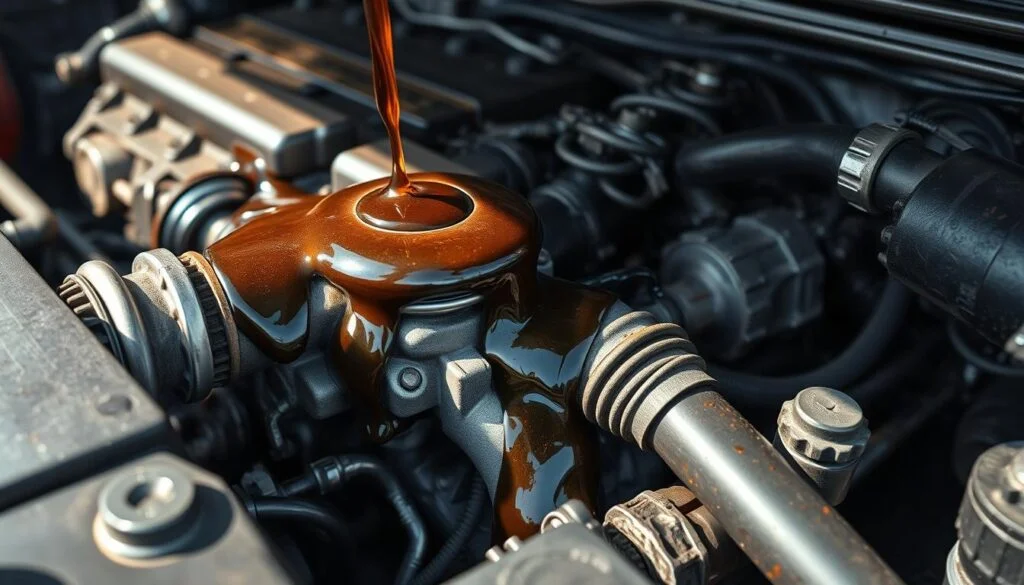
A qualified technician can look for leaks, scan for diagnostic trouble codes, inspect the spark plugs when appropriate, and recommend additional testing if internal wear is suspected. Compression or leak-down tests may help assess cylinder sealing, but the correct test depends on the symptoms and engine design.
An engine that needs repeated oil top-ups may have a relatively simple leak or a more expensive internal problem. Establish the cause before purchase instead of relying on a seller’s assurance that oil consumption is normal.