
Buying a used car involves more than checking its mileage, paintwork, and asking price. A vehicle may look immaculate while hiding years of neglected maintenance, recurring mechanical faults, or expensive repairs.
Its service history can help reveal how consistently it was maintained, which components have been replaced, and whether earlier problems were properly addressed. For American buyers, maintenance invoices, dealership records, inspection reports, and available vehicle-history information can provide valuable clues before money changes hands.
However, paperwork is only part of the picture. Understanding what these records confirm, what they leave unanswered, and how to verify their details can help you make a more informed purchase.
1. Whether Routine Maintenance Was Performed on Schedule
A service history can reveal whether a previous owner followed the manufacturer’s recommended maintenance schedule or postponed essential work. Regular oil changes, fluid inspections, filter replacements, and scheduled servicing indicate that someone kept track of the vehicle’s needs rather than waiting for a warning light or mechanical problem to appear.
The most useful records include dates, odometer readings, descriptions of the work performed, and invoices showing which parts and fluids were used. Compare these entries with the maintenance schedule in the owner’s manual.
Service intervals differ by vehicle, engine, model year, and driving conditions, so there is no single mileage interval that applies to every used car.
Look for unexplained gaps. For example, several years without documented maintenance do not automatically prove neglect, because an owner may have used an independent repair shop or performed some work personally. However, missing records make it harder to verify that important services were completed.
Oil-change documentation deserves particular attention because engine lubrication is essential to controlling friction and wear. Records of coolant, transmission fluid, and other scheduled services can also help establish whether maintenance requirements were addressed.
The Federal Trade Commission (FTC) recommends reviewing service records and obtaining an independent mechanical inspection before buying a used vehicle.
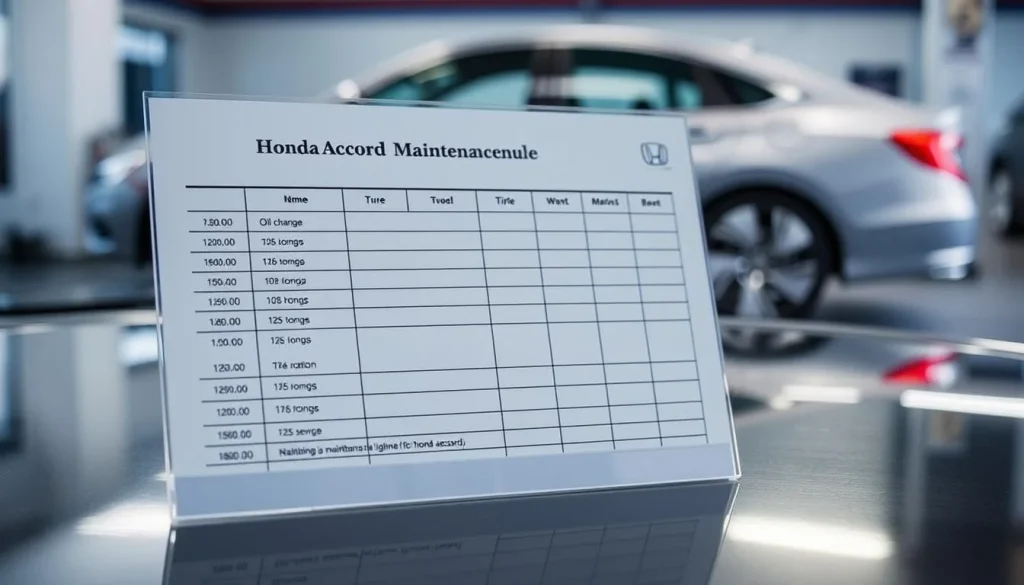
Ask the seller to explain missing entries and provide supporting invoices where possible. A consistent maintenance history is encouraging, but it does not guarantee that the vehicle is free from mechanical faults.
The objective is to establish a credible timeline of care, identify overdue services, and estimate what maintenance may be needed after purchase.
2. Whether the Engine Has Experienced Problems
Engine repairs recorded in a service history can reveal recurring problems that deserve closer attention before you buy a used car. Invoices may document oil leaks, overheating, misfires, unusual noises, cooling-system repairs, or replacement of major engine components.
Pay attention to repeated visits for the same complaint. One repaired oil leak may be routine, but several invoices describing leaks from different locations could indicate a broader maintenance concern.
Likewise, multiple visits for overheating deserve investigation because excessive engine temperature can damage internal components if the underlying cause remains unresolved.
The details matter more than the repair title alone. An invoice showing that a technician replaced a thermostat does not automatically mean the engine suffered serious damage. However, if the same vehicle later returned with overheating complaints, you should ask whether the original problem was correctly diagnosed.
Major engine work is not necessarily a reason to reject a vehicle. A documented repair performed correctly, followed by appropriate testing, may leave the engine in good operating condition. The important questions are what failed, why it failed, which components were replaced, and whether the repair included any necessary related work.
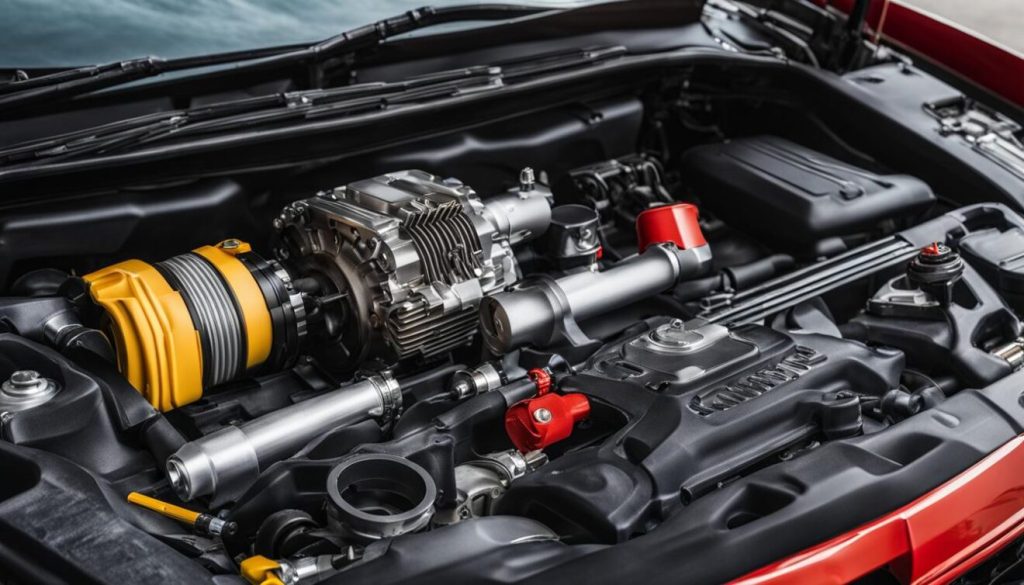
Compare the paperwork with the vehicle’s present behavior. During a test drive, watch for rough idling, unusual exhaust smoke, hesitation, warning lights, or temperature fluctuations. These symptoms require professional assessment rather than assumptions based on the paperwork alone.
The FTC emphasizes that a vehicle history report cannot replace an independent mechanical inspection.
Ask an independent mechanic to assess the engine and review relevant invoices. A documented repair history becomes genuinely useful when it helps explain the car’s current condition rather than simply listing work completed in the past.
3. Whether the Transmission Has Needed Repeated Repairs
Transmission records can provide important clues about how a used vehicle was maintained and whether it has experienced persistent shifting problems. Look for invoices mentioning delayed engagement, slipping gears, harsh shifts, fluid leaks, overheating, warning lights, or replacement of transmission components.
A single transmission-fluid service is not evidence of a problem. It may simply represent scheduled maintenance performed according to the manufacturer’s instructions. However, repeated visits for the same shifting complaint, particularly when earlier repairs did not resolve it, deserve further investigation.
Check whether the documented work involved a fluid service, an external leak repair, a software update, or a major internal repair. These jobs have different implications. For example, a repaired transmission cooler line is not equivalent to a complete transmission rebuild, and the invoice should clarify which work was actually performed.
Maintenance requirements also vary. Some transmissions have specific fluid-change intervals, while others use different service procedures. Do not assume that every transmission needs fluid replaced at the same mileage or that a lack of fluid-service records automatically proves neglect. Consult the maintenance schedule for the exact vehicle.
During the test drive, notice whether the transmission engages smoothly, shifts consistently, and behaves normally when accelerating or slowing down. A warning light, burning smell, severe slipping, or unexpected loss of drive requires professional attention.
The FTC recommends obtaining an independent inspection before purchasing a used vehicle, even when the seller supplies other documentation.
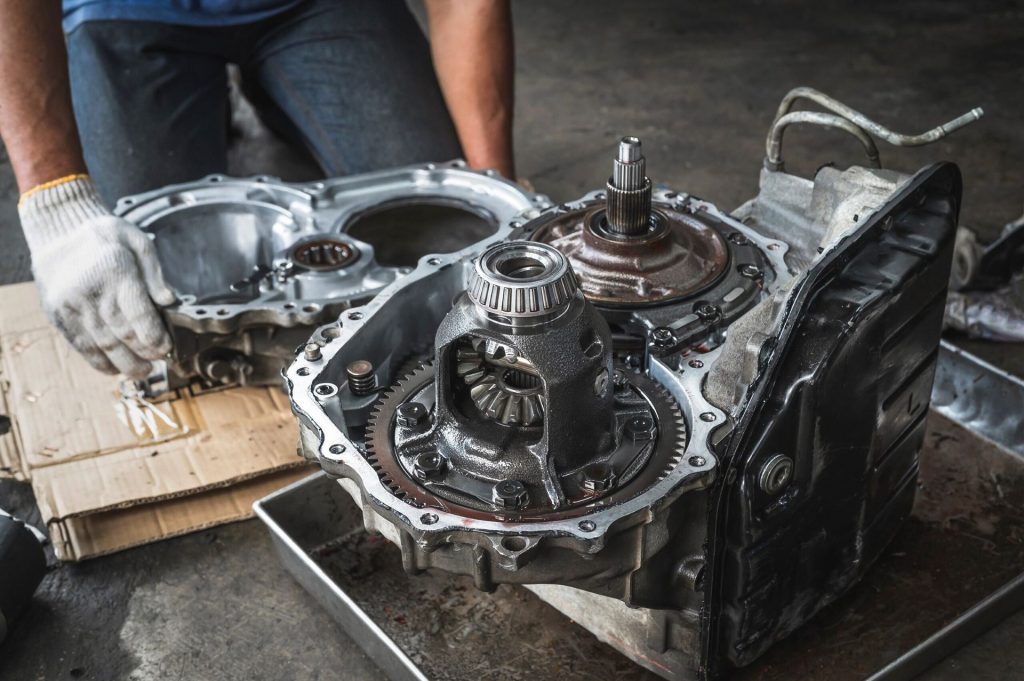
Ask a qualified mechanic to evaluate any documented transmission concerns. Understanding the repair history can help you estimate future maintenance needs and decide whether the asking price reflects the vehicle’s condition.
4. Whether the Timing Belt or Other Major Components Were Replaced
A service history can help establish whether important maintenance items have been replaced at the appropriate time. Depending on the engine, these may include a timing belt, water pump, accessory belt, spark plugs, or other components specified in the manufacturer’s maintenance schedule.
Timing-belt replacement deserves particular attention because some engines can suffer extensive internal damage if the belt breaks while the engine is running.
The consequences depend on the engine’s design, so a broken belt does not cause identical damage in every vehicle. If the manufacturer specifies a replacement interval, records can help establish whether the work was completed.
Look for an invoice identifying the component, service date, and odometer reading. A seller’s verbal assurance that a belt was replaced is less useful than documentation from a repair facility. If the invoice lists a timing-belt service, check whether related components, such as tensioners or the water pump, were included when required by the manufacturer’s procedure.
Do not assume that every engine uses a timing belt. Some use a timing chain, which has different inspection and maintenance requirements. Timing chains are not automatically maintenance-free, but their replacement schedules and failure risks differ from those of belts.
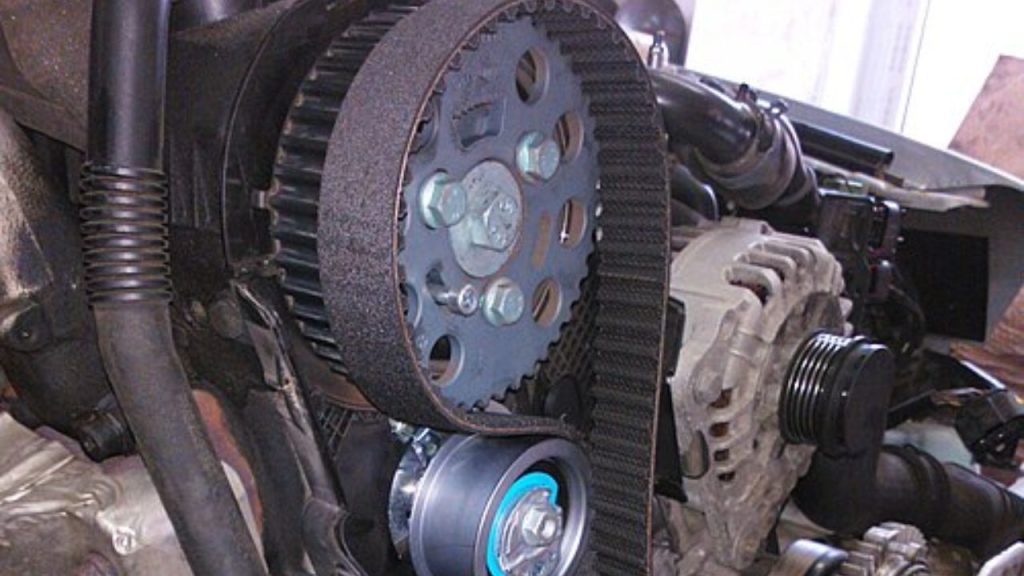
If records are missing, ask a qualified mechanic to determine which timing system the engine uses and what maintenance is due. The absence of paperwork does not prove that the work was never completed, but it creates uncertainty that should be resolved before purchase.
This information can also help you budget for upcoming maintenance. A vehicle that needs a major scheduled service soon may still be a sensible purchase, provided the cost is understood and reflected in your decision.
5. Whether the Car Has Had Accident-Related Repairs
Service invoices may reveal bodywork, suspension replacement, wheel alignment, airbag repairs, or other work associated with a collision. These records can help you ask informed questions about the vehicle’s past, although ordinary maintenance paperwork will not necessarily document every accident.
Start by examining the repair descriptions. An invoice for a replacement bumper might reflect cosmetic damage, while records involving structural components, steering, suspension, or airbags warrant more detailed investigation. However, the listed parts alone cannot establish how severe a collision was or whether the vehicle remains unsafe.
Ask for the repair estimate, final invoice, and any available documentation showing what was damaged and how it was repaired. Check whether the work was completed by a qualified repair facility and whether required safety-system components were restored correctly.
A vehicle history report may contain accident information, but the Federal Trade Commission warns that such reports have limitations and should not replace an independent inspection.
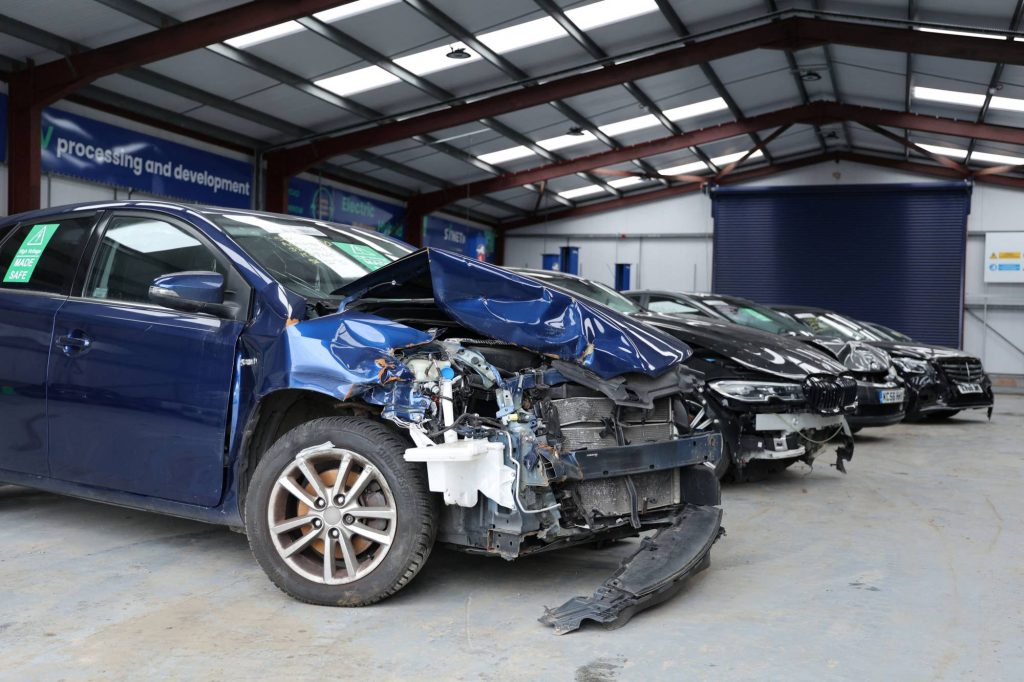
During the inspection, have a qualified mechanic or body-repair specialist examine panel alignment, paint differences, structural areas, suspension mounting points, and airbag-related indicators where appropriate. Evidence of previous repairs does not automatically mean a car should be rejected. The quality of the work and the nature of the damage matter.
Also compare the seller’s account with the available documentation. If the seller claims the vehicle has never been damaged but the paperwork records substantial collision repairs, ask for an explanation before proceeding.
The goal is to understand what happened, whether repairs were properly completed, and whether any remaining concerns could affect safety, reliability, or resale value.
6. Whether the Odometer Reading Is Consistent
A service history can help you determine whether the mileage displayed on a used car’s odometer is consistent with its documented past. Repair invoices and maintenance records often include the odometer reading recorded when the vehicle visited a shop. Comparing those readings in chronological order can reveal discrepancies that deserve investigation.
For example, if an invoice from 2023 records 78,000 miles but a document from 2024 lists 64,000 miles, the difference requires an explanation. It could indicate an error in the paperwork, an incorrect entry, or possible odometer tampering. The discrepancy alone does not establish fraud, but it should not be ignored.
Check the mileage on service invoices against inspection records, title documents, vehicle-history reports, and available maintenance records.
The National Motor Vehicle Title Information System (NMVTIS) provides vehicle-history information that can include the most recent reported odometer reading, title information, and certain salvage or insurance records.
Remember that mileage records may contain occasional clerical errors, and not every repair facility reports information to every database. A missing record is not proof that the odometer has been altered. Look for a consistent pattern across multiple independent documents instead of relying on one entry.
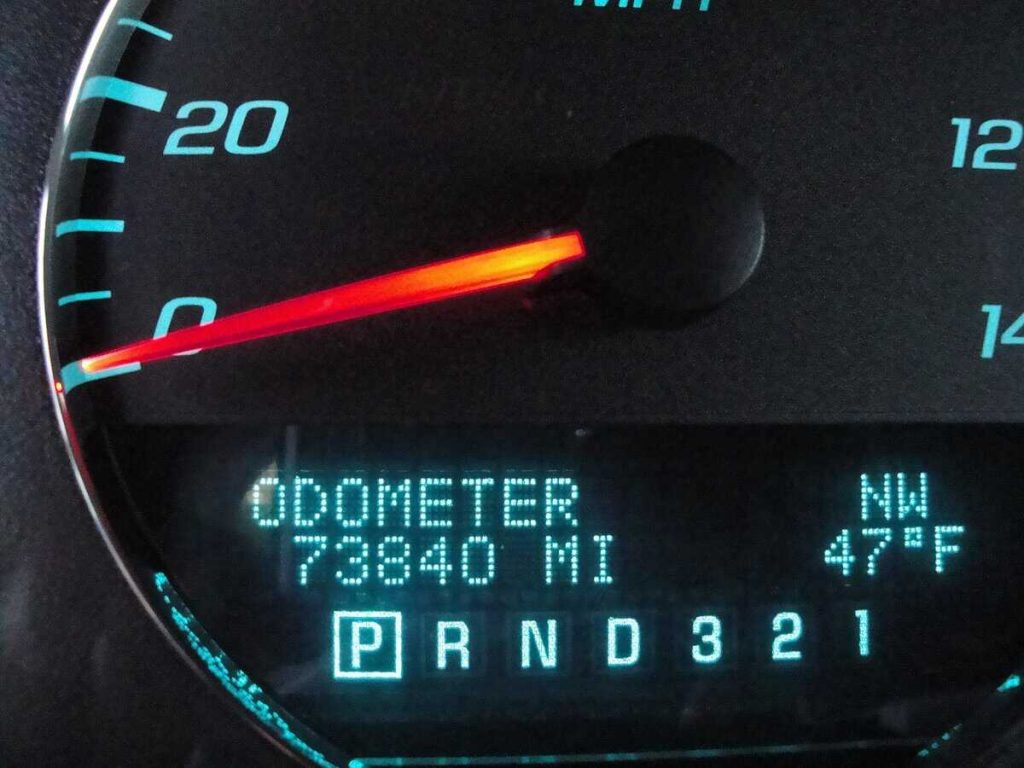
A professional inspection can also help assess whether the car’s apparent wear is consistent with its claimed mileage. Worn pedals, a damaged steering wheel, or heavily used seats may raise questions, but these clues cannot accurately establish mileage by themselves.
Before buying, ask the seller to clarify unexplained discrepancies and provide supporting documents. If the readings cannot be reconciled, treat the uncertainty seriously because mileage affects maintenance planning, vehicle valuation, and confidence in the car’s recorded history.
7. Whether Previous Owners Followed Tire and Brake Maintenance
Records of tire and brake servicing can reveal how the previous owner handled essential safety-related maintenance. Invoices may document new tires, brake-pad replacement, rotor servicing, wheel alignment, tire rotation, or repairs to brake calipers and hydraulic components.
Look at the dates and odometer readings rather than simply counting the number of repairs. Replacing tires or brake pads is normal wear, and frequent replacement does not automatically indicate poor maintenance. Driving conditions, traffic, road surfaces, vehicle weight, and driving habits all affect how quickly these components wear.
Repeated brake repairs deserve closer attention if the paperwork describes the same problem returning after earlier work. Similarly, several alignment visits accompanied by uneven tire wear could suggest a continuing issue involving suspension components, damaged wheels, or other underlying faults.
The service history should also be compared with the car’s current condition. During an inspection, check the tire tread, sidewalls, and pressure, and ask a mechanic to assess brake-pad thickness, rotor condition, and any warning signs. A record showing that brakes were replaced previously does not guarantee that they remain in good condition today.
The Federal Trade Commission recommends having an independent mechanic inspect a used car before purchase, since a history report cannot identify every mechanical problem.
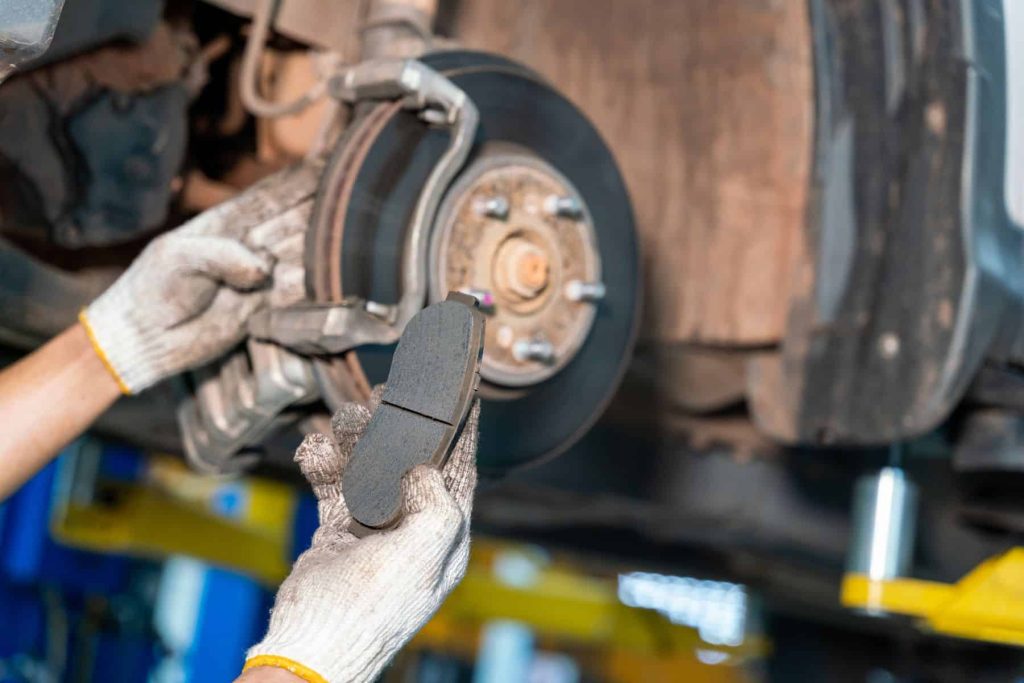
Ask whether recently installed tires match the vehicle’s required specifications and whether the braking system has any outstanding concerns. A documented history of routine replacement can be reassuring, but the current inspection is what determines whether these components are ready for continued use.
8. Whether Recurring Electrical Problems Have Been Fixed
Electrical faults can be frustrating because they sometimes appear intermittently and may be difficult to reproduce during a short test drive. Service records can reveal whether a used car has experienced repeated battery failures, charging-system problems, malfunctioning sensors, faulty power windows, or warning lights that required multiple visits.
Pay attention to whether the same complaint appears on several invoices. One battery replacement after several years of use is ordinary maintenance, but repeated battery replacements within a short period may suggest an unresolved charging problem, excessive electrical drain, or another underlying fault.
Likewise, an invoice showing that a warning light was cleared does not necessarily prove the underlying problem was repaired. Look for the diagnostic findings, the parts replaced, and any notes confirming that the system was tested afterward.
A software update or sensor replacement may be an appropriate repair, but the documentation should explain what was done.
During the inspection, test the headlights, turn signals, power windows, locks, air conditioning, infotainment system, and other electrical equipment. Check whether dashboard warnings remain illuminated after the engine starts.
A diagnostic scan by a qualified technician may identify stored trouble codes that are not immediately obvious during a short drive.
Keep in mind that not every historical electrical complaint indicates a serious defect. Some issues are resolved permanently, while others may arise from unrelated components. The repair timeline and current symptoms matter more than the number of invoices alone.
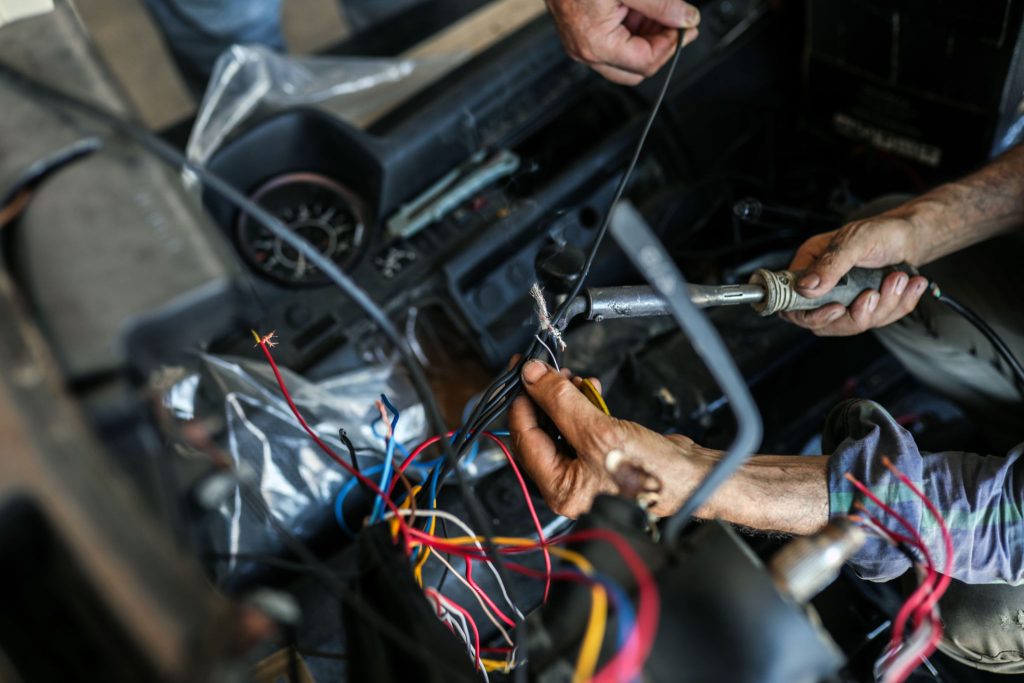
Ask the seller whether any electrical problems remain unresolved and request documentation of recent repairs. If the records suggest repeated failures, have a mechanic investigate before purchasing.
A clear repair history can help distinguish routine electrical maintenance from a recurring fault that may require additional time and money to diagnose.
9. Whether Recalls and Warranty Repairs Were Addressed
A service history may contain records of manufacturer recall repairs, warranty claims, and technical service work. These entries can help establish whether certain known issues were addressed during the vehicle’s previous ownership, although not every recall or warranty repair will appear in the documents provided by the seller.
Safety recalls deserve particular attention because they concern defects or compliance issues identified by the manufacturer or regulators. Depending on the recall, the remedy may involve inspecting a component, updating software, repairing a part, or replacing it.
In the United States, recall repairs performed through the manufacturer’s authorized remedy program are generally provided at no cost to the owner.
Use the vehicle identification number (VIN) to check the National Highway Traffic Safety Administration’s recall database. NHTSA explains that a VIN search can identify unrepaired recalls associated with that specific vehicle, although recently announced recalls may not appear immediately for every affected VIN.
If the service records show a recall repair, compare the entry with the manufacturer’s information and ask whether the work was completed. If no recall appears in the paperwork, do not assume the vehicle has never been recalled or that every outstanding issue has been resolved.
Warranty records can also reveal previous repairs involving major components. Ask whether any remaining manufacturer warranty is transferable and confirm the applicable terms directly with the manufacturer. Coverage depends on the vehicle, warranty type, mileage, age, and other conditions.
A documented recall repair can provide useful reassurance, but it does not prove that every part of the car is fault-free. Verify open recalls independently and have the vehicle inspected before completing the purchase.
10. Whether the Seller’s Claims Match the Paperwork
Service records become particularly useful when you compare them with what the seller tells you about the car. A seller might describe a vehicle as meticulously maintained, accident-free, or recently serviced. The documentation can help establish whether those statements are supported by dated invoices and repair details.
Start by asking for the maintenance history, recent repair invoices, and any available inspection reports. Compare the recorded mileage, service dates, and work performed with the seller’s description. If the seller says the timing belt was replaced, for example, ask for the invoice identifying the work and the odometer reading at the time.
Inconsistencies do not always indicate dishonesty. Records may be incomplete because an owner used multiple repair shops, performed maintenance personally, or misplaced paperwork. However, unexplained discrepancies should be resolved before you commit to buying the vehicle.
A vehicle-history report can provide additional information about title events, reported accidents, and other recorded details. The Federal Trade Commission recommends using a history report alongside an independent mechanical inspection because neither source provides a complete picture by itself.

Ask the seller to put important promises in writing, particularly when they concern repairs, warranties, or outstanding defects. For dealer purchases, review the FTC Buyers Guide to understand whether the vehicle is being sold with a warranty or “as is,” subject to applicable law.
If the seller refuses a reasonable independent inspection or cannot explain major inconsistencies, consider walking away. A trustworthy purchase should withstand questions about maintenance, condition, and ownership history.
The best use of service records is to verify claims, identify uncertainty, and make a purchase decision based on evidence rather than appearance or verbal assurances.