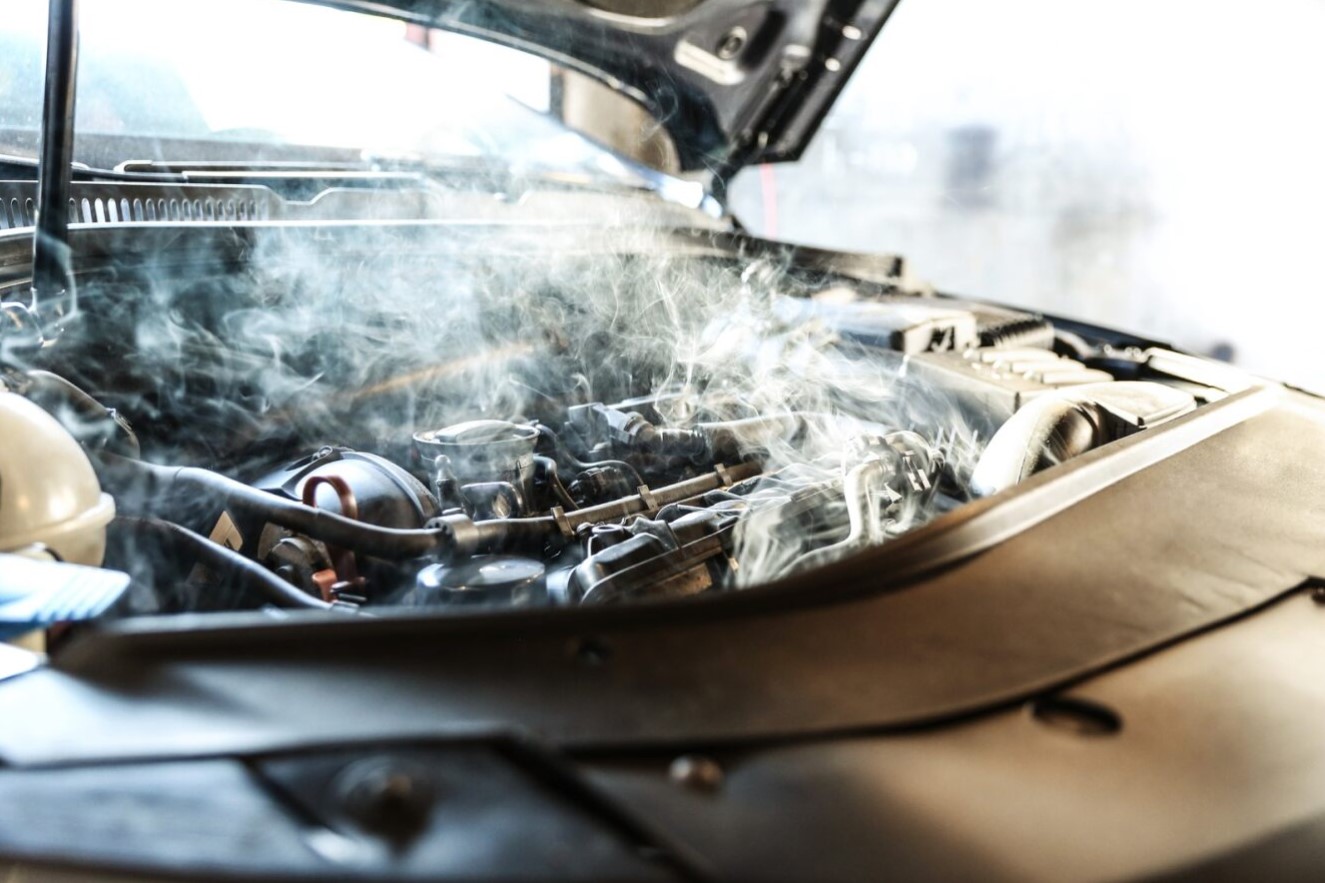
A small car problem can quickly become an expensive repair when warning signs are ignored. A low tire-pressure warning, an overheating engine, or a brake noise might seem manageable at first, but continuing to drive can increase the damage and create serious safety risks.
Some problems allow you to reach a nearby repair shop, while others require stopping immediately and arranging roadside assistance. Knowing the difference can protect your vehicle, reduce unnecessary repair costs, and help prevent breakdowns on American roads.
These ten common problems explain why early diagnosis matters and when continuing your journey could make the situation more dangerous.
1. Engine Overheating
An overheating engine can suffer serious damage if you continue driving instead of addressing the problem. The cooling system regulates engine temperature by circulating coolant through the engine and radiator.
A coolant leak, failed water pump, stuck thermostat, damaged radiator, or malfunctioning cooling fan can prevent the system from removing heat effectively.
Early warning signs include a temperature gauge climbing toward the red zone, a temperature warning light, steam from under the hood, or a sweet smell associated with leaking coolant. Ignoring these symptoms can lead to warped cylinder heads, damaged head gaskets, or severe internal engine damage.
If the temperature warning appears or steam emerges, pull over somewhere safe, switch off the engine, and arrange assistance. Do not remove the radiator cap while the engine is hot because pressurized coolant can cause serious burns. AAA recommends stopping when an engine overheats rather than continuing the journey.
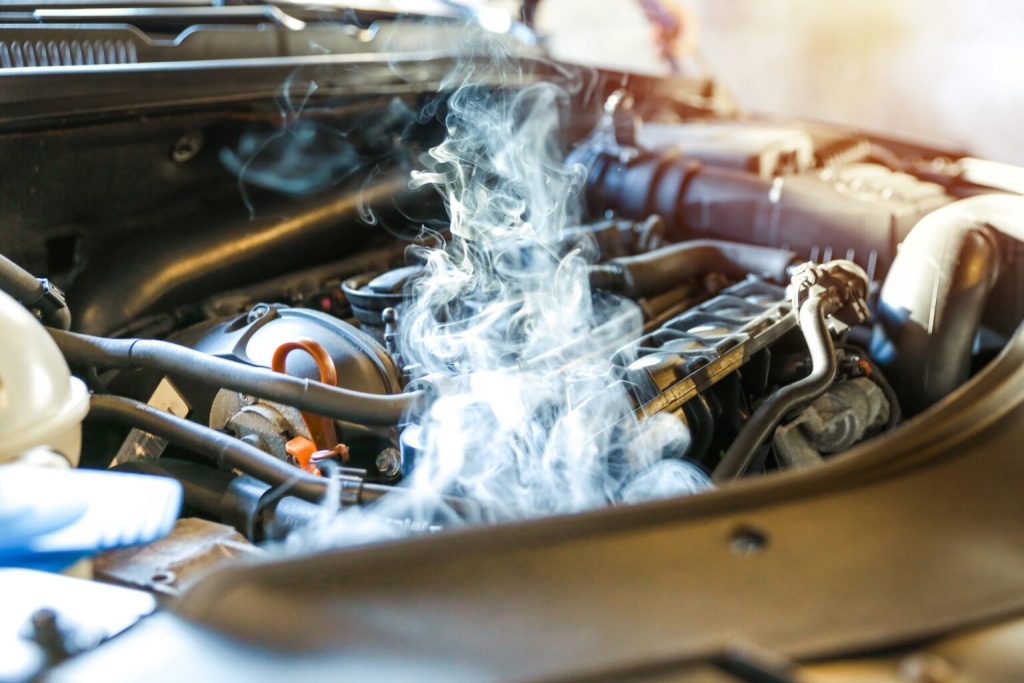
A rising temperature gauge may sometimes provide an opportunity to stop before the situation becomes severe, but you should not rely on the engine cooling down while continuing to drive. Even a short additional journey can worsen an existing cooling system failure.
Once the engine has cooled completely, a coolant-level check may help identify a problem, provided you follow the owner’s manual. Never open a hot cooling system or continue driving if the temperature warning returns. Have the underlying fault diagnosed before using the vehicle again.
2. Low Engine Oil Pressure
Low engine oil pressure is one of the most urgent warnings a driver can encounter. Engine oil lubricates moving components, helps manage heat, and reduces damaging metal-to-metal contact. When oil pressure falls below the required level, critical parts may not receive adequate lubrication.
Several problems can trigger the warning, including insufficient oil, an oil leak, a failing oil pump, or an obstruction in the lubrication system. A faulty pressure sensor is another possibility, but drivers should never assume the warning is harmless without checking.
If the red oil-pressure warning illuminates while driving, pull over safely and shut off the engine as soon as possible. Continuing to run the engine with inadequate oil pressure can cause severe internal damage, potentially requiring a complete engine replacement.
AAA specifically advises drivers to stop the engine immediately when the oil-pressure warning appears.
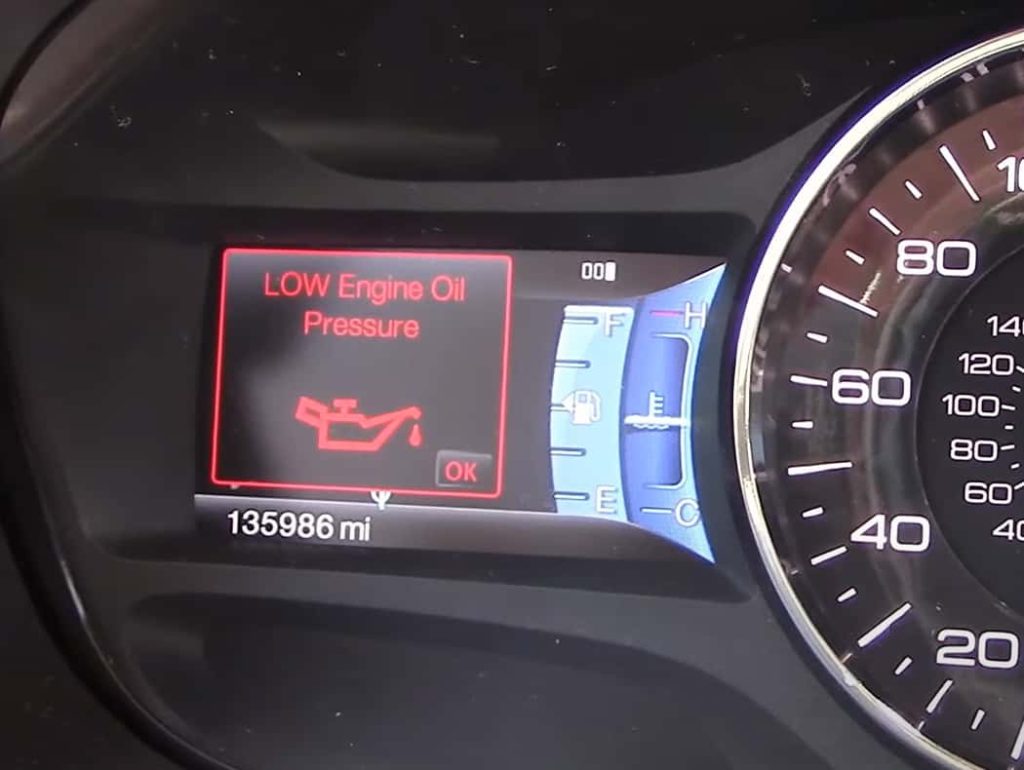
After stopping, check the oil level only when it is safe and follow the procedure in the owner’s manual. If the level is low, adding the correct oil may help, but it does not identify why the level dropped. If the warning remains illuminated or returns, do not restart the engine to continue your journey.
Remember that an oil-change reminder is different from a low oil-pressure warning. The former indicates scheduled maintenance, while the latter can signal an immediate lubrication problem. Treating these warnings differently can prevent a manageable issue from becoming a costly mechanical failure.
3. Brake Problems and Worn Brake Pads
Brake problems rarely improve when ignored. Worn brake pads, damaged rotors, leaking brake fluid, or malfunctioning calipers can reduce braking performance and make the vehicle less predictable during emergency stops.
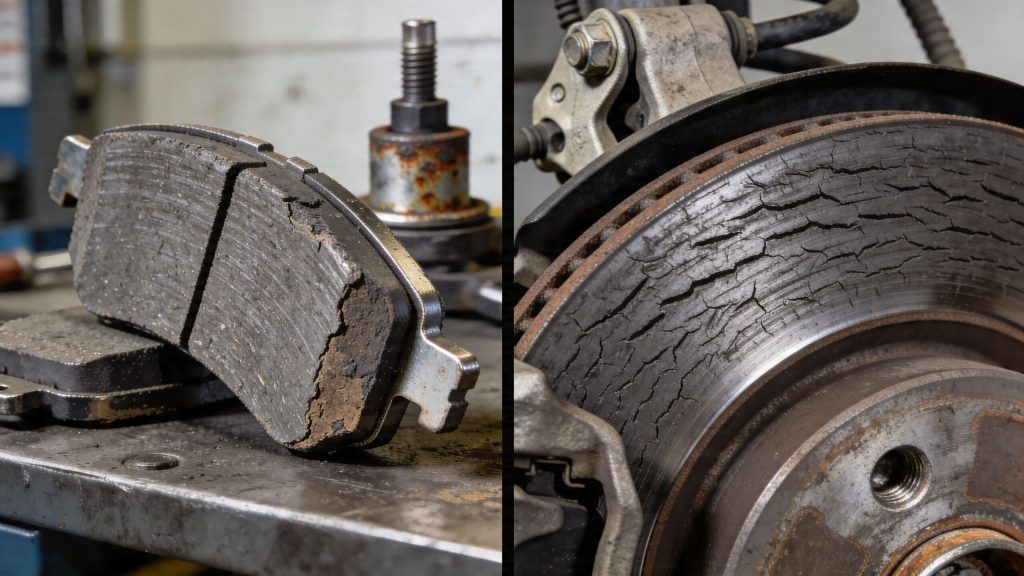
One early sign is a high-pitched squealing sound when applying the brakes. Some brake pads have wear indicators that produce this noise as the friction material becomes thin.
Grinding sounds can indicate that the pads are severely worn and metal components are contacting each other. Drivers may also notice pedal pulsation, pulling to one side, or a brake pedal that feels unusually soft.
Continuing to drive with worn pads can damage the rotors, turning a relatively straightforward maintenance job into a more expensive repair. A hydraulic leak or failing brake component can be even more serious because it may compromise the vehicle’s ability to stop.
If the brake pedal suddenly becomes soft, the brakes lose effectiveness, or a brake warning light appears with abnormal braking behavior, pull over safely and arrange professional assistance. Do not continue a highway journey simply because the vehicle still appears capable of slowing down.
Routine inspections and servicing according to the manufacturer’s recommendations can identify wear before it becomes critical. Brake condition also depends on driving habits, traffic, terrain, and vehicle load, so there is no single mileage at which every car needs new pads.
Have unusual noises or changes in braking checked promptly. The longer a serious brake fault remains unaddressed, the greater the potential for additional damage and unsafe stopping performance.
4. Tire Damage and Incorrect Tire Pressure
Tires are the only parts of a car designed to maintain direct contact with the road, making their condition essential for safe driving. Continuing to drive on a damaged, underinflated, or overinflated tire can increase wear and raise the risk of a tire failure.
Underinflation causes additional sidewall flex and heat buildup. It can also affect handling, fuel economy, and tread wear. Overinflation can reduce the contact area under certain conditions and make the tire more vulnerable to damage from road impacts. Neither condition should be corrected by guessing the appropriate pressure.
Check the recommended cold tire pressure on the driver’s door-jamb placard or in the owner’s manual, rather than using the maximum pressure printed on the tire sidewall as the normal target. NHTSA recommends regular pressure checks and inspections for damage and uneven wear.
Watch for bulges, cuts, exposed cords, unusual vibration, or a tire that repeatedly loses pressure. A bulge can indicate internal structural damage, which inflation alone cannot repair. If a tire looks seriously damaged or the car begins shaking suddenly, slow down carefully and stop somewhere safe.
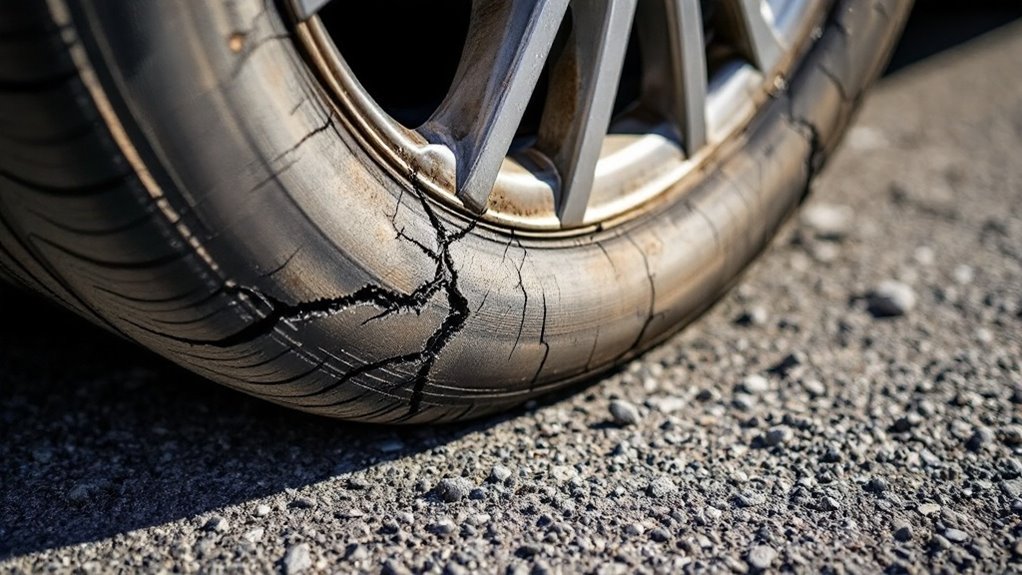
Do not continue driving on a flat tire unless the vehicle’s specific run-flat provisions and instructions permit it. Even then, strict distance and speed limits apply.
Monthly pressure checks, inspections before long trips, and timely replacement of damaged tires can help prevent avoidable breakdowns. Tire problems are easier and safer to address before they develop into a loss of control on the highway.
5. Transmission Slipping or Overheating
Transmission problems can become more expensive when drivers continue using a vehicle despite clear warning signs. The transmission transfers engine power to the wheels, and it relies on mechanical components, fluid, and electronic controls to operate correctly.
Warning signs include delayed engagement when selecting Drive or Reverse, unexpected changes in engine speed, slipping between gears, harsh shifting, unusual noises, or a transmission-temperature warning. Some vehicles may also enter a reduced-power mode when a fault is detected.
Continuing to drive with a slipping transmission can increase heat and wear, particularly if the transmission is struggling to maintain the correct gear or clutch engagement. However, not every shifting problem indicates internal mechanical damage. Low fluid, a sensor fault, software issues, or other problems may produce similar symptoms.
If the vehicle displays a transmission-overheating warning, follow the owner’s manual instructions and stop when it is safe. Avoid towing heavy loads or repeatedly accelerating hard to force the transmission to respond.
If the vehicle loses drive, shifts violently, or produces burning smells, arrange professional assistance instead of attempting to complete a long journey.
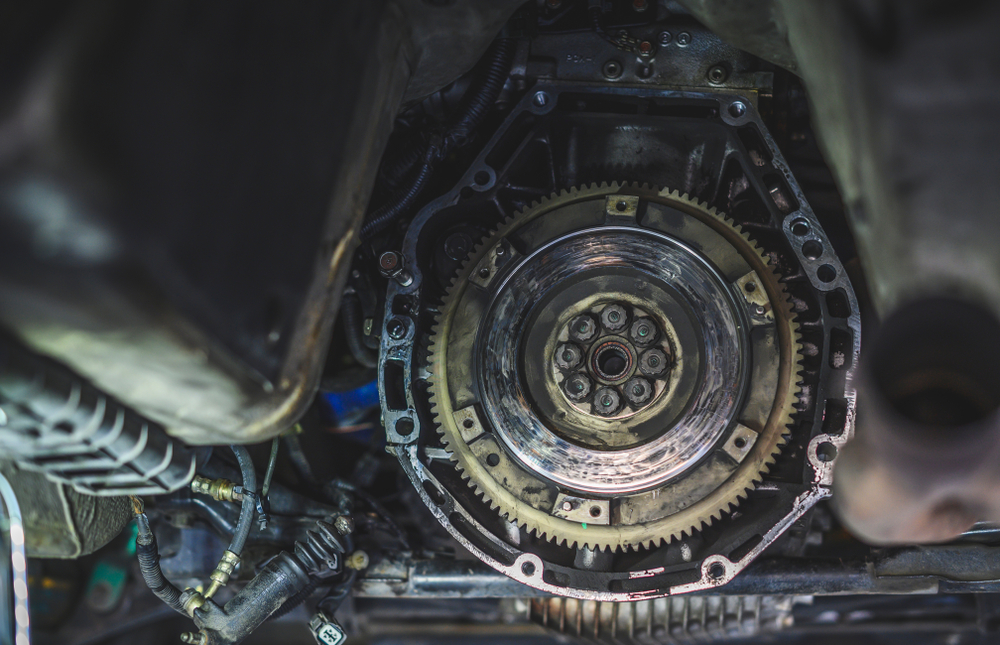
Transmission fluid checks must follow the manufacturer’s procedure. Some modern transmissions have no conventional dipstick, and checking or adding fluid may require specific temperature conditions and tools. Using the wrong fluid can create further problems.
Have persistent symptoms diagnosed early. A technician can inspect for leaks, retrieve fault codes, and assess the transmission’s operation before recommending repairs. Prompt attention may prevent a minor fault from developing into more extensive damage.
6. Coolant Leaks
A coolant leak may begin as a small puddle beneath the vehicle, a gradual drop in the coolant reservoir, or a sweet smell after driving. Although the car might initially operate normally, continued coolant loss can eventually cause engine overheating.
The leak may originate from a damaged hose, radiator, water pump, reservoir, thermostat housing, or another part of the cooling system. In some cases, coolant can leak internally rather than leaving an obvious puddle. White exhaust smoke, unexplained coolant loss, or repeated overheating may warrant further investigation.
The danger is that the cooling system cannot maintain safe operating temperatures if enough coolant escapes. An engine that overheats repeatedly may develop serious damage, including head-gasket failure or warped components. Adding coolant without finding the source can temporarily restore the level while leaving the underlying fault unresolved.
If the temperature gauge rises unusually high or a warning appears, stop safely and switch off the engine. Never remove a hot radiator cap or open a pressurized cooling system. Wait for the engine to cool completely before checking the reservoir, and follow the owner’s manual.
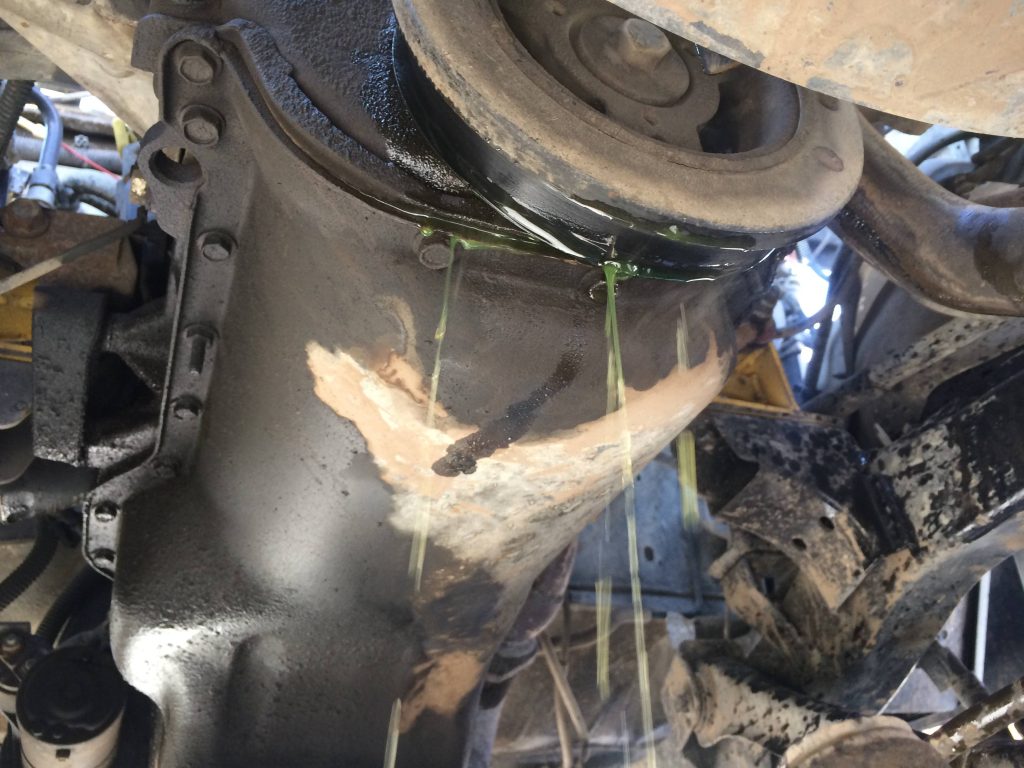
If the leak is substantial, the engine overheats again, or steam appears, arrange roadside assistance rather than driving to a repair shop. A minor leak may be repairable, but continued operation without adequate coolant can turn it into a much more costly engine problem.
Regularly inspecting coolant levels, hoses, and visible leaks can help identify trouble early. Any repeated coolant loss deserves investigation, even if the temperature gauge has not yet entered the red zone.
7. A Flashing Check-Engine Light
A check-engine light can indicate anything from an emissions-system fault to a problem affecting engine performance. A steady light generally calls for prompt diagnosis, but a flashing check-engine light is more urgent because it often indicates a severe engine misfire.
During a misfire, one or more cylinders fail to burn the air-fuel mixture properly. Unburned fuel may enter the exhaust and overheat the catalytic converter, potentially causing expensive damage. The engine may shake, lose power, hesitate, or run unevenly.
If the check-engine light begins flashing, reduce engine load and stop somewhere safe as soon as possible. Avoid hard acceleration, high speeds, or continuing a long journey in the hope that the warning will disappear. If the engine runs roughly or the flashing continues, switch it off and arrange professional assistance.
A flashing light does not identify the exact failed component. Possible causes include faulty ignition coils, worn spark plugs, fuel-delivery problems, or other engine faults. A diagnostic scan can retrieve trouble codes, but further testing may be necessary to establish the actual cause.
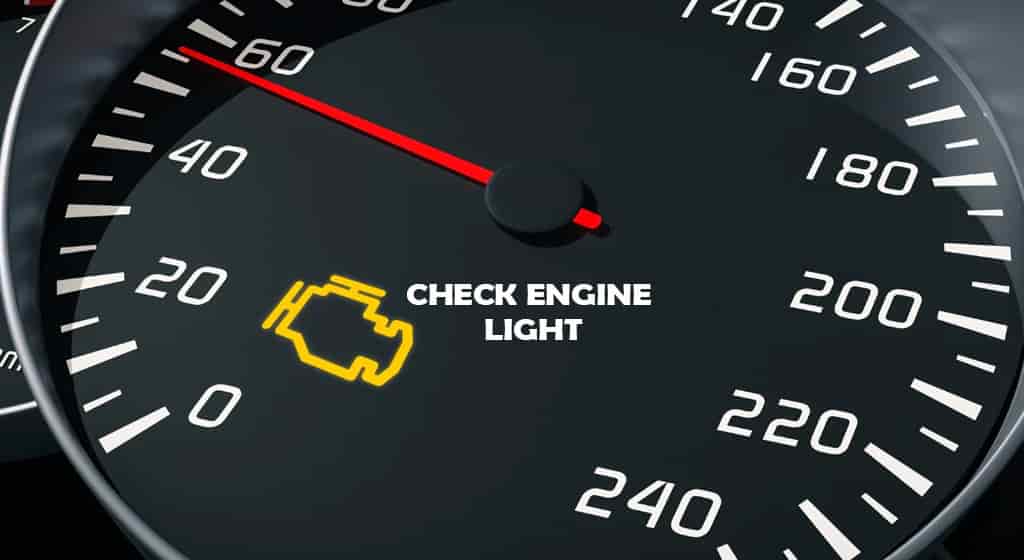
A steady check-engine light should not be ignored either, particularly if it accompanies poor performance, unusual noises, or other warnings. Consult the owner’s manual and arrange diagnosis promptly.
Early attention can help prevent additional damage and identify whether the problem affects emissions, drivability, or both. Continuing to drive with a serious misfire may transform a repair involving a relatively small component into a much more expensive exhaust-system repair.
8. Steering Problems and Unusual Pulling
A vehicle that suddenly pulls to one side, develops excessive steering play, or becomes difficult to control may have a problem that worsens with continued driving. Possible causes include incorrect tire pressure, uneven tire wear, damaged suspension components, alignment problems, or faults in the steering system.
Not every pulling sensation indicates a major mechanical failure. Road camber and crosswinds can influence direction, while unequal tire pressure may create a noticeable difference in handling. However, sudden changes should never be dismissed, especially when accompanied by vibration, clunking, or difficulty keeping the vehicle in its lane.
Steering components such as tie rods and ball joints help maintain directional control. If a component becomes excessively worn or damaged, the vehicle’s response may become unpredictable. Continuing at highway speeds can increase the risk of losing control if the underlying fault is serious.
If the steering suddenly becomes heavy, loose, or unresponsive, reduce speed carefully and pull over where safe. Avoid abrupt braking or sharp steering movements unless needed to prevent an immediate collision. If the vehicle cannot be controlled normally, arrange a tow rather than driving it to a workshop.

A technician can inspect tire pressure, alignment, suspension joints, steering components, and power-steering systems as appropriate. Repairs should address the actual cause rather than relying on an alignment adjustment alone.
Pay attention to new noises, changes in steering effort, or repeated pulling. Early diagnosis can prevent further tire wear and help identify a safety-critical problem before it develops into a more serious failure.
9. A Damaged Timing Belt or Timing Chain
The timing belt or timing chain synchronizes the movement of the engine’s crankshaft and camshaft so the valves operate at the correct time. If this synchronization fails, the engine may stop running, and some engine designs can suffer serious internal damage.
Timing belts are typically replaced according to the vehicle manufacturer’s specified age and mileage intervals. Timing chains often last longer, but they are not immune to wear, tensioner failure, lubrication problems, or other faults. The maintenance requirements vary substantially between engines.
Warning signs can include unusual rattling from the engine, rough running, difficulty starting, misfires, or a sudden loss of power. However, some timing components provide little warning before failure, so waiting for symptoms is not a reliable maintenance strategy.
If a timing belt breaks while the engine is running, the engine may stop immediately. In interference-engine designs, pistons and valves can collide when timing is lost, resulting in extensive damage. A timing-chain failure can produce similar consequences depending on the engine’s design and the nature of the failure.
Follow the maintenance schedule in the owner’s manual and confirm whether the engine uses a belt or chain. If the belt’s replacement history is unknown on a used vehicle, have a qualified technician determine the correct service requirements.
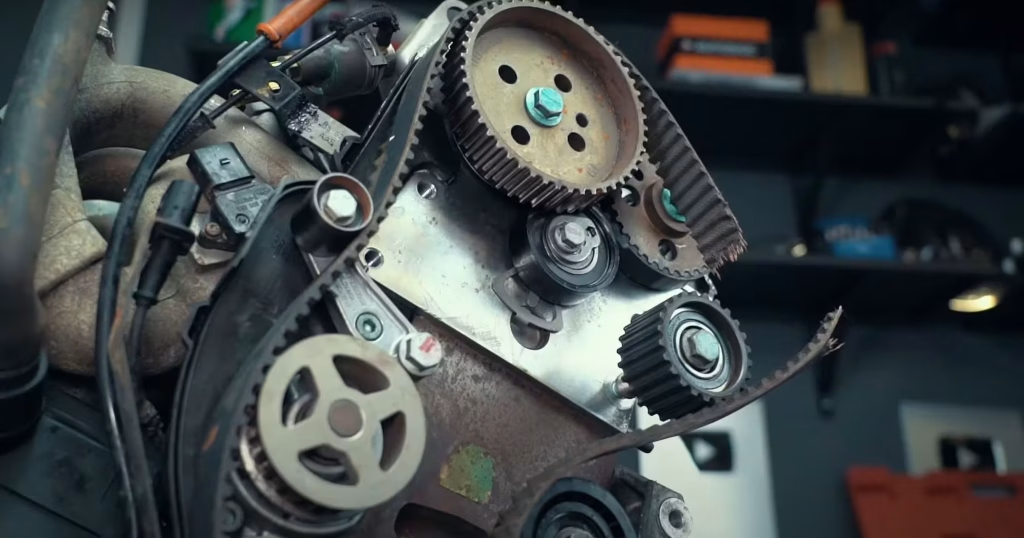
If you hear a new, pronounced timing-related rattle or experience sudden engine problems, stop safely and seek professional diagnosis. Do not repeatedly restart an engine that has stopped unexpectedly without determining why.
Preventive maintenance is particularly important because a scheduled belt replacement is generally easier to plan than an unexpected engine failure.
10. A Failing Battery or Charging System
Electrical problems can worsen while driving if the battery, alternator, or associated wiring cannot maintain the vehicle’s electrical supply. Although the battery provides power for starting, the alternator normally supplies electricity and recharges the battery while the engine runs.
A battery nearing the end of its service life may cause slow cranking, difficulty starting, or intermittent electrical issues. A charging-system fault can produce a battery warning light, dimming headlights, flickering dashboard displays, or electrical accessories that stop working properly.
If the alternator fails, the vehicle may continue running temporarily on battery power, but that reserve is limited. As the battery discharges, essential systems may eventually lose power. The exact outcome depends on the vehicle, battery condition, electrical load, and nature of the fault.
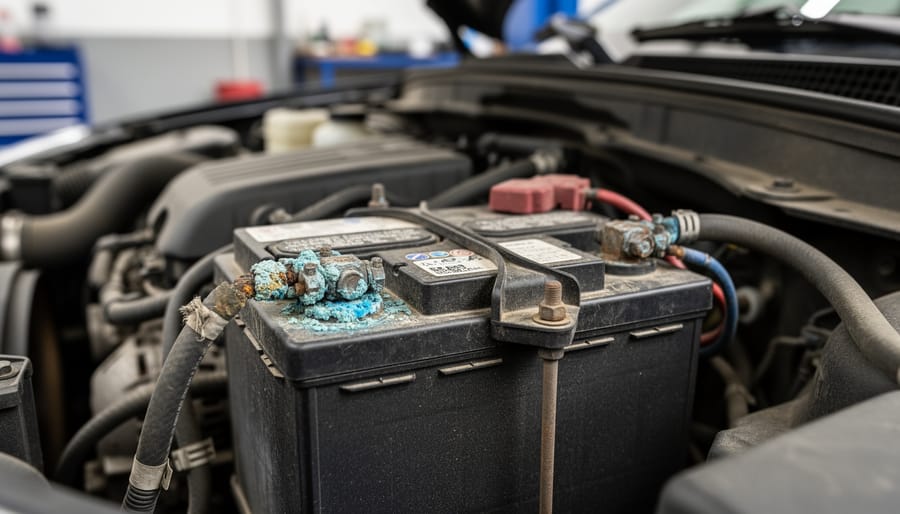
A battery warning light while the engine is running does not necessarily mean the battery itself is defective. It may indicate a charging-system problem, damaged wiring, a belt issue, or another fault that prevents proper charging.
If the warning appears with dim lights or other electrical symptoms, reduce unnecessary electrical loads and head to a safe stopping place if the vehicle remains controllable. Do not assume you can safely complete a long trip. If the engine stalls or electrical systems become unreliable, arrange roadside assistance.
A technician can test the battery, alternator output, connections, and charging system to identify the cause. Routine battery testing and inspection of terminals and wiring can help detect problems before a breakdown occurs.