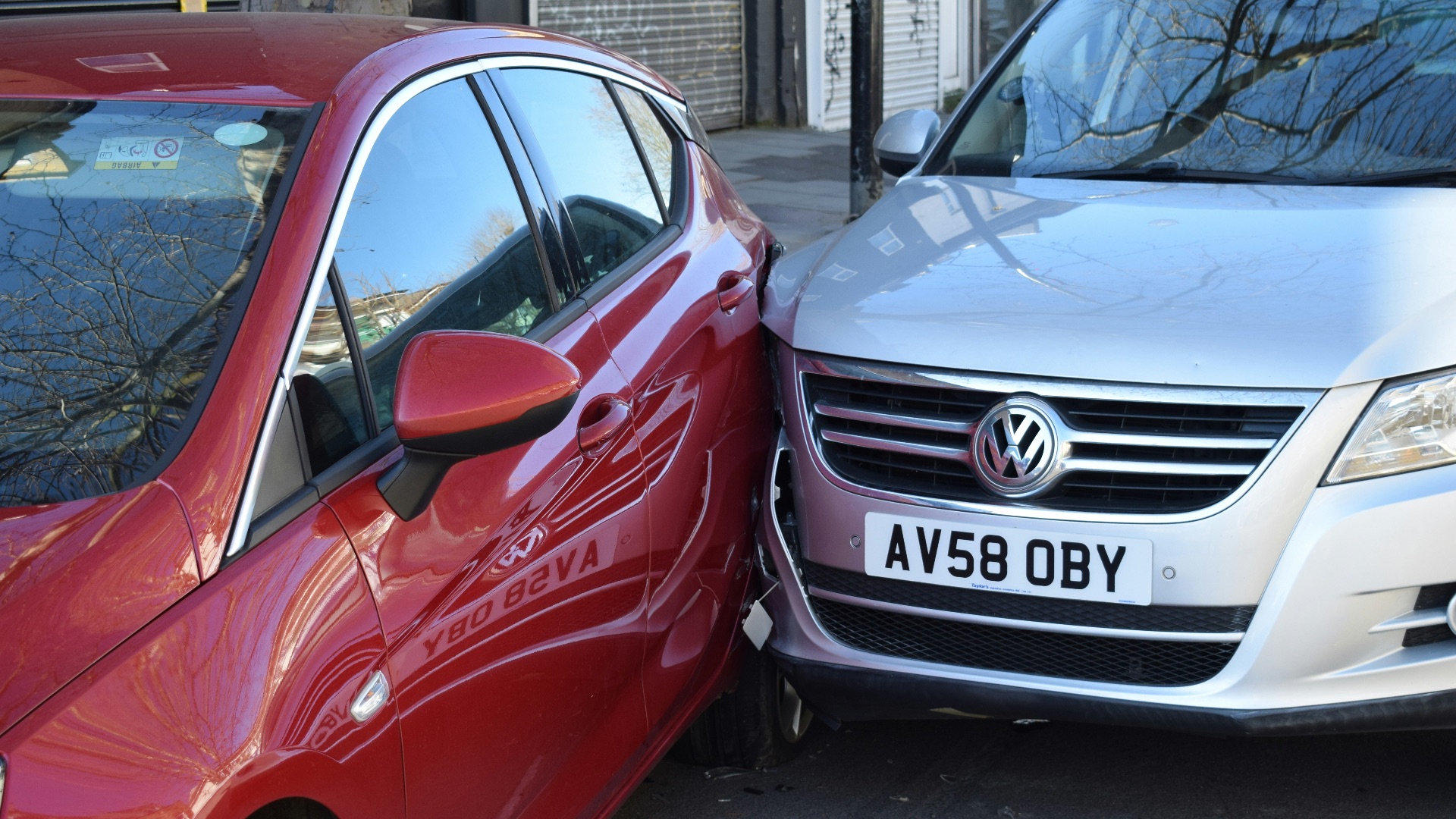
A higher car insurance bill does not always mean you have been involved in a collision or filed a claim. In the United States, insurers may adjust premiums when renewal rates change, repair costs rise, local claim frequency increases, or personal circumstances affect how a policy is priced.
Even a driver with a clean record can face a more expensive renewal because insurance pricing reflects several factors beyond driving history.
Understanding these influences can help you identify which increases are legitimate, compare competing policies, and find potential savings without sacrificing important coverage. Here are ten reasons your premium may rise despite accident-free driving.
1. Rising Repair Costs Across the Insurance Industry
Your insurance premium can increase even when your personal driving record remains spotless because insurers price policies according to the expected cost of future claims. When vehicle repairs become more expensive, companies may adjust rates for groups of policyholders to account for the higher amounts they expect to pay.
The Tesla Model Y illustrates this issue. Repairs involving its body panels, glass, sensors, cameras, and other specialized components can require particular parts, equipment, or calibration procedures.
Electric vehicles also have high-voltage systems that require appropriately trained technicians when certain repairs are necessary. These factors do not mean every Model Y is expensive to insure, but they help explain why repair costs matter when insurers assess vehicle risk.
A BMW 5 Series offers another example. Depending on its model year and equipment, a repair following a collision might involve advanced headlights, parking sensors, driver-assistance hardware, or complex body components. Even a relatively minor impact can generate additional labor and calibration expenses if these systems are affected.
The National Association of Insurance Commissioners identifies vehicle type, repair or replacement costs, and insurers’ expected claim expenses as important influences on premiums.

What does this mean for an accident-free driver? Your insurer may raise rates at renewal because its approved pricing has changed, even if you have not filed a claim. The increase is not necessarily a penalty directed at you personally.
To check whether you can save money, compare quotations from several insurers using identical coverage limits and deductibles. Ask your current company whether discounts are available and whether a different deductible would make sense for your finances.
2. More Claims and Theft in Your ZIP Code
Your residential location can influence your insurance premium even when you have never caused an accident. Insurers examine claims data for geographic areas because the likelihood and cost of vehicle losses can differ between neighborhoods, cities, and regions.
For example, a driver who moves from a quiet suburb to a densely populated part of a major metropolitan area may face a higher premium.
More traffic, crowded parking, vehicle theft, vandalism, and weather-related damage can affect an insurer’s expected claims costs. However, not every urban ZIP code is more expensive than every rural one, and insurers use their own rating systems.
The Honda Civic illustrates how this can affect an everyday vehicle. Its popularity means that insurers have substantial claims data for many model years, but the premium for an individual car still depends on its specific configuration, location, driver profile, and coverage.
If theft or collision claims increase in the area where the vehicle is garaged, the insurer may adjust rates for that territory.
The Chevrolet Corvette presents a different risk profile. Its performance, repair costs, and theft or damage patterns may influence pricing alongside the driver’s location. Moving the same car to a different ZIP code can produce a different quote even when its owner and driving record have not changed.

The NAIC lists geographic territory and the location where a vehicle is kept among the factors insurers may use to calculate premiums.
If your renewal rises after a move, ask your insurer which rating territory applies to your new address. Make sure the garaging address is accurate, and compare quotes from other companies. Never list a false address to obtain a lower rate, because inaccurate information can create coverage problems.
3. Higher Annual Mileage Than Before
How far you drive each year can affect your premium because more time on the road generally means greater exposure to potential collisions. You may have an impeccable driving history, but if your annual mileage increases substantially, your insurer may reassess the risk associated with your policy.
Consider the Toyota Prius. A driver who previously used the car for occasional errands might begin commuting 50 miles each day after changing jobs. That change can increase annual mileage considerably, even if the driver never receives a ticket or files a claim. The vehicle has not changed, but its use has.
The Subaru Crosstrek offers another example. Its owner might initially report low annual mileage because the vehicle is used mainly around town.
Later, frequent weekend road trips, a longer commute, or regular travel between cities could push annual mileage beyond the original estimate. If the policy is priced partly on reported mileage, the revised information may affect the premium.
The NAIC identifies annual mileage as a factor insurers may consider, and some usage-based insurance programs use mileage data to calculate rates.
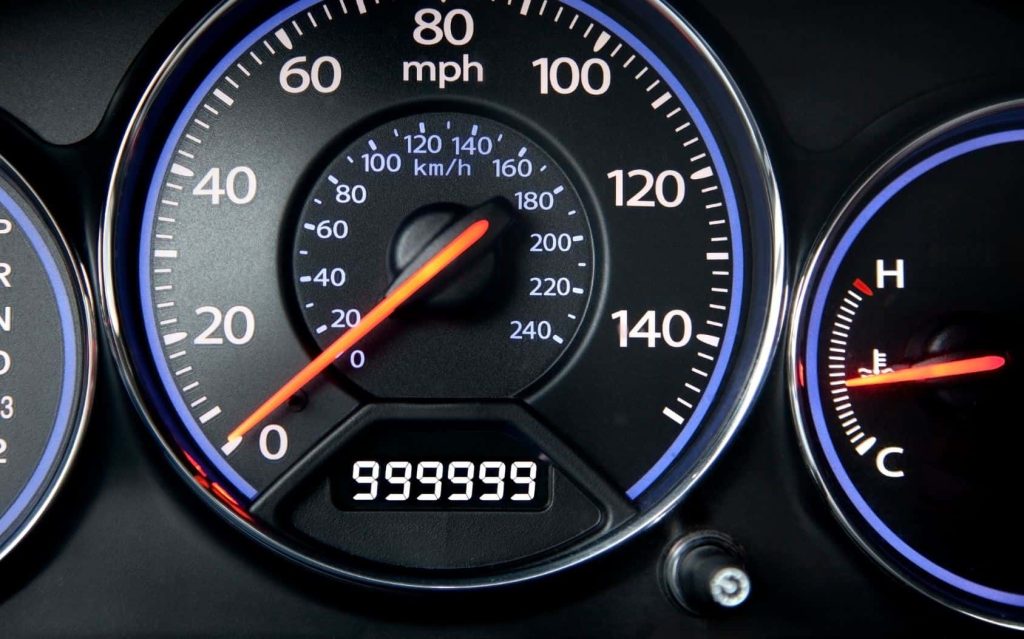
The effect is not identical across insurers. Some companies place greater weight on mileage than others, while pay-per-mile policies may tie a larger portion of the bill directly to distance traveled.
Check the annual mileage listed on your policy and correct it if your circumstances have changed. Do not deliberately underestimate your driving to secure a lower quote.
If you now drive less, ask whether your insurer offers a low-mileage discount or a usage-based plan. Compare the program’s potential savings with any privacy considerations and monitoring requirements before enrolling.
4. A Change in Your Credit-Based Insurance Score
In many US states, insurers can consider a credit-based insurance score when setting auto insurance rates. This score is not the same as the credit score a lender uses to evaluate a loan. It uses certain credit-report characteristics to help insurers estimate the likelihood of future insurance losses.
The Hyundai Elantra shows how this factor can affect an ordinary commuter car. Suppose its owner maintains a clean driving record but experiences missed payments, increasing credit-card balances, or other changes reflected in a credit report.
In a state where credit-based insurance scoring is permitted, those changes could affect the insurance score and potentially influence the renewal premium.
A Kia Sportage owner may face a similar situation. Even if the vehicle has never been involved in an accident, changes to the owner’s credit information could influence the price quoted by an insurer that uses this rating factor. However, the impact depends on the company’s scoring model, other underwriting factors, and applicable state law.
The National Association of Insurance Commissioners explains that credit-based insurance scores are used in many states but are prohibited for auto insurance rating in California, Hawaii, Massachusetts, and Michigan, among others. Rules differ by jurisdiction, so consumers should check their state’s current requirements.
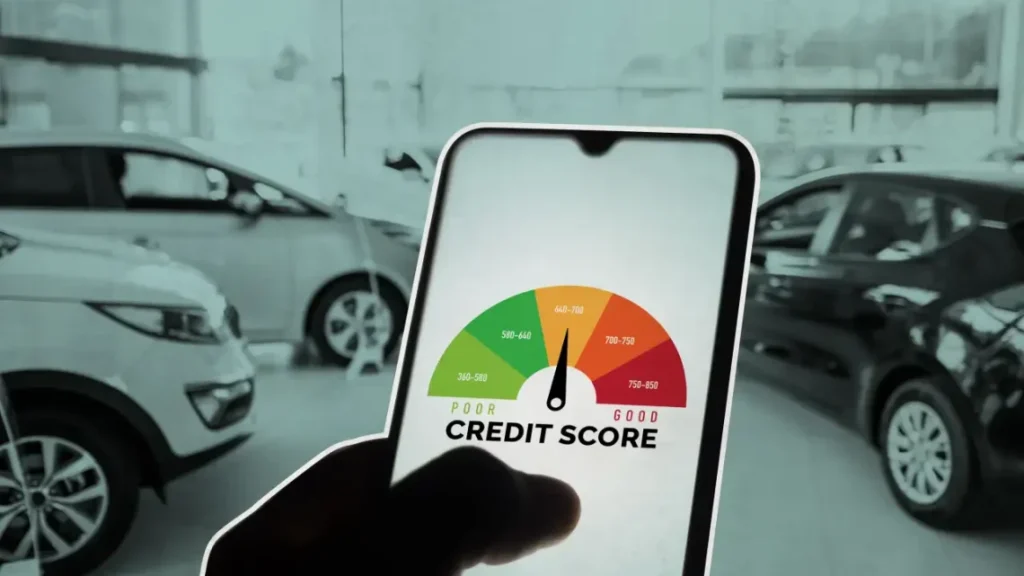
If your premium rises unexpectedly, ask the insurer whether credit-related information affected the renewal. Review your credit reports for errors and dispute inaccurate entries with the relevant reporting agency. You can obtain free reports through the federally authorized AnnualCreditReport.com service.
Remember that improving a credit profile does not guarantee an immediate insurance discount. The insurer may consider several factors, and some states restrict or prohibit the use of credit-based insurance scores altogether.
5. Losing a Discount You Previously Qualified For
Sometimes the increase in your insurance bill has less to do with a new risk and more to do with a discount that has expired.
Insurers offer various savings programs, including discounts for bundling policies, maintaining a qualifying driving history, enrolling in automatic payments, or meeting certain vehicle and policy requirements. When eligibility changes, the amount you owe can rise even though you have not had an accident.
The Nissan Rogue provides a straightforward example. Imagine a driver who receives a discount for insuring both a vehicle and a home with the same company.
If the homeowner’s policy is moved to another insurer, the auto policy may lose its bundling discount at renewal. The driver could face a higher car insurance bill without any change in driving behavior.
A Volkswagen Jetta owner might experience a similar increase if an introductory discount expires or a qualifying program ends. Some discounts depend on maintaining specific eligibility requirements, while others may vary by state or insurer. The availability and value of each discount are not uniform across the country.
The NAIC identifies multi-policy discounts, multi-vehicle discounts, and certain safety-related discounts among the savings consumers may be able to request.

To identify the reason for an increase, compare your previous declarations page with the renewal documents. Look for discounts that have disappeared, changed in value, or been applied differently. Ask your insurer to explain each adjustment in writing.
You can then compare the cost of restoring a lost discount with the price of alternative policies. Bundling is not automatically cheaper if another insurer offers a more competitive standalone auto policy.
Do not assume a discount will renew indefinitely. Confirm its conditions and expiry date when purchasing coverage, and review your policy each year to ensure that eligible savings have not been overlooked.
6. Adding a Driver to Your Household
Adding another driver to your household can increase your insurance premium even when the primary policyholder has an accident-free record. Insurers may consider the ages, driving histories, experience, and expected vehicle use of the people covered by the policy. The financial effect depends on the driver’s profile and the insurer’s rules.
The Ford Mustang illustrates why this matters when a household adds a younger or less experienced driver. If a parent adds a teenager who will regularly use the car, the insurer may reassess the policy because inexperienced drivers generally present a different risk profile from experienced adults.
The increase is not a judgment about the parent’s driving history. It reflects the additional person covered by the policy.
A Hyundai Tucson presents a different household scenario. Suppose a family adds an adult relative who recently moved into the home and will occasionally drive the SUV.
Depending on state rules and company requirements, the insurer may need information about that person and how often the vehicle will be used. The effect on the premium could be modest or substantial, depending on the circumstances.
Insurers commonly ask about household members who may drive an insured vehicle, although disclosure requirements differ by state and company. Leaving a regular driver off the policy without checking the rules can create complications if a claim occurs.

When someone joins your household, contact your insurer and explain how the vehicle will be shared. Ask whether the person must be listed, whether a separate policy is appropriate, and how the change will affect the price.
If the additional driver has a strong driving record, ask whether any applicable discounts can offset part of the increase. Compare alternatives before making changes, and provide accurate information about who uses the vehicle.
7. Changing Your Coverage Limits or Deductible
Your premium can rise because your policy provides more protection than it did previously. Increasing liability limits, adding comprehensive or collision coverage, or reducing your deductible can increase the insurer’s potential financial responsibility.
These changes may be worthwhile, but they can make a renewal more expensive even when your driving record has not changed.
The Chevrolet Malibu illustrates this situation. An owner who previously carried relatively modest liability limits might decide to increase them after reviewing personal financial risks. Higher limits can provide greater protection against covered claims, but the additional coverage may raise the premium depending on the insurer’s pricing.
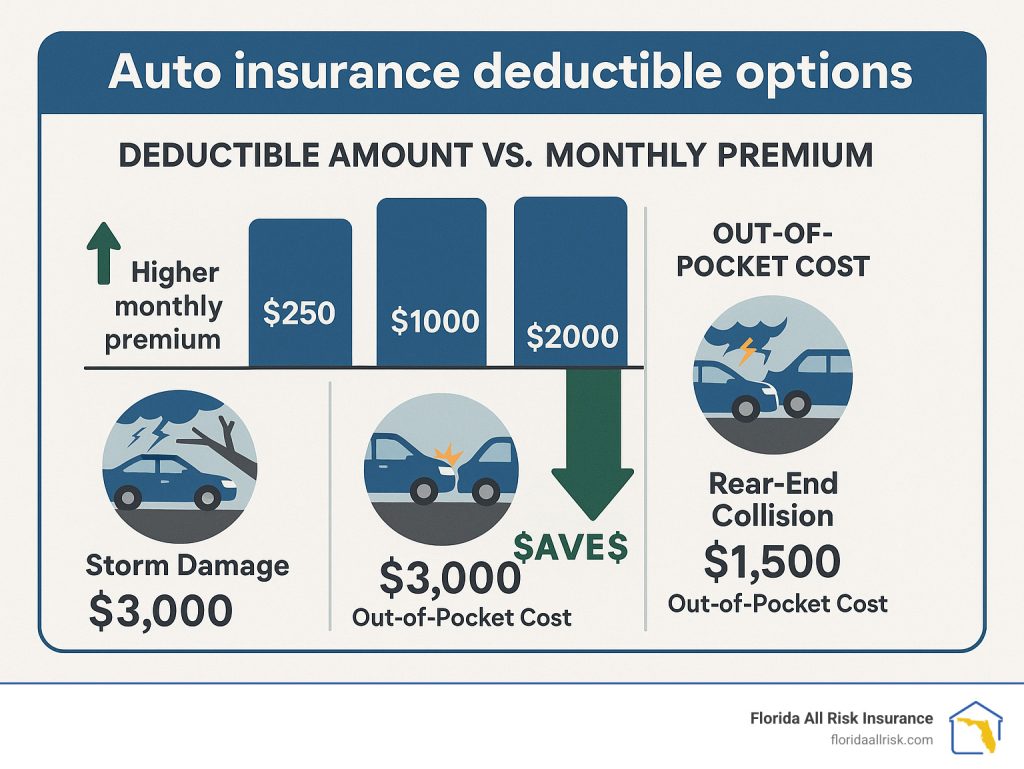
A Lexus RX owner might make a different change by reducing the comprehensive and collision deductibles. A lower deductible means the policyholder pays less out of pocket for a covered claim before the insurer contributes, subject to the policy terms. The insurer may charge more for that reduced financial exposure.
The NAIC lists coverage limits and deductibles among the factors that influence auto insurance premiums.
Review the declarations page to identify changes in liability limits, deductibles, optional coverage, and listed vehicles. If the premium has risen, ask the insurer to separate the effect of your coverage changes from any broader rate adjustment.
A higher deductible can reduce premiums in some circumstances, but it also means you must be able to pay more after a covered loss. Do not choose a deductible that would be difficult to afford.
Likewise, reducing liability coverage solely to lower your bill can expose you to greater financial risk after a serious crash. Compare quotations at several coverage levels, and choose protection based on your financial circumstances and state requirements rather than selecting the lowest price automatically.
8. Your Vehicle Becomes More Expensive to Repair or Replace
A car’s insurance cost can change as the vehicle ages, its market value shifts, or replacement parts become more expensive. Insurers may consider the make, model, equipment, theft patterns, repair costs, and expected cost of covered claims. Consequently, an accident-free owner may face a higher premium even when the vehicle has not changed.
The Rivian R1S illustrates how vehicle-specific repair considerations can affect insurance pricing. Its electric powertrain, specialized components, sensors, and body construction can require particular repair procedures.
The exact cost depends on the damage, parts availability, and the repair facility. These factors can influence the rates insurers offer, although they do not guarantee that every owner will pay more than a comparable gasoline-SUV owner.
The Porsche Macan provides another example. Depending on the model year and equipment, a collision repair may involve specialized body components, advanced lighting, sensors, or other costly parts.
If an insurer’s claims data indicates that a particular vehicle group has become more expensive to repair, its rates may change at renewal.
The NAIC identifies a vehicle’s make, model, and repair or replacement cost as relevant insurance-rating factors.

When shopping for a vehicle, request insurance quotes before purchasing it. Two cars with similar prices may carry very different premiums because their claims histories, repair costs, and theft risks differ.
If you already own the vehicle, compare your renewal with competing offers using the same coverage. You may not be able to control repair-industry prices, but you can check whether another insurer evaluates your vehicle differently.
9. Driving Habits Recorded by a Telematics Program
Some insurers offer usage-based insurance programs that assess driving behavior through a smartphone app, a plug-in device, or technology built into the vehicle.
Depending on the program, the system may record mileage, braking, acceleration, cornering, driving times, or other indicators. Your premium or discount may change based on the program’s rules, even if you have never been involved in an accident.
The Honda CR-V is an example of a vehicle that could be enrolled in such a program through its owner’s insurer. Imagine a driver who regularly travels late at night, brakes sharply in heavy traffic, or drives substantially more miles than originally expected.
If the insurer’s program evaluates those patterns negatively, the driver may receive a smaller discount or, where permitted by the program’s terms, face a higher rate.
A Toyota Highlander owner may encounter similar considerations. Frequent long-distance driving, rapid acceleration, and hard braking can affect a telematics assessment. However, the consequences depend on the insurer and the specific program.
Some programs offer discounts without applying a surcharge, while others use recorded behavior more directly in rating.
The NAIC explains that usage-based insurance can collect mileage, location, driving time, acceleration, braking, and cornering data.
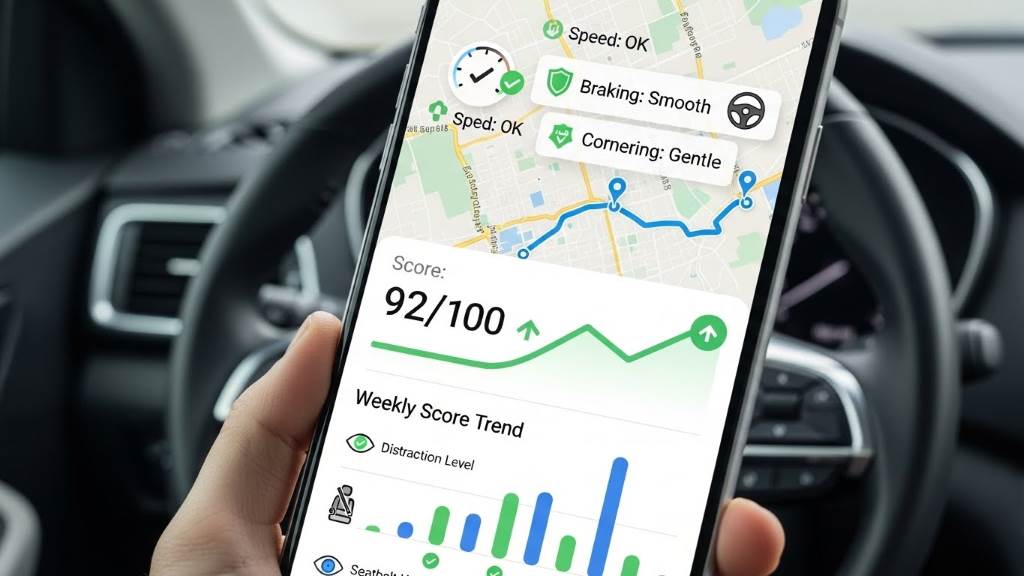
Before enrolling, read the program’s terms carefully. Find out which data is collected, how it affects your price, whether poor scores can increase premiums, and whether the program can be discontinued without a penalty.
If you already participate, review your driving feedback and check that the app correctly identifies your trips. Some systems can mistakenly record a passenger’s journey as yours.
Telematics can reward safer or lower-mileage driving, but the potential savings should be weighed against privacy considerations and the program’s specific pricing rules.
10. Your Insurer Raises Its Approved Rates at Renewal
In some cases, the reason has nothing to do with changes in your personal circumstances. Your insurance provider may have simply adjusted its rates.
Insurance companies estimate future claims costs using factors such as repair expenses, medical costs, litigation, weather-related losses, theft, and claim frequency. When those estimates change, insurers may seek approval for rate adjustments where required by state law.
The Acura TLX illustrates how a driver can be affected without changing vehicles or driving habits. An owner who has maintained continuous coverage, avoided tickets, and filed no claims may still receive a more expensive renewal if the insurer’s rates change for the relevant risk group or territory.
A GMC Acadia owner could face the same situation. If claims become more frequent or expensive in the areas and vehicle categories the insurer covers, the company may adjust prices for a wider group of customers. The adjustment does not necessarily mean that the individual policyholder has become a riskier driver.
The National Association of Insurance Commissioners explained in its November 2024 consumer guidance that premiums reflect expected future claim costs and can be influenced by personal risk factors as well as broader conditions. State regulations govern how insurers may change rates.

Check your renewal notice for the new premium, policy period, coverage limits, and any listed changes. Ask your insurer whether the increase reflects a company-wide rate adjustment, a change in your rating factors, or a combination of both.
Then obtain quotations from other insurers using identical coverage limits and deductibles. Compare the complete policy, including exclusions, service quality, and available discounts, rather than focusing only on the headline price.
You cannot control every industry-wide adjustment, but you can make sure the policy remains competitive and that the information used to price it is accurate.