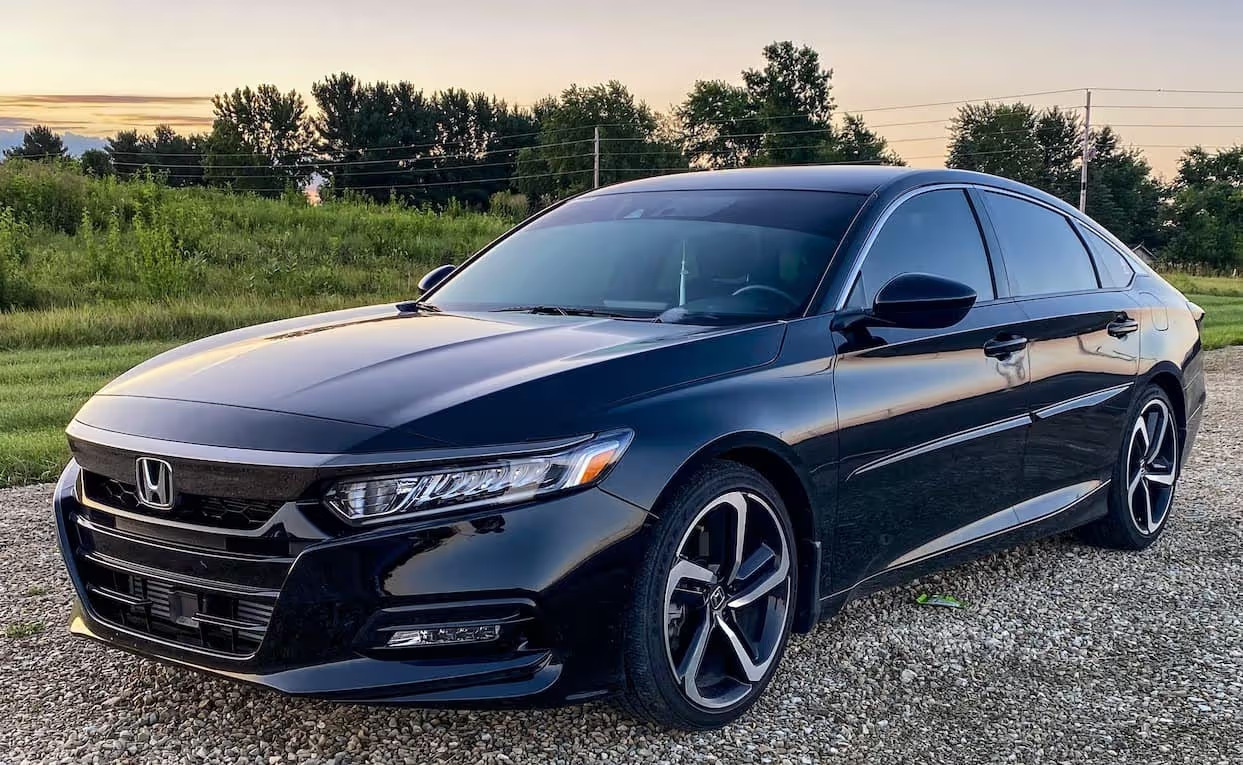
A water pump should last well beyond 100,000 miles. On many cars, it doesn’t. Owner forums, repair shops, and technical service bulletins all show the same pattern.
The pump moves coolant through the engine. When it fails, heat builds fast. A cracked head or warped block can follow. Most early failures come from a few design choices. Plastic impellers wear out. Electric pumps burn out. Internal pumps hide leaks until coolant mixes with oil.
Some pumps are buried behind timing covers. Labor then costs more than the part. This list is based on repeated owner complaints, shop reports, and known engine design weaknesses. It is not a ranking of absolute failure rates. Those numbers are not public.
Pump life also depends on coolant quality, driving habits, and climate. A neglected cooling system kills even good pumps. Still, the cars below show up again and again. If you own one, learn the warning signs. If you are shopping for one, check the cooling system history before you buy.
1. BMW 3 Series (N52, N54, N55 Engines)
BMW moved to electric water pumps in the mid-2000s. They are efficient but fragile. Many fail between 60,000 and 90,000 miles. Some go sooner.
The pump has a plastic impeller, and electronics bolted to the back. Heat cycles slowly damage both. The impeller can crack, or the motor can simply stop.
The failure often comes with little warning. One day the temperature gauge climbs, and the car triggers a coolant warning. Drivers sometimes notice a faint coolant smell first. Others see small drips near the front of the engine.

The thermostat is often replaced together with the pump. It sits in the same area and shares the same labor. Parts alone can run $300 to $600. Labor pushes the total higher, often $800 to $1,500 at independent shops.
Dealers charge more. Cheap aftermarket pumps often fail again within a year or two. BMW’s own advice is to replace the pump before it dies. Many specialists do so at around 60,000 miles.
If you drive one, watch the coolant level. Never ignore a temperature warning. If you buy a used one, ask for proof of pump replacement. A car at 70,000 miles without one is due.
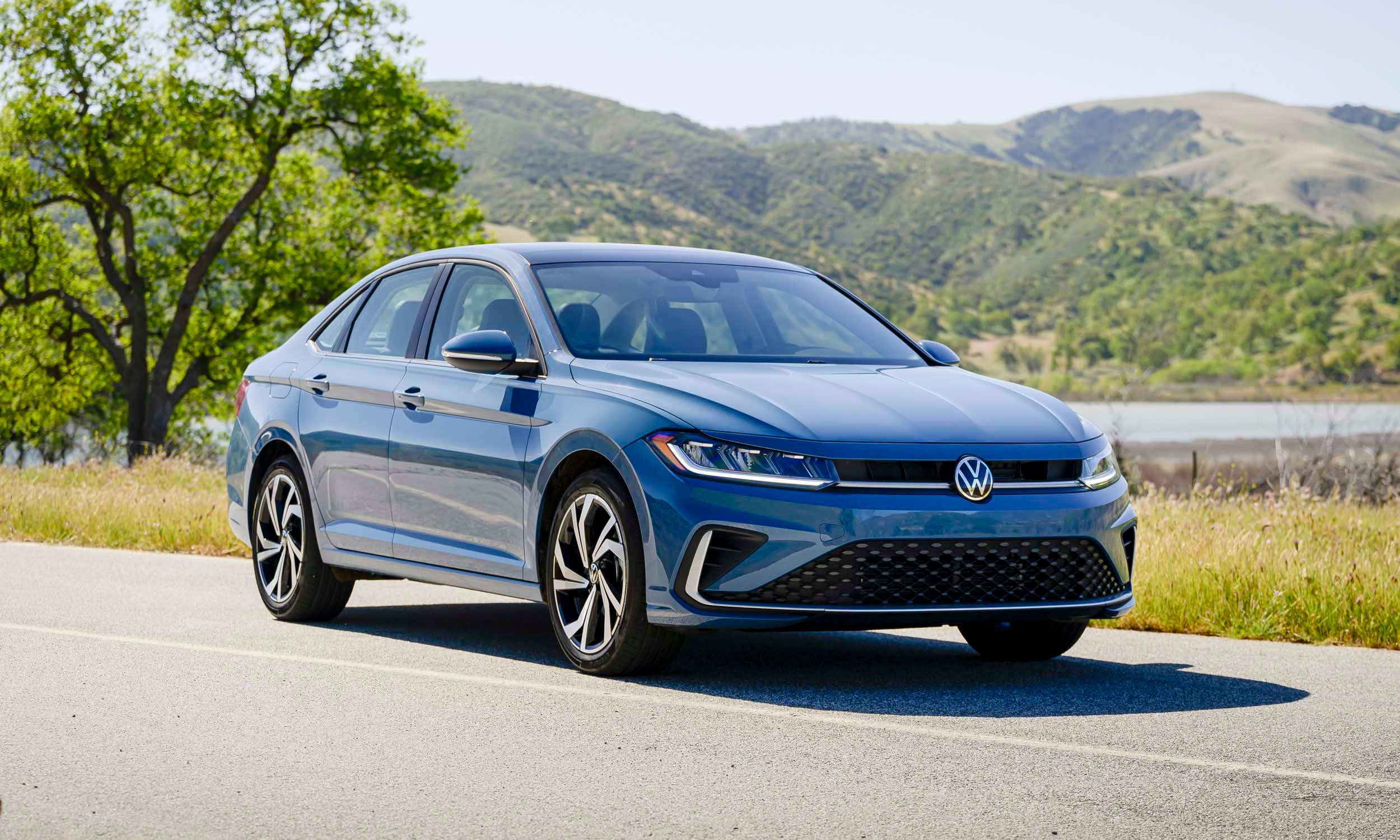
2. Volkswagen Jetta, Golf and GTI (2.0T TSI)
The 2.0-liter turbo engine is popular and fun. Its cooling system is a known weak point. The water pump and thermostat housing are plastic. Plastic ages under heat and pressure.
The housing can crack or weep coolant. Owners often find a pink crust near the side of the engine. That residue is dried coolant. Some pumps fail through bearing wear. A whining or grinding noise can appear at the front of the engine.
Many cases show up between 60,000 and 100,000 miles. Hot climates make it worse. A leak can drain the system fast. Driving on after the gauge climbs is risky.
Parts cost roughly $150 to $400. Labor varies by model year. Total repairs often land between $600 and $1,200. Some shops install an upgraded housing with a metal flange. It costs a bit more but reduces repeat leaks.
VW also used a belt-driven pump in some years, and an electric one in others. Know which your car has. Check the coolant reservoir monthly. A slow drop means a leak somewhere.
Use the correct VW coolant. Mixing types speeds up corrosion inside the pump. If the car is overheating, stop quickly. Turbo engines have little margin for mistakes.
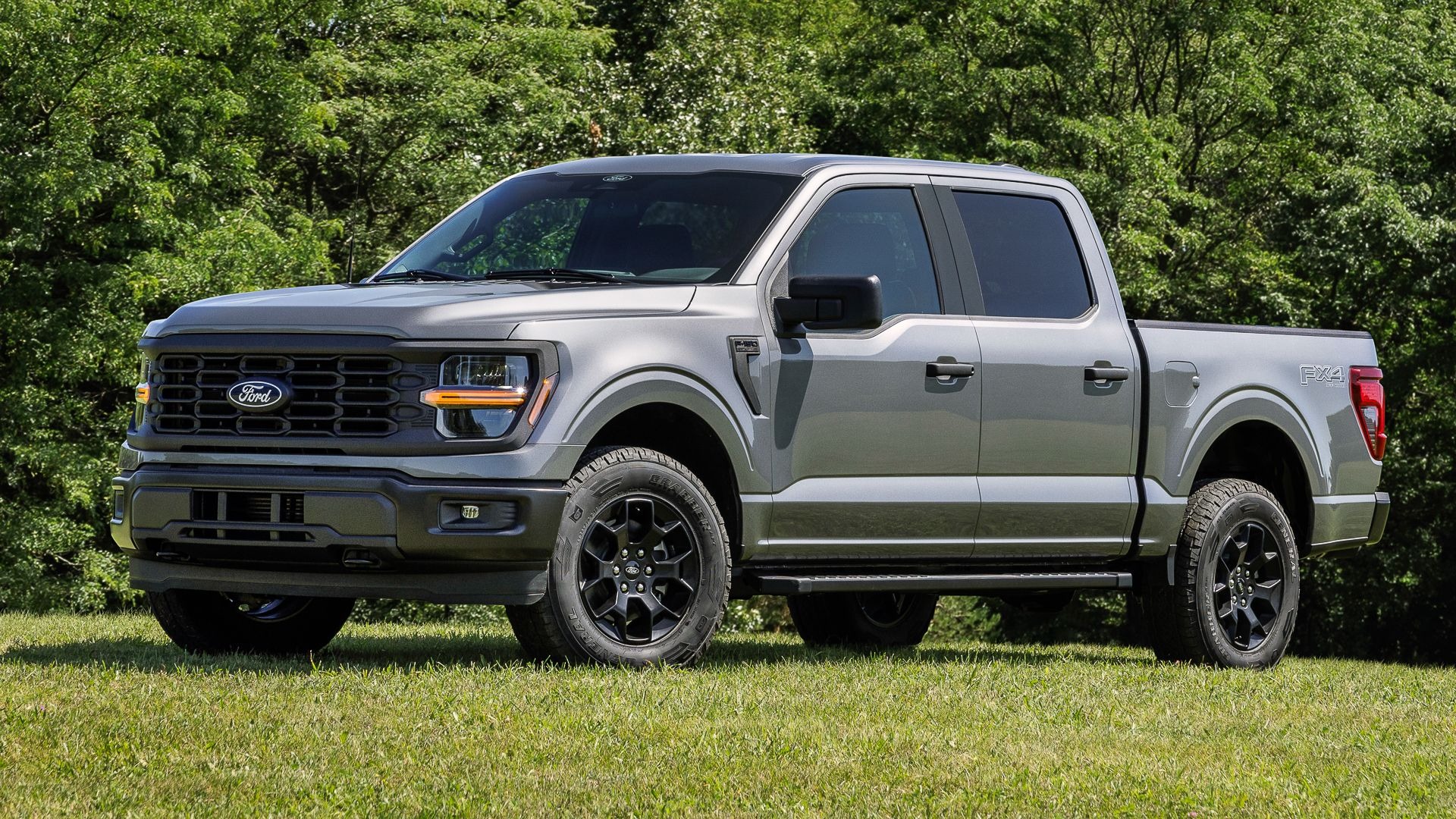
3. Ford F-150, Explorer and Taurus (3.5L EcoBoost)
This engine has an unusual design. The water pump sits inside the engine, driven by the timing chain. When the pump seal fails, coolant can leak into the oil. That is far worse than a simple external leak.
Owners report failures between 60,000 and 100,000 miles. Some are earlier, on trucks that tow often. The warning signs are subtle. You may see low coolant with no visible puddle. The oil may look milky.
Milky oil means coolant contamination. Stop driving the vehicle at that point. Repairs are expensive. The front cover, chain, and pump are all involved. Costs often exceed $1,500 and can reach $3,000 or more.
Ford has dealt with this in service bulletins and some extended coverage programs. Coverage varies by year and region, so ask a dealer. Regular oil analysis can catch early leaks. A lab test costs little compared with an engine.
Use the coolant Ford specifies. The wrong coolant attacks the pump seal. Check the oil dipstick and coolant reservoir often. Do it before long trips. When buying a used EcoBoost, ask for pump replacement records. A clean history is a good sign.
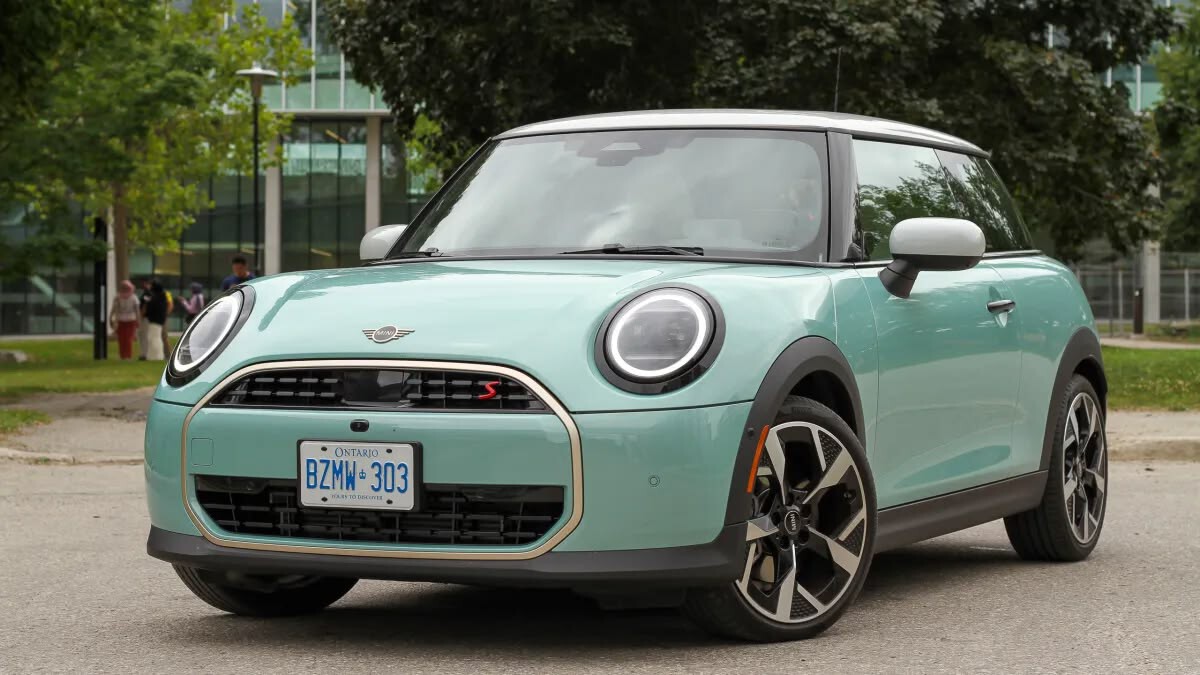
4. Mini Cooper S (R56 Generation)
The R56 Cooper S has a turbocharged 1.6-liter engine built with BMW and Peugeot. Its cooling system is a frequent complaint. The water pump and thermostat housing fail early. Many owners see trouble between 50,000 and 90,000 miles.
The pump is electric on this engine. Like BMW’s electric pumps, it can lose function without much notice. Coolant leaks are common too. They often appear near the thermostat housing at the front of the engine.
Some cars also suffer from plastic fittings that crack with age. Heat and vibration do the damage. Symptoms include a rising temperature gauge, a sweet coolant smell and a low-coolant warning. Some cars lose cabin heat before anything else.
Repairs often run $700 to $1,400. Labor is high because the engine bay is tight. Many specialists replace the pump, thermostat and hoses together. It saves repeat labor.
Overheating can warp the head. Mini engines do not tolerate it well. Keep the coolant level topped off with the right fluid. Check it every few weeks. When buying used, inspect for dried coolant around the front of the engine. A pressure test is worth the small fee.
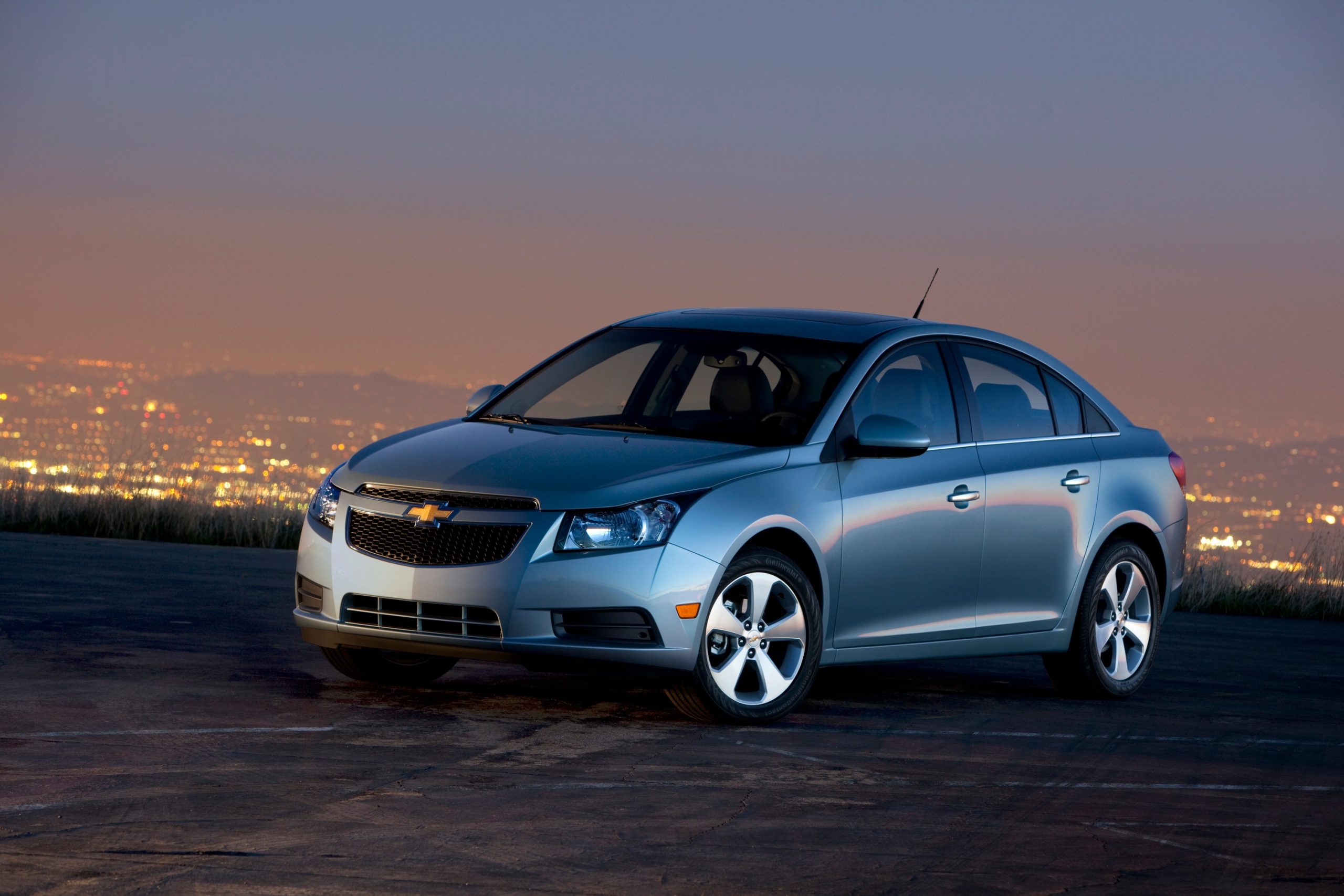
5. Chevrolet Cruze (1.4L Turbo)
The Cruze sold in huge numbers, and its cooling system drew plenty of complaints. The 1.4-liter turbo uses a plastic water pump housing and a plastic thermostat housing. Both can crack or leak.
Many owners report failures between 50,000 and 90,000 miles. Some happen earlier. A common sign is a coolant smell after driving. Another is a falling coolant level with no obvious drip.
Because the leak often occurs near the hot exhaust, coolant may evaporate before it hits the ground. The pump itself can also fail. Bearing wear can cause noise and then loss of flow.
Repair costs are moderate. Many shops charge $500 to $1,000 for pump and housing work. The danger is ignoring the symptoms. A turbo engine run hot can suffer head gasket damage.
GM has issued updated parts over the years. Newer housings use a revised design. Check the reservoir regularly. Even small drops deserve attention. Use Dex-Cool or the coolant listed in the owner’s manual. Mixing coolants causes sludge. If you own a 2011 to 2016 Cruze, a pressure test at the next service is cheap insurance.
6. Jeep Wrangler, Grand Cherokee and Chrysler Minivans (3.6L Pentastar)
The Pentastar V6 is common across Chrysler, Dodge and Jeep. It is a strong engine with a recurring pump complaint. The water pump is driven by the serpentine belt. Its bearing and seal can fail early.
Reports cluster between 60,000 and 100,000 miles. Some pumps weep long before they stop working. A slow leak leaves white or green crust on the pump. It may also show a faint drip when the engine is hot.
Whining or rumbling from the front of the engine can point to a bad bearing. Do not ignore it. A failed pump can overheat the engine. Jeeps used for off-roading are more at risk, since mud and heat add stress.

Costs are fairly modest. Parts run $100 to $300, and labor often brings the total to $400 to $800. Some owners replace the thermostat and belt at the same time. It is a smart habit.
Stellantis updated the pump on later builds. Early 2011 to 2014 engines get the most complaints. Watch the temperature gauge on long climbs. Heat shows up there first. When buying used, look at the front of the engine with a flashlight. Dried coolant tells the story.
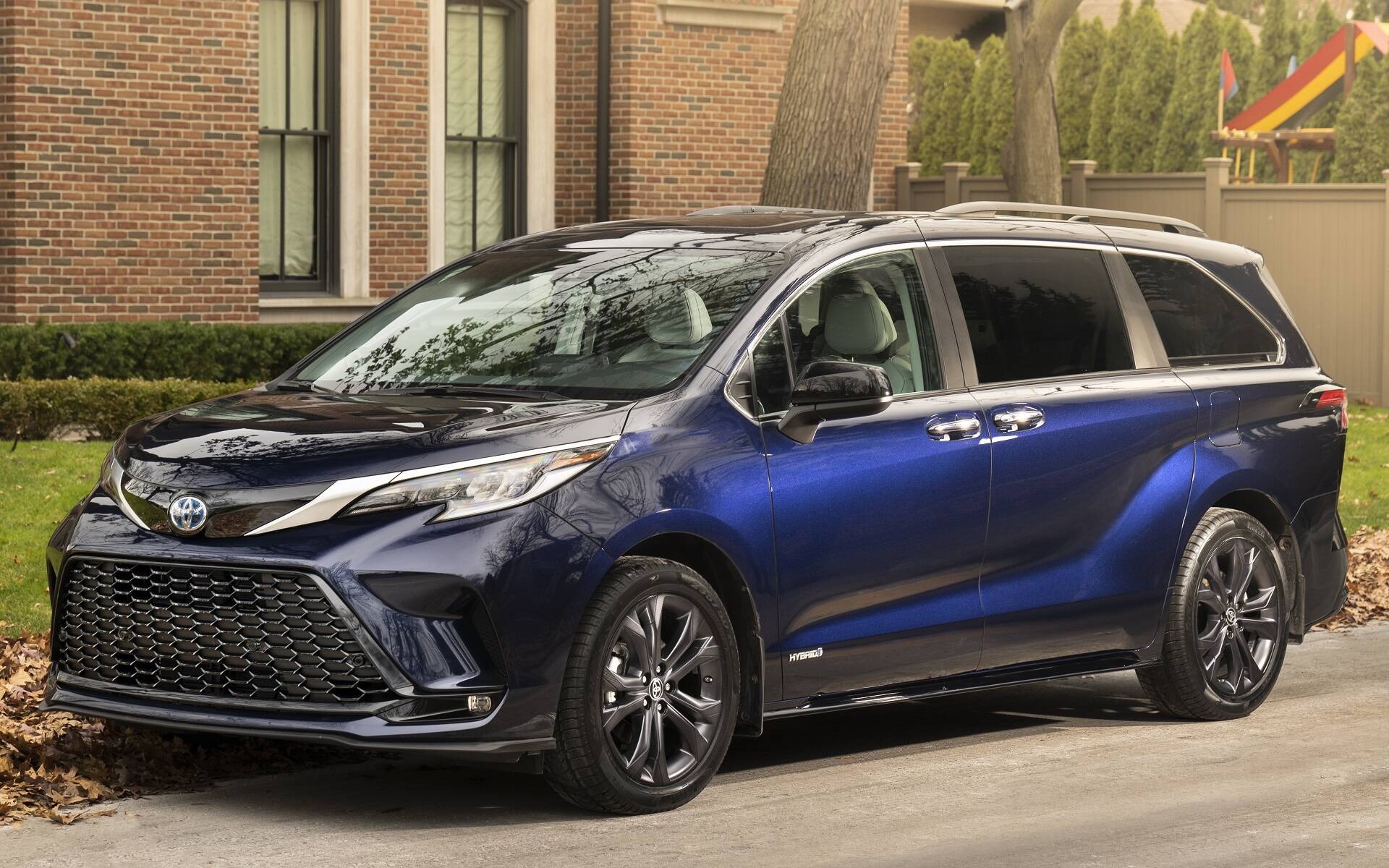
7. Toyota Sienna, Camry and Highlander (2GR-FE 3.5L V6)
Toyota’s reputation is excellent. Its 3.5-liter V6 still has a well-known weak spot. The water pump on the 2GR-FE can leak early. Many failures occur between 70,000 and 100,000 miles.
The pump is tied into the timing area. That makes the job more involved. The leak is often slow. Coolant may seep from a weep hole near the pump. Owners then notice a sweet smell or a gradual drop in level.
Some pumps fail through bearing wear. A faint squeal or growl can come from the front of the engine. A neglected leak can lead to overheating. Toyota’s V6 handles heat well, but not forever.
Repair costs are higher than average, often $700 to $1,300. Labor is the main expense. Many shops replace the timing belt or related parts at the same time, if present. Check the engine’s design before agreeing to work.
Toyota extended warranty coverage on some vehicles with this issue. Eligibility depends on model year and location, so check with a dealer. Use genuine Toyota Super Long Life Coolant. Using the wrong fluid shortens seal life. If you own a high-mileage Sienna, inspect the front of the engine at each oil change.
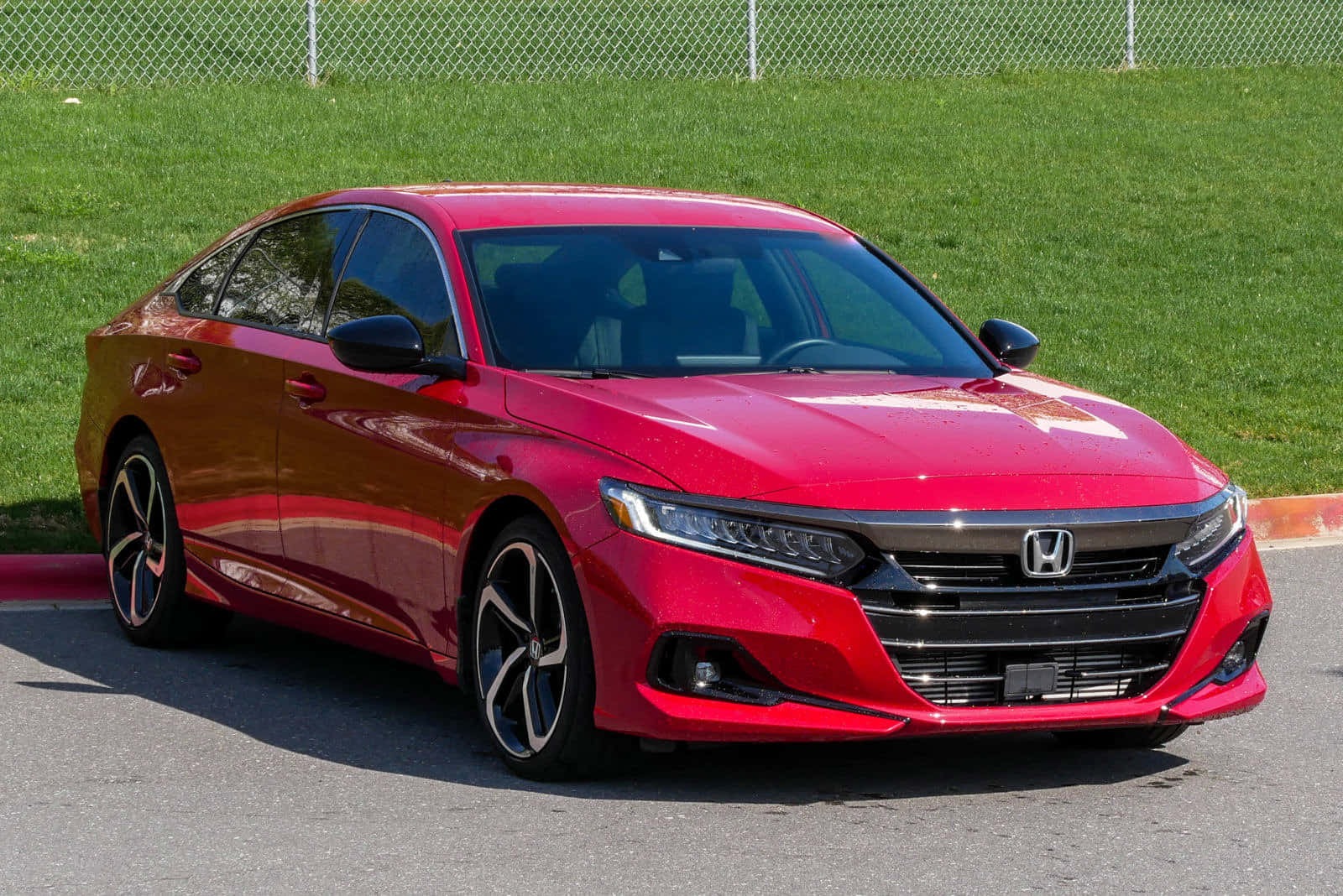
8. Honda Accord and Odyssey (J35 3.5L V6)
Honda’s V6 engines are smooth and durable. The water pump on the J35 is a known exception. The pump is driven by the timing belt. When it fails, the belt can be damaged too.
Many failures appear between 60,000 and 100,000 miles. Some happen right as the belt is due. Signs include coolant dripping from the front of the engine, a squealing noise, or a rising gauge.
A leaking pump can contaminate the timing belt with coolant. A belt soaked in coolant can slip or snap. On an interference engine, a snapped belt can destroy valves. That turns a $1,000 job into a $4,000 one.
Honda recommends replacing the belt and pump together at set intervals. Many owners follow that advice. Costs are about $800 to $1,500 when done as a package. It is the cheapest way to protect the engine.
Use Honda Type 2 coolant. Aftermarket coolants can attack the pump’s seal. Do not delay belt service. Maintenance records are the best sign of a healthy used Honda V6. If a used Odyssey has no belt and pump record, assume it is overdue.
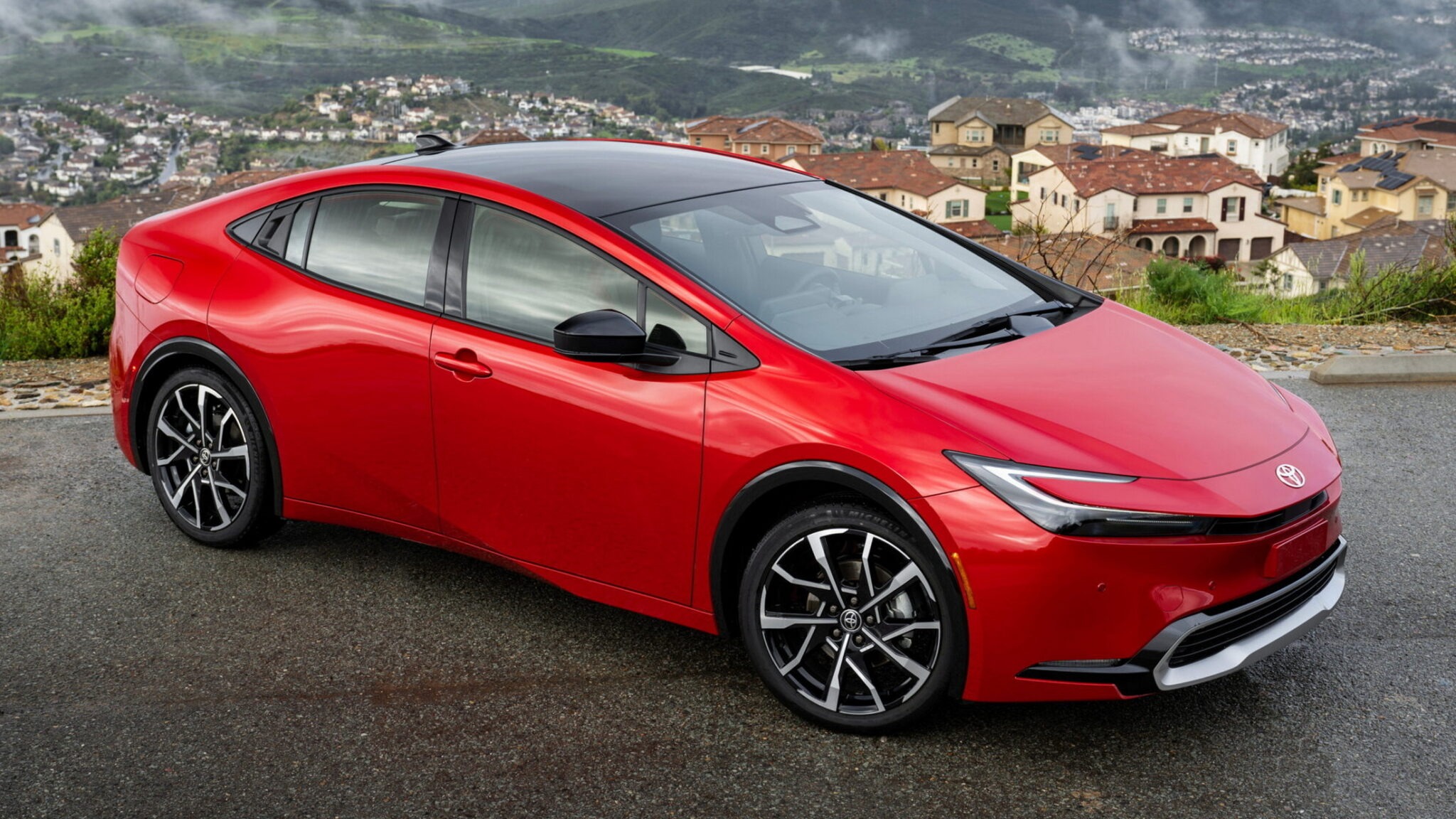
9. Toyota Prius (Second and Third Generation)
The Prius is known for long life. Its electric water pump is often the exception. The pump is electric and runs constantly when the car is on. Over time, the bearings and motor wear out.
Failures often appear between 80,000 and 120,000 miles. Some cars see trouble earlier, particularly in hot regions. The pump circulates coolant through the engine and the inverter. When it fails, the inverter can overheat.
Warning signs include a coolant warning light, a hot engine, or a car that goes into limp mode. Some owners notice a faint hum change. Ignoring it can damage costly hybrid components. The inverter is among the most expensive parts on the car.
The repair cost ranges from $400 to $900 at most independent shops. Dealers charge more. Many Prius owners replace the pump around 100,000 miles as prevention.
Check the inverter coolant reservoir, which is separate from the engine’s. Low levels are an early red flag. Use Toyota’s pink coolant. Mixing fluids shortens component life. If you are buying a used Prius, a cooling system inspection should be part of the pre-purchase check.
10. Audi A4 and A5 (B8 Generation 2.0T)
The B8 A4 shares its engine family with the VW 2.0T. It adds its own cooling complaints. The plastic water pump and thermostat housing are the trouble spots. Many fail between 60,000 and 100,000 miles.
Owners often discover a coolant leak after seeing a low-level warning. Others find residue around the pump housing. The pump bearing can also wear out. A grinding sound may signal an early failure.
Audi uses tight packaging. Labor charges are high because the housing is hard to reach. Repairs often cost $900 to $1,800 at independent shops. Dealers charge more.

Using a metal replacement housing can reduce repeat failures. It is worth the extra cost. Overheating can harm the turbocharger and head. The engine does not tolerate repeated heat.
Replace the thermostat at the same time. It avoids paying labor twice. Use the correct G12 coolant. Do not top up with generic fluid. When buying a used A4 or A5, ask for service records and request a cooling system pressure test. It is cheap and can save thousands.