
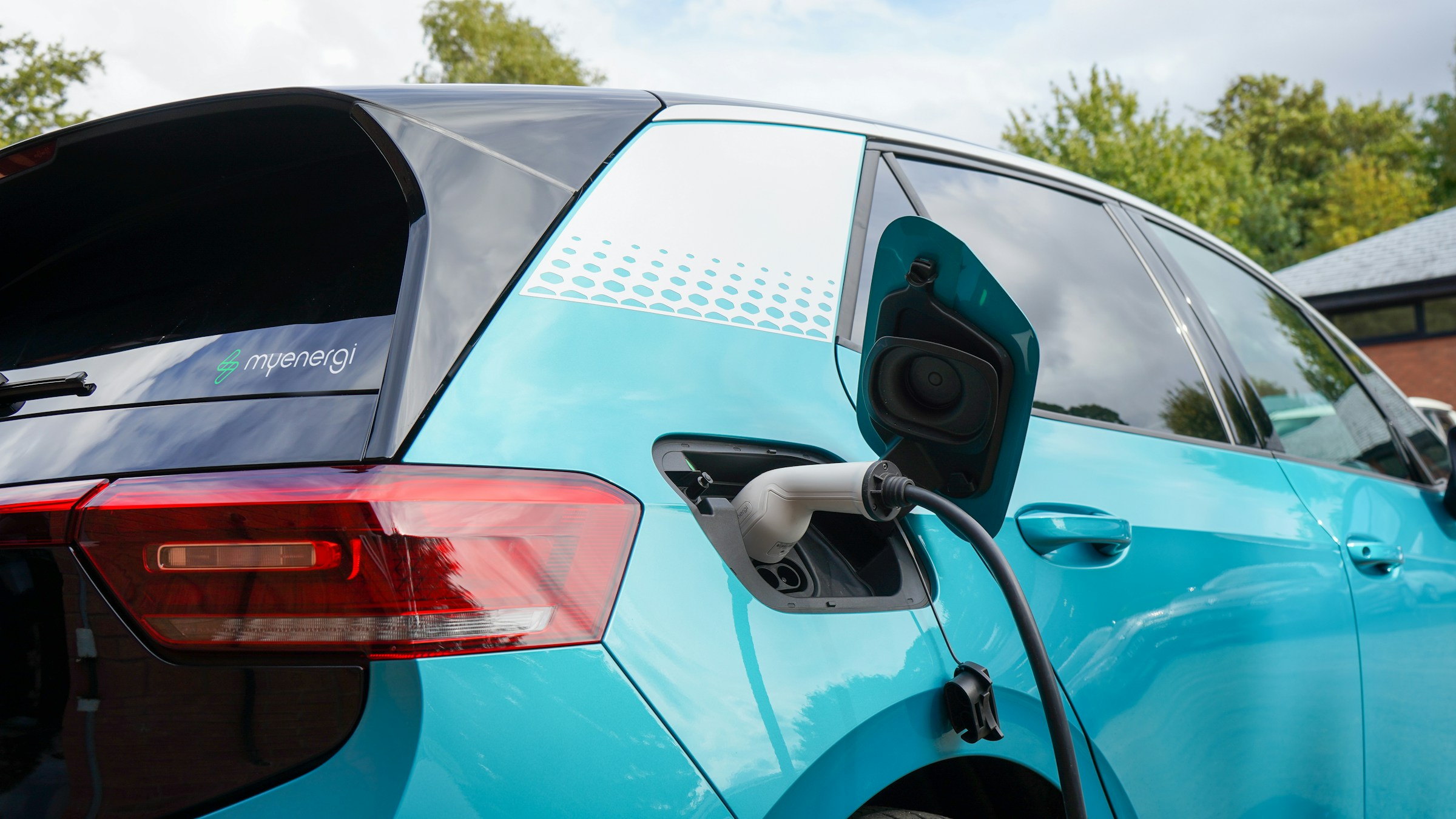
Electric cars offer an efficient, convenient way to travel, but their driving range can change significantly depending on weather, driving habits, road conditions, and vehicle maintenance. Many drivers notice that their battery charge drops faster than expected, especially during winter, highway journeys, or frequent short trips.
Understanding what affects electric car range helps owners plan journeys, manage battery power, and avoid unnecessary charging stops. From cabin heating to tire pressure, several everyday factors influence how far an electric vehicle can travel on a single charge. Here are eight common causes of reduced electric car range and practical ways to address them.
1. Cold Weather and Low Temperatures
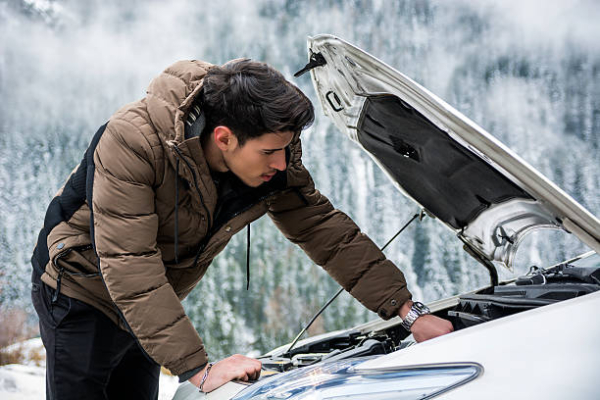
Cold weather is a major factor that can reduce electric car range. Lithium-ion batteries operate most efficiently within a moderate temperature range, and low temperatures affect the chemical reactions involved in storing and releasing energy.
When the battery becomes cold, it may deliver less usable energy and accept energy more slowly during charging. As a result, drivers can experience shorter journeys per charge during winter, even when their driving habits remain unchanged.
An electric car also needs energy to bring its battery to a suitable operating temperature. Some vehicles use dedicated battery heaters, while others rely on heat pumps or resistive heating systems. These components draw electricity from the battery, reducing the energy available to power the wheels.
The amount of energy required depends on the outside temperature, battery design, vehicle settings, and whether the car can warm its battery while connected to a charger.
Cold conditions can affect more than the battery itself. Tires may experience greater rolling resistance when temperatures fall, and cold air is denser than warm air, increasing aerodynamic resistance at a given speed.
Lubricants and mechanical components can also behave differently in low temperatures. These effects may appear small individually, but their combined impact can become noticeable during a long journey or when temperatures remain below freezing for extended periods.
Drivers can reduce cold-weather range loss by preconditioning their electric vehicles before leaving home. Preconditioning allows the car to warm the cabin and, where supported, the battery while connected to an external power supply.
Scheduling departure times through the vehicle’s app or infotainment system can make this process more convenient. Parking in a garage or sheltered area can also help the vehicle retain warmth, reducing the energy needed to reach comfortable operating temperatures.
It is important to remember that winter range loss does not automatically indicate battery damage. In many cases, the reduction is temporary, and driving range improves when temperatures rise.
Owners should compare their vehicle’s performance under similar conditions rather than comparing a cold winter morning with a mild summer afternoon. If range remains unusually low in moderate weather, checking the vehicle’s energy consumption records and arranging a professional inspection may help identify a separate issue.
2. Excessive Use of Air Conditioning and Cabin Heating
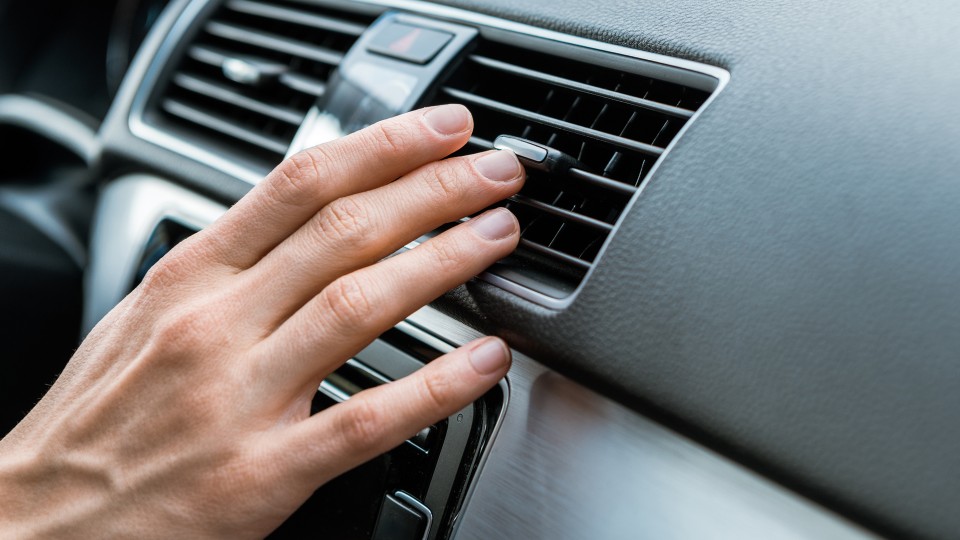
Climate control systems can consume a considerable amount of electricity in an electric car. Unlike many petrol vehicles, electric cars cannot simply use waste engine heat to warm the cabin.
They must generate heat through an electric heating element, heat pump, or another dedicated system. During cold weather, cabin heating can become a significant energy demand, particularly when the vehicle is heating a cold interior after being parked outdoors for several hours.
Air conditioning also uses battery power, particularly when the cooling system must work hard in hot weather. High outside temperatures, direct sunlight, and a cabin that has become extremely hot can force the compressor to operate more frequently or at higher output.
The energy required varies according to the vehicle’s design, the chosen temperature setting, the number of occupants, and how much heat enters through the windows.
Frequent changes to the climate control settings can increase energy use as the system repeatedly adjusts cabin temperature. Setting an unusually low temperature during summer or selecting maximum heat during winter may demand more power than necessary.
Leaving climate control running for extended periods while parked can also consume energy without adding distance to the journey. These habits may have a noticeable effect on range when the battery has limited capacity or the trip involves several stops.
A practical solution is to precondition the cabin while the vehicle is charging. This uses electricity from the charging supply for much of the initial heating or cooling instead of relying entirely on stored battery energy.
Drivers can also use seat heaters and steering wheel heaters when available, since warming the occupants directly can require less energy than heating the entire cabin. Using automatic climate control at a comfortable, moderate setting often provides a useful balance between comfort and efficiency.
Heat pumps can improve efficiency in many conditions because they transfer heat rather than producing all of it through electrical resistance. However, their performance varies with outside temperature, system design, and operating conditions.
Owners should check which climate features their vehicle offers and learn how those settings affect energy consumption. Turning climate control off completely is not always necessary, especially when clear windows and a comfortable cabin are important for safe driving.

3. High Driving Speeds and Aggressive Acceleration
Driving speed has a direct influence on electric car range because aerodynamic resistance increases rapidly as the vehicle moves faster. At highway speeds, the motor must work harder to overcome the air pushing against the car.
The power needed to overcome aerodynamic drag rises roughly with the cube of speed, while the energy required per unit of distance generally rises substantially as speed increases. Consequently, driving faster can reduce the distance available from the same battery charge.
Rapid acceleration can also increase electricity consumption. Pressing the accelerator firmly demands more power from the battery to deliver stronger motor output. Electric motors can produce substantial torque almost instantly, making quick acceleration feel effortless.
However, repeated bursts of speed require more energy than gradual acceleration in ordinary driving conditions. Hard acceleration followed by heavy braking wastes additional energy because regenerative braking cannot recover all the energy used to accelerate the vehicle.
Maintaining a consistent speed is usually more efficient than repeatedly accelerating and slowing down. On highways, cruise control can help drivers avoid unnecessary speed fluctuations on relatively flat roads.
In hilly areas, however, manually adjusting speed may sometimes be more efficient than allowing cruise control to maintain a rigid target. Drivers should also account for traffic conditions, since frequent acceleration in congested traffic can increase consumption even when average speeds remain low.
A modest reduction in cruising speed can make a meaningful difference on longer journeys. For example, reducing highway speed from 120 kilometres per hour to 100 kilometres per hour generally lowers aerodynamic energy demand, though the precise improvement depends on vehicle shape, wind, road conditions, and other factors.
Drivers should follow local speed limits and select a pace that suits the traffic. The aim is not to drive unnecessarily slowly, but to avoid using extra power when it does not provide a useful travel benefit.
Driving modes can help manage acceleration and power delivery. Eco mode often softens accelerator response and adjusts certain systems to prioritise efficiency, while normal or sport modes may permit more immediate performance. Selecting an appropriate mode can encourage smoother driving without making the vehicle difficult to control.
Owners should also avoid carrying out repeated high-speed acceleration tests simply to experience the vehicle’s performance, particularly when maximising range is important for reaching the next charging station.
4. Incorrect Tire Pressure and Poor Tire Condition
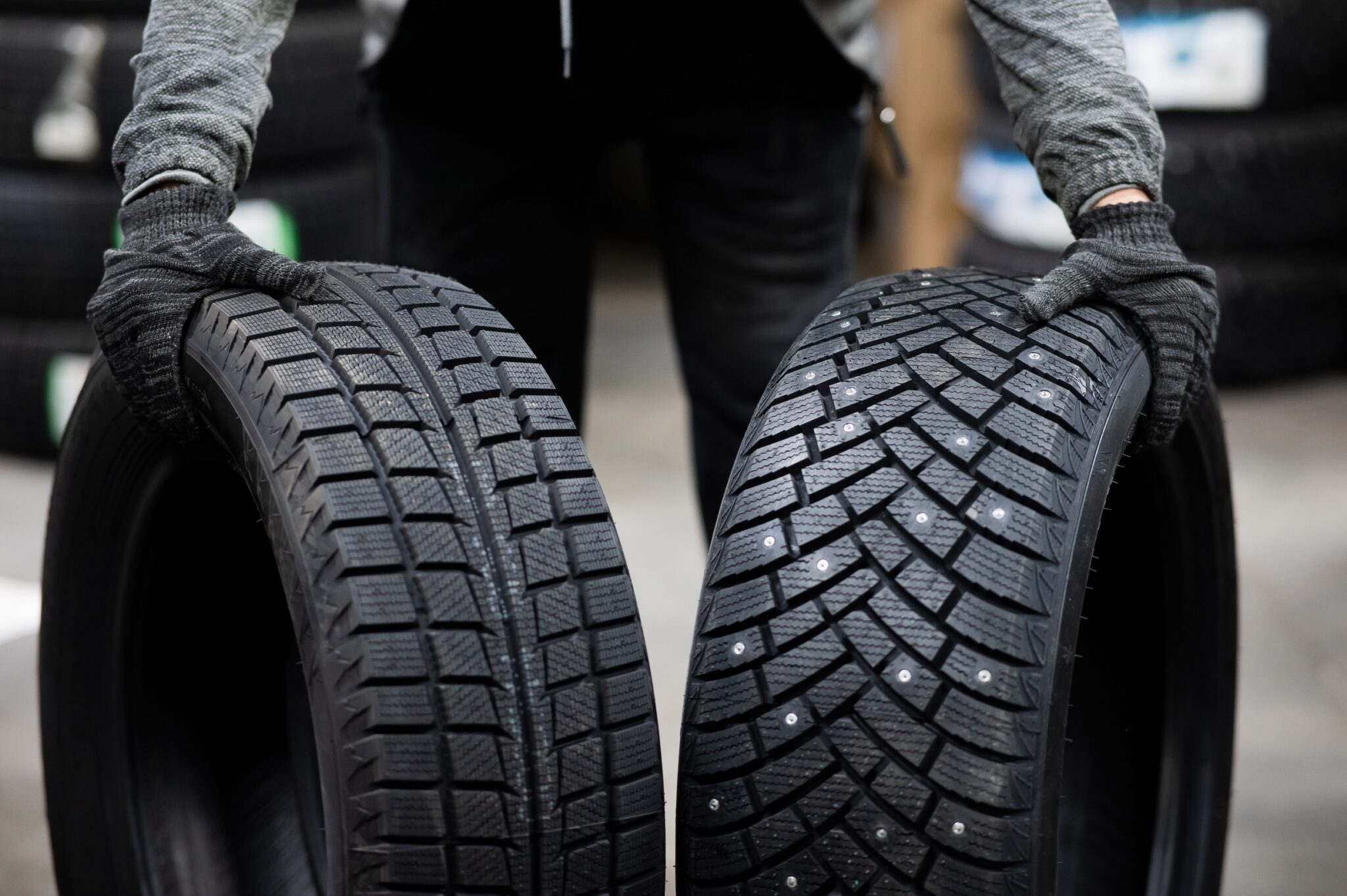
Tires play an important role in determining how efficiently an electric car uses its battery. When tire pressure falls below the manufacturer’s recommended level, the tire deforms more as it rolls along the road.
This increases rolling resistance, meaning the motor needs to use more energy to maintain speed. Underinflated tires can therefore reduce driving range while also affecting handling, increasing tire wear, and potentially creating safety risks.
The problem can become more noticeable during seasonal temperature changes. Air pressure inside tires typically falls as the surrounding temperature decreases, so tires that were correctly inflated during warmer weather may become underinflated during winter.
Small pressure differences may not always be obvious from a visual inspection. Checking tire pressure with a reliable gauge is more dependable than judging inflation by appearance, especially because modern tires can look normal even when they need additional air.
Tire selection also affects efficiency. Some electric vehicles use tires designed to reduce rolling resistance while accommodating the weight and torque characteristics of electric drivetrains. Replacing them with unsuitable tires, aggressive off-road tread patterns, or options with significantly higher rolling resistance can increase energy consumption.
However, tire choice should never be based on range alone. Wet-weather grip, braking performance, load rating, durability, and the manufacturer’s specifications remain important considerations.
Wheel alignment and tire condition can also contribute to reduced efficiency. Incorrect alignment may cause tires to scrub against the road rather than roll smoothly, while uneven wear can indicate a problem with suspension components or alignment settings.
Damaged tires, mismatched sizes, and incorrect wheel specifications may further affect vehicle performance. If the car pulls to one side, the steering wheel sits off-centre, or tire wear appears uneven, a qualified technician should inspect the vehicle.
Drivers can limit tire-related range loss by checking pressure regularly, preferably when the tires are cold, and following the pressure recommendations listed in the owner’s manual or on the vehicle’s information label.
They should also inspect tread depth and look for damage, maintain correct wheel alignment, and use approved tire sizes. Inflating tires beyond the recommended pressure is not a safe shortcut to better range, as it can compromise grip, ride quality, and tire performance.
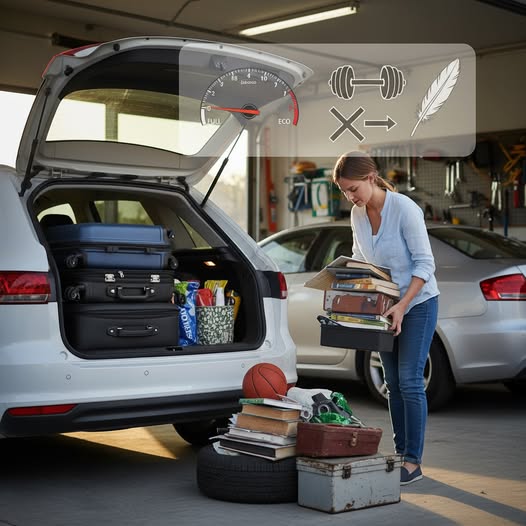
5. Carrying Excess Weight and Using Roof Accessories
The weight of an electric car affects how much energy it needs to accelerate, climb hills, and repeatedly change speed. Carrying unnecessary items in the boot or passenger compartment increases the load that the motor must move.
The effect may be relatively modest during steady driving on flat roads, but it becomes more noticeable in stop-start traffic, hilly terrain, and journeys that involve frequent acceleration. Removing unused equipment can help improve efficiency without changing the way the vehicle is driven.
Roof boxes, roof racks, bicycle carriers, and similar accessories can have a greater effect than their weight alone suggests. Items mounted on the roof alter the vehicle’s aerodynamic shape, increasing air resistance as speed rises.
A large roof box can therefore reduce highway range even when it contains very little luggage. Bicycle racks and externally mounted cargo carriers can also disrupt airflow, especially when they extend beyond the vehicle’s original body shape.
The impact of these accessories depends on vehicle design, speed, weather, and the accessory itself. A compact, aerodynamic roof rack may produce a smaller penalty than a large cargo box, while a poorly positioned carrier can create additional drag. Strong headwinds may increase the effect further.
Owners who regularly travel long distances should consider whether roof-mounted equipment is necessary for each journey or whether the same items can be carried inside the vehicle.
Reducing unnecessary weight is a straightforward way to improve efficiency. Drivers can remove unused tools, sports equipment, empty storage containers, and other heavy objects that have accumulated in the car.
They should still carry essential safety equipment, emergency supplies, and anything required for the journey. The objective is to eliminate avoidable loads, not to strip the vehicle of items that could be important in an emergency.
When planning a holiday or family trip, pack carefully and consider how luggage is distributed. Keep cargo within the vehicle’s permitted load limits and secure all items properly. If a roof box is required, removing it after the trip can help restore the car’s usual aerodynamic efficiency.
Drivers can also compare energy consumption on similar routes with and without external accessories to understand how much their particular setup affects driving range.
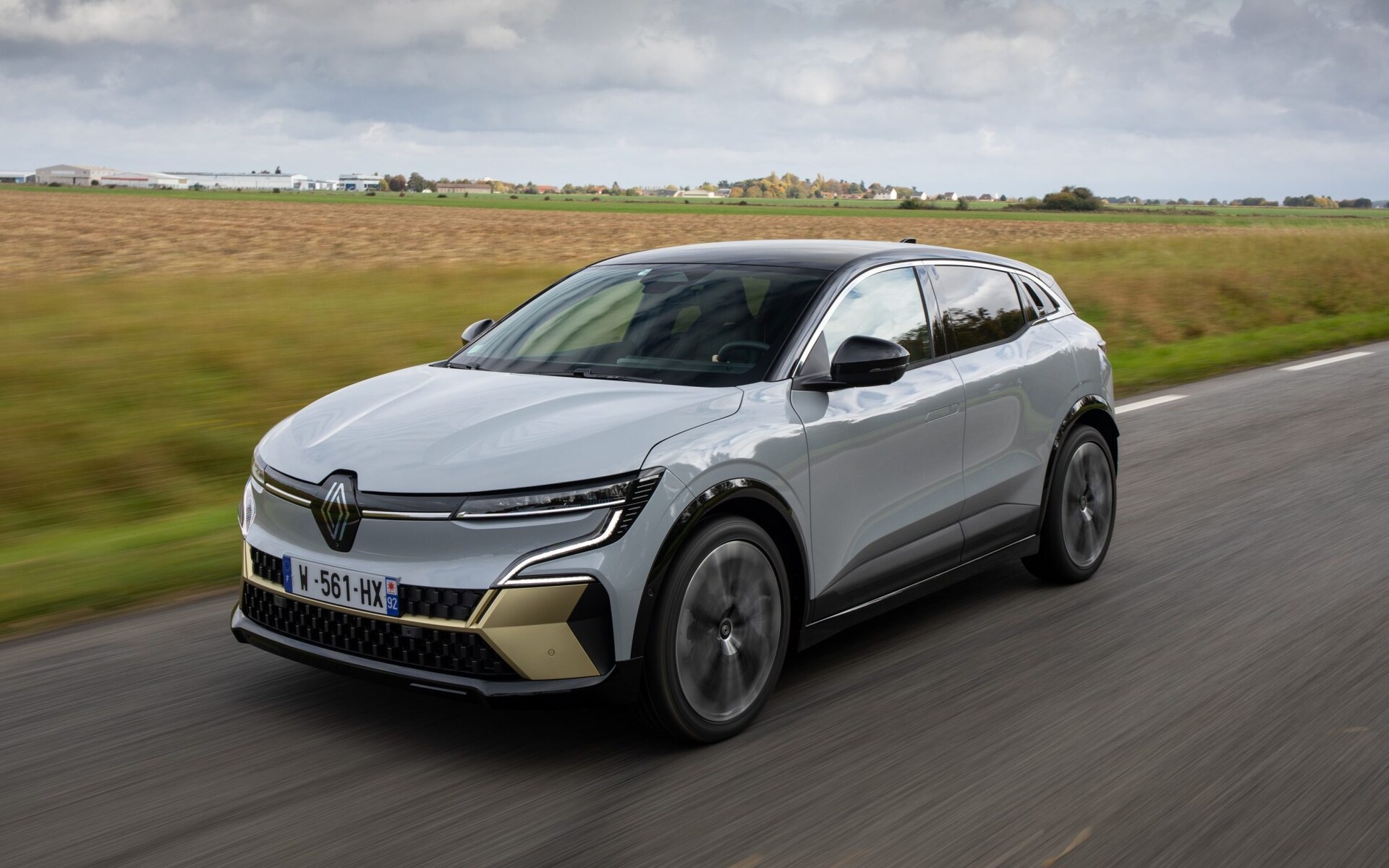
6. Frequent Short Trips and Stop-Start Driving
Frequent short journeys can be less efficient for an electric car than a longer drive under similar conditions. When the vehicle starts after sitting in cold weather, it may need to warm the battery and cabin before operating efficiently.
If the destination is only a few kilometres away, the energy spent preparing the vehicle for the journey represents a larger share of total consumption. Repeating this process throughout the day can make the estimated range fall faster than expected.
Stop-start driving can also increase energy demand, though electric vehicles generally handle urban traffic efficiently compared with many conventional vehicles. Regenerative braking recovers some energy when the car slows down, sending electricity back to the battery.
However, the recovery is not complete. Energy is still lost through resistance, heating, electrical conversion, and other processes. Repeated acceleration between closely spaced traffic signals therefore uses energy that cannot be fully recovered during braking.
The effect depends heavily on driving conditions. In mild weather, moderate city driving can be relatively efficient because lower speeds reduce aerodynamic drag. In cold conditions, frequent short trips may be much less efficient because the heating system and battery conditioning consume energy over a limited distance.
Long periods spent waiting with climate control operating can add to consumption without increasing the number of kilometres travelled.
Combining several errands into a single trip can help reduce repeated cabin and battery warming cycles. For example, a driver who needs to visit a grocery store, pharmacy, and workplace may save energy by planning the stops as a single route instead of starting the car separately for each task.
Whenever practical, scheduling trips after the vehicle has already reached a suitable operating temperature can also improve efficiency.
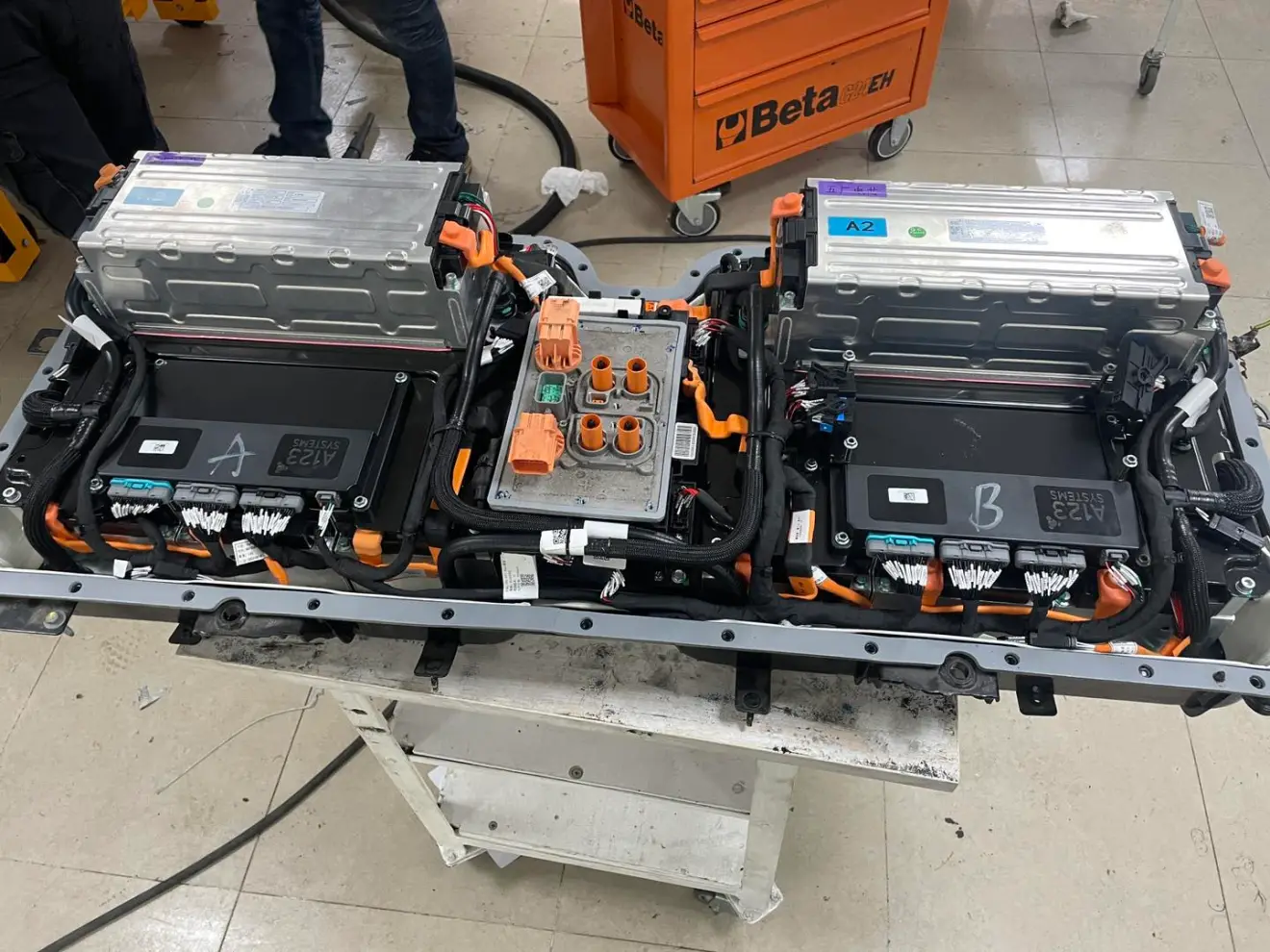
7. Battery Age, Degradation, and Charging Habits
An electric car’s battery gradually loses some of its original capacity through normal use and ageing. This process is known as battery degradation.
As usable capacity declines, the vehicle stores less energy than it did when new, which can reduce the distance available on a full charge. The rate of degradation varies according to battery chemistry, temperature exposure, mileage, charging behaviour, and the vehicle’s battery management system.
Battery degradation should be distinguished from temporary range loss. A cold battery may provide less usable energy under current conditions, but its performance can improve when the temperature becomes more favourable.
Permanent capacity loss, by contrast, reflects changes within the battery over time. Drivers may notice this through a lower full-charge range estimate, reduced measured capacity, or a consistent decline in distance covered under comparable driving conditions.
Charging habits can influence battery ageing, though modern electric vehicles include systems designed to protect the battery. Regularly keeping a battery at a very high state of charge for extended periods, particularly in hot conditions, can accelerate degradation in some battery chemistries.
Frequent high-power DC fast charging can also contribute to additional battery stress under certain circumstances. However, the effect depends on temperature management, charging power, battery chemistry, and how the vehicle controls charging.
Following the manufacturer’s charging recommendations is the most sensible approach. Many vehicles allow owners to set a daily charging limit below 100 percent, with a higher limit available when extra range is needed for a longer trip.
Some batteries, including certain lithium iron phosphate designs, have different charging recommendations from other lithium-ion chemistries. Owners should consult their specific vehicle manual rather than applying a single charging rule to every electric car.
If the estimated range falls significantly over time, drivers should look at battery health information if their vehicle provides it. A professional diagnostic assessment may be useful when capacity appears to decline unusually quickly or when charging behaviour changes unexpectedly.
Battery warranties also vary by manufacturer, market, and model, so owners should check their individual terms. A gradual reduction over years is not necessarily a fault, but a sudden or unexplained change deserves further investigation.
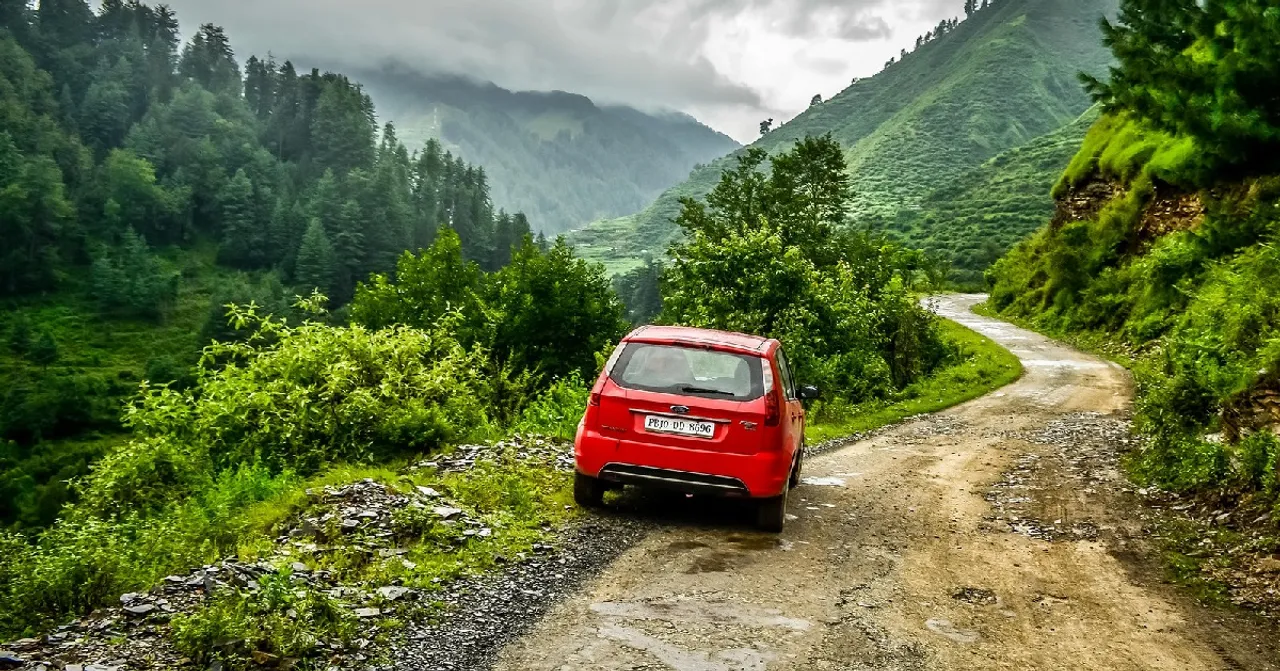
8. Strong Headwinds, Hilly Roads, and Challenging Terrain
Road conditions and the surrounding environment can affect electric car range even when the vehicle is working correctly. Strong headwinds increase the resistance the car encounters as it moves forward.
From the driver’s perspective, travelling into a headwind can feel similar to driving at a higher speed through still air. The motor must produce additional power to maintain the same road speed, increasing electricity consumption during the journey.
Hilly routes also demand additional energy, particularly when the vehicle climbs long or steep inclines. The motor must work against gravity to raise the vehicle’s mass to a higher elevation.
Although regenerative braking can recover some energy during the descent, it cannot return all the electricity used during the climb. Energy is lost through aerodynamic drag, rolling resistance, electrical conversion, and braking limitations, so a mountainous route can consume more energy than a flatter journey of similar length.
Unpaved roads, rough surfaces, mud, sand, and snow can increase resistance and make the vehicle work harder. Driving through deep water or soft terrain can demand additional power, while poor road surfaces may force drivers to accelerate and slow down more frequently.
These conditions can be especially demanding for heavier electric vehicles or those fitted with tires intended for off-road use. The actual effect depends on the surface, tire type, vehicle clearance, and driving technique.
Route planning can help minimise unnecessary energy consumption. When several routes are available, drivers can compare distance, elevation changes, traffic, and charging opportunities rather than selecting the shortest distance automatically.
A slightly longer route with smoother roads and fewer steep climbs may sometimes be more efficient. Navigation systems in some electric vehicles estimate energy use along a route and account for elevation, weather, or traffic information when those features are supported.
