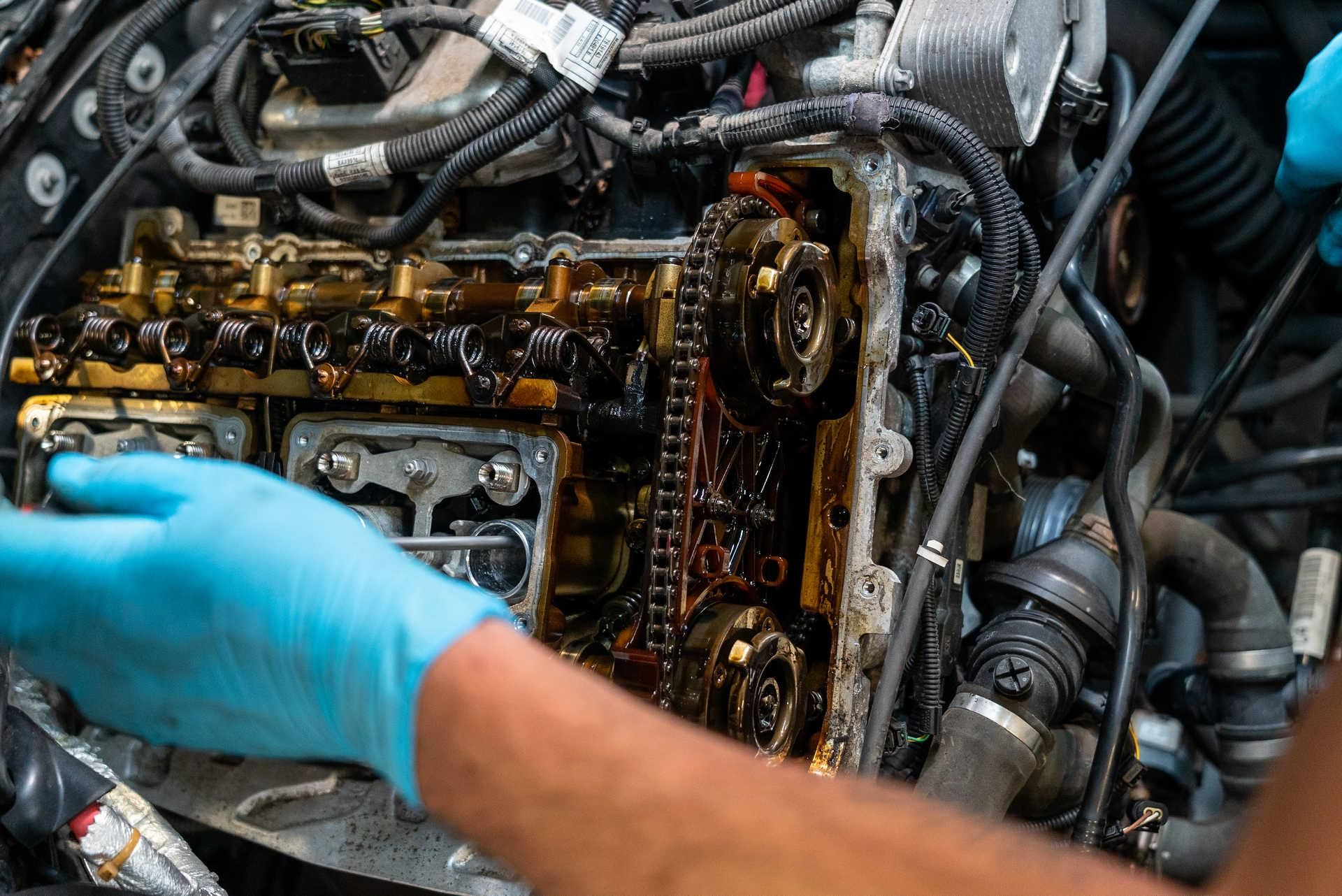
A timing chain is meant to last the life of the engine. That promise looks good in a brochure. Many owners have lived a very different story.
Some chains stretch early. Plastic guides crack and tensioners lose oil pressure. Variable valve timing parts wear out too soon. When a chain jumps a tooth, valves can hit pistons. The repair bill can pass the value of the car.
Owner complaints and technical service bulletins show clear patterns. Researchers who study reliability data keep finding the same engines. Failures often arrive well before 100,000 miles. Some show up closer to 60,000.
This list covers ten engines with a heavy complaint record. Each entry explains the weak point and the warning signs. It also tells you what owners and buyers can do about it. Keep three habits in mind as you read. Listen for rattle on a cold start. Check the oil change history. Treat a low oil level as a serious warning.
1. BMW N47 2.0L Turbo Diesel (2007–2014)
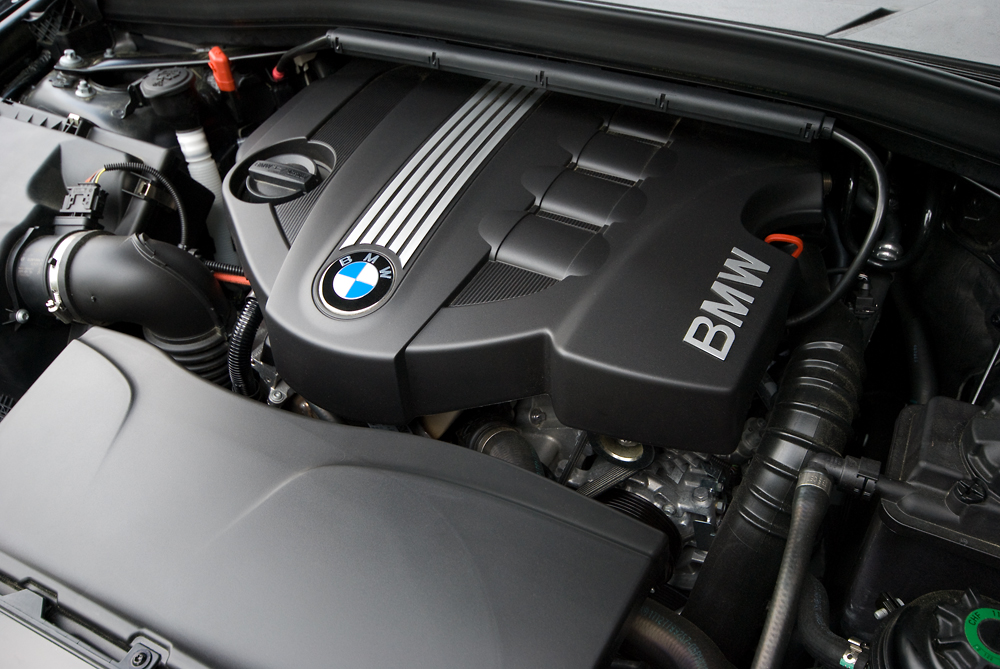
The N47 powered many 1 Series, 3 Series and 5 Series cars. It also appeared in some Minis and X models. BMW placed the timing chain at the rear of the engine. That choice created a costly problem.
The chain drives the cams and the oil pump from the gearbox end. Access is poor. The repair often needs the engine or gearbox removed. Labor alone can run into thousands of dollars.
Trouble often starts with a whine or rattle from the back of the engine. Some owners hear it only at start-up. Others see a check engine light with timing correlation codes. Then the chain can jump and bend valves.
Chain guide wear and sprocket wear are the common causes. Long oil change intervals make things worse. Dirty oil attacks the links and the guides. Short trips add soot to the oil. Many complaints sit between 60,000 and 100,000 miles.
BMW revised parts over the production run. Later engines fare better. Researchers tracking diesel reliability still call the early N47 a risky used buy.
Ask for full service records before you buy. Change the oil at 10,000 miles or less. Never ignore noise from the rear of the engine. Walk away from any car that rattles on start.
2. BMW N20 2.0L Turbo Four (2012–2017)
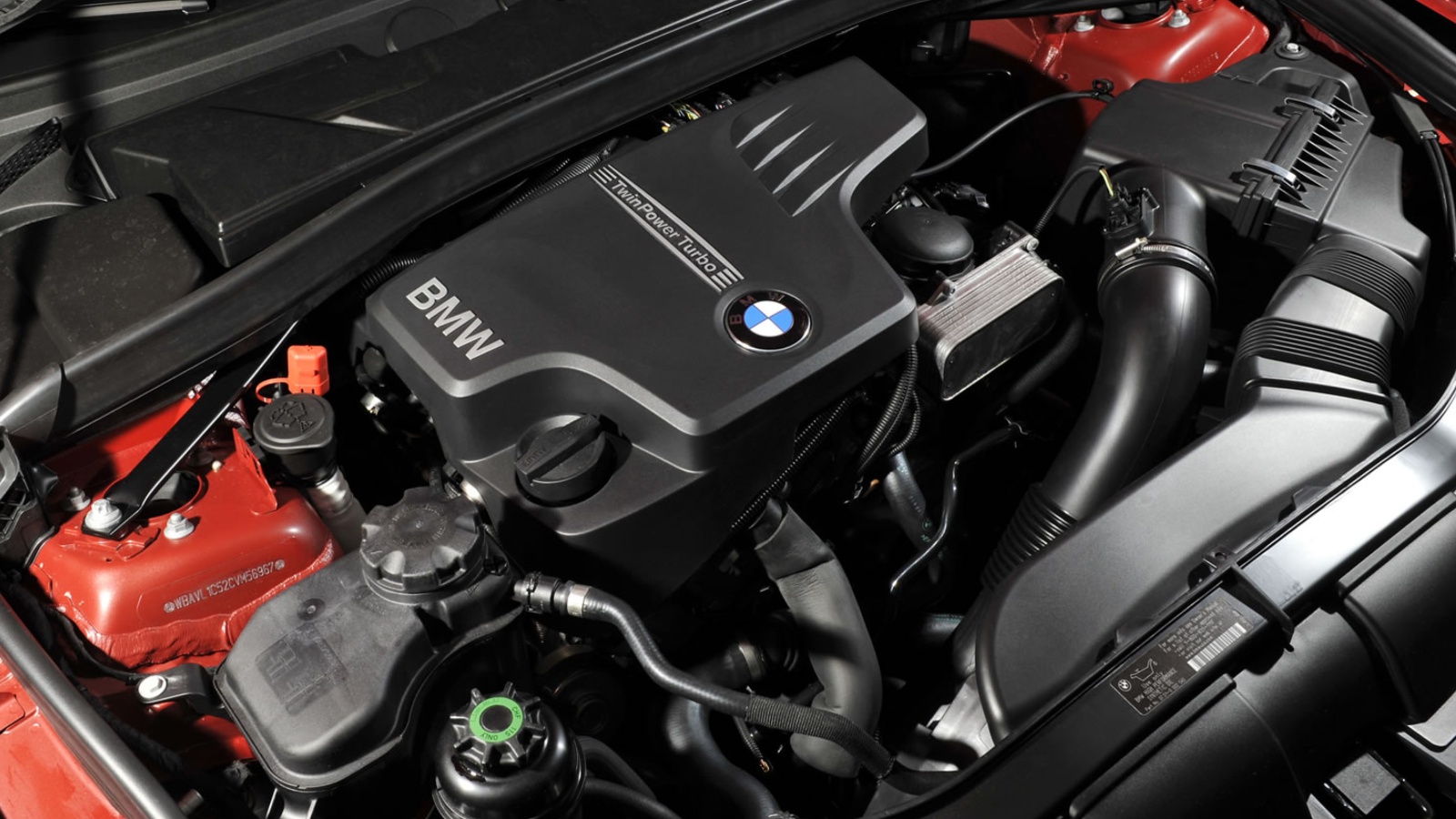
The N20 replaced the old six-cylinder in many BMW models. It was found in the 328i, 528i, X3 and X1. Power was strong and fuel economy was good. The timing chain system was the weak link.
BMW used plastic guide rails in the early chain setup. Heat and age made them brittle. Pieces broke off and slackened the chain. The chain then slapped or skipped.
The classic sign is a loud rattle on cold start. It may fade after a few seconds. Owners often wait too long to act. Then the chain jumps and the engine is damaged.
Complaint data shows many cases between 70,000 and 100,000 miles. Some cars failed sooner. Hard driving and long oil intervals speed up the wear. A tuned engine adds more strain.
BMW updated the guides and the chain over time. Cars built later with updated parts are safer. A repair at the first sign of noise costs far less than a rebuild.
The proper fix replaces the chain, the guides and the tensioner together. Check the build date and any past timing work. Ask whether the updated parts were fitted. Use a cold start test drive. If you hear a rattle, move on.
3. Ford 5.4L 3V Triton V8 (2004–2010)
The 3-valve 5.4L powered the F-150, the Expedition and the Navigator. It made good torque for towing. It also had a notorious timing system. Owners know it for ticking and rattling noises.
The engine uses several chains and plastic guides. It also uses cam phasers on both banks. Oil pressure drives the phasers. Poor oil flow or worn parts lead to phaser noise and chain slack.
The first sign is often a diesel-like clatter at start-up. A check engine light may follow with cam timing codes. Some trucks run rough or lose power. Ignoring the noise can lead to a failed chain.

Many complaints appear before 100,000 miles. Some trucks were hit near 80,000. Heavy towing and long oil changes raise the risk. Cheap oil filters can also hurt phaser operation.
Repair is a large job. The front of the engine must come apart. Labor drives the cost more than the parts do. Many shops advise replacing every chain, guide, tensioner and phaser in one visit. Use the correct oil grade and change it early. Fit a quality filter. Listen closely during a test drive. A clean idle matters more than low mileage.
4. GM 2.4L Ecotec LEA/LAF (2010–2017)
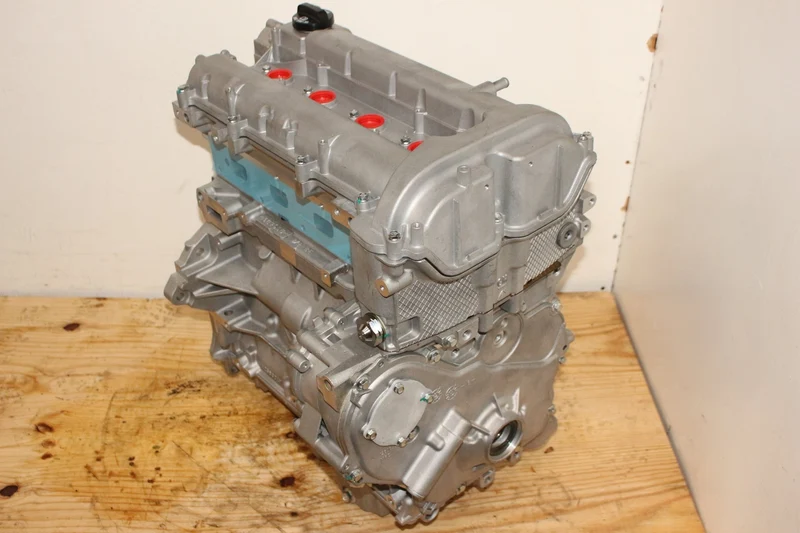
This four-cylinder sat in the Chevrolet Equinox and the GMC Terrain. It also powered the Malibu and the Buick Regal in some years. Fuel economy was the selling point. Oil use became the problem.
Many of these engines burned oil at a high rate. Owners often did not notice. The oil level dropped quietly between changes. Low oil starved the chain tensioner.
A starved tensioner lets the chain stretch. Stretch throws off cam timing and sets off codes. Rattle follows. Eventually the chain can skip. Owners faced repair bills that exceeded the value of an older Equinox.
Complaints cluster between 60,000 and 100,000 miles. Class action lawsuits in the United States focused on this issue. GM changed piston rings and other parts over time. Later engines show fewer problems.
The key to survival is the oil level. Check it at every fuel stop. Top up with the correct grade. Do not wait for a warning light. If you shop for one used, ask for oil consumption records. Look for evidence of timing chain replacement. Be careful with any SUV that rattles at start. A low price may hide an expensive fix.
5. Nissan VQ35DE 3.5L V6 (2002–2008)
The VQ35DE is loved for smooth power. It sits in the 350Z, the Altima, the Maxima and the Murano. It has also built a record of timing chain complaints. Owners report them in many of these models.
The engine uses a chain with plastic and metal guides. Wear in the guides and the tensioners can loosen the chain. The result is a metallic rattle on start. It may sound like a loose chain slapping behind the cover.
Oil quality matters a lot here. Nissan engines of this family are sensitive to sludge and low oil. Missed changes shorten chain life. Cars used for short trips suffer more.

Complaint volume is high between 80,000 and 100,000 miles. Some owners report earlier failures. A stretched chain can set cam sensor codes. A skipped tooth can cause severe damage.
Repair needs the front cover off. Shops usually replace the chains, the guides and the tensioners as a set. Labor makes up most of the cost. Many owners also change the water pump during the job. Ask for oil change proof. Test the car cold. Any chain noise at start is a red flag. A well-kept VQ can run for years, but neglect is punished.
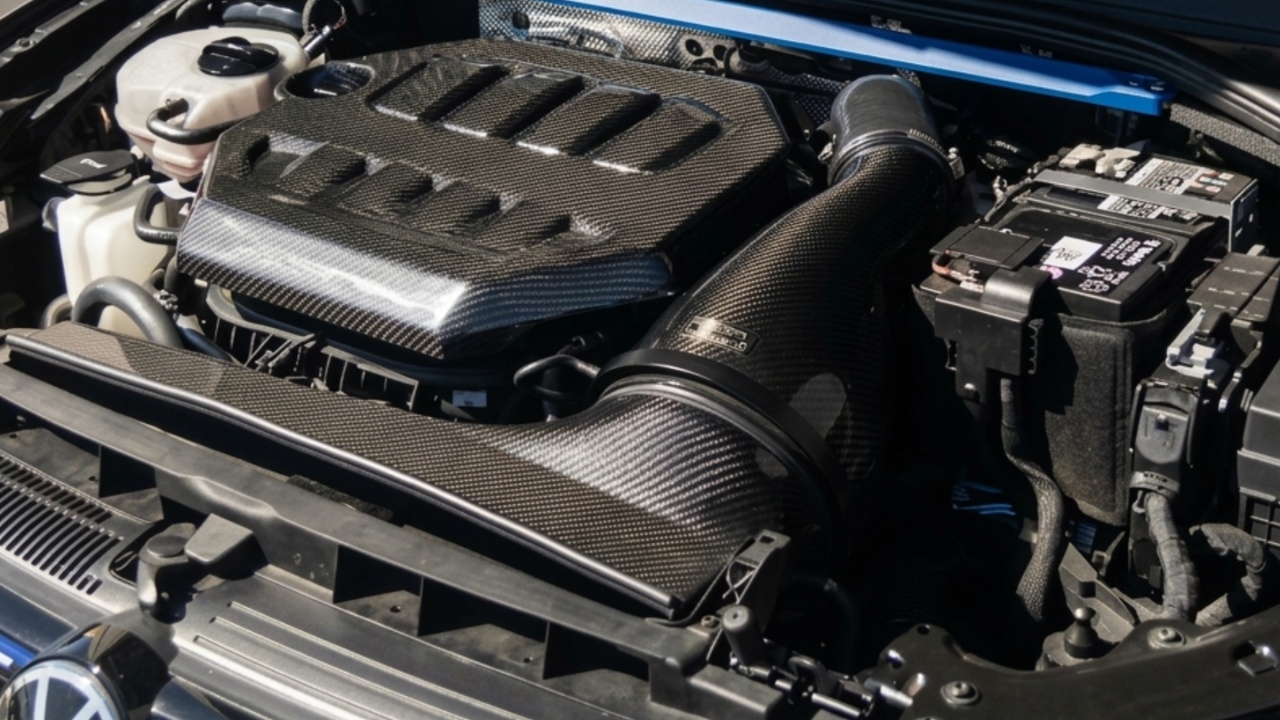
6. VW/Audi 2.0 TSI EA888 Gen 1 and Gen 2 (2008–2013)
The EA888 powers many Audi A4s, Golfs, GTIs and Passats. It makes strong power for its size. Early versions had a weak chain tensioner. That flaw damaged many engines.
The first tensioner design could fail to hold the chain tight. The chain then stretched or jumped. Valve timing went wrong. In severe cases, valves bent.
Early signs include a rattle and a check engine light. Some cars lose power or idle rough. Owners often report it before 100,000 miles. A few cases appear closer to 60,000.
Oil consumption adds to the problem. Many of these engines burn oil. Low oil harms the tensioner and the chain. Piston ring wear has been linked to oil use. A class action in the United States covered related issues.
Volkswagen released updated tensioners and chains. Later Gen 3 engines fixed much of the trouble. Cars from early production remain the biggest risk. A repaired car with updated parts is far safer.
Ask whether the tensioner has been replaced. Check the oil level and the history of top-ups. Choose a later build when possible. Do not buy an early car with a rattle.
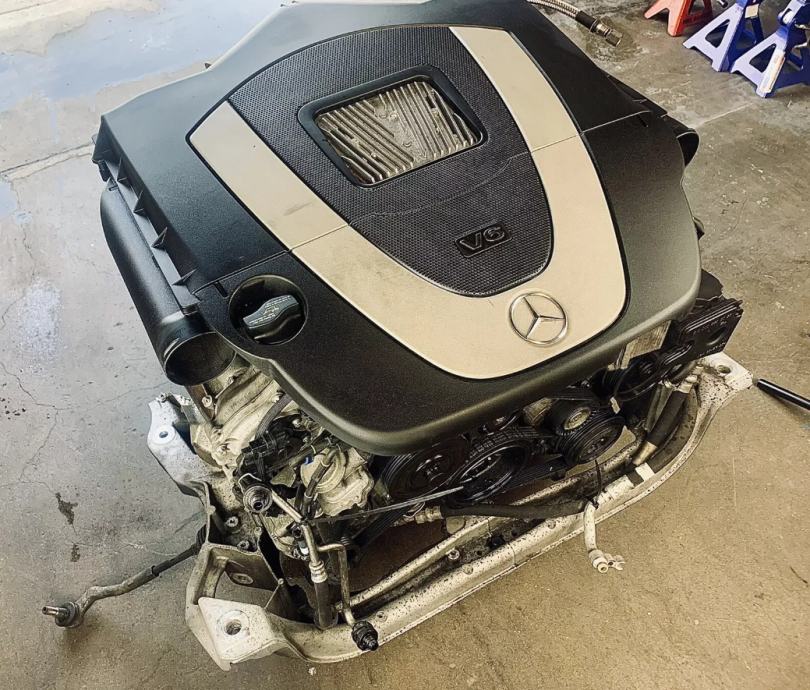
7. Mercedes-Benz M272 3.5L V6 (2005–2011)
The M272 powered the C-Class, the E-Class, the ML and the SLK. It made smooth, brisk power. It also hid a design flaw. Balance shaft gears wore out early.
The balance shaft sprocket used a soft material. Over time, the teeth wore down. That changed the cam timing. The engine then set codes and ran poorly.
Timing chain stretch is also reported on this engine. Cold start rattle is a common sign. A check engine light often follows with cam correlation codes. Some owners also saw rough idle.
Complaints appear between 60,000 and 100,000 miles. Some were reported earlier. Mercedes updated the part in later builds. A class action covered affected vehicles in the United States.
Repair is a major job. The engine front must be opened. Shops often replace the balance shaft gear, the chains and the guides together. Labor costs are high on these cars. Check whether the update was done. Ask for a full repair history. Listen for rattle at start-up. A used M272 with no paperwork is a gamble.
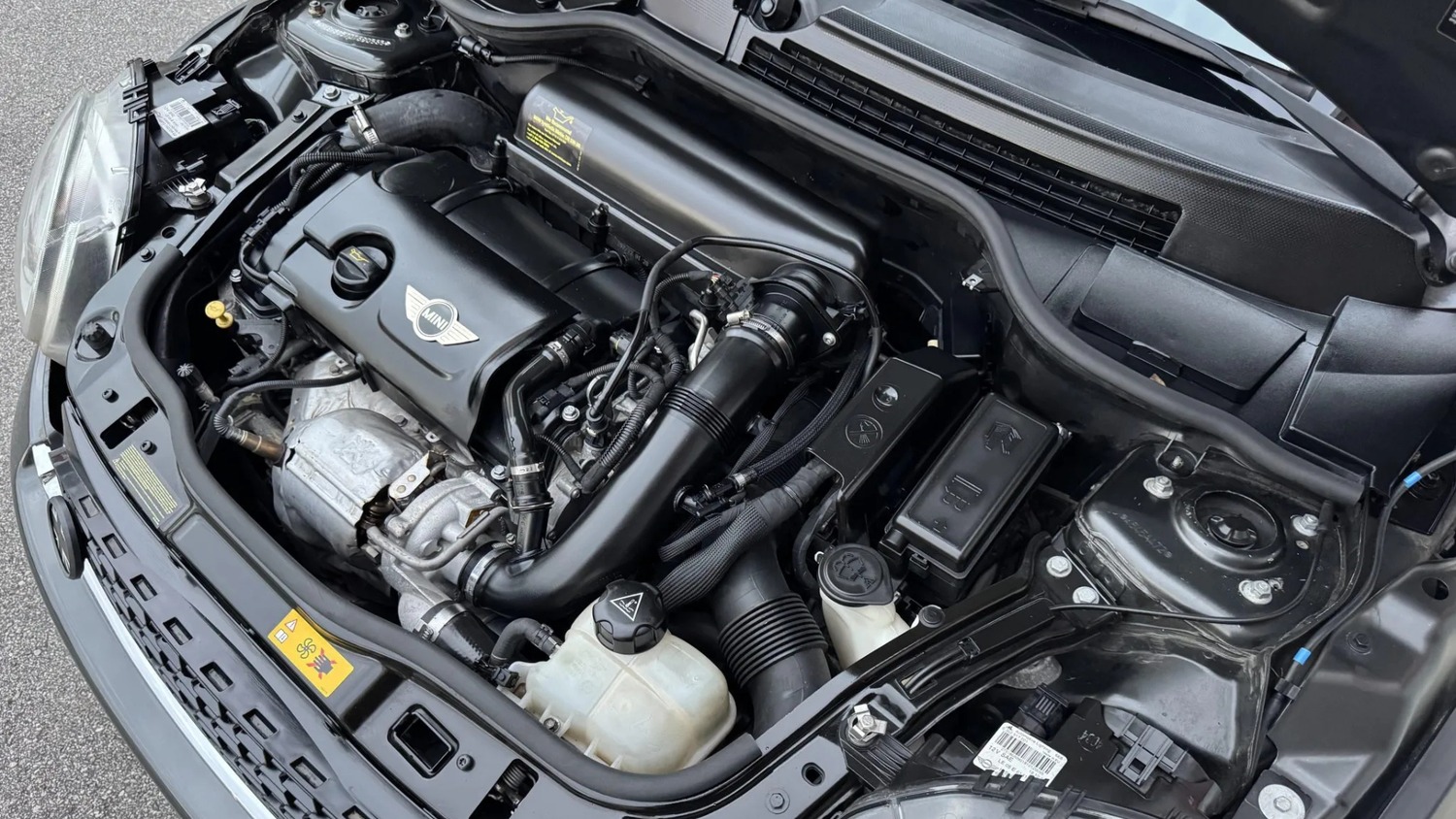
8. MINI Cooper N14 and N18 1.6L Turbo (2007–2014)
The N14 and N18 engines powered the Cooper S and the JCW. Many were also used in Peugeot and Citroën models. They were fun to drive. They also became famous for chain trouble.
The timing chain tensioner was a weak point. It could lose pressure or wear out early. The chain then rattled and stretched. Cars often showed a loud cold start noise.
The N14 suffered most. It also had other issues, like high oil use. Low oil level made chain wear worse. Many owners did not notice the drop in oil.
Failures occur well below 100,000 miles. Some cars failed at 50,000. Repair costs often exceed what owners expect for a small car. The work is time-consuming. BMW and PSA revised the engine in the N18. Later cars show improvements. Still, the chain remains a known risk. Careful maintenance matters.
Check the oil level every week. Change oil at 5,000 to 7,500 miles. Listen for any rattle in the first seconds of start-up. Buy only with proof of timing chain service.
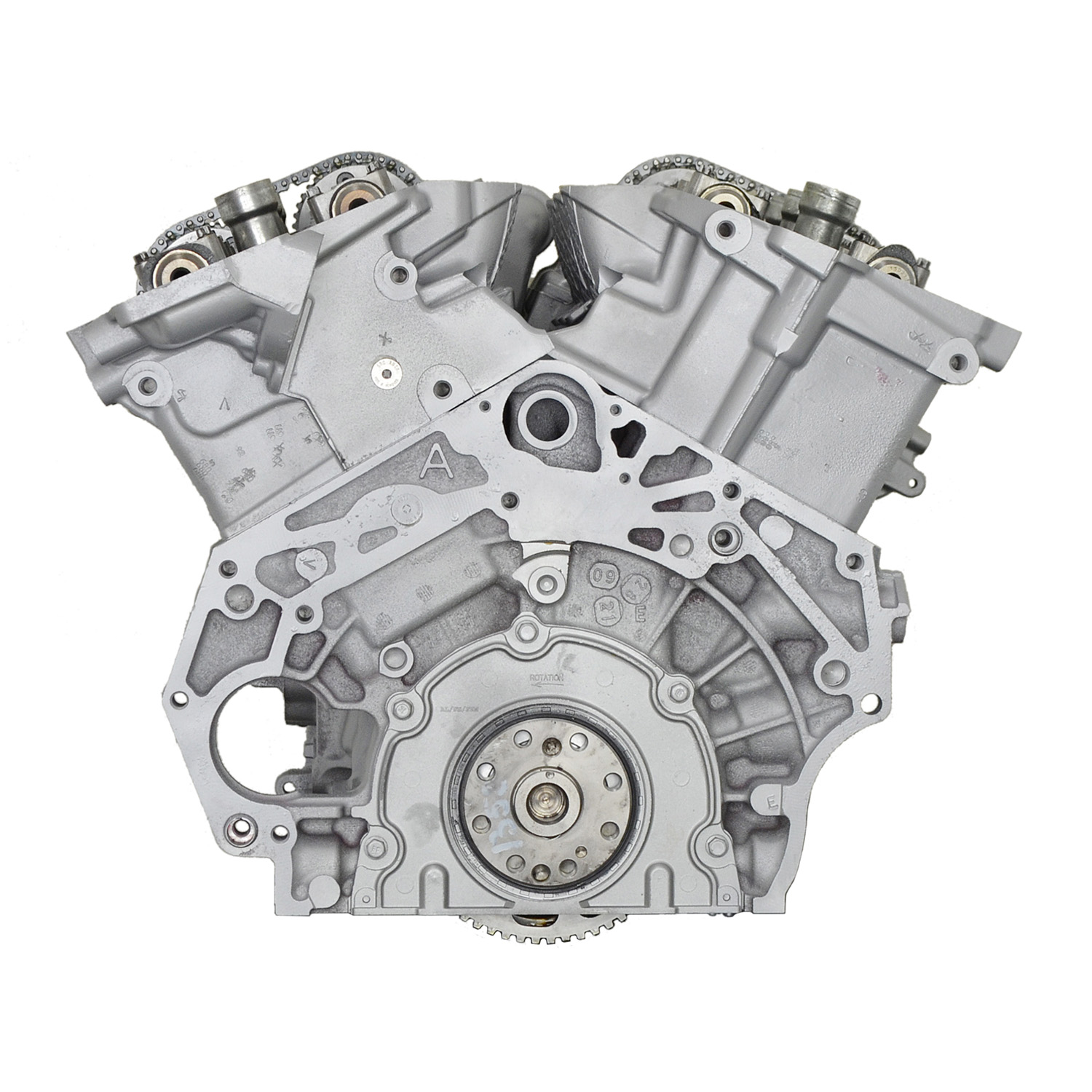
9. GM 3.6L LLT/LY7 V6 (2007–2013)
The 3.6L V6 powered the Cadillac CTS, the Chevrolet Camaro and the Traverse. It also sat in the Buick Enclave and the GMC Acadia. It was strong and smooth. The timing chain was a known weak spot.
The engine uses long chains with plastic guides. Early oil use and wear made the chains stretch. Cam timing drifted out of range. Many owners saw timing correlation codes.
Symptoms include rough running and rattling. Some cars lose power. Others set a check engine light for cam position. A stretched chain can cause misfires too.
Complaints peaked between 70,000 and 100,000 miles. Heavy loads and long oil changes raised the risk. Some Traverse and Acadia models saw failures earlier. GM issued bulletins and updated parts.
Repair is expensive. Labor for the front engine work can reach several thousand dollars. Many shops replace the chains, the sprockets and the guides.
They may also replace the oil pump drive parts. Oil changes are the best defense. Use quality oil and change it often. Watch the oil level. Avoid buying a high-mileage Traverse that rattles on start.
10. VW 3.6L VR6 FSI (2006–2012)
The 3.6L VR6 was used in the Passat, the CC, the Touareg and some Audi models. It offered strong power. It also had trouble with timing chains. The design uses long chains and tight packaging.
Chain stretch is the core issue. Tensioners and guides wear and cause slack. The engine then sets cam timing codes. Cold start rattle is common. Owners report problems before 100,000 miles. Some cases arise near 70,000.
Oil consumption and poor maintenance add to the risk. Direct injection also leaves carbon deposits, which complicate other repairs. A failure can bend valves. The repair bill can be huge. The chains are at the rear of the engine in some versions. That makes labor very costly.
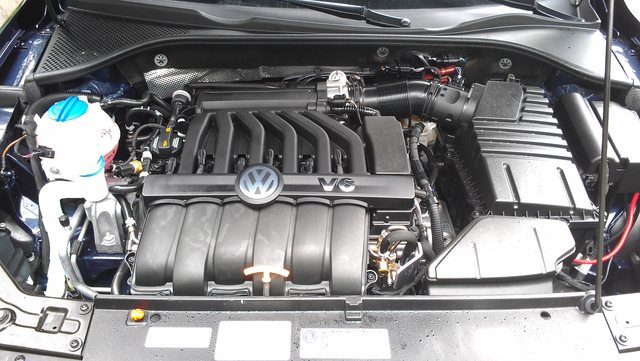
Volkswagen updated parts in later years. Newer builds show fewer failures. Still, the VR6 FSI needs careful ownership. A stretched chain should never be ignored.
Ask for proof of service and any chain work. Run a cold start test. Avoid cars with any rattle or timing codes. The right VR6 can last, but the wrong one can ruin a budget.