
Car repair bills rarely arrive at a good moment. A warning light comes on, a strange noise starts, and the cost is a mystery until the shop calls. Most drivers rely on online estimators for a rough number. Those tools often miss what people actually pay.
The figures here come from real repair orders at dealers and franchised shops. They are not generated by estimator tools. That makes them a closer match to the invoices drivers see.
The national average across all repair types is $838. Some jobs on this list sit far above that number. Others fall well below it. Fuel system repairs top the ranking, with injectors and pumps costing over $1,100. Routine items like alignments sit at the bottom, under $200.
The gap between them is wide. Each repair below shows its cost range and why it costs that much. You will also find warning signs and practical tips.
Knowing these details helps you avoid overpaying. Labor often drives the price more than the part itself. Access to the component matters just as much. Let us start at the top.
1. Fuel Injector Replacement: $1,127 to $1,251
This is the most expensive repair on the list. Injectors spray fuel into the engine in precise bursts. Modern direct-injection systems make them costly. The parts are expensive and built to tight tolerances. Many engines need several replaced at once. Labor adds to the total.
Symptoms include rough idling and poor fuel economy. You may also notice hesitation when accelerating. A check engine light often appears with misfire codes.
Shops usually recommend replacing injectors in sets. One failed injector often means others are close behind. Mixing old and new can cause uneven performance.
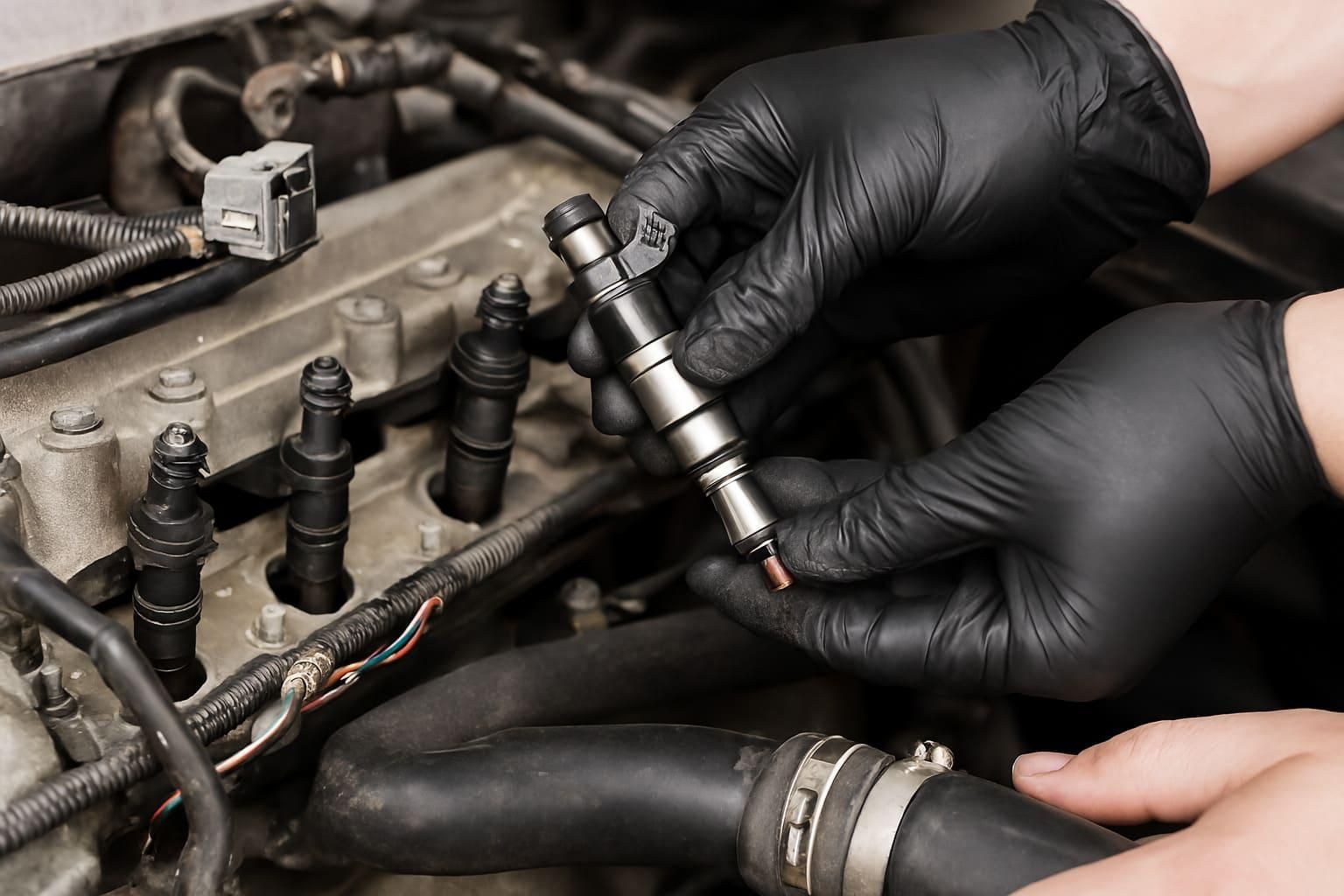
Access is a major cost factor. On many V6 and V8 engines, the intake manifold must come off. That adds hours of labor. Sometimes cleaning can fix a clogged injector. This costs far less than replacement. Ask your shop if cleaning is an option first.
Quality fuel helps prevent deposits. Following the maintenance schedule matters too. Do not ignore a persistent misfire, because it can damage the catalytic converter.
2. Fuel Pump Replacement: $1,125 to $1,247
The fuel pump sits close to the top in cost. It moves fuel from the tank to the engine. Without it, the car will not run. Most pumps live inside the fuel tank. That placement drives up labor time. Technicians often must drop the tank or remove the rear seat.
A failing pump gives warning signs. The engine may sputter at highway speeds. You might hear a whining noise from the rear. Hard starting is another clue. The car may crank but refuse to fire. Stalling under load is also common.
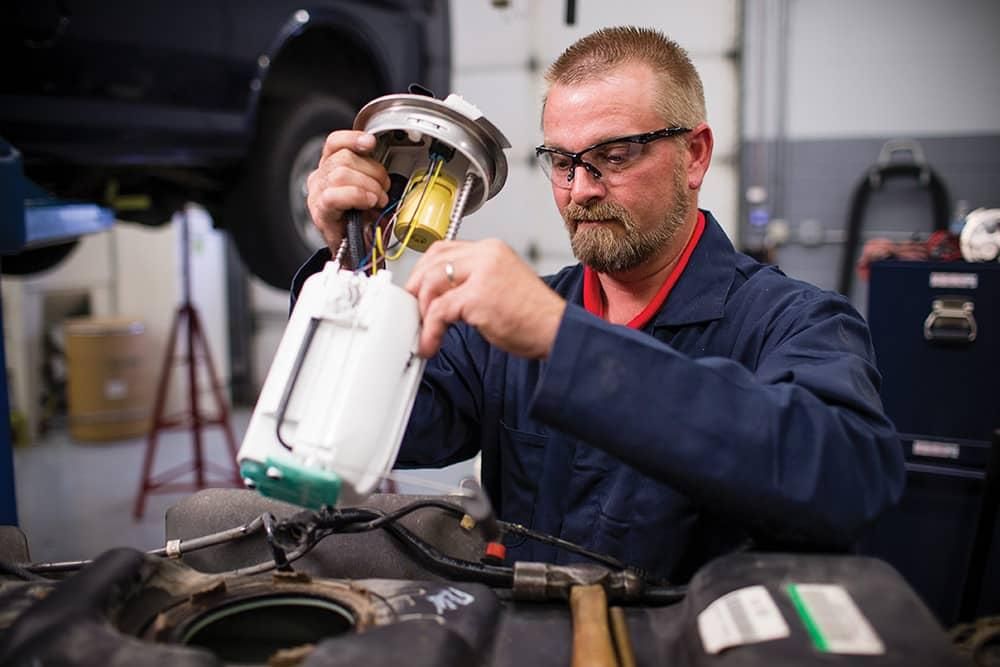
Running the tank near empty shortens pump life. The fuel acts as a coolant for the pump. Keeping at least a quarter tank is a smart habit. Many shops replace the whole pump module. This includes the sender and filter sock. It costs more but avoids a repeat visit.
Check the fuel filter and pressure before approving the job. A clogged filter can mimic pump failure. Ask the shop to confirm the diagnosis with a pressure test.
3. Power Steering Pump Replacement: $844 to $943
This repair comes in just above the national average. It applies to cars with hydraulic power steering. Many newer cars use electric systems instead.
The pump pushes fluid through the steering system. It makes turning the wheel easy. When it fails, steering becomes heavy. A whining or groaning noise is the classic sign. It gets louder when turning. Fluid leaks under the car are another clue.
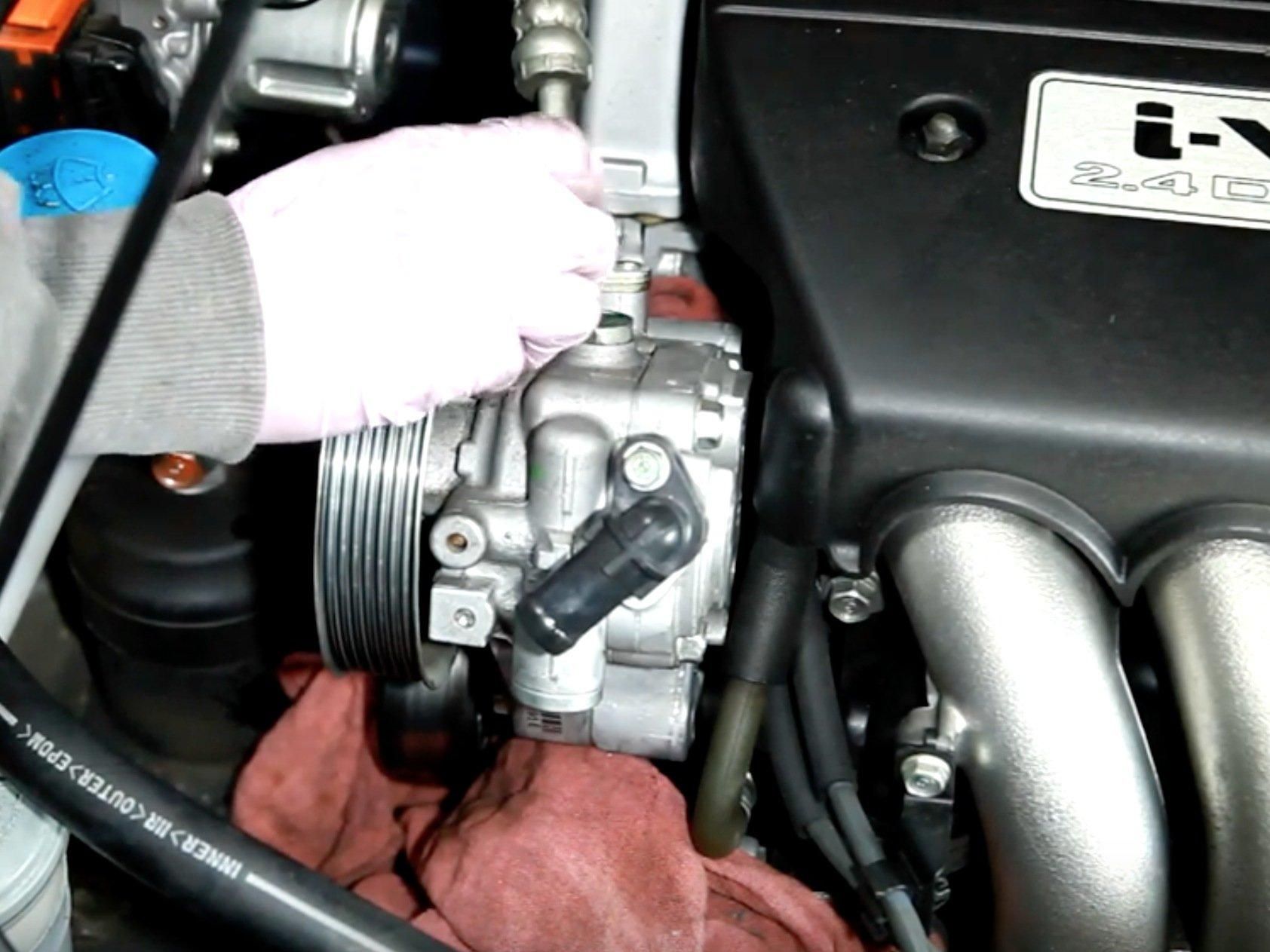
The belt, hoses, and fluid often need attention too. Old fluid can wear out a new pump quickly. A flush is often done during the repair. Labor is moderate on most vehicles. The pump sits on the engine and is driven by a belt. Some layouts make access tight.
Do not drive long with a failing pump. Low fluid can damage the steering rack. That repair costs much more. Check fluid level regularly. Look for dark or foamy fluid. Catching a leak early can save hundreds of dollars.
4. Alternator Replacement: $754 to $850
The alternator keeps your battery charged. It also powers the electrical system while driving. When it fails, the car runs on battery alone. A battery warning light is the usual first sign. Headlights may dim or flicker. Electronics can act strangely.
Many drivers blame the battery first. A new battery will die again if the alternator is bad. Test the charging system before buying parts. The part itself is a big share of the bill. Remanufactured units cost less than new ones. Quality varies, so ask about warranty terms.
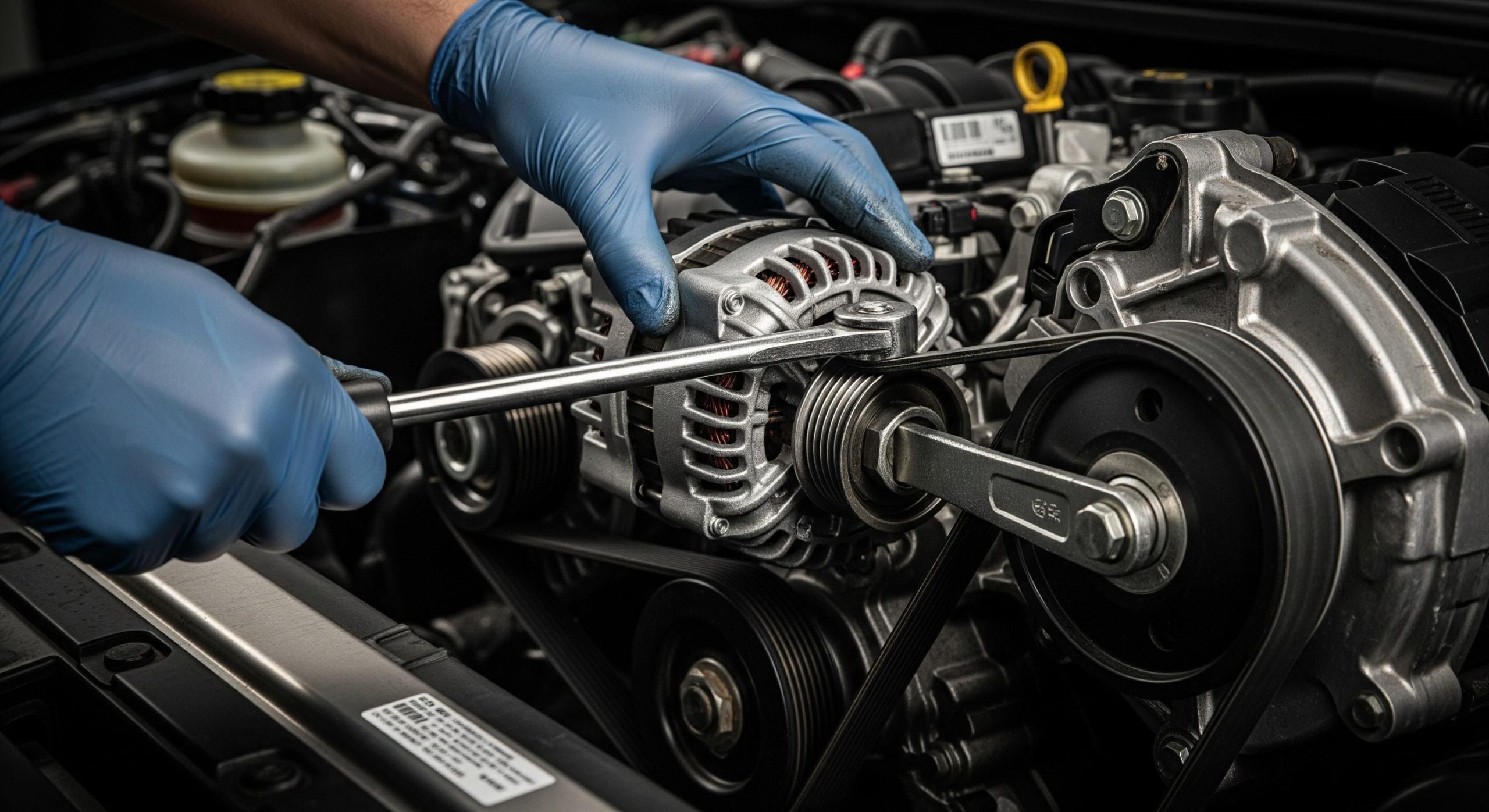
Labor depends on how buried the alternator is. Some sit right on top of the engine. Others hide beneath other components. The serpentine belt is often replaced at the same time.
It is already accessible during the job. This saves a separate labor charge later. Do not wait once symptoms start. The car can die without warning. A dead alternator leaves you stranded.
5. Thermostat Replacement: $745 to $838
The thermostat looks like a small, cheap part. Yet this repair costs nearly as much as an alternator. Labor and related parts explain the gap. The thermostat controls engine temperature. It opens and closes to regulate coolant flow. A stuck unit can cause overheating.
Overheating is the most serious symptom. A stuck-open thermostat causes the opposite problem. The engine runs cold, and heat is weak. The part is often buried deep in the engine. Many designs use an integrated housing. Replacing the housing raises the price.
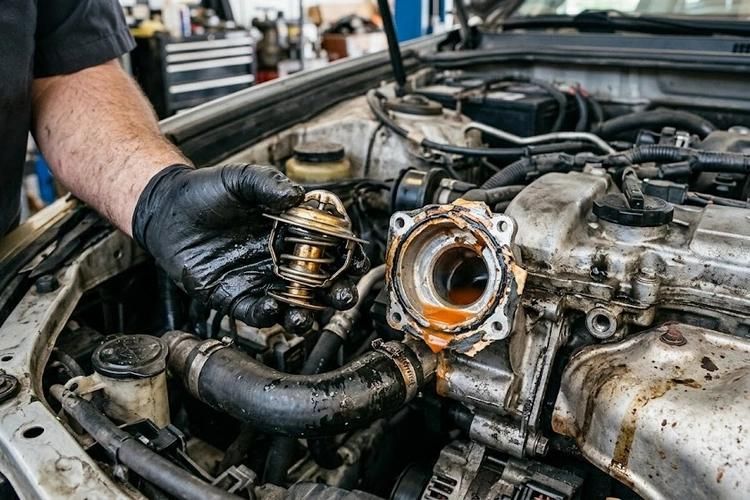
Coolant must be drained and refilled. Air must be bled from the system. This takes careful work. Skipping proper bleeding can cause hot spots. Those can lead to head gasket damage.
Insist on a quality coolant service. Watch your temperature gauge closely. Pull over at the first sign of overheating. A small repair can turn into an engine replacement.
6. Starter Replacement: $744 to $837
The starter turns the engine over when you press the button. It is a small motor with a big job. When it fails, nothing happens. A single click or no sound at all is typical. Slow cranking can also point to the starter. Intermittent failure is common before it dies completely.
Rule out the battery and cables first. Loose or corroded connections mimic starter failure. A quick test saves money. The starter’s location affects labor cost. On some engines, it sits low and is easy to reach. On others, it is tucked under the intake.
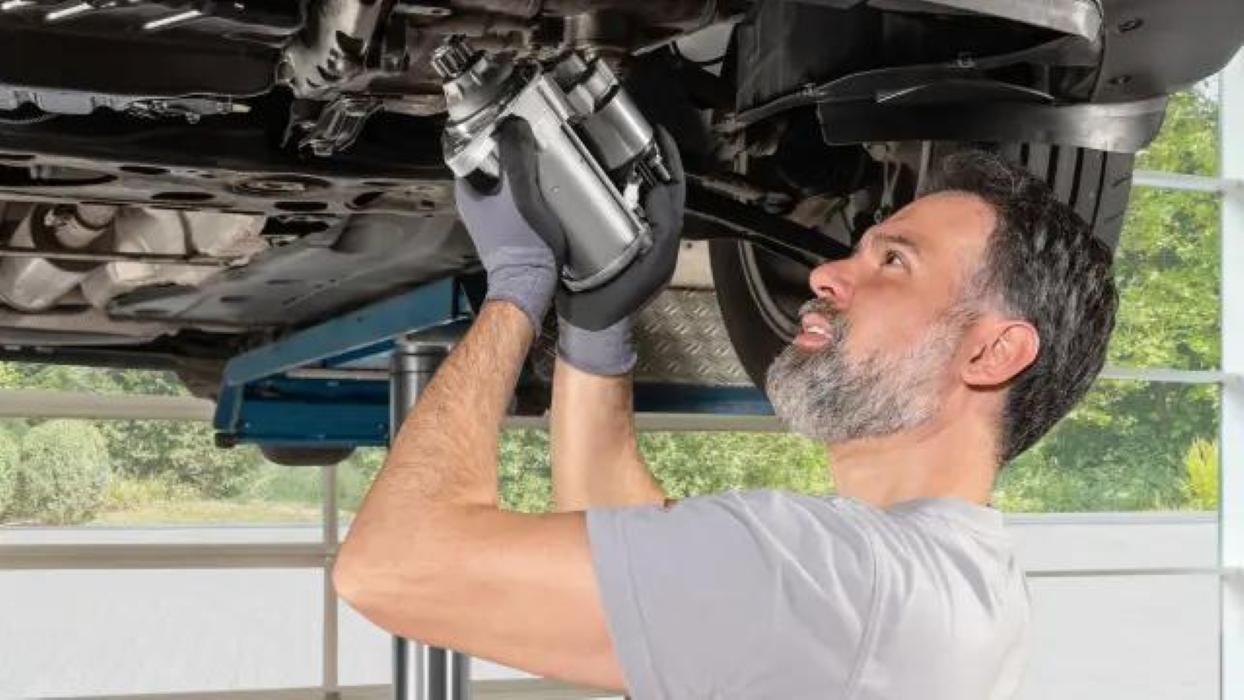
Remanufactured starters are widely available. They cost less than new and work well. Ask about the warranty length. Heat can shorten starter life. Frequent short trips add wear too.
Stop-start systems put extra demand on them. If your car clicks but will not start, do not keep trying. Repeated attempts can overheat the motor. Get it checked instead.
7. Brake Pad and Rotor Replacement: $549 to $629
Brakes are the most important safety system on your car. This job is also one of the most common. The price is per axle. Pads wear down with every stop. Rotors wear too, and can warp or groove. Replacing both together gives the best results.
Squealing is the early warning. Grinding means the pads are gone. Metal on metal quickly ruins rotors. A pulsating pedal suggests warped rotors. A longer stopping distance is a serious red flag. Never ignore either sign.
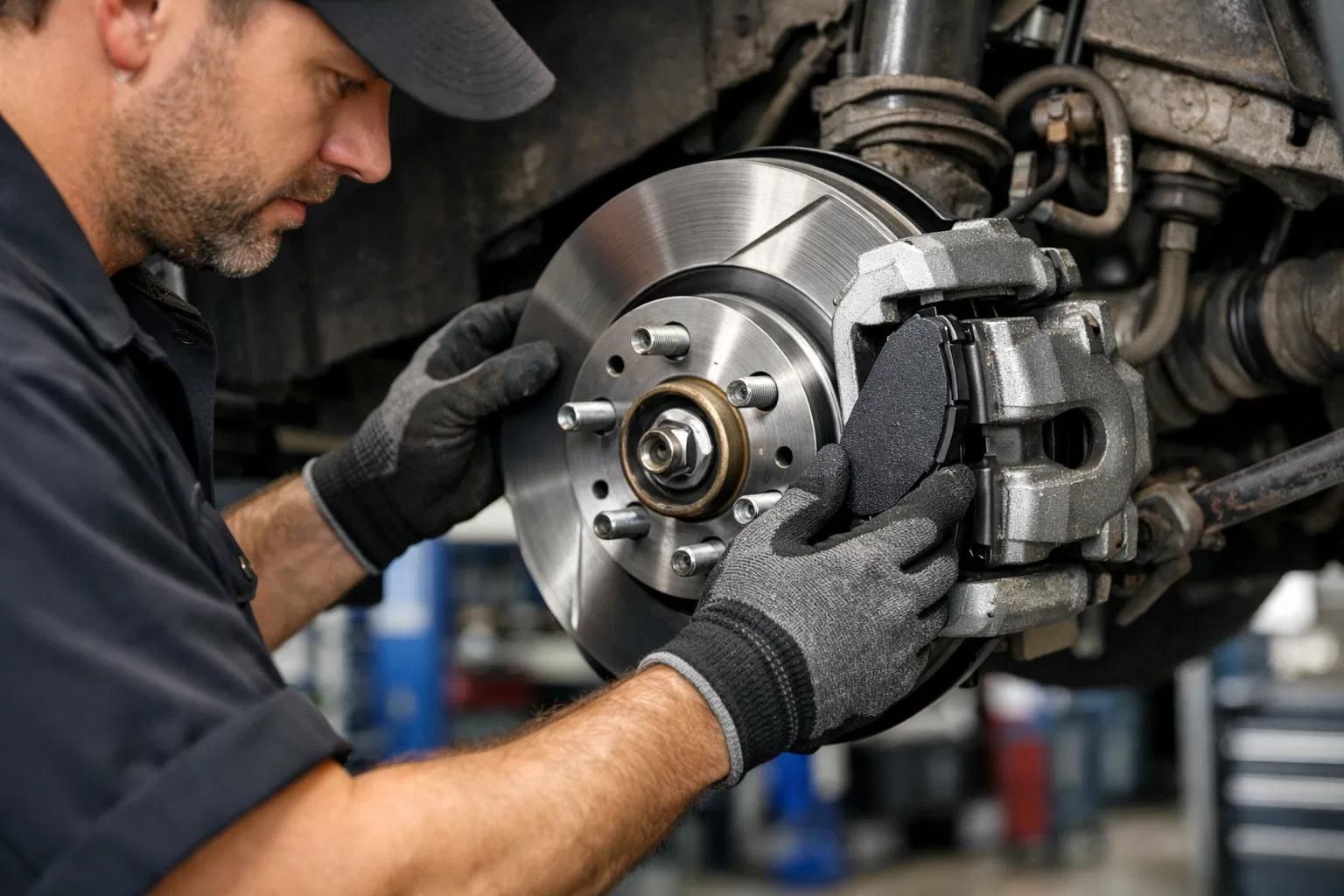
Some shops offer resurfacing to save money. Modern rotors are thin, so this is often not possible. Replacement is usually the better choice. Pad material affects cost and feel. Ceramic pads are quiet and clean.
Semi-metallic pads grip well but make more dust. Inspect brakes at every tire rotation. Catching pads early can avoid rotor replacement. That cuts the bill noticeably.
8. Mass Air Flow Sensor Replacement: $449 to $521
The mass air flow sensor measures air entering the engine. The computer uses this data to set fuel delivery. A bad reading upsets the whole balance.
Symptoms include rough idle and stalling. Fuel economy often drops. The check engine light is likely. The sensor itself is the main cost. Labor is quick, often under an hour. It usually plugs into the intake tube.
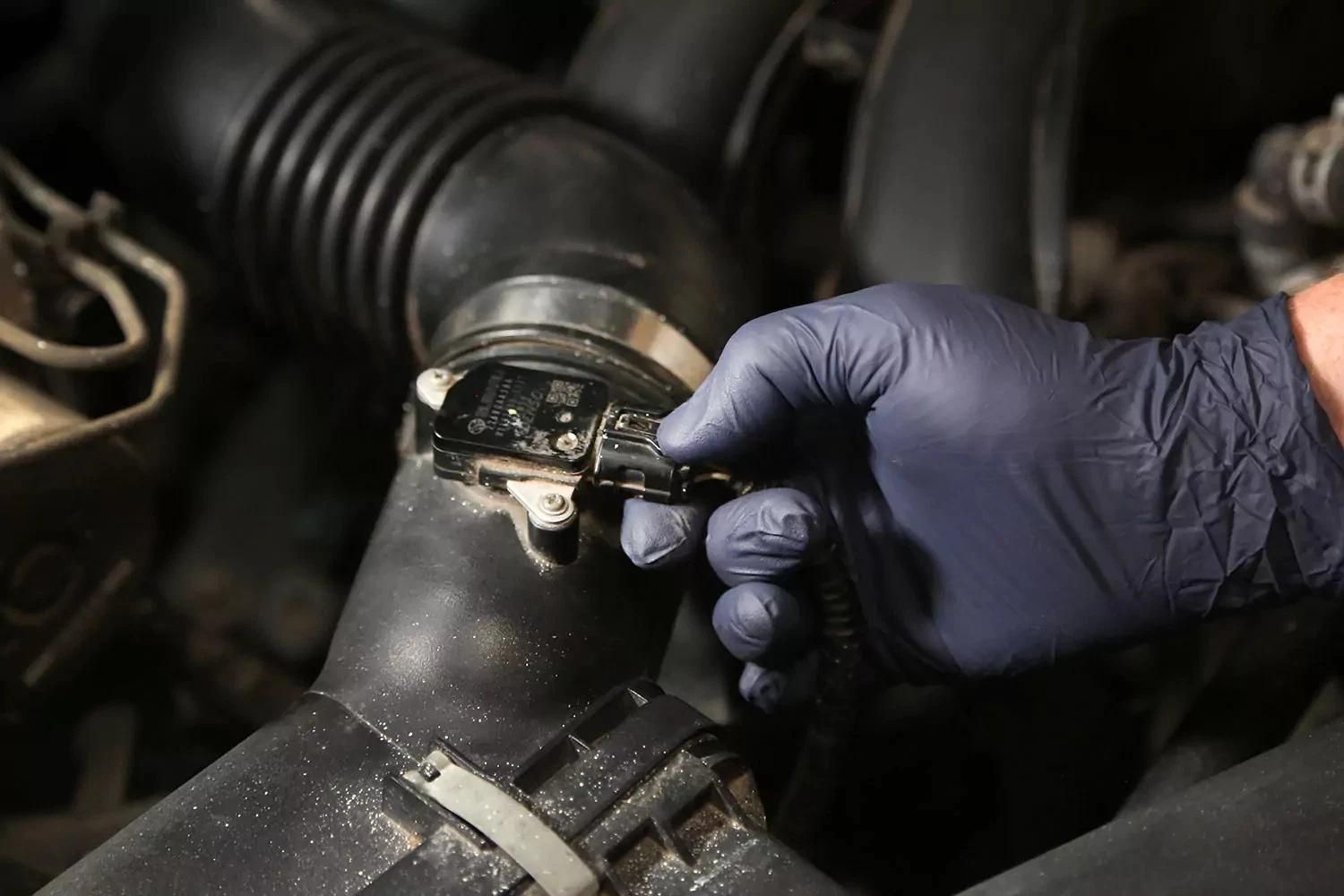
Dirt is a common culprit. A contaminated air filter or oily filter can coat the sensor. Cleaning with a proper sensor spray can restore function. Try cleaning before replacing. It costs a few dollars. Many drivers fix the problem this way.
Replacement makes sense if cleaning fails. Do not use harsh cleaners that damage the element. Use only products made for the job. Change your air filter on schedule. A clean filter protects the sensor. It is cheap insurance.
9. Spark Plug Replacement: $369 to $431
Spark plugs ignite the fuel and air mixture. They are a normal wear item. Cost depends on cylinder count and engine layout. Four-cylinder engines are the cheapest. V6 and V8 engines cost more. Some plugs sit under the intake or coils.
Worn plugs cause misfires and weak acceleration. Fuel economy drops over time. Hard starting can also occur. Modern iridium plugs last a long time. Many are rated for around 100,000 miles. Check your owner’s manual for the interval.
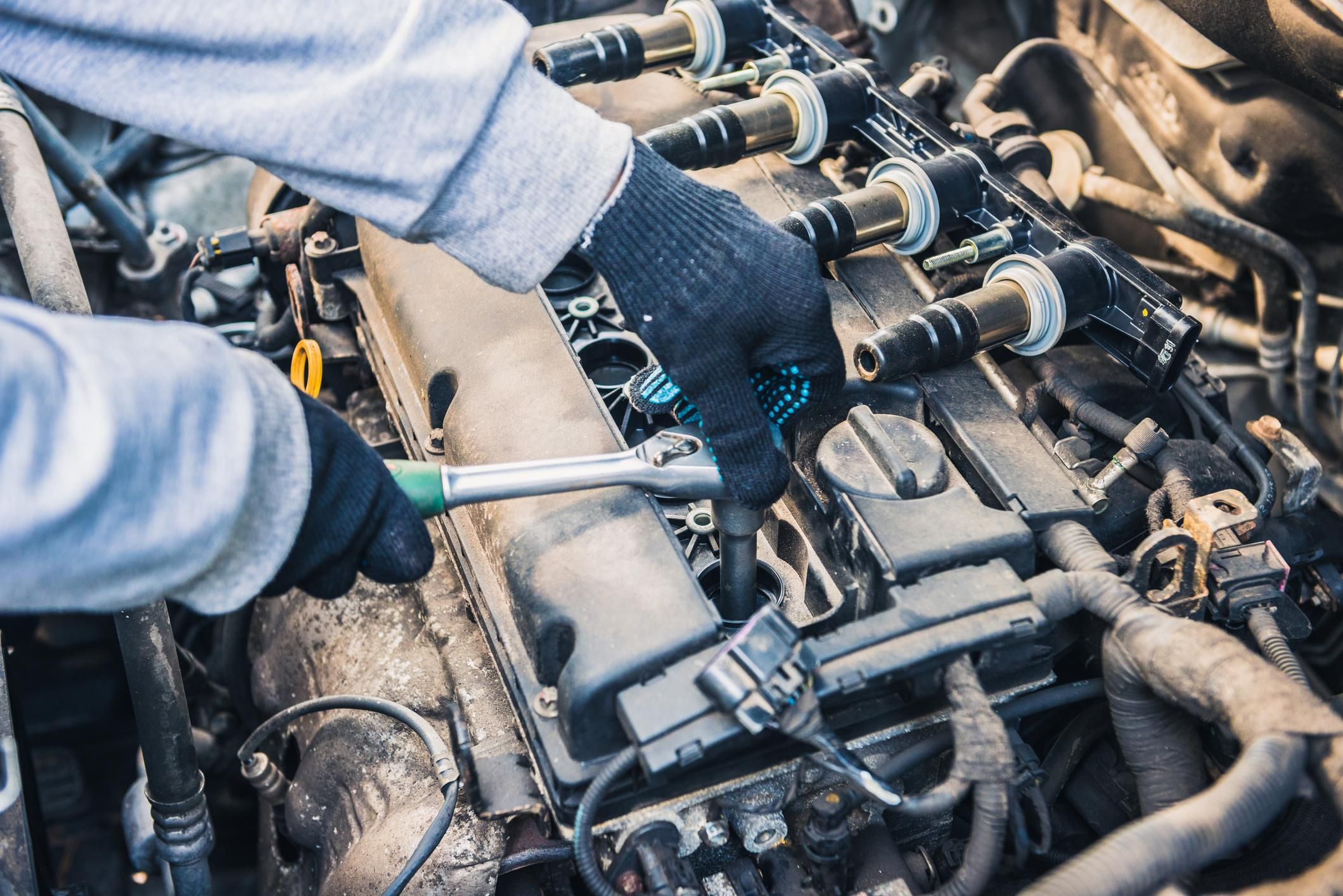
Turbocharged engines are harder on plugs. They may need changes sooner. Following the schedule matters more here. Ignition coils are often replaced at the same time if weak. This adds cost but prevents repeat trouble.
Ask the shop to test them. Do not overtighten or cross-thread plugs. Proper torque protects the cylinder head. A careful technician makes a real difference.
10. Evaporative Purge Control Valve Replacement: $327 to $384
This valve manages fuel vapors from the tank. It sends them to the engine to be burned. It keeps harmful emissions out of the air. A failed valve usually triggers the check engine light. You may notice hard starting after fueling. Rough idle can also occur.
The part is fairly inexpensive. Labor is short on most cars. The cost still adds up with diagnosis time. Check the gas cap first. A loose or cracked cap causes similar codes. Tightening it costs nothing.
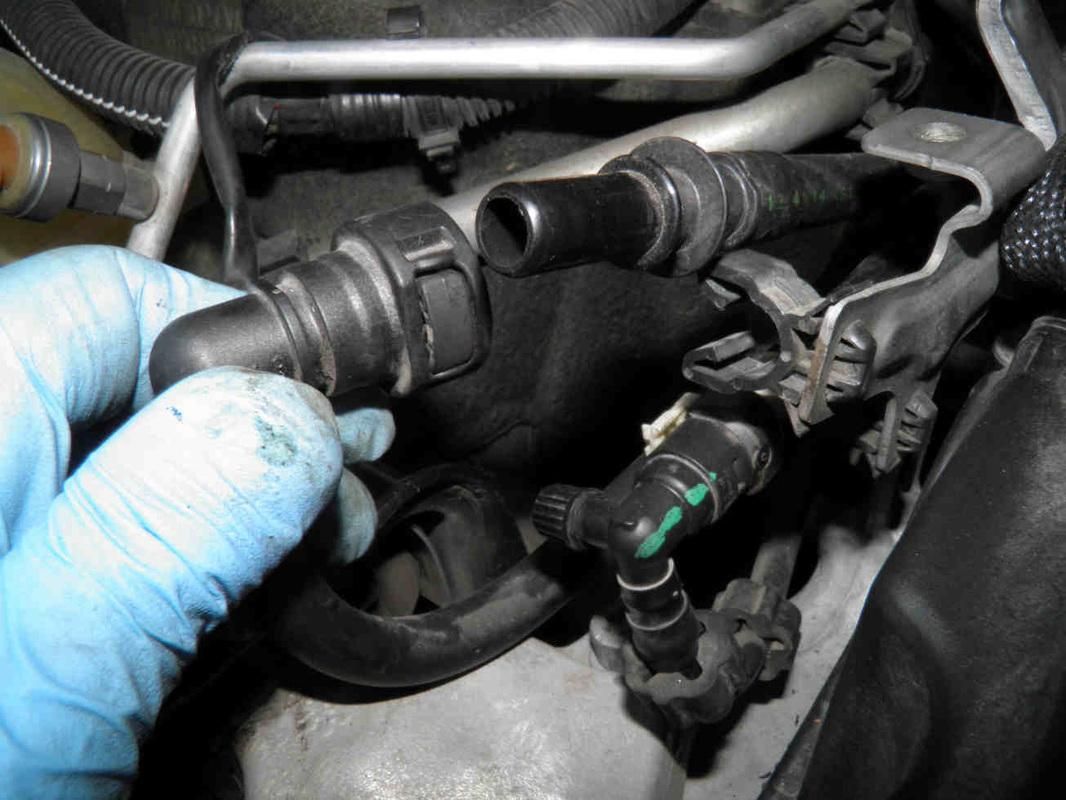
Evaporative system problems can be tricky to trace. Leaks in hoses or the canister cause similar symptoms. A smoke test finds them accurately. This repair is often needed to pass emissions testing.
Waiting too long can lead to a failed inspection. That can cause delays and extra fees. The car is usually drivable with this fault. Still, do not ignore the light. Other problems could hide behind it.
11. Tire Pressure Monitoring Sensor Replacement: $321 to $377
These sensors sit inside each wheel. They report tire pressure to the dashboard. A warning light alerts you to low pressure. The sensors run on small sealed batteries. Those batteries last roughly five to ten years. Once dead, the whole sensor needs replacing.
The light may stay on after you fill the tires. It may also flash and then stay lit. That often points to a faulty sensor. Cost includes the sensor, mounting, and programming. The new sensor must be paired with your car. Special tools are required.
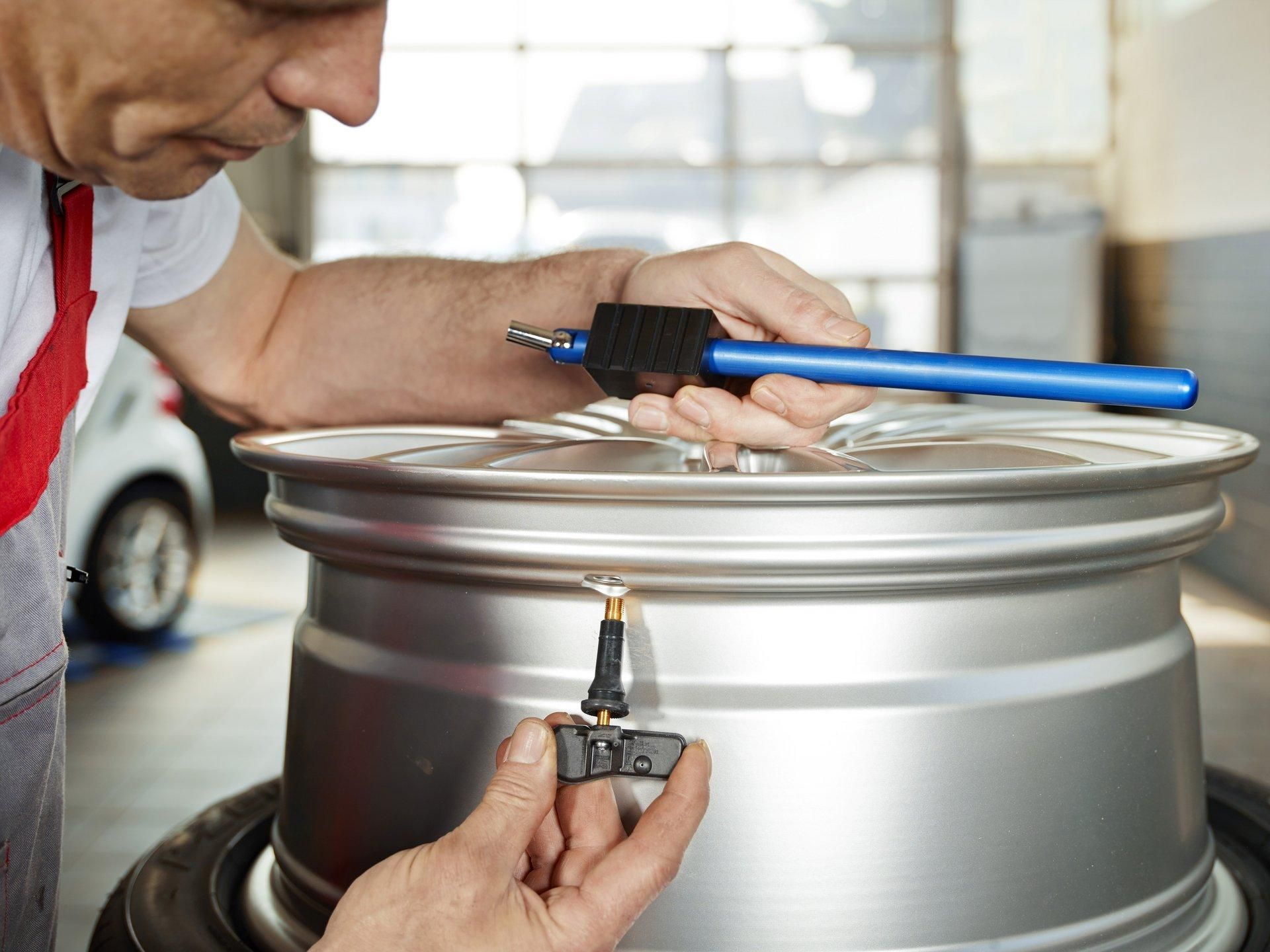
Replacing all four at once is common. Their batteries age together. Doing them together saves repeat labor. Many shops do this during a tire change.
The tire is already off the wheel. That keeps labor low. Do not ignore the light. Underinflated tires wear fast and hurt fuel economy. They are also a safety risk.
12. Wheel Alignment: $169 to $198
This is the cheapest job on the list. It still offers great value. Proper alignment protects your tires and steering. Alignment adjusts the angle of the wheels. It ensures they point straight and track true. Potholes and curbs can knock them out.
Signs include the car pulling to one side. The steering wheel may sit off-center. Uneven tire wear is another clue. Cost depends on the vehicle and the system used. Four-wheel alignments cost more than two-wheel. Some vehicles need extra steps for driver-assist sensors.
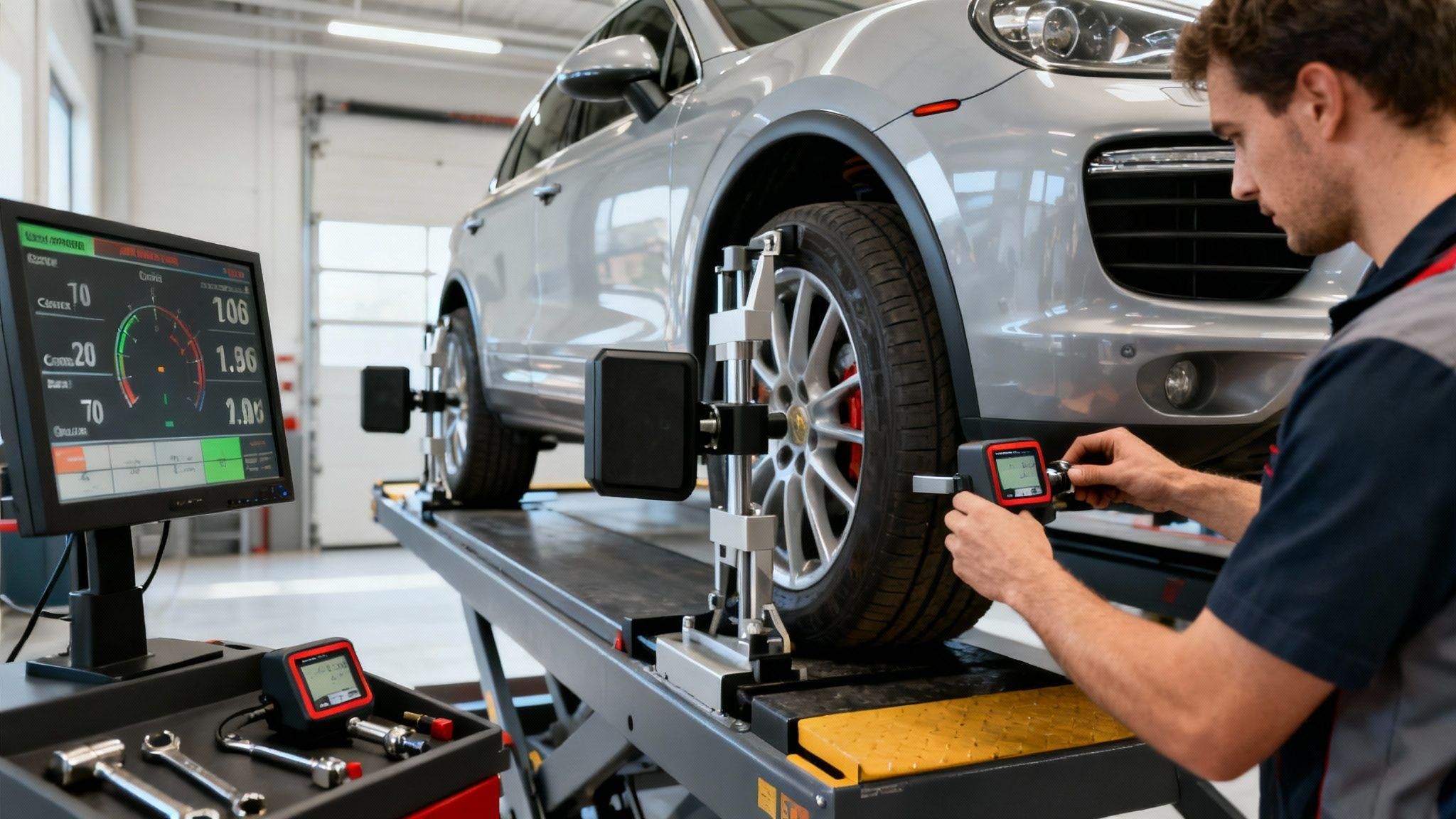
Get an alignment after replacing suspension parts. Do the same with new tires if you notice drift. It protects your investment. Ask for a printout of before and after readings.
This shows the work was done. Good shops provide it freely. Regular alignment can extend tire life by thousands of miles. Fuel economy also benefits. It is the cheapest way to avoid a bigger bill.