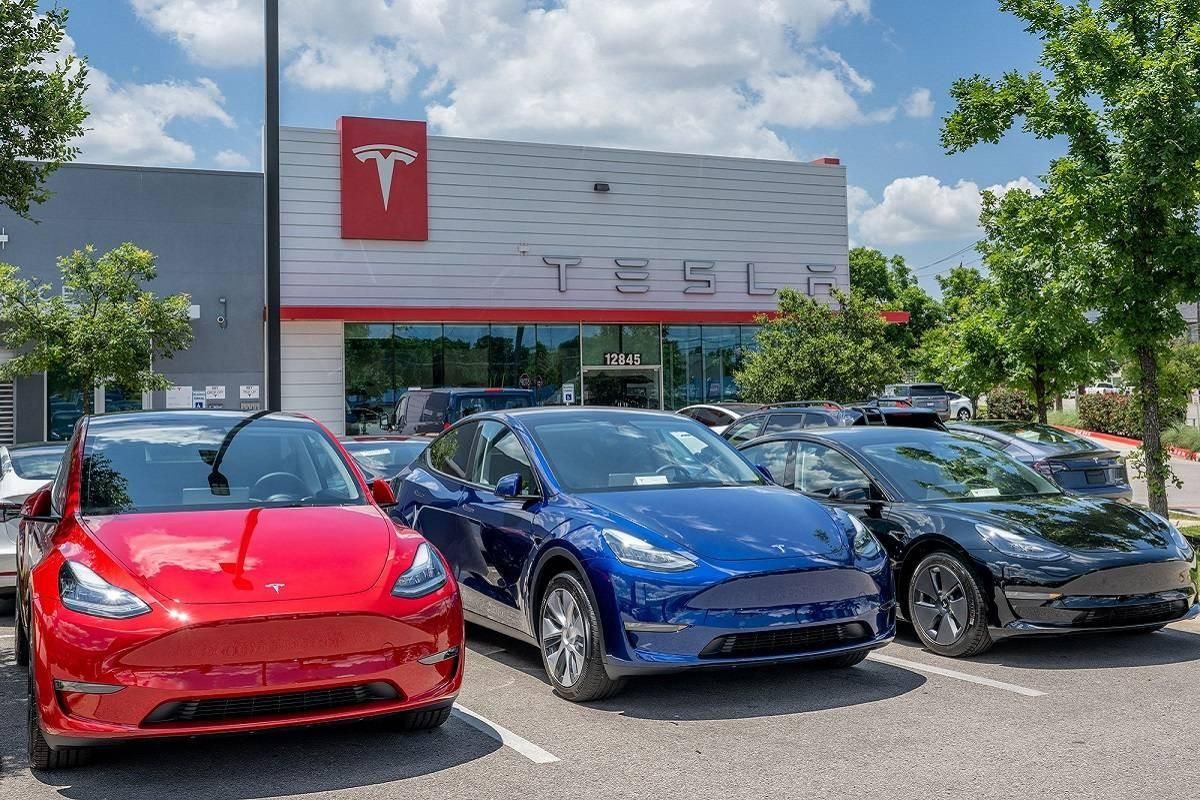
A federal appeals court has pulled the group-lawsuit status from a major case against Tesla. Thousands of California buyers lose the shared legal vehicle they had.
The practical effect is simple and harsh. Owners must now sue one by one. Most never will. The cost of a solo fight usually outweighs the payoff. The Ninth Circuit vacated the class certification granted last year by US District Judge Rita Lin. It decertified three sets of classes.
The panel was Circuit Judges Ronald Gould, Jay Bybee, and Daniel Bress. They found too many individual questions about what each buyer actually saw.
This is not a ruling on the merits. The case remains pending. The claims center on a statement on Tesla’s website. It said vehicles sold from October 2016 onward carried the hardware needed for full self-driving.
Tesla denies the allegations. The court did not decide whether the statement was true. No case number or damages figure is available for this piece. Nothing here implies any dollar exposure for the company. The sections below explain what the court decided, what it means for owners, and what remains open.
What the Ninth Circuit Actually Decided
The ruling came on October 16, 2026. It was a short, unpublished memorandum rather than a full opinion. An unpublished memorandum carries less weight as precedent. Other courts are not bound by it.
Judge Lin had certified the classes in August 2025. She concluded that common questions could be answered for all buyers together. Her key step was about exposure. She reasoned that many buyers probably saw the hardware statement.
She leaned on how Tesla sells cars. The company sells directly to customers, largely online. She said that model made it more likely buyers met the claim. She treated Tesla’s advertising approach as unusual.
The appeals panel rejected that leap. It said the trial court could not presume every buyer saw the statement. The statement sat on one page of Tesla’s website. Nothing forced a buyer through that page to complete a purchase.
Traffic data and other advertising statements did not close the gap. They did not show the whole group was exposed. Two of the vacated classes sought damages. The third sought an order changing Tesla’s conduct.
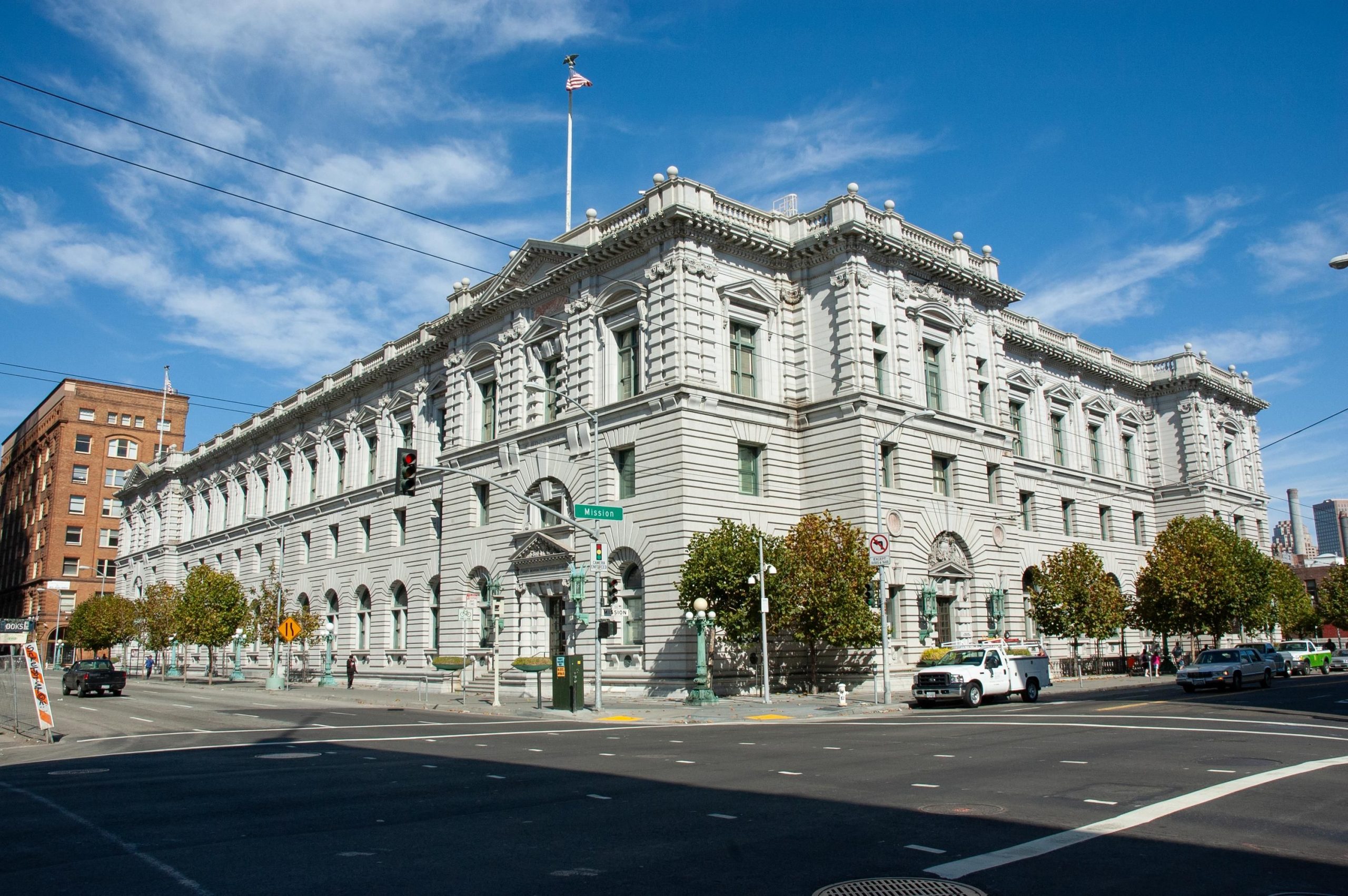
The panel said common questions did not outweigh individual ones. That is the core test for class treatment. It also pointed to time-limit defenses. Those defenses can differ from buyer to buyer.
The lawsuit dates back to 2022. It was brought by buyers who paid for Tesla’s driver-assistance packages. The US Chamber of Commerce filed a brief supporting Tesla. Business groups watch these rulings closely.
Plaintiffs’ lawyers said the panel did not fully appreciate the unusual circumstances. They had argued Tesla’s marketing was unlike a traditional carmaker’s.
None of this decides whether the hardware claim was accurate. The panel stayed on the procedural question. That distinction is easy to miss in headlines. A procedural loss is not a finding of innocence.
It is also not a finding of fault. It only says this group could not travel together. The case now returns to Judge Lin. Individual claims continue there.
Why Owners Must Now Sue Alone, and Why Most Won’t
A class action exists for a reason. It lets many small claims travel together. Think of one buyer with a few thousand dollars at stake. Hiring a lawyer to chase that sum rarely makes sense.
Litigation is expensive. Experts, document fights and depositions all cost money. A class changes the math. One large case can justify the spending.
Without a class, that logic collapses. Each owner carries the full cost alone. Lawyers take cases they expect to profit from. A single modest claim often does not qualify.
So many buyers will simply do nothing. That is the quiet consequence of decertification. Their claims do not vanish by law. They just become impractical to pursue.
Consider what each owner must now prove. The old shortcut is gone. Each buyer must show they saw the hardware statement. They must also show it influenced the purchase.
That is a fact question about one person’s memory. Buyers bought at different times and through different routes. Some read the page closely. Some never opened it.
Some relied on videos, owner reviews or a sales conversation. Those differences are exactly what the panel flagged. Time limits add another hurdle. Consumer claims must be filed within set periods.
Buyers who purchased years ago may face limitations defenses. These vary with each person’s timeline. Owners who want to act have some practical options. None is guaranteed to work.
Keep every record of the purchase. Save order confirmations, invoices and emails. Save screenshots of any saved web pages. Write down what you remember seeing.
Consider small claims court in California. It is built for people without lawyers. There is a dollar cap on such claims. Check the current limit before filing.
Speak with a consumer attorney about a free review. Ask about deadlines right away. Watch for related cases. A separate class action over older hardware was filed earlier this year.
That case raises different questions. This ruling does not control it. Do not trust unsolicited offers of a payout. No settlement process exists for this case today. Nothing in the ruling bars an owner from suing. It only removes the group format.
What Stays Open for the Case, Tesla and Buyers
The ruling does not end the lawsuit. The case remains pending. The panel sent it back to the trial court. Judge Lin will decide how to proceed. The court did not decide if Tesla misled anyone. That question is still open.
Tesla’s denial stands. The plaintiffs’ allegations also stand. Several paths are possible from here. None is certain. The plaintiffs could ask for a narrower class. They would need a group where exposure can be shown.
They could ask the full appeals court to look again. Such requests are rarely granted. They could continue with named plaintiffs only. Those individual claims survive.
Each choice has trade-offs. The plaintiffs’ lawyers have not shown which they will take. The nonprecedential label matters here. The memorandum does not bind other courts.
Still, judges read each other’s work. A decision from a major appeals court gets attention. Defense lawyers will cite it. They will argue that online exposure cannot be presumed.
That argument reaches beyond cars. Any company advertising through its own website could use it. Plaintiffs will answer that this case was unusual. They will stress Tesla’s direct sales model.
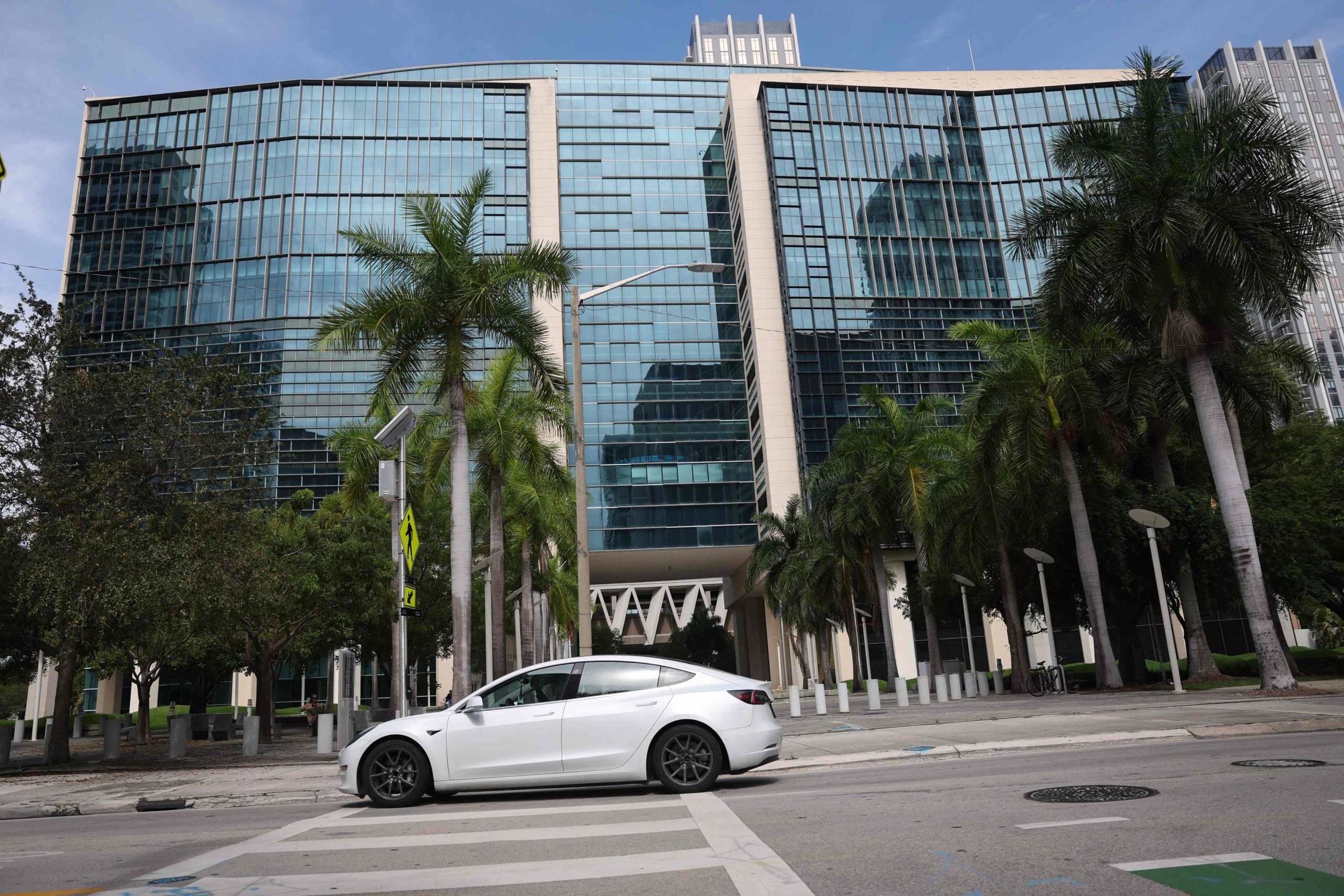
That is the central dispute over the ruling. Does a company that controls its sales channel create classwide exposure? The trial judge said yes in this setting. The appeals panel said that inference went too far.
The Chamber of Commerce backed Tesla’s position. Its brief reflects a wider business interest in tighter class standards. Companies fear large classes built on assumptions. Consumer advocates fear strict proof rules shut people out.
Both concerns are real. This ruling tilts toward the first. For Tesla, the immediate effect is less pressure in this case. A class turns many small claims into one large risk.
Without it, that risk shrinks. We cannot say by how much, because no damages figure exists. For buyers, the next few months are about timing. Watch for orders from Judge Lin.
Watch for any request for rehearing. Watch for filings that redefine the class. Expect future suits to build exposure evidence early. Surveys, web analytics and purchase records will matter more.
The ruling is a loss for the group, not a verdict on the claim. It changes who can bring the case and how. The core question remains unanswered. Did the hardware statement hold true? Until a court decides, no one can say. For now, thousands of California owners are on their own.