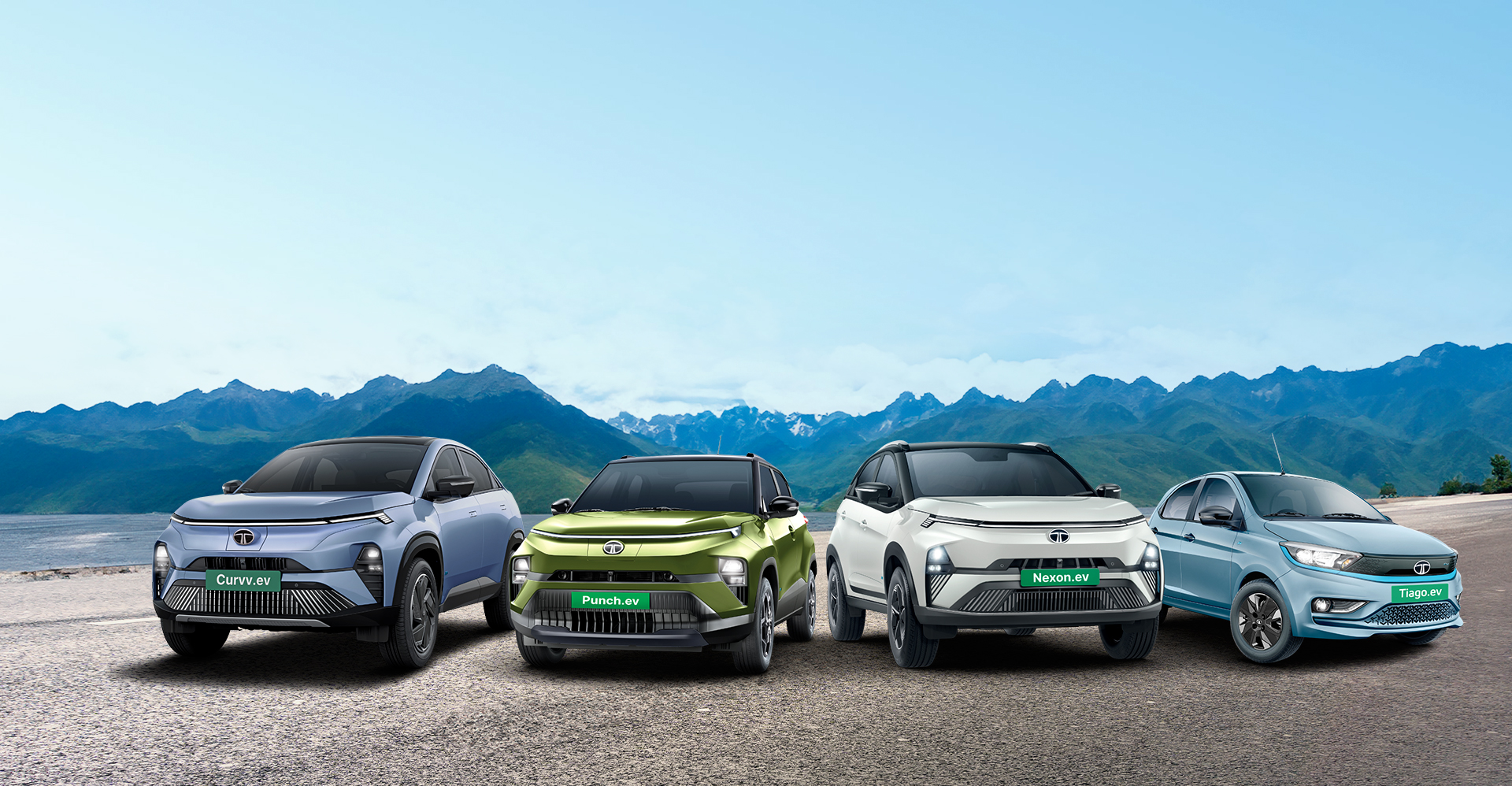
California’s new electric-vehicle incentive program has helped nearly 12,000 residents purchase zero-emission vehicles since launching in August 2026, offering a fresh source of savings after federal purchase tax credits expired.
The program, called MyFirstEV, recorded 11,806 new-vehicle purchases and 132 used-vehicle purchases by October 16, according to state figures reported by Reuters. The initiative combines state funding with contributions from participating automakers to reduce the upfront cost of switching to an electric vehicle.
Initial figures suggest that incentives can encourage purchases despite shifts in U.S. federal electric-vehicle policies. However, California’s results highlight some limitations, as most rebates have supported new vehicles, Tesla’s allocated funds have run out, and EVs still account for a smaller share of statewide sales than they did in 2024.
The program’s longer-term impact will depend on remaining funds, eligible vehicle prices, and whether consumers continue buying after the discount is applied.
How California’s MyFirstEV Rebate Program Works
Launched in August 2026, MyFirstEV is administered by the California Air Resources Board and offers an instant discount to residents purchasing or leasing their first zero-emission vehicle.
Rather than requiring buyers to wait for a tax refund, participating automakers apply the rebate at the point of sale. The state designed the program to make the initial cost of switching vehicles more manageable.
The incentive amounts depend on the vehicle:
New zero-emission vehicle: $3,500 off an eligible model with a manufacturer’s suggested retail price of up to $50,000.
Used zero-emission vehicle: $1,750 off an eligible vehicle priced at no more than $25,000 through participating manufacturers’ pre-owned vehicle programs.
Eligibility is centered on California residents buying or leasing their first zero-emission vehicle. The program is available while funding lasts, on a first-come, first-served basis, and participation depends on the automaker and dealership offering the rebate. Buyers should confirm the eligible model, trim, and purchase terms before signing an agreement.
The funding structure is substantial. California committed $135.5 million, with participating automakers matching that amount, creating a combined pool of approximately $271 million. State announcements commonly round this to $270 million. The arrangement spreads the cost between the state and manufacturers rather than relying exclusively on public funding.
By October 16, approximately $70 million had been spent to support 11,938 purchases, leaving about $200 million available, according to Reuters’ report on state figures. The totals indicate that the program has gained traction within its first few months, although they do not establish how many additional buyers will qualify before the funding runs out.
The program also differs from California’s previous Clean Vehicle Rebate Project, which ended in 2023 after supporting approximately 586,000 vehicle purchases with $1.49 billion in rebates over a decade.
MyFirstEV specifically targets first-time EV buyers by offering instant discounts through participating automakers. The two programs differ in their structure, funding sources, and eligibility requirements, so they should be treated as separate initiatives.
The first results suggest that upfront savings can help consumers move from considering an EV to completing a purchase.
But the number of rebates alone does not show whether buyers would otherwise have purchased a gasoline vehicle, delayed replacing an older car, or chosen an EV without assistance. That distinction matters when assessing how much new demand the incentive actually creates.
Which Automakers and Buyers Are Benefiting?
Tesla accounted for the largest share of purchases reported during the program’s opening months. By October 16, buyers had used MyFirstEV incentives for 5,658 Tesla vehicles, 1,700 Hyundai vehicles, nearly 1,400 Toyota vehicles, and approximately 1,100 General Motors vehicles.
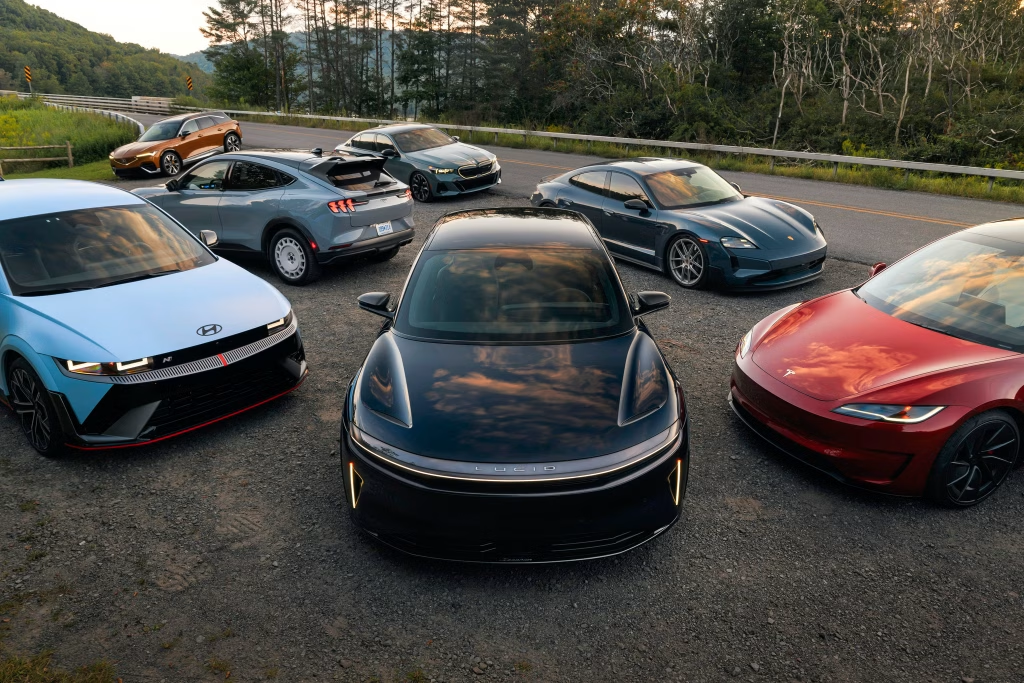
These figures show that the initiative is supporting sales across several brands, although Tesla accounts for a substantial portion of the reported total.
The state has confirmed that 13 automakers are participating in the program, including Ford, General Motors, Honda, Hyundai, Kia, Lucid, Mitsubishi, Nissan, Rivian, Subaru, Tesla, Toyota, and Volvo. Lexus, Toyota’s luxury division, is also listed among the participating brands.
The timing of availability differs by manufacturer, so the full list should not be interpreted as proof that every model from every brand qualifies for a rebate at every dealership.
Tesla’s allocation is an important qualification. California reported that funds for Tesla models had been exhausted by October 16.
This does not mean the entire MyFirstEV program has ended. Approximately $200 million remained in the combined funding pool at the time, and rebates were still available through other participating automakers, depending on funding and vehicle eligibility.
Buyers need to check current availability rather than assume that a rebate remains open simply because a brand appears on the participation list.
The price ceilings shape the types of vehicles the program can support. A $3,500 discount on a new EV priced at $40,000 can make a meaningful difference to the amount a buyer must finance.
But the rebate does not remove other costs, including registration, insurance, charging equipment, or loan interest. Nor does a lower purchase price necessarily make an EV affordable for every household.
Used vehicles have a lower rebate of $1,750 and a stricter $25,000 price limit. The purchase must also meet the program’s requirements for manufacturer-pre-owned vehicles.
That structure is intended to extend savings beyond new-car shoppers, but the early data show that used purchases account for only 132 of the 11,938 supported transactions. It is too early to determine whether that reflects limited qualifying inventory, buyer preferences, rollout timing, or other factors.
For first-time EV buyers, the instant discount may be particularly useful because it reduces the amount due at purchase rather than requiring them to wait for a later benefit. Still, shoppers should compare the final transaction price, loan terms, estimated electricity costs, and insurance premiums.
The most useful comparison is the cost of owning a particular vehicle, not just the rebate amount displayed in an advertisement.
Can State Incentives Sustain EV Demand After Federal Credits End?
MyFirstEV arrived after federal clean-vehicle purchase tax credits ended on September 30, 2025, following changes enacted by Congress and signed into law that year.
Previously, qualifying new EV purchases could receive a federal credit of up to $7,500, while eligible used EVs could qualify for up to $4,000. Those federal incentives operated under separate eligibility rules and should not be confused with California’s current rebate.
California’s program cannot fully replace the federal incentives on a dollar-for-dollar basis. Its $3,500 new-vehicle rebate is smaller than the former maximum federal credit, and the state program imposes price limits and a first-time-buyer requirement.
Its available funding is also finite. Once the relevant pool is depleted, eligible shoppers may no longer receive the discount unless additional funding or a new program becomes available.
The broader market figures show why the distinction matters. Reuters reported that EVs accounted for 18% of California vehicle sales through September 30, down from 23% in 2025 and 25% in 2024.
Separately, the California Energy Commission reported that zero-emission vehicles represented 19.1% of new-car sales in the third quarter of 2026, including battery-electric, hydrogen fuel-cell, and plug-in hybrid vehicles. These measures cover different periods and categories, so they should not be treated as identical statistics.
The figures indicate that a strong start for a rebate program can coexist with a softer market share. Nearly 12,000 supported purchases are meaningful for a program launched only a few months earlier, but they are not enough on their own to establish that California’s EV market has returned to its previous growth trajectory.
Buyers may respond to incentives, but demand is also influenced by vehicle prices, financing costs, model availability, charging access, and confidence in the technology.
For automakers, the rebate provides another way to support sales in a state that remains central to the U.S. zero-emission vehicle market. For consumers, its impact depends on whether qualifying vehicles meet their budgets and driving needs.
The program’s remaining funds and future purchase figures will reveal whether these initial results translate into sustained demand.
The clearest takeaway is that state incentives can soften the loss of federal support, but they cannot guarantee long-term growth by themselves. MyFirstEV has already helped thousands of Californians make the switch, yet affordability, available inventory, and the program’s finite budget will determine how many more buyers benefit.