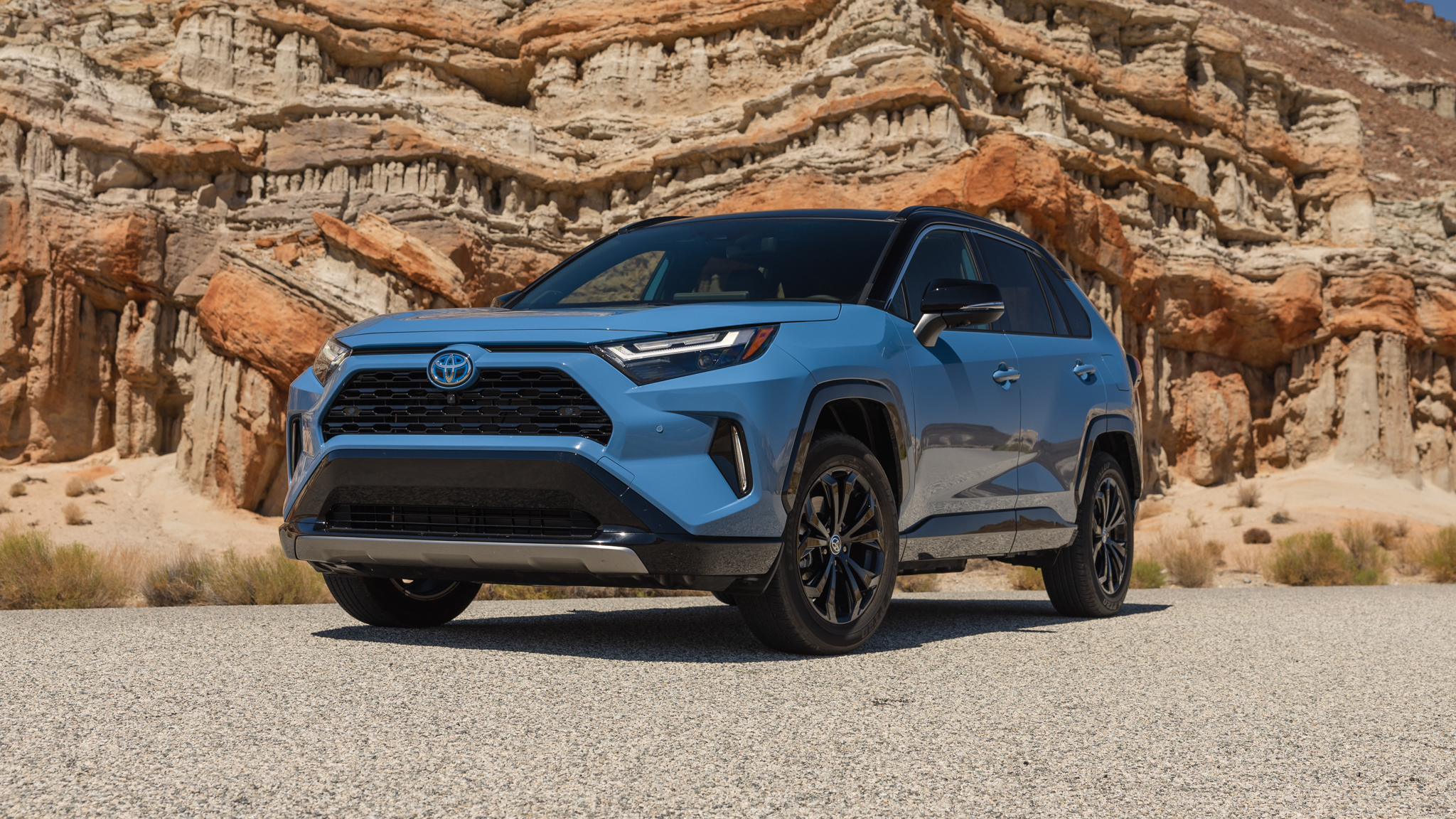
Toyota’s redesigned RAV4 has become difficult to find at U.S. dealerships, with inventory reportedly shrinking to just four days of supply as demand outpaces production.
The Wall Street Journal reported on October 21, 2026, that the shortage follows a difficult transition to the sixth-generation SUV, which Toyota now sells exclusively as a hybrid or plug-in hybrid. By comparison, the broader U.S. new-vehicle market had approximately 51 days of supply in September.
The shortage creates a challenge for Toyota because the RAV4 is one of its most important vehicles in the United States.
Buyers drawn to its fuel efficiency and everyday practicality are facing longer waits, while some are reconsidering their purchases or switching to competing SUVs. The problem illustrates how a popular model can lose sales opportunities when factory changes, production timing, and demand fail to align.
A Redesigned RAV4 Creates a Production Gap
The supply problem began before the 2026 RAV4 reached dealerships in meaningful numbers. Toyota extended production of the outgoing 2025 model into late 2025 rather than moving earlier to retool factories for the redesigned SUV.
That decision helped maintain supplies of a vehicle that was still selling strongly, but it also delayed the transition to the new generation.
The changeover required major factory work, particularly at two plants in Ontario, Canada. Production was halted or reduced during early 2026 as facilities underwent extensive retrofits for the new model. Toyota’s Kentucky factory also started building the redesigned RAV4 later than originally planned, adding to the time needed to rebuild U.S. inventory.
The result was a significant drop in output during the transition. According to figures cited by The Wall Street Journal from AutoForecast Solutions, North American RAV4 production fell 30% through September 2026. U.S. sales were down 29% over the same period, reflecting how limited availability affected the model’s ability to reach customers.
Toyota has been working to increase output. The company said its U.S. and Canadian factories have produced more than 30,000 RAV4s per month on average since April, operating at the limits of their capacity.
That has helped restore a steadier flow of vehicles, but production recovery takes time to translate into inventory at individual dealerships. Vehicles must still be distributed across the country, and incoming units may already be allocated to customers who placed orders weeks or months earlier.
The four-day figure illustrates just how tight the situation has become. Days of supply estimates how long current inventory would last at the recent sales pace if no additional vehicles arrived.
It does not mean every dealership has exactly four days of stock or that all RAV4 versions are equally difficult to obtain. Availability varies by region, trim, powertrain, and color.
It is also important to distinguish the RAV4’s shortage from Toyota’s broader inventory position. Cox Automotive reported that Toyota had 35 days of supply across its U.S. lineup in September, while the RAV4 alone had 24 days at that point.
The newer four-day figure reported by the Journal reflects the sharper shortage described in October, showing how quickly a high-demand model’s availability can tighten.
The timing is especially difficult for Toyota because the RAV4 has been a major contributor to the brand’s U.S. sales. The company sold a record 479,288 units in 2025, according to the Journal’s report.
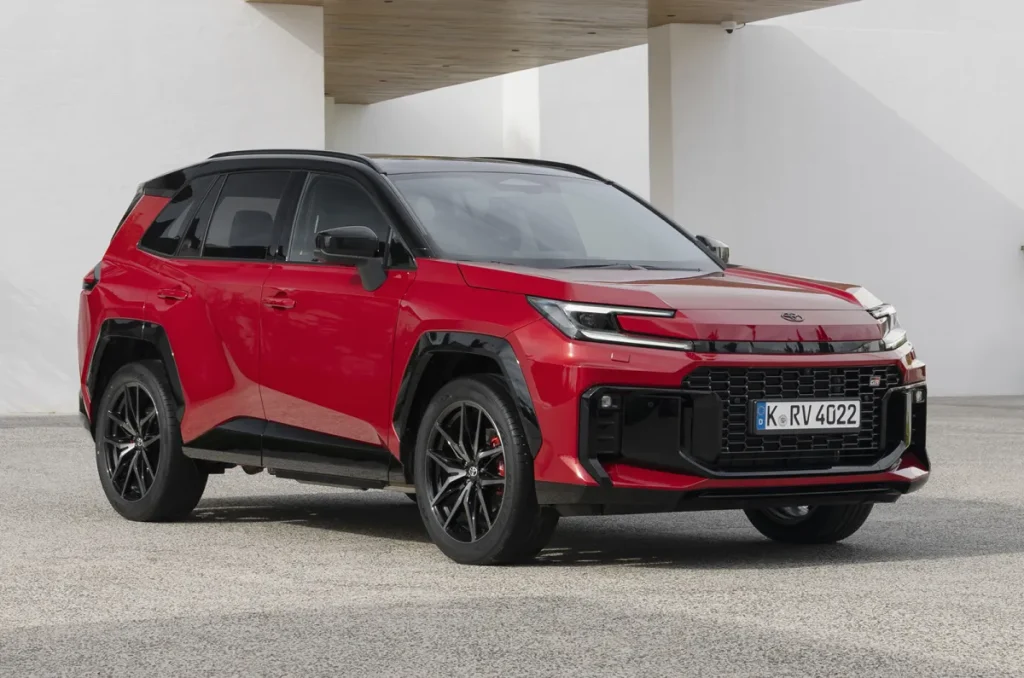
A lengthy production halt does more than reduce showroom options. It also limits Toyota’s annual vehicle deliveries as the company competes closely with General Motors for the top spot in U.S. sales.
Hybrid Demand Is Making the Shortage Harder to Resolve
The redesigned RAV4’s powertrain strategy is another factor behind its popularity. For the 2026 model year, Toyota discontinued the conventional gasoline-only version in the U.S. lineup, offering the SUV as a conventional hybrid or plug-in hybrid.
That leaves customers who previously preferred a standard gasoline engine with a different choice while placing greater emphasis on electrified models.
The move aligns with Toyota’s wider strategy of expanding hybrid availability rather than relying exclusively on battery-electric vehicles. Hybrid systems combine a gasoline engine with electric motors and a battery that is recharged during driving.
Drivers do not need to plug in a conventional hybrid, making it attractive to buyers who want better fuel economy without changing how they refuel.
The new RAV4’s fuel efficiency has become particularly appealing as gasoline costs influence household budgets. The Journal reported that nearly all versions of the redesigned SUV achieve more than 40 miles per gallon combined, depending on the configuration.
That efficiency can reduce fuel expenses for commuters and families who cover substantial distances each year.
However, a successful product strategy can create its own supply challenge when demand grows faster than factories can respond. Buyers who might previously have considered a hybrid only in certain regions are increasingly interested in the technology across the country.
Toyota’s North American sales leadership acknowledged that rising gasoline prices broadened the RAV4 Hybrid’s appeal beyond its traditional markets.
The shortage is also affecting the shopping experience. Some dealerships have customers waiting for incoming vehicles rather than maintaining a broad selection of RAV4s available for immediate test drives.
The Journal reported examples of buyers waiting weeks or months, with delivery times varying by dealership and order. Those delays can become a deciding factor for people who need a replacement vehicle quickly.
A deposit does not necessarily guarantee a short wait, particularly when a buyer wants a specific trim, color, or equipment package. Shoppers who can accept different configurations may have more options, but the availability of alternatives depends on what a dealership has been allocated and when new shipments arrive.
Some customers have already reconsidered their purchases. According to The Wall Street Journal, some buyers have canceled deposits and opted for vehicles available sooner. This poses a broader risk for Toyota, as customers who switch to competing brands may not return even after RAV4 supplies recover.
Buyers May Turn to Rivals While Toyota Rebuilds Inventory
The RAV4 competes in one of the most crowded segments of the U.S. vehicle market. Buyers seeking a compact SUV with strong fuel economy can compare alternatives such as the Honda CR-V Hybrid, Hyundai Tucson Hybrid, and Kia Sportage Hybrid.
These vehicles offer different combinations of interior space, equipment, efficiency, and pricing, so the best substitute depends on each shopper’s priorities.
The Honda CR-V Hybrid is a particularly direct alternative for someone who wants a conventional hybrid compact SUV.
Hyundai and Kia also offer hybrid versions of their compact crossovers, giving shoppers additional choices if a RAV4 order involves a long delay. However, buyers should compare actual local inventory rather than assume a competitor will always be available immediately.
Toyota’s own lineup provides other possibilities. Customers who need additional passenger space could consider a larger Toyota SUV, while those who want a smaller vehicle might investigate the Corolla Cross Hybrid.
These alternatives will not perfectly replicate the RAV4’s size, equipment, or driving characteristics, but they may meet a buyer’s practical needs while reducing the wait.
For anyone determined to buy the redesigned RAV4, flexibility is likely to help. Checking several dealerships, considering different trims, and asking about vehicles already in transit may uncover an earlier delivery.
Buyers should request a written price breakdown and confirm whether the vehicle is allocated, in transit, or physically on the lot before paying a deposit. Any estimated delivery date should be treated as provisional unless the dealership can confirm the vehicle’s status.
Toyota’s production recovery will be central to how quickly the shortage eases. Sustained factory output should gradually replenish dealer stock, but the pace depends on continued production, transportation, and how quickly customers purchase incoming vehicles.
High demand can absorb additional supply before it creates a visible increase in showroom inventory.
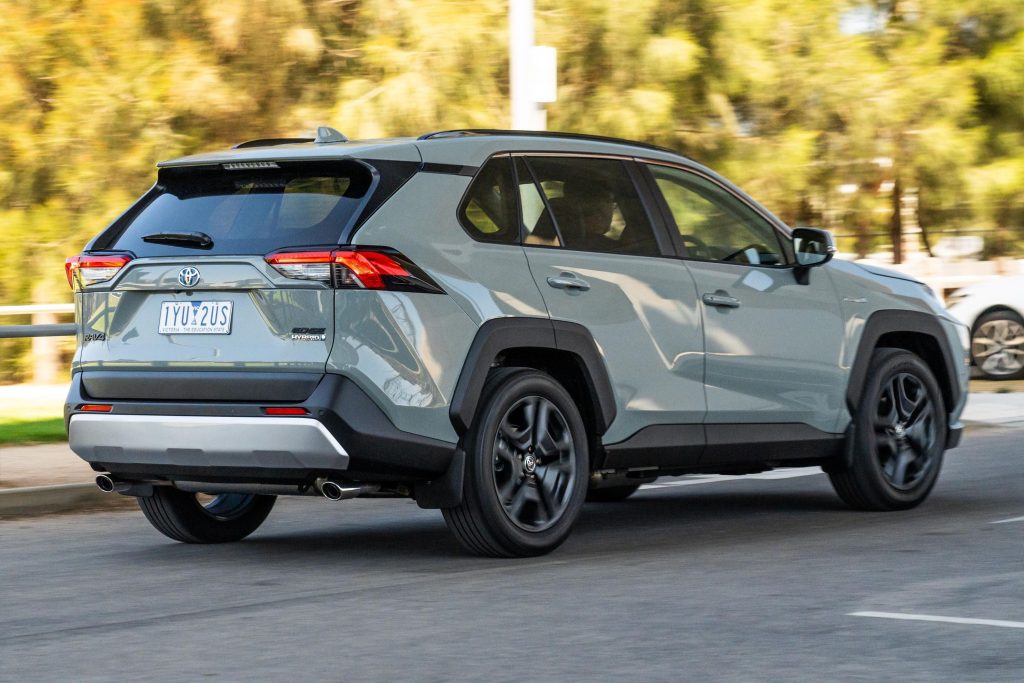
The shortage also highlights a broader lesson for automakers managing major redesigns. Extending production of an outgoing model can protect near-term sales, but delaying factory conversions leaves less time to build inventory of the replacement. When demand for the new vehicle rises sharply, a narrow transition window can become a serious constraint.
Toyota now faces the task of turning stronger production into vehicles customers can actually buy. The RAV4’s popularity and hybrid efficiency remain advantages, but a vehicle that is difficult to obtain can push even loyal customers toward competing brands.
With inventory reportedly down to four days of supply, the company’s ability to sustain output and shorten delivery waits will determine whether eager buyers remain patient or take their business elsewhere.