
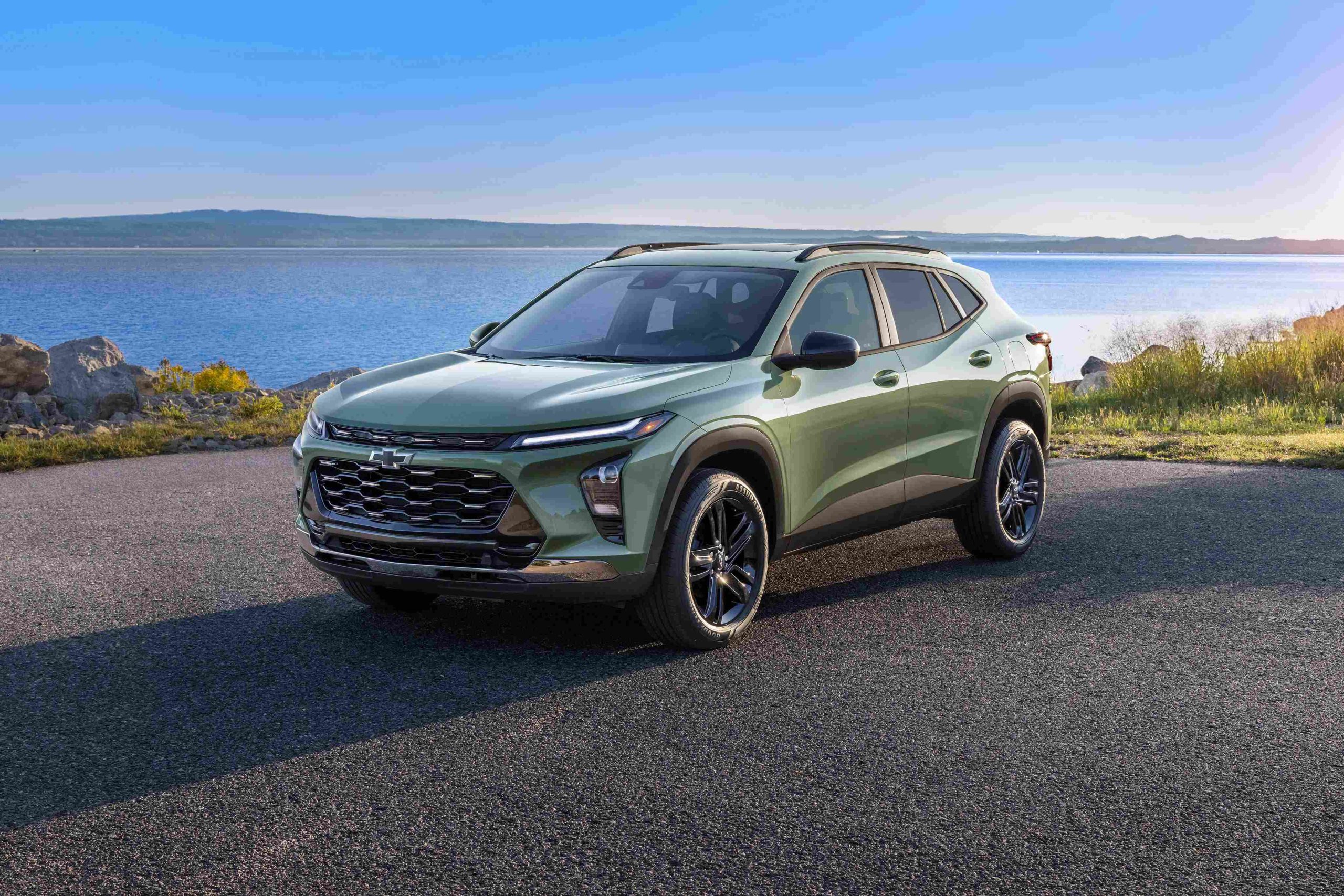
SUVs are often chosen for their higher driving position, flexible seating, and ability to carry everything from weekly groceries to luggage for a family vacation. However, a vehicle’s exterior size can be misleading.
A sloping roofline, bulky wheel arches, a short rear overhang, or a hybrid battery system can reduce the room available behind the back seats. Some models also advertise generous maximum cargo capacities that require folding the rear seats, leaving considerably less room for passengers and everyday belongings.
These 10 SUVs illustrate why checking cargo capacity with all seats in use is essential before choosing your next vehicle.
1. Hyundai Venue
The Hyundai Venue is one of the smallest SUVs on this list, but its upright shape can make it appear more accommodating than its measurements suggest. For the 2026 model, Hyundai lists 18.7 cubic feet of cargo volume with the rear seats upright and 31.9 cubic feet with them folded.
That is useful for routine shopping, backpacks, and a couple of carry-on suitcases, but it leaves less room for bulky family luggage than many buyers might assume when they see an SUV’s tall body.
The vehicle measures just 159.1 inches long, making it convenient in crowded parking lots and narrow urban streets. That compact footprint is part of its appeal, but it also limits the length of the load floor. A large stroller, several hard-shell suitcases, or a combination of sports equipment and grocery bags can quickly occupy the available space.
The practical distinction is between occasional hauling and carrying cargo every day. If most trips involve one or two occupants, the vehicle’s storage area may be perfectly adequate.
When all five seats are occupied, however, passengers and luggage must compete for limited room. Folding the rear seatbacks helps, but that solution is unavailable when rear passengers need their seats.
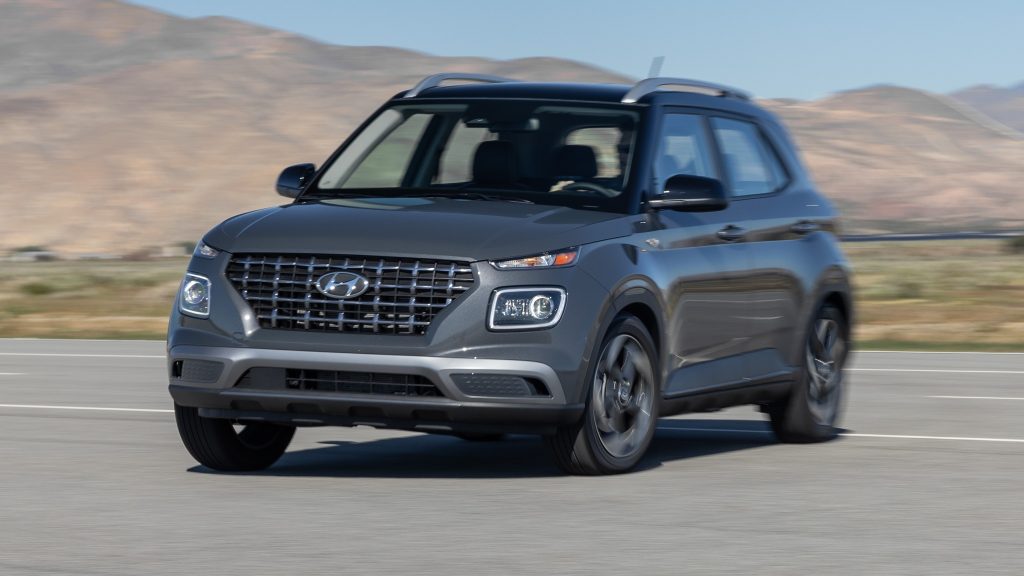
Buyers should measure their largest regular items before committing. Check the opening height, floor length, and space beneath the cargo cover, rather than judging capacity from exterior styling alone. Hyundai’s published specifications make the Venue’s limitations clear, even though its small size remains an advantage in city driving.
2. Subaru Crosstrek
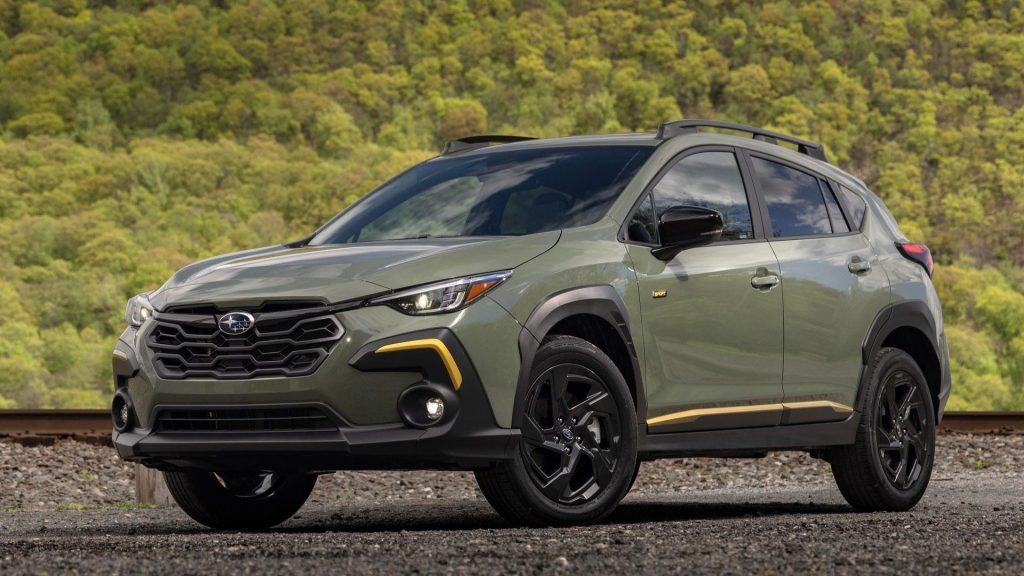
The Subaru Crosstrek has the stance of an adventure-ready SUV, with generous ground clearance and standard all-wheel drive across its U.S. lineup.
That rugged appearance can create the impression that it is ready to swallow camping equipment, hiking supplies, and luggage without much planning. In reality, the space available with the rear seats in use is relatively modest.
Subaru lists 19.9 cubic feet of cargo volume behind the second row on many 2026 Crosstrek trims. Hybrid versions have less, at 18.6 cubic feet, while the Wilderness model is listed at 20.0 cubic feet.
With the rear seatbacks lowered, maximum capacity rises to 54.7 cubic feet on many versions, but that larger number describes a different configuration, not the space available when friends or family are riding along.
The difference matters for outdoor activities. A few daypacks, a cooler, and folding chairs may fit without trouble, but adding a large dog crate or bulky camping boxes can make the cargo area feel crowded. The relatively short rear section also means that the shape of an item can matter as much as its total volume.
The Crosstrek’s strengths are traction, ground clearance, and manageable exterior dimensions. It is well suited to drivers who spend time on unpaved roads and want a vehicle that feels smaller than a traditional SUV. It is less compelling for people who regularly carry five occupants plus substantial luggage.
Before buying, try loading your usual equipment with the back seats upright. That simple test reveals far more about day-to-day usefulness than the maximum figure in a brochure.
3. Mazda CX-30
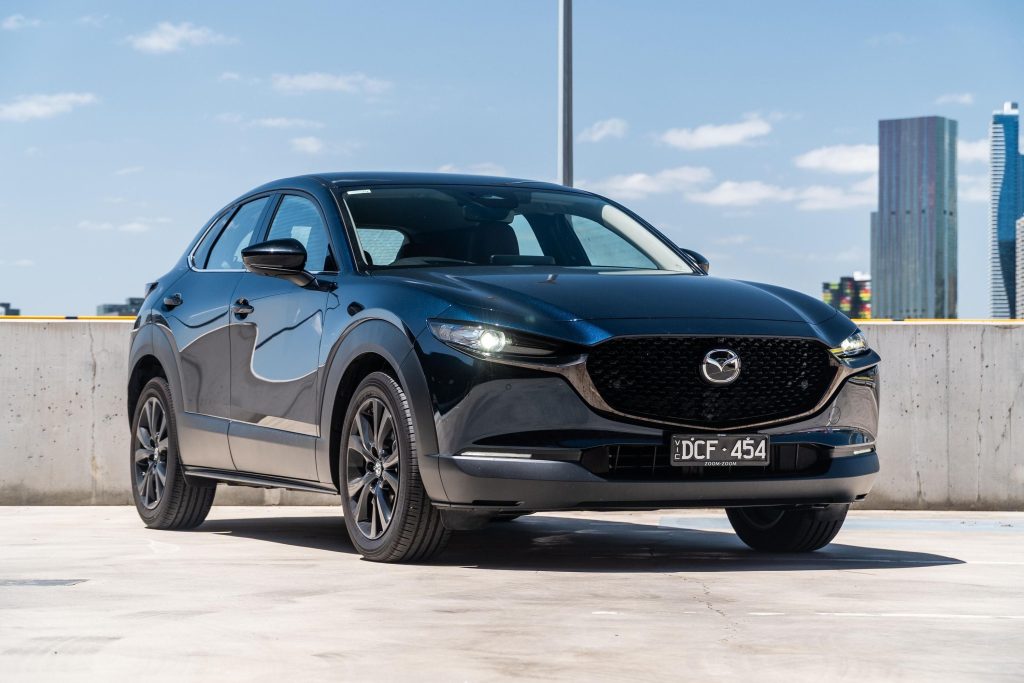
The Mazda CX-30 appeals to buyers with its sleek exterior, premium-looking interior, and compact size. However, its stylish design comes with a practical compromise, as cargo space is relatively limited.
Mazda reports 20.2 cubic feet behind the second row and 45.2 cubic feet with the rear seats folded. Those figures place it among the smaller storage spaces in the compact crossover class.
The rear end tapers into a relatively short cargo compartment, so the CX-30 does not offer the same boxy utility as taller, more upright rivals. A grocery run or a pair of medium suitcases is straightforward. A family’s holiday luggage, a stroller, and several extra bags may require more careful arrangement, especially if the rear seats need to remain available.
Its 45.2-cubic-foot maximum can sound more generous, but that capacity comes at the cost of rear passenger seating.
Buyers who often travel with adults or children should pay closer attention to the lower capacity figure. Beyond the available cargo space with the seats upright, the height and width of the tailgate opening also affect how easily bulky or oddly shaped items can be loaded.
The CX-30 is not designed to be a miniature moving van. Its appeal is more about driving refinement, a well-finished interior, and a compact footprint that works in busy cities. For a single driver or couple with moderate luggage needs, the available space may be enough.
Families should bring a stroller or suitcase to the dealership and test the fit before making a decision. Mazda’s specifications give a clear starting point, but an actual loading test is the best way to judge whether the stylish shape fits your routine.
4. Buick Envista
The Buick Envista looks larger than many small crossovers because of its long profile and sloping roof. Its styling gives it a coupe-like presence, but the rear cargo area is more limited than the exterior might suggest. Buick lists 20.7 cubic feet behind the rear seat, increasing to 42 cubic feet when the back seats are folded.
That roofline helps distinguish the Envista from more upright SUVs, but it can make loading tall objects less convenient. The space works well for groceries, soft bags, and everyday errands. Large boxes, stacked suitcases, or bulky household purchases may need to be tilted or arranged carefully to fit below the rear glass and cargo cover.
The difference between 20.7 and 42 cubic feet is significant. The larger capacity is useful when the vehicle is being used to transport furniture or long items, but it does not represent the space available for a family trip with the rear seats occupied. Drivers who regularly travel with three or four passengers should judge the vehicle by its standard cargo configuration.
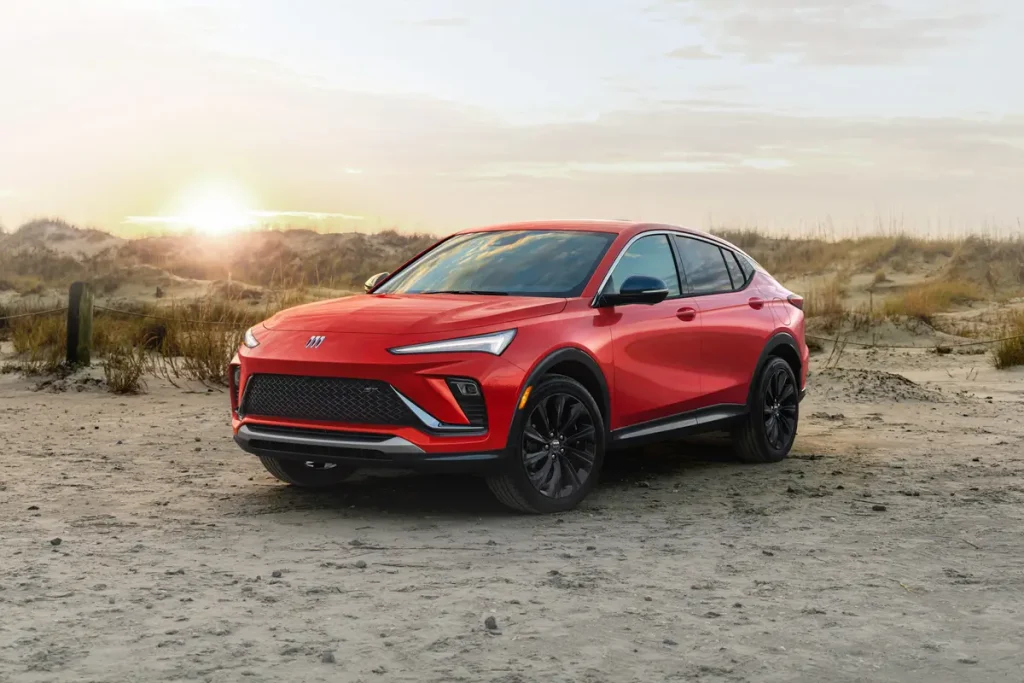
Buick also offers a 40/60-split folding rear seat, allowing one side to be lowered while another passenger still rides in the back. That flexibility is helpful when carrying a long item alongside a passenger, although it does not create extra room when every rear seat is needed.
The Envista makes sense for buyers who value distinctive styling and a comfortable daily commute more than maximum hauling capacity. Its storage area is usable, not enormous. If your SUV regularly doubles as a family luggage carrier, compare its cargo opening and floor dimensions with more upright alternatives before choosing it.
5. Kia Niro
The Kia Niro is a practical-looking crossover whose efficiency-focused design may appeal to commuters and small families. Yet its cargo area is not as generous as buyers might expect from a vehicle marketed for everyday versatility.
The hybrid Niro’s storage space behind the rear seats is approximately 22.8 cubic feet, which is enough for ordinary errands but can become restrictive when passengers bring substantial luggage.
The Niro’s appeal is its balance of manageable size, useful passenger accommodation, and low fuel consumption. Those priorities mean it is not built around the expansive rear load area found in larger family SUVs.
A few shopping bags or small suitcases are easy to accommodate, while a large stroller, a cooler, and several overnight bags may require a more deliberate packing arrangement.
Cargo capacity is particularly important for hybrid buyers because the powertrain packaging can affect how a vehicle’s interior is arranged. The Niro is designed to make efficient use of its footprint, but that does not guarantee a broad, deep trunk. The shape of the load floor and the height of the rear opening can be just as important as the published volume.
The rear seats fold to increase the available area when passengers are not needed, providing useful flexibility for occasional larger loads. That is a meaningful advantage, but it cannot replace a larger cargo compartment on trips when everyone needs to travel together.
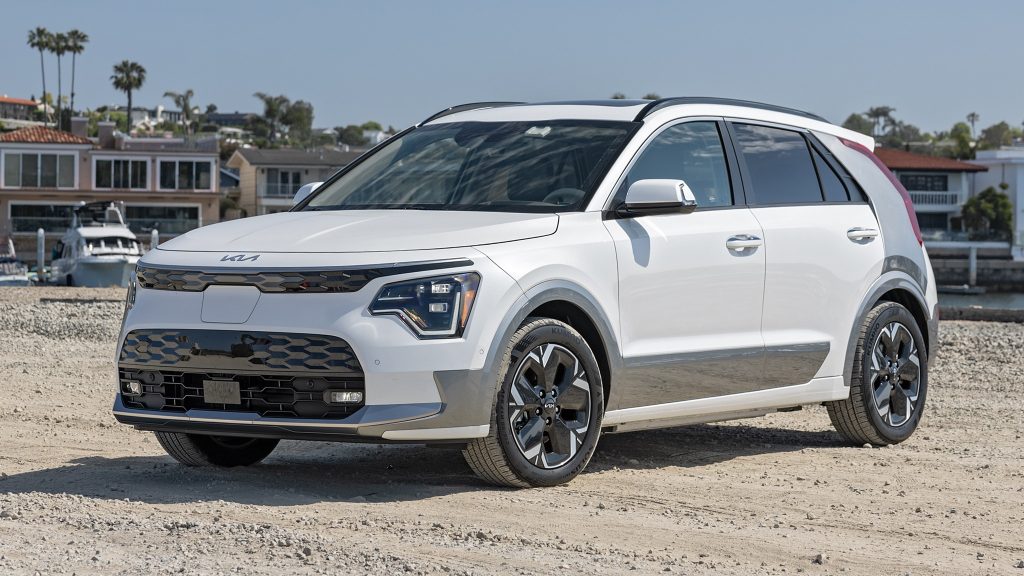
The Niro is worth considering for drivers who prioritize fuel economy and manageable dimensions. It may be less satisfying for households that routinely carry bulky equipment or pack for long family vacations. Bring your usual bags to a test drive and confirm that the cargo area works with the rear seats upright before deciding.
6. Toyota Corolla Cross
The Toyota Corolla Cross has the upright body and elevated seating position many buyers want from a small SUV. Its exterior proportions can suggest a large luggage compartment, but Toyota’s U.S. specifications list 24.0 cubic feet of cargo capacity for the 2026 gasoline model with the rear seats in place.
That is useful for daily driving, though it is not a particularly large figure for a vehicle expected to handle family duties.
The Corolla Cross has an advantage over some swoopier crossovers because its shape is relatively upright. Even so, a cargo volume figure cannot tell the whole story.
Tall bags may fit differently from wide suitcases, and the wheel-well intrusions can affect how easily boxes sit side by side. When the rear seats are occupied, the driver must work within the available trunk area instead of relying on the larger maximum capacity quoted with the seats folded.
Toyota provides a 60/40-split rear seat, allowing owners to lower part of the back row for longer objects. This arrangement is useful when carrying a passenger and cargo at the same time. However, it is not a substitute for a larger trunk if all rear seating positions are needed.
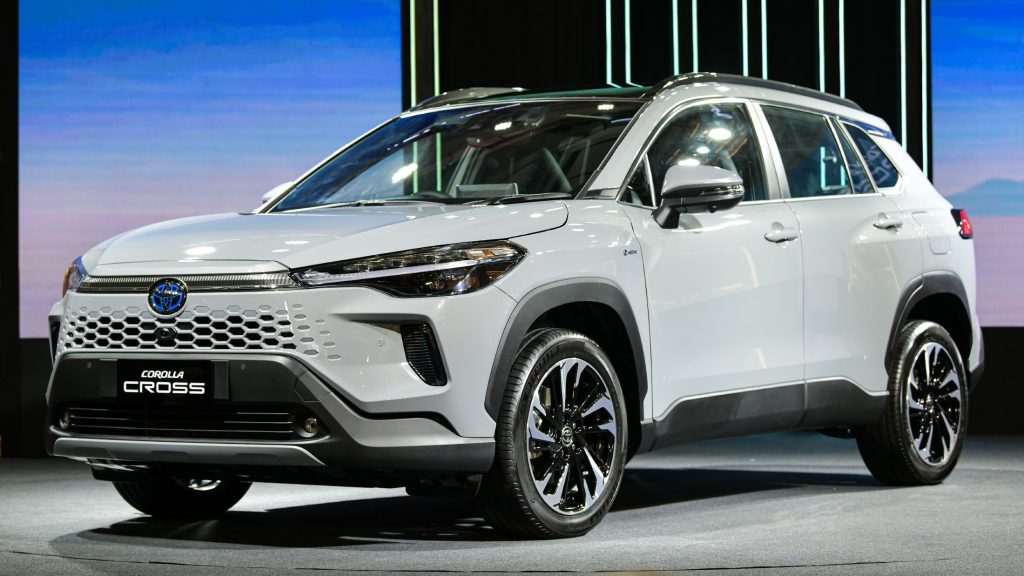
The Corolla Cross is a sensible choice for commuters and small households that want a conventional SUV layout without moving up to a larger, more expensive vehicle. It can handle normal shopping and modest luggage loads, but bulky holiday gear may take more planning than its exterior suggests.
Buyers should compare the gasoline model with the hybrid separately, since cargo measurements can differ by powertrain and configuration. Check the exact version being considered, then test it with the luggage or equipment you regularly transport.
7. Honda HR-V
The Honda HR-V may appear to offer generous cargo space thanks to its upright rear design and practical interior. However, its published figures are more modest, with the 2026 model providing 24.4 cubic feet behind the rear seats and 55.1 cubic feet with the second row folded.
That is a useful amount of space for a small crossover, but buyers moving from a larger SUV may notice the difference immediately. A couple of suitcases and a few shopping bags are manageable.
Add a stroller, bulky sports equipment, or luggage for several passengers, and the available room can disappear quickly. The rear seats also need to remain upright if the vehicle is being used to transport a full complement of passengers.
Honda’s maximum cargo figure is considerably larger because it measures the space available after the rear seats are lowered. This is valuable when moving a long object or making a hardware-store run, but it can create an unrealistic impression if the vehicle’s main job is carrying both people and their bags.
The HR-V’s practical shape helps make the most of its footprint, and its split-folding rear seats provide flexibility for mixed passenger-and-cargo trips. Still, volume alone does not determine usability.
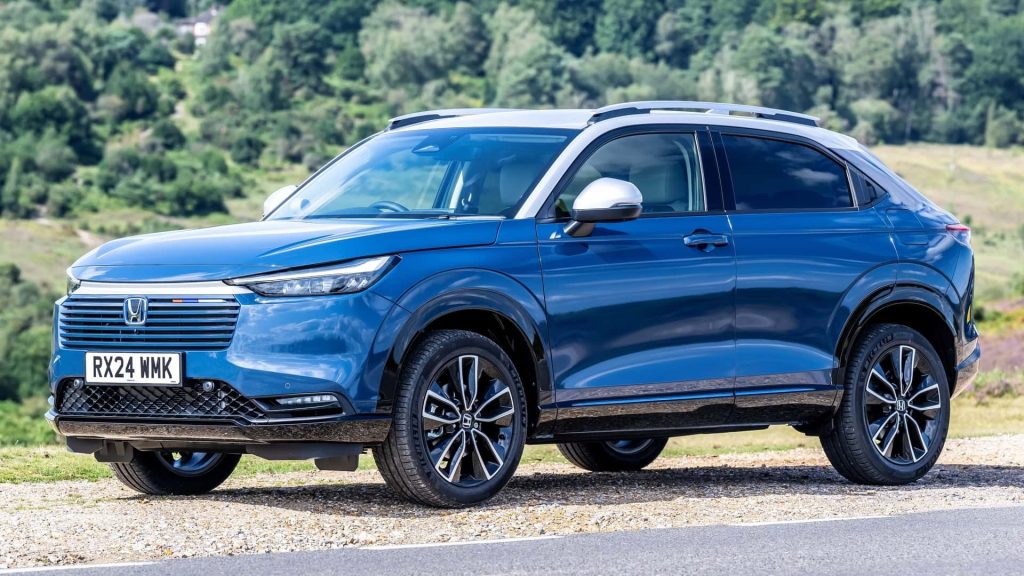
A suitcase may fit in the trunk by volume but fail to fit through the opening, while a tall item might interfere with rear visibility if stacked too high.
The HR-V remains a sensible daily SUV for many small households. The key is to judge it by your own routine rather than the maximum cargo number. If you frequently travel with several people, test the trunk with all seats upright and confirm that your regular bags fit without blocking the rear window.
8. Chevrolet Trax
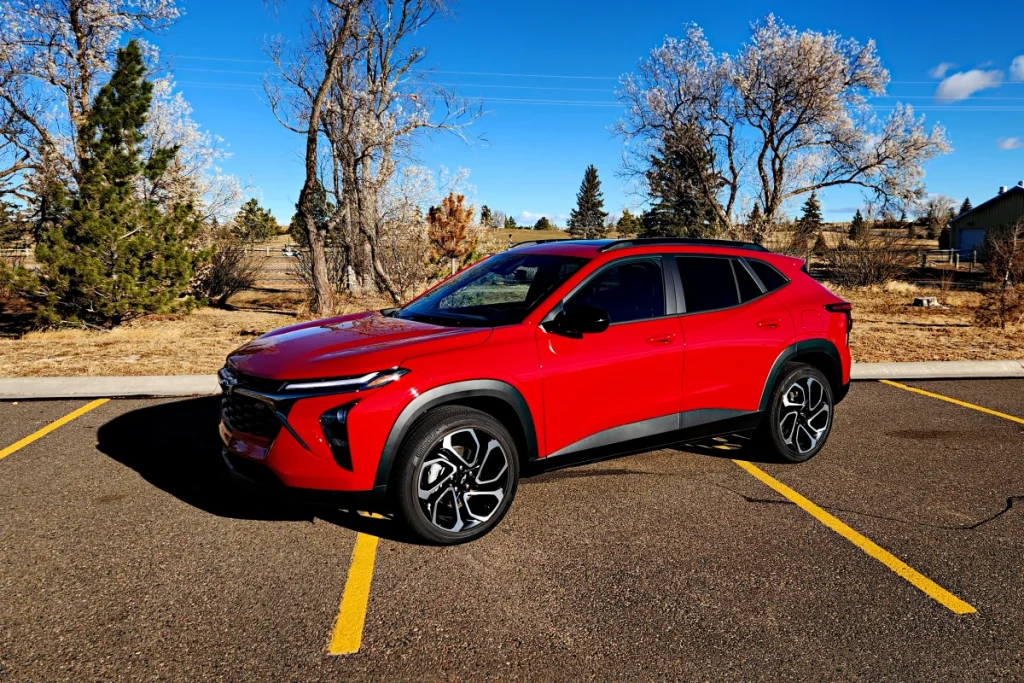
The Chevrolet Trax offers a longer body than some subcompact crossovers, which can lead buyers to expect an especially generous trunk. Chevrolet advertises 54 cubic feet of maximum cargo space, but that figure is achieved with the rear seats folded.
The cargo volume available behind the rear seats is about 25.6 cubic feet, making the distinction between everyday capacity and maximum capacity important.
The Trax can handle grocery runs, gym bags, and moderate luggage without much difficulty. It also benefits from a 60/40-split rear seat, so owners can carry a longer object while leaving part of the rear bench available for a passenger. That flexibility helps make the most of the space, but it does not change the amount of room available when all seats are occupied.
One limitation is that cargo volume alone does not reveal how convenient the trunk is to load. Large boxes may need to be angled through the liftgate, and stacking bags too high can obstruct the driver’s rear view.
A family with a stroller and several suitcases may find that the cargo area fills more quickly than expected, particularly if the rear seat must accommodate children or adults.
The Trax remains appealing to buyers who want an affordable, easy-to-drive crossover with a useful cabin. It is not intended to replace a midsize SUV for frequent long-distance family travel. The published maximum capacity is helpful for occasional hauling, but the more relevant question is whether the standard trunk can handle the things you carry every week.
A dealership visit is a good opportunity to check the floor length, opening width, and space under the cargo cover. Test-loading your usual luggage will provide a clearer answer than the maximum figure alone.
9. Chevrolet Trailblazer
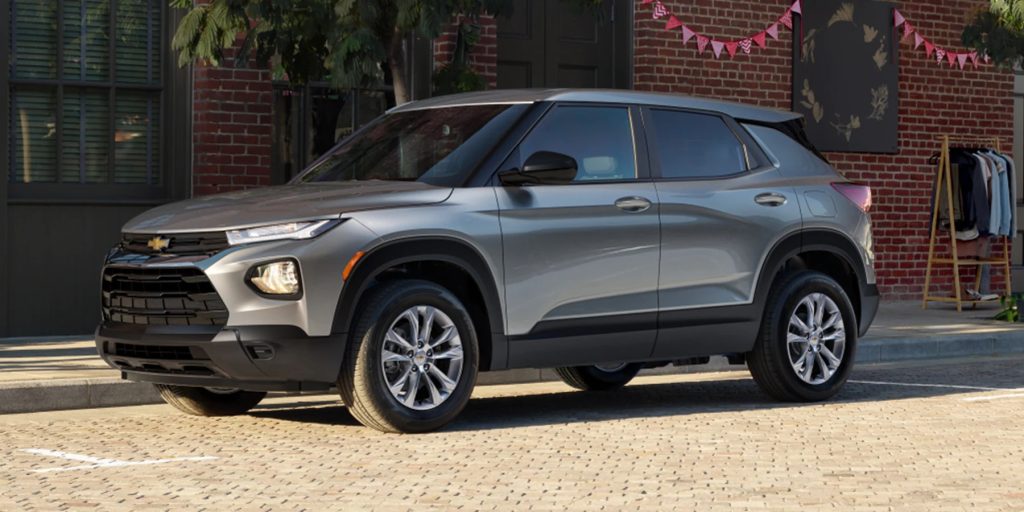
The Chevrolet Trailblazer’s tall roof and squared-off rear styling make it look ready for serious cargo duty. That shape helps with access, but the Trailblazer is still a small crossover rather than a full-size utility vehicle.
Chevrolet advertises up to 54.4 cubic feet of maximum cargo volume with the rear seats folded. Buyers should be careful not to confuse that figure with the room available when the back seats are being used.
The Trailblazer’s cabin is designed to balance passenger space, compact exterior dimensions, and everyday flexibility. Its split-folding rear seat helps accommodate longer items, but the usable trunk area is finite when everyone is riding along.
A family may be able to carry groceries and a couple of travel bags easily, yet struggle when a stroller, cooler, and several large suitcases need to fit together.
The squared-off rear end can make the opening easier to use than a strongly sloped tailgate, but it does not automatically mean a deep load floor. The shape and size of the objects being carried still matter. Hard-shell suitcases, for example, may not nest together as neatly as soft duffel bags, and bulky objects can occupy space rapidly.
For city dwellers, the Trailblazer’s manageable footprint can be an advantage when parking and navigating tight streets. Buyers who regularly transport sports gear or family holiday luggage should compare the actual cargo area with rivals rather than relying on its rugged styling.
Because published specifications may emphasize maximum cargo capacity, check the exact model and configuration being considered.
Fold the rear seats to see how much extra room becomes available, then restore them and test the everyday layout. The standard arrangement is the one that will matter most when the vehicle is carrying passengers and their belongings together.
10. Audi Q3
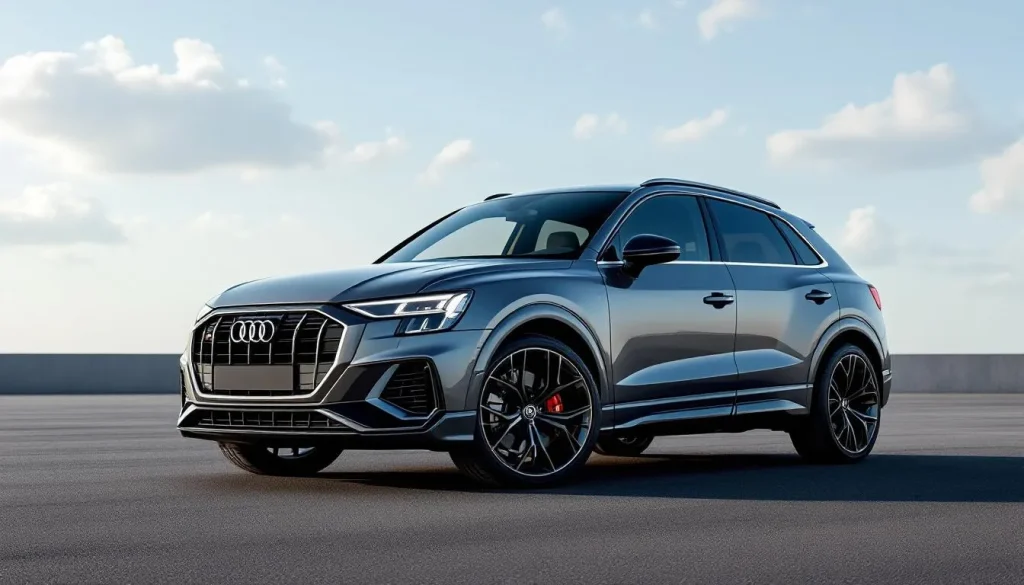
The Audi Q3 brings premium materials, a sophisticated cabin, and compact exterior dimensions to the luxury SUV segment. Its upscale appearance can suggest that practicality comes as standard, but buyers should pay attention to how much room remains behind the rear seats.
For the redesigned 2026 model, published U.S. information describes cargo capacity that varies with the sliding rear seat position, making it important to check the exact configuration rather than rely on a single number.
A sliding rear bench can help manage the compromise between passenger legroom and luggage space. Moving the seat forward increases the cargo area, while moving it back gives rear passengers more room. That is a useful feature, but it also means the maximum cargo figure may depend on sacrificing some rear-seat comfort.
The Q3’s compact luxury-SUV footprint makes it easier to park than larger premium models, but it is not designed to offer the same luggage capacity as a midsize luxury SUV. Everyday bags and shopping are straightforward.
Bulky suitcases or equipment for a family trip may require careful packing, especially when the rear seats need to remain in a comfortable position.
Buyers should also consider the cost of the vehicle in relation to their needs. A premium badge and refined interior do not necessarily provide a larger trunk than a mainstream crossover. If carrying cargo is a priority, compare actual dimensions and loading access alongside comfort, technology, and driving feel.
Before purchasing, move the rear seat through its available positions and inspect the cargo area in each one. Test the bags you normally carry, then check whether rear passengers still have enough legroom. That gives a more realistic picture of the Q3’s everyday practicality than its exterior styling alone.
