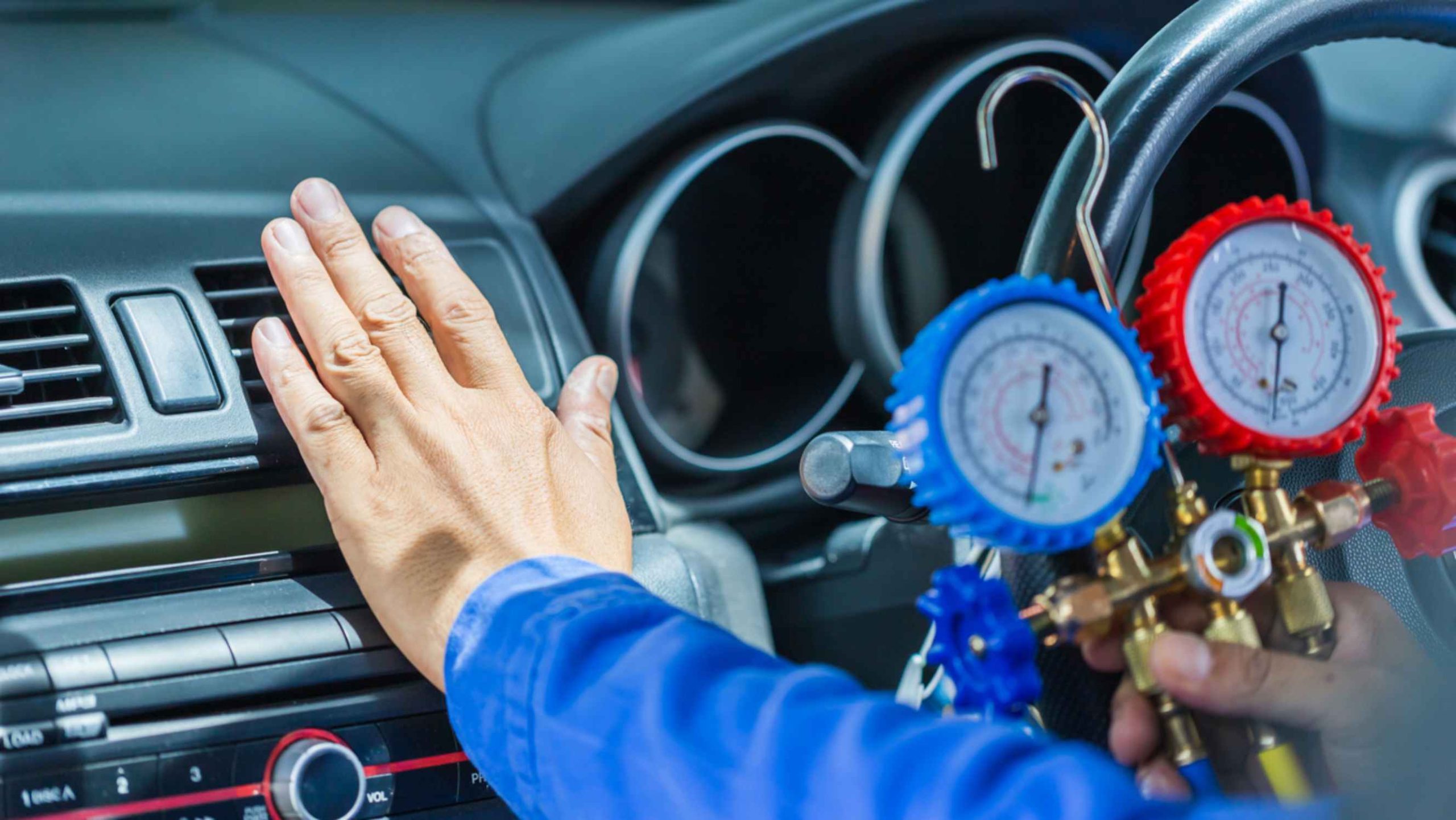
A factory warranty can provide valuable financial protection when a new car develops a covered defect, but that protection has limits. Once the warranty expires, owners may become responsible for repair bills that previously would have qualified for coverage.
Routine maintenance, tires, insurance, and other operating expenses continue regardless of warranty status, while an unexpected mechanical or electrical failure can create a much larger bill.
The financial impact depends on the vehicle’s age, mileage, maintenance history, and remaining coverage. Understanding these eight expenses before your warranty ends can help you prepare a realistic budget and avoid unpleasant surprises.
1. Unexpected Engine and Transmission Repairs
When a factory warranty expires, one of the biggest financial changes is that you may have to pay for covered mechanical failures yourself. Engines and transmissions contain numerous moving parts, seals, sensors, and electronic controls.
A problem with one component can sometimes be relatively inexpensive to fix, while internal damage may require extensive labor or replacement assemblies.
The Subaru Outback illustrates why a vehicle’s age and maintenance history matter. RepairPal reports an average annual repair and maintenance cost of $607 for the Outback across model years.
This is an estimate of typical unscheduled repairs and maintenance, not a prediction that every owner will spend that amount each year. An individual vehicle with neglected servicing or unusually high mileage may face substantially different costs.
A Ford Edge can also become more expensive to maintain as mileage increases, depending on its engine, transmission, model year, and condition.
Cooling-system leaks, oil leaks, sensor faults, or transmission problems can appear at different stages of a vehicle’s life. None is inevitable simply because the warranty has ended, but the owner becomes more financially exposed when a failure is no longer covered.
The Federal Trade Commission advises motorists to follow the maintenance schedule in the owner’s manual and to understand precisely what a warranty covers.
Before coverage expires, review service records and address unusual noises, fluid leaks, warning lights, or shifting problems. Ask the dealer to inspect any symptoms while the warranty remains active.
After expiration, maintain a repair reserve and obtain a written diagnosis before approving expensive work. A factory warranty ending does not mean a failure is imminent, but it makes preparation more important.
2. Cooling-System Repairs and Overheating Problems
Cooling-system repairs can become a significant expense when a vehicle is no longer protected by its factory warranty. The system may include a radiator, water pump, thermostat, hoses, fans, sensors, and coolant passages.
If one component fails, the engine may run hotter than intended. Continued driving while the engine overheats can turn a repairable fault into serious engine damage.
The Chevrolet Traverse is a useful example of why cooling-system condition deserves attention as mileage accumulates. Depending on the model year and engine, the vehicle has a cooling system with components that need inspection and maintenance.
A leaking hose or failing thermostat may be less expensive to address than damage caused by prolonged overheating, so warning signs should not be ignored.
The Volkswagen Atlas presents a similar consideration. Engine and cooling-system configurations vary by model year, and repair costs depend on the failed part, labor requirements, and local shop rates.
A coolant smell, visible leak, repeated low-coolant warning, or temperature gauge reading above its normal range warrants prompt investigation.
There is no single repair price that applies to every vehicle. A replacement hose, thermostat, water pump, radiator, or cooling fan can involve very different parts and labor costs. The vehicle’s design also affects how easily a technician can access the component.
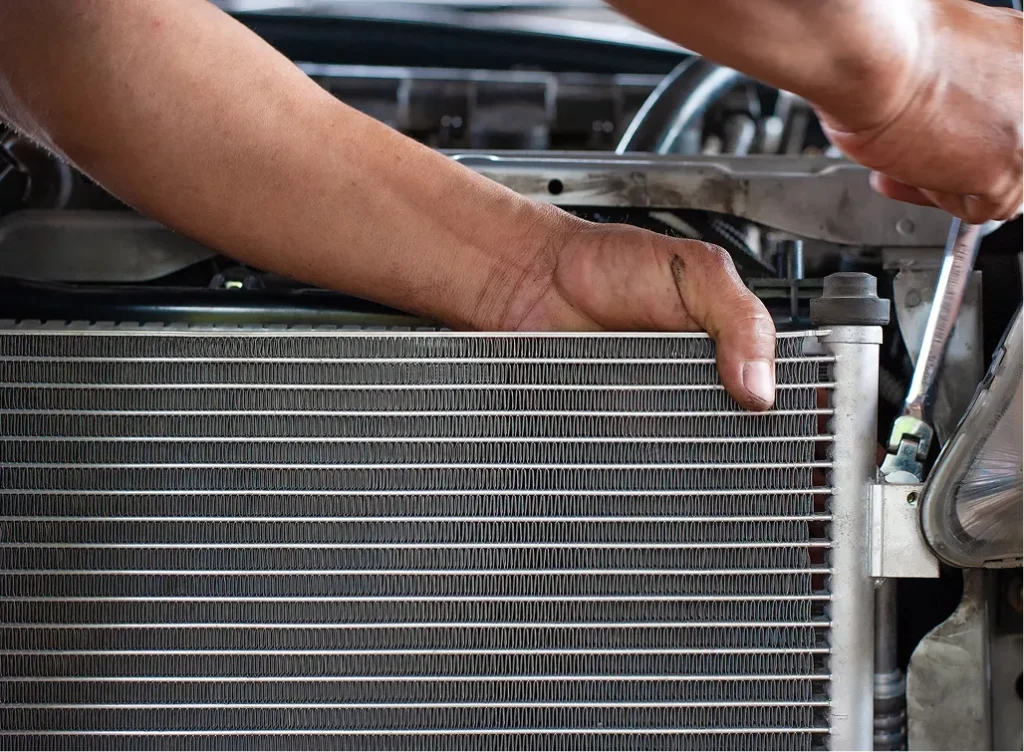
Check coolant levels only according to the owner’s manual, and never remove a pressurized coolant cap while the engine is hot. If the temperature warning appears or steam comes from beneath the hood, stop somewhere safe and switch off the engine when appropriate.
Before warranty expiration, report recurring coolant loss or temperature fluctuations to the dealer. Once coverage ends, regular inspections and early diagnosis can help prevent a minor cooling fault from becoming a major repair.
3. Suspension, Steering, and Shock Absorber Replacement
Suspension components wear gradually as a vehicle travels over potholes, uneven pavement, and rough roads. Shock absorbers, struts, bushings, ball joints, and steering components can eventually require replacement.
A factory warranty may cover certain defects during its term, but ordinary wear is often excluded, so owners should understand the difference between a covered failure and routine deterioration.
The Nissan Murano provides an example of why ride quality should be monitored as a vehicle ages. If the SUV begins bouncing excessively, clunking over bumps, or showing uneven tire wear, the suspension deserves inspection.
These symptoms do not automatically mean a major component has failed, but worn shocks, damaged bushings, or alignment problems can affect comfort and handling.
The Acura MDX offers another perspective. Depending on the model year and trim, its suspension equipment can vary, and some versions include more sophisticated systems than others.
A fault involving an electronically controlled component may cost more to diagnose or repair than a conventional suspension part. That expense is not guaranteed, but the vehicle’s exact configuration matters when estimating future maintenance.
The key is to avoid treating every suspension noise as normal aging. A mechanic can inspect the components, identify the cause, and determine whether the problem requires immediate attention. Replacing a worn part promptly may also prevent uneven tire wear or additional damage.
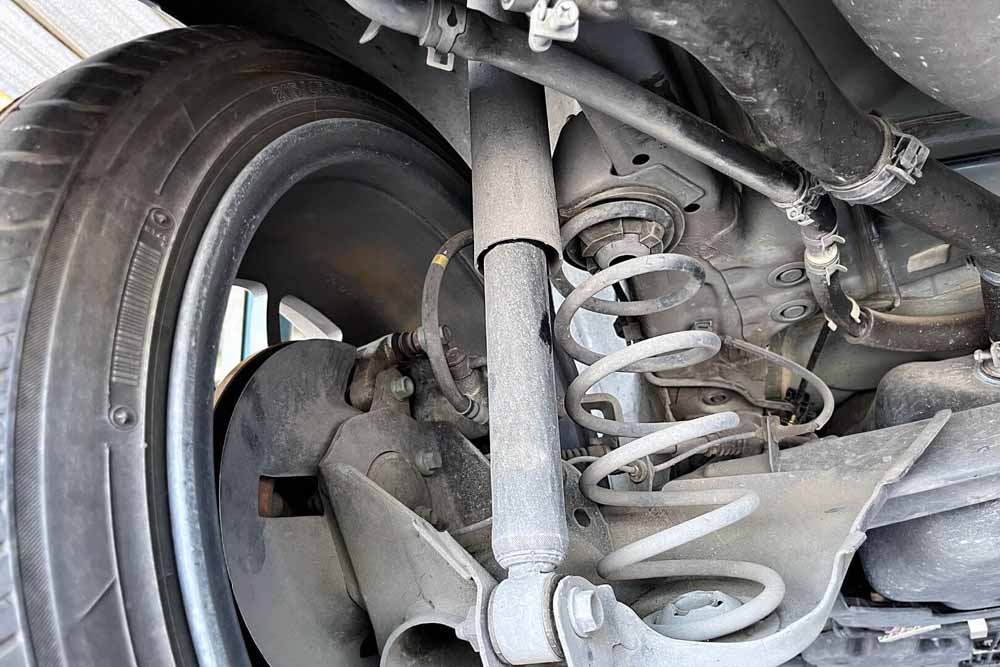
Before the warranty expires, have persistent steering vibration, knocking sounds, or unusual handling investigated. Keep records of repairs and alignment work, and follow the manufacturer’s inspection schedule.
After coverage ends, budget for wear-related repairs based on the vehicle’s condition rather than assuming that every part will fail at a particular mileage. A well-maintained car may continue for years without major suspension work, while one driven frequently on damaged roads may need attention sooner.
4. Air-Conditioning and Climate-Control Repairs
A vehicle’s air-conditioning system can become an expensive source of repair bills as components age. The system includes a compressor, condenser, evaporator, refrigerant lines, seals, and electronic controls. Depending on the fault, a repair may involve a relatively accessible component or substantial labor to reach a part buried behind dashboard panels.
The Kia Sorento illustrates why climate-control performance should be checked before the factory warranty expires. Depending on the model year and configuration, the vehicle may have multiple climate zones and additional controls for rear passengers.
If one area blows warm air while another cools properly, the problem could involve an actuator, sensor, refrigerant issue, or another component. A diagnosis is necessary before assuming the compressor has failed.
The Lexus ES provides a different example, particularly in versions equipped with sophisticated automatic climate control.
A system that makes unusual clicking noises, struggles to maintain temperature, or produces inconsistent airflow may need further inspection. The actual repair cost depends on the failed component, parts availability, and labor rates.
Not every air-conditioning problem is covered by a factory warranty. Coverage depends on the warranty terms, the cause of the fault, and whether the issue is considered a defect or normal wear. Refrigerant service and routine maintenance should not automatically be assumed to qualify for free repairs.
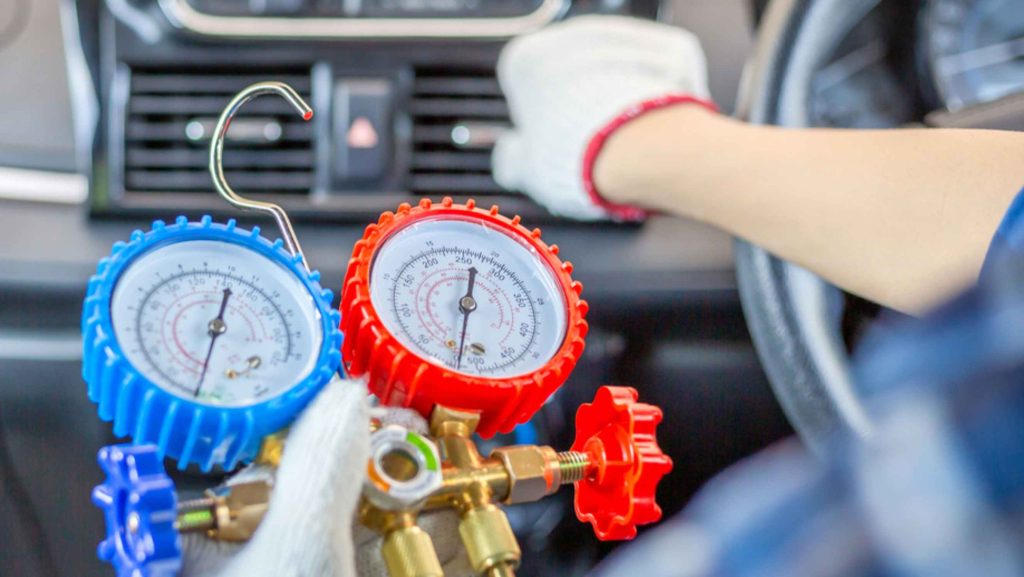
Test the air conditioning during both warm and cool weather when practical, and pay attention to unusual odors, noises, or weak airflow. If performance changes repeatedly, have the system inspected while applicable coverage remains active.
Once the warranty ends, avoid repeatedly adding refrigerant without investigating a suspected leak. Proper diagnosis can help prevent unnecessary service charges and identify a problem before it affects other components.
5. Electrical System and Infotainment Failures
Modern vehicles depend on electronic modules, sensors, displays, wiring, and communication networks to operate everything from engine management to entertainment systems. When a factory warranty expires, certain electrical failures may become the owner’s responsibility, and diagnosis can take time because a single symptom may have several possible causes.
The Hyundai Sonata illustrates this complexity. Depending on the model year and trim, it may include a touchscreen infotainment system, digital displays, parking sensors, and driver-assistance equipment.
A frozen screen or intermittent warning light could result from software, wiring, a sensor, or a control module. Replacing parts without identifying the cause can add unnecessary expense.
The Audi Q5 presents a similar challenge in a different vehicle class. Its available equipment varies by generation, but many versions include interconnected electronic systems for comfort, safety, and vehicle operation.
A fault involving a powered seat, parking camera, or infotainment control may require diagnostic equipment and model-specific technical knowledge. Costs depend on whether the problem is a simple connection issue or a failed electronic component.
A warranty’s expiration does not mean these systems will suddenly stop working. It means that eligible repairs may no longer be covered by the original manufacturer agreement. Some vehicles may still qualify for separate emissions warranties, recalls, service campaigns, or other applicable coverage.

Before the factory warranty ends, test electronic features and report recurring malfunctions to an authorized dealer. Keep copies of repair orders and software updates. If a problem appears after expiration, request a diagnostic report before authorizing parts replacement.
For older vehicles, an independent specialist familiar with the brand may offer another repair option. Compare written estimates, verify parts compatibility, and check whether the replacement component requires programming. This approach can help control costs without compromising safety-related systems.
6. Battery Replacement and Charging-System Repairs
A vehicle’s battery has a limited service life, and its condition can become a more immediate concern as the car ages. Traditional 12-volt batteries commonly last several years, although temperature, driving habits, battery type, and charging-system health affect their lifespan.
Once the factory warranty ends, a replacement or related electrical repair may no longer be covered under the original vehicle warranty.
The Toyota Corolla is a useful example of an everyday car where a weak 12-volt battery can produce symptoms that resemble other electrical problems.
Slow cranking, dim lights, or difficulty starting may indicate a deteriorating battery, but a mechanic should also check the charging system and electrical connections. Replacing a battery without investigating a recurring discharge may fail to resolve the underlying issue.
The Jeep Wrangler offers a different example because equipment varies by generation and powertrain. Some versions have additional electrical demands associated with start-stop systems or other factory equipment.
Depending on the vehicle, the correct battery specification and replacement procedure may differ from those used on a simpler configuration.
The factory warranty and the battery’s own warranty may also have different terms. Check the documentation instead of assuming that every battery replacement is covered for the full vehicle warranty period.
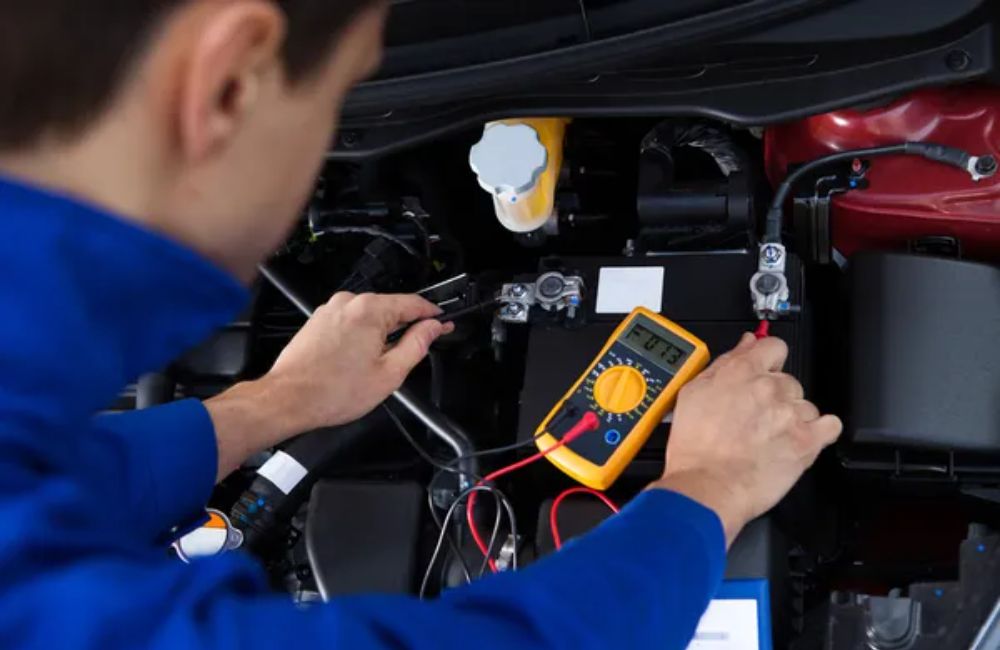
Have the battery tested if starting becomes inconsistent, and ask the technician to check the alternator or other charging components where applicable. Repeated jump-starts should not substitute for finding the cause of a discharged battery.
After warranty expiration, keep battery testing and replacement in your maintenance budget. Choosing the correct specification and addressing charging faults promptly can help avoid breakdowns and prevent unnecessary replacement expenses.
7. Fuel-System and Emissions-Related Repairs
Fuel delivery and emissions-control systems help an engine run properly while meeting applicable environmental requirements. Depending on the vehicle, these systems may include fuel pumps, injectors, oxygen sensors, catalytic converters, evaporative-emissions components, and electronic controls.
When a component fails after the factory warranty ends, the owner may face a repair bill that was previously covered, subject to the original warranty’s terms.
The Chevrolet Colorado illustrates why a check-engine light should not be ignored. Depending on its model year and engine, a warning may relate to a fuel-system issue, an emissions sensor, or another engine-management fault.
A diagnostic scan helps identify the stored code, but the code alone does not always prove that a particular part needs replacement.
The BMW X1 presents another example. Its engine and emissions equipment vary by generation and powertrain, and repairs can require brand-specific diagnostic procedures.
A faulty sensor may be relatively straightforward to replace, while a failed catalytic converter or fuel-system component can involve much higher parts and labor expenses. The correct diagnosis makes a substantial difference to the final bill.
There is an important distinction between ordinary factory coverage and emissions warranties. Under US federal law, certain emissions-related components receive specific warranty protection, and some major components have longer coverage periods.
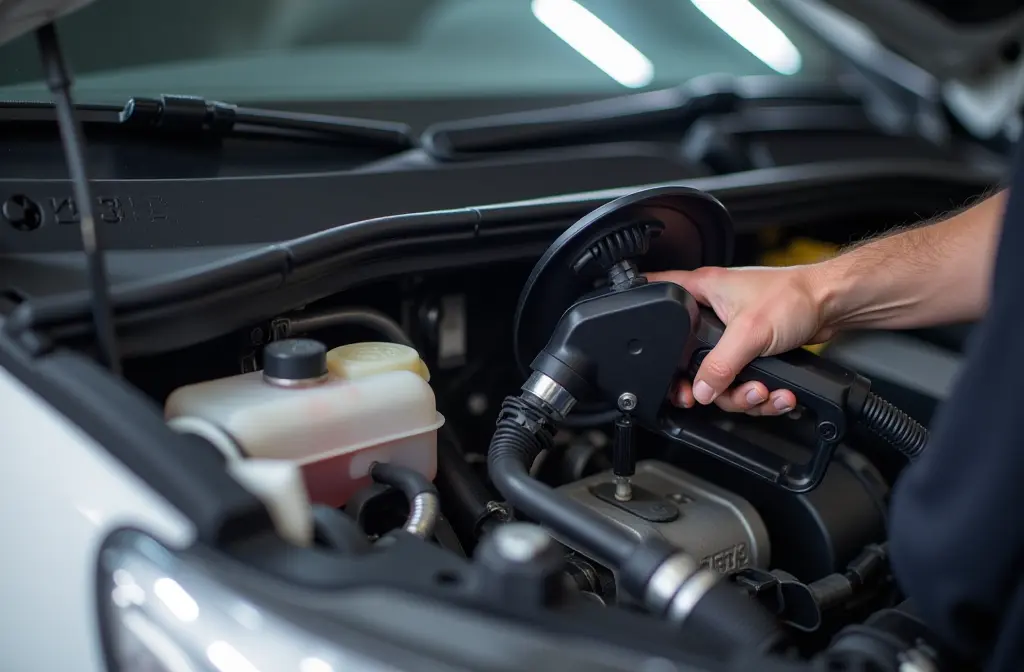
California and other states that follow California emissions rules may have additional requirements. The applicable terms depend on the vehicle, component, model year, and jurisdiction.
Before paying for a repair, check whether the component remains covered by an emissions warranty or whether an applicable recall or service campaign exists. Use the vehicle identification number when asking the manufacturer or dealer to verify eligibility.
If the vehicle is out of coverage, obtain a written diagnosis and estimate. Addressing warning lights promptly can prevent unnecessary parts replacement and help keep the vehicle running correctly.
8. Tires, Brakes, and Other Wear-Related Maintenance
When a factory warranty ends, owners may notice rising maintenance expenses because several wear-related components are approaching replacement time. Tires, brake pads, rotors, wiper blades, and suspension parts deteriorate at different rates depending on mileage, driving conditions, vehicle weight, and maintenance habits.
These expenses are not necessarily caused by warranty expiration, but they can become more noticeable as the car gets older.
The Mazda CX-50 provides an example of why tire and brake condition should be monitored throughout ownership. Tire replacement costs depend on wheel size, tire specification, and the brand selected.
A vehicle fitted with larger wheels or specialized tires may cost more to maintain than a version using less expensive replacement sizes. Brake-pad life also varies with traffic, driving style, and terrain.
The Mercedes-Benz GLC illustrates a similar consideration in the premium SUV segment. Depending on the trim and wheel package, replacement tires may be relatively expensive. Brake components can also cost more when the vehicle uses larger or specialized equipment.
However, premium branding alone does not establish how much an individual repair will cost, so buyers should obtain estimates for their specific model.
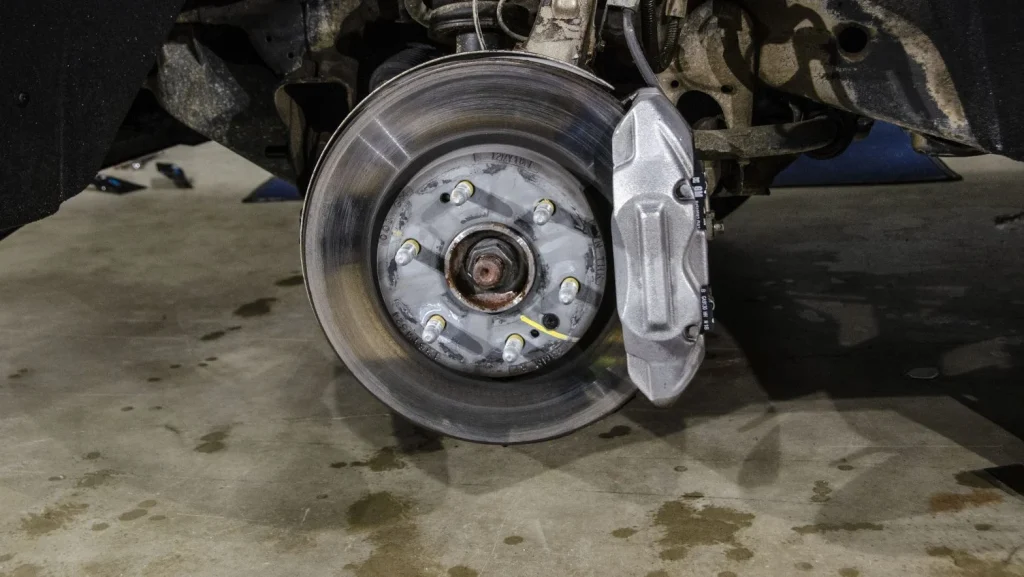
Before warranty expiration, ask a mechanic to inspect tire tread, brake-pad thickness, rotor condition, and other scheduled maintenance items. Some components may be covered if they fail because of a qualifying defect, but normal wear is generally excluded from basic factory coverage.
After the warranty ends, keep a maintenance reserve rather than waiting for several items to require replacement simultaneously. Compare prices from reputable shops, use components that meet the manufacturer’s specifications, and follow the maintenance schedule in the owner’s manual.
A factory warranty ending is not a signal that the car must become expensive to own. With timely servicing and a realistic budget, many vehicles continue providing reliable transportation for years beyond their original coverage.