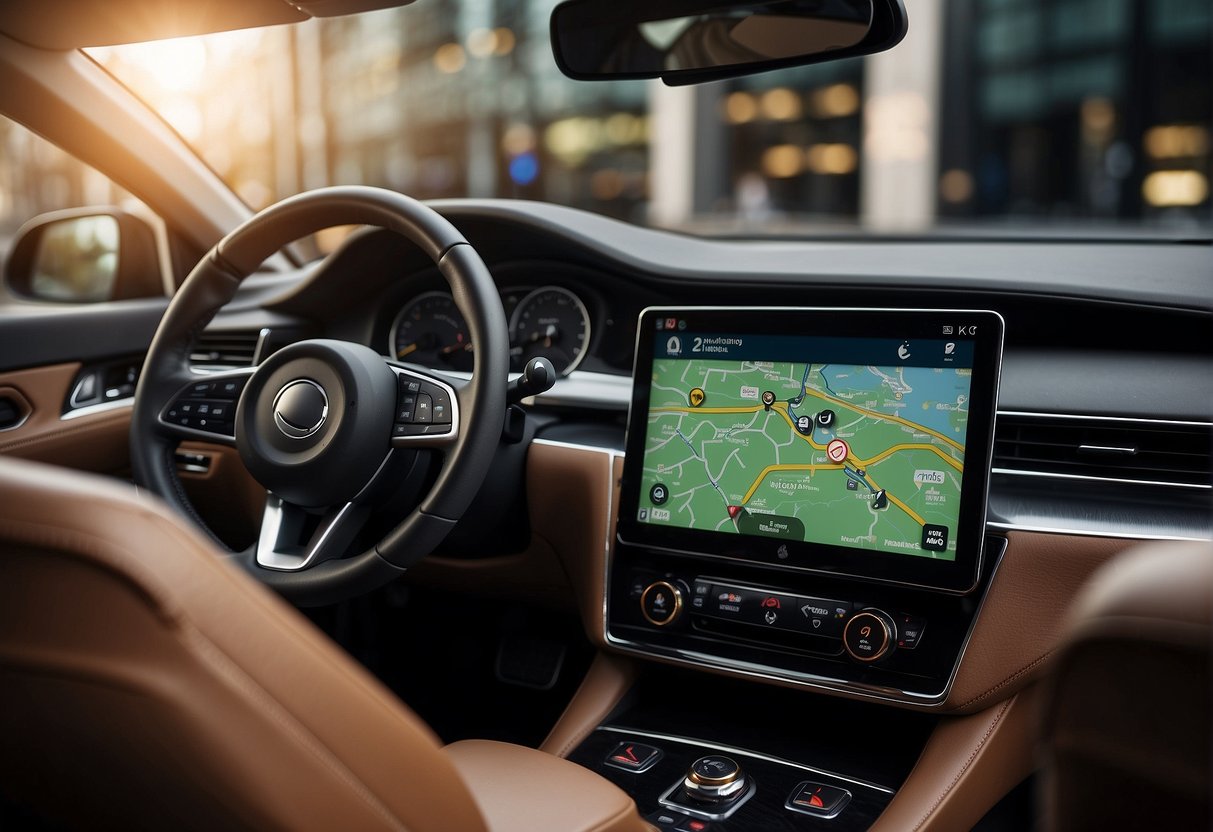
New cars offer an impressive range of optional features, from panoramic glass roofs and premium audio systems to oversized wheels and automated parking technology. Some genuinely improve safety, comfort, or convenience, while others add hundreds or thousands of dollars to the purchase price without providing much value for every driver.
The right choice depends on your daily routine, climate, parking situation, and how long you plan to keep the vehicle.
Before accepting an expensive trim upgrade or adding individual options, consider how frequently you will use the feature, what maintenance it may require, and whether a simpler alternative delivers similar benefits.
1. Panoramic Sunroof
Why the upgrade may not justify its price
A panoramic sunroof can make a cabin feel airy and brighten the interior, but it is not equally valuable to every driver. If you rarely open the roof, park outdoors in extreme weather, or mainly use your vehicle for commuting, paying extra for a large glass panel may deliver fewer practical benefits than expected.
The Hyundai Tucson offers panoramic sunroof availability on certain trims and model years. Before paying for the upgrade, consider how often you would actually use it. Glass roofs can add weight, and their assemblies may contain motors, tracks, seals, and drainage channels that require maintenance.
If a drain becomes blocked or a seal deteriorates, water may enter concealed areas and damage interior materials. Repairs vary widely, so there is no single cost that applies to every Tucson.
A BMW X3 provides another example of a vehicle where a panoramic roof may be included with particular packages or trim levels. Buyers should compare the price difference between configurations rather than assuming the glass roof is automatically worth the extra money.
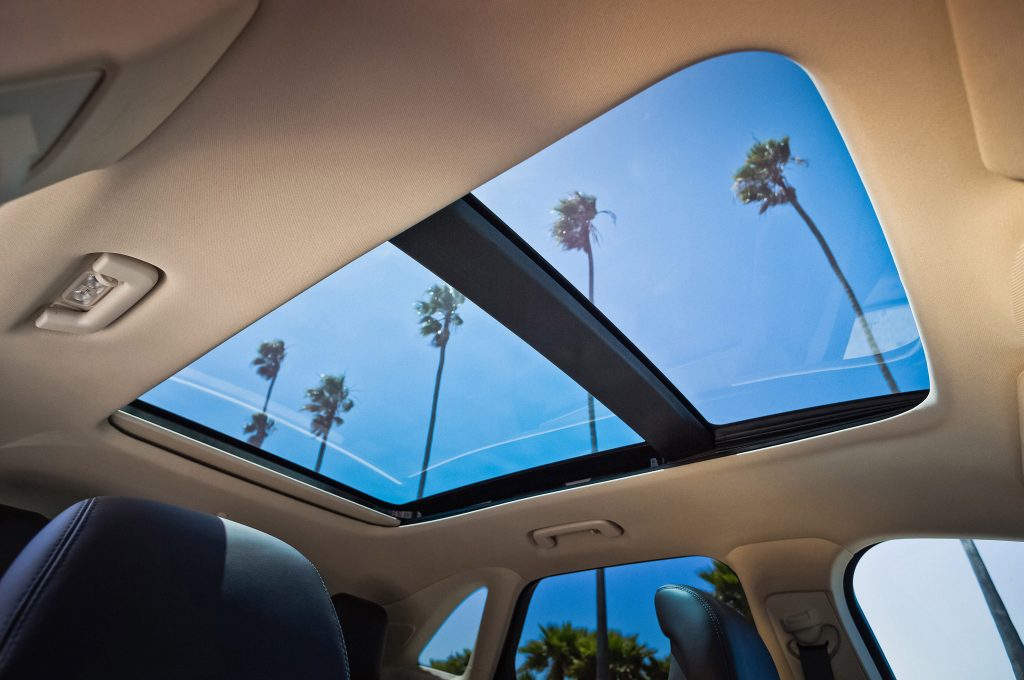
There are benefits, including additional natural light and an open feeling for passengers. However, glass can also allow more solar heat into the cabin, depending on its tint and construction. The effectiveness of the sunshade and climate control matters in hot US states.
Before choosing this option, test the roof, inspect its seals, and review the vehicle’s warranty terms. If you prefer a cooler, simpler cabin and rarely use a sunroof, a less expensive trim without one may make better financial sense.
2. Oversized Alloy Wheels
Large alloy wheels can give a vehicle a more aggressive appearance, but their visual appeal does not necessarily translate into better everyday value. Larger wheels often come with lower-profile tires, which have shorter sidewalls to absorb impacts.
Depending on the vehicle and tire specification, this can mean a firmer ride and greater vulnerability to wheel or tire damage on rough roads.
The Ford Mustang illustrates the trade-off. Higher trims and optional packages can offer larger wheels and performance tires, but the exact setup varies by model year. Drivers who mainly travel on uneven city streets may find that a smaller factory-approved wheel package offers a more comfortable ride and less expensive replacement tires.
The Jeep Grand Cherokee provides a different example. Certain trims use larger wheels for styling, while other configurations prioritize different combinations of comfort and capability. Before paying extra, compare the tire sizes, replacement prices, and ride quality of the specific versions available.
AAA’s 2023 research found that advanced driver-assistance components can add high costs to collision repairs, but wheel size itself does not determine those expenses. Tire and wheel costs depend on dimensions, tire type, brand, and availability.

Larger wheels are not automatically inferior. They may suit drivers who value appearance or handling, and some packages include performance upgrades beyond wheel size. However, they can be an unnecessary expense for someone who prioritizes comfort and low running costs.
Before selecting the upgrade, price a full replacement set of tires and check the cost of repairing or replacing a damaged wheel. If the larger wheels offer little practical benefit for your driving, keeping the standard size may be the more economical choice.
3. Built-In Navigation Systems With Paid Updates
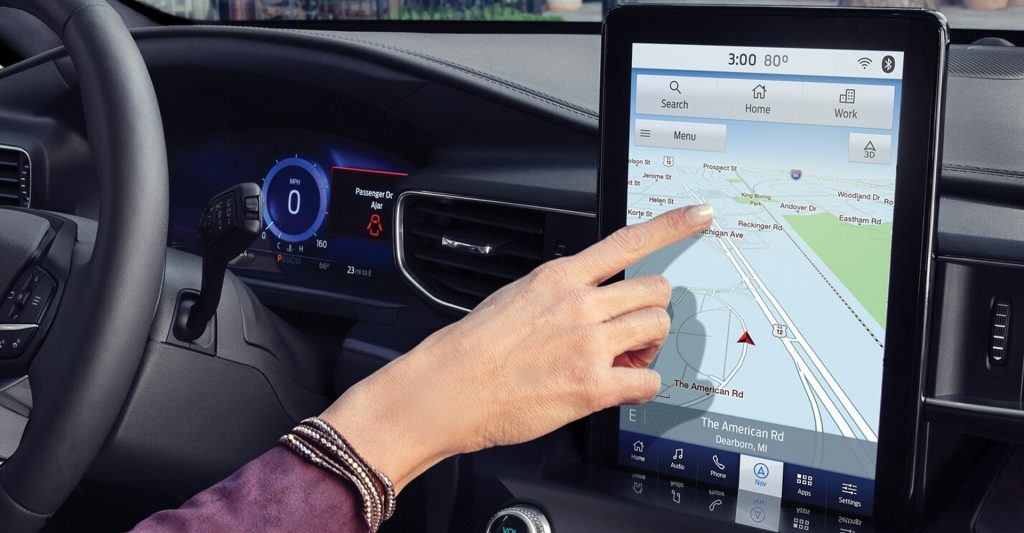
Factory navigation can be convenient, especially when traveling through unfamiliar areas, but paying a substantial premium for it may be unnecessary if you already use smartphone navigation.
Applications such as Google Maps and Apple Maps can provide turn-by-turn directions, traffic information, and route updates through a compatible phone. Whether a built-in system is worthwhile depends on your connectivity, driving habits, and the vehicle’s available features.
The Chevrolet Equinox illustrates the decision. Depending on the model year and trim, it may offer built-in navigation or connected services. Before purchasing a more expensive configuration, check whether navigation is included permanently, requires an active service plan, or depends on a compatible smartphone.
A factory system may integrate neatly with the dashboard, but map-update policies and connected features can vary.
The Mercedes-Benz C-Class offers another example. Certain versions feature the brand’s integrated navigation and connected infotainment functions, with availability and subscription terms depending on the vehicle and market. Buyers should confirm exactly which services remain active after any trial period expires.
Consumer Reports has documented how some automakers have offered subscriptions for connected features, including navigation and other software-based functions. The details differ by manufacturer and model, so do not assume every factory navigation system requires a recurring payment.
Smartphone navigation is not perfect. It may depend on mobile coverage, battery power, data availability, and a suitable mounting arrangement. Built-in navigation can be helpful when phone reception is poor, depending on whether maps are stored offline.
Before paying extra, compare the system’s capabilities with the navigation tools you already use. If you mostly drive familiar routes and your phone integrates reliably with the vehicle, a costly navigation upgrade may provide little additional value.
4. Premium Audio Systems
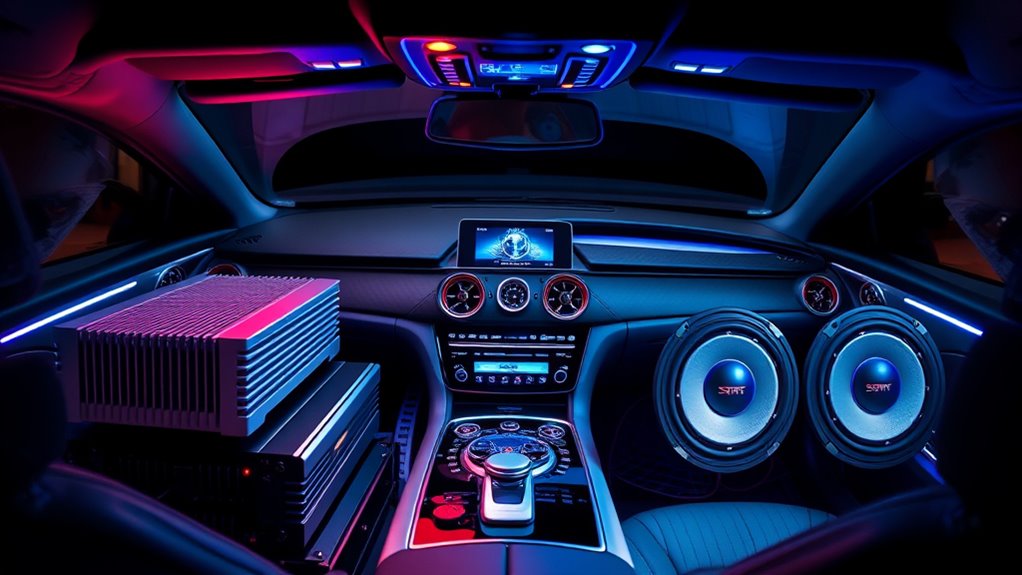
An upgraded sound system can make long drives more enjoyable, but it may not be worth the additional price for every buyer. Premium audio packages often include additional speakers, a dedicated amplifier, improved sound processing, and sometimes a subwoofer.
These changes can provide clearer sound and stronger bass, yet the improvement depends on the quality of the standard system and your listening preferences.
The Honda Civic is a useful example because sound-system equipment varies by trim and model year. A higher trim may offer an upgraded speaker arrangement, but buyers should listen to both systems before deciding whether the difference justifies the added expense.
For someone who mainly listens to spoken-word podcasts or uses the car for short commutes, the standard audio system may be entirely adequate.
The Volvo XC60 presents a different case. Certain configurations offer premium branded audio systems that may appeal to drivers who appreciate detailed sound reproduction.
However, an upgraded system can add to the vehicle’s initial cost, and repairs to amplifiers, integrated speakers, or electronic components may be more expensive than replacing a simple aftermarket accessory.
Audio quality is subjective, so a brand name alone should not determine the decision. Test the system with music you know well, compare clarity at normal listening volumes, and check whether the standard system already meets your needs.
Also consider how long you plan to keep the vehicle. If audio quality is a major priority and you spend hours driving every week, the upgrade may be worthwhile. If you rarely notice the difference, putting the money toward a safety package, maintenance reserve, or lower purchase price may be more useful.
5. Hands-Free Automated Parking Systems
Automated parking technology can help drivers maneuver into tight spaces, but paying extra for it may not make sense if you are already comfortable parking your vehicle.
Depending on the model, the system may use cameras, ultrasonic sensors, and electronic steering or braking controls to assist with parallel or perpendicular parking. Availability and capabilities vary considerably across vehicles.
The Ford Explorer has offered parking assistance features on certain model years and trims. Before choosing a more expensive package, check exactly what the system does. Some versions provide parking sensors and camera views, while others may offer more extensive steering assistance.
These functions are not interchangeable, and a feature described as parking assistance does not necessarily mean the vehicle can park itself completely.
The BMW 5 Series has also offered automated parking functions on selected configurations. Such systems can be useful in crowded urban environments, but their performance depends on sensor visibility, available space, road markings, and the system’s operating limitations.
Drivers must remain attentive and follow the vehicle’s instructions rather than treating automation as a replacement for supervision.
Another factor to consider is that cameras and sensors can be damaged even in minor parking collisions, and replacing them may require recalibration. This does not necessarily mean automated parking systems are unreliable, but it is worth factoring into the cost of optional features.

If you routinely park in a spacious driveway or open parking lot, you may rarely use automated parking. A rearview camera, which has been required on new US passenger vehicles since May 2018, along with parking sensors where available, may provide enough assistance for your needs.
Test the system before buying and compare the additional cost with how frequently you expect to use it. If the convenience is marginal, you may be better served by a less expensive trim.
6. Rear-Seat Entertainment Screens
Rear-seat entertainment can be attractive to families who regularly take long road trips, but it may be unnecessary for drivers whose passengers rarely need dedicated screens. Many passengers already carry tablets or smartphones, which can provide access to downloaded movies, games, and other entertainment without requiring a factory-installed system.
The Chrysler Pacifica has offered rear-seat entertainment on certain trims and model years. Depending on the configuration, its system may include integrated screens and connectivity features.
These can be convenient because they are designed around the vehicle, but buyers should confirm which apps, subscriptions, headphones, and connectivity options are supported. Features can differ between generations, and some services may require separate subscriptions.
The Cadillac Escalade offers another example of a vehicle with available rear-seat entertainment features on selected versions. Large integrated displays can be useful for families with children who spend considerable time in the vehicle.
However, the additional equipment can increase the initial purchase price and create more electronic components that may eventually require attention.
A separate tablet may be less expensive and easier to replace or upgrade. Parents can download content before a journey, use protective cases, and choose headphones that suit each passenger. The disadvantages include managing battery life, charging cables, mounting arrangements, and device security.
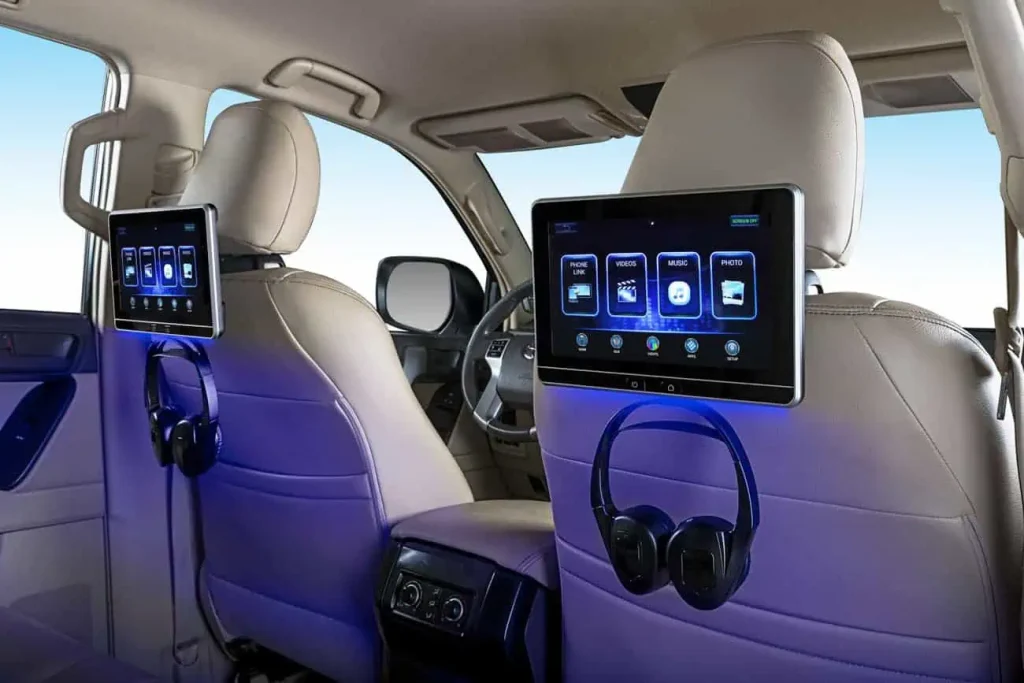
Consider your passengers’ ages and travel habits before selecting the option. If your family frequently drives several hours at a time, integrated entertainment may offer meaningful convenience. If most journeys last less than 30 minutes, the screens may receive little use.
During a test drive, check the display quality, connectivity, controls, and any included accessories. Compare the package price with the cost of portable devices before deciding whether the factory-installed system delivers enough value.
7. Heated and Ventilated Rear Seats
Heated and ventilated seats can make a vehicle more comfortable, but paying extra for rear-seat versions may not be worthwhile if you rarely carry passengers.
These features add heating elements or ventilation hardware, electrical connections, controls, and sometimes additional upholstery components. Their value depends heavily on your climate, passenger needs, and how often the rear seats are occupied.
The Toyota Highlander has offered heated rear seats on certain trims and model years. If you live in a cold region and regularly transport family members, the feature can be useful during winter.
However, buyers in warmer climates or households where the rear seats are seldom occupied may find that the upgrade receives little use. Check the equipment list carefully because availability differs across configurations.
The Kia Telluride has also offered heated and ventilated seating in selected configurations, with availability varying by model year and trim. A higher trim may bundle these functions with other comfort features, making it important to compare the full price difference rather than evaluating the seats in isolation.
Seat heating and ventilation are not necessarily major reliability concerns, but the motors, switches, wiring, and heating elements add components that could eventually need repair. The cost depends on the fault and whether the repair requires removing upholstery.
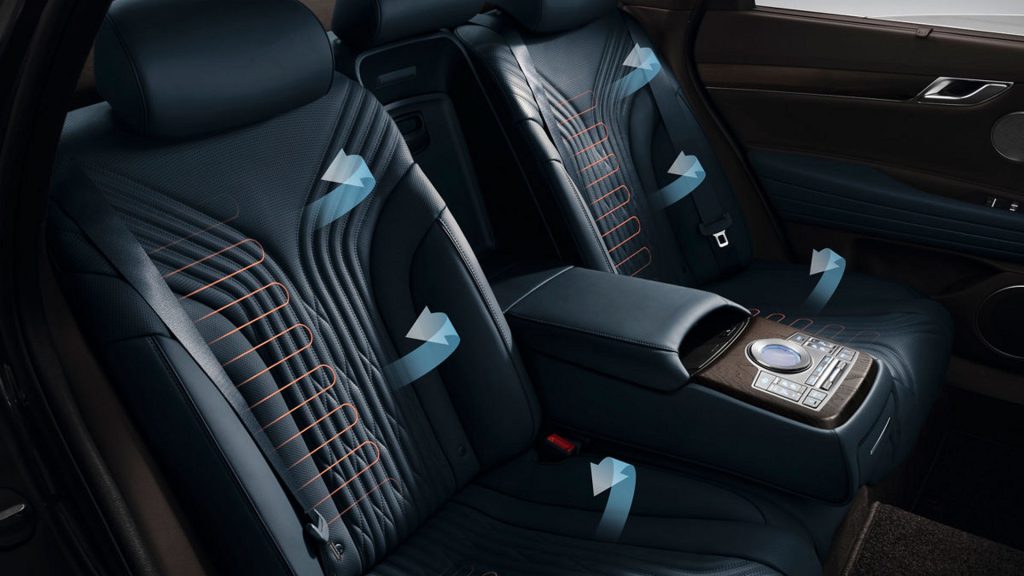
Before paying for the upgrade, consider how often passengers sit in the back and whether they would benefit from these functions. Rear climate control, comfortable upholstery, and sufficient legroom may matter more to many families.
If the seats are rarely used or your local climate makes heating unnecessary, the money may be better spent on a lower trim or another feature that benefits the entire household.
8. Power-Deployable Running Boards
Power-deployable running boards can make climbing into a tall SUV or pickup easier, but their convenience comes with additional mechanical and electrical complexity. Depending on the design, the boards use motors, hinges, position sensors, wiring, and control modules to extend when a door opens and retract when it closes.
The GMC Yukon has offered power-retractable assist steps on certain trims and configurations. They can be particularly helpful for passengers who find a tall vehicle difficult to enter. However, the mechanism is exposed to road grime, moisture, salt, and debris, which can interfere with movement if the system is not maintained properly.
The Ford Expedition has also offered power-deployable running boards on selected versions. Before paying extra for them, check whether fixed running boards are available as an alternative. Fixed steps generally have fewer moving parts and may be less complicated to maintain, although they still require inspection for damage and corrosion.
Neither powered system is guaranteed to fail, and many owners may use these features for years without trouble. The concern is that a motor or mechanism fault can turn a convenience feature into an additional repair expense. A jammed board may also become difficult to use until it is repaired.
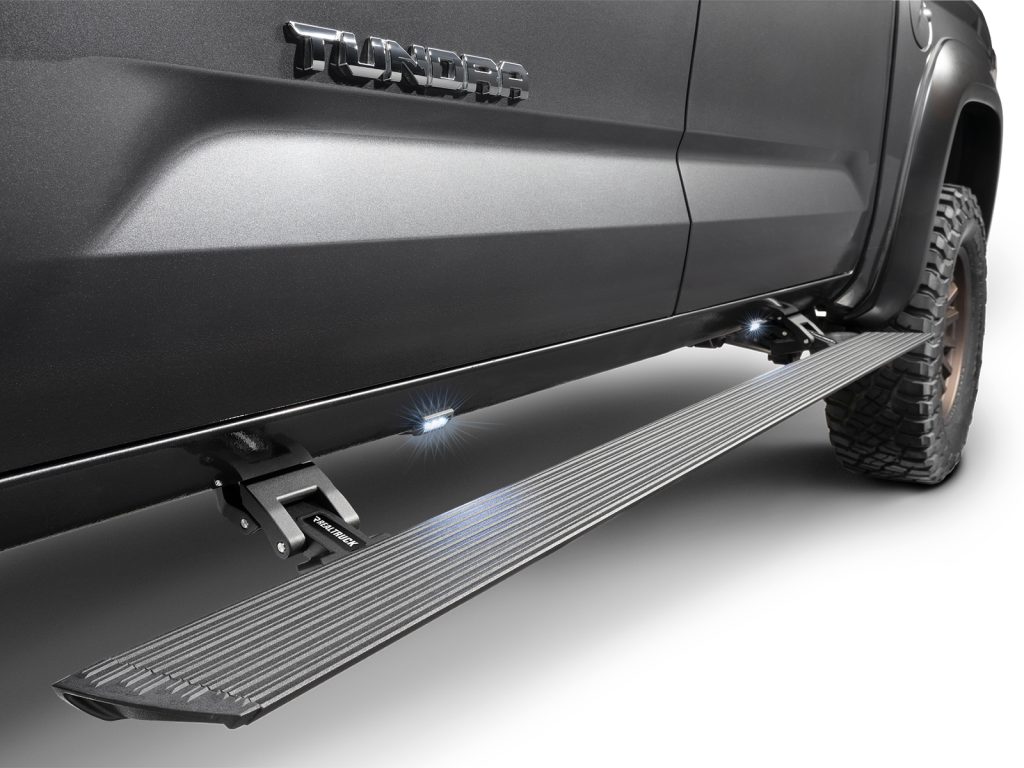
Operate both sides repeatedly during a test drive. Listen for grinding, uneven movement, or delayed operation, and inspect the hinges and mounting points for visible damage. If the vehicle has spent years in areas that use road salt, pay particular attention to corrosion.
For drivers who rarely need assistance entering the vehicle, fixed steps or no running boards may offer better value. If powered steps are important, include their condition and potential maintenance in your buying decision.
9. Gesture-Controlled Infotainment
Gesture-controlled infotainment lets drivers perform selected functions using hand movements rather than traditional buttons or touchscreen inputs.
Although the technology can look impressive in a showroom, its practical value depends on how accurately it recognizes gestures and whether those controls are easier to use than conventional alternatives.
The BMW 7 Series has offered gesture-control functionality on selected model years and configurations. Depending on the system, supported gestures may control audio volume or other infotainment functions. However, available commands vary by generation, and drivers should confirm the exact capabilities before paying for a package that includes this feature.
A Volkswagen Golf provides a useful contrast because certain versions have offered gesture-control features in specific markets and configurations, while equipment differs by model year and trim.
Buyers in the United States should verify the actual equipment fitted to the individual vehicle rather than assuming that a feature advertised internationally is available on every US model.
The main question is whether gesture control improves your daily driving experience. Traditional buttons and steering-wheel controls often provide clear physical feedback, while a gesture system may require the driver to remember specific movements and confirm that the intended command was recognized.
Accidental activation or inconsistent recognition can make the feature less convenient than expected.

There may also be additional costs if the relevant camera, sensor, or infotainment hardware develops a fault. Such repairs are not inevitable, but they are worth considering when comparing optional technology packages.
Test the system in person and try the commands you would actually use. If it feels awkward or offers little advantage over existing controls, there is little reason to pay extra for it. Prioritize features that make driving easier without creating unnecessary distraction.
10. Automatic Climate-Control Upgrades With Multiple Zones
Multi-zone climate control allows occupants to select different temperature settings for different parts of the cabin. It can be useful for families or drivers who regularly carry passengers with different comfort preferences.
However, paying extra for additional zones may not make sense if you usually travel alone or everyone is comfortable with a shared setting.
The Nissan Pathfinder has offered multi-zone climate-control systems on certain trims and model years. Depending on the configuration, front and rear occupants may have separate temperature controls. This can improve comfort during family trips, but the added controls, sensors, and actuators also make the system more complex than a basic setup.
The Chevrolet Traverse provides another example. Certain versions offer tri-zone climate control, allowing rear passengers to adjust their environment independently.
For a household that frequently carries children or adult passengers, this may be a worthwhile convenience. For someone who rarely uses the rear seats, the additional capability may offer little practical benefit.
Multi-zone systems are not inherently unreliable, and the presence of extra controls does not mean repairs will necessarily be expensive. However, faults involving blend-door actuators, sensors, or control modules can require diagnostic work. The actual repair cost depends on the component and how accessible it is.
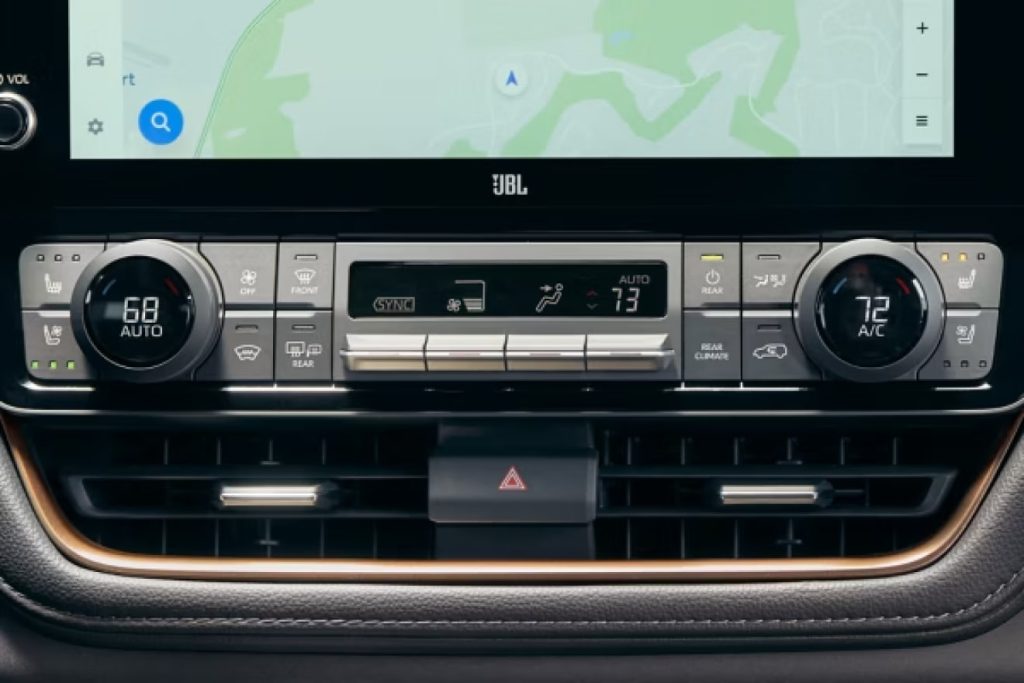
Before choosing the upgrade, consider how often you carry passengers and whether separate settings would genuinely improve comfort. Test each zone during a drive, checking that the temperature and airflow respond correctly.
If you rarely use the rear seats, a simpler climate-control system may meet your needs at a lower price. If you regularly travel with a full cabin, multi-zone controls can provide a useful benefit that justifies the additional expense.