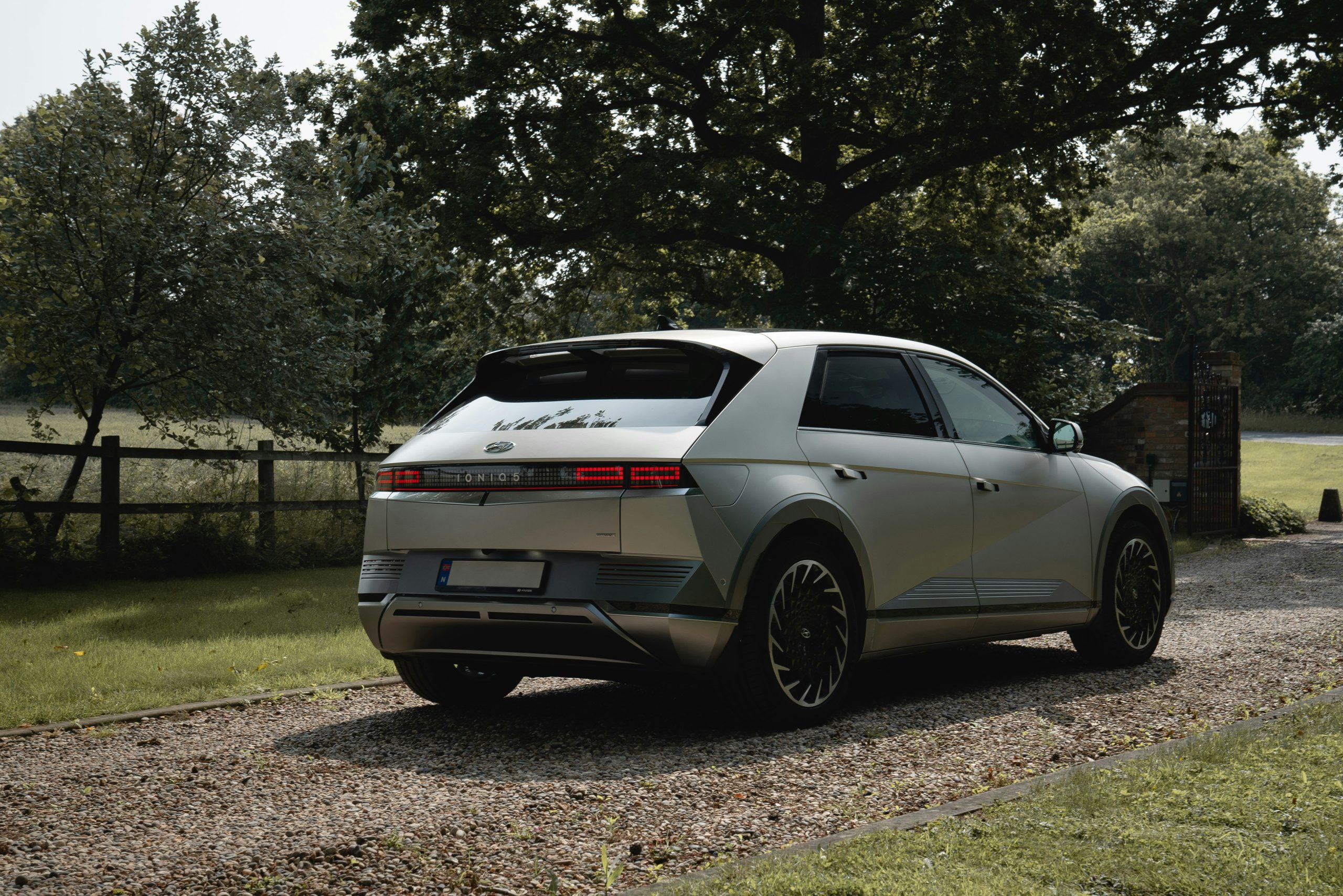
Electric vehicles are becoming increasingly popular, but they are not immune to manufacturing defects, software problems, or safety-related recalls. In the United States, the National Highway Traffic Safety Administration (NHTSA) tracks vehicle safety complaints, investigations, and manufacturer recalls, helping drivers understand potential risks associated with their cars.
Some electric vehicle models have appeared in multiple recall campaigns involving batteries, braking systems, steering components, seat belts, and electronic controls. This article examines ten EV models with significant recall histories, explains common safety concerns, and shows buyers how to check official recall information before purchasing an electric car.
The vehicles below have experienced recalls, but their exact ranking cannot be established here without checking current NHTSA records.
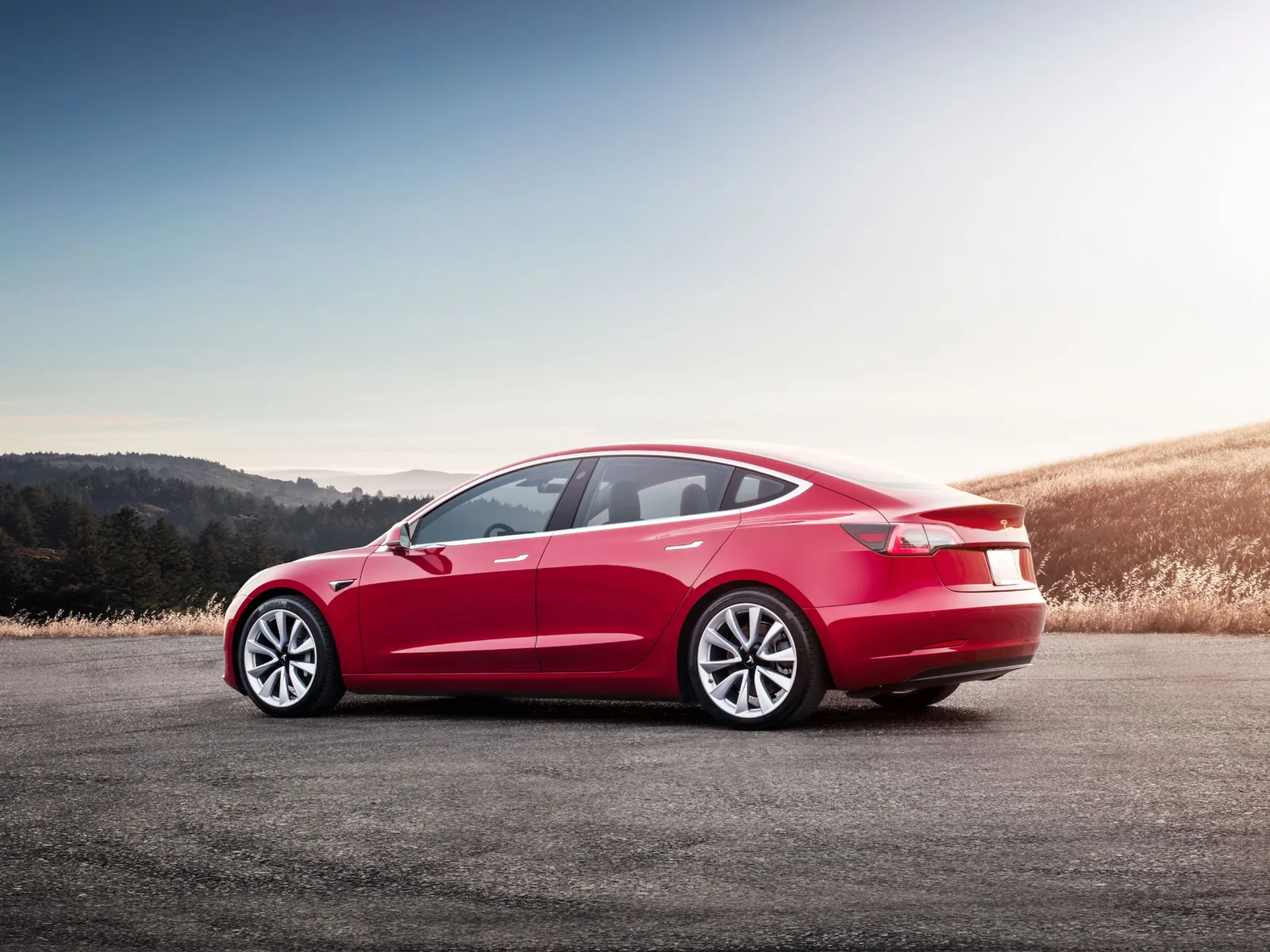
1. Tesla Model 3
The Tesla Model 3 is a popular electric sedan known for its long driving range, quick acceleration, minimalist cabin, and access to Tesla’s charging network.
Its large production volume also means that safety campaigns affecting the model can involve many vehicles. For prospective owners, the important question is not simply how many recalls have been announced, but which components were affected and whether the required repairs have been completed.
Several Model 3 recall campaigns have involved electronic systems and software-controlled vehicle functions. Certain defects can be addressed through software updates, while other problems require a physical inspection or replacement of a component.
A software-related recall may be resolved remotely, yet owners should still verify that the update has installed successfully and that the recall has been marked complete in the manufacturer’s records.
Lighting and visibility have also been important areas of concern across modern vehicles, including electric cars. Headlights, rear lights, warning indicators, and driver information displays help motorists identify hazards and communicate their intentions to other road users. A defect affecting these systems can increase crash risk, particularly at night, in poor weather, or in heavy traffic.
Tesla’s use of over-the-air software updates allows certain issues to be corrected without a traditional service appointment. This can make recall repairs more convenient, but it does not mean every safety issue can be fixed digitally.
Problems involving hardware, wiring, mechanical parts, or physical damage may require an authorized service visit. Owners should follow the specific remedy described in the recall notice.
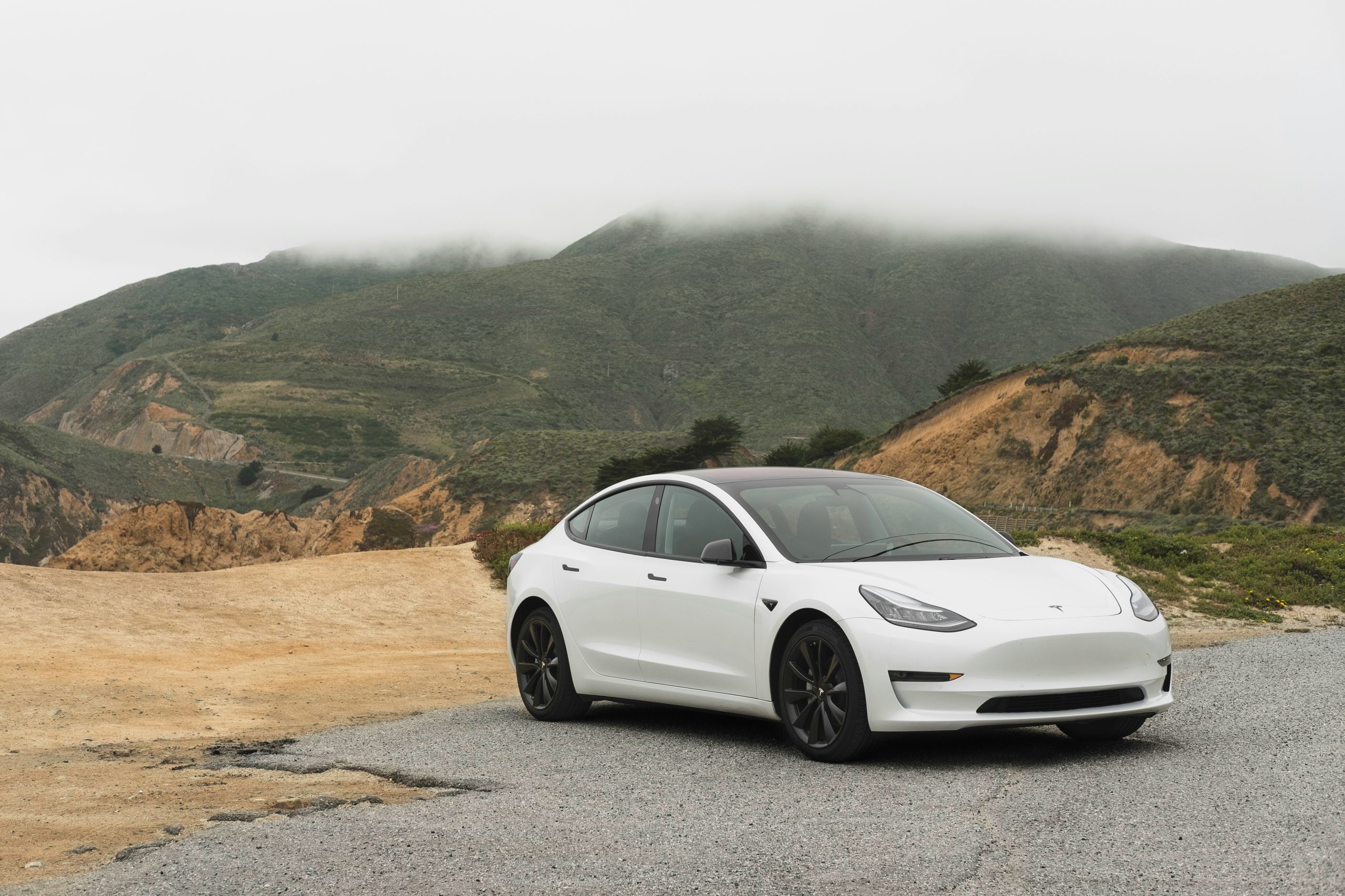
2. Tesla Model Y
The Tesla Model Y combines an electric powertrain with the practicality of a compact sport utility vehicle. Its popularity among families and commuters has made it a significant model in the American EV market. Like other high-volume vehicles, it has been affected by recalls involving different systems, with the precise issues varying according to production date, model year, and vehicle configuration.
Software and electronic controls play an important role in the Model Y. The vehicle uses integrated systems to manage driver displays, lighting, safety alerts, and other functions.
When a defect affects the operation or presentation of safety information, the manufacturer may need to provide a software correction. Drivers should never assume that a vehicle is unaffected simply because it continues to operate normally.
Suspension, steering, and structural components deserve attention during ownership and used-car inspections. These parts help the vehicle maintain predictable handling and stable contact with the road.
Any recall involving them should be treated seriously, with repairs completed according to the manufacturer’s instructions. Unusual noises, steering changes, or uneven tire wear also justify a professional inspection, even if the vehicle has no open recall.
The Model Y’s electronic convenience features can make maintenance feel less complicated than it is. Drivers may receive software notifications and service messages through the vehicle interface, but official recall status should still be confirmed.
Some campaigns apply only to specific production batches, so a general internet post about a particular fault cannot establish whether a particular vehicle is affected.
People considering a used Model Y should examine its VIN-specific recall record, battery and charging performance, tire condition, suspension, and repair history.
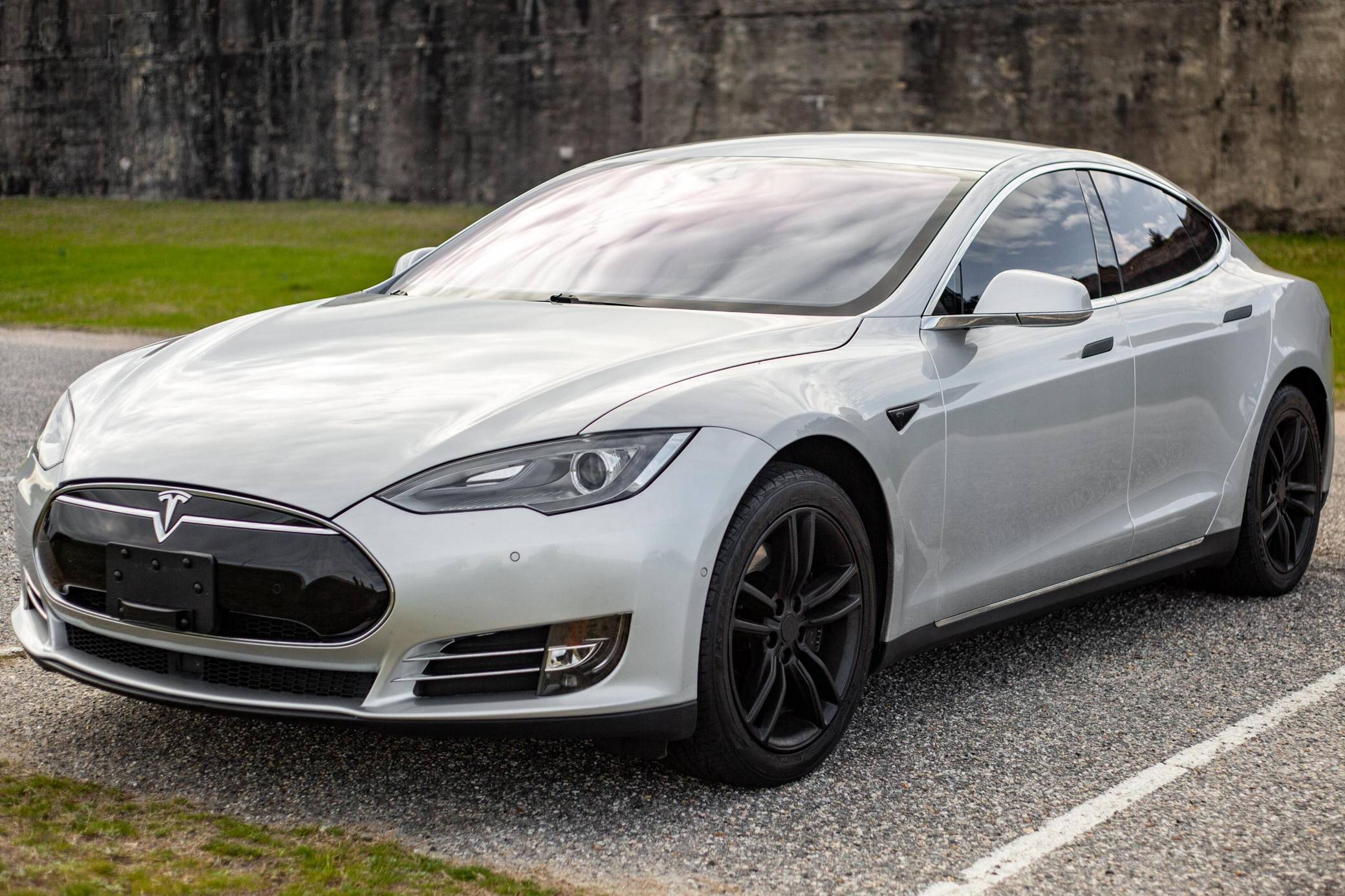
3. Tesla Model S
The Tesla Model S helped establish the modern electric luxury sedan as a practical alternative to premium gasoline-powered cars. It offers strong acceleration, a spacious cabin, and advanced electronic features. Its long production history also means that recall concerns vary substantially between early examples and newer vehicles. Buyers should therefore avoid applying information from a single model year to every Model S.
Electronic power steering, braking assistance, displays, and other integrated functions are important to safe operation. A defect in a control system can affect the driver’s ability to receive warnings or operate a vehicle as intended.
Manufacturers sometimes issue software remedies for such concerns, while faults involving physical components may require inspection or replacement at a service facility.
Battery safety is a major subject for electric vehicle owners. High-voltage battery packs contain many cells, monitoring equipment, cooling systems, and electrical connections.
Problems can arise from manufacturing defects, damaged components, or faults in related systems. A recall involving a battery-related issue does not mean every vehicle will experience a fire, but owners should follow all stated precautions and repair instructions.
The Model S also demonstrates why recall history must be interpreted by production period. A campaign may cover a limited batch of vehicles or a specific component revision rather than the entire model range. Older cars may have completed earlier recall repairs, while other vehicles may remain affected by a separate campaign. The VIN provides a more reliable starting point than the model name alone.
Anyone buying a pre-owned Model S should arrange an inspection by a technician familiar with high-voltage electric vehicles. The assessment should include charging operation, battery condition, braking, steering, tires, and relevant service records.
Prospective owners should confirm open recalls through NHTSA and Tesla, then obtain written confirmation that required repairs have been completed before finalizing the purchase.
4. Tesla Model X
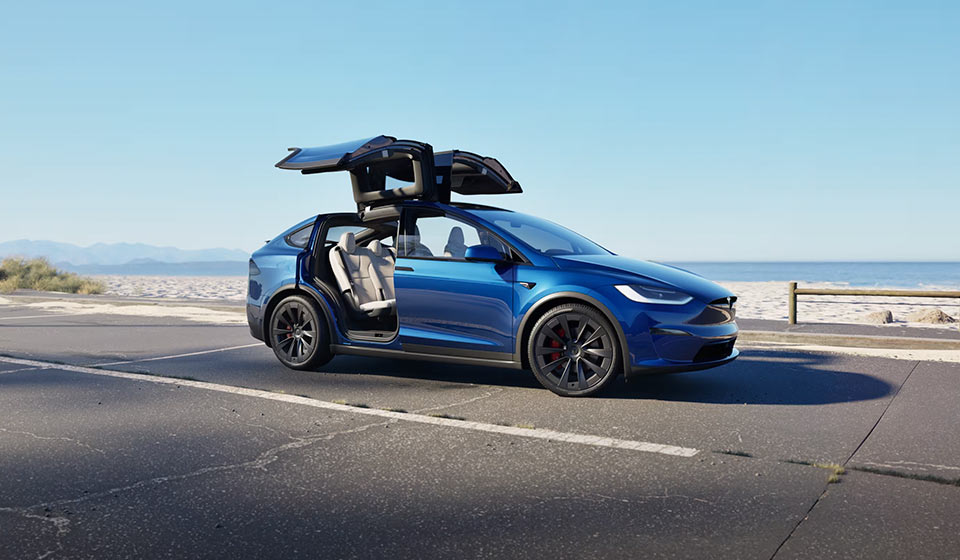
The Tesla Model X is a premium electric SUV recognized for its distinctive falcon-wing rear doors, generous cabin space, and advanced driver assistance technology.
Its complex electrical and mechanical systems create several areas that require careful maintenance. Like other vehicles with specialized door mechanisms and extensive electronic equipment, particular production batches may be subject to targeted safety campaigns.
The rear doors are a distinctive feature, but they also depend on sensors, latches, motors, and control systems working correctly. Any defect that prevents a door from closing or latching securely can create a serious safety concern. Owners should pay attention to official notices involving door operation and complete the prescribed repair rather than relying on a temporary adjustment.
Driver displays, cameras, warning systems, and electronic controls are also relevant to vehicle safety. A malfunction may affect the information available to the driver or interfere with a particular feature. Some software defects can be corrected remotely, while hardware-related issues need service intervention. A dashboard without warning lights is helpful, but it does not prove that every recall has been resolved.
The Model X’s weight and performance make braking, tires, suspension, and steering especially important during regular maintenance. Worn tires or improperly maintained suspension components can reduce control and increase stopping distances.
Owners should follow recommended maintenance intervals and respond promptly to abnormal noises, changes in handling, or alerts from the vehicle. Recall remedies should always follow official instructions.
5. Ford Mustang Mach-E
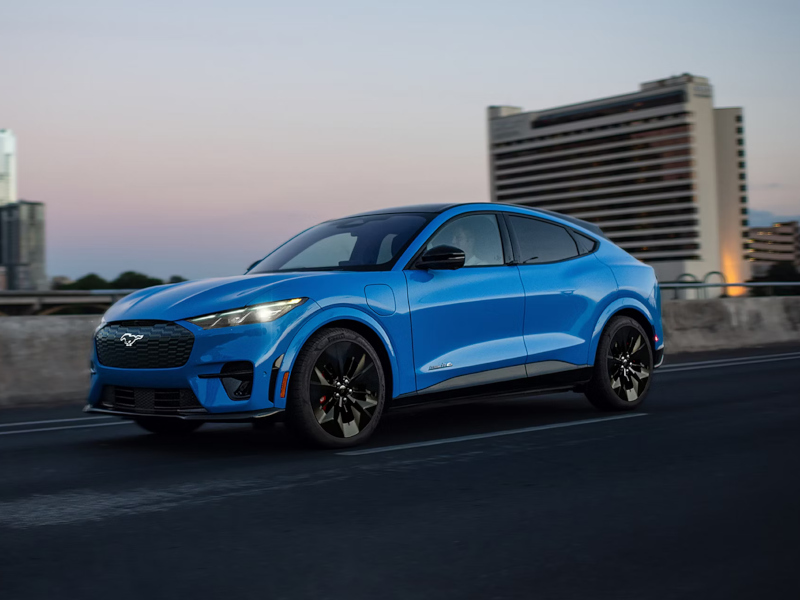
The Ford Mustang Mach-E brought the Mustang name into the electric crossover segment. It combines a sporty design with family-friendly space, touchscreen controls, and battery-electric performance.
The model has been involved in safety recalls affecting particular vehicles and production periods. Its recall history illustrates why established automakers must adapt traditional vehicle engineering to new electric powertrains and increasingly software-dependent systems.
High-voltage battery and electrical concerns require special attention in electric vehicles. Certain faults can affect charging, power delivery, or the vehicle’s ability to operate normally.
Ford has issued recall campaigns for specific Mach-E configurations and production groups over time. The precise defect, affected vehicles, and remedy depend on the campaign, so owners should read the relevant notice instead of assuming all Mach-E vehicles share the same problem.
Electronic systems are another area to monitor. Modern vehicles depend on control modules to coordinate power delivery, driver displays, safety warnings, and other functions. A software defect can cause unexpected behavior even when the mechanical components are functioning correctly. Manufacturers may provide updated software or require a dealer visit, depending on the nature of the issue and the approved corrective action.
Charging performance should also be considered when inspecting a used Mach-E. Buyers can check whether the vehicle charges consistently, whether warning messages appear, and whether its charging equipment is in good condition.
These observations do not replace an official recall check. If a campaign involves a battery or electrical component, the buyer should establish whether the prescribed remedy has been completed before relying on the vehicle for regular travel.
6. Chevrolet Bolt EV
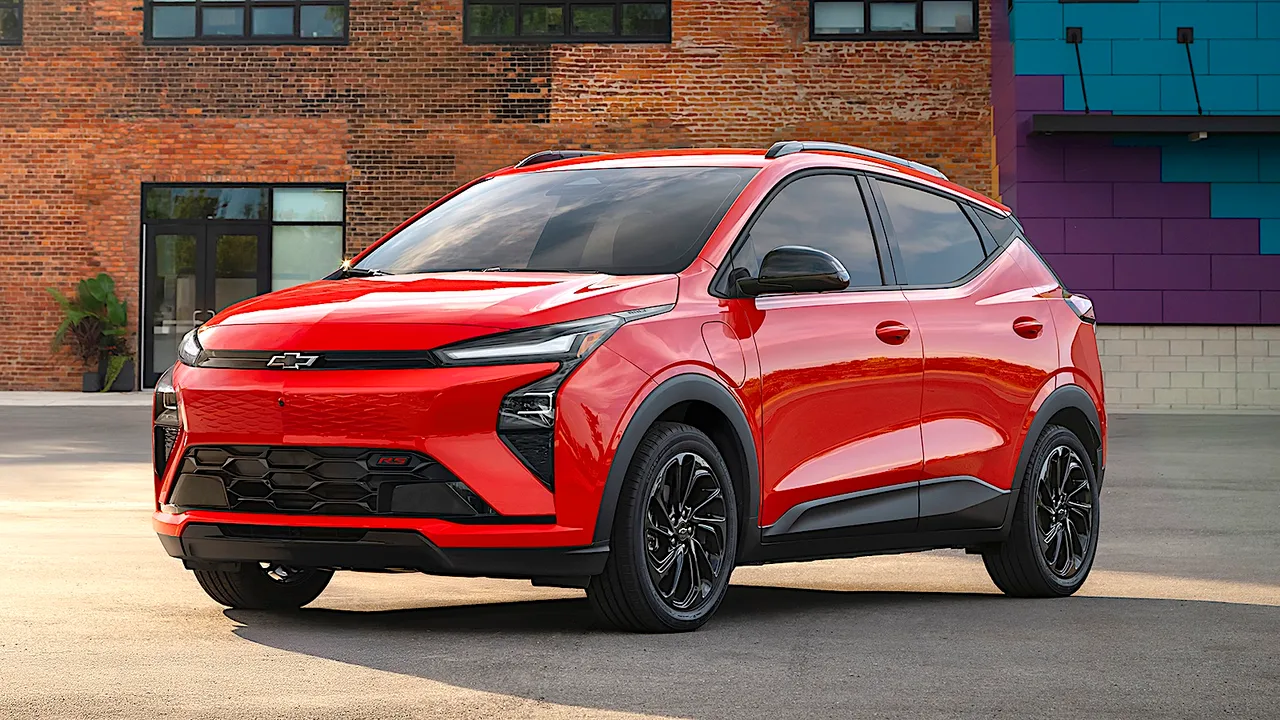
The Chevrolet Bolt EV became known for offering substantial electric driving range in a relatively affordable hatchback. It also gained significant public attention because of battery-related recalls.
These campaigns showed how manufacturing defects inside high-voltage battery cells can create risks that may not be visible during an ordinary inspection. The Bolt’s experience remains an important case study in electric vehicle safety and recall management.
General Motors issued major recalls affecting certain Bolt EV model years because battery defects could increase the risk of fire. The campaigns involved concerns related to battery cells supplied for affected vehicles.
Depending on the vehicle and campaign stage, remedies included battery replacement or other manufacturer-directed corrective measures. The exact remedy must be confirmed for the individual VIN rather than inferred from its model year alone.
Battery recalls deserve particular care because the pack is expensive, complex, and central to the vehicle’s safe operation. A battery management system monitors important operating conditions, but it cannot eliminate every risk arising from a manufacturing defect. When a manufacturer announces special charging limits or parking precautions, affected owners should follow those instructions until the approved remedy has been completed.
The Bolt’s history also highlights the importance of checking repair documentation when buying an older electric car. A seller’s statement that the battery was replaced should be supported by an invoice or official service record.
Buyers should establish which battery pack is installed, whether the relevant campaign has been closed, and whether any warranty coverage remains. A replacement battery may change the vehicle’s practical value and future ownership costs.
7. Chevrolet Bolt EUV
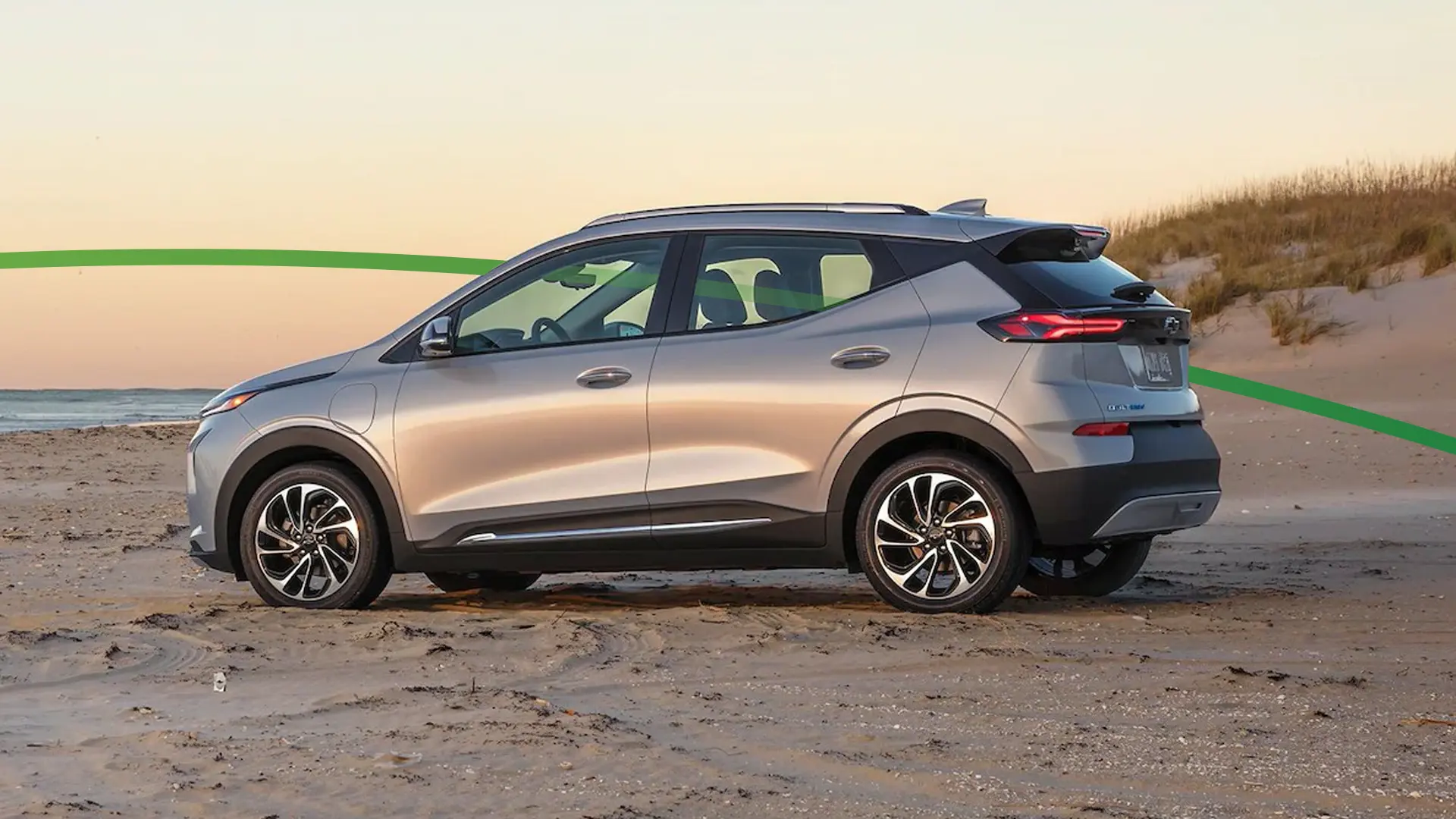
The Chevrolet Bolt EUV expanded the Bolt family with a slightly larger body and additional passenger space. It shares important technology and battery-related engineering with the Bolt EV, which makes their safety histories relevant to each other. However, their recall coverage is not necessarily identical.
Campaign eligibility depends on the vehicle’s identification number, production details, and the specific defect identified by the manufacturer.
Battery safety has been the most prominent subject associated with the Bolt family. The major battery campaigns involved certain high-voltage battery packs with defects that could increase fire risk.
General Motors and its battery supplier investigated the issues and implemented corrective actions for affected vehicles. Owners need to confirm that their particular vehicle received the approved remedy, since a general statement about the Bolt range cannot establish its current status.
Other vehicle systems also deserve attention when assessing recall history. Electronic controls, warning systems, and safety-related components can be affected by manufacturing or software problems across different vehicle lines.
A recall may apply to a narrow group of cars assembled within a defined period. For that reason, recall information should be checked using the VIN, not just the Bolt EUV name or the year printed on the registration.
People considering the Bolt EUV should request written documentation of battery service and any other recall repairs. They should inspect charging behavior, warning messages, tires, brakes, and the general condition of the high-voltage system through a qualified technician.
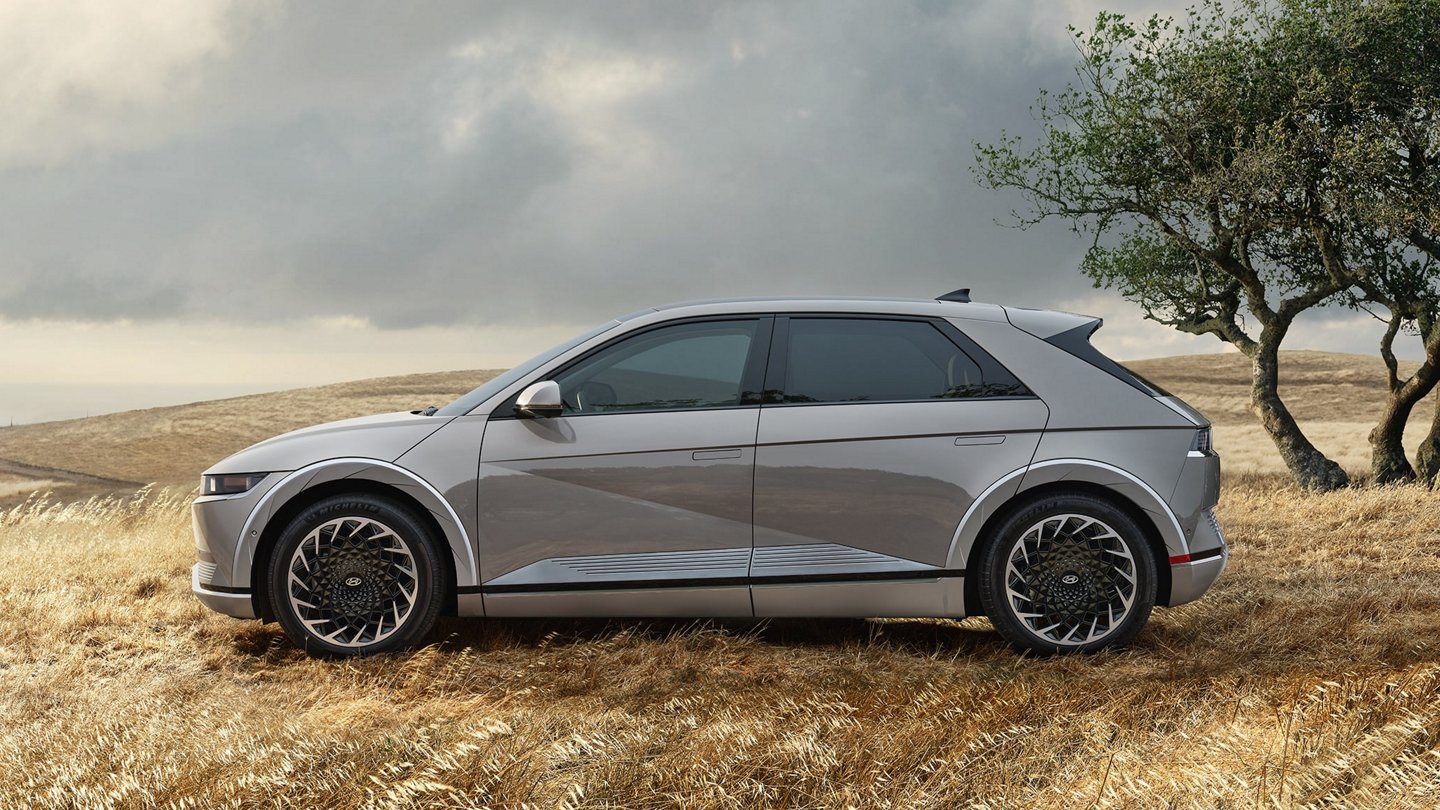
8. Hyundai Ioniq 5
The Hyundai Ioniq 5 stands out for its distinctive styling, roomy cabin, and fast-charging capability on compatible charging equipment. It uses a dedicated electric vehicle platform and advanced electrical architecture.
The model has faced recalls involving particular systems and production groups, making it important for owners to distinguish between general maintenance concerns and defects that have prompted an official safety campaign.
An area of concern for certain Ioniq 5 vehicles has involved the integrated charging control unit and its relationship with the 12-volt battery system.
Depending on the affected vehicle and defect, problems in this area can lead to charging issues or loss of drive power. Hyundai has issued recall campaigns addressing specific charging-related faults. Owners should confirm the exact scope and remedy for their vehicle.
The 12-volt battery plays a different role from the high-voltage traction battery. It supplies power to various low-voltage electrical systems, including equipment needed to start or activate the vehicle.
A problem affecting its charging system can cause operational difficulties even when the main battery has substantial energy remaining. Drivers who notice repeated low-voltage warnings or unexpected power loss should seek qualified diagnosis.
Charging habits and regular checks can help owners identify unusual behavior early, but they cannot replace a recall repair. A vehicle that charges successfully at home may still be affected by a defect under specific conditions.
Owners should keep software and service records up to date, respond to manufacturer communications, and ask a Hyundai dealer to check the VIN for open campaigns.
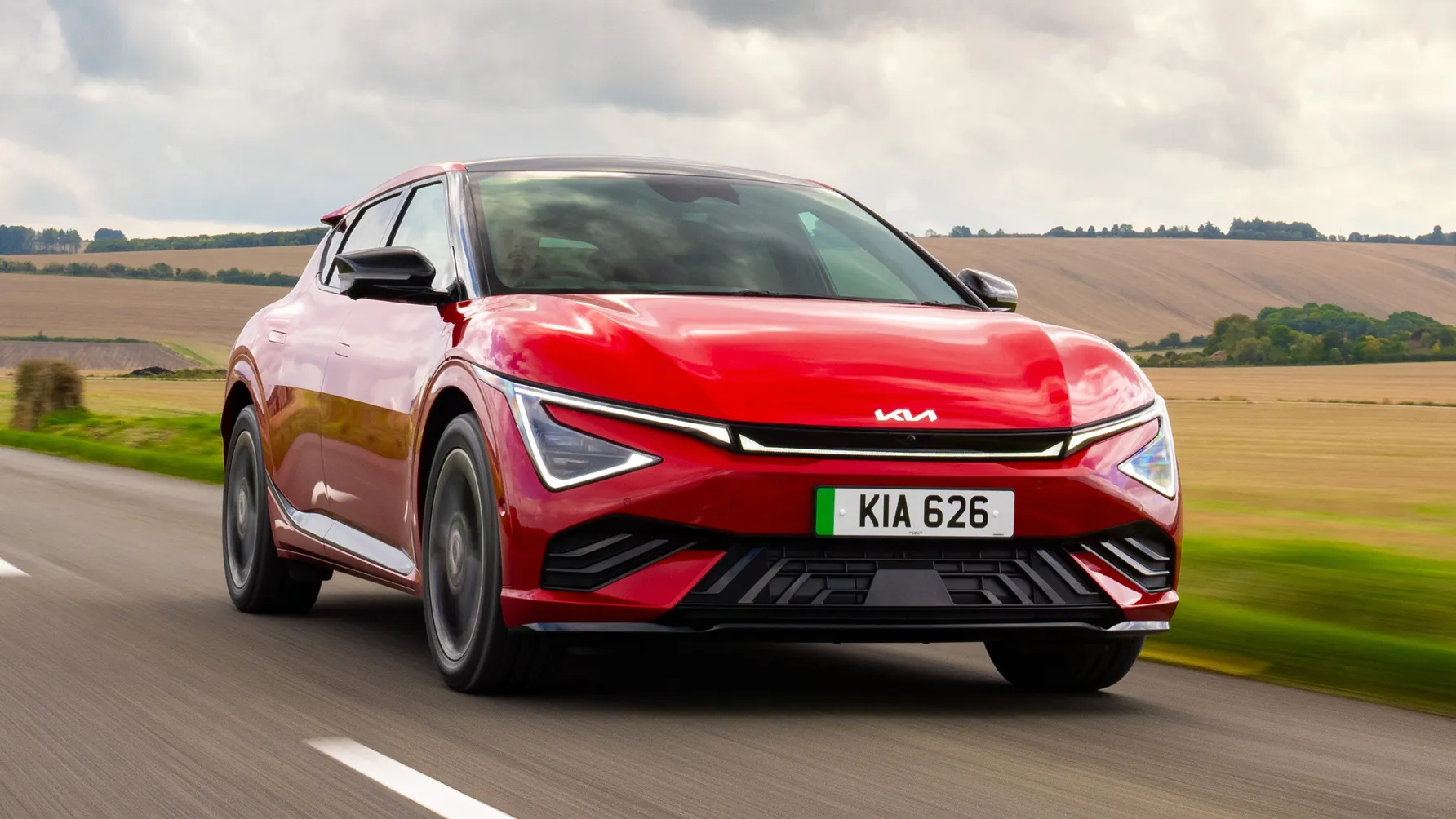
9. Kia EV6
The Kia EV6 shares its broad electric vehicle platform architecture with the Hyundai Ioniq 5, while offering different styling, cabin design, and driving characteristics.
Its long-range configurations and fast-charging capability have helped it attract buyers interested in practical electric mobility. Like other technologically advanced vehicles, it has been subject to recalls involving specific components, software, or electrical systems.
Charging-related equipment is an important subject for EV6 owners. Certain vehicles have been affected by issues involving the integrated charging control unit, which can interfere with the charging of the 12-volt battery and potentially lead to a loss of drive power. Such defects demonstrate why a vehicle can experience electrical trouble even when its main traction battery appears to function properly.
The consequences of an electrical fault depend on the affected component and operating conditions. Drivers may notice warning messages, charging interruptions, or changes in vehicle operation. These symptoms should not be ignored, especially if they appear repeatedly. An authorized technician can diagnose the problem, identify whether a recall applies, and perform the manufacturer-approved repair where required.
EV6 owners should also distinguish between a recall and a technical service bulletin. A recall addresses a safety-related defect requiring an official remedy for covered vehicles, while a service bulletin generally provides repair guidance for particular conditions.
The terms are not interchangeable. Checking the official campaign details helps owners understand whether their vehicle requires mandatory recall work, routine maintenance, or separate diagnostic attention.
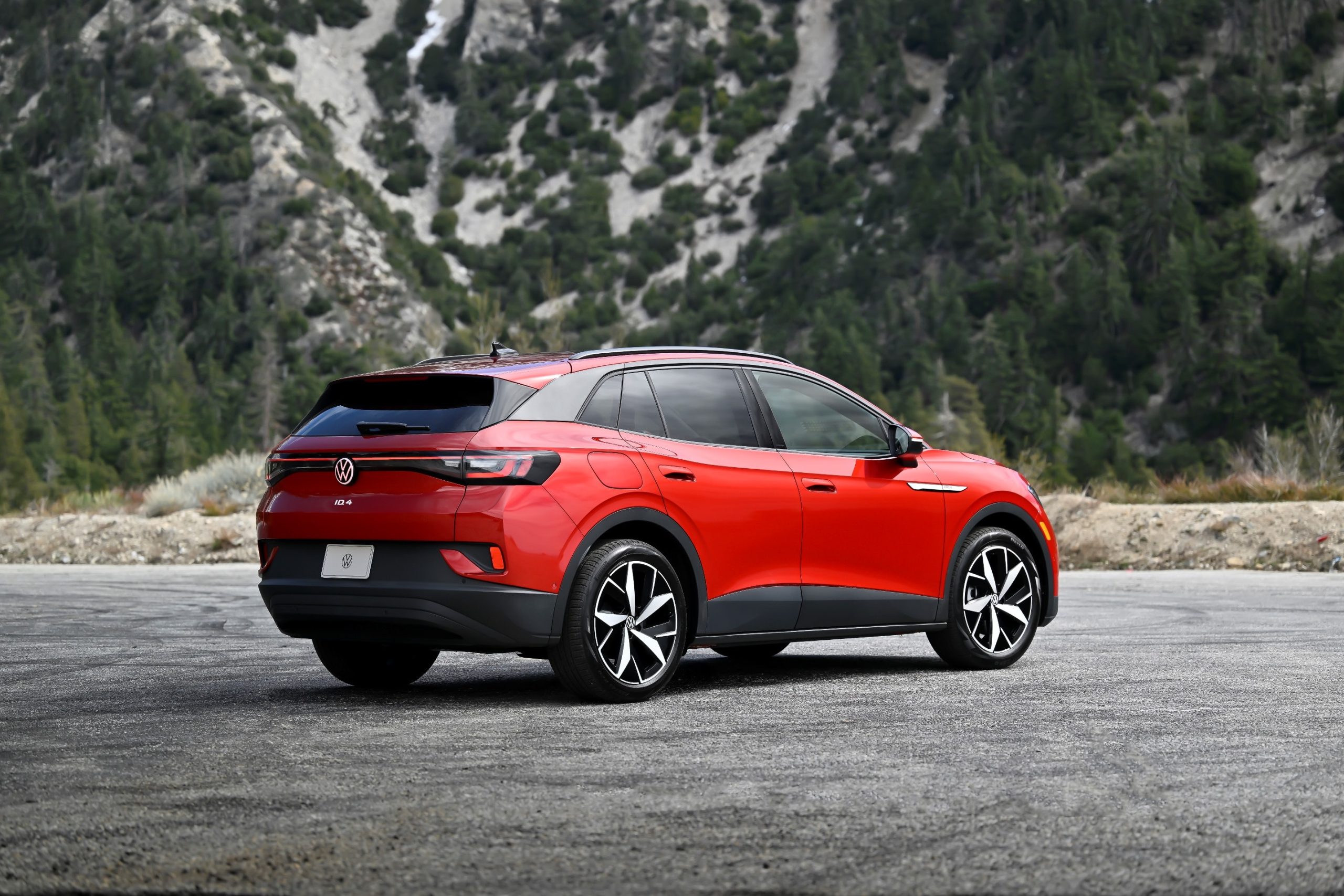
10. Volkswagen ID.4
The Volkswagen ID.4 is an electric SUV designed for everyday driving, with a comfortable cabin, useful cargo space, and a fully electric powertrain.
It represents Volkswagen’s effort to bring electric mobility to a broad customer base. Its recall history includes campaigns affecting particular model years and production groups, so buyers should assess each vehicle individually rather than assume all ID.4 models share the same safety concerns.
Door-related defects have been an important safety issue in certain modern vehicles, including specific ID.4 production groups. If a door latch or related electronic system fails to operate correctly, a door may not remain securely closed under certain conditions.
The exact affected vehicles and remedy depend on the recall campaign. Owners should check official notices and have any covered defect repaired promptly.
The ID.4 also depends on software and electronic control modules for several vehicle functions. Updates may address certain problems, but not every fault can be corrected through software alone.
When a campaign requires a dealer inspection, replacement part, or physical repair, owners should arrange the service specified in the notice. A vehicle’s touchscreen operating normally does not prove that every safety-related component is functioning correctly.
Electric vehicle buyers should assess charging behavior, battery performance, warning messages, brakes, tires, and the condition of electrical connections during a used-car inspection. These checks can help identify maintenance needs, but they do not replace an official recall search. Owners should retain documentation of completed work and contact a Volkswagen dealer if a recall notice applies to their vehicle.