Nothing stings like a brand-new car that already needs attention. You have barely finished the paperwork, and a glitchy screen or a misaligned panel is stealing your joy. J.D. Power tracks exactly this experience in its Initial Quality Study, which looks at problems owners report during the first 90 days.
It is worth noting that J.D. Power evaluates vehicle brands rather than ranking six specific models. This guide highlights six brands that frequently receive lower scores and examines the common complaints that may contribute to their ratings. Think of it as a practical buying guide rather than a judgment on every vehicle from these brands. By understanding what to look for, you can make a more informed choice before purchasing your next car.

1. Tesla
Tesla attracts buyers with electric performance, modern styling, and software-driven features. However, early ownership can bring frustrating quality concerns, particularly when a vehicle’s technology and physical assembly do not meet expectations.
Some J.D. Power initial quality results have placed Tesla near the bottom of the rankings, with reported concerns involving exterior fit and finish, paint quality, and electronic controls.
Results vary by model year and study, so buyers should check the specific vehicle they intend to purchase. A common complaint associated with Tesla vehicles involves inconsistent panel alignment.
Owners may notice uneven gaps between body panels, doors that require extra effort to close, or trim pieces that do not sit as neatly as expected.
Paint imperfections can also affect the appearance of a new vehicle. These issues may seem minor at first, but correcting them can require additional appointments and time away from the road.
The large central touchscreen presents another potential source of frustration. Drivers rely on it for many vehicle functions, including climate settings, navigation, entertainment, and camera displays.
Software glitches, delayed responses, or unexpected system restarts can interfere with everyday convenience. Electric vehicles also depend on several connected systems that must work together reliably.
A problem with a charging function, camera, sensor, or software feature can require diagnosis even when the vehicle remains drivable.
Before making a purchase, examine the exterior in natural daylight, test all infotainment and display features, verify that the charging equipment works properly, and take the vehicle for an extensive test drive to identify any potential issues.
Ask about the warranty and the process for reporting delivery defects. A careful inspection can help buyers distinguish cosmetic imperfections from faults that require prompt attention.

2. Chrysler
Chrysler has a steady reputation in this study, and it is not a flattering one. The brand consistently ranks poorly for early-ownership complaints and posts high problem-per-100 scores.
Consistency is the word to focus on. A brand that dips once might have had a rough year. A brand that lands low again and again suggests something more persistent in how early quality is handled.
Still, the supplied data does not pin the problems on one specific part, so it would be unfair to guess which systems cause the most trouble.
What should a shopper do with that? Get specific. Look up the exact model and model year you want, then read owner reviews and check recall listings.
Ask the dealer whether the vehicle has had any pre-delivery repairs. Review the warranty carefully, because a strong warranty can soften the blow if early problems appear.
Take a long test drive, too. Run the infotainment, test the climate controls, listen for rattles, and try every window and lock. Early flaws often show up in simple, everyday use.
Use the brand-level score as a prompt for extra caution, not a reason to panic. A careful inspection before purchase is the best protection you have.
3. Land Rover / Jaguar
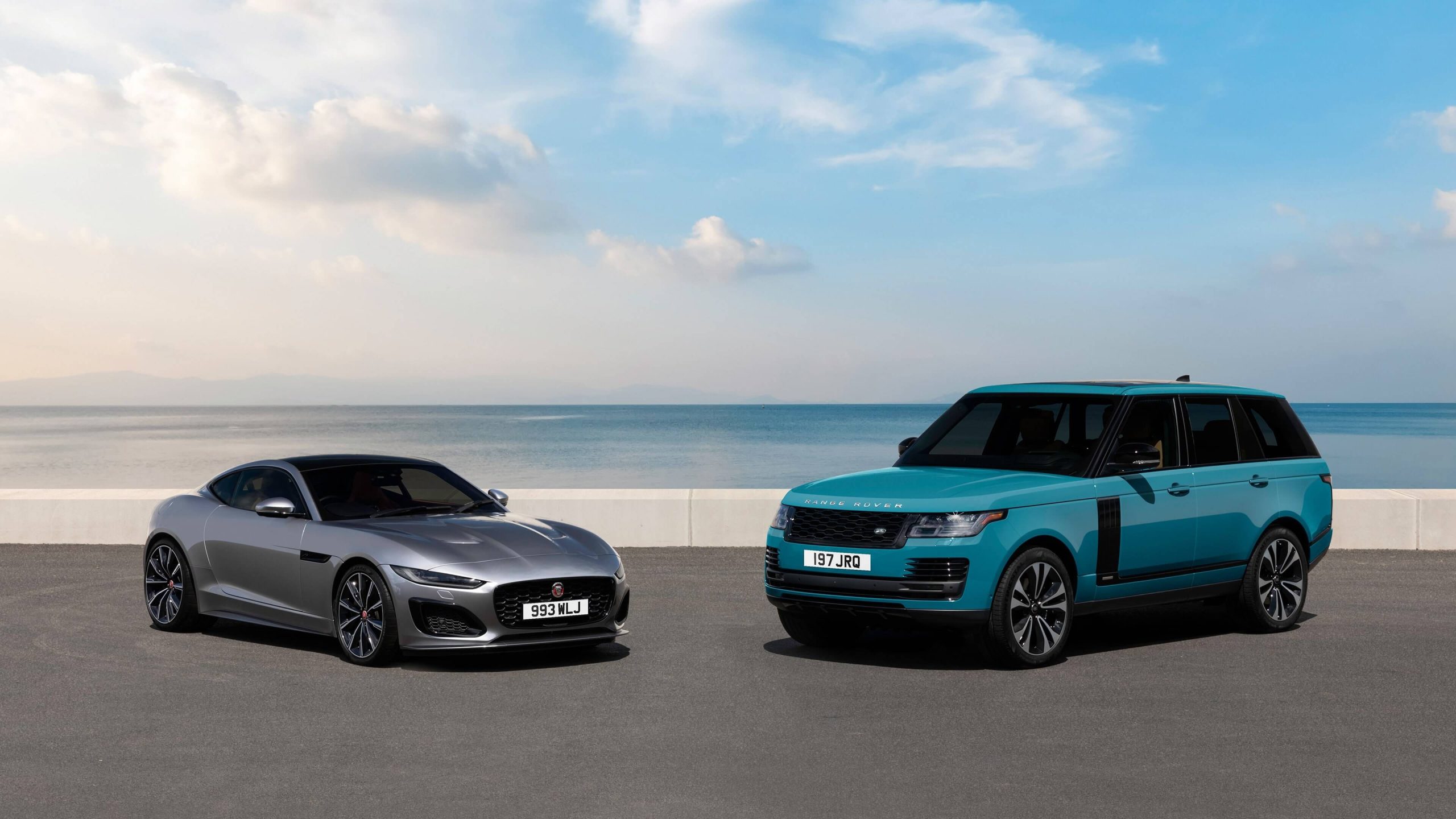
Luxury badges promise a lot, and Land Rover and Jaguar often pay for that ambition in this study. Both frequently sit near the bottom, and the reasons point to sophisticated onboard technology, electrical gremlins, and infotainment issues.
Think about what is packed into a modern luxury SUV or sedan. Air suspension, digital dashboards, driver aids, connectivity, and layers of software all have to cooperate.
When one piece misbehaves, owners notice quickly. A screen that lags, a sensor that throws a false warning, or an app that will not connect counts as a problem on the survey, even if the car drives perfectly.
That detail matters. Initial quality scores often reflect annoyances rather than breakdowns. A car can be mechanically sound and still score poorly because the tech frustrates people.
So what can you do? Spend extra time with the infotainment during your test drive. Pair your phone, try voice commands, and use the navigation. Ask what software updates are available and how they are installed. Look at the warranty and any included service plan, since electrical diagnosis can be pricey.
If you love the style and capability, you can still buy with confidence. Just go in informed, and ask the dealer to demonstrate every feature before you sign.
4. Audi
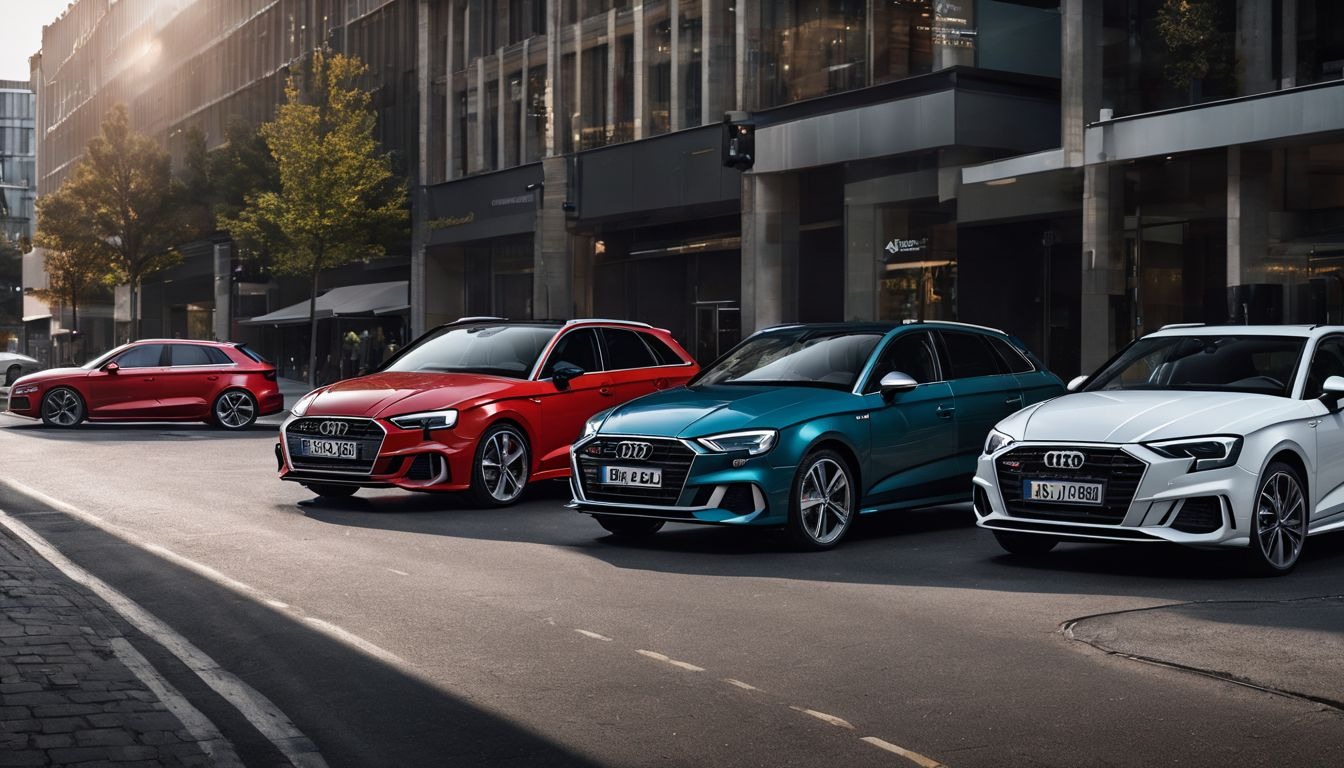
Audi combines premium interiors, refined road manners, and advanced technology. Its vehicles often appeal to buyers who appreciate a quiet cabin and a polished driving experience.
Still, some Audi models have received weaker initial quality results, and potential owners should examine electronic equipment and mechanical performance before making a decision.
The infotainment system is an important place to start. Many Audi vehicles rely on digital displays and touchscreen interfaces for navigation, audio, vehicle settings, and smartphone connections.
A screen that freezes, responds slowly, or fails to connect consistently can become an everyday annoyance. Buyers should test these functions repeatedly rather than assuming that a quick demonstration proves everything works correctly.
Minor electrical concerns may also involve parking sensors, cameras, interior lighting, or driver assistance equipment. These features help make driving easier, but unreliable operation can reduce confidence in the vehicle.
Warning messages should be investigated to establish whether they indicate a simple software issue or a more serious fault. Powertrain behaviour deserves equal attention.
During a test drive, check for unusual engine noises, rough idling, hesitation during acceleration, or irregular transmission operation. Such symptoms do not automatically indicate a widespread Audi defect, but they should be assessed before the purchase is finalised.
Before buying, look into complaints specific to the Audi’s model year and powertrain. Check that all electronic features work properly, test-drive the vehicle on different road surfaces, and arrange a professional pre-purchase inspection if you are considering a used model.
For a new vehicle, ask the dealer to record any defects found during delivery. Audi’s premium pricing can create high expectations for fit, finish, and reliability.
Buyers should make sure the particular vehicle meets those expectations rather than assuming that an expensive badge guarantees trouble-free ownership.
5. Volvo
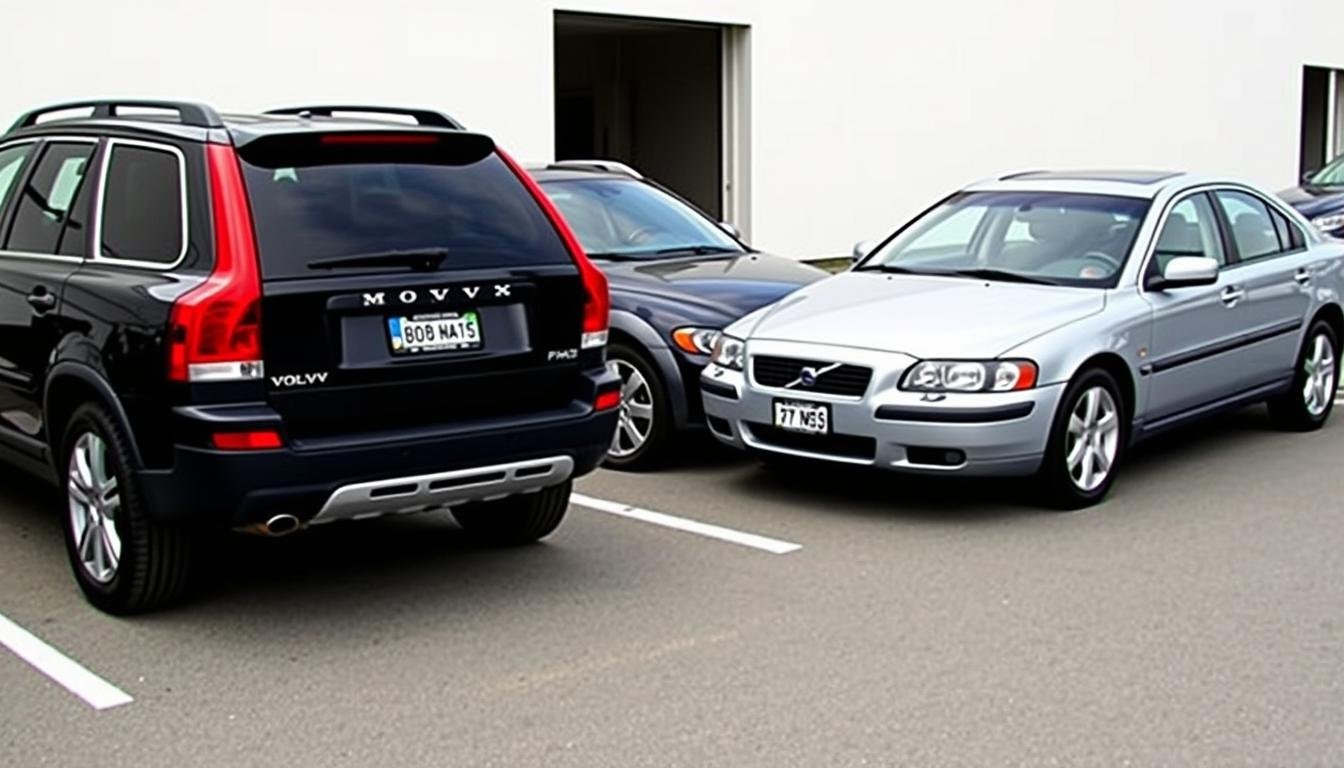
Volvo is known for safety and calm Scandinavian design, yet it often ranks below average in this study. The source points to intricate four-cylinder and hybrid technology, along with screen-heavy interfaces.
Let us take those one at a time. Many Volvos pair small four-cylinder engines with hybrid systems to balance power and efficiency. That works well when everything cooperates, but more moving pieces can mean more chances for an early glitch.
Then there are the screens. When nearly every control lives on a display, any lag, bug, or confusing menu becomes a daily annoyance.
Does that mean Volvos are unsafe or poorly built? No. This study measures reported problems in the first 90 days, and many of them involve design and usability rather than serious defects. A frustrating interface can raise a score without affecting crash protection.
Smart shoppers can plan for it. Test the hybrid system on a longer drive, and notice how smoothly the gas engine and electric motor hand off power.
Spend time with the touchscreen and voice controls. Ask about software updates and how they reach the car.
If those items pass your test, a Volvo may suit you well. If the screen drives you crazy, better to learn that before you buy.
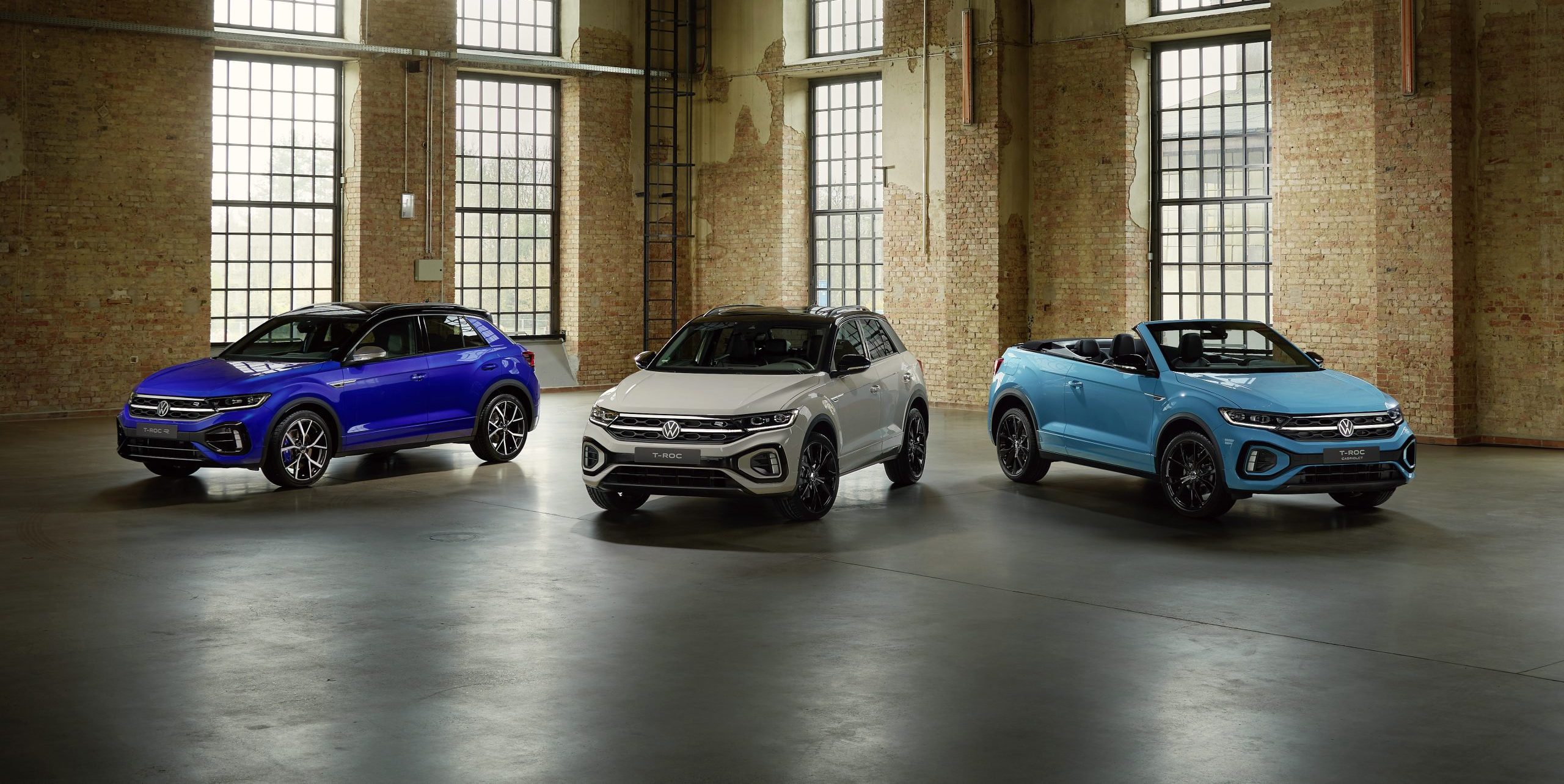
6. Volkswagen
Last on the list, Volkswagen regularly lands near the lower end of initial quality and long-term dependability rankings. That double mention matters, because it ties early complaints to a broader pattern.
The supplied data does not name specific faults for Volkswagen, so a fair article avoids guessing at them. What we can say is that the brand’s results are consistent enough to merit a closer look before you buy.
Imagine two shoppers eyeing the same compact car. One checks only the price and the color. The other reads recent ratings, reviews the warranty, and inspects the car carefully on delivery.
Weeks later, the second shopper has a smoother experience because small flaws were caught and documented early. Be that second shopper. Compare model-year reliability, search for recalls, and read owner forums for repeat complaints.
Ask the dealer for the full warranty terms and whether any maintenance is included. Keep every receipt, and note every issue with dates, since a written record helps if a problem repeats.
Brand scores are averages. Some Volkswagens run beautifully, and some rivals with better scores disappoint. Do your homework, trust what you see on the test drive, and buy the car that proves itself.
Initial quality rankings change from year to year, so check the latest J.D. Power results before you shop. A careful inspection in the first 90 days can save you months of frustration.