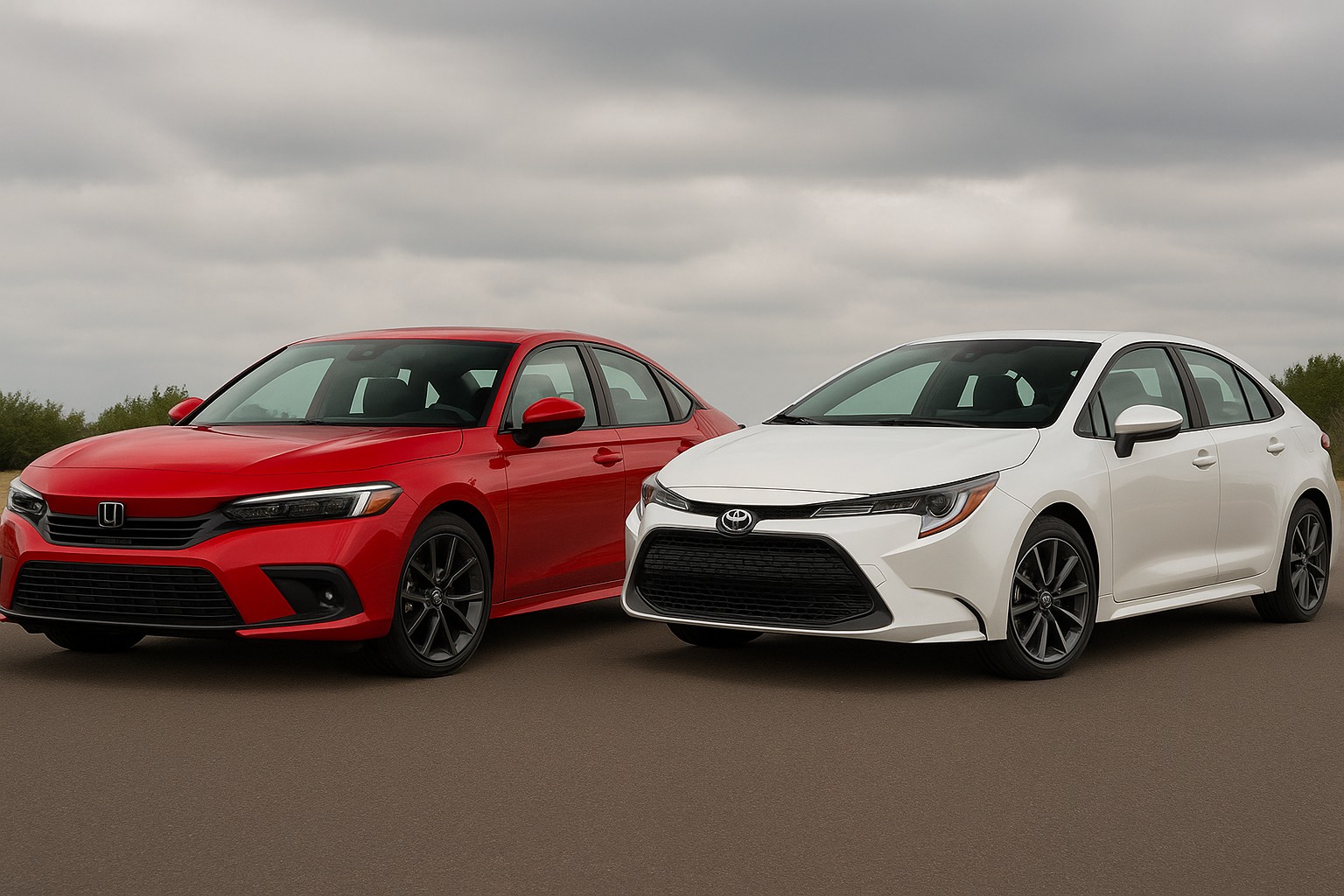
An airbag is the one feature you hope you never test, so a warning light or a strange story about one can rattle anyone. The National Highway Traffic Safety Administration (NHTSA) collects complaints from owners, and seven popular models show up with large airbag-related counts.
There is no need to panic. A complaint does not automatically mean a product has a confirmed defect, and popular sellers tend to receive more complaints simply because they serve more customers. This guide explores each model, explains the issues reported by buyers, and shows how to use these details to make informed decisions. By the end, you will know what to check before choosing your next purchase.
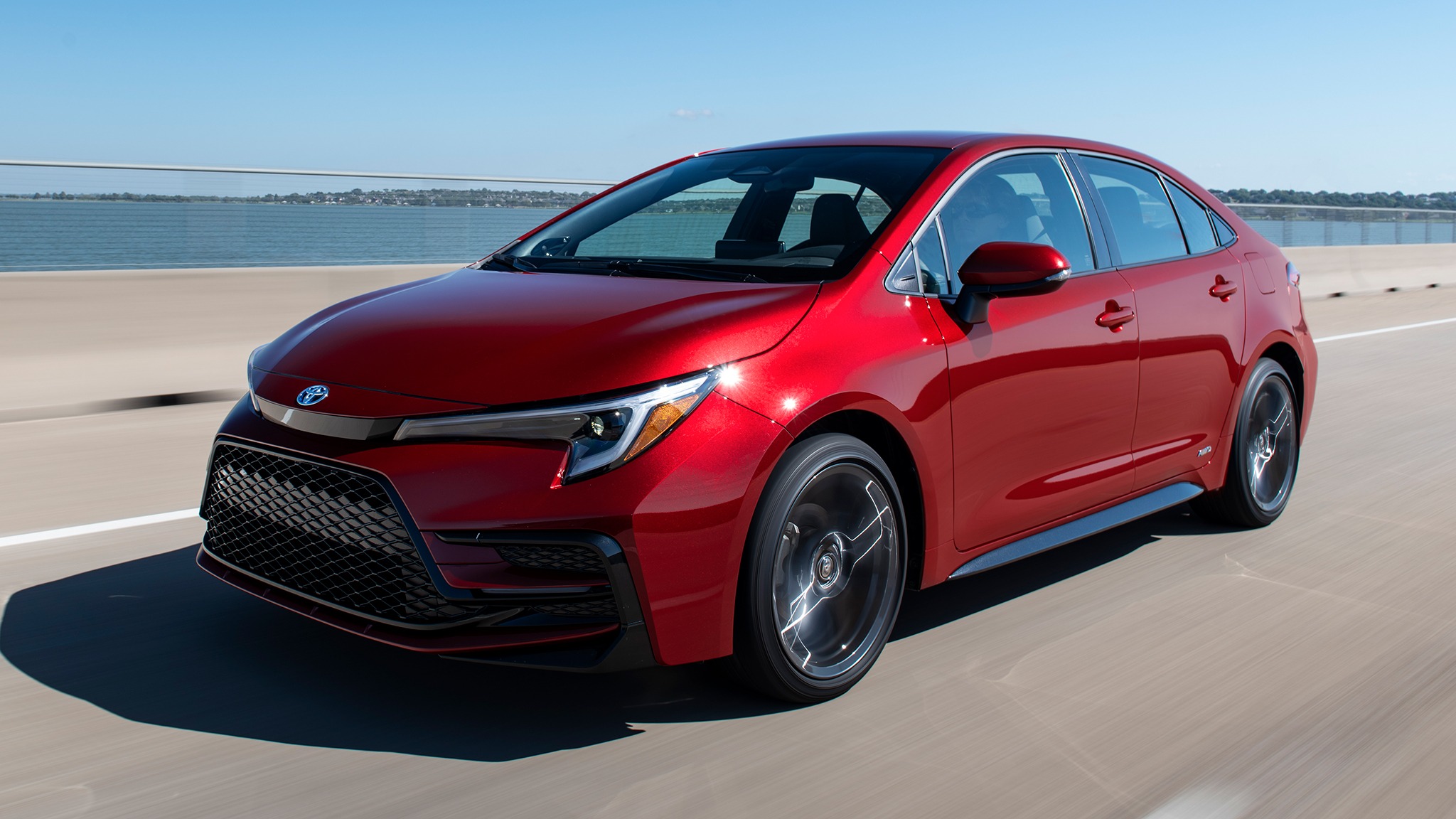
1. Toyota Corolla
4,713 Airbag Complaints
A dependable reputation does not mean a vehicle is free from safety concerns. The Toyota Corolla recorded 4,713 airbag complaints in the supplied data, placing it first among the seven models featured in this article.
Reported airbag problems can involve warning lights, deployment concerns, or claims that an airbag did not inflate during a crash. Each report describes an owner’s experience, and the underlying causes can differ.
A warning light, for example, may indicate a sensor or electrical fault rather than a defective airbag itself. Because the Corolla has sold in large numbers, its complaint total should be considered alongside the number of vehicles on the road, their model years, and the nature of the reported problems.
A high count alone does not establish that every Corolla shares the same defect. Owners should pay attention to airbag warning lights and any safety notices connected to their specific vehicle identification number (VIN).
If a warning remains illuminated, a qualified technician should inspect the supplemental restraint system promptly.
Drivers can also check the NHTSA website for recalls and manufacturer notices. If a recall applies, the repair may be available at no charge through an authorized dealer.
The Corolla’s reported complaint count deserves attention, but vehicle-specific records provide a more useful picture of the risk facing an individual owner.
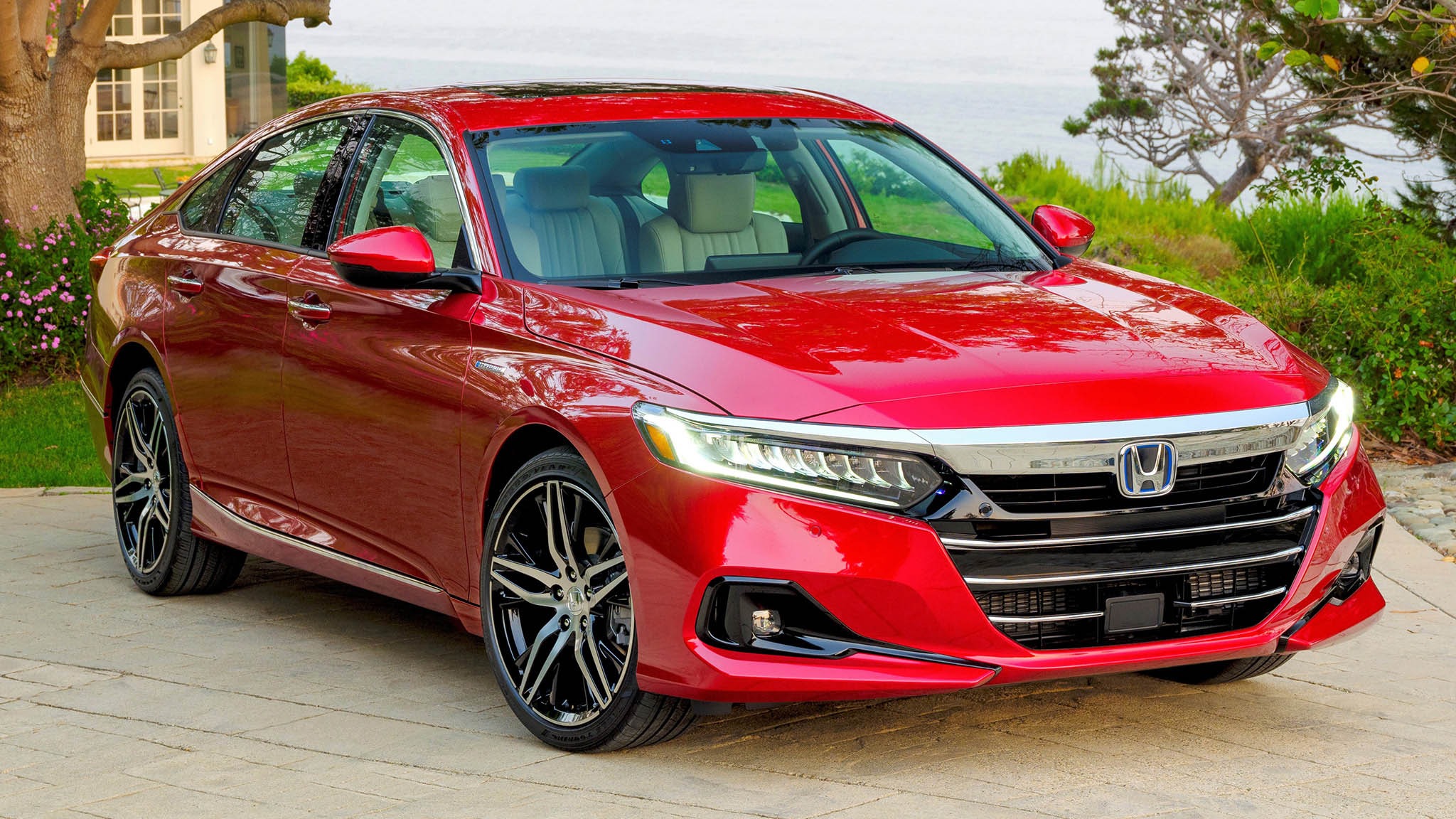
2. Honda Accord
4,120 Airbag Complaints
For a family sedan known for everyday practicality, 4,120 reported airbag complaints are worth examining. The Honda Accord ranks second in the supplied figures, with reports that include concerns about sensors and airbags allegedly failing to deploy.
Airbag systems depend on several components working together. Crash sensors detect certain impacts, electronic control units assess the information, and deployment circuits activate the appropriate restraints when specified conditions are met. A fault in one component can affect system performance.
Still, an airbag that does not deploy is not automatically evidence of a defect. Airbags are designed to activate under particular crash conditions, and some collisions do not meet the required deployment thresholds.
Investigators must assess crash details, vehicle condition, and system records before determining what happened.
Accord owners should check whether their vehicle has any outstanding airbag recalls. This is particularly important for older cars, since recall eligibility can depend on the model year, production range, and installed components.
If the airbag warning light appears, arrange an inspection rather than assuming the system will function normally during a collision. Avoid attempting repairs to airbag modules or related wiring without the proper training and equipment.
The reported 4,120 complaints make the Accord worth researching, but they do not establish that every model year has the same airbag problem. Checking the specific vehicle’s recall history is the most practical next step.
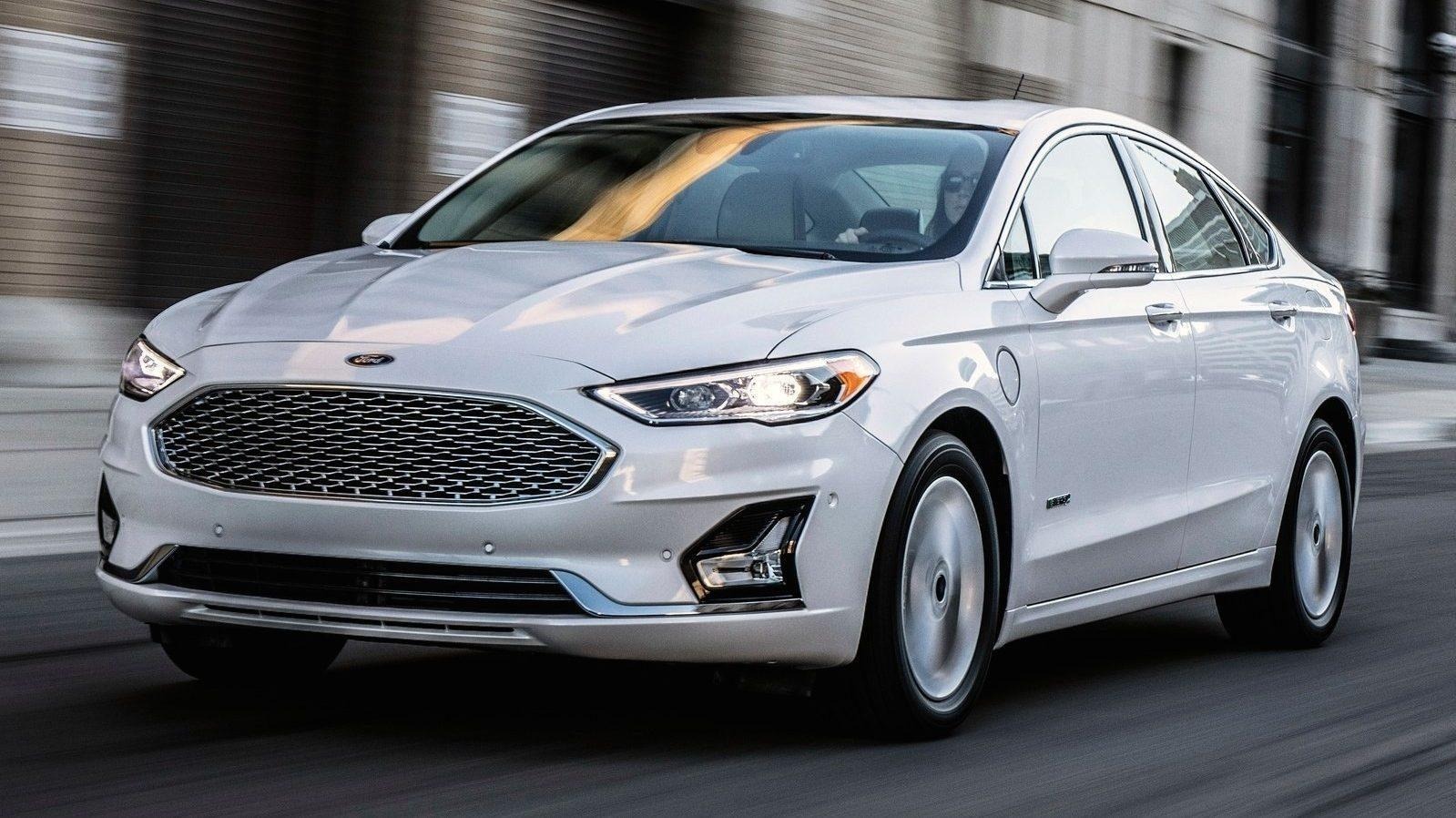
3. Ford Fusion
3,537 Airbag Complaints
Ford Fusion owners should take note of the vehicle’s safety history. The available data records 3,537 airbag-related complaints across the model, with reports mentioning warning lights and concerns about airbag deployment.
The Fusion was sold in several model years and configurations, meaning that a complaint involving one version may not apply to another.
Manufacturing dates, installed restraint components, previous repairs, and crash circumstances can all influence the nature of an airbag report.
A vehicle’s age also matters. Electrical connectors, wiring, sensors, and other components can deteriorate or sustain damage. Previous collision repairs may introduce additional concerns if restraint-system parts were not replaced or installed correctly.
For a used Fusion buyer, a pre-purchase inspection should include the airbag warning light and a review of available service records. A technician with appropriate diagnostic equipment can check for stored fault codes and assess whether the restraint system needs attention.
Owners should also look up their VIN through NHTSA’s recall search. If a recall remains open, they should contact an authorized Ford dealer to confirm the required repair.
The reported complaint total is a reason to investigate rather than a verdict on every Fusion. A careful review of the model year, recall history, and repair documentation can help buyers make a better-informed decision.
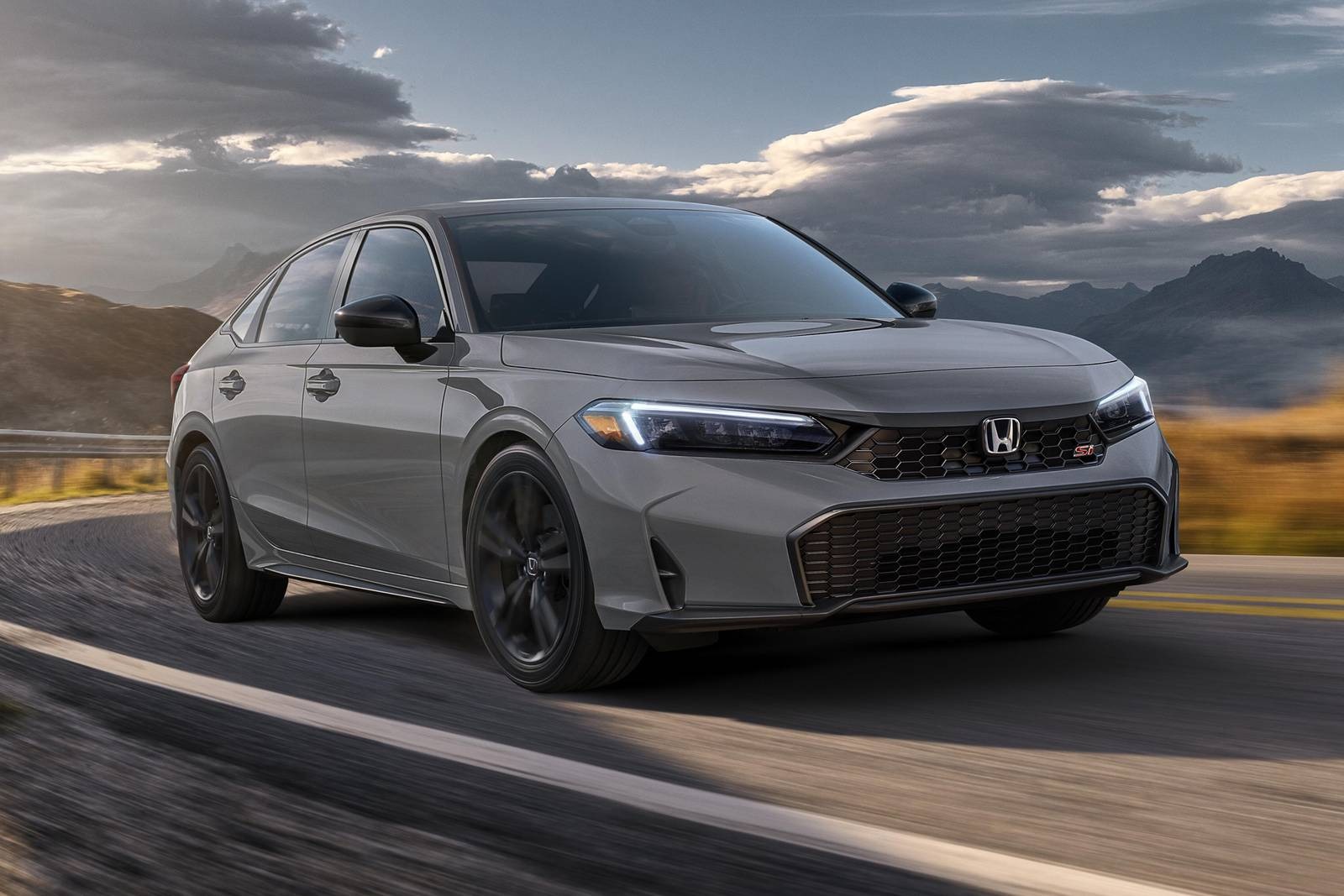
4. Honda Civic
2,933 Airbag Complaints
Small cars still need dependable crash protection, and the Honda Civic’s 2,933 reported airbag complaints place it fourth in the supplied ranking. The Civic has been sold across many generations, so understanding which version is involved is essential when assessing these reports.
Airbag-related complaints can cover different experiences, including dashboard warning lights, unexpected deployment, and concerns that a restraint failed to activate during a collision.
These reports should not be treated as evidence of one shared defect without supporting technical findings. For Civic owners, the first step is to establish the vehicle’s exact model year and VIN.
That information can help identify recalls or manufacturer service campaigns that apply to a particular car. A warning light deserves prompt attention because a fault in the supplemental restraint system may affect one or more safety components.
Continuing to drive without addressing the warning can leave the driver uncertain about whether the system will operate as intended in a crash.
Used-car shoppers should ask about previous collision damage and repairs. Airbags and seat belt pretensioners may require replacement after deployment, and repairs should follow the manufacturer’s procedures.
The Civic’s complaint count provides a reason to check vehicle records, not a reason to assume every Civic is unsafe. Recall status, maintenance history, and a professional inspection offer more useful guidance for an individual purchase.
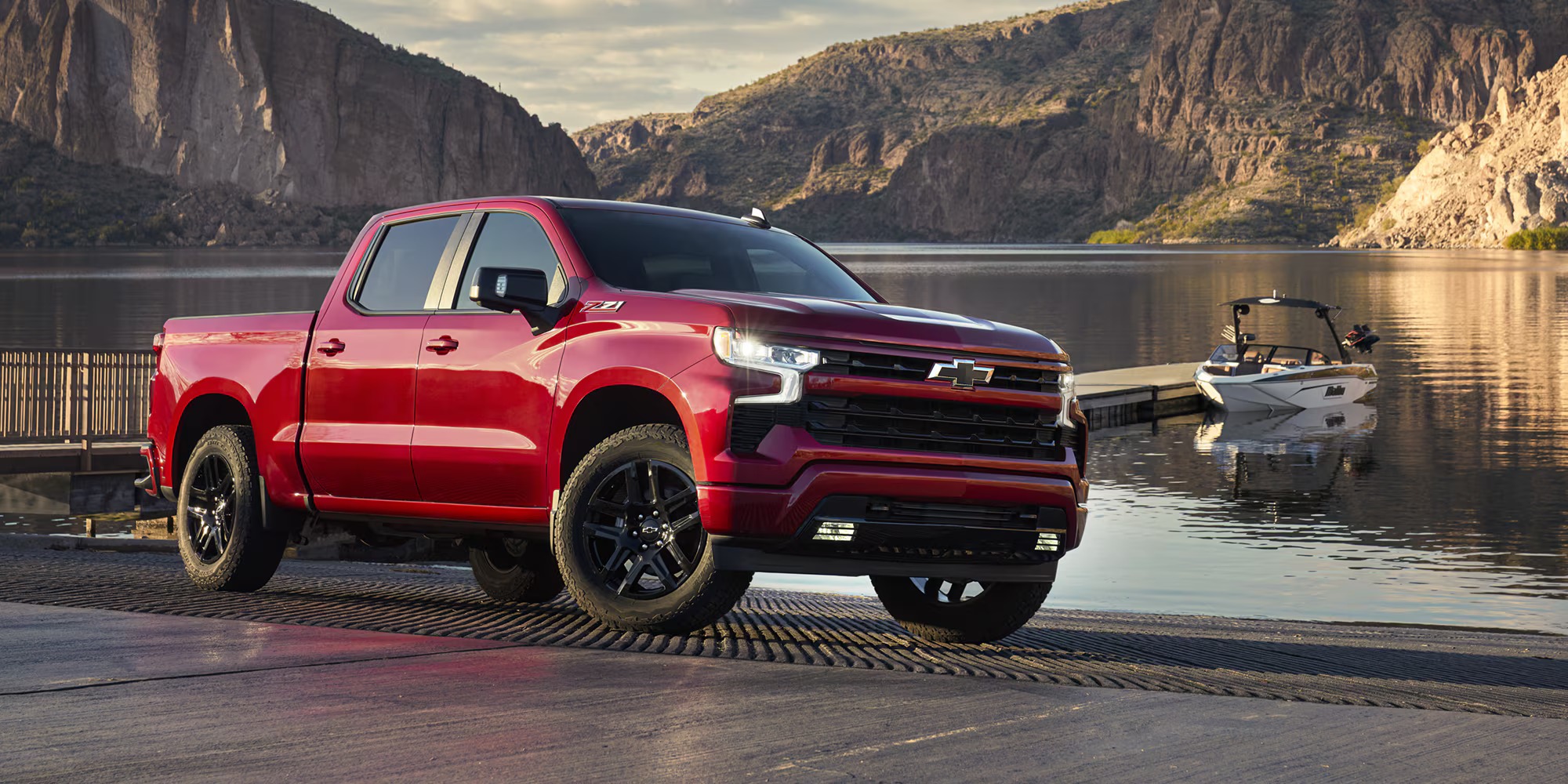
5. Chevrolet Silverado 1500
2,407 Airbag Complaints
Now we leave the sedans and head to the truck bed. The Chevrolet Silverado 1500 recorded 2,407 airbag complaints, making it the most reported pickup truck in this dataset for airbag issues.
Trucks live harder lives than most cars. They haul, tow, and bounce across job sites, and that vibration and wear can affect wiring and connectors.
While the data does not say what causes each complaint, it is reasonable for truck owners to pay close attention to the airbag warning light and any electrical oddities.
If you drive a Silverado, start with these steps:
First, confirm that the airbag light cycles on and off normally at startup. Second, search your VIN for open recalls. Third, mention any airbag warnings at your next service visit instead of waiting.
Shopping used? Ask whether the truck has been in an accident, and request proof that airbags were replaced with proper parts when needed. Work trucks often change hands several times, so the paper trail matters.
Big pickups feel safe because of their size, but size is not the same as working safety systems. Make sure the airbags are ready to do their job every time you buckle up.
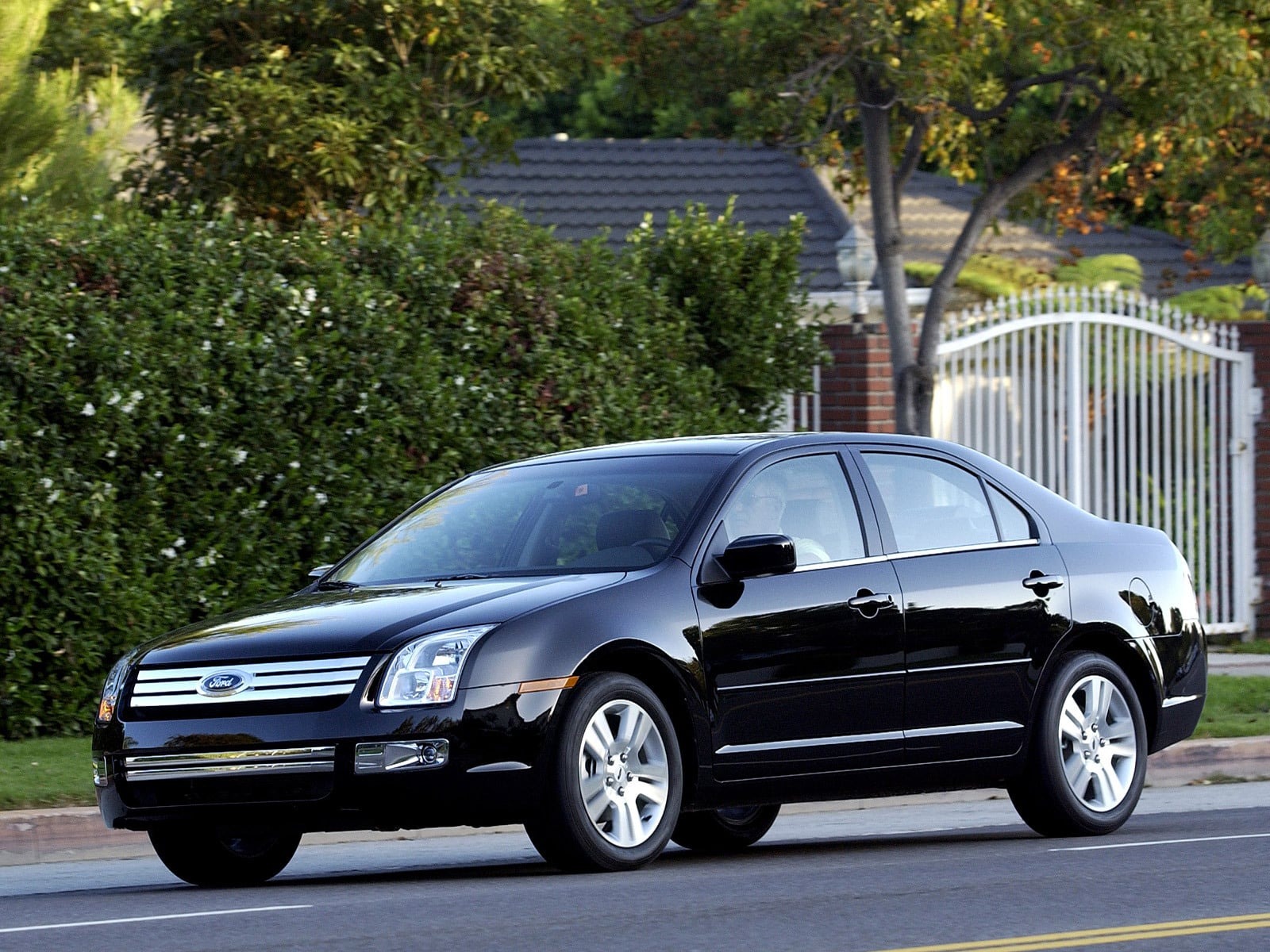
6. 2008 Ford Fusion
638 Airbag Complaints (single model year)
Sometimes one year tells the whole story. The 2008 Ford Fusion has 638 airbag complaints, and this model year stands out as the heaviest single-year airbag complaint concentration in the dataset.
Notice how this connects to the earlier Fusion entry. These 638 reports are part of the story behind that model’s larger total, not a separate group of cars.
Counting them twice would give a wrong picture, so read the two entries together. What do you do with this information? If you own a 2008 Fusion, treat it as a nudge to act.
Look up your VIN on NHTSA’s recall page today. Pay attention to any airbag warning light, and do not drive for months with it on. Ask a dealer whether any service bulletins apply.
If you are shopping and a 2008 Fusion catches your eye, compare it with newer model years of the same car. A later year may offer a calmer complaint history, and the price difference might be smaller than you expect.
Age matters too. A car this old has had many years for parts to wear, so a thorough airbag inspection is wise. Spend a little now, and you avoid a much bigger worry later.
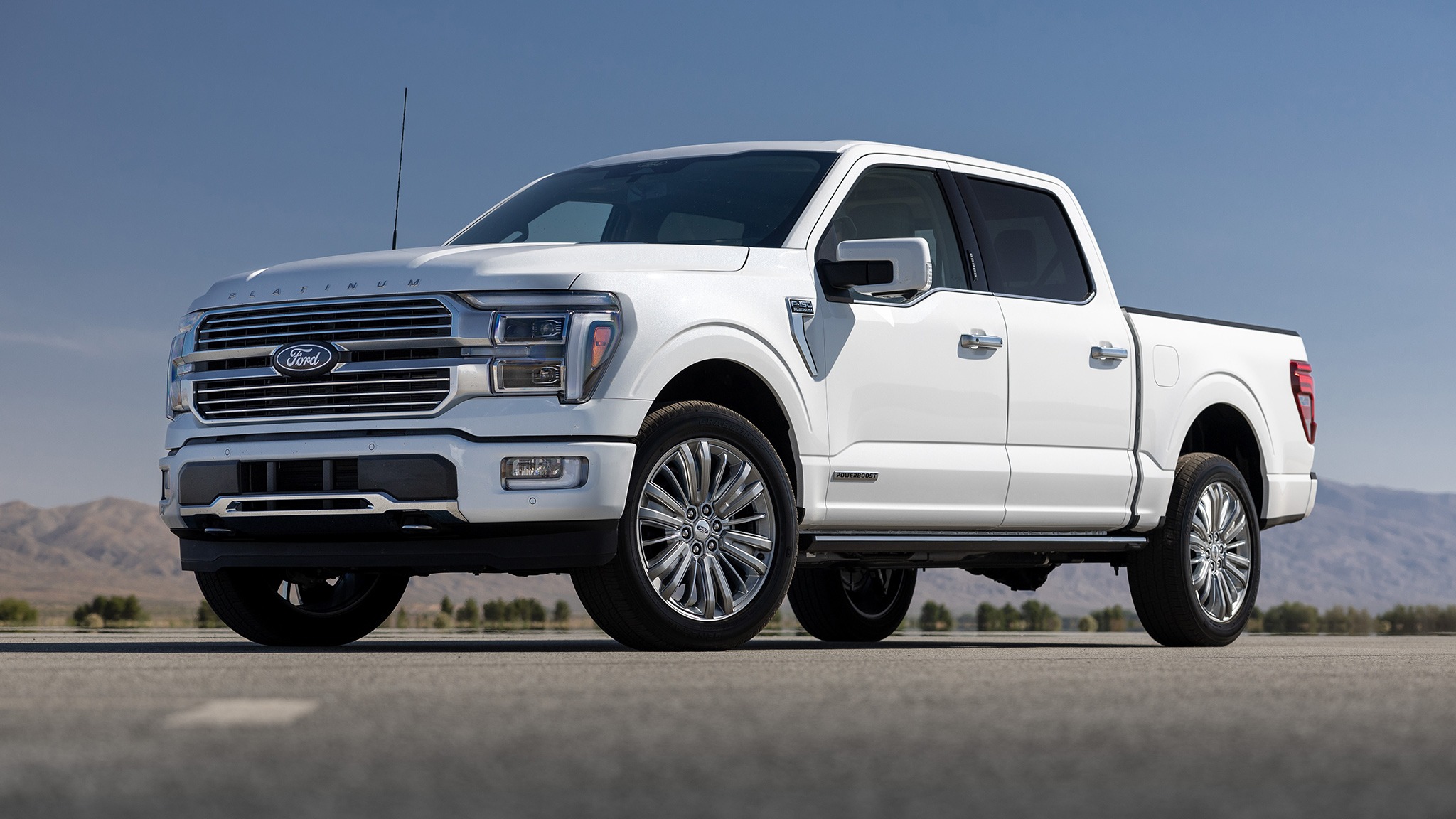
7. Ford F-150
1,075 Airbag Complaints (includes airbag-related incidents)
Last on the list, the Ford F-150 has 1,075 complaints in the data, and that figure includes airbag-related incidents. This entry works a little differently from the others, so read it carefully.
The dataset highlights fire and crash severity for the F-150. Its high complaint volume also includes numerous airbag deployment concerns, but airbags are only part of what those reports cover.
That means the number is not a pure airbag count the way the Corolla or Accord figures are.
Why include it, then? Because the F-150 is a best-seller, and anyone who owns or shops for one deserves a clear picture. A truck that sells in huge numbers will naturally appear in many datasets.
Want to stay informed? Sign up for recall alerts through NHTSA, and keep your contact details current with the manufacturer. Review your owner’s manual so you know where the airbag modules sit and what the warning light means.
If your truck has been in a crash, make sure a reputable shop handled every airbag and sensor repair. Keep the paperwork, since it helps if you sell the truck later.
Complaint data is a starting point. Pair it with recall checks, inspections, and common sense.
Airbag complaints deserve attention, but they do not tell the whole story. Check your VIN, heed warning lights, and keep your records handy. A few minutes of checking today could matter a great deal later.