

Buying a car is exciting, but the real cost of ownership becomes clearer after three years. Insurance, routine servicing, fuel consumption, repairs, depreciation, and replacement parts can turn an affordable purchase into an expensive commitment.
Some vehicles remain dependable and economical long after leaving the showroom, while others begin demanding more money as warranties expire and maintenance needs increase. Knowing which cars offer better value at the three-year mark can help buyers make smarter decisions.
This guide examines five cars that are generally affordable to own and five that may cost more, depending on their condition and history.
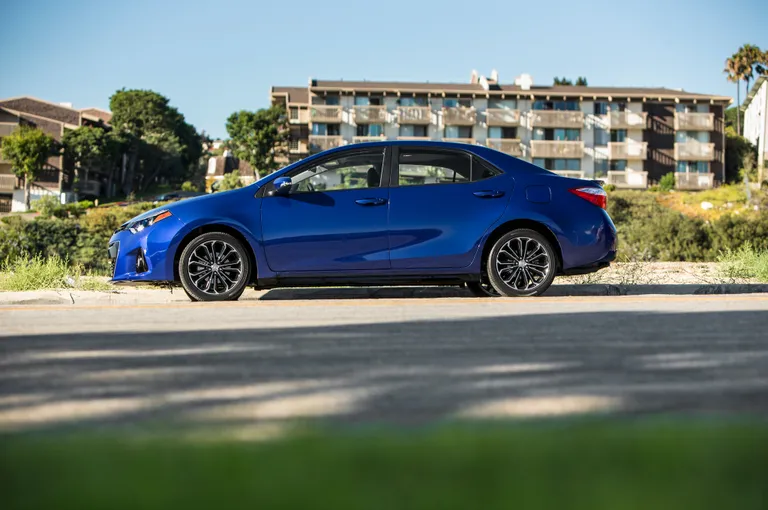
1. Toyota Corolla: A Practical Choice for Low Ownership Costs
The Toyota Corolla has built a strong reputation for dependable transportation, manageable maintenance, and sensible fuel consumption. Its straightforward design makes it appealing to drivers who want a car that performs its daily duties without frequent workshop visits.
For households, commuters, and first-time buyers, the Corolla can be a smart choice when the goal is to keep expenses under control after three years.
A major advantage is its routine servicing requirements. Oil changes, filters, brake inspections, tyre rotations, and fluid replacements are familiar jobs for most automotive workshops. Replacement parts are widely available in many markets, which can help owners avoid excessive repair bills. Actual costs depend on the model year, engine, local labour rates, and whether the car receives servicing at a dealership or an independent garage.
Fuel economy also contributes to its appeal. The Corolla’s smaller engines are designed for everyday driving rather than high performance, allowing many versions to deliver reasonable fuel consumption.
Hybrid variants can reduce fuel use further, particularly in stop-and-go traffic. Buyers should compare the exact engine and transmission rather than assume every Corolla delivers the same mileage.
By the third year, a well-maintained Corolla will often need routine consumables rather than major mechanical work. That does not mean expensive faults are impossible. Worn tyres, damaged suspension components, neglected fluids, and accident repairs can affect any vehicle. Checking service records and completing scheduled maintenance are important steps toward keeping costs predictable.
Resale value adds to the Corolla’s financial appeal. Demand for reliable compact cars can support used-car prices, reducing the amount lost to depreciation.
Values vary by region, mileage, trim, and market conditions, so buyers should compare similar listings before making a decision. For practical motorists, the Corolla offers a balanced combination of reliability, usability, and manageable long-term expenses.
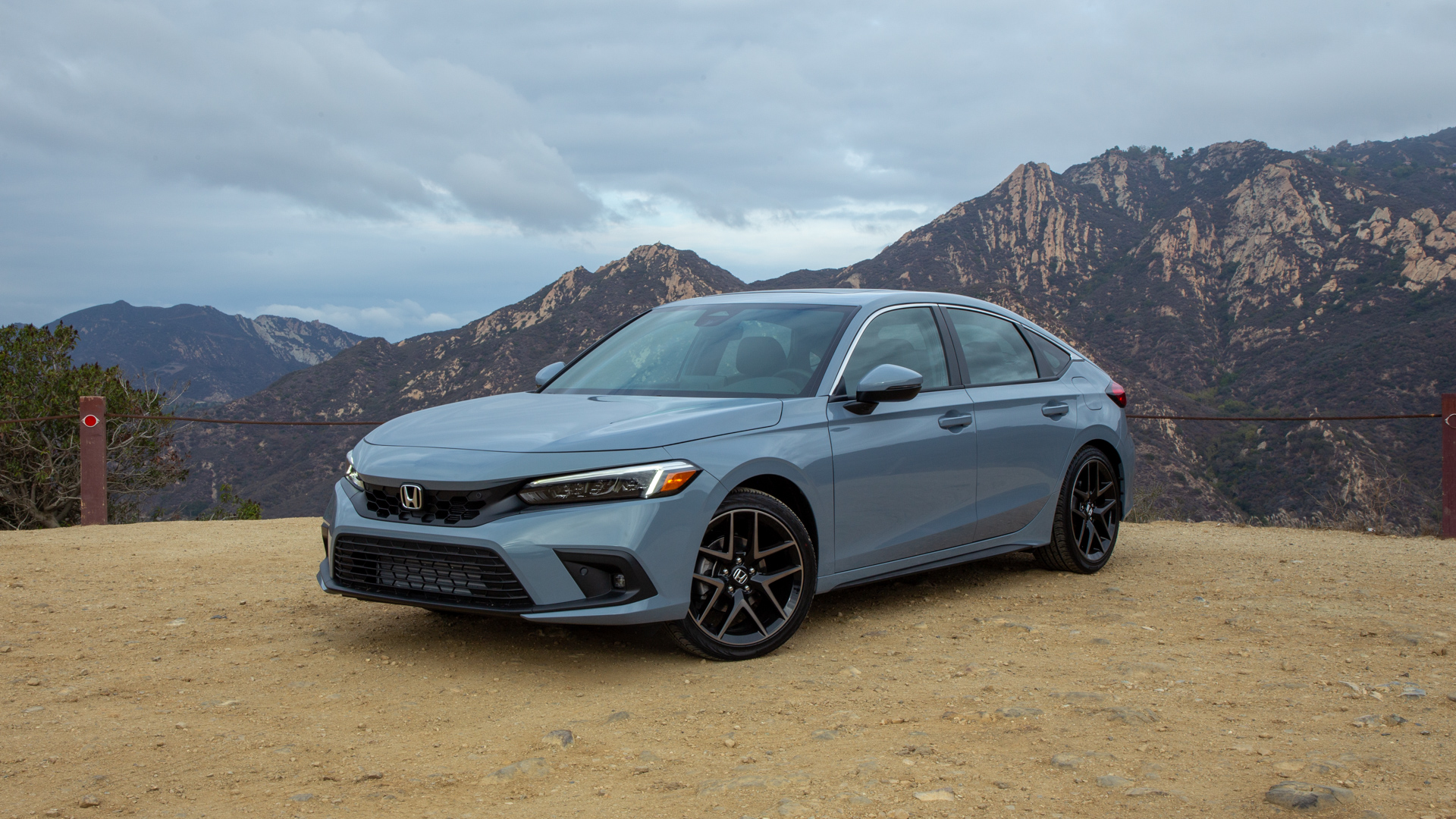
2. Honda Civic: Efficient, Comfortable, and Sensible to Maintain
The Honda Civic is a strong candidate for drivers seeking an economical car that still feels enjoyable behind the wheel. Its comfortable cabin, composed road manners, and useful passenger space make it suitable for daily commuting and longer journeys. Many versions also offer good fuel efficiency, helping owners control running expenses as the vehicle approaches its third birthday.
Routine servicing is generally manageable when the Civic receives the correct oil, filters, fluids, and scheduled inspections. Honda has an established service network in many countries, while independent workshops may offer competitive labour rates after the warranty period.
Costs can differ between naturally aspirated and turbocharged engines, so prospective buyers should check the service schedule for their specific version.
Fuel consumption depends on engine size, transmission, driving conditions, and traffic. Smaller engines often suit urban and suburban use, while turbocharged versions can offer stronger acceleration.
Aggressive driving, frequent short trips, heavy traffic, and low tyre pressure can all increase fuel use. Choosing a suitable engine matters more than relying solely on a manufacturer’s headline mileage figure.
At three years old, the Civic may require tyres, brake components, battery replacement, or other normal wear items, depending on mileage and usage.
Some model years have also experienced specific recalls or reported component problems. Buyers should check the vehicle identification number against official recall records and have any used example inspected by a qualified mechanic before purchase.
The Civic’s appeal extends to its resale prospects. Well-kept examples with complete service histories can attract buyers who value efficiency and dependable everyday transport. Higher trims may command stronger prices, but extra equipment can also mean additional components to maintain.
A sensible specification, documented maintenance, and a clean accident history help make the Civic a reasonable choice for long-term ownership. The Corolla and Civic are frequently identified among the stronger compact-car choices for reliability and repair affordability.
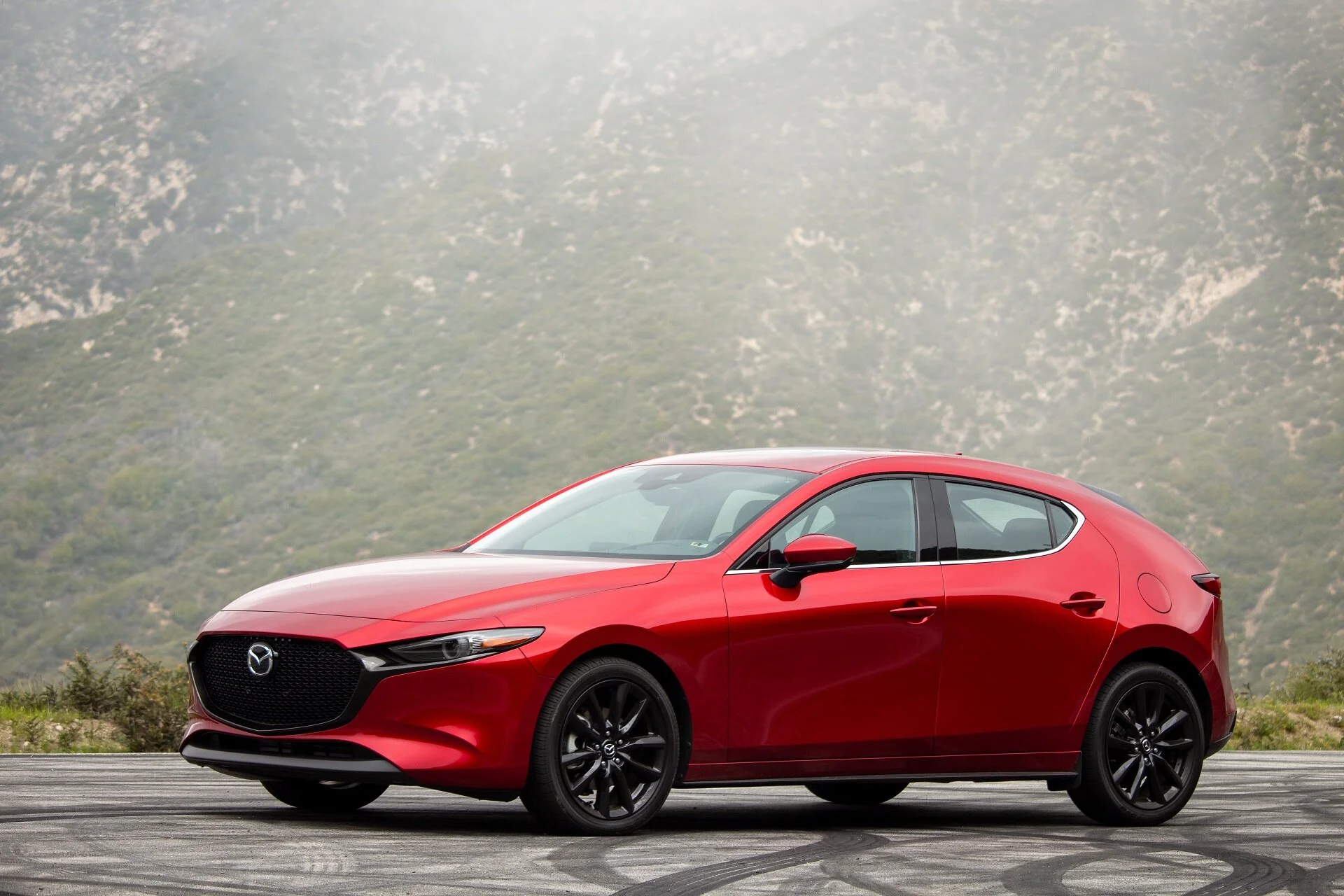
3. Mazda3: Affordable Ownership With a More Engaging Drive
The Mazda3 appeals to drivers who want everyday practicality without sacrificing driving enjoyment. Its steering, composed handling, and carefully finished cabin give it a more premium feel than some basic compact cars. For owners approaching the three-year mark, it can offer a useful blend of comfort, efficiency, and reasonably accessible routine maintenance.
Many Mazda3 versions use naturally aspirated petrol engines paired with conventional automatic or manual transmissions, depending on the market. These configurations can keep routine servicing relatively straightforward.
The exact powertrain matters, since maintenance requirements and potential repair costs vary by model year and specification. Following the manufacturer’s service intervals helps preserve performance and reduces avoidable wear.
Fuel costs are usually reasonable for a compact car, though actual consumption changes with engine choice and driving habits. Smooth acceleration, regular tyre-pressure checks, and sensible speeds can help improve efficiency. Buyers considering a used Mazda3 should compare official fuel economy figures for the exact version and account for the kind of journeys they make each week.
At year three, the usual expenses may include scheduled servicing, tyres, brake wear, and battery maintenance. The car’s condition has a substantial influence on future spending.
A vehicle used mainly on rough roads or driven aggressively may need more suspension or tyre work than a carefully driven example. A pre-purchase inspection can reveal leaks, uneven tyre wear, warning lights, and signs of poor repairs.
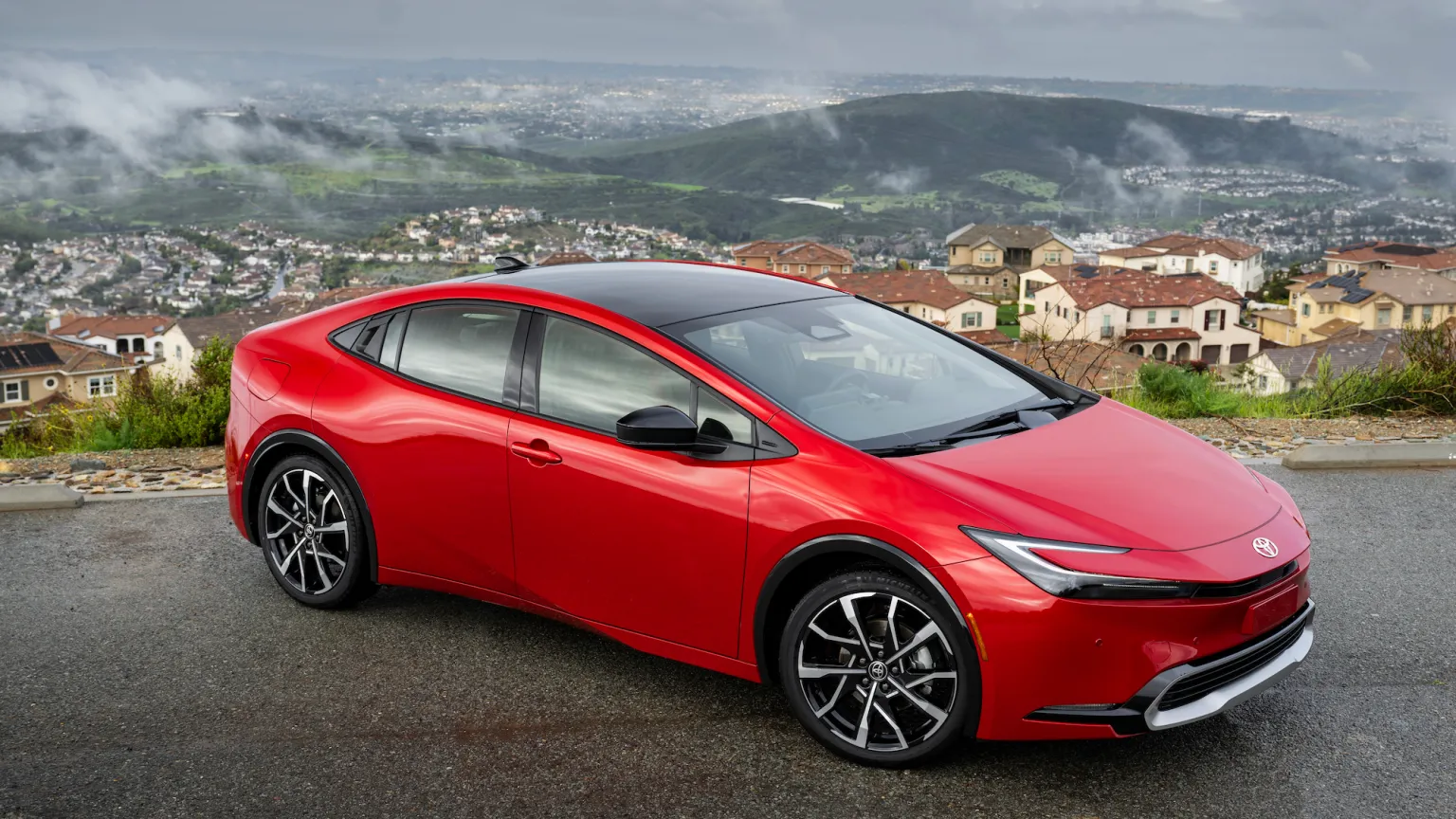
4. Toyota Prius: Hybrid Efficiency That Can Reduce Fuel Spending
The Toyota Prius is known for its hybrid powertrain, which combines a petrol engine with electric motor assistance. This arrangement can be especially useful in city traffic, where repeated braking and low-speed movement give the system opportunities to recover energy.
For drivers covering substantial annual mileage, reduced fuel consumption can make a meaningful difference to the cost of ownership by the third year.
Hybrid technology can also reduce wear on certain components. Regenerative braking helps slow the vehicle while recovering energy, which may reduce the workload on conventional friction brakes.
Actual brake life depends on terrain, driving style, and vehicle use. Hybrid models still require ordinary maintenance, including engine oil changes, tyre care, coolant checks, and inspections of relevant electrical systems.
The Prius is not automatically the cheapest vehicle for every driver. Its purchase price, insurance, local fuel prices, annual mileage, and access to qualified hybrid technicians all affect the financial calculation. A person who drives only a few kilometres each day may save less on fuel than a high-mileage commuter. Comparing total ownership costs is more useful than focusing on fuel economy alone.
The hybrid battery deserves particular attention when buying a used example. Battery durability varies with age, climate, usage, and maintenance history.
A three-year-old Prius with a clean service record may have many years of useful service ahead, but buyers should confirm the remaining battery warranty and arrange appropriate diagnostic checks. Repair costs can rise if specialist parts or labour are required.
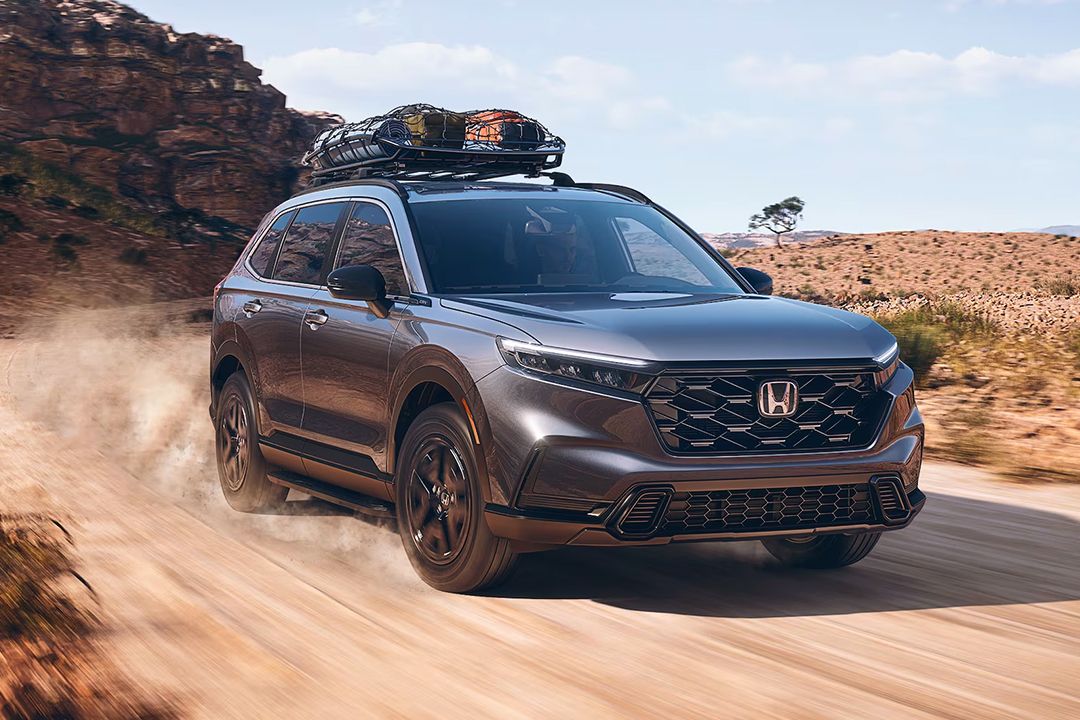
5. Honda CR-V: A Family SUV With Manageable Running Expenses
The Honda CR-V provides a useful option for families who need extra passenger space, a practical boot, and a comfortable driving position. Compared with larger luxury SUVs, many CR-V versions have relatively conventional mechanical layouts and mainstream service requirements. This can make ownership easier to budget for when the vehicle reaches three years of age.
Its everyday usability is a major advantage. The cabin is designed for family transport, shopping, school runs, and road trips, while the elevated seating position offers a clear view of the road.
Buyers should remember that a larger vehicle generally needs more tyre material and may consume more fuel than a smaller sedan. Engine choice and front-wheel-drive or all-wheel-drive configuration also influence costs.
Regular maintenance remains essential. Engine oil, filters, brake fluid, tyres, and cooling-system checks should follow the schedule for the exact model. All-wheel-drive versions may have additional servicing requirements, including attention to the relevant drivetrain fluids. Owners who keep complete records are better placed to identify developing problems before they become costly repairs.
At the three-year point, the CR-V’s condition depends heavily on how it has been used. A family vehicle that has travelled mostly on smooth roads may need little beyond scheduled maintenance, while a heavily used example may require tyres, brake work, suspension repairs, or interior fixes. Buyers should inspect the underside, test the air conditioning, examine the tyres, and check for warning lights.
The CR-V can be an economical choice within the family SUV category because it combines practical space with a mainstream ownership profile. Its total cost may still exceed that of a small hatchback due to fuel, insurance, and tyre expenses.
The best purchase is a version that meets the family’s needs without unnecessary features or an oversized engine. A careful inspection and realistic running-cost estimate are more important than choosing by badge alone.
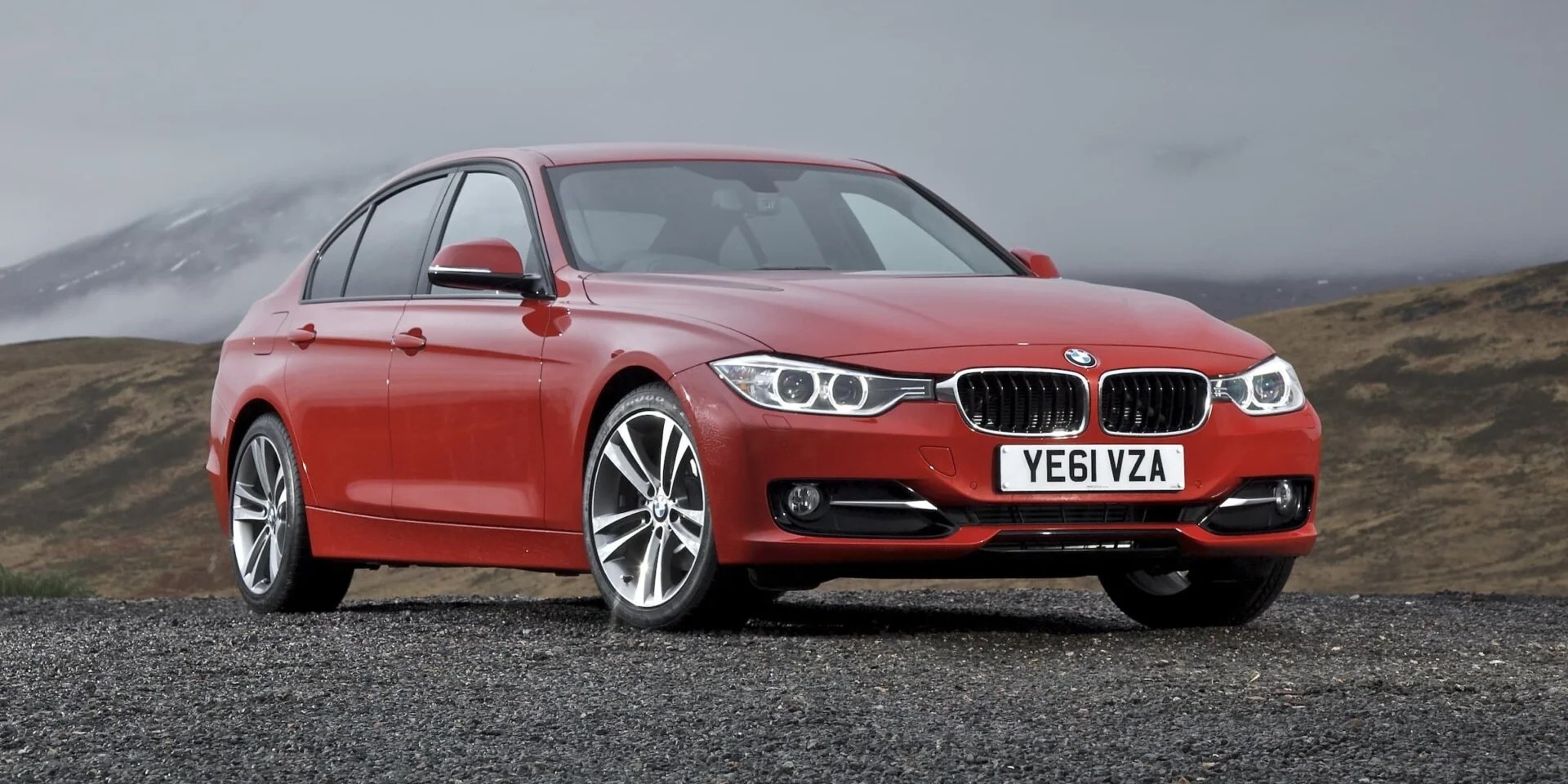
6. BMW 3 Series: Premium Performance Can Bring Premium Bills
The BMW 3 Series offers sharp handling, responsive powertrains, and a cabin designed around the driver. Those qualities make it appealing to motorists who enjoy performance and refinement. The financial picture can change as the car ages, however, particularly when a warranty ends and the owner becomes responsible for more repairs and scheduled maintenance.
Servicing can cost more than it does for mainstream compact cars. Premium engine oils, specialist diagnostic equipment, electronic components, and model-specific parts can increase workshop bills.
Dealership labour may also be expensive in many markets. Independent specialists can sometimes offer lower rates, but owners should choose technicians familiar with the relevant engine and transmission.
The third year does not automatically mark the beginning of major trouble. Many well-maintained 3 Series vehicles continue to run smoothly for years. Costs depend on engine variant, mileage, climate, driving style, and service history. Higher-performance versions and cars with larger wheels may require more expensive tyres, while complex optional equipment can add further repair exposure as the vehicle ages.
Buyers should pay close attention to cooling-system condition, leaks, suspension wear, brakes, and electronic warning messages. The appropriate inspection points depend on the generation and engine, so a generic checklist is not enough.
A specialist pre-purchase inspection can identify faults that a short test drive may not reveal. It is also sensible to request invoices rather than relying only on verbal assurances about maintenance.
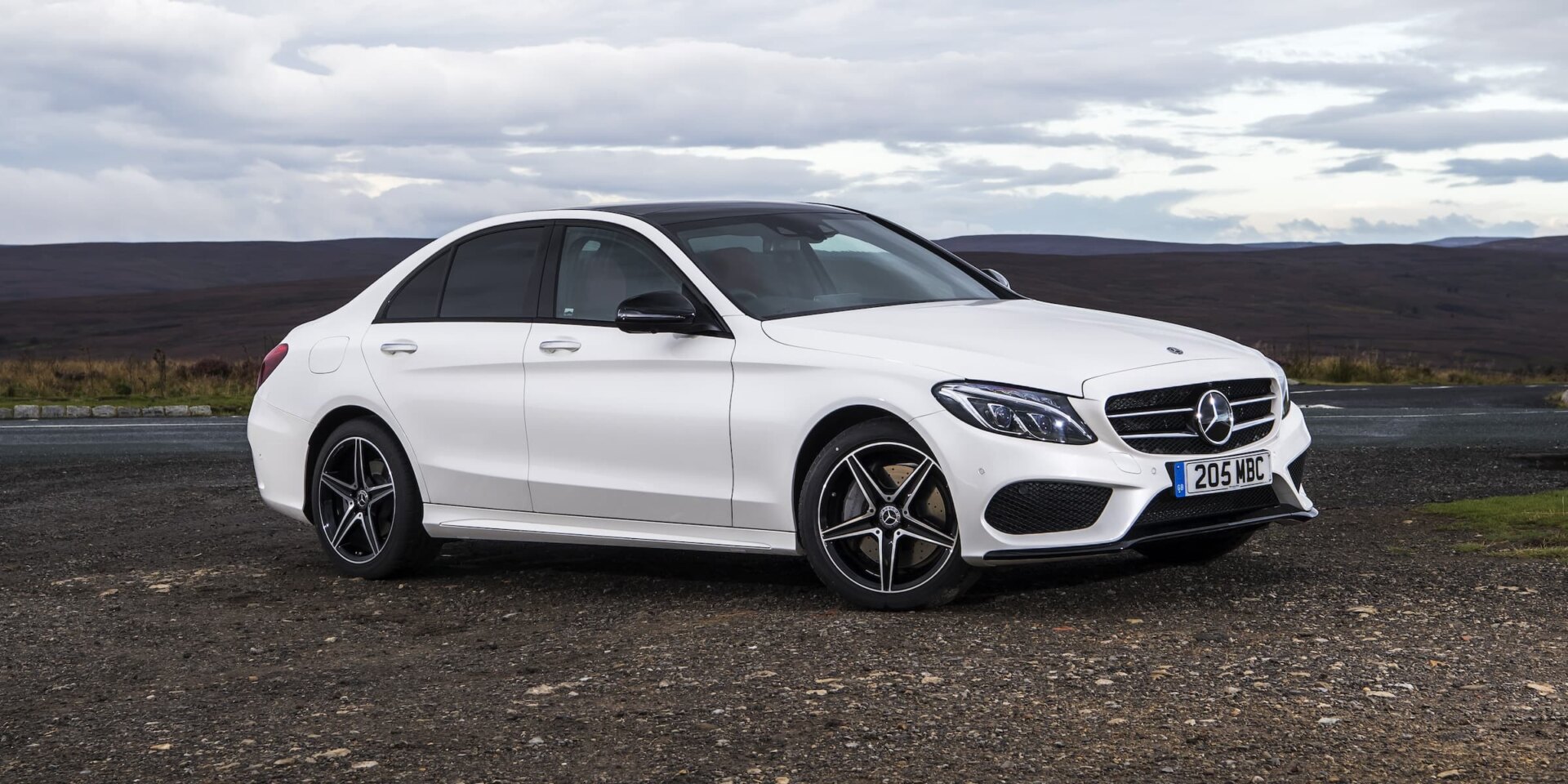
7. Mercedes-Benz C-Class: Comfort Comes With Higher Service Expectations
The Mercedes-Benz C-Class combines a refined cabin, quiet road manners, and modern driver-assistance features. It attracts buyers who want an upscale daily car without moving into a larger executive sedan.
Its purchase price on the used market may be lower than that of a new vehicle, but the cost of maintaining its technology and mechanical systems remains an important part of the ownership equation.
Routine maintenance often involves higher costs than those of a basic family sedan. Premium oils, specialised parts, electronic diagnostics, and labour at authorised workshops can add up.
Some service plans cover scheduled work for a set period, but their coverage and transfer rules vary. Before purchasing a three-year-old example, buyers should confirm which plans or warranties remain valid.
Complexity is a key factor as mileage rises. The C-Class may include advanced infotainment, sensors, turbocharged engines, automatic transmissions, and numerous comfort features.
These systems improve the driving experience, yet repairs can be expensive when parts fail. Not every vehicle develops problems, and a complete service history can provide reassurance, but budgeting for unexpected work remains sensible.
A thorough inspection should cover the engine, transmission, cooling system, brakes, tyres, electrical functions, and any available suspension equipment.
Test the screens, cameras, parking sensors, climate control, and driver-assistance systems during the drive. Check whether recalls have been completed and whether the vehicle has suffered accident damage. Repairing cosmetic issues and electronic faults after purchase can quickly erode the apparent bargain.
The C-Class suits drivers who appreciate luxury and are prepared for the associated costs. It may deliver years of comfortable motoring, particularly when maintained correctly, but it is rarely the safest choice for someone operating on a very tight repair budget.
Buyers should compare total costs with less complex alternatives and avoid spending the entire budget on the purchase itself. Mercedes-Benz models can become more expensive to maintain as vehicles age and components require attention.
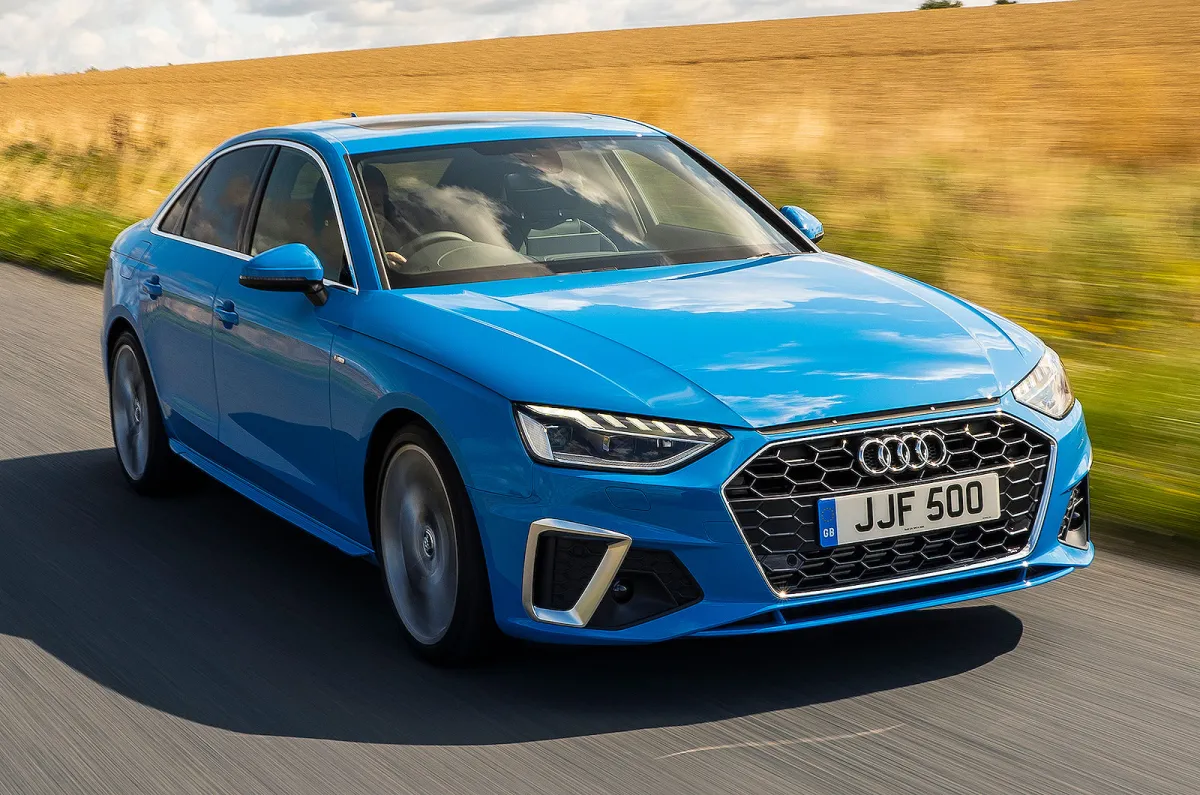
8. Audi A4: Sophisticated Technology Can Increase Repair Costs
The Audi A4 offers understated styling, a well-finished interior, and a comfortable driving experience. Its appeal comes from a combination of technology, refined road manners, and premium cabin materials.
A used A4 can appear attractive when depreciation brings the price within reach, but buyers need to look beyond the purchase figure to understand what it may cost to keep the car running.
Engine and transmission configurations differ by model year and market. Some versions use turbocharged petrol or diesel engines, while equipment levels and drivetrain options also vary.
These differences affect fuel consumption, maintenance intervals, and the potential cost of repairs. A buyer should identify the precise engine code and transmission before researching common faults or obtaining a service estimate.
At three years old, a well-cared-for A4 may still be covered by a manufacturer’s warranty, depending on the original sale date and local terms. Once coverage expires, repair bills become the owner’s responsibility unless an extended warranty applies.
Electronic systems, turbocharger-related components, cooling equipment, and transmission servicing deserve attention during an inspection. Potential problems differ substantially across generations, so broad claims about every A4 should be treated cautiously.
The ownership budget should include more than scheduled servicing. Premium tyres, brakes, insurance, and replacement parts can cost more than comparable items for an ordinary family sedan.
Buyers should also check that the vehicle has received the correct fluids and software updates. A specialist workshop familiar with Audi vehicles can often provide a more informed assessment than a general inspection alone.
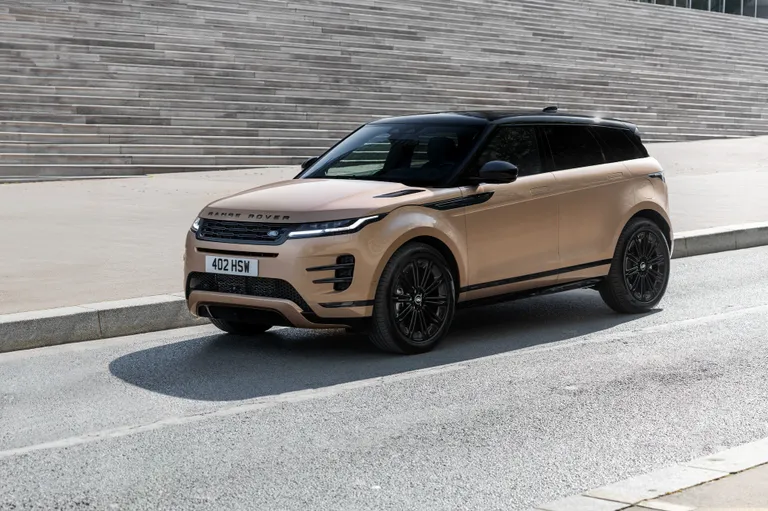
9. Land Rover Range Rover Evoque: Stylish, but Potentially Costly to Keep
The Range Rover Evoque attracts buyers with its distinctive styling, elevated seating position, premium interior, and luxury-SUV image.
It is smaller than many traditional luxury sport utility vehicles, which can make it easier to park and manoeuvre in urban areas. However, its compact dimensions do not necessarily translate into compact repair bills, particularly when complex systems need attention.
Ownership costs reflect the vehicle’s premium positioning. Specialist components, electronic equipment, labour rates, and certain drivetrain repairs may be more expensive than those associated with a mainstream crossover.
Tyre replacement and insurance can also contribute substantially to annual spending. Exact expenses vary by engine, trim, market, and warranty coverage, so owners should obtain model-specific service quotations before purchasing.
The three-year mark is not a fixed point at which every Evoque becomes unreliable. A properly maintained example can perform well, and individual vehicles vary considerably.
Still, buyers should investigate service records carefully and look for evidence of recurring warning lights, cooling-system problems, transmission concerns, and electrical faults where relevant to the particular model. A qualified specialist should assess any unexplained symptoms.
A pre-purchase inspection is especially valuable for a used luxury SUV. The technician should check the engine, transmission, suspension, braking system, electrical equipment, and any available all-wheel-drive components.
The inspection should also include a diagnostic scan and a review of completed recalls. Buyers should verify the warranty’s remaining duration, exclusions, and repair limits rather than assuming that all major components remain protected.
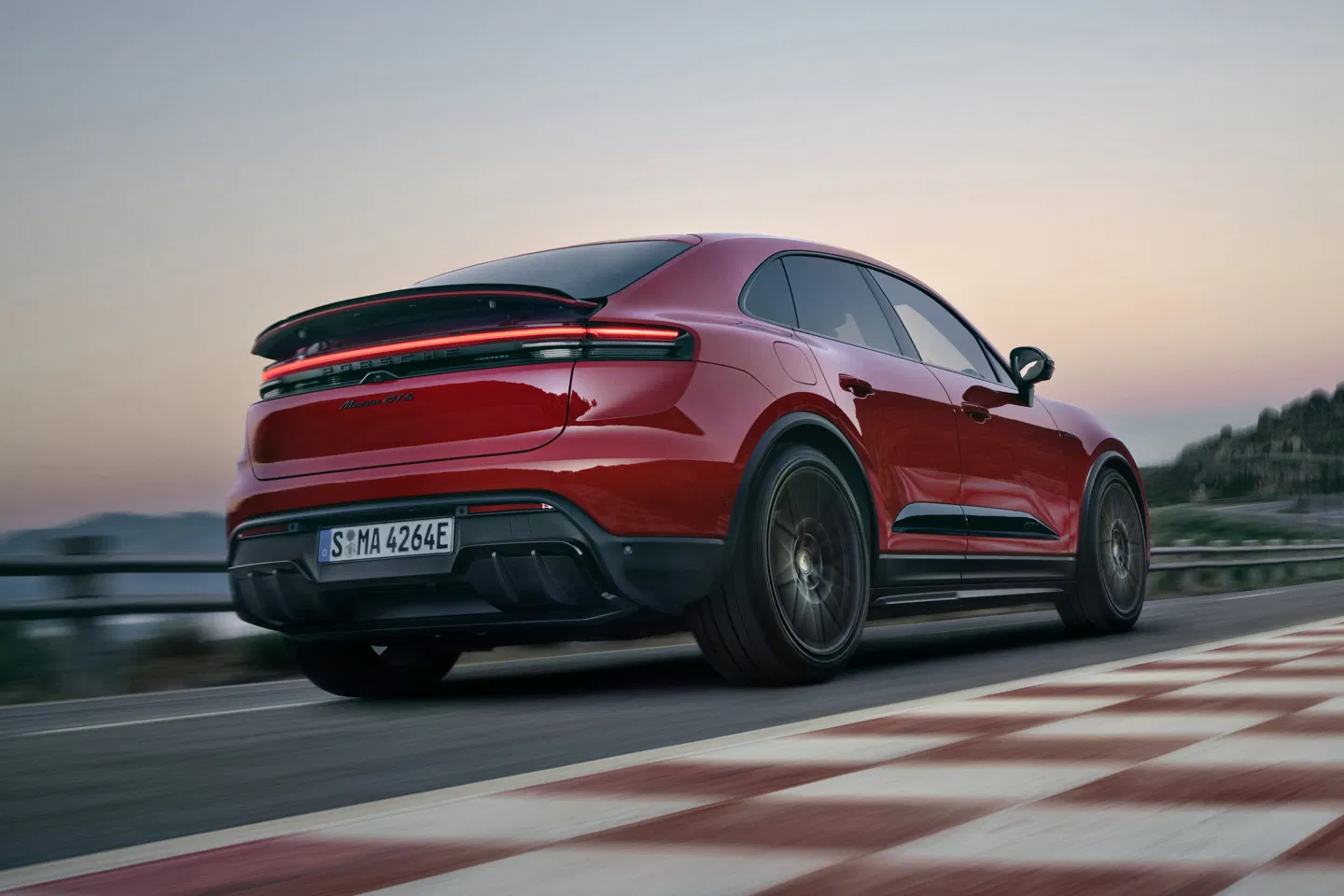
10. Porsche Macan: Sporty Driving With Expensive Wear Items
The Porsche Macan combines the practicality of an SUV with responsive handling and strong performance. Its appeal lies in the way it drives, the quality of its cabin, and its premium badge. For buyers entering the used-car market, depreciation may make a Macan look attainable. The challenge is ensuring that the budget also covers the cost of maintaining a performance-oriented luxury vehicle.
Maintenance can be expensive because the Macan uses specialised components and performance-focused engineering. Tyres, brakes, engine servicing, and certain drivetrain parts may cost more than their equivalents on ordinary crossovers.
Wheel size and engine output can affect maintenance expenses, as models with larger wheels or higher-performance engines may require more expensive replacement parts and consumables. To estimate ownership costs accurately, compare service quotes based on the specific vehicle’s configuration.
By the third year, many Macan examples will still be in good condition if they have been serviced properly. Actual costs depend on mileage, driving habits, road quality, and the specific model.
Hard acceleration, frequent high-speed driving, and repeated heavy braking can increase wear. Buyers should inspect the vehicle’s maintenance invoices, verify fluid changes, and confirm that any required scheduled work has been completed.
The inspection should pay particular attention to the brakes, tyres, suspension, engine operation, transmission behaviour, cooling system, and electronic features. Uneven tyre wear can indicate alignment or suspension concerns, while warning lights or irregular transmission behaviour warrant professional diagnosis.
A Porsche specialist can assess issues that may be missed during a brief test drive. A clean history and independent inspection are worth prioritising over optional features.
