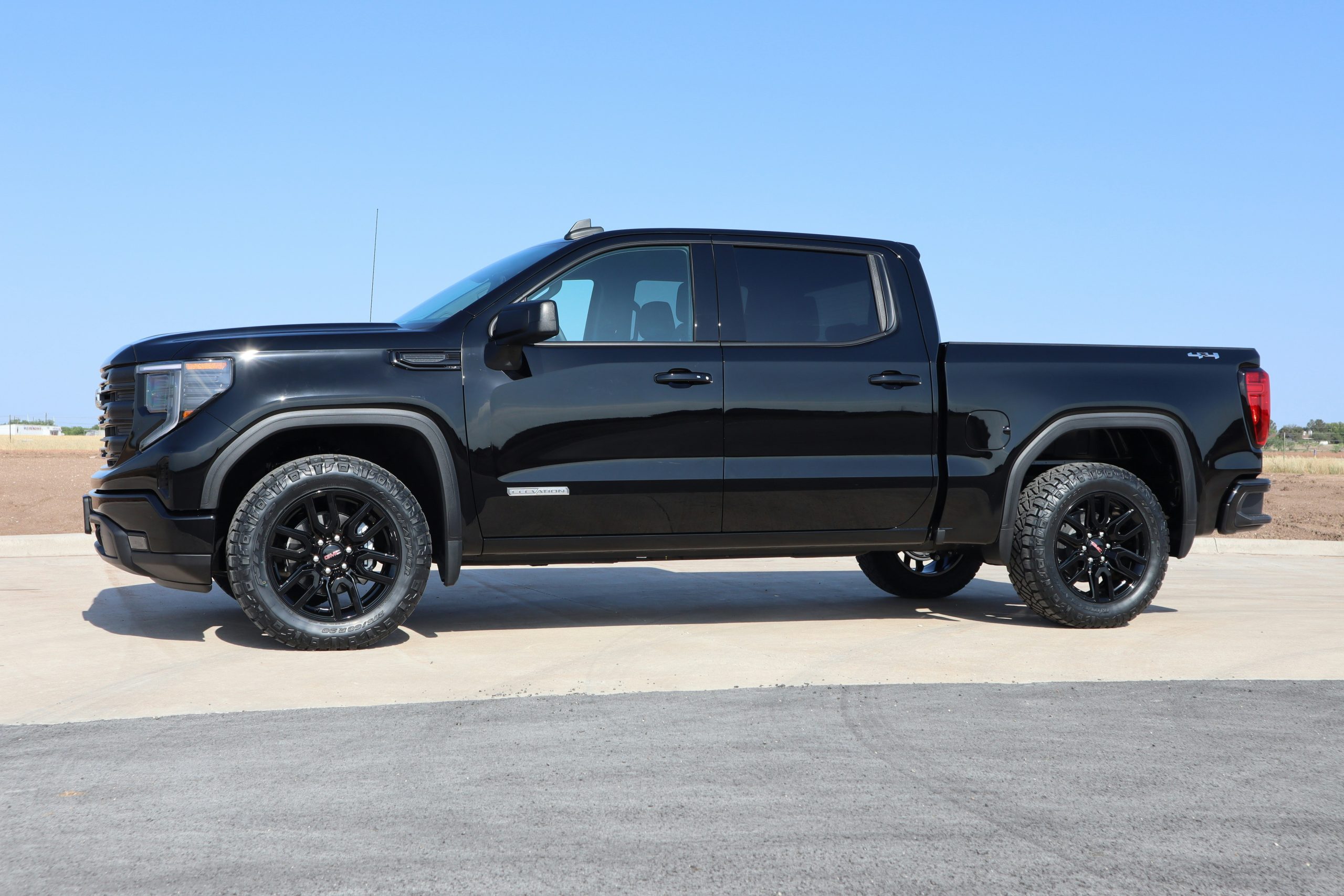
The GMC Sierra has spent decades building a reputation for strength, comfort, and dependable performance. From its early roots in GMC’s traditional pickup trucks to today’s technology-packed models, the Sierra has changed considerably with every major redesign.
Some generations stand out for their rugged simplicity, while others bring stronger engines, improved towing capability, better interiors, and modern safety features. Ranking every generation reveals how GMC balanced work-ready engineering with premium styling and everyday usability.
This guide examines eight major eras of the GMC Sierra, comparing their strengths, weaknesses, and lasting appeal to determine which versions deserve the highest rankings.
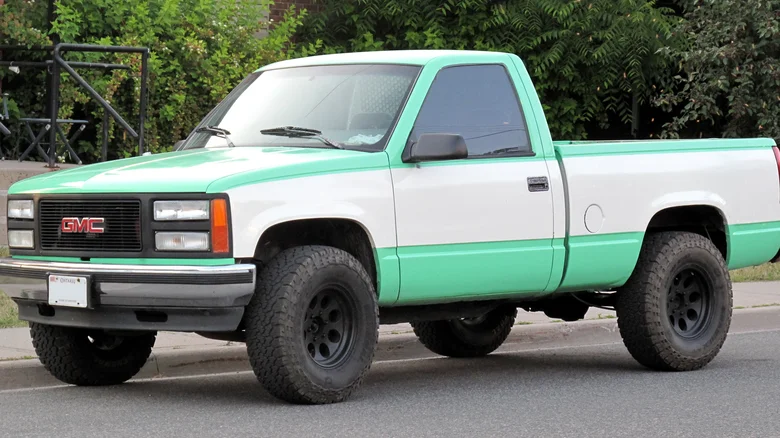
1. Eighth Place: The First Sierra Era, 1973 to 1987
The earliest Sierra era earns the eighth position because these trucks belong to a different period of pickup engineering. GMC introduced Sierra as a trim designation during the 1970s, using it to distinguish better-equipped versions of its C/K pickup lineup.
These trucks were built primarily for practical transportation, farm work, construction, and hauling. Their straightforward engineering established a foundation for the comfort-oriented trucks that followed, even if they lacked the refinement expected from a modern Sierra.
The exterior design reflected the priorities of its time. Square bodywork, upright windshields, broad hoods, and simple front ends gave these pickups a commanding presence. Chrome trim and available two-tone paint added personality to higher equipment levels.
The styling has aged remarkably well, and well-preserved examples attract classic truck enthusiasts. Their boxy proportions also make them easy to recognize among older American pickups, giving this era a distinct place in GMC’s history.
Engine options varied by model year and configuration, with inline-six and V8 powerplants available across the broader C/K family. These engines prioritized usable torque and straightforward mechanical operation.
Manual transmissions appeared alongside automatic options, while rear-wheel drive and four-wheel drive configurations served different needs. Performance, fuel economy, braking technology, and handling cannot match newer trucks, but the basic mechanical layout remains familiar to anyone who appreciates traditional pickup construction.
The cabin was much simpler than those found in later generations. Depending on the trim and year, buyers could find vinyl upholstery, basic gauges, bench seating, and relatively few convenience features. Better-equipped models offered more attractive interiors and additional comfort equipment.
Modern infotainment, advanced driver assistance, and sophisticated climate controls were absent, leaving owners to enjoy a direct, uncomplicated driving experience. For collectors, that simplicity is part of the appeal rather than a reason to dismiss these trucks entirely.
This era ranks last in a comparison focused on modern usability, safety equipment, efficiency, and comfort. Its age means that rust, worn suspension components, deteriorated rubber parts, and previous repairs deserve careful attention when buying a used example.
Still, classic Sierra-era pickups can be rewarding projects for enthusiasts who value mechanical simplicity and vintage styling. They established the visual identity and practical purpose that later generations would develop into a more polished full-size truck.
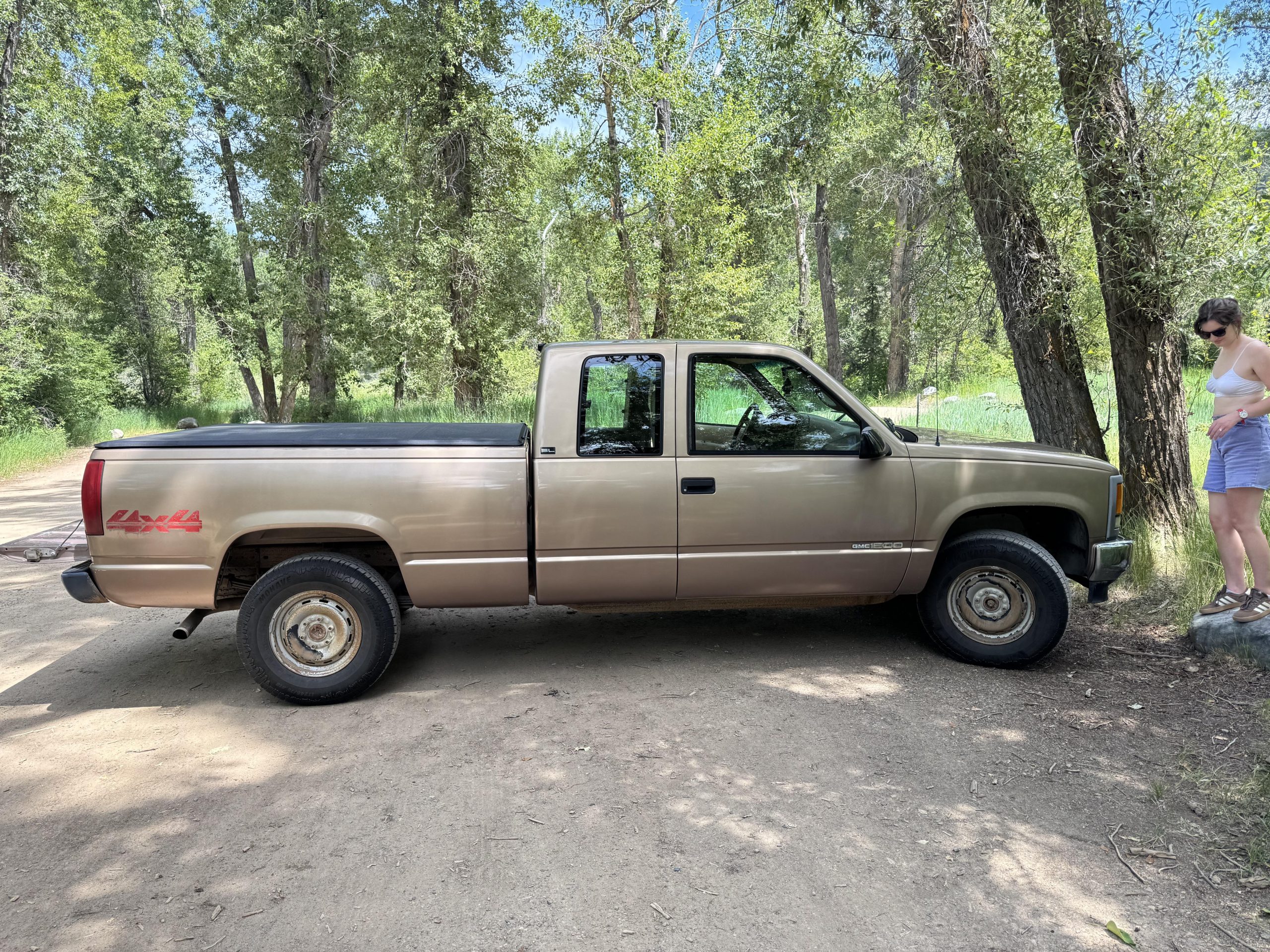
2. Seventh Place: The GMT400 Sierra, 1988 to 1998
The 1988 redesign brought GMC’s full-size pickup range into the GMT400 era, introducing a more modern platform and cleaner body styling. These trucks are frequently associated with the square-body models that preceded them, yet their rounded edges and revised proportions represented a substantial change.
The design looked more aerodynamic without abandoning the traditional pickup shape. GMC also expanded the distinction between basic work trucks and better-equipped models, helping the Sierra appeal to a wider range of buyers.
The GMT400 lineup offered several engine choices across its production run, including gasoline V6 and V8 options and available diesel power in selected configurations. Exact availability depended on model year, body style, and drivetrain.
Four-wheel drive models served buyers who needed traction on rough roads, work sites, or snowy terrain. While these trucks lack the acceleration and refinement of modern full-size pickups, their straightforward mechanical systems can make maintenance more approachable for owners familiar with older vehicles.
Inside, the Sierra made progress in comfort and everyday convenience. Cabin layouts became more driver-focused, and higher trims offered upgraded upholstery, power accessories, and more appealing finishes.
Extended-cab configurations gave families and workers additional interior space, depending on the model. The driving experience remained distinctly old-fashioned, with more road noise and less sophisticated suspension behavior than contemporary trucks. Even so, the GMT400 was comfortable enough to support commuting, weekend travel, and regular work duties.
Durability is a major part of this generation’s reputation, but a used truck’s condition matters more than its reputation. Age-related rust, leaking seals, worn transmissions, electrical faults, and neglected cooling systems can turn an inexpensive purchase into a costly project.
Buyers should inspect the frame, suspension mounting points, brake lines, and drivetrain carefully. A truck with service records and limited corrosion is generally a better prospect than a heavily modified example with an uncertain maintenance history.
The GMT400 ranks seventh because it combines classic truck character with improved usability, yet its age limits its suitability for many modern buyers. It remains attractive to enthusiasts who want a relatively uncomplicated pickup with recognizable styling.
Well-maintained examples can also work for light hauling and recreational use. However, older crash protection, fewer electronic safety systems, and dated cabin amenities prevent this generation from competing with newer Sierras on everyday convenience.
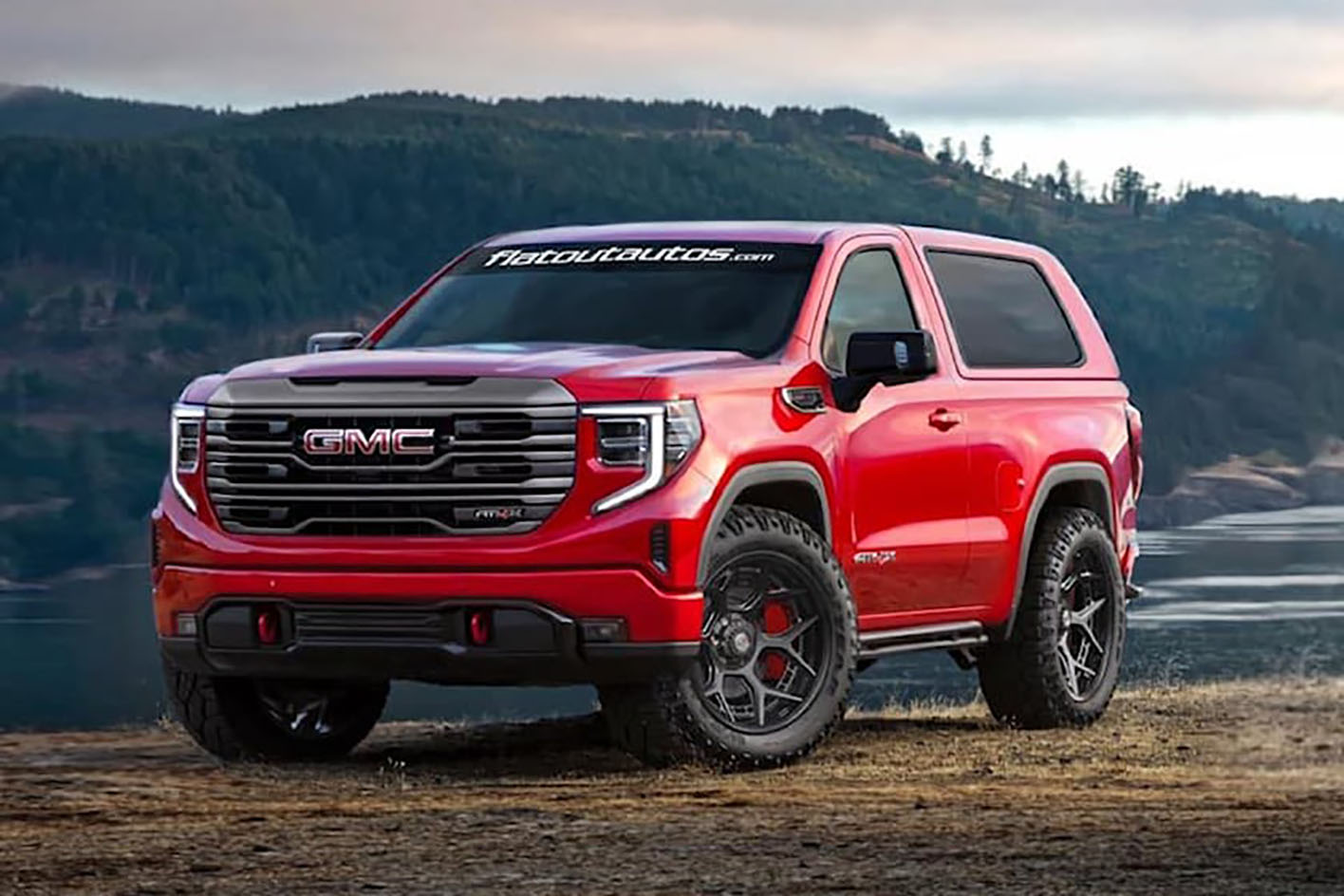
3. Sixth Place: The Second Modern Platform, 1999 to 2006
The 1999 model year marked the arrival of the GMT800 platform, a major step forward for GMC’s full-size pickups. The Sierra adopted more rounded bodywork, a revised chassis, and a more contemporary appearance.
GMC worked to make the truck feel less like a basic commercial vehicle and more like a versatile personal vehicle. This change helped establish the modern full-size pickup formula, combining work capability with a more comfortable cabin and a broader selection of equipment.
Power came from several engine families, including V6 and V8 gasoline engines, with diesel options available in certain heavy-duty applications. Engine availability varied by year and configuration, so buyers should verify the specifications of an individual truck rather than relying on the generation name alone.
The available V8 engines delivered useful low-speed torque for towing and carrying cargo. Properly equipped versions could handle demanding tasks, though payload and towing limits depended on the exact configuration.
Interior improvements made the GMT800 more appealing for longer journeys. Larger cabins, improved seating, better storage, and more available convenience features gave occupants a more relaxed environment. Higher trim levels offered upgraded materials and equipment that helped the Sierra compete with increasingly comfortable rivals.
Compared with modern interiors, the dashboard remains simple, and the technology is dated. Still, the basic controls are easy to understand, and the cabin layout suits drivers who prefer a traditional truck.
The platform’s widespread use means that many replacement parts and repair resources are available, which can help keep ownership manageable. However, these trucks are now old enough for corrosion, aging electrical components, worn steering parts, and transmission problems to deserve serious attention.
Some engines and model years have specific maintenance concerns, so a pre-purchase inspection and a review of service records are worthwhile. Towing history also matters, since repeated heavy loads can accelerate wear on the drivetrain and suspension.
4. Fifth Place: The Third-Generation Sierra, 2007 to 2013
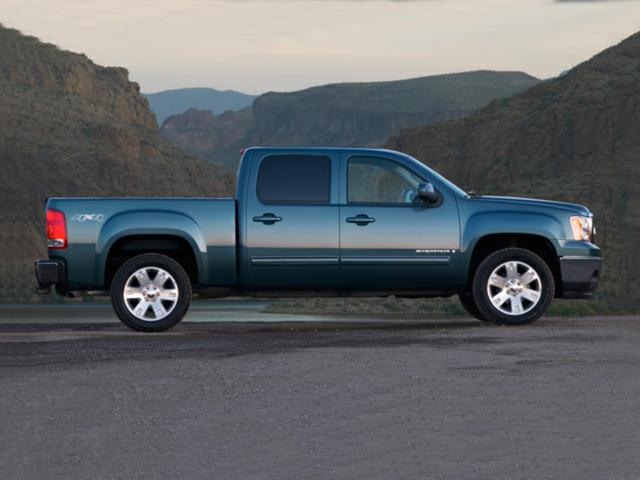
The 2007 redesign introduced the GMT900 platform, giving the Sierra a more substantial exterior and a more contemporary cabin. The front end became bolder, with a prominent grille and stronger hood contours.
GMC continued to distinguish its styling from Chevrolet’s closely related Silverado, giving the Sierra a more upscale visual identity. The truck also benefited from chassis and suspension revisions intended to improve ride quality, handling, and its ability to perform demanding work.
Engine options included several V8 choices, alongside other engines depending on the model and year. Some versions featured technologies designed to improve fuel efficiency under lighter loads, while higher-output engines delivered stronger acceleration and towing performance.
Heavy-duty variants provided additional capability for buyers with demanding hauling requirements. As with every generation, towing capacity depended on factors such as engine, axle ratio, cab, bed, drivetrain, and equipment, so published figures should be checked against the specific truck.
Cabin quality became a more important part of the Sierra’s identity during this period. Higher trims offered leather upholstery, power-adjustable seating, upgraded audio systems, and additional comfort features.
The layout remained relatively straightforward, with physical controls that were easy to operate while driving. Road noise and ride comfort varied with tire choice, suspension setup, and load. Compared with earlier trucks, the GMT900 generally felt more refined, particularly in well-equipped versions intended for daily use.
Used buyers should pay attention to maintenance records and known model-specific concerns. Some engines from this era use cylinder deactivation technology, and repair requirements can vary according to engine design and service history.
Transmission condition, oil leaks, suspension wear, corrosion, and cooling-system health also deserve inspection. A test drive should include city traffic and highway speeds, with attention to unusual vibration, harsh shifting, steering looseness, and warning lights. A professional inspection is especially valuable for trucks that have regularly towed heavy trailers.
5. Fourth Place: The Fourth-Generation Sierra, 2014 to 2018
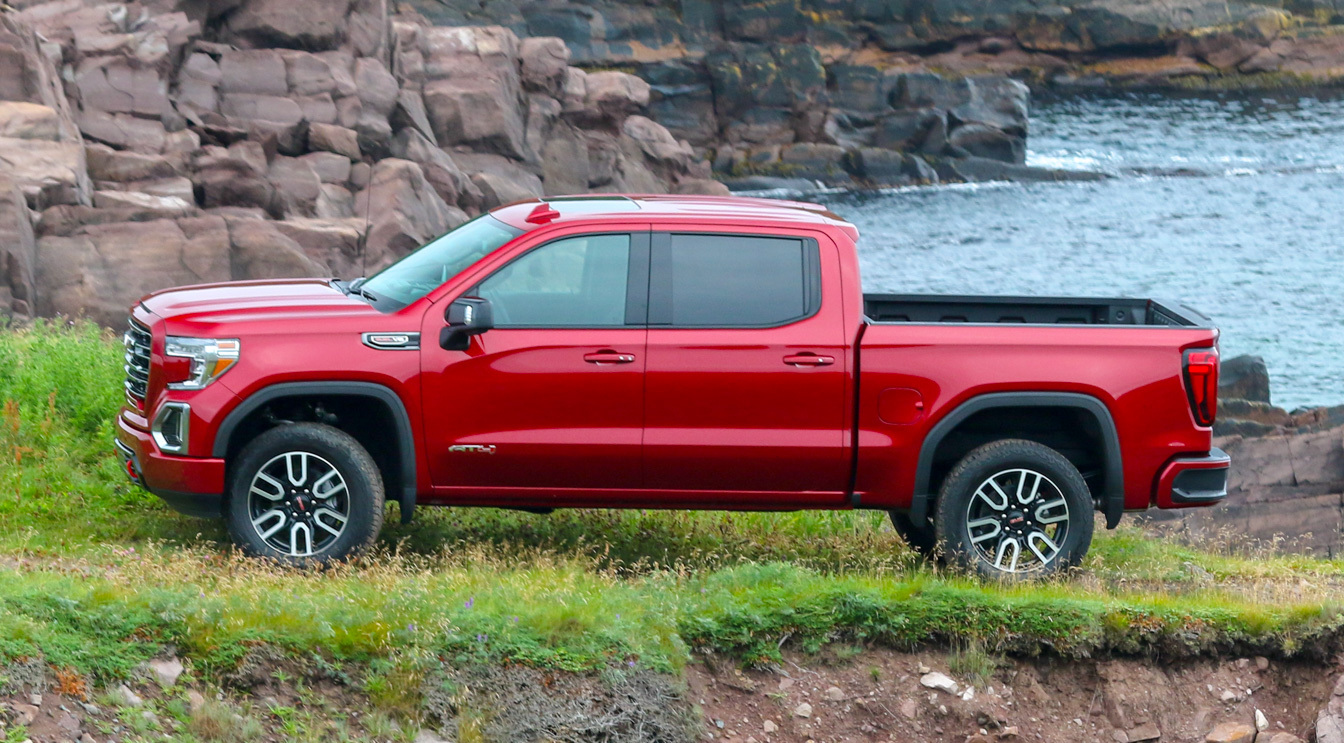
The 2014 redesign introduced the K2XX platform, bringing a more sophisticated structure, revised exterior styling, and additional attention to cabin comfort.
The Sierra looked broader and more substantial, with a prominent grille and carefully shaped body panels. GMC positioned the truck as a premium alternative within the full-size pickup segment, particularly in higher trims. The result was a truck designed to serve professional users while also appealing to families and drivers who wanted a comfortable everyday vehicle.
Powertrain choices included gasoline V6 and V8 engines, with diesel availability in selected heavy-duty configurations. The available V8 engines offered strong performance for acceleration, hauling, and trailer work. Some models incorporated fuel-saving technologies, while revised transmissions and powertrain tuning helped improve drivability.
Actual towing and payload capability varied significantly by configuration, making the official rating for a particular vehicle more useful than broad generation-level claims. Buyers should also consider how often they will carry heavy loads.
The cabin was a major selling point. GMC offered a more refined dashboard, supportive seating, improved storage, and available touchscreen infotainment. Higher trims introduced leather, heated and ventilated seats, premium audio, and other convenience features.
The interior materials and design made the Sierra feel more like a premium vehicle than a basic work truck. The infotainment system is now dated compared with current technology, but the cabin remains practical for commuting, family trips, and long-distance travel.
Technology and structural improvements helped this generation remain competitive, but used buyers should investigate individual vehicle history. Depending on the engine and year, cylinder deactivation systems, transmission behavior, electrical components, and infotainment equipment may require attention.
Suspension wear, brake condition, rust, and evidence of hard towing are also important. Service records can help reveal whether the truck received appropriate maintenance. A pre-purchase inspection should confirm that its engine, transmission, four-wheel drive system, and safety equipment operate correctly.
6. Third Place: The Fifth-Generation Sierra, 2019 to 2021
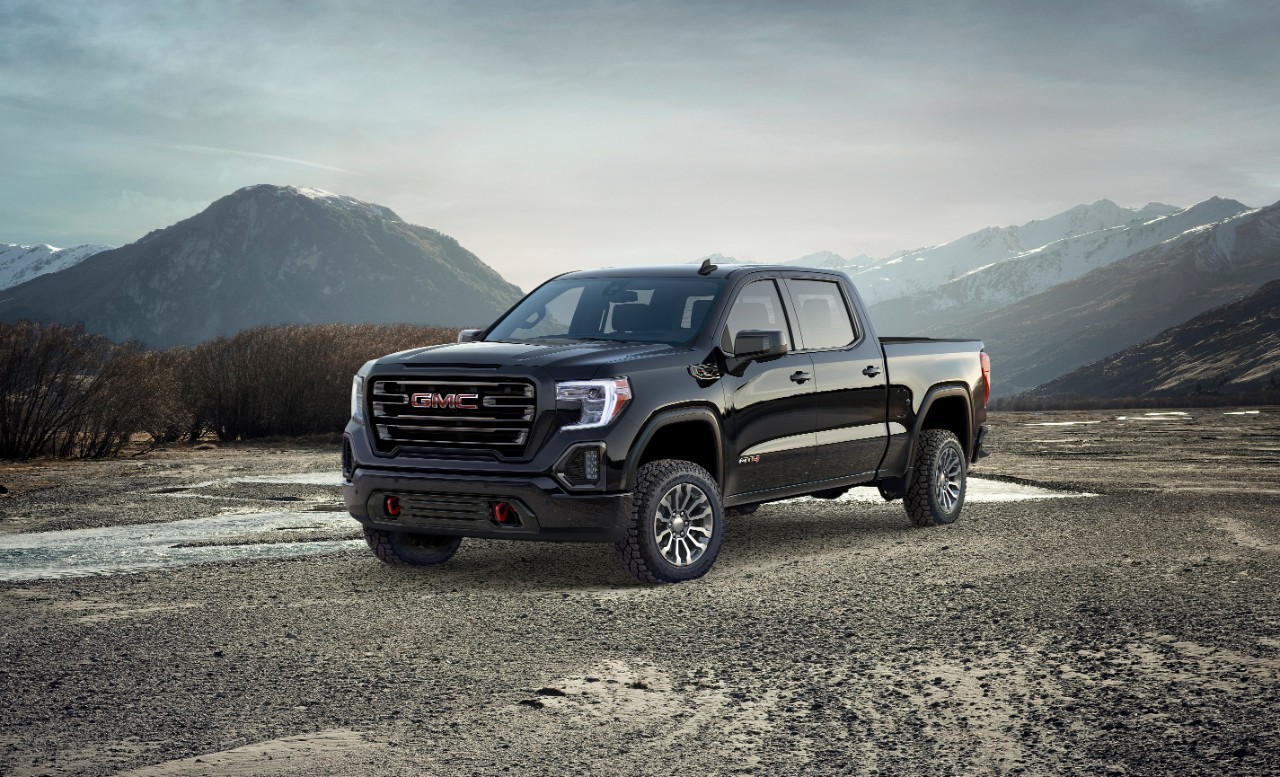
The 2019 redesign introduced the T1XX platform and a substantial update to the Sierra’s engineering and appearance. GMC used a larger body, revised proportions, and a more distinctive front-end design to create a truck that looked modern and upscale.
The generation also introduced the innovative MultiPro tailgate on selected models, providing multiple configurations for loading, accessing the bed, and supporting certain work tasks. This practical feature helped differentiate the Sierra from competing full-size pickups.
The powertrain range included gasoline engines with different cylinder counts and displacements, along with an available Duramax diesel option in selected configurations. Engine availability changed by model year and trim.
The diesel appealed to buyers who valued low-speed torque and long-distance towing, while gasoline V8 models remained popular for their strong performance and familiar operating characteristics. Transmission choices also varied. Anyone shopping for a used example should confirm the exact engine, transmission, and factory towing equipment.
The cabin brought improved space, storage, and technology. Depending on trim, buyers could find a touchscreen infotainment system, smartphone integration, advanced audio, leather upholstery, and additional driver assistance features. Higher-end models delivered a more premium experience, while work-oriented trims prioritized durability and practicality.
The rear seating area could accommodate passengers comfortably in suitable cab configurations. Compared with earlier generations, this Sierra felt better suited to drivers who used their trucks for work during the week and family transportation on weekends.
The MultiPro tailgate is a highlight, but the truck’s other features require the same careful evaluation as its mechanical components. Buyers should check transmission operation, engine performance, infotainment reliability, electronic functions, and the condition of any towing equipment.
Software updates and warranty history may also matter for particular vehicles. A thorough inspection should confirm that the tailgate functions properly and that previous owners have not overloaded the truck or modified it in ways that compromise safety or reliability.
7. Second Place: The Sixth-Generation Sierra Refresh, 2022 to 2025
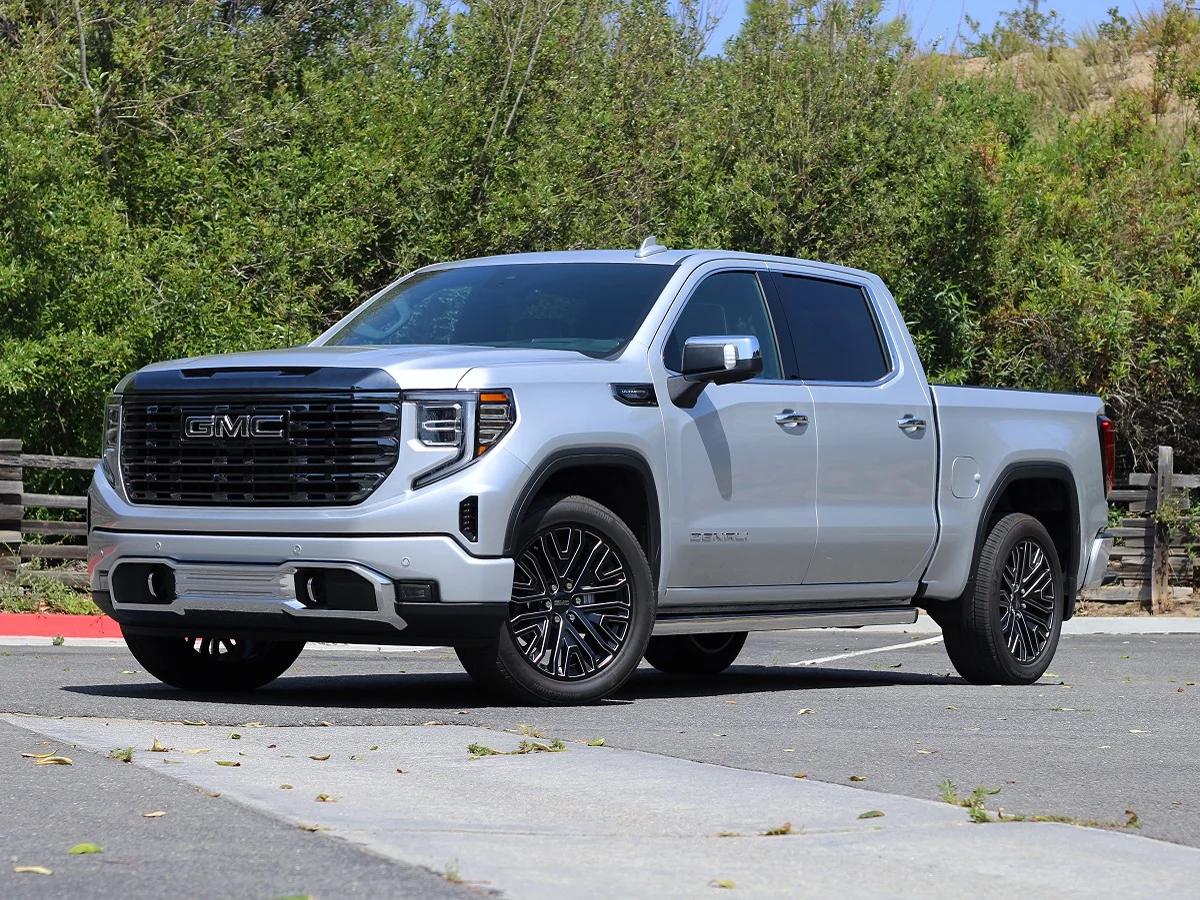
The 2022 model year brought a significant mid-cycle refresh to the existing T1XX-generation Sierra. It was not an entirely new platform, yet the changes were substantial enough to make these trucks feel more current. GMC revised the exterior details and updated the cabin in important trims, placing greater emphasis on technology and comfort.
The result was a more polished pickup that maintained the basic strengths of the 2019 redesign while addressing areas where the earlier interior felt less competitive.
The refreshed range continued to offer a choice of gasoline engines and available diesel power, depending on trim and model year. Power delivery, towing performance, and fuel economy differed across the available configurations.
Some models were aimed at daily commuting and family use, while others prioritized off-road performance or heavy-duty work. Buyers should distinguish the light-duty Sierra 1500 from the Sierra HD models, since their capabilities, construction, and powertrain options serve different requirements.
Interior upgrades were particularly important. Higher trims gained a larger infotainment display and a more contemporary instrument panel, with a stronger emphasis on digital information and connected features. Available equipment included wireless smartphone integration, advanced driver assistance systems, and premium seating.
The exact screen arrangement and features depended on trim. These improvements made the Sierra more competitive as a comfortable daily vehicle, especially for drivers who spend long hours behind the wheel or frequently travel with passengers.
A used refreshed Sierra still deserves a detailed inspection. The increased use of electronics makes it important to test displays, cameras, connectivity, driver assistance systems, and powered equipment.
Buyers should also review maintenance history, recall completion, transmission behavior, and the condition of any diesel emissions equipment where applicable. Off-road models may have experienced harder use than standard versions. Confirming the original equipment and tow ratings is essential before relying on a truck for demanding trailer work.
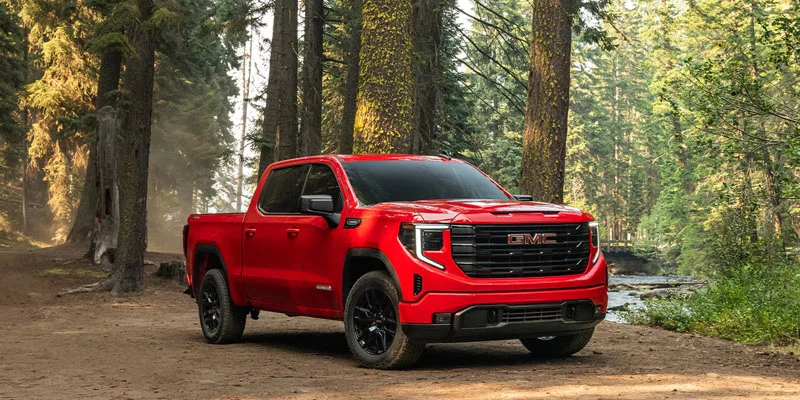
8. First Place: The Latest Sierra Era, 2026 and Beyond
The top position belongs to the latest Sierra era, represented by the current-generation truck’s continuing development rather than a completely new platform introduced for 2026. This distinction matters because model-year changes do not automatically create a new generation.
The T1XX architecture introduced for 2019 and refreshed for 2022 remains the foundation of the modern Sierra 1500 through the mid-2020s. Its combination of capability, comfort, and adaptability makes it the strongest all-around choice in this ranking.
Modern Sierra models benefit from a broad selection of engines, transmissions, cab styles, bed lengths, and trim levels. Buyers can choose a practical work truck, a comfortable premium pickup, a diesel-powered towing vehicle, or an off-road-oriented model. The best configuration depends on the intended use.
Drivers who tow frequently should pay close attention to engine choice, axle ratio, cooling equipment, and factory towing packages. Those who commute more often may place greater value on comfort, fuel efficiency, and driver assistance features.
The modern cabin is a major advantage. Depending on trim, the Sierra can offer large infotainment displays, digital instrumentation, smartphone integration, premium audio, heated and ventilated seats, and a wide selection of convenience features. Available driver assistance technology can also make highway driving and parking easier.
GMC’s upper trims aim to deliver a premium experience while retaining the practical storage, durable construction, and bed utility expected from a full-size pickup. Equipment varies, so comparing window stickers is worthwhile.
The newest trucks are not automatically the cheapest or most reliable choices for every buyer. Purchase prices, insurance, fuel, tires, maintenance, and depreciation can make ownership expensive. More advanced electronics and complex powertrains may also increase repair costs when components fail outside warranty coverage.
Prospective owners should research the specific model year and engine, check applicable recalls, review warranty terms, and test all major features. A truck’s intended use should guide the buying decision more than its trim badge or advertised capability.