Truck modifications can improve performance, appearance, and functionality, but certain upgrades may create problems during a vehicle inspection. From oversized tires to illegal lighting systems, changes that affect road safety, emissions, visibility, or vehicle control can lead to inspection failures in many parts of the United States.
State regulations differ, and requirements may depend on the truck’s weight, age, intended use, and registration category. Understanding these rules before modifying a vehicle can help owners avoid expensive repairs, unexpected delays, and compliance issues.
This guide explains ten truck modifications that commonly raise inspection concerns and offers practical advice for owners.
1. Oversized Lift Kits and Excessive Suspension Lifts
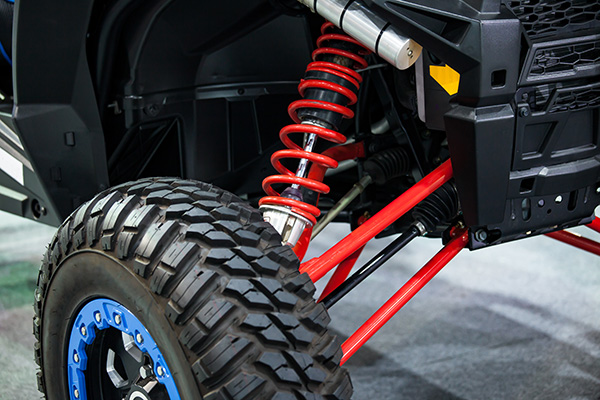
Suspension lift kits are popular among truck owners who want additional ground clearance, improved off-road capability, and a more aggressive appearance. However, excessive lifting can create inspection problems when a vehicle exceeds applicable frame-height limits or fails to meet equipment requirements.
Some states regulate maximum bumper heights, while others apply different restrictions according to the vehicle’s gross vehicle weight rating. A lift that is acceptable for a lighter pickup may not be legal for a heavier truck. Owners should check their state’s specific requirements before purchasing a suspension kit or scheduling installation.
A poorly installed lift kit can affect several important safety systems. Changes to suspension geometry may alter steering angles, tire alignment, and the relationship between suspension components. These problems can cause uneven tire wear, unstable handling, or difficulty maintaining control during emergency maneuvers.
Inspectors may identify loose fasteners, damaged suspension parts, improper welds, or components that interfere with normal steering movement. A properly engineered lift installed according to the manufacturer’s instructions is generally a safer choice than a collection of incompatible aftermarket parts.
Suspension modifications can also affect braking performance and vehicle stability. Raising a truck’s center of gravity increases its tendency to lean during turns and can make rollover incidents more likely under certain driving conditions. Larger tires and heavier wheels may add rotating mass, potentially changing acceleration and braking characteristics.
Electronic stability control and advanced driver assistance systems may also require recalibration after significant changes to ride height. Whether these issues result in an inspection failure depends on the applicable rules and the specific defect identified.
Before installing a lift kit, measure the intended final height and compare it with the legal limits for the vehicle’s classification. Keep documentation showing that the components are suitable for the truck’s make, model, and year. Professional installation can help prevent problems with brake lines, steering linkages, driveshaft angles, and suspension travel.
Owners should also confirm that the tires do not rub against bodywork or suspension components during turns and compression. These checks help reduce the risk of a failed inspection and costly adjustments later.
2. Oversized Tires and Improper Wheel Fitment
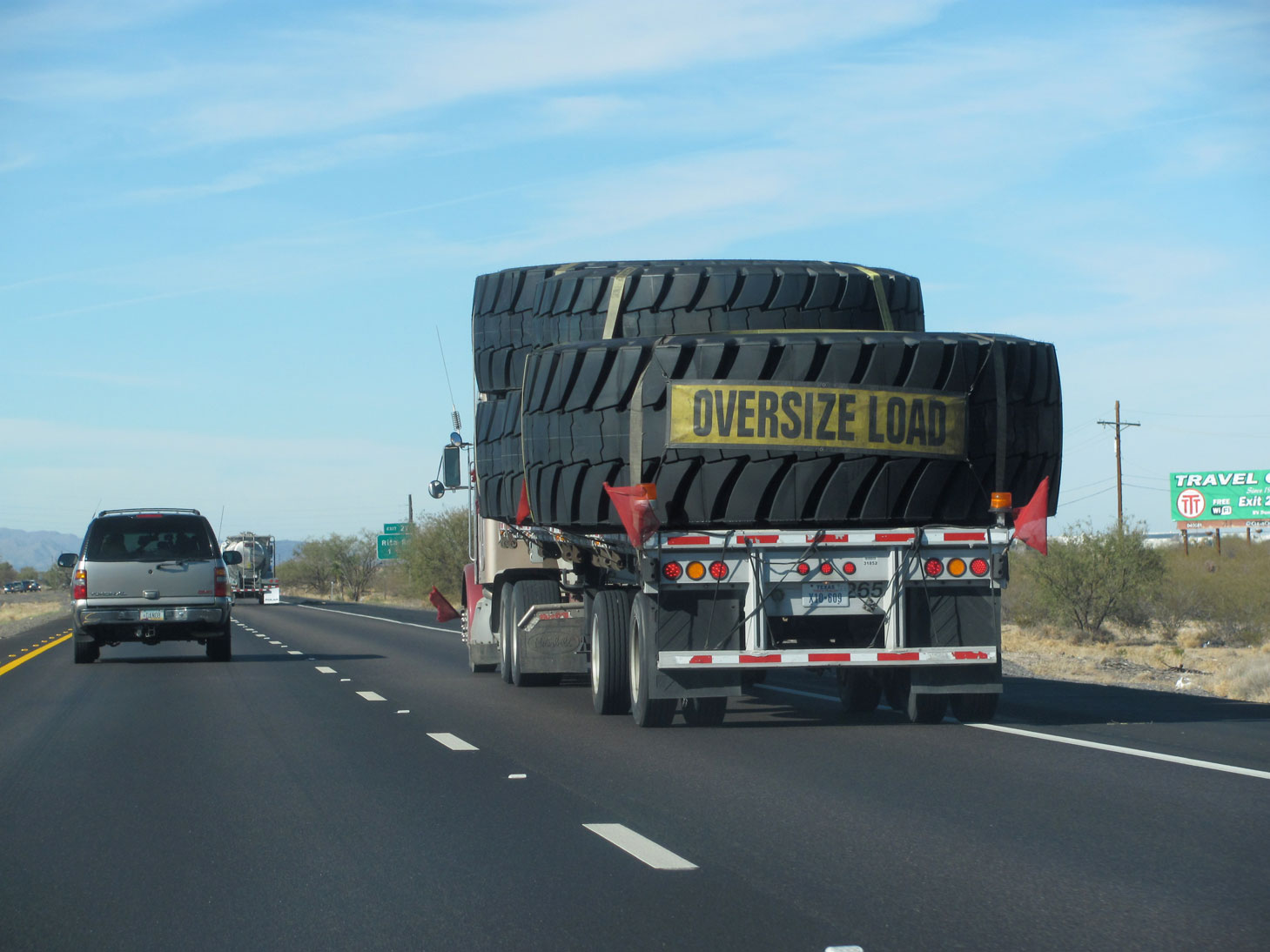
Oversized tires can change a truck’s appearance and improve traction on certain surfaces, but incorrect tire sizing can cause inspection concerns. Tires that extend beyond permitted body coverage, rub against suspension components, or interfere with steering may violate state requirements.
Some jurisdictions also regulate tire tread coverage, fender protection, and vehicle dimensions. The precise rules vary, so owners should not assume that a tire setup accepted in another state will automatically comply with local regulations. Checking the applicable standards before purchasing wheels and tires can prevent unnecessary expense.
Wheel offset and backspacing are just as important as tire diameter. An unsuitable wheel can push a tire too far outward or place it too close to suspension parts. During a sharp turn, the tire may contact a fender liner, brake hose, or other component.
Such contact can damage equipment and reduce the driver’s ability to control the vehicle. Inspectors may identify rubbing, inadequate clearance, exposed tire tread, or wheel assemblies that are not securely attached. The vehicle should be checked throughout its normal steering range, not merely while parked with the wheels facing forward.

3. Illegal LED Headlights and Colored Exterior Lighting
Aftermarket lighting is a common truck modification because it can improve visibility and create a distinctive appearance. Problems arise when replacement headlights, light bars, underbody lights, or colored bulbs fail to meet applicable requirements.
Headlamps generally must produce an acceptable beam pattern, provide adequate illumination, and avoid excessive glare. Certain colors are restricted to particular vehicles or uses, especially where red, blue, or emergency-style flashing lights could confuse other road users. The legal treatment of decorative lighting differs by state and sometimes by whether the vehicle is moving or parked.
Installing a bright bulb does not guarantee better nighttime visibility. A bulb placed in a housing designed for a different light source can scatter illumination in unintended directions. This may create glare for approaching drivers while leaving the truck’s own road illumination uneven.
Headlight assemblies may also fail inspection if lenses are damaged, mounting points are loose, or the beam aim is incorrect. A lighting upgrade should be compatible with the original housing or use a complete replacement assembly designed for the vehicle and approved for the intended road use.
Auxiliary LED light bars can raise additional concerns. These lights may produce intense illumination that is useful off-road but inappropriate for ordinary traffic when directed toward other drivers.
Some states restrict the mounting, color, number, or use of auxiliary lamps. Even when a light bar is legal to install, its use on public roads may be limited. Owners should distinguish between equipment intended for off-road activities and lighting permitted during normal road operation. A separate switch does not automatically make every installation compliant.
4. Modified Exhaust Systems and Excessive Noise
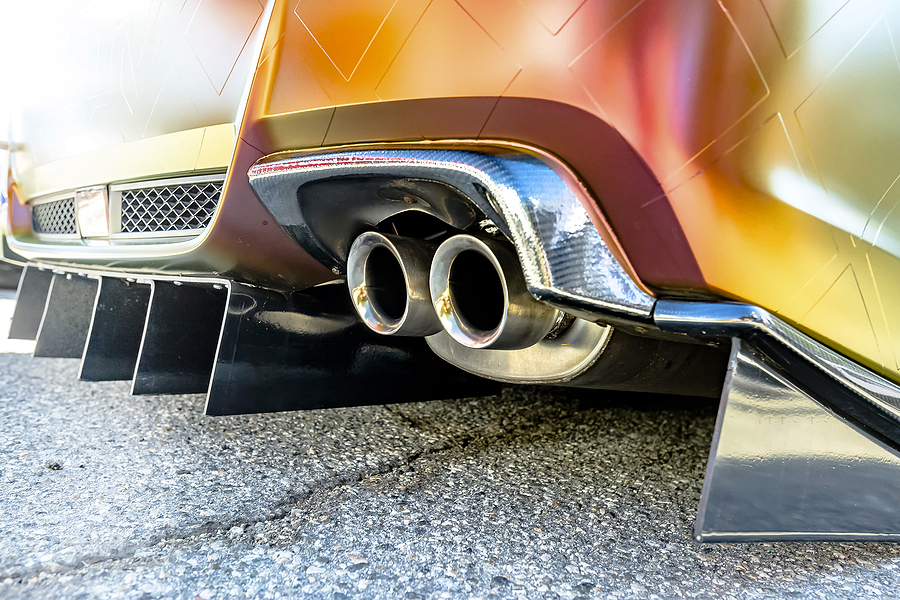
Exhaust modifications are popular among truck owners seeking a different engine sound, improved exhaust flow, or a customized appearance. However, an aftermarket exhaust system can create inspection problems if it violates noise restrictions, omits required emissions equipment, or allows exhaust gases to escape improperly.
Some states conduct periodic emissions testing, while others use different inspection programs or exempt certain vehicles. Requirements can depend on the truck’s age, fuel type, registration location, and intended use. Owners should confirm which standards apply before replacing original exhaust components.
Removing or altering emissions-control equipment is a particularly serious concern. Depending on the vehicle and applicable law, required catalytic converters, oxygen sensors, diesel particulate filters, and other pollution-control components must remain installed and functional.
Removing a required component can increase harmful emissions and trigger warning lights or diagnostic trouble codes. A truck may also fail an emissions test if its exhaust system cannot meet the applicable limits. Modifications designed to bypass pollution controls can create legal and mechanical problems that are more expensive than installing compliant replacement parts.
Exhaust leaks can present both inspection and health risks. Damaged pipes, loose connections, corroded joints, or defective gaskets may allow gases to escape before reaching the tailpipe. Depending on the location of the leak, exhaust fumes can enter the passenger compartment.
Carbon monoxide is especially dangerous because it is colorless and odorless. An exhaust system should therefore be inspected for damage, secure mounting, and correct routing. Any suspected leak should be repaired promptly rather than treated as a minor noise problem.

5. Window Tint That Is Too Dark
Window tint can reduce glare, limit solar heat, protect interior materials, and improve cabin comfort. However, excessively dark film may violate state rules governing visible light transmission. These regulations commonly distinguish between front side windows, rear side windows, and the rear windshield.
Some states also treat passenger vehicles and multipurpose trucks differently. A tint level that is permitted on a particular rear window may not be acceptable on a front door window. Owners should check the standards that apply to their truck rather than relying on general advice from tint installers.
Visible light transmission, commonly called VLT, measures the percentage of visible light that passes through the window and its film. A lower VLT percentage means the glass appears darker because less light passes through. State requirements may specify minimum transmission percentages for particular windows, and factory glass can already have some tint.
Installing additional film without considering the original glass can result in a final transmission level below the legal minimum. A professional installer can help measure the existing glass and select a film that complies with the relevant requirements.
Dark tint can also affect visibility, particularly at night, during heavy rain, or in poorly illuminated areas. Drivers need to see pedestrians, cyclists, parked vehicles, and hazards around the truck. Reduced visibility through the side and rear windows can make reversing and lane changes more difficult.
Although mirrors provide additional views, they do not eliminate every blind spot. Keeping windows within permitted tint limits supports safer driving and reduces the chance that a vehicle will attract attention during an inspection.
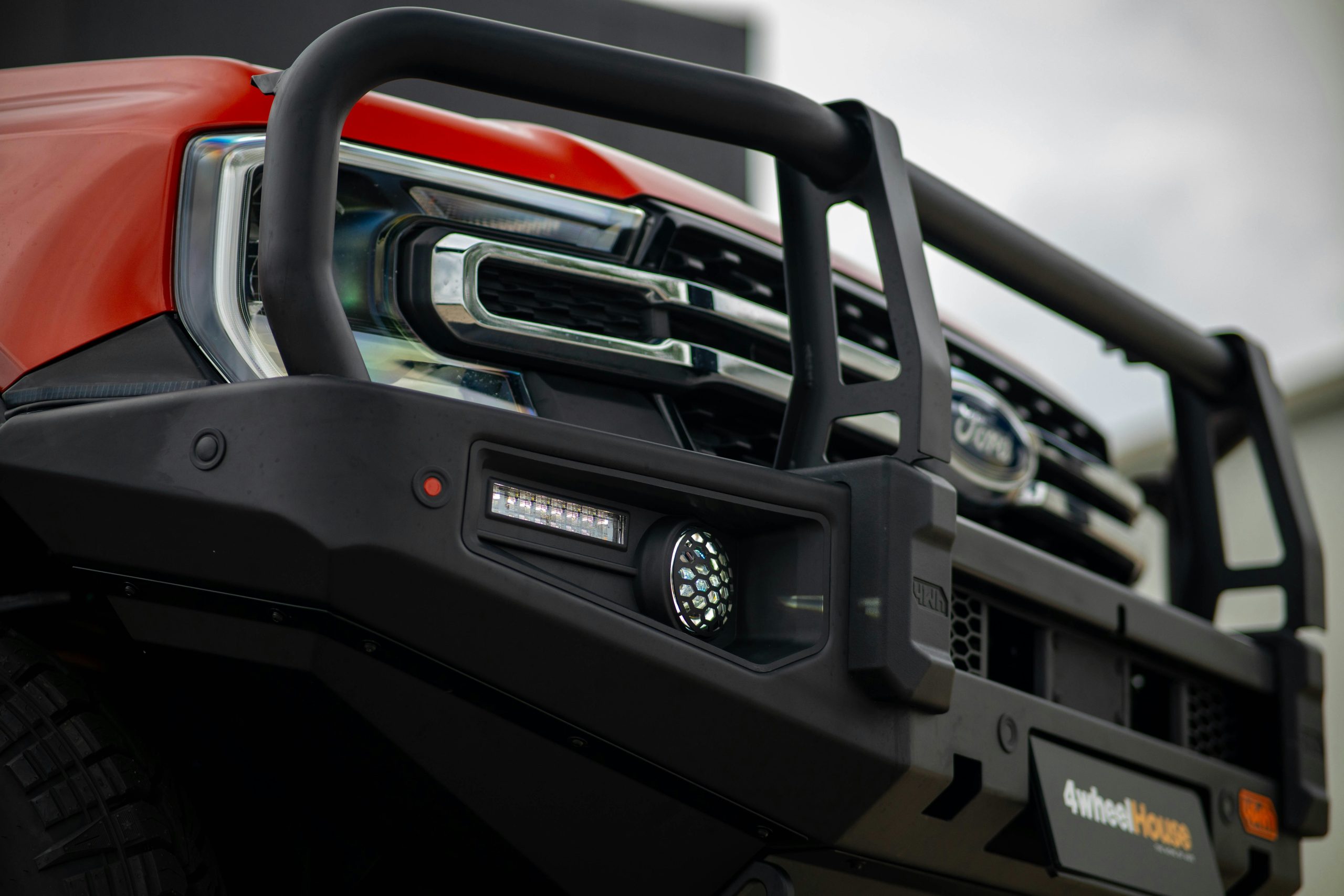
6. Aftermarket Bumpers That Violate Safety or Dimension Rules
Aftermarket bumpers can improve durability, provide mounting points for recovery equipment, and accommodate winches or auxiliary lights. Yet a replacement bumper may create compliance concerns if it changes the vehicle’s dimensions, blocks required lighting, or contains unsafe projections.
Certain states regulate bumper height or other equipment characteristics, while commercial vehicles may be subject to additional standards. The truck’s classification matters because regulations for a heavy work truck may differ from those for a light-duty pickup. Owners should verify the applicable requirements before making major changes.
A bumper must be securely attached to suitable mounting points. Poorly installed brackets, unsuitable fasteners, damaged mounting structures, or modifications that weaken the frame can create serious safety problems. A heavy steel bumper also adds weight to the front or rear of the vehicle, potentially affecting payload capacity and axle loading.
These factors deserve attention when the truck carries tools, towing equipment, or cargo. An installation that appears sturdy from the outside may still need professional evaluation to confirm that the mounting arrangement is appropriate.
Some aftermarket bumpers extend beyond the original bodywork or introduce sharp edges and protruding accessories. Depending on state rules and the specific configuration, these features may raise safety or dimensional concerns. A bumper can also interfere with headlights, turn signals, sensors, or the license plate.
Modern trucks may have parking sensors, radar systems, and cameras integrated into the original bumper assembly. Replacing that assembly without considering sensor placement can compromise the operation of driver assistance features.
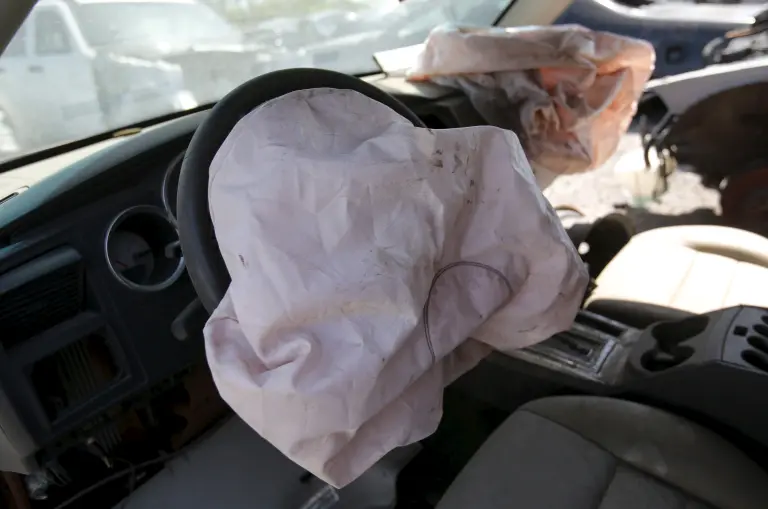
7. Airbag Removal and Other Safety-System Modifications
Safety systems are designed to protect occupants during collisions, and modifications that disable them can create serious problems. Airbags, seat belts, pretensioners, and related sensors work together to reduce injury risk.
Removing an airbag to install a different steering wheel or dashboard component may compromise this protection and violate applicable requirements. The legal consequences depend on the vehicle, the modification, and the governing regulations. Even where a specific inspection program does not test every safety-system component, disabling essential equipment can leave the truck less safe to operate.
The airbag warning light is an important indicator. If the system detects a fault, the warning may remain illuminated or appear intermittently. Possible causes include damaged wiring, faulty sensors, connector problems, or previous collision repairs. A warning light should not be ignored or concealed.
Some inspection programs include checks of warning indicators or related equipment, and a malfunction may lead to a failed inspection where those checks apply. A qualified technician can scan the system, identify the underlying fault, and carry out the correct repair.
Steering wheel conversions can be especially complicated. A replacement wheel may lack a compatible airbag, use an unsuitable electrical connection, or interfere with the original steering controls. Modifications can also affect the horn, steering wheel mounting, and other required features.
Simply fitting a part that physically attaches to the steering column does not establish that it is safe or compliant. Any replacement should be designed for the vehicle and preserve required safety functions. Owners should avoid improvised electrical work involving restraint systems because accidental deployment or system failure can cause serious injury.
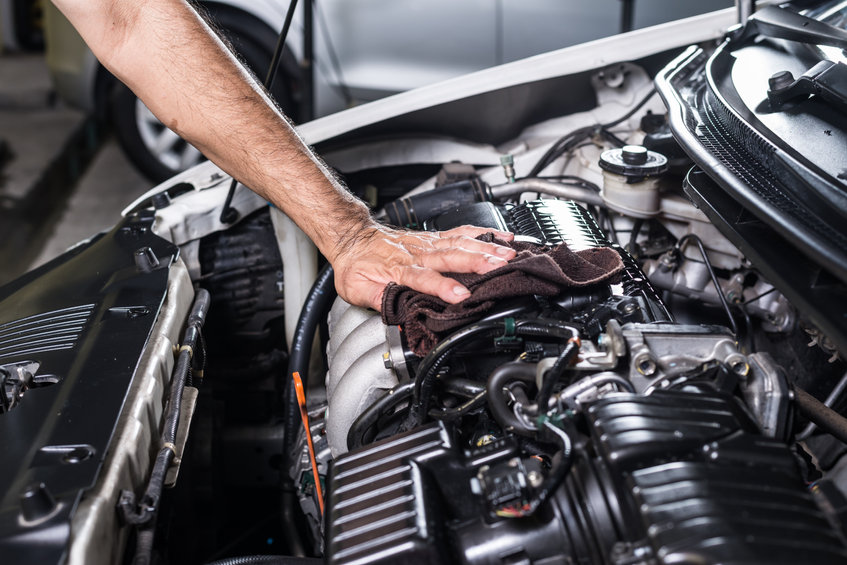
8. Emissions-System Deletes and Engine Tuning
Engine tuning can change a truck’s throttle response, fuel delivery, power output, and transmission behavior. However, certain modifications may violate emissions requirements, especially when they disable pollution-control equipment or interfere with onboard diagnostics.
Diesel trucks can be subject to specific rules involving particulate filters, exhaust gas recirculation, and selective catalytic reduction systems. Gasoline vehicles also rely on emissions components that may be required by law. The applicable requirements depend on the vehicle’s age, certification, registration location, and intended use.
Deleting emissions equipment is different from repairing or replacing a defective component. Removing a required diesel particulate filter or disabling a catalytic converter can increase harmful pollutants and cause the vehicle to fail an applicable emissions inspection.
Software changes that prevent diagnostic trouble codes from appearing may also interfere with required monitoring systems. In the United States, federal emissions law restricts tampering with emissions-control devices, including conduct involving aftermarket products.
State enforcement and inspection practices vary, but an advertised performance benefit does not make an unlawful emissions modification acceptable.
Engine tuning can also affect the truck’s mechanical reliability. Increasing power beyond the limits of the original configuration may place additional stress on the transmission, clutch, cooling system, turbocharger, and drivetrain. An unsuitable calibration can produce excessive exhaust temperatures, poor fuel economy, rough running, or unexpected warning lights.
These problems may not always be immediately visible during a short test drive. A performance modification should be evaluated for compatibility with the engine and supporting systems rather than judged solely by the power increase claimed by the seller.

9. Improperly Installed Trailer Hitches and Towing Equipment
Trailer hitches are useful additions for owners who tow boats, campers, utility trailers, or work equipment. Problems can arise when the hitch is not rated for the intended load, is mounted incorrectly, or interferes with required vehicle equipment.
Inspection requirements vary according to the truck’s classification and the nature of the inspection, so an aftermarket hitch does not automatically cause a failure. However, visible defects, insecure mounting, damaged components, and noncompliant lighting or wiring can create safety and legal concerns.
The hitch’s weight ratings should match the intended towing arrangement. Important figures include maximum trailer weight and maximum tongue weight, while the truck itself also has limits for towing, payload, axle loading, and gross combined weight. The lowest applicable rating governs the practical limit of the setup.
Exceeding a component’s rating can strain mounting points, affect braking, and reduce vehicle stability. A strong-looking hitch cannot compensate for a truck, receiver, ball mount, or trailer that is unsuitable for the load.
Installation quality is equally important. Hitches must use appropriate mounting hardware and attachment points according to the manufacturer’s instructions. Drilling, welding, or modifying the frame without an approved procedure can weaken the structure or create problems with corrosion protection.
Safety-chain attachment points must be suitable for the intended application, and the trailer connector should be protected from damage. Owners should inspect the assembly regularly for rust, cracks, loose bolts, bent components, or other signs of wear.
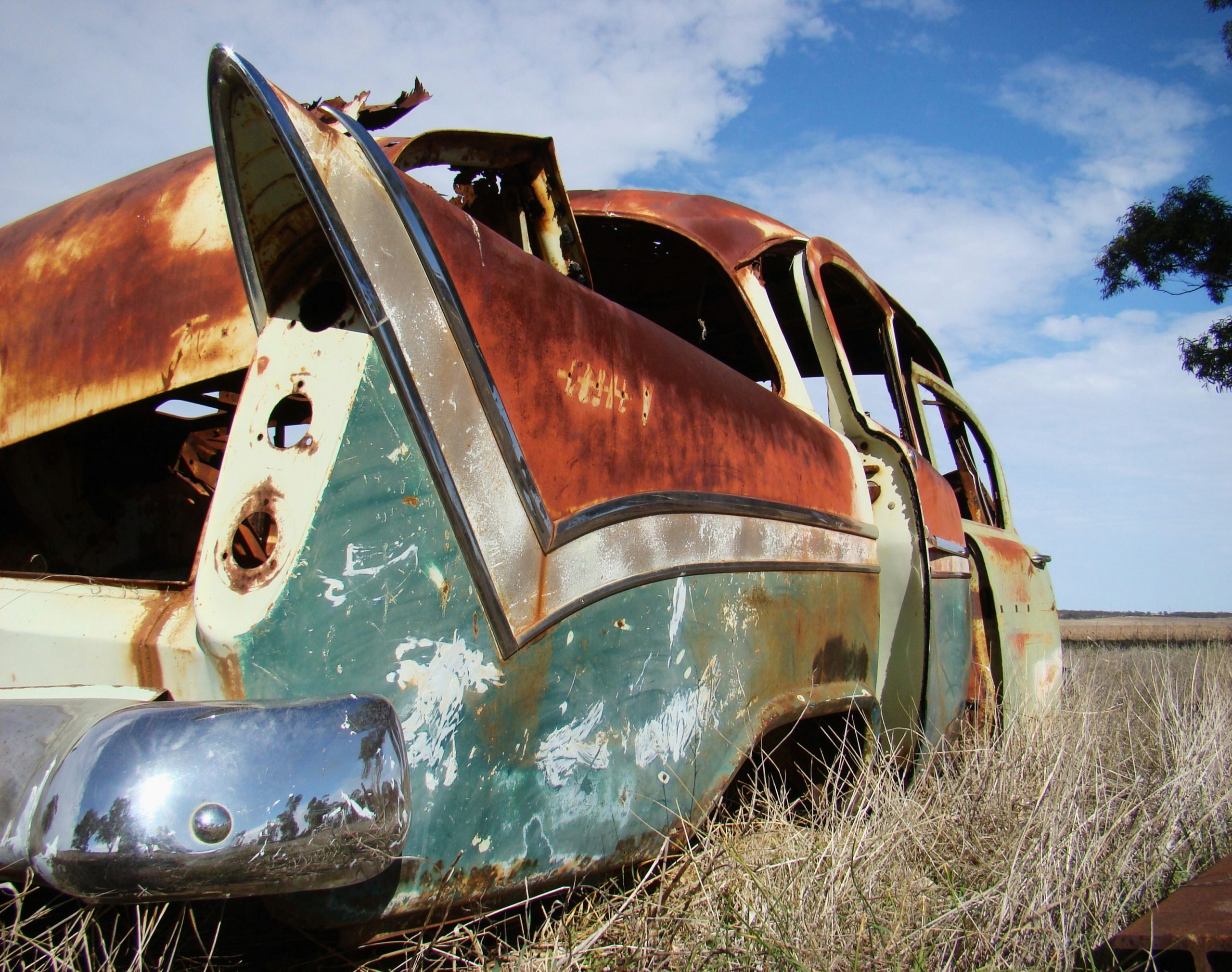
10. Fender, Body, and Frame Modifications That Expose Unsafe Components
Custom bodywork can give a truck a distinctive appearance, accommodate wider tires, or support specialized work requirements. Yet modifications to fenders, wheel arches, body panels, or the frame can create inspection concerns when they expose tires, introduce sharp edges, or interfere with essential equipment.
State rules vary on tire coverage, body dimensions, structural repairs, and related requirements. The type of vehicle and the purpose of the modification can also affect which standards apply. Owners should check the relevant regulations before cutting, widening, or replacing major body components.
Fender flares are sometimes installed to cover wider tires, but their size and positioning matter. A flare that fails to provide sufficient coverage may not resolve a problem involving exposed tread or debris thrown from the tires. Loose or poorly mounted flares can detach while driving, creating a hazard for other road users.
Body panels should also remain clear of moving tires throughout the normal steering and suspension range. Checking clearance with the vehicle loaded as intended can help reveal problems that may not be apparent when the truck is empty.
Frame modifications require particular caution because the frame supports major vehicle systems and carries substantial loads. Cutting, drilling, welding, or altering structural members can reduce strength if the work is not performed using an appropriate design and procedure.
Corrosion, cracks, poor welds, and unsuitable repairs may attract attention during a safety inspection. Trucks used for towing or commercial work face additional practical concerns because structural weaknesses can become more consequential under heavy loads. Structural changes should be evaluated by professionals who understand the vehicle’s construction and intended use.