
Buying a used car can feel like a smart financial move until a major mechanical failure turns a bargain into an expensive headache. A vehicle that costs just a few thousand dollars may suddenly need a repair bill nearly twice its market value. From failing transmissions and damaged engines to ageing batteries and troublesome electrical systems, certain cars can become costly to maintain as they grow older.
The tricky part is that these problems often appear when owners expect their vehicles to keep running without major expenses. By comparing estimated repair costs from RepairPal with used vehicle values reported by iSeeCars, we can identify 10 cars that deserve extra attention before purchase or repair. Here is what owners should know about these models and the financial risks they may carry.
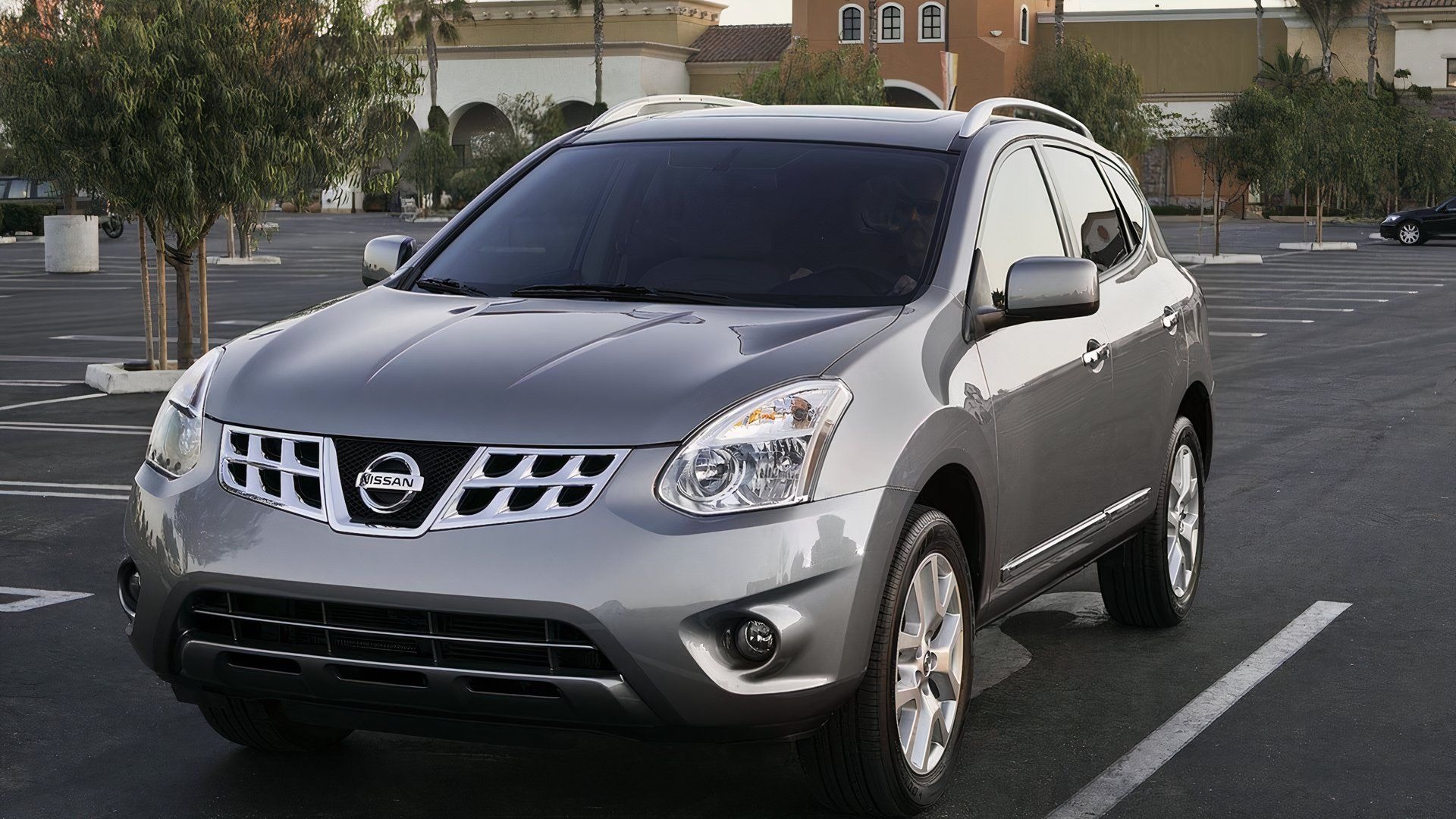
1. 2011-2015 Nissan Rogue
The 2011-2015 Nissan Rogue offers practical transportation, a comfortable cabin, and useful cargo space, making it appealing to drivers seeking an affordable compact SUV.
However, a failing continuously variable transmission (CVT) can turn this seemingly sensible purchase into an expensive problem.
Unlike a conventional automatic transmission, a CVT uses a system of pulleys and a belt or chain to provide continuously variable gear ratios.
When this assembly develops serious internal damage, the vehicle may experience shuddering, slipping, unusual noises, poor acceleration, or difficulty moving. Ignoring these symptoms can leave the owner facing a replacement rather than a minor repair.
Repair estimates range from $3,000 to $8,000, while older examples may be worth approximately $2,500 to $4,500. A repair at the upper end of that range could exceed the vehicle’s value by thousands of dollars.
Consider a Rogue valued at $3,000 that needs an $6,000 transmission replacement. Spending twice the vehicle’s market value on one component is difficult to justify, especially when other ageing parts may require attention soon.
Before purchasing one, request maintenance records and arrange an independent inspection. Ask the mechanic to assess transmission performance during a road test and check for stored diagnostic codes.
A transmission failure does not automatically make every Rogue worthless, but owners should compare the repair quotation with the car’s actual condition, mileage, and resale value before approving the work.

2. 2007-2011 Mini Cooper
Small cars can carry surprisingly large repair bills, and the 2007-2011 Mini Cooper illustrates why a low purchase price does not always guarantee inexpensive ownership.
Its distinctive styling and agile handling attract buyers, yet certain ageing examples can develop engine problems that cost more to correct than the vehicle is worth.
Timing chain trouble is one concern associated with some engines from this period. The timing chain synchronises the crankshaft and camshaft, helping the engine’s valves operate at the correct moments.
If the chain stretches, its tensioner fails, or related components become damaged, engine performance can deteriorate. Severe neglect or continued operation after a serious failure may lead to extensive internal damage.
Oil starvation presents another risk. An engine deprived of adequate lubrication can suffer premature wear, damaged bearings, and other costly problems. Depending on the damage, repairs may require substantial engine disassembly, rebuilding, or replacement.
The supplied estimates place major engine repair costs between $4,000 and $7,000. Meanwhile, an older example may have a used market value of just $2,000 to $3,500. Even a moderately priced repair can exceed what the vehicle would fetch in a private sale.
For example, paying $5,000 to repair a Mini worth $2,500 means spending an additional $2,500 beyond the car’s current value. That money might instead contribute towards a newer vehicle with a more predictable maintenance history.
Buyers should examine service records, investigate engine noises during cold starts, and obtain a specialist inspection. A well-maintained Mini can still provide enjoyable motoring, but neglected engine components can make ownership financially difficult to defend.
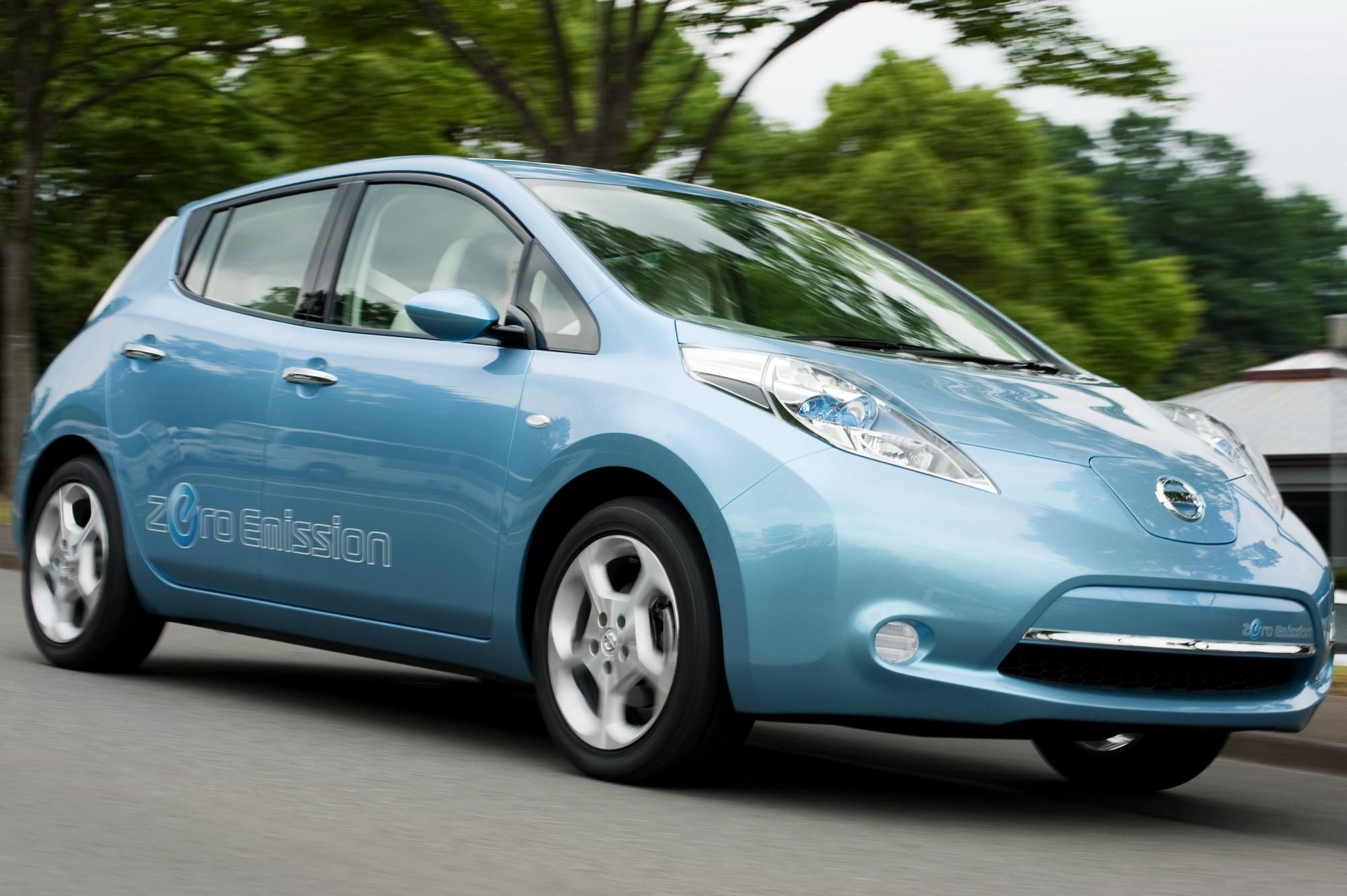
3. Early 2010s Nissan Leaf
Electric cars move the cliff to a different spot. On the early 2010s Nissan Leaf, the costly part is the high-voltage traction battery pack.
The estimate is $4,800 to $5,500, while these used Leafs go for roughly $2,000 to $3,200. A battery swap can double the vehicle’s value, and that is not a typo.
Batteries lose capacity as they age, and early packs are especially worn by now. Signs include shrinking range, fewer bars on the battery gauge, and slower charging.
If you own one, check the battery health readout and think about how you use the car. Short city trips may still work fine with reduced range. A major replacement might not be worth it for a car with this value.
Shopping used? Ask for a battery health report before you pay, and test the range on a real drive. A low price can hide an expensive problem.
Keep the car cool, avoid frequent full charges and deep drains, and follow the charging guidance in the manual. Those habits can slow wear. Still, age will win eventually, so budget accordingly. A low price on an old EV is only a bargain if the battery has life left.
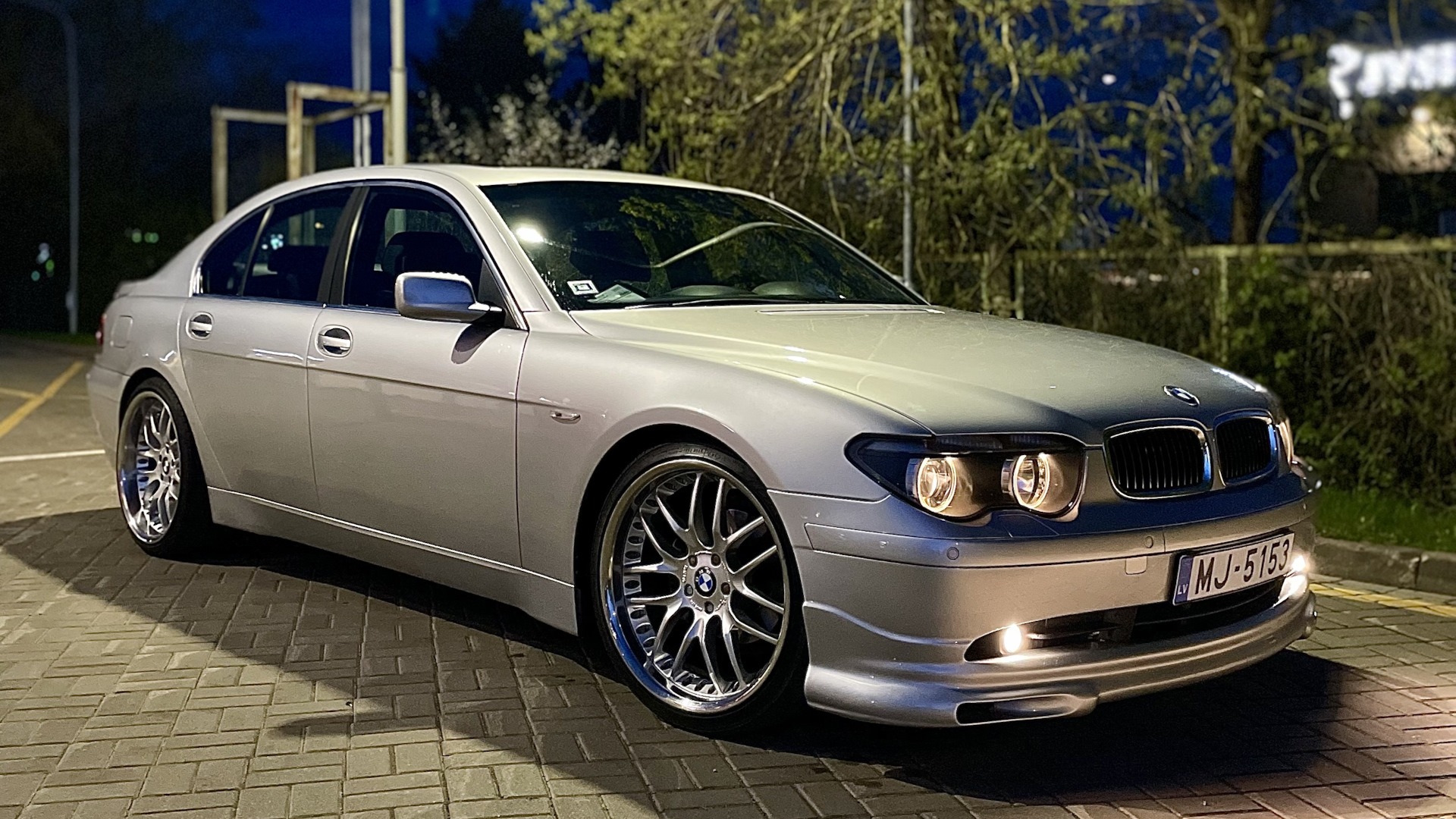
4. 2004-2009 BMW 7 Series (E65)
Luxury vehicles can lose market value much faster than the cost of maintaining their sophisticated engineering. The 2004-2009 BMW 7 Series, known by its E65 generation designation, is a useful example of how an ageing premium sedan can become expensive to keep roadworthy.
When new, a luxury car may feature advanced electronic controls, comfort equipment, sophisticated transmission technology, and systems designed to make driving easier.
Years later, those same features can require specialist diagnosis, replacement modules, and labour-intensive repairs. Transmission trouble is particularly concerning when internal mechanical damage occurs alongside electronic control faults.
A transmission control unit or related module may require diagnosis, programming, or replacement. If the transmission itself also needs attention, the combined bill can rise rapidly.
The supplied figures put major transmission and control-system repairs at $5,000 to $6,500. By comparison, older examples may sell for approximately $2,500 to $4,000. A single major failure can therefore consume more money than the vehicle’s current market value.
Suppose an E65 worth $3,500 needs $5,800 in repairs. The owner must decide whether preserving a familiar luxury car is worth that expense or whether purchasing another vehicle offers better value.
That decision should account for more than the immediate quotation. Tyres, suspension components, cooling systems, electrical accessories, and routine servicing may create additional expenses as the car ages.
Anyone considering this BMW should arrange a pre-purchase inspection with a technician familiar with the model. A full diagnostic scan, transmission assessment, and review of previous repairs can reveal problems that a short test drive may miss.
The E65 can still appeal to enthusiasts, but a cheap asking price should never be mistaken for cheap ownership.
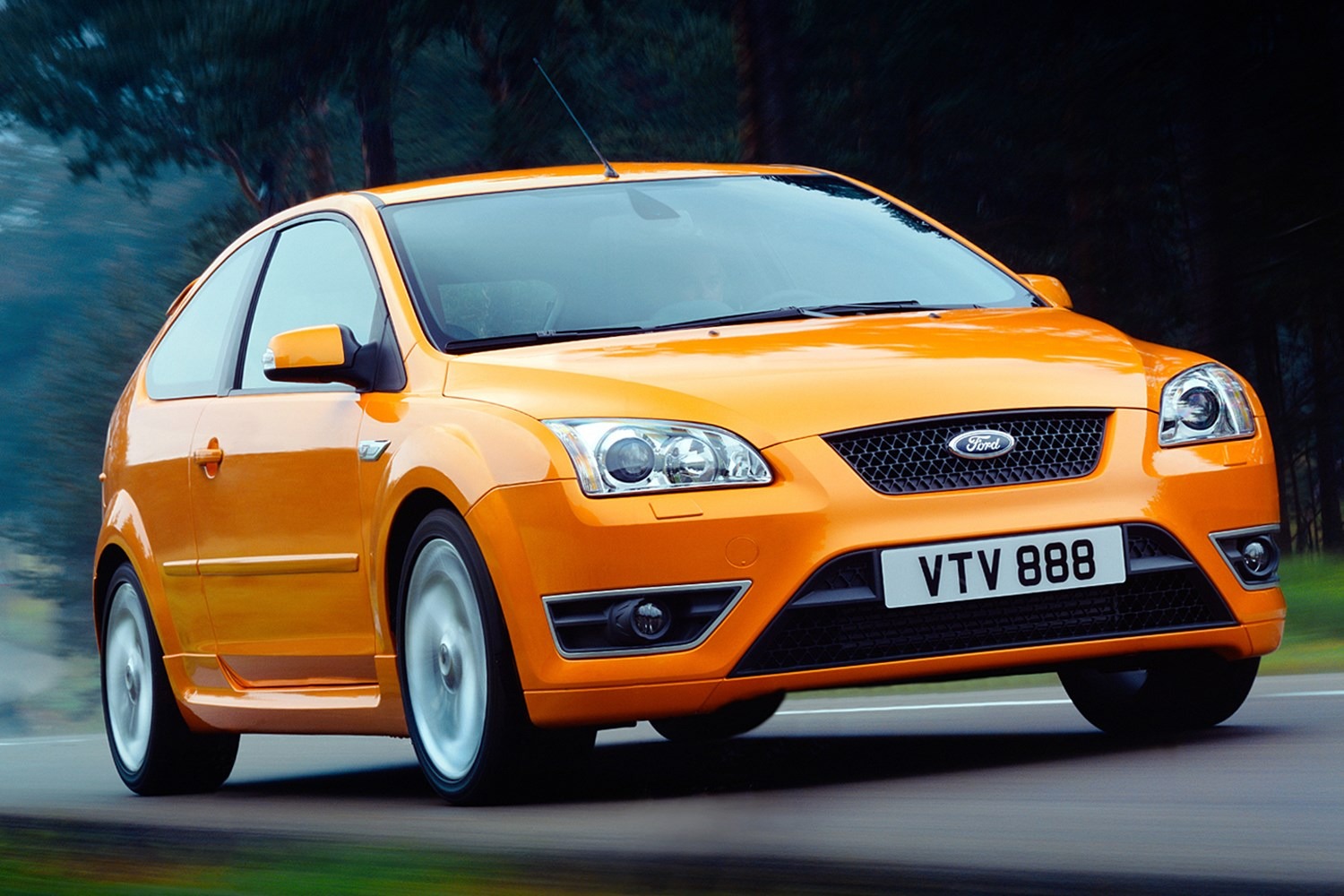
5. 2006-2010 Ford Focus
Affordable compact cars are often purchased because they promise dependable transport without demanding a large financial commitment.
The 2006-2010 Ford Focus fits that description, offering practical dimensions and straightforward everyday usability. However, a serious engine or transmission failure can make an ageing example difficult to justify repairing.
A vehicle in this age group may have accumulated considerable mileage, and its condition depends heavily on servicing, driving habits, previous repairs, and exposure to harsh operating conditions.
Neglected fluids, cooling-system faults, and internal mechanical wear can contribute to expensive failures. If the engine suffers extensive internal damage, replacement may be more economical than rebuilding it.
The same applies when a transmission has deteriorated beyond the point where a routine repair can restore reliable operation. When both systems require attention, costs can quickly exceed the vehicle’s value.
The supplied repair estimates range from $4,000 to $5,500 for a major engine or transmission replacement. Meanwhile, the used value of an older Focus may sit between $1,500 and $2,800.
A $4,500 repair on a car worth $2,000 creates an immediate financial dilemma. Even after the work is completed, the owner may struggle to recover the expenditure through resale because buyers generally value the vehicle according to its age, mileage, condition, and local market demand.
Before approving major work, request separate quotations for rebuilding, replacement with a used component, and replacement with a remanufactured component.
Warranty coverage and parts availability can influence which option provides the best value. For prospective buyers, maintenance documentation and a thorough mechanical inspection are essential.
Warning lights, fluid leaks, overheating, unusual noises, or transmission hesitation deserve investigation before money changes hands.
A Focus that receives regular care may remain useful, but a major mechanical failure can erase the savings that attracted its owner in the first place.
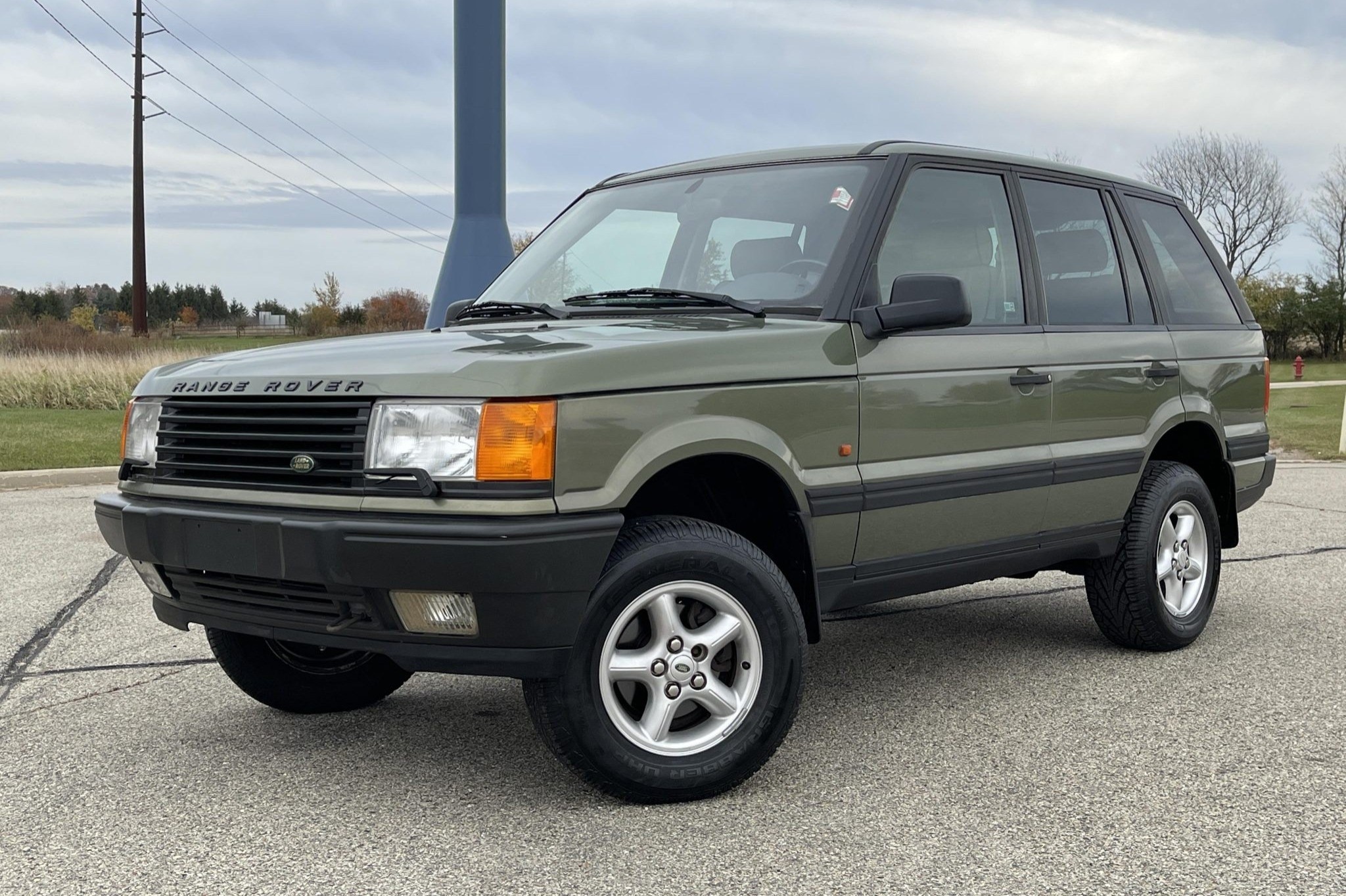
6. Early 2000s Range Rover
Few vehicles pair so much capability with so much risk. The early 2000s Range Rover can need a complete air suspension overhaul, estimated at $3,500 to $5,000. Used values range from about $2,000 to $3,500. Air compressors and struts can total the car on their own.
Air suspension lets the vehicle adjust its ride height and cushions bumps beautifully. The tradeoff is more parts to fail. Air springs leak, compressors wear out, and sensors misread.
Signs of trouble include the vehicle sagging overnight, a warning message about ride height, a compressor that runs constantly, and a bumpy or uneven ride.
If you own one, address small leaks early. A struggling compressor works harder, which shortens its life, and that can turn a modest repair into a larger one.
Some owners switch to conventional coil springs to cut costs. That changes the ride and may affect other systems, so talk to a specialist before deciding.
Buying one? Park it for a few hours and see whether it sags. Ask for receipts for suspension work, and have a specialist inspect it. Skip the guesswork, because the price on a tired Range Rover rarely covers what it will need.
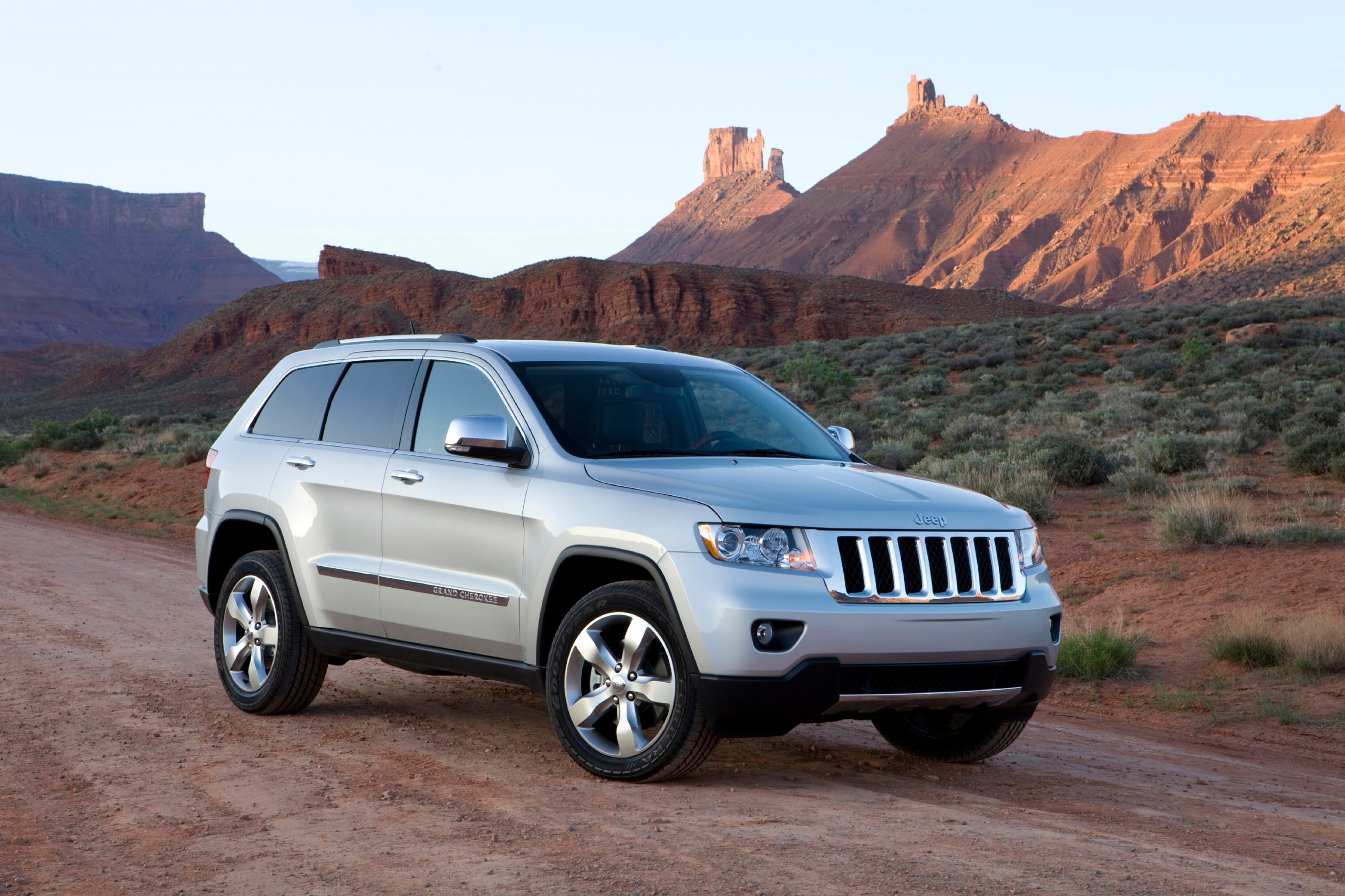
7. 2011-2014 Jeep Grand Cherokee
Big SUVs can hide big bills. The 2011-2014 Jeep Grand Cherokee faces engine failure tied to the TIPM (the electrical control module) and overheating.
Replacement costs run $5,000 to $8,000, while used values are around $3,500 to $5,000. The source warns that engine replacement ruins asset equity.
That phrase means the repair eats up the money you had tied up in the vehicle. You pay more than it is worth, and you still own the same old SUV.
Overheating is the more preventable culprit. Watch the temperature gauge, check coolant levels, and fix leaks promptly. Never keep driving a car that is running hot, since a few minutes can cause lasting damage.
Electrical issues may show up as stalling, fuel pump problems, flickering lights, or odd warning messages. A technician with the right diagnostic tools can trace the source.
If you are shopping, request a cooling system inspection and a full scan. Ask whether recalls or service bulletins apply. Test the vehicle when it is cold, and again after a long drive.
A Grand Cherokee can serve well when cared for. Skip maintenance, though, and the repair bill can outrun the vehicle’s value in a hurry.
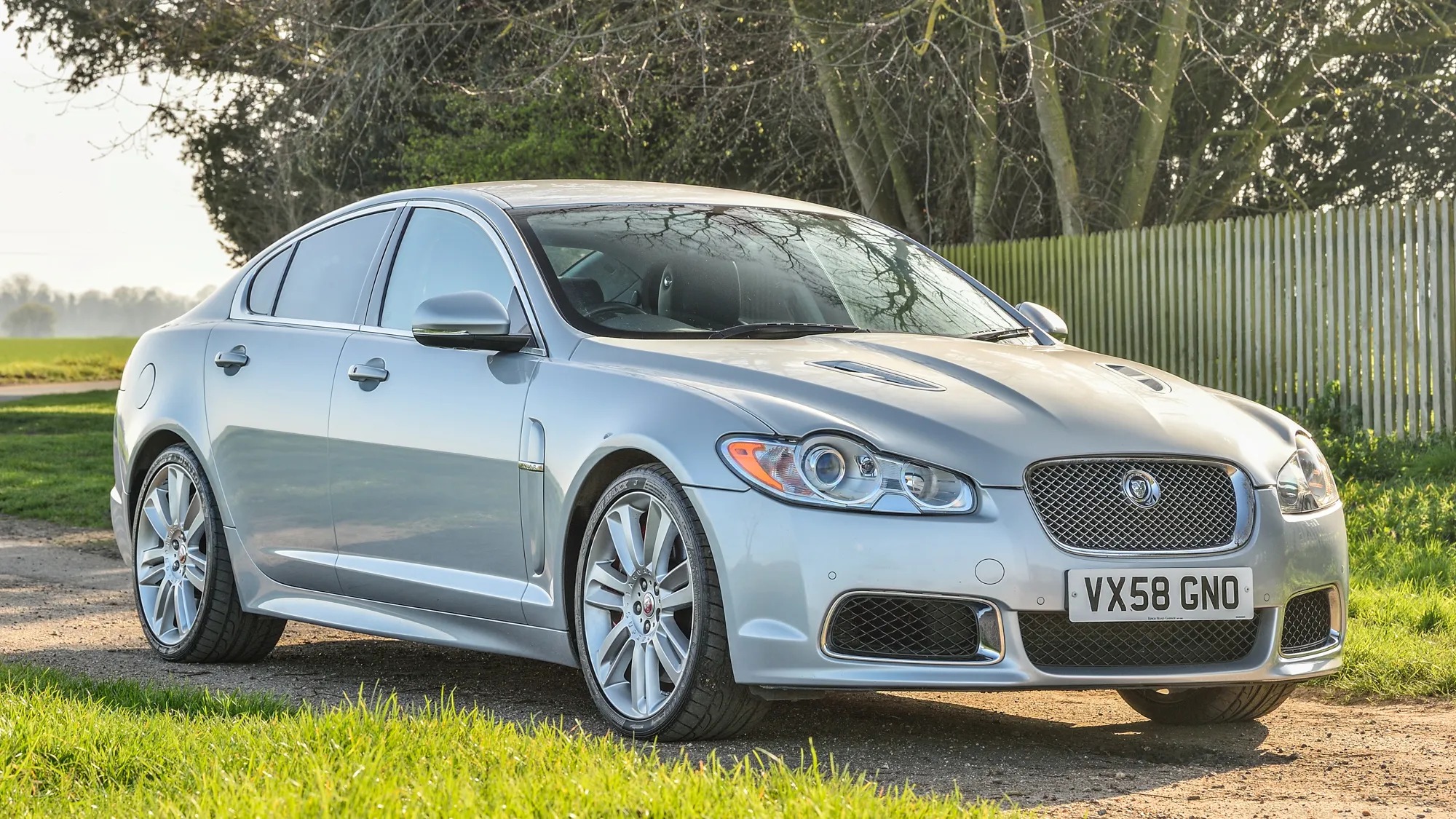
8. 2008-2012 Jaguar XF
The Jaguar XF brought distinctive styling and an upscale driving experience to the luxury sedan segment. As these cars age, however, electrical faults can become difficult to diagnose, particularly when several components interact through electronic control systems.
Modern vehicles rely on networks of sensors, control modules, wiring, and communication circuits. A fault in one area can produce warning lights or symptoms elsewhere, making it difficult to identify the original cause without proper testing.
In an older XF, problems involving the instrument cluster, wiring harness, or related electronic equipment may require extensive diagnosis.
A damaged wire, poor connection, failed module, or moisture-related fault can create symptoms that resemble a much larger system failure.
The supplied repair estimates for major electrical harness and instrument cluster work range from $3,000 to $4,500. Meanwhile, the used value of an older example may fall between $2,500 and $3,800.
That creates a difficult choice for an owner whose Jaguar is worth $3,000 but needs $4,000 in electrical repairs. Spending more than the car’s current value may be hard to defend, particularly if the vehicle has other unresolved maintenance needs.
The answer is not to assume every electrical warning means an expensive failure. A careful diagnostic process may reveal that a smaller repair, such as correcting a damaged connection or replacing a single faulty component, can resolve the issue.
Buyers should test the instrument cluster, lighting, windows, locks, climate controls, and other electrical features before purchasing an XF. A specialist familiar with Jaguar vehicles can also scan the relevant control modules and investigate intermittent faults.
Service records matter because they show whether previous electrical problems were repaired properly or merely addressed temporarily.
An older Jaguar can remain appealing to drivers who appreciate its design and comfort, but a vague diagnosis and an open-ended repair quotation should prompt caution.
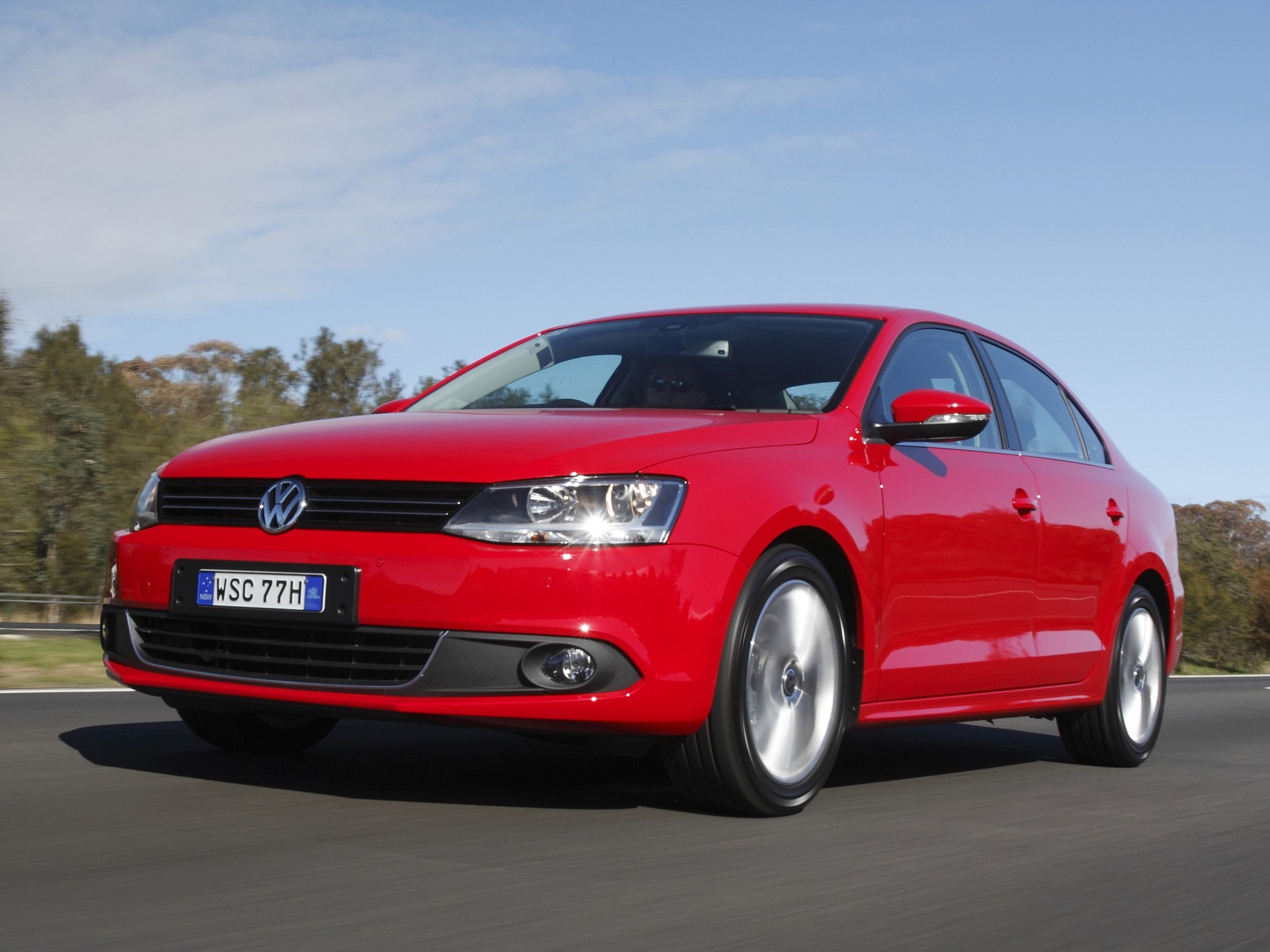
9. 2010-2014 Volkswagen Jetta
Here the gap is narrow, but it still counts. The 2010-2014 Volkswagen Jetta can need a turbocharger and intercooler assembly repair costing $2,600 to $3,500, while used values run about $2,200 to $3,300. The source says forced-induction components fail early.
A turbocharger boosts power by forcing extra air into the engine. It spins very fast and runs hot, so it needs clean oil and proper cooling to survive.
Signs of trouble include a whistling or whining noise, loss of power, blue or gray smoke, and oil consumption. Fix them quickly, since damage can spread.
Prevention is your best tool. Use the oil type the manufacturer recommends, change it on time, and let the engine idle briefly after hard driving if your manual advises it. Good habits help the turbo last longer.
If you are buying, ask for oil change records and listen for odd noises. A mechanic can test boost pressure and check for leaks.
The numbers here show why every car deserves a calculation. When repair and value sit this close, a single failure can turn a decent car into a financial problem.
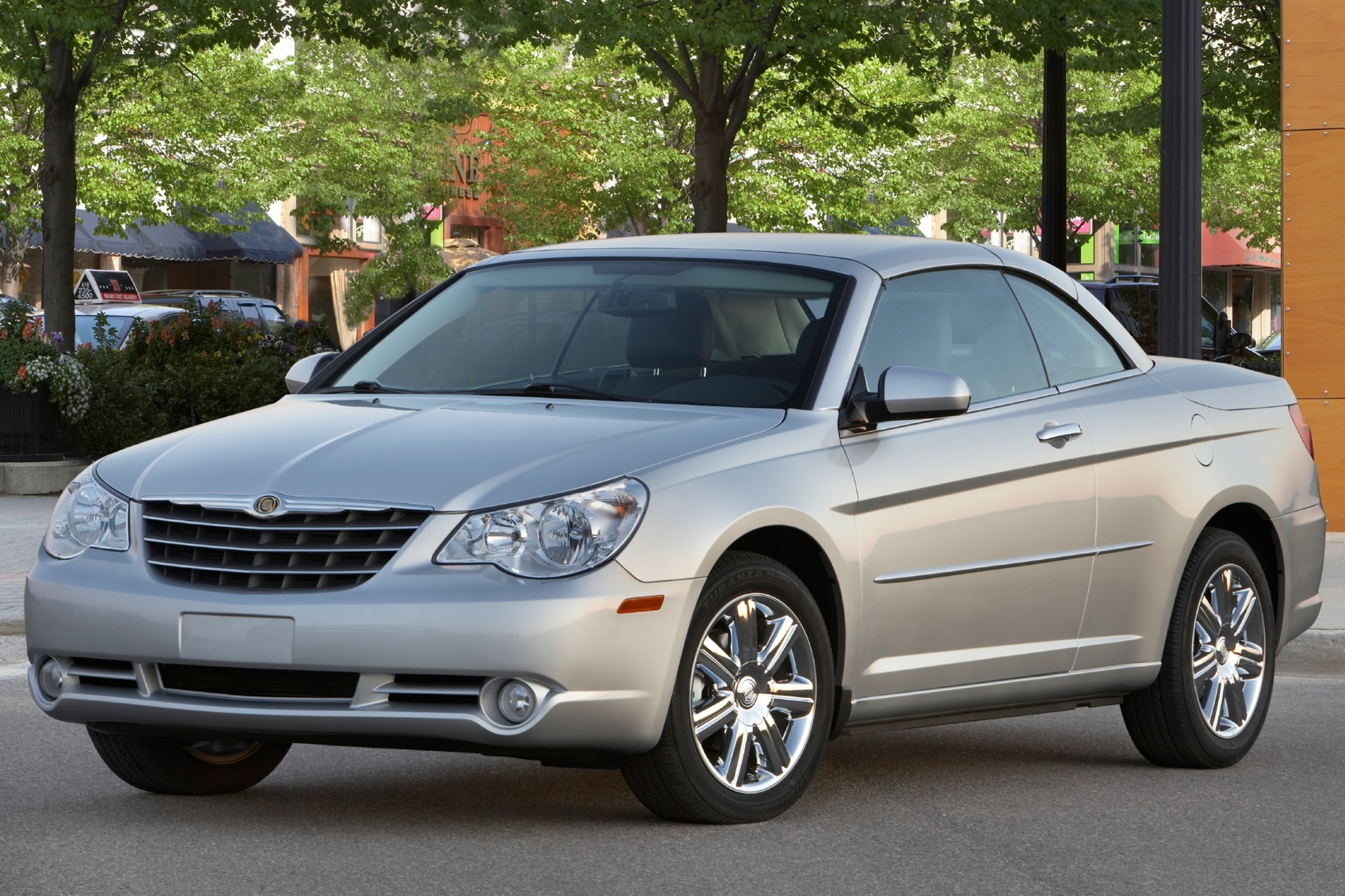
10. 2005-2010 Chrysler Sebring
Last on the list, and a clear example of cheap going wrong. The 2005-2010 Chrysler Sebring can suffer a blown head gasket and a motor rebuild can cost $2,500 to $4,000. Used values are only about $1,200 to $2,200. The source says a blown engine instantly scraps the vehicle.
A head gasket seals the engine’s cooling and combustion passages. When it fails, coolant and oil can mix, and the engine can overheat.
Watch for white exhaust smoke, a sweet smell, a rising temperature gauge, milky oil, and coolant that keeps disappearing. If you notice these, stop driving and get it checked.
For owners, the practical question is whether the repair makes sense. With values this low, many will choose to sell or scrap the car instead. Compare the repair quote against what you could get for the car and what a replacement would cost.
Buyers should treat a cheap Sebring as a short-term car. Get an inspection, check the cooling system, and keep an emergency fund.
Repair-versus-replace is a math problem. Check what your car is worth, get written quotes, and decide with a clear head. That habit can save thousands, whatever you drive.