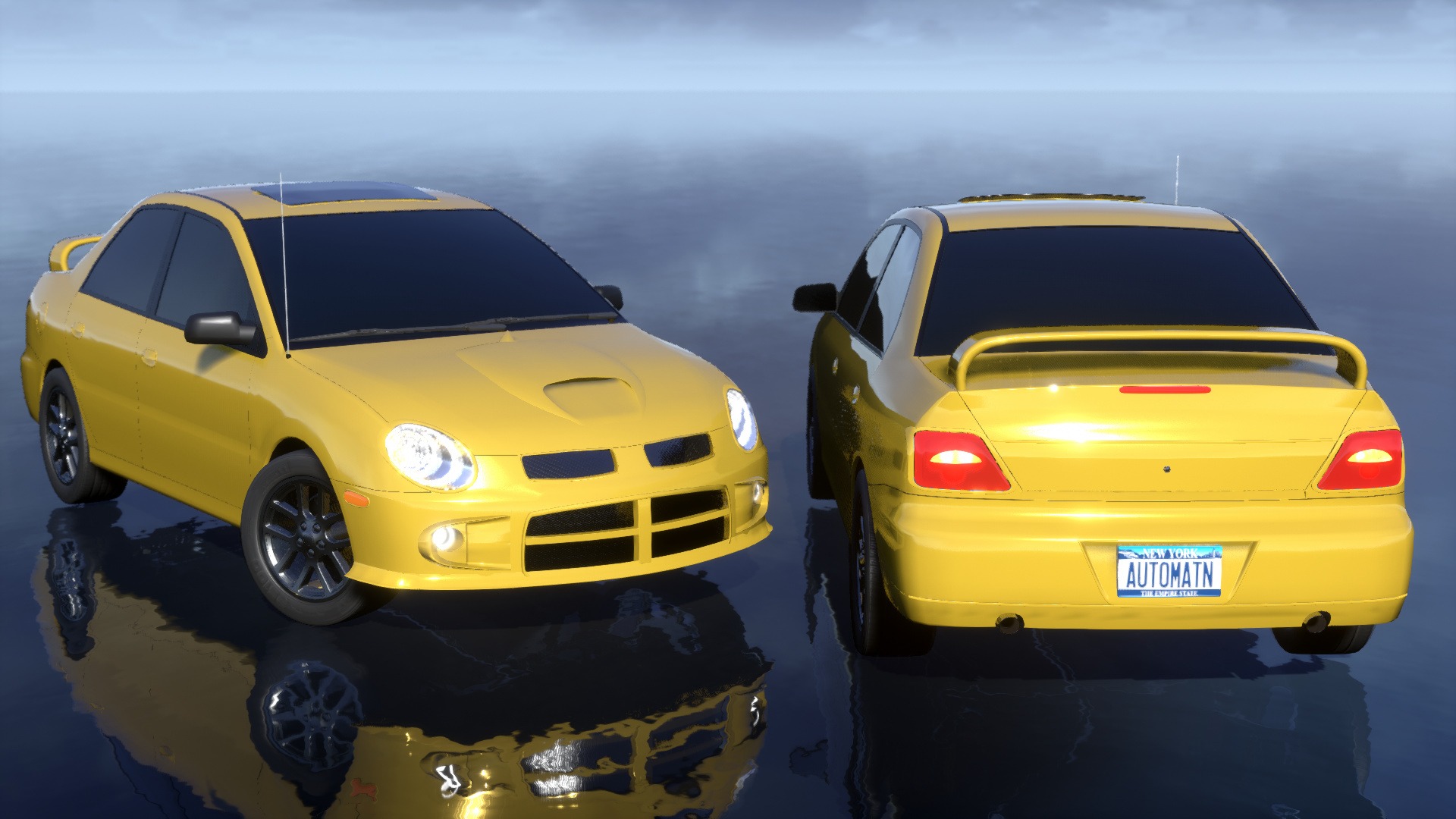
American roads have changed dramatically since the 1990s and early 2000s. SUVs and pickup trucks now dominate many streets, while countless family sedans and affordable compact cars that once filled shopping center parking lots have become increasingly difficult to spot. Some of these vehicles sold in huge numbers, served generations of commuters, and became familiar sights across the country.
Yet age, mechanical failures, rust, and the high cost of keeping older vehicles running have taken their toll. Historical vehicle registration data from S&P Global Mobility helps illustrate how America’s automotive population changes as older cars leave service. These seven former household names show just how quickly a once-common vehicle can disappear from everyday traffic.
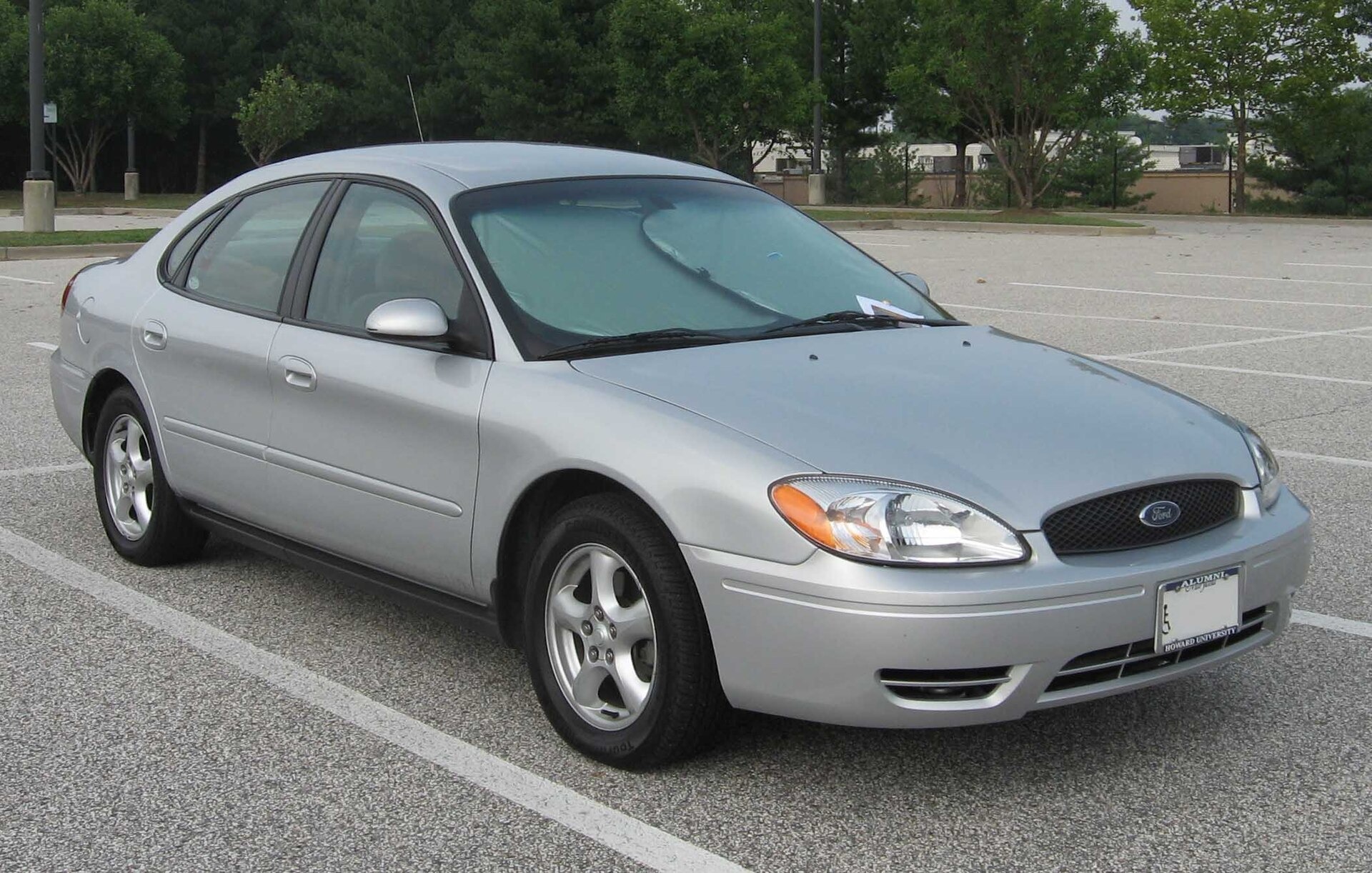
1. Ford Taurus (Third & Fourth Generation)
The Ford Taurus became a familiar sight throughout America during the 1990s, when it ranked among the country’s best-selling passenger cars.
The third-generation Taurus arrived for the 1996 model year with rounded bodywork that looked very different from the boxier sedans that came before it.
Its styling attracted attention, and the fourth generation continued that rounded appearance into the early 2000s. At its peak, annual Taurus sales exceeded 400,000 vehicles, making the sedan a major presence in American driveways, rental fleets, and company parking lots.
Its popularity made the Taurus easy to find for years, but that same widespread use contributed to its eventual disappearance. Rental companies placed large numbers of these cars into service, exposing them to heavy mileage and frequent use by different drivers.
Once retired from rental fleets, many entered the used market at low prices and continued serving as inexpensive daily transportation.
Age eventually caught up with them. Engine wear, transmission trouble, suspension repairs, and rust weakened the remaining population. In colder states, road salt accelerated corrosion, particularly on vehicles that lacked proper underbody care.
Today, a well-preserved 1996-2005 Taurus is much harder to encounter than its former popularity might suggest. Many examples were driven until major repairs became uneconomical, then sent to scrapyards rather than restored.
Collectors may appreciate certain unusual versions, but ordinary models rarely receive the same preservation attention as classic sports cars. The Taurus demonstrates how a vehicle can dominate sales charts yet become a rare sight within a few decades.
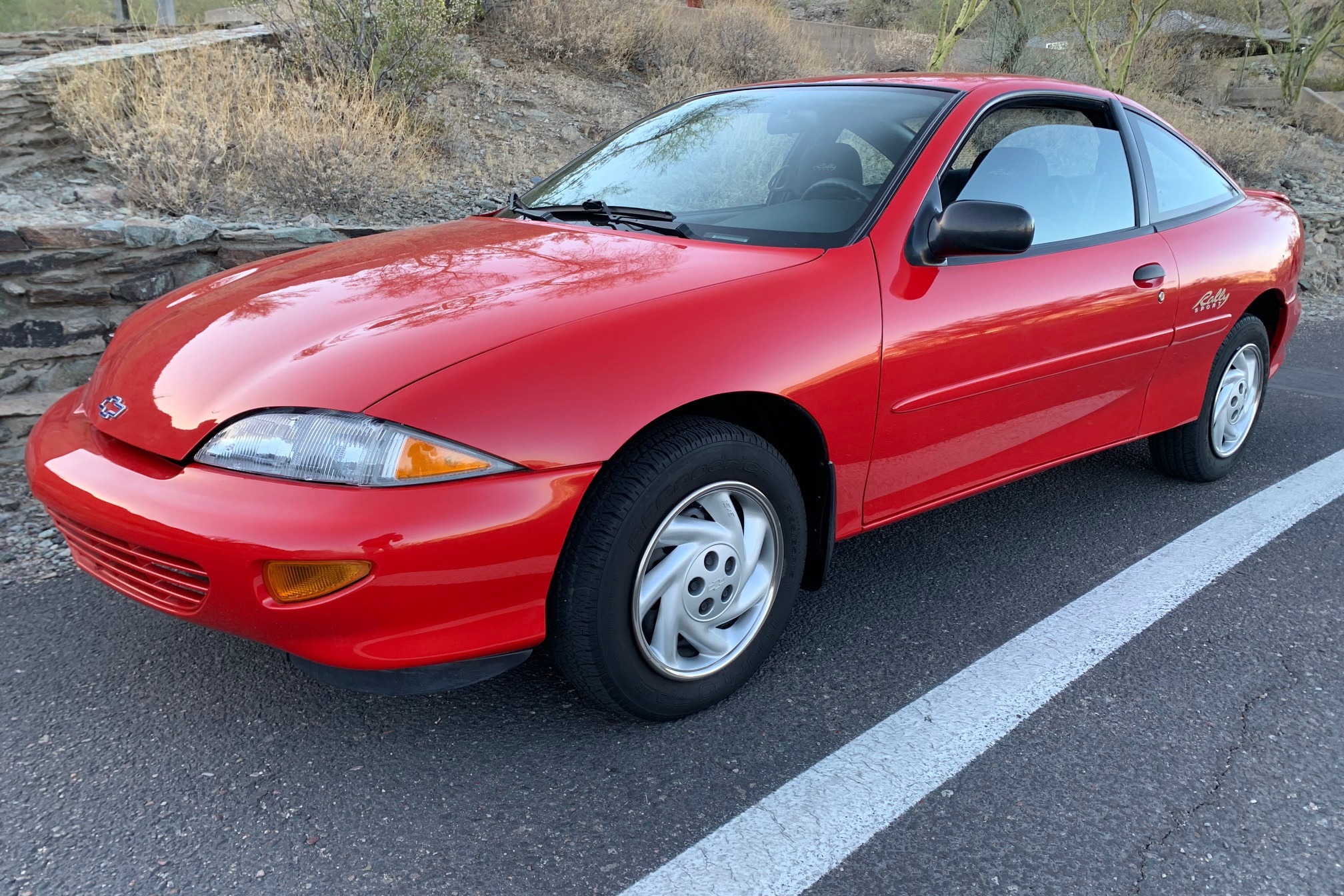
2. Chevrolet Cavalier
The Chevrolet Cavalier was once an everyday American car. Affordable, compact, and easy to park, it offered practical transportation to students, young workers, small families, and commuters who wanted to keep their vehicle expenses manageable.
Introduced for the 1982 model year, the Cavalier remained part of Chevrolet’s lineup until 2005 in the United States.
Across those years, it appeared in several body styles, including coupes, sedans, convertibles, and station wagons during its earlier production period. Its broad appeal helped put millions of examples on American roads.
Price played a major role in its success. Buyers could obtain a new Cavalier without paying the premium associated with larger family sedans. Insurance and fuel expenses could also be manageable, depending on the model and the owner’s circumstances.
For many households, it was simply a sensible way to get from one place to another. Unfortunately, affordability did not guarantee a long life.
Many Cavaliers received little attention beyond routine maintenance, particularly once their resale values dropped. Interior materials wore out, body panels suffered damage, and mechanical components accumulated years of use. Rust also affected vehicles exposed to harsh winters and road salt.
When a repair approached the value of the car, replacing it with another inexpensive used vehicle often made more financial sense than restoring the old one.
As a result, many Cavaliers left active service without receiving any special preservation effort. Finding a clean, original example today can be surprisingly difficult.
The model’s disappearance highlights what happened to many budget-friendly cars. Built to offer affordable transportation, they often accumulated high mileage before being retired once repair and maintenance costs outweighed their remaining value.
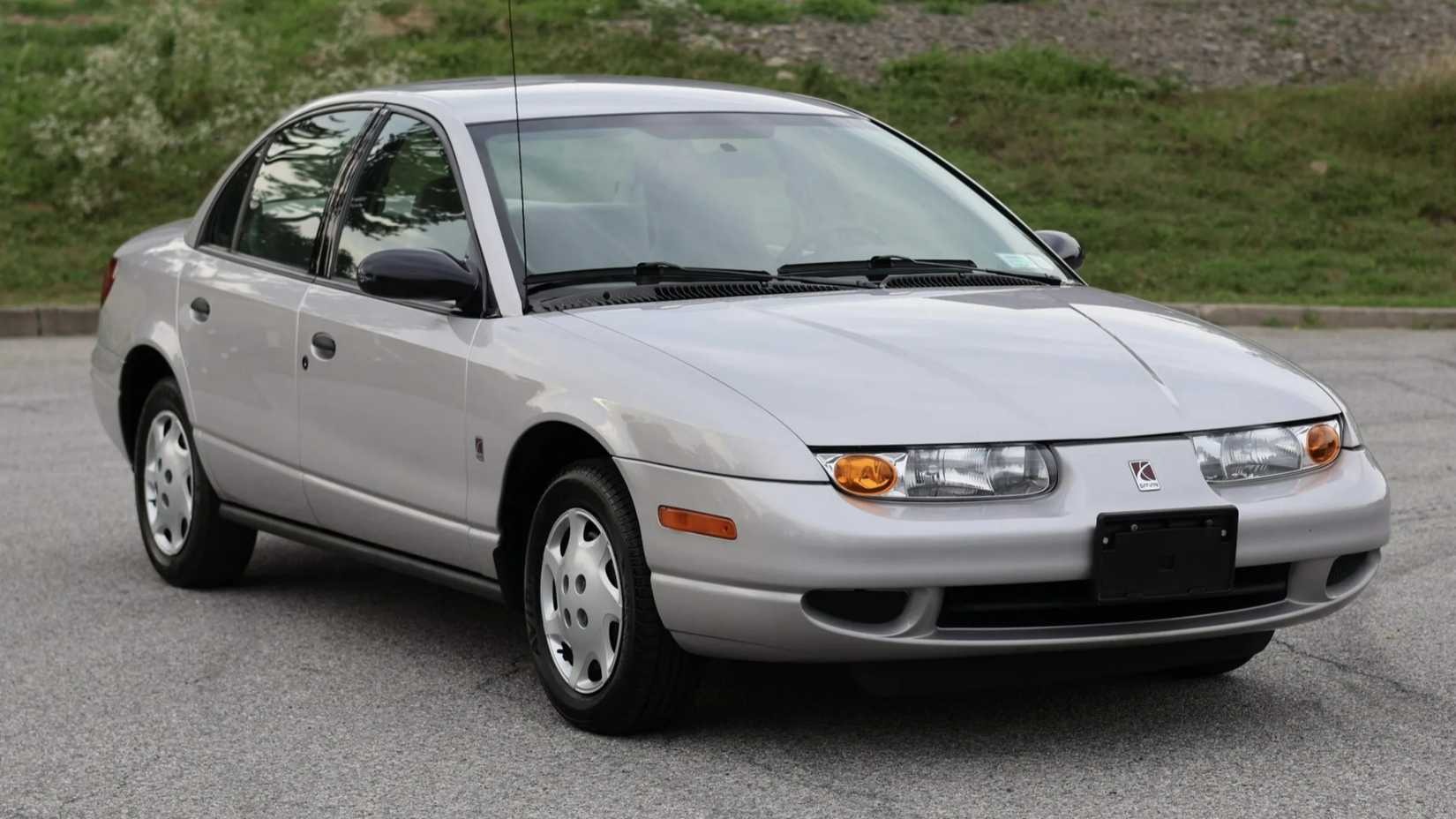
3. Saturn S-Series (SL / SC / SW)
Saturn was supposed to be a different kind of car company, and for a while, it was. When General Motors launched the brand in the early 1990s, it took the country by storm.
The Saturn S-Series came in three body styles, the SL sedan, SC coupe, and SW wagon. It gained attention for its dent-resistant polymer body panels and a no-haggle dealership approach that made buying a car simpler and more straightforward.
That plastic was a clever idea. A shopping cart couldn’t dent it, and it wouldn’t rust. But the supplied account notes that the underlying steel frames did rust, and mechanical parts became harder to source after GM dissolved the Saturn brand in 2010.
Think about what happens when a brand disappears. Dealers close, parts supply shrinks, and technicians lose training. Owners who love their cars may keep them going, but the average owner has little reason to fight through a parts search.
The brief says the once-massive enthusiast community dwindled and active registrations fell to almost zero. Take that last claim as a general description, since I couldn’t confirm exact numbers.
Today, a Saturn S-Series is a conversation starter. If you spot one, you’re looking at a survivor of both age and a brand’s end.
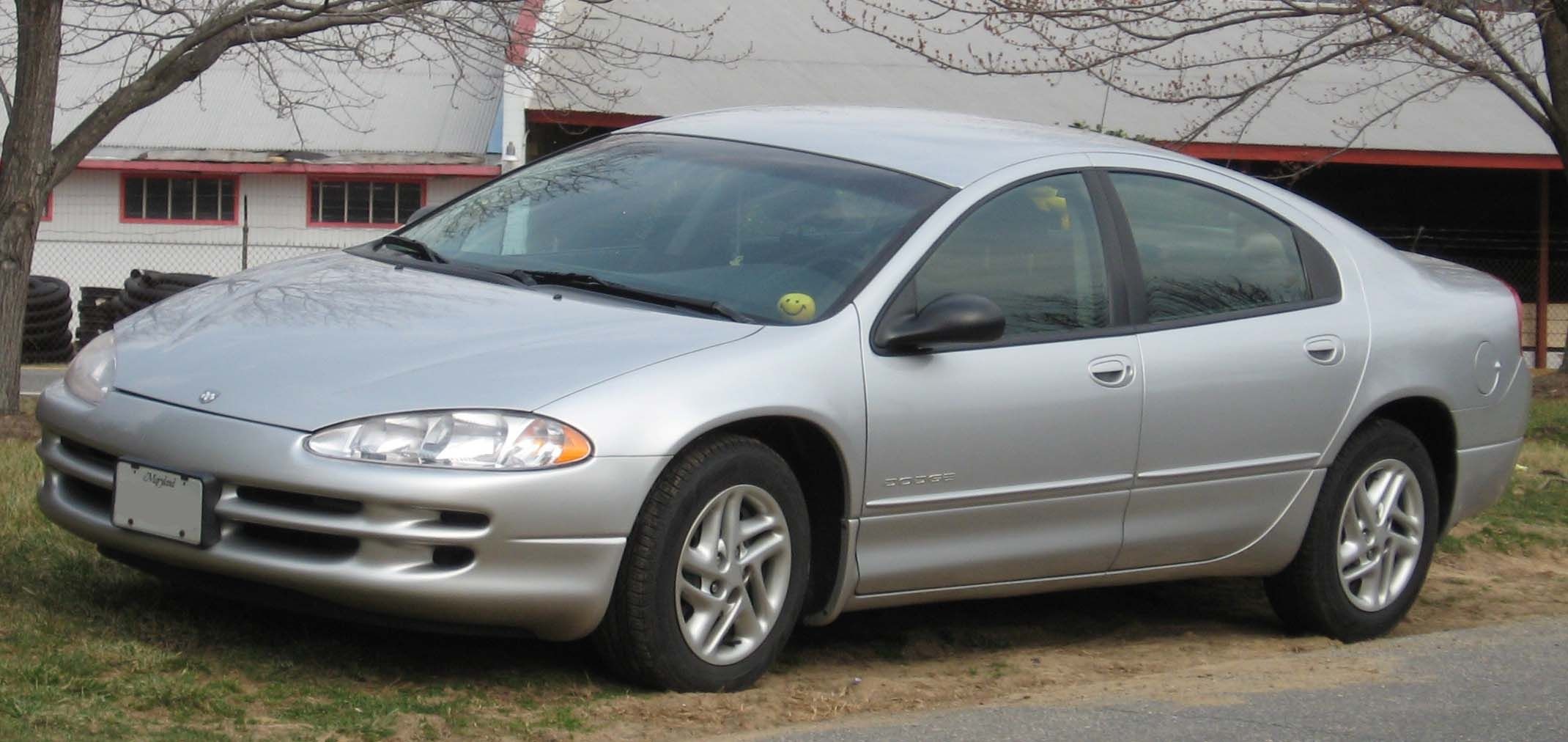
4. Chrysler LH-Platform Cars (Dodge Intrepid / Chrysler Concorde)
Chrysler’s LH-platform sedans brought a fresh appearance to American family cars during the 1990s. Models such as the Dodge Intrepid, Chrysler Concorde, Eagle Vision, and later Chrysler 300M adopted a forward-looking cab-forward design that placed emphasis on interior room and a long, flowing body shape.
The Intrepid became particularly recognisable because of its broad front end and spacious cabin. Families appreciated the generous passenger area, while the sedan’s styling helped it stand apart from more conventional competitors.
Chrysler’s approach gave these cars a distinctive identity during a period when many manufacturers were competing for buyers seeking comfortable, practical transportation.
Despite their appealing design, ageing LH-platform cars developed reputations for expensive mechanical problems. Certain engines experienced oil sludge issues, particularly when maintenance was neglected or oil changes were delayed.
Transmission failures also affected some examples, leaving owners with repair bills that could be difficult to justify on an older family sedan.
These problems did not affect every vehicle equally. Maintenance history, engine choice, driving conditions, and previous repairs all influenced reliability.
Still, a poor reputation can affect resale demand, making owners less willing to spend heavily on repairs when a car’s market value has fallen.
As the years passed, many Intrepids and Concordes became inexpensive used cars. Their low prices attracted buyers seeking temporary transportation, but limited resale value often discouraged major restoration work.
When engines or transmissions failed, scrapyards frequently became the destination. Today, surviving examples are far less common than they once were.
A clean, well-maintained model can still attract attention from enthusiasts interested in 1990s American design, but finding one in good condition takes patience.
The LH sedans show how bold styling and generous interior space cannot compensate for expensive mechanical weaknesses when repair costs begin to exceed a car’s practical value.
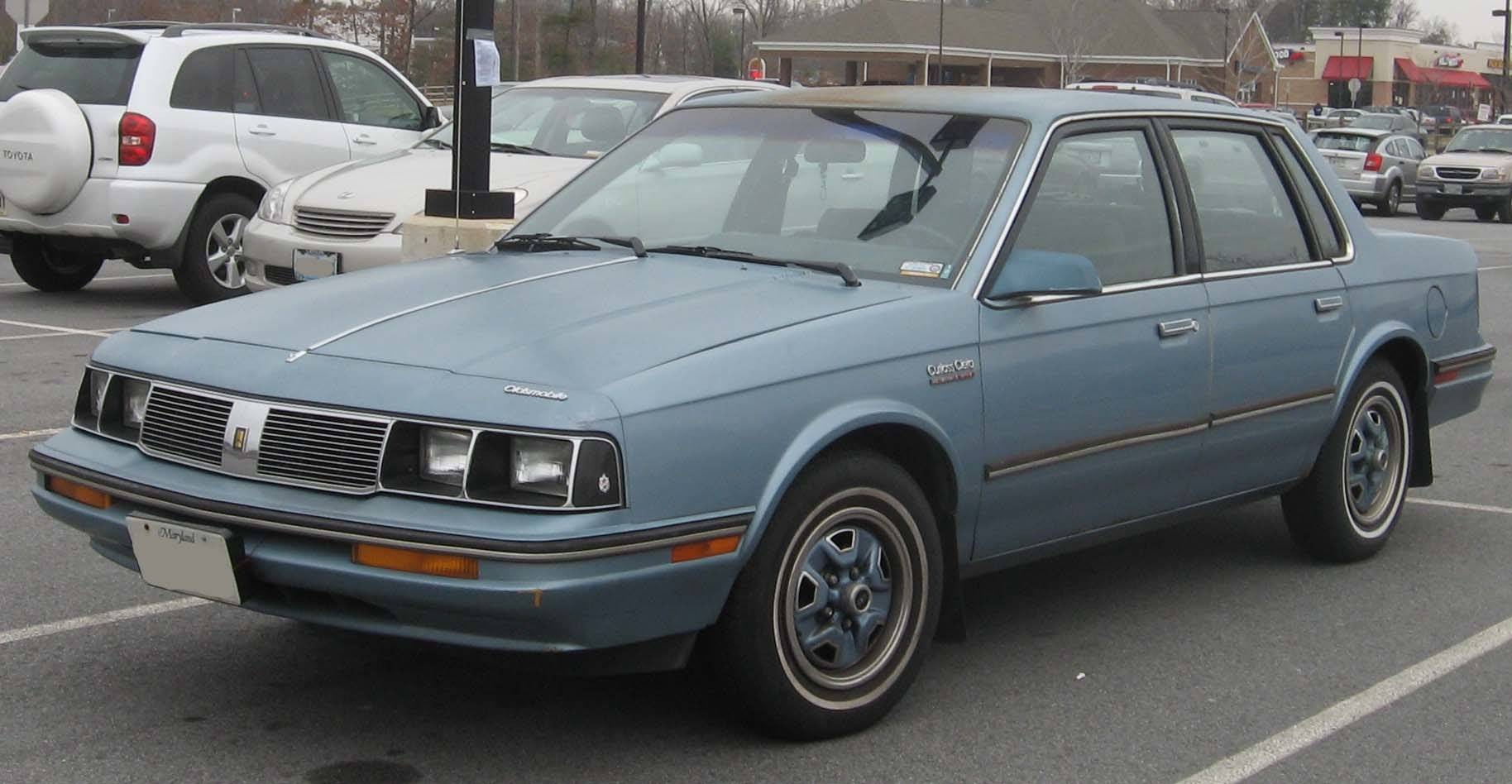
5. Oldsmobile Cutlass Ciera
Some cars don’t try to impress anyone. The Oldsmobile Cutlass Ciera was unflashy and relentless, a sales juggernaut for General Motors in the 1980s and early 1990s, regularly ranking among the top-selling vehicles in the United States.
If you grew up then, someone in your family or neighborhood probably owned one. Why did it vanish? Two reasons stand out in the supplied account.
First, GM phased out the entire Oldsmobile brand in 2004, with the last Oldsmobile built that April. Parts availability changed, and the remaining inventory aged out.
Second, owners treated them as utilitarian commuter tools, so few bothered to preserve them. That second point is worth thinking about. A popular car because it’s ordinary rarely gets saved.
Collectors prefer cars with personality, performance, or rarity, and a plain sedan has none of those. By the time people realize a familiar car is disappearing, most of them are gone.
Today, a Cutlass Ciera on the road is mostly a surprise. Writers who cover everyday classics say seeing one feels like spotting a rare animal, though that’s a matter of opinion, not data.
If you find one, appreciate it. It’s a rolling piece of ordinary American history.
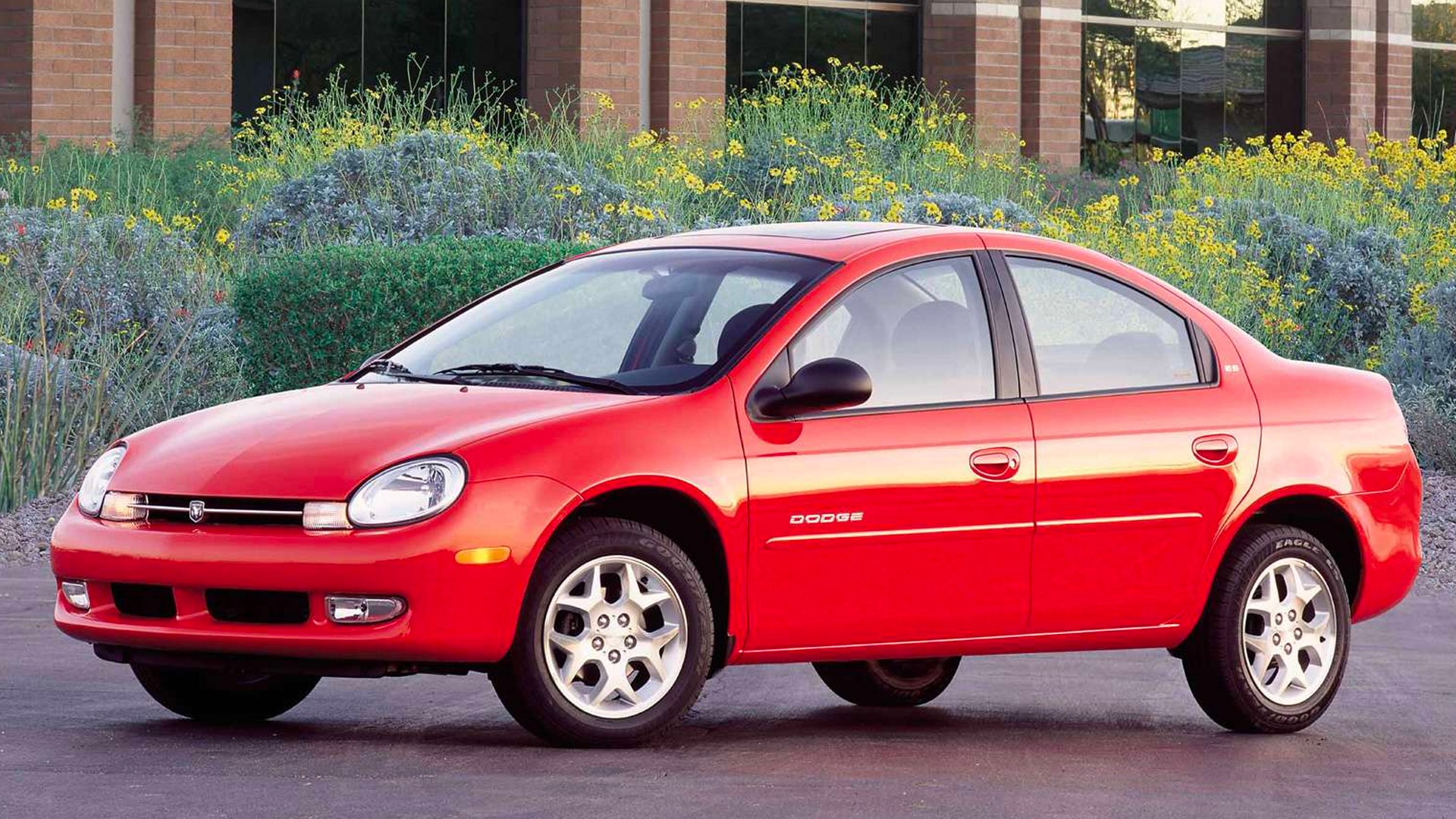
6. Dodge Neon
The Dodge Neon arrived in 1994 with an energetic advertising campaign built around the greeting “Hi.” Its cheerful introduction matched the car’s youthful character, affordable price, and compact dimensions.
At a time when many buyers wanted inexpensive transportation, the Neon offered an appealing alternative to larger and more expensive sedans.
Sold under both Dodge and Plymouth branding during its early years, the Neon came with small four-cylinder engines and a chassis that earned praise for responsive handling.
Certain performance-oriented versions also attracted drivers who wanted a modestly priced car with more entertaining road manners.
The Neon was especially popular among younger buyers and households purchasing a first vehicle. Its low initial cost made it accessible, while its practical cabin and manageable size suited urban and suburban driving.
For many owners, it was an introduction to car ownership without the expense of a larger vehicle. Age and mechanical trouble gradually reduced its numbers.
Head gasket failures were a concern on some early examples, while worn suspension parts, cooling-system problems, and other age-related faults could create repair expenses that exceeded the car’s value.
Because used Neons often sold cheaply, owners sometimes chose replacement rather than major engine work. Vehicles that had already accumulated extensive mileage were particularly vulnerable to this decision.
A car worth only a small amount on the used market offered little financial incentive for an expensive repair.
The end of Plymouth as a brand in 2001 and the eventual discontinuation of the Neon name in the United States also closed an important chapter in its history.
The model returned as a different-generation vehicle in some markets, but its original American population continued to decline. Today, surviving first-generation Neons, particularly well-preserved performance versions, are harder to find in ordinary traffic.
Their disappearance reflects the fate of inexpensive cars that provided years of service without attracting the same preservation interest as expensive sports cars.
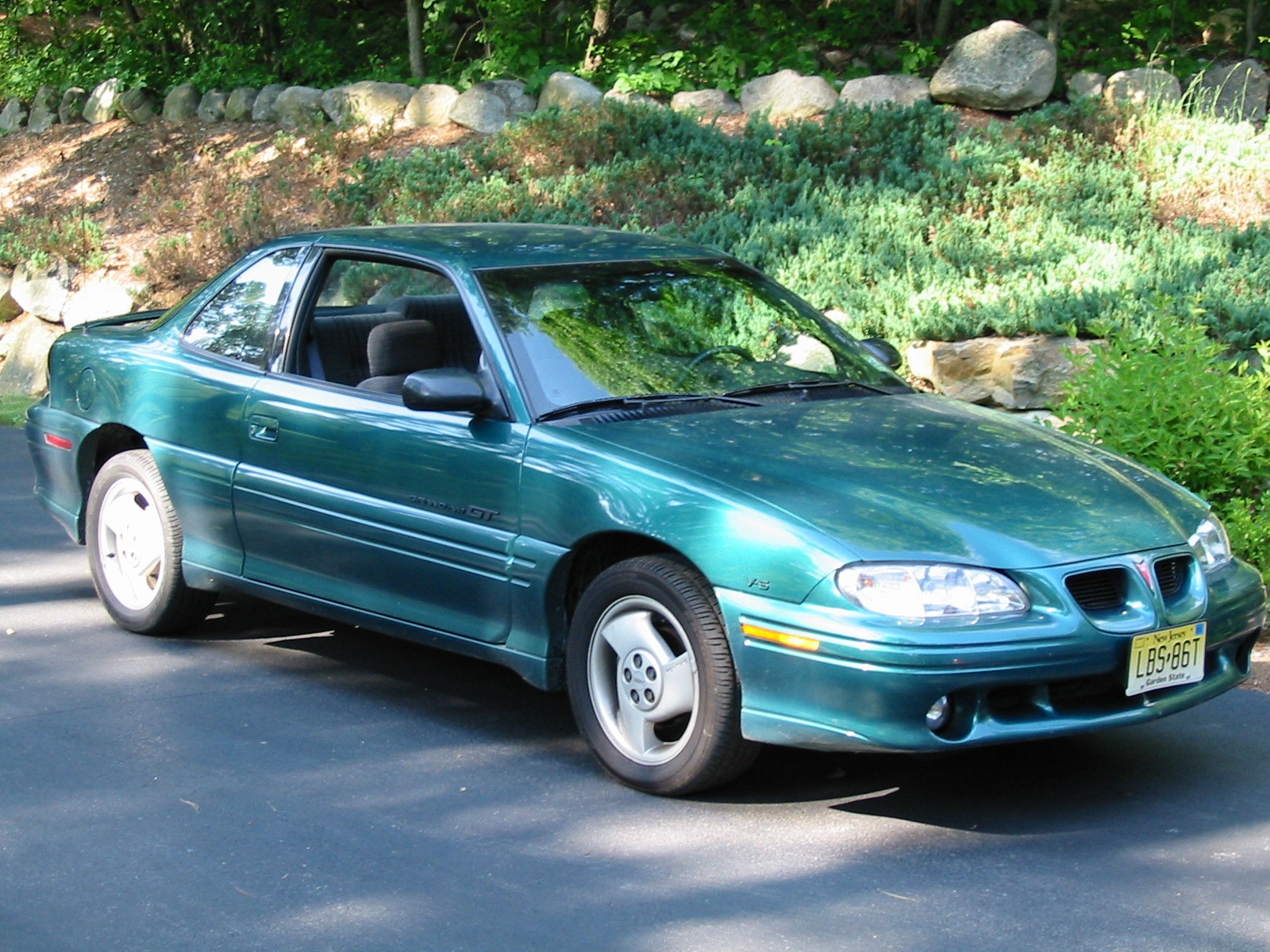
7. Pontiac Grand Am (Fifth Generation)
We finish with a car that was once everywhere. In the late 1990s and early 2000s, the fifth-generation Pontiac Grand Am, with its ribbed, plastic-clad look, was an incredibly common sight and Pontiac’s best-selling model.
It was the type of car you’d see in a grocery store lot, a school pickup line, and a dealer’s used-car row. What changed? The supplied account says the elimination of the Pontiac brand in 2010 caused support systems to fade.
Combine that with typical subprime financing cycles and harsh road wear, and these high-volume cars were systematically routed to scrap yards during the following decade.
Let’s step back and look at the seven. The pattern is clear. Budget cars, fleet cars, and cars from discontinued brands tend to disappear fastest. Add mechanical weak points, and the decline speeds up.
Meanwhile, American drivers have moved toward SUVs and trucks, and S&P Global Mobility reports that more passenger cars have left the fleet than have joined it since 2020.
The key takeaway for buyers is that popularity does not guarantee long-term durability. To find a car that stands the test of time, prioritize a well-documented maintenance history and choose a brand that offers reliable access to replacement parts, servicing, and ongoing support.
And if you spot one of these seven on the road, give it a wave.