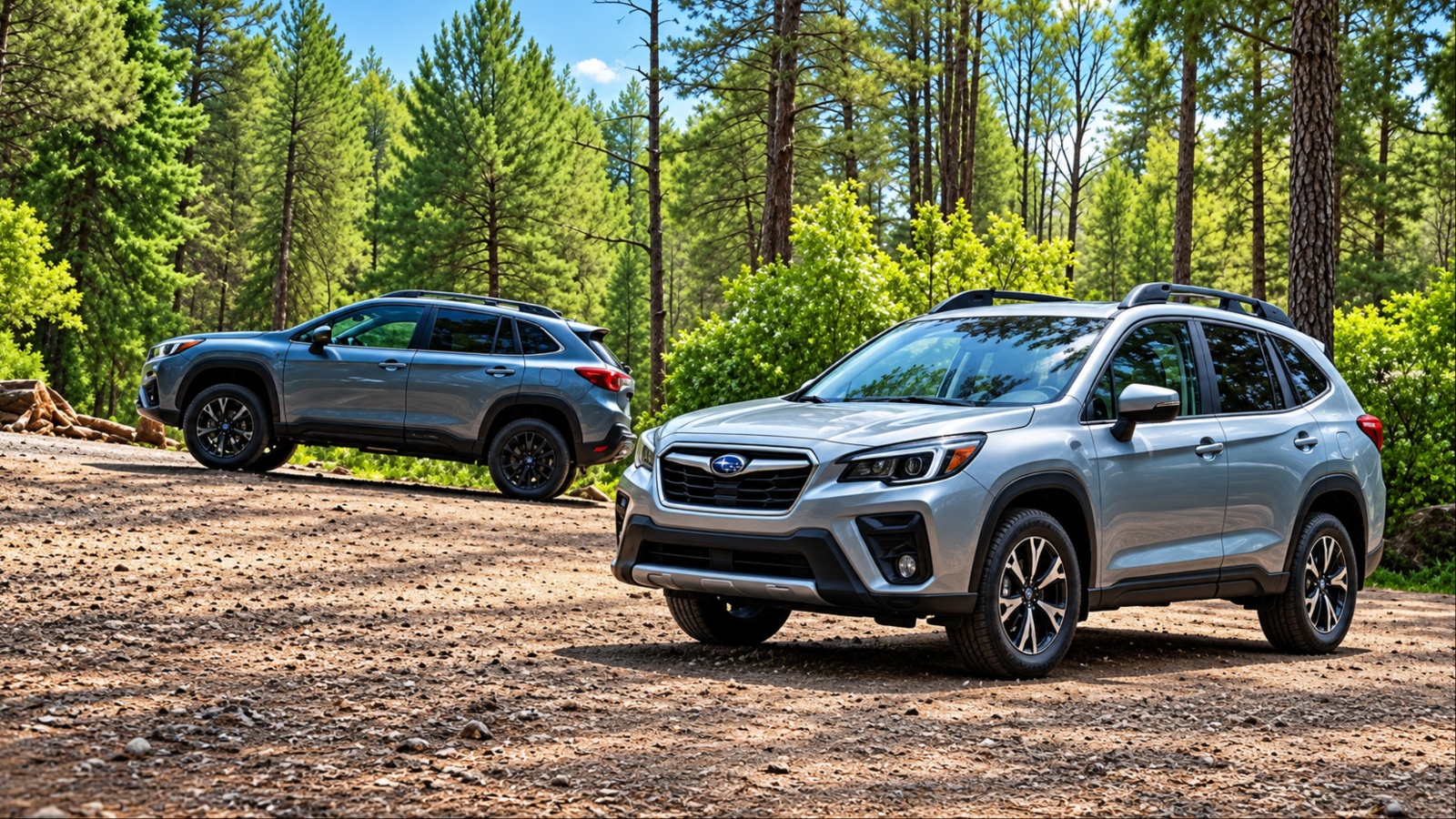
Ground clearance sounds like a spec for rock crawlers, but it matters to everyday drivers too. It’s the space between the lowest part of your vehicle’s underside and the road, and it decides whether you clear a steep driveway, a snowy street, or a rough gravel lane. The Subaru Outback, a popular benchmark, has a factory ground clearance of 8.7 inches.
This guide highlights eight SUVs with relatively low ground clearance, ranging from 5.9 inches on the Toyota C-HR to as much as 7.3 inches on the Ford Escape. You’ll discover how each model compares, how its ground clearance affects everyday driving, and what to expect on different road surfaces. A lower ride height is not necessarily a disadvantage, but it can influence where and how comfortably you drive.
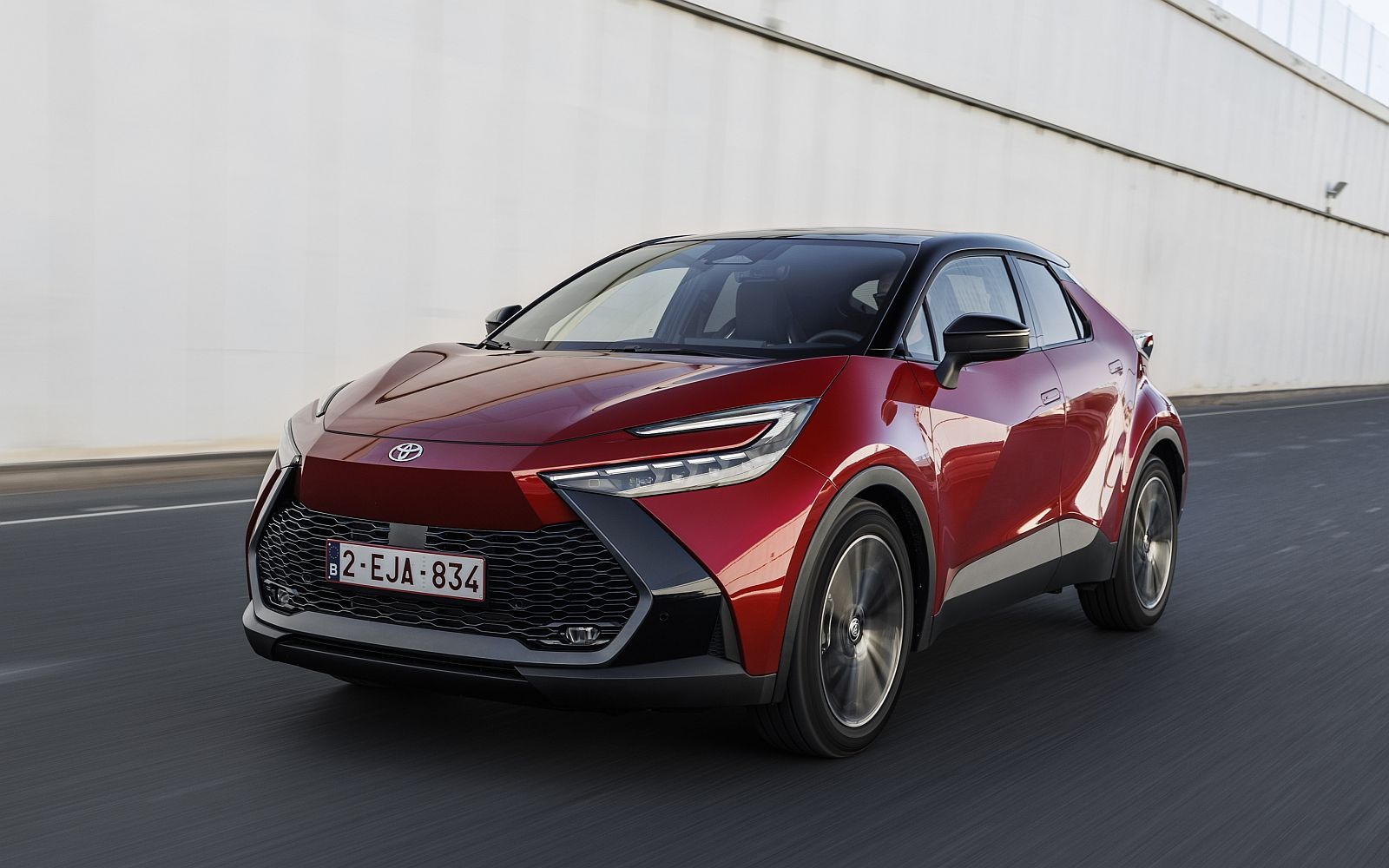
1. Toyota C-HR
Ground clearance: 5.9 inches
The Toyota C-HR takes the lowest position on this list, with just 5.9 inches of ground clearance. Compare that with the Subaru Outback’s 8.7 inches, and the difference becomes easy to appreciate: the Outback has 2.8 additional inches of space beneath its body.
That gap matters when a road has deep potholes, raised obstacles, or steep driveway entrances. A C-HR can handle ordinary paved streets comfortably, but drivers should be more careful when the pavement ends or the road surface becomes badly damaged.
Its lower ride height also suits the vehicle’s urban character. Getting in and out can feel less like climbing into a tall SUV, which may appeal to drivers who prefer a carlike seating position.
Parking garages and everyday errands are familiar territory for this compact crossover. Still, ground clearance is only one part of the driving experience.
Tire size, suspension design, wheelbase, and the location of vulnerable components also influence how a vehicle handles rough roads.
Two vehicles with identical measurements may not perform equally when faced with the same obstacle.
If the C-HR is on your shopping list, consider the roads you use most often. For city commuting, shopping trips, and paved highway travel, its clearance may be perfectly adequate.
For frequent trips along rocky access roads or deeply rutted paths, the Outback offers more room underneath and a greater margin for avoiding contact with obstacles.
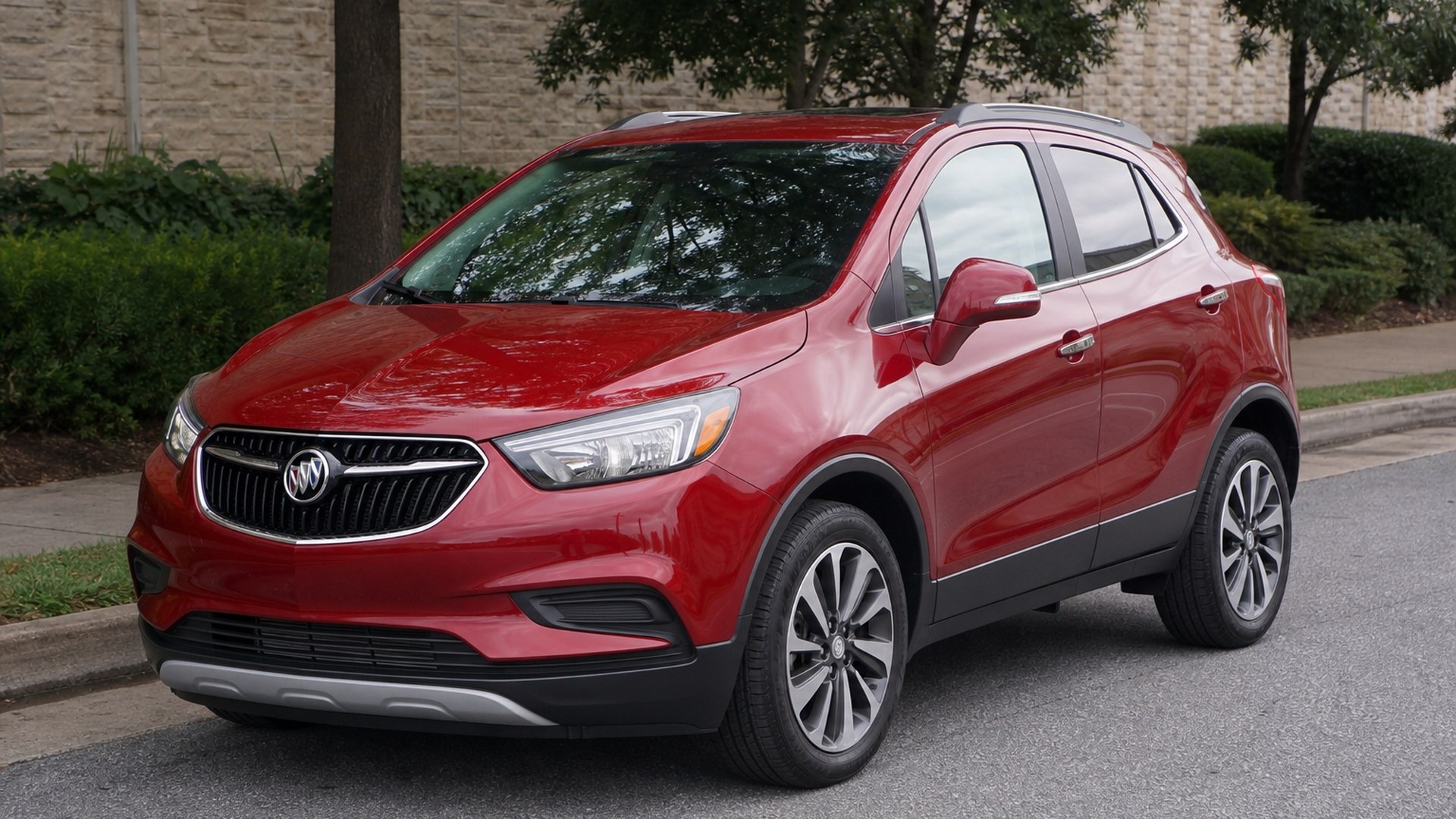
2. Buick Encore
Ground clearance: 6.22 inches on listed AWD trims
Small on the outside and easy to maneuver, the Buick Encore appeals to drivers who want SUV styling without the size of a full-size vehicle. Its listed ground clearance of 6.22 inches for all-wheel-drive trims, however, puts it well below the Subaru Outback.
The numerical difference is 2.48 inches. That may sound modest when viewed on paper, yet it can matter when crossing a broken section of pavement or approaching a steep transition between a driveway and the street.
Picture a daily commute involving smooth suburban roads, parking lots, and highway ramps. The Encore’s lower stance is unlikely to cause much concern under those conditions.
Now picture a narrow access road with exposed rocks and deep tire tracks. The available space beneath the vehicle becomes much more important.
Don’t confuse all-wheel drive with extra ground clearance. It can help distribute power to the wheels when traction is limited, but it does not automatically raise the vehicle’s body or protect its underside from obstacles.
Drivers still need to consider the actual clearance figure for their specific trim. There is another detail worth checking before buying: specifications can differ by model year, drivetrain, and equipment.
The 6.22-inch figure applies to the listed AWD versions, so it should not automatically be assigned to every Encore.
For buyers who mainly travel on paved roads, the Encore may provide the compact dimensions they want. Those who regularly encounter rough tracks should compare its measurements with vehicles like the Outback before deciding.
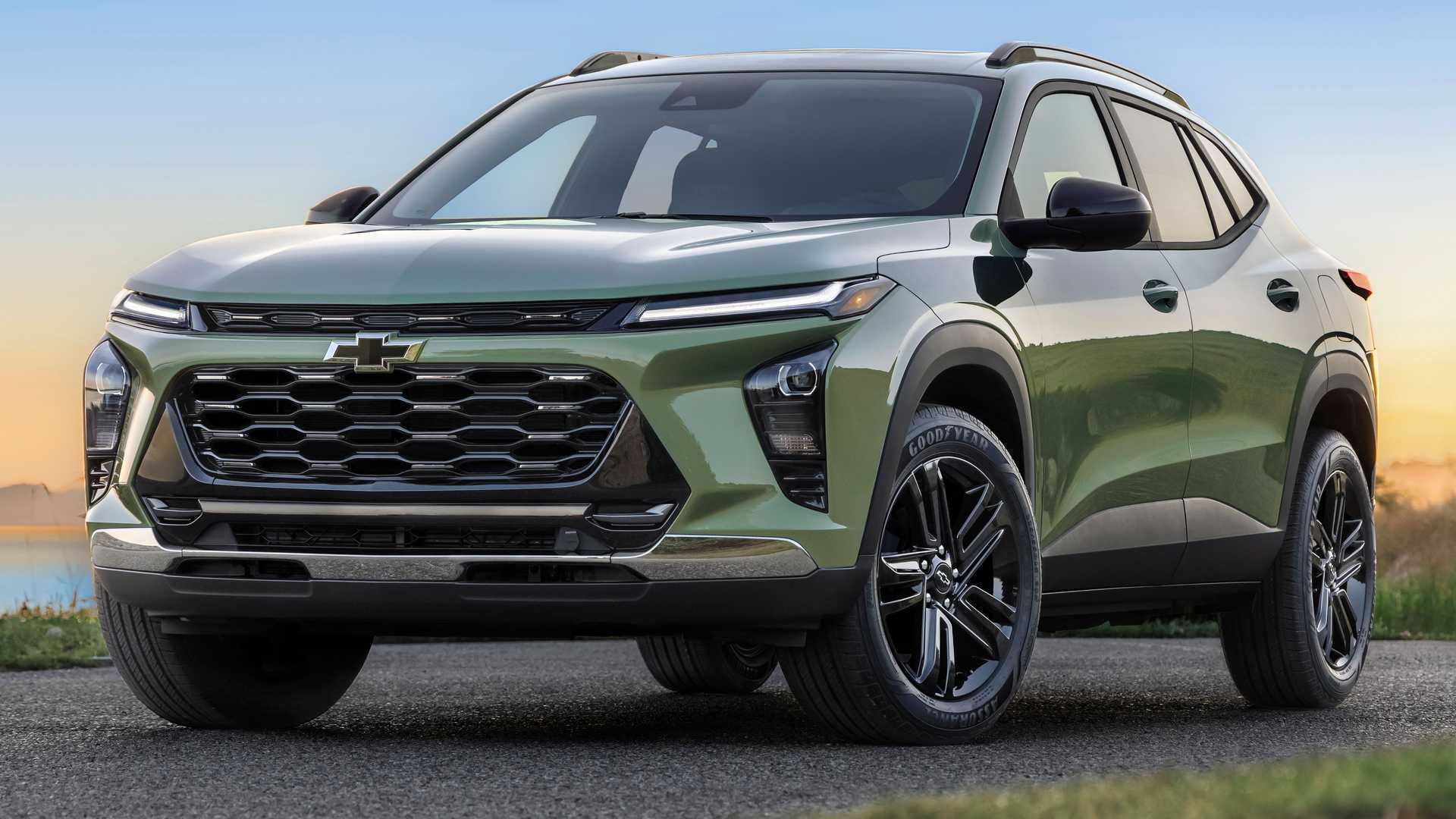
3. Chevrolet Trax
Ground clearance: 6.2 inches
Numbers can be funny. The Chevrolet Trax is listed at 6.2 inches, which is a hair under the Buick Encore’s 6.22. That’s a difference of 0.02 inches, thinner than a sheet of cardboard, so for practical purposes the two sit at the same height. It’s also 2.5 inches below the Outback.
The supplied note describes the Trax as designed for city driving rather than off-road. That makes sense for a small, affordable SUV with a short wheelbase and easy parking.
City driving means speed bumps, curbs, and parking garages, so you want to avoid scraping the front bumper or the lower trim.
Here’s something to know about specs. Ground clearance can change when a model is redesigned, and it can differ by trim, wheel size, and suspension.
The supplied list gives one figure for the Trax without a model year, so check the exact spec sheet for the year you’re considering.
How can you protect a lower vehicle? Approach speed bumps slowly and at an angle if possible. Park with the front wheels against the curb stop, not over it.
Watch out for steep garage ramps, and consider whether your driveway needs a different entry angle. A low SUV can be a great city companion when you know its limits.
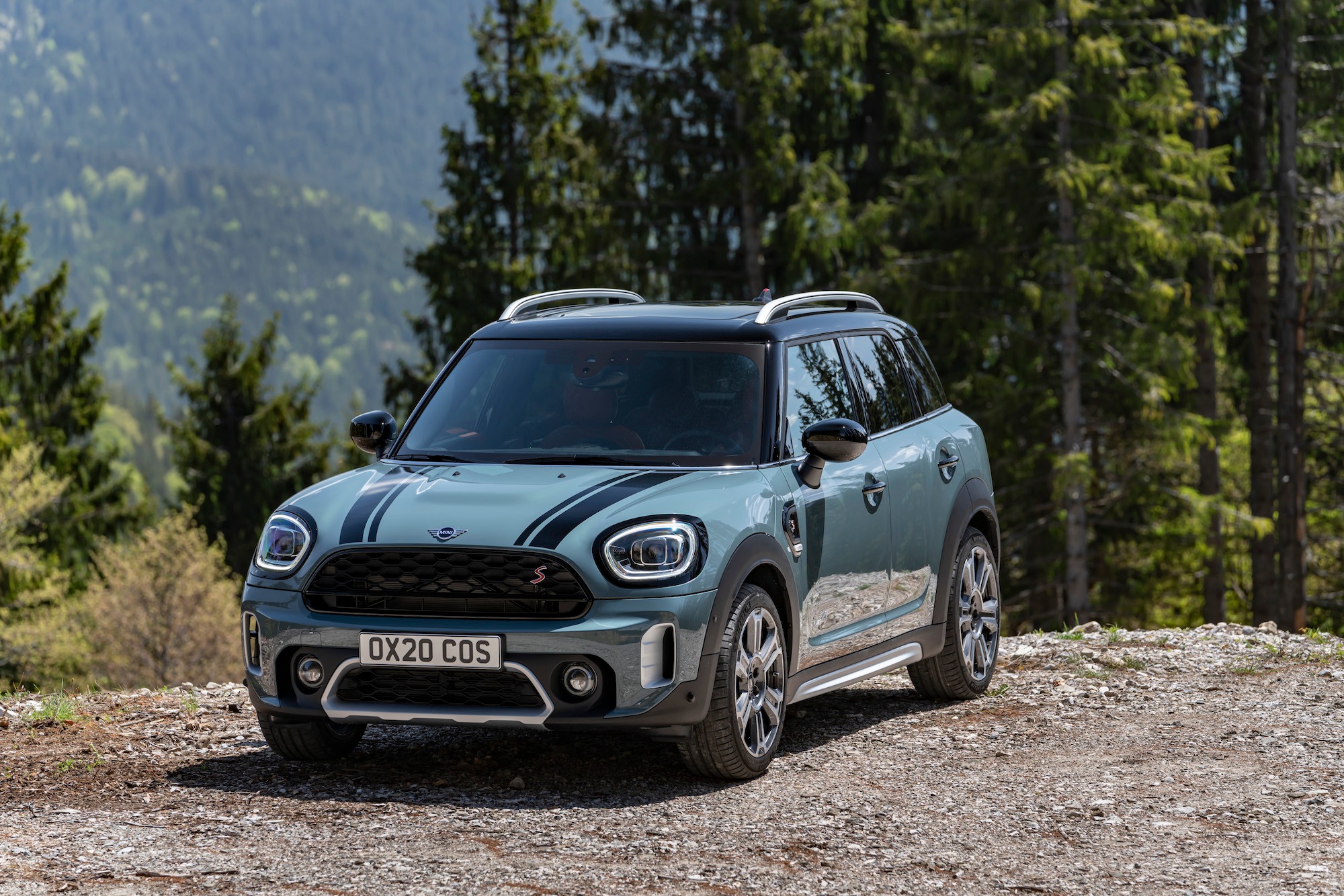
4. Mini Cooper Countryman
Ground clearance: 6.5 inches
Don’t let the boxy, adventurous styling fool you. The Mini Cooper Countryman has a factory ground clearance of 6.5 inches, which is 2.2 inches below the Outback. The supplied note says it’s capable only of light gravel-road driving.
That’s a useful reality check. Many small SUVs borrow styling cues from rugged vehicles, like boxy shapes, roof rails, and protective cladding.
But the look and the capability don’t always match. The Countryman is a stylish, fun-to-drive crossover, and its clearance is modest.
What does light gravel mean? A smooth, well-maintained gravel road is usually fine. A deeply rutted trail, a washed-out lane, or a rocky path is a different story.
Rocks can hit the underbody, and ruts can leave the vehicle high-centered, which means the frame or underside rests on the ground, and the wheels lose grip.
If you’re planning weekend trips, scout the road first. Check reviews or ask locals about conditions, and drive slowly. Consider carrying a small shovel and a tow strap in case you get stuck.
Also look at your tires. All-season tires work for many roads, but a more rugged tire can help with traction on loose surfaces. Enjoy the Countryman for what it does best: stylish everyday driving.
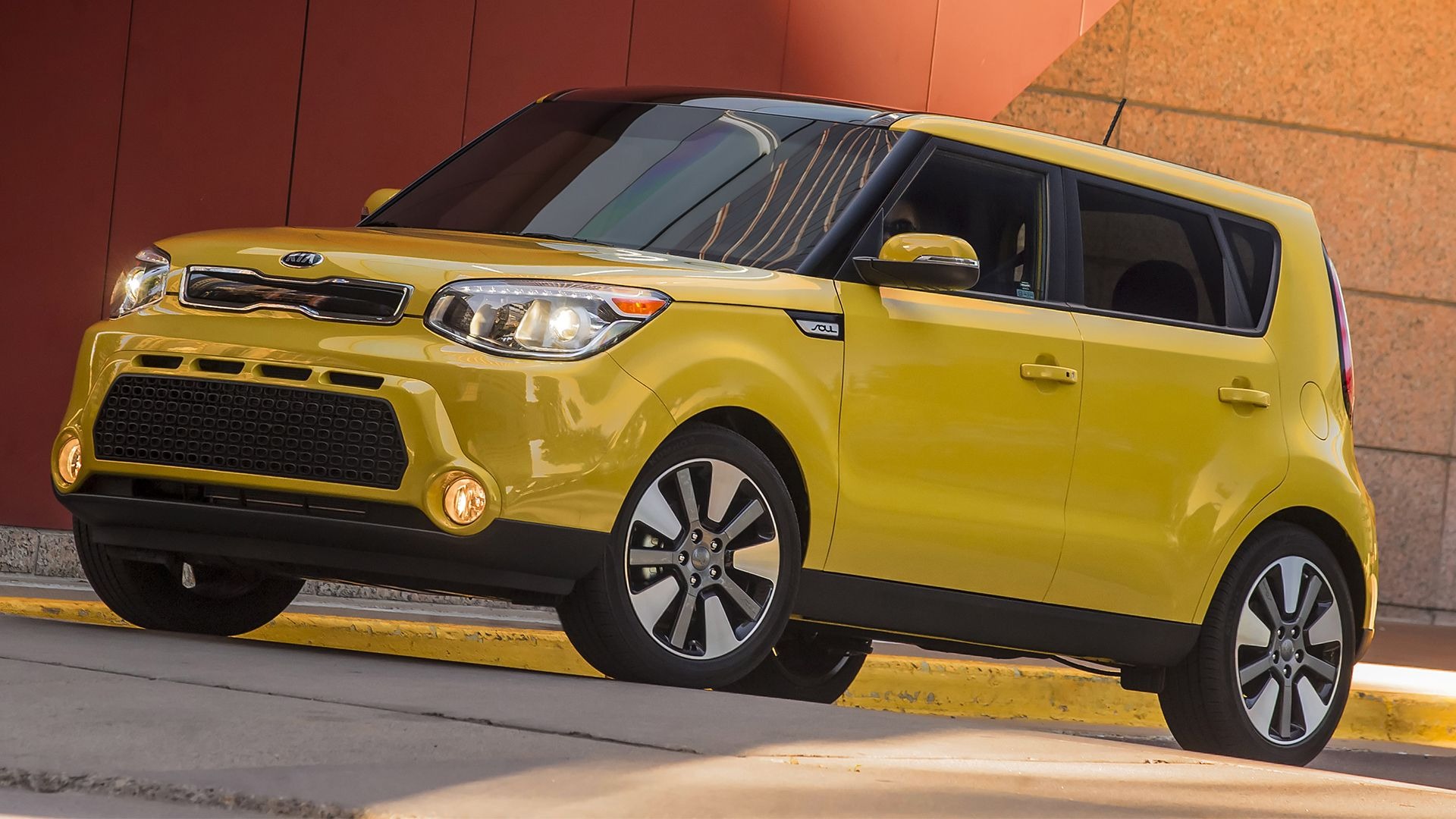
5. Kia Soul
Ground clearance: 6.7 inches on the 2023 model
The Kia Soul’s boxy shape gives it a practical cabin and a distinctive appearance, but its exterior design does not translate into high ground clearance. The 2023 model is listed at 6.7 inches, leaving it exactly 2 inches below the Subaru Outback.
For everyday use, that may be a reasonable trade-off. The Soul is suited to city streets, commuting, errands, and highway travel. Its shape provides a useful combination of passenger space and manageable exterior dimensions without requiring the taller body associated with more rugged vehicles.
Where should owners be more careful? Think of uneven gravel, damaged rural roads, or steep transitions where the road surface changes abruptly.
The Soul may manage mild imperfections, but larger obstacles can bring the underside uncomfortably close to the ground.
A useful habit is to slow down before crossing unfamiliar dips or raised surfaces. Approaching an obstacle carefully can reduce the chance of scraping, although driving technique cannot make up for insufficient clearance when an obstacle is too tall.
It is also worth remembering that a vehicle’s lowest point may not sit directly beneath the center of its body. Components such as exhaust sections and protective panels can determine where contact occurs.
A published clearance figure does not mean every part underneath has that much space in every situation. For shoppers who spend most of their time on paved streets, the Soul’s measurement may be adequate.
If the intended use includes frequent trips on rough roads, compare its 6.7 inches with the Outback’s 8.7 inches and consider whether that extra space would offer greater peace of mind.
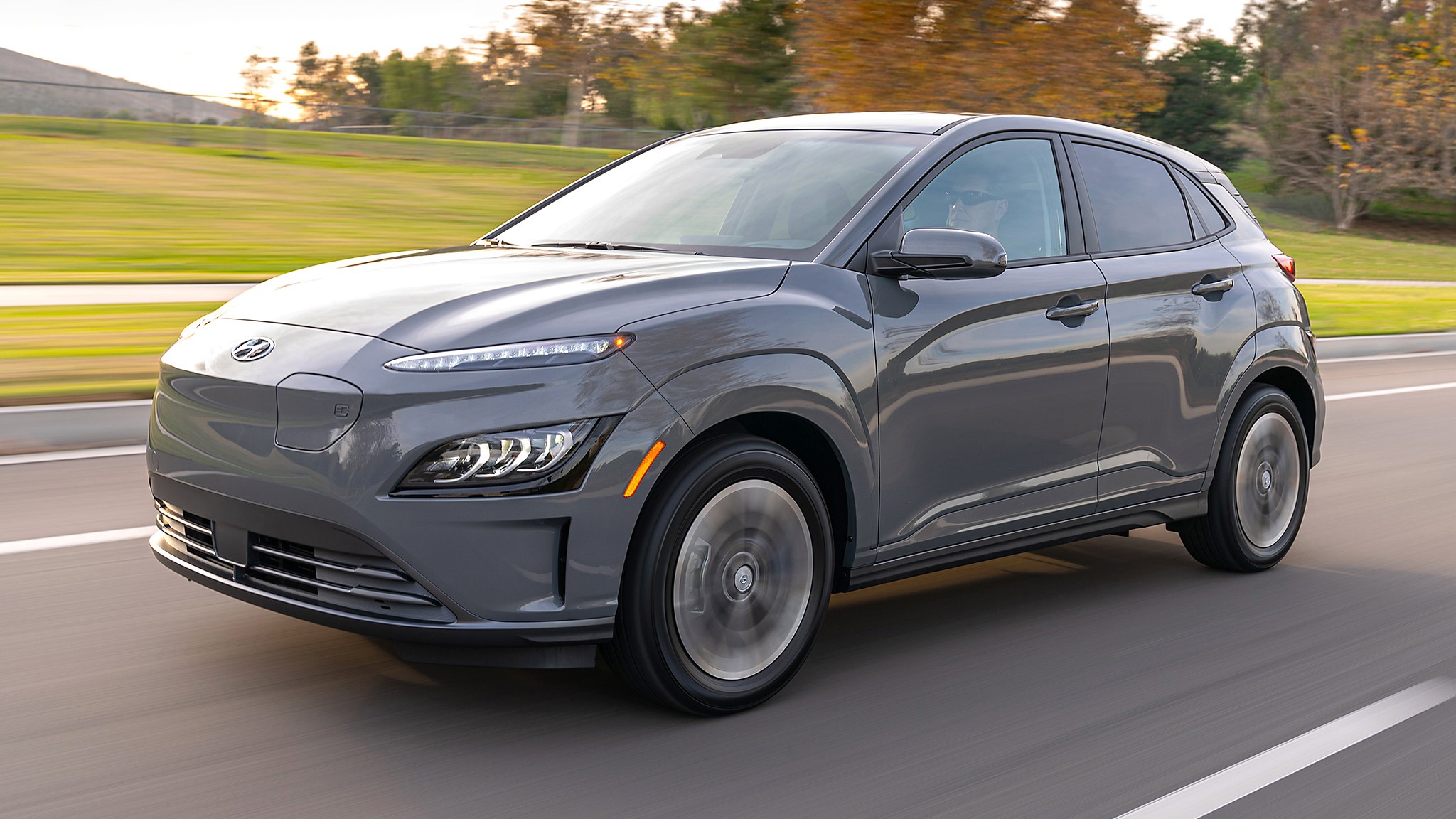
6. Hyundai Kona
Ground clearance: 6.7 inches on the 2023 model
Two inches can make a real difference when a vehicle encounters a deep rut or a raised obstacle. The 2023 Hyundai Kona has 6.7 inches of listed ground clearance, while the Subaru Outback provides 8.7 inches from the factory.
The Kona is a compact crossover intended primarily for regular road use. Its clearance can accommodate many ordinary driving conditions, including city streets, highways, and maintained roads with minor imperfections.
Mild gravel routes may also be manageable when the surface is relatively even. Severe off-road conditions are another matter.
Deep holes, large rocks, and pronounced ridges can expose the limitations of a lower vehicle. Even when the tires maintain traction, a low point beneath the body may contact an obstacle before the wheels can pass over it.
Drivers sometimes assume that a small SUV will automatically be more capable than a passenger car on rough ground. That assumption can be misleading.
Ground clearance, tire construction, suspension travel, drivetrain, and underbody protection all contribute to how well a vehicle handles difficult surfaces.
The Kona’s specifications should also be checked against the particular model year and version. Measurements may differ between generations and configurations, so the 2023 figure should not be treated as universal for every Kona.
If your routine involves paved commuting and occasional trips to maintained parks or campsites, the Kona may be a suitable choice. For frequent travel on rocky access roads, the Outback’s extra clearance provides more space between the vehicle and the obstacles below it.
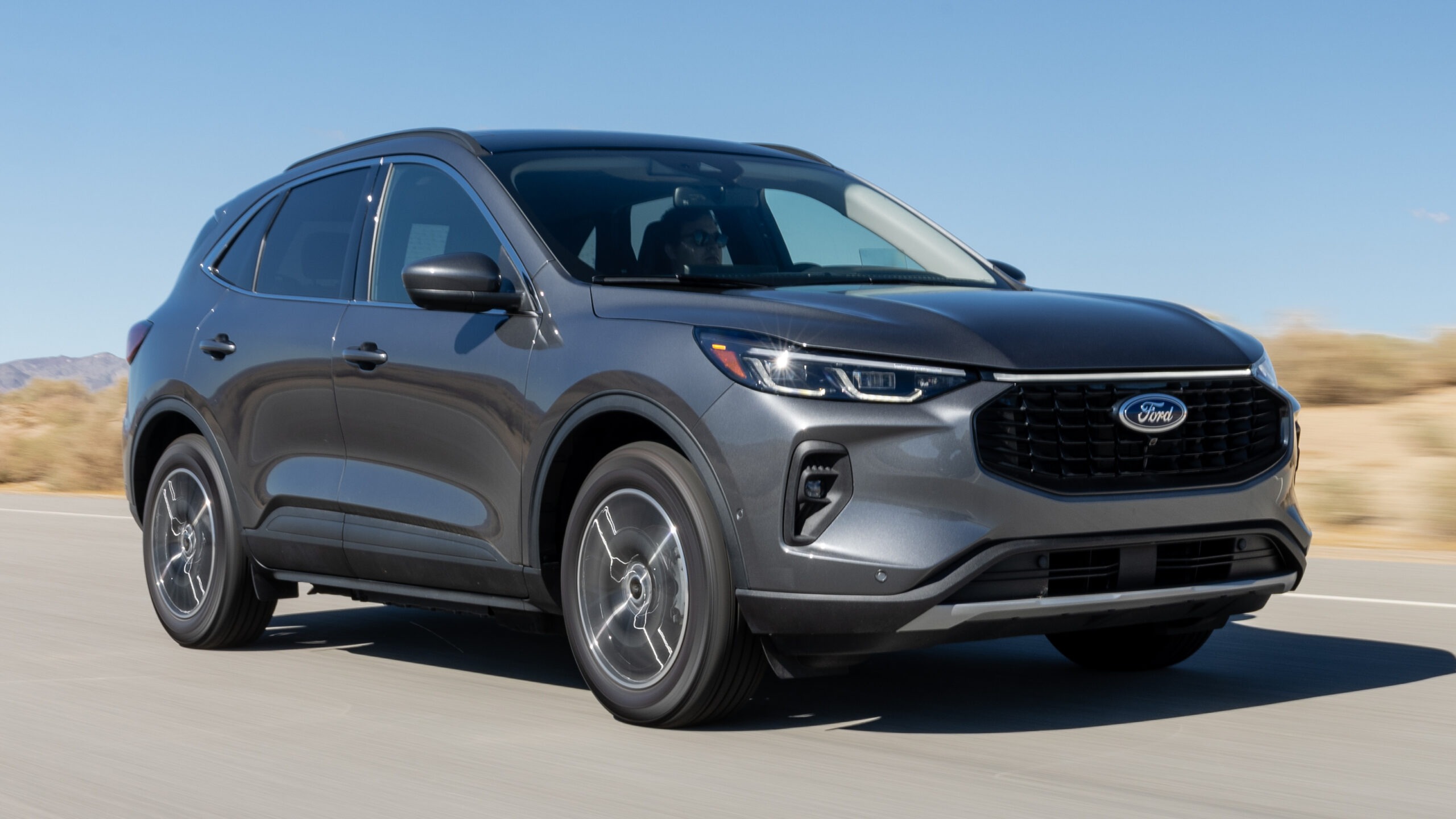
7. Ford Escape
Ground clearance: 6.8 to 7.3 inches, depending on trim
This entry has a range, and that’s a clue. The Ford Escape’s ground clearance runs from 6.8 to 7.3 inches, depending on trim, according to the supplied list.
At the low end, it’s 1.9 inches below the Outback. At the high end, it’s 1.4 inches below. The note adds that even the highest trim remains below the Outback’s 8.7 inches.
Why would clearance vary by trim? Different trims can use different wheels, tires, and suspension tuning. A sport-oriented trim might sit lower, while one with larger tires can sit higher. That’s a general explanation, since the list doesn’t explain the differences.
What does that mean for shoppers? Don’t rely on the model name alone. Ask for the spec sheet for the exact trim, and compare it with the other vehicles you’re considering. If clearance matters to you, that detail can make a difference.
The Escape is the closest to the Outback on this list, so it may suit drivers who want a bit more room than the smallest crossovers without moving to a bigger vehicle. Still, an inch or two isn’t a major change for serious off-road use.
Test drive it on roads you use regularly, and check how it handles bumps, steep driveways, and speed humps.
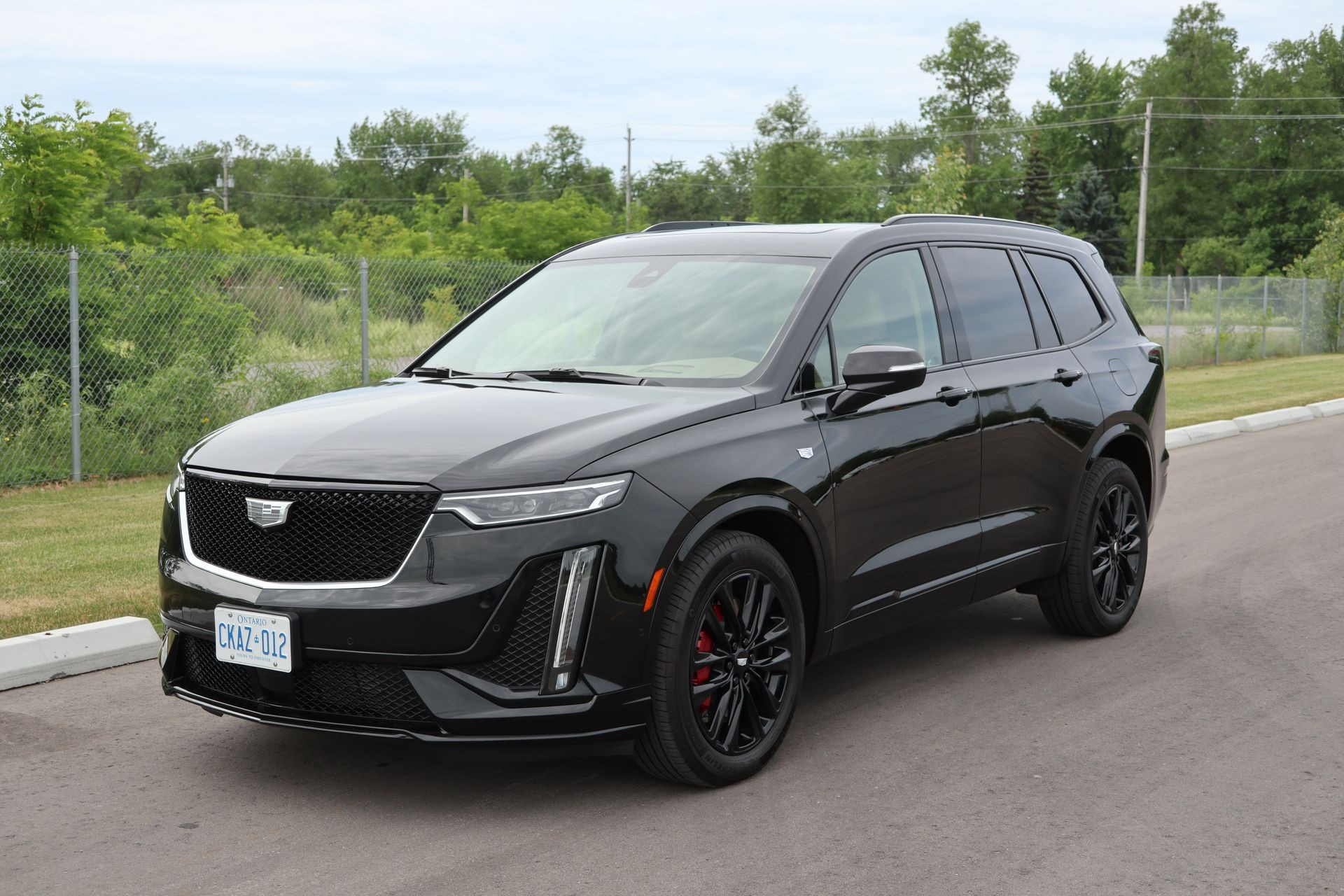
8. Cadillac XT6
Ground clearance: 6.7 inches on the 2023 model
We finish with a luxury three-row SUV. The 2023 Cadillac XT6 has 6.7 inches of ground clearance, the same as the Kia Soul and Hyundai Kona, and 2.0 inches below the Outback. The supplied note says it’s suitable only for light off-road routes.
That’s worth noting for a larger vehicle. A three-row SUV may look rugged, but its design priorities are comfort, space, and a smooth ride.
Bigger vehicles also have longer overhangs and wheelbases, which can make steep ramps and sharp transitions trickier, though the list doesn’t discuss those angles.
Let’s recap all eight. The range runs from 5.9 inches for the Toyota C-HR to as high as 7.3 for the Ford Escape. Every one sits below the Outback’s 8.7 inches, which, as the supplied notes say, is a general specification and not from the list itself.
So use those differences as a guide, not a final answer.
Here’s a checklist. Measure your driveway and garage ramps.
Check the spec sheet for the exact model year and trim. Think about snow, ruts, and gravel in your area. Test drive on your own roads.
If you need more clearance, put it near the top of your list. If you don’t, enjoy the comfort and efficiency of a lower vehicle.