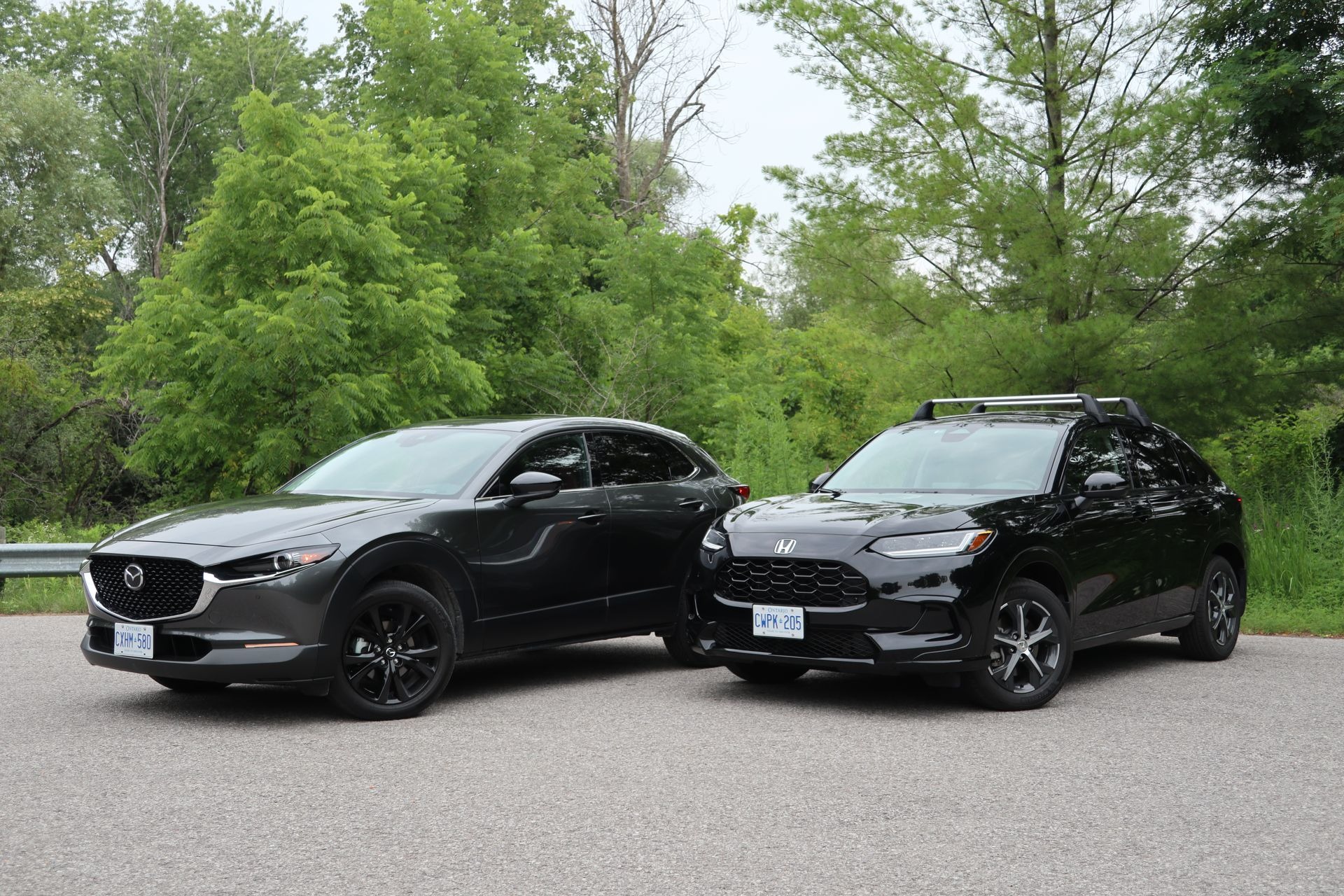
Shopping for an SUV usually means expecting extra room for groceries, luggage, sports equipment, and everyday essentials. Yet a larger body does not automatically guarantee more storage space.
Some small SUVs sacrifice cargo capacity for styling, passenger comfort, or a compact footprint, leaving certain hatchbacks with a surprising advantage. The Honda Civic Hatchback, for example, provides 24.5 cubic feet of cargo space behind its rear seats, according to the supplied specifications.
Several popular SUVs fall short of that figure, even though they offer the higher seating position and rugged appearance many buyers prefer. From the Subaru Crosstrek to the Honda HR-V, these six vehicles demonstrate why checking manufacturer cargo measurements before buying can prevent disappointment when packing for daily errands or weekend trips.
1. Subaru Crosstrek
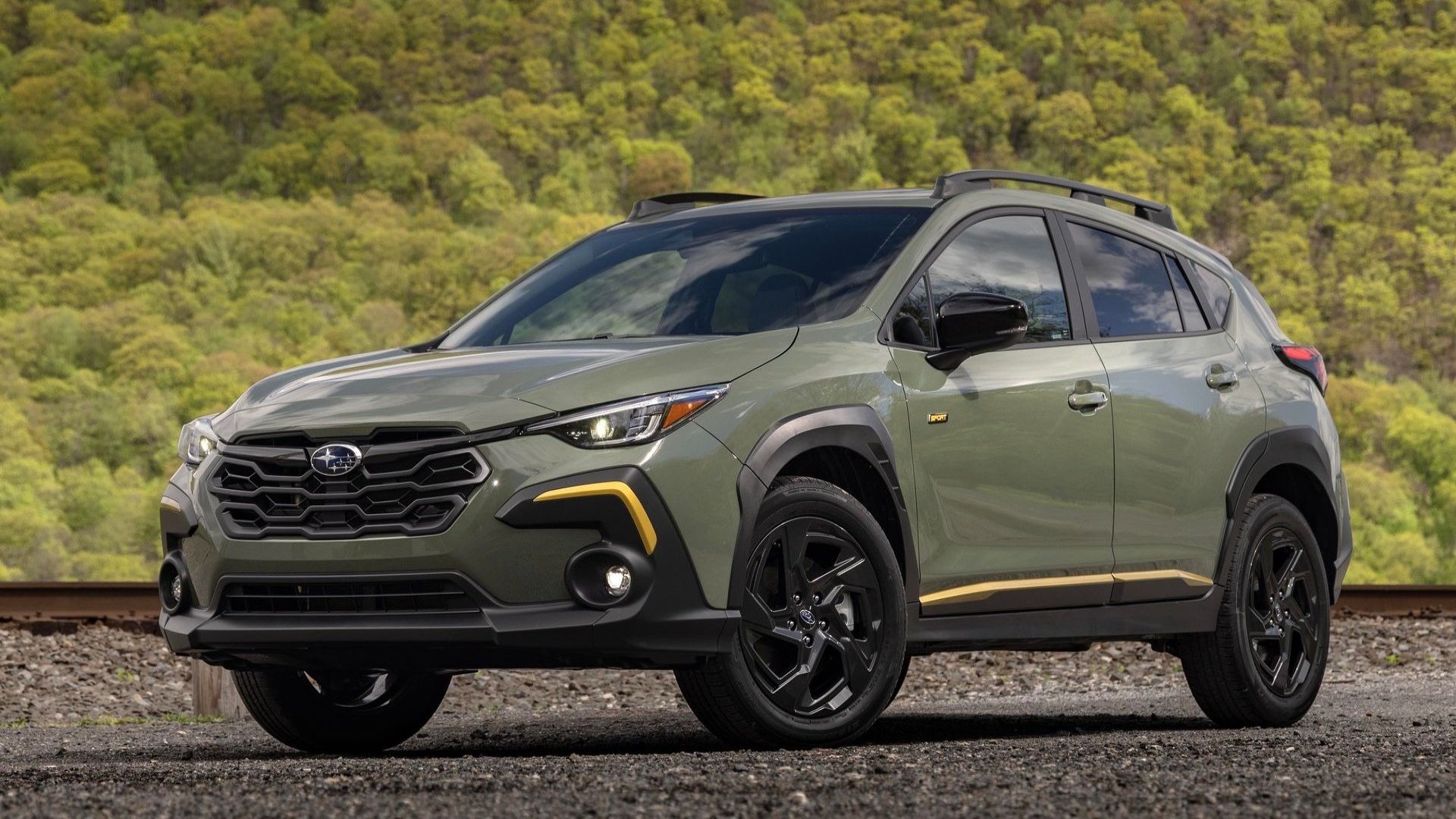
The Subaru Crosstrek offers a practical combination of compact dimensions, standard all-wheel drive on many US-market versions, and ground clearance suited to rougher roads. However, its cargo area falls well short of the Honda Civic Hatchback’s 24.5 cubic feet.
Depending on the model year and configuration, the Crosstrek provides approximately 19.9 to 20.8 cubic feet behind its second row. That leaves the Civic with between 3.7 and 4.6 additional cubic feet of storage space.
For someone regularly carrying bulky shopping bags, travel luggage, or recreational equipment, the difference could affect how easily everything fits. Subaru gives the Crosstrek a more upright body and a raised driving position than the Civic.
Those features may appeal to drivers who prefer an SUV-style vehicle, while its all-wheel-drive capability may attract people who frequently encounter wet roads or light trails.
Still, cargo capacity is only one part of the purchasing decision. The Crosstrek offers folding rear seats, letting owners create more room for larger items. Folding those seats, however, reduces the space available for rear passengers.
Buyers should also consider the shape of the cargo compartment, the height of the loading floor, and the size of the rear opening. Two vehicles with similar measurements can differ in how easily they accommodate a stroller, suitcase, or storage container.
For drivers who prioritise everyday hauling capacity, the Civic Hatchback deserves a close comparison before choosing the Crosstrek.
Those who value additional ground clearance and all-wheel-drive capability may still prefer Subaru’s small SUV, even with its smaller cargo area.
2. Mazda CX-30
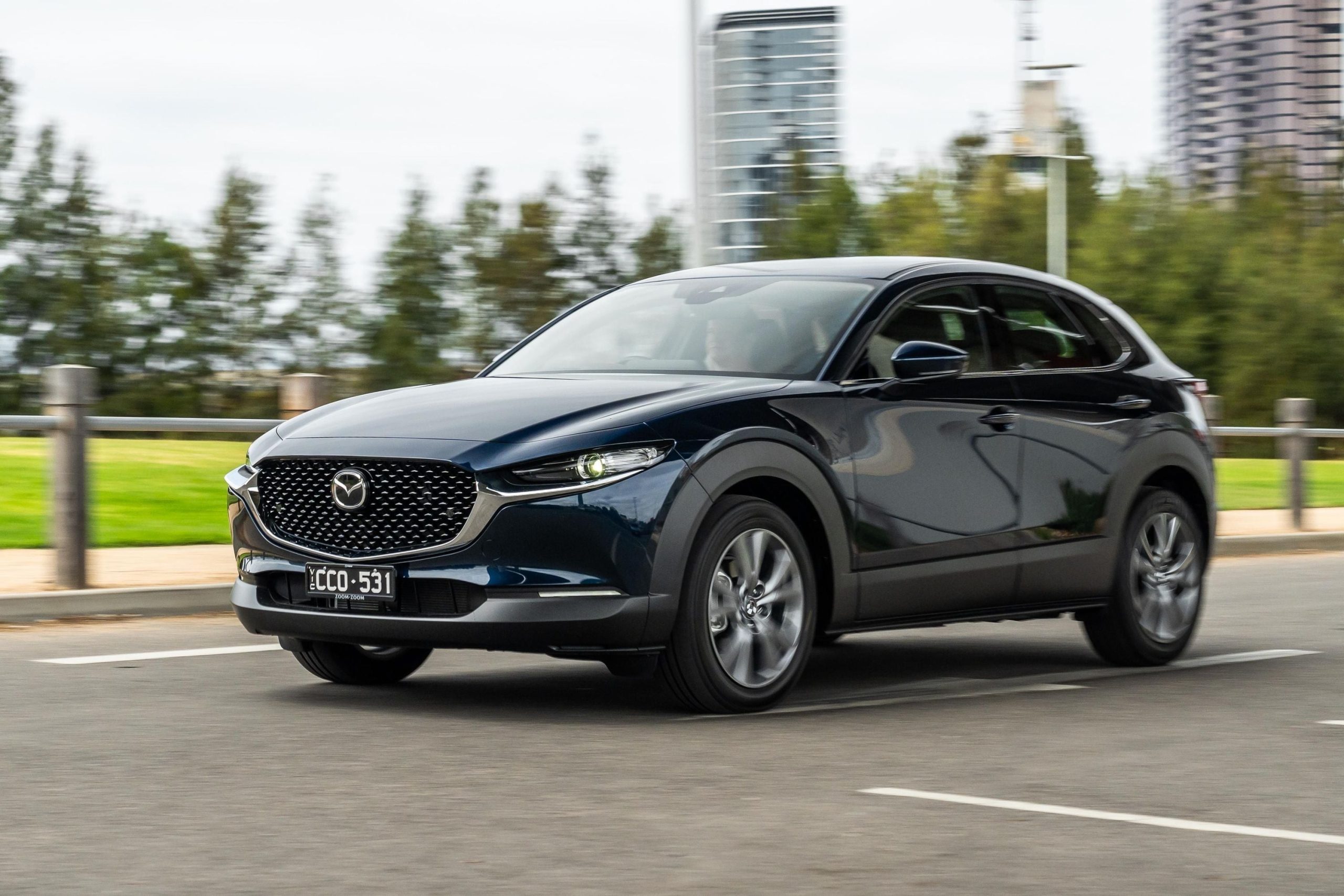
Style takes centre stage in the Mazda CX-30, a small SUV with a premium-inspired cabin and a sleek exterior. Its compact proportions make it convenient for city driving and parking, but the storage figures reveal a limitation that shoppers should not overlook.
Mazda lists 20.2 cubic feet of cargo space behind the rear seats. The Honda Civic Hatchback, at 24.5 cubic feet, provides 4.3 cubic feet more room in this configuration.
That difference can matter when packing for a family outing or collecting several large items from a shop. The CX-30 places considerable emphasis on interior presentation.
Its dashboard design, available upscale materials, and driver-focused controls help give the cabin a more refined feel than some buyers expect from a small crossover.
Its elevated seating position also offers a different driving experience from a conventional hatchback. There is a trade-off, though.
The CX-30’s sloping roofline and compact rear section help create its distinctive appearance, yet its cargo compartment cannot match the Civic’s published storage figure.
Buyers who frequently transport bulky items should check whether their usual luggage fits comfortably before making a decision.
The rear seats fold to create a larger loading area, making it possible to carry objects that would not fit behind the upright second row.
As with other vehicles, doing so limits passenger seating and requires consideration of the size and shape of the items being transported.
A test drive should include a practical assessment of the cabin, not just the driver’s seat. Bring measurements of frequently carried equipment or check the cargo area with a comparable suitcase.
The CX-30 may suit drivers who prioritise styling, road manners, and a well-finished interior. However, anyone expecting every SUV to provide more luggage space than a hatchback should pay attention to Mazda’s figures.
3. Buick Envista
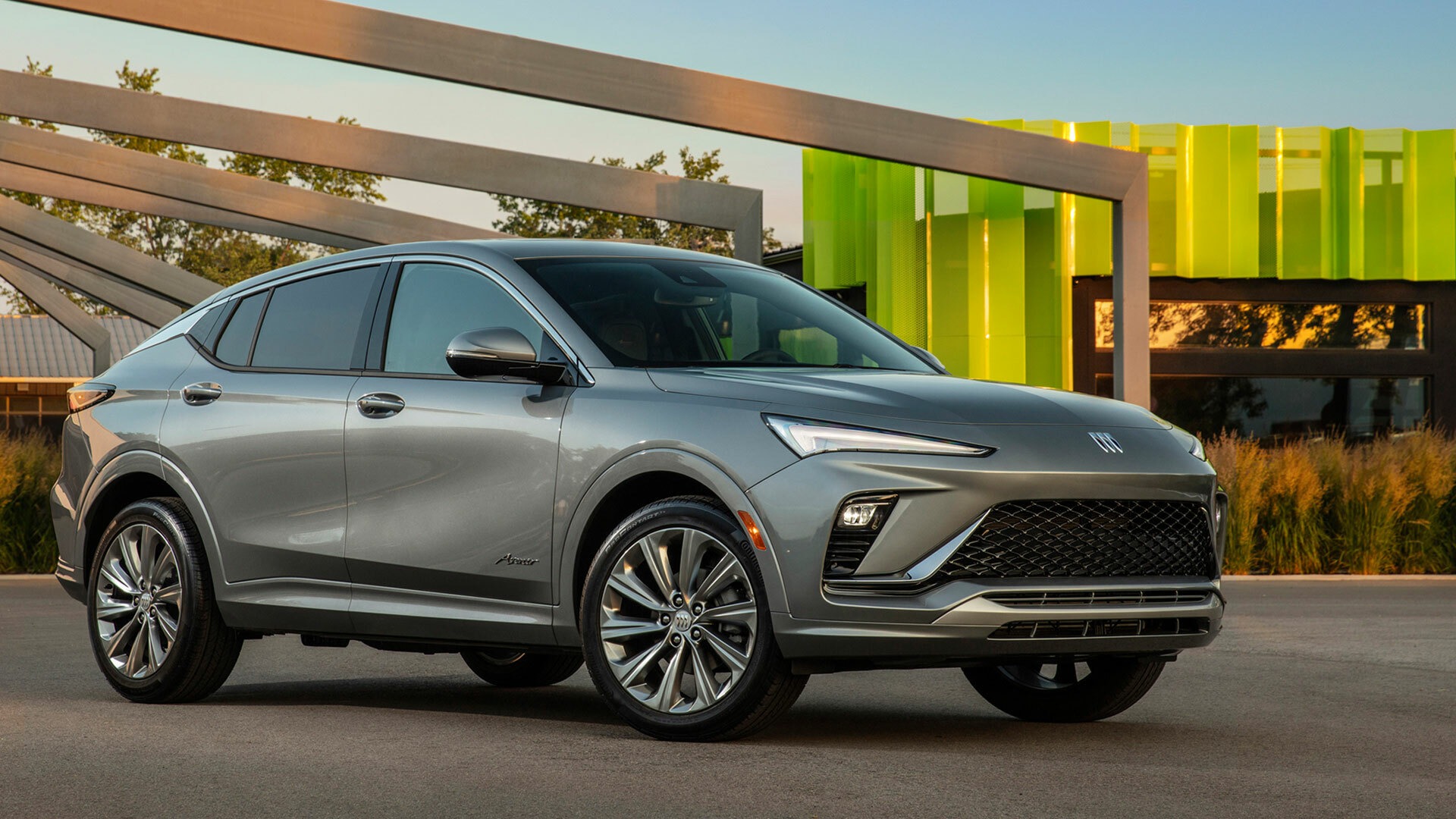
Is bigger always better? The Buick Envista makes you wonder. It provides 20.7 cubic feet of cargo volume behind the second row, which is less than the Civic hatchback by 3.8 cubic feet.
The Envista is a stylish, lower-profile crossover, and that shape explains part of the trade. A sloped roof looks sporty, but it can limit how much you stack in the back. Floor space matters, and so does headroom for tall items.
Picture a normal week. Groceries, a gym bag, maybe a laptop case. The Envista handles that easily. Now picture moving a bookshelf or hauling gear for a youth sports team. That is where the numbers start to matter.
So what should you do? Try loading your own stuff during a test drive. If you have a favorite suitcase, bring it. Fold the seats and check for gaps or steps in the floor.
Also compare price and features. Many shoppers pick the Envista for its comfortable ride, quiet cabin, and appealing price. Those perks can outweigh a smaller cargo area.
Just keep your eyes open. A vehicle with SUV styling does not always bring SUV-sized space, and a few minutes of checking can prevent regret.
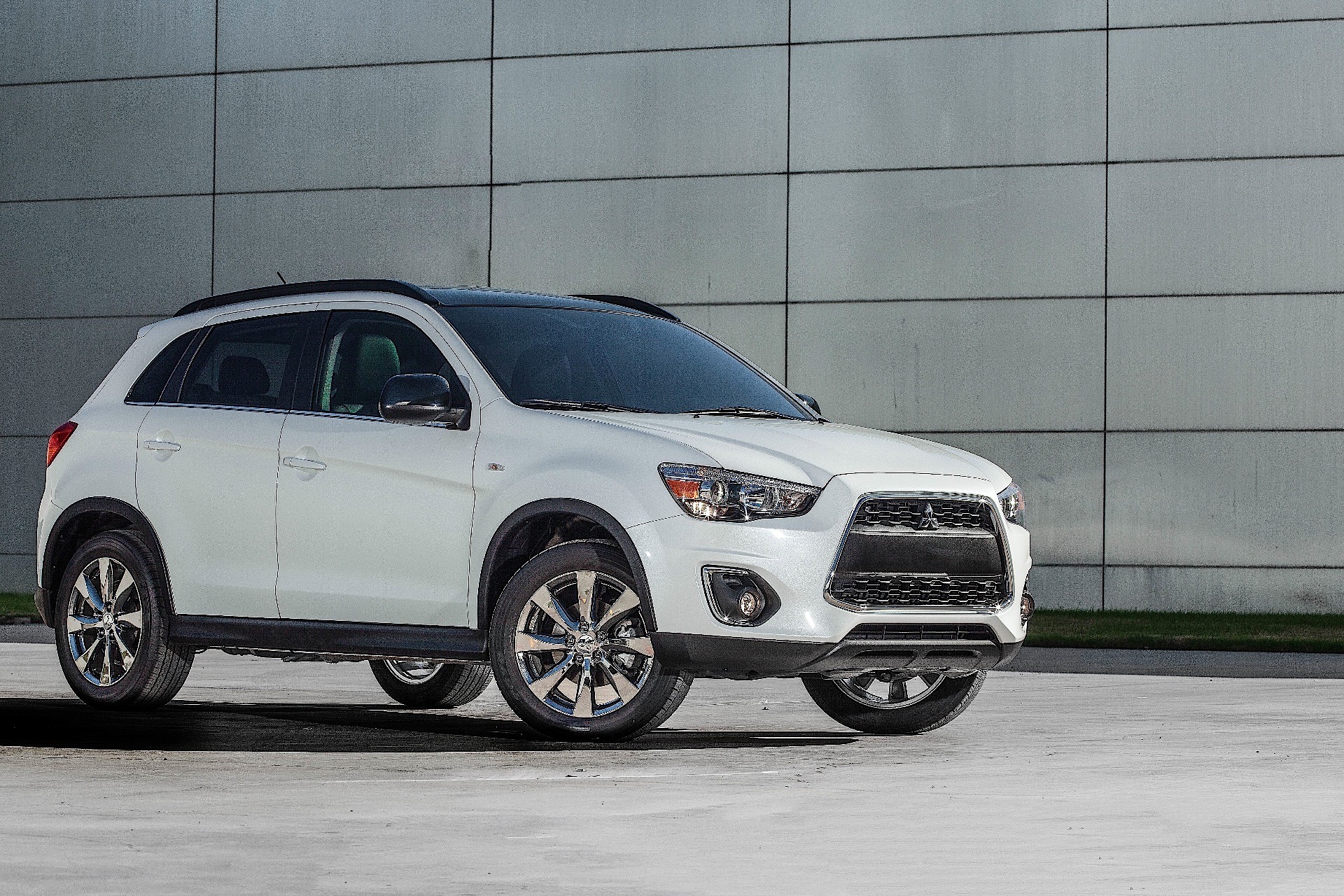
4. Mitsubishi RVR (Outlander Sport)
Two names, one compact SUV. The Mitsubishi RVR, also sold as the Outlander Sport, delivers 20.1 to 21.7 cubic feet of cargo space behind the rear seats.
Mitsubishi Motors Canada lists the volume at 614 liters. Even at its best, it falls about 2.8 cubic feet short of the Civic hatchback.
The range is wide, so details matter. Different model years and versions may carry different figures. Ask the dealer for the specifications of the exact vehicle in front of you, and confirm it in writing if you can.
Why does this matter? Many buyers choose a compact SUV expecting a big upgrade in room. The numbers show that expectation does not always hold. A smaller hatchback may out-carry a taller vehicle with a higher price tag.
Test it the practical way. Load a large suitcase and a few shopping bags, then see what room remains. Check how wide the rear opening is, since a narrow one makes loading harder.
If your daily needs are modest, the RVR can be a sensible, affordable pick. If your life involves lots of cargo, shop wider. Knowing the number before you buy keeps you in control of the decision.
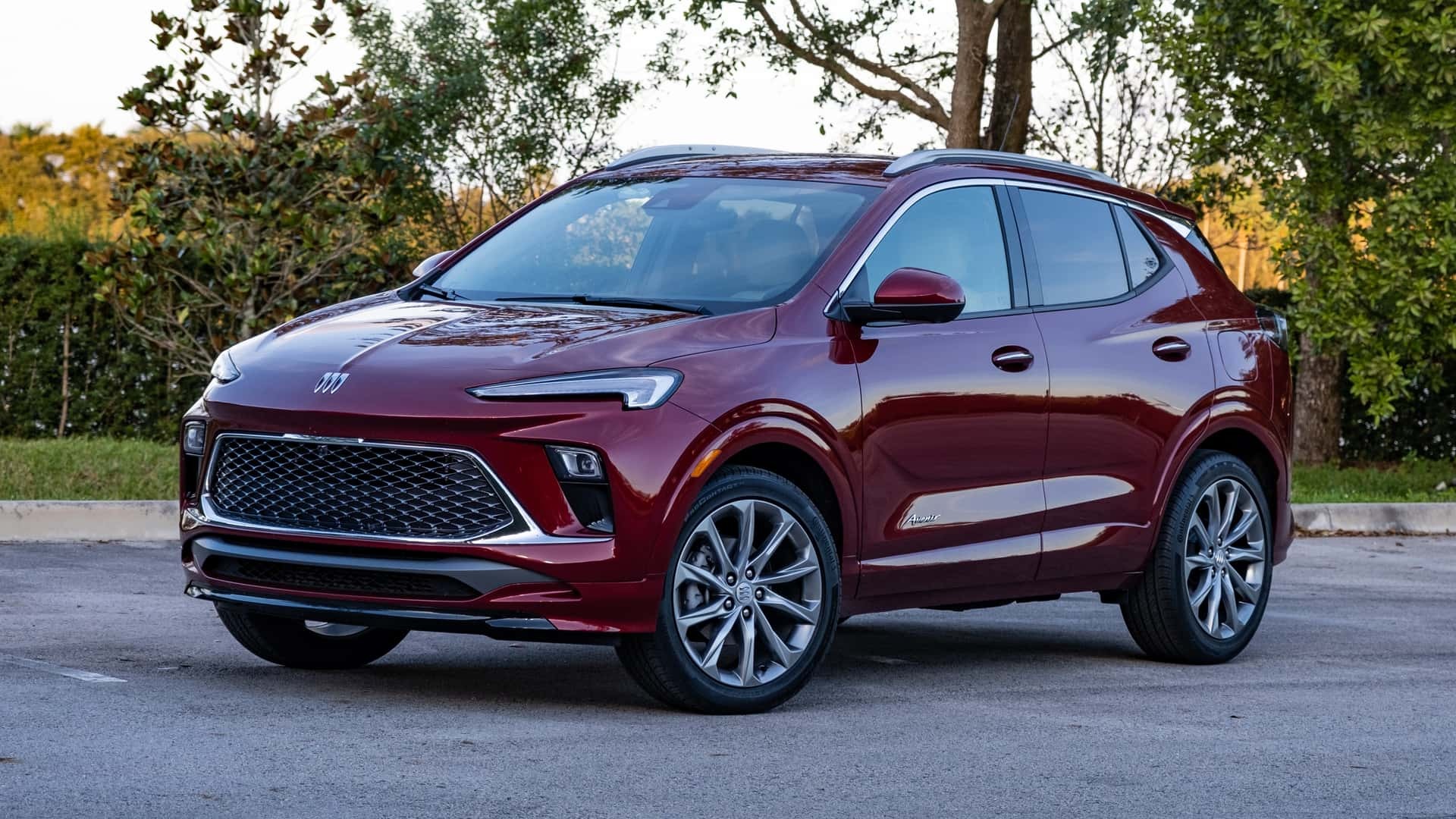
5. Buick Encore GX
Close, but not quite. The Buick Encore GX has 23.5 cubic feet of cargo space behind the back seats. That is only one cubic foot less than the Civic hatchback, which makes it the closest competitor among the first five on this list.
One cubic foot is roughly the size of a small microwave. In everyday use, many owners would never notice the gap. A pair of backpacks and a grocery run fit easily.
That said, the point of this list is that the numbers still favor the hatchback. A car with a lower roofline and a lower price offers more space than an SUV with a higher stance and a higher sticker. That surprises plenty of people.
If you are tempted by the Encore GX, look past cargo alone. Many shoppers like its quiet ride, comfortable seats, and upscale feel. Those traits matter on a long commute or a road trip.
Do the practical test anyway. Bring your usual load, check the seat-folding mechanism, and see how the space shapes up. A small difference can feel bigger when your items are awkwardly shaped.
The Encore GX shows that a small gap can still carry real meaning. Measure what matters to you.
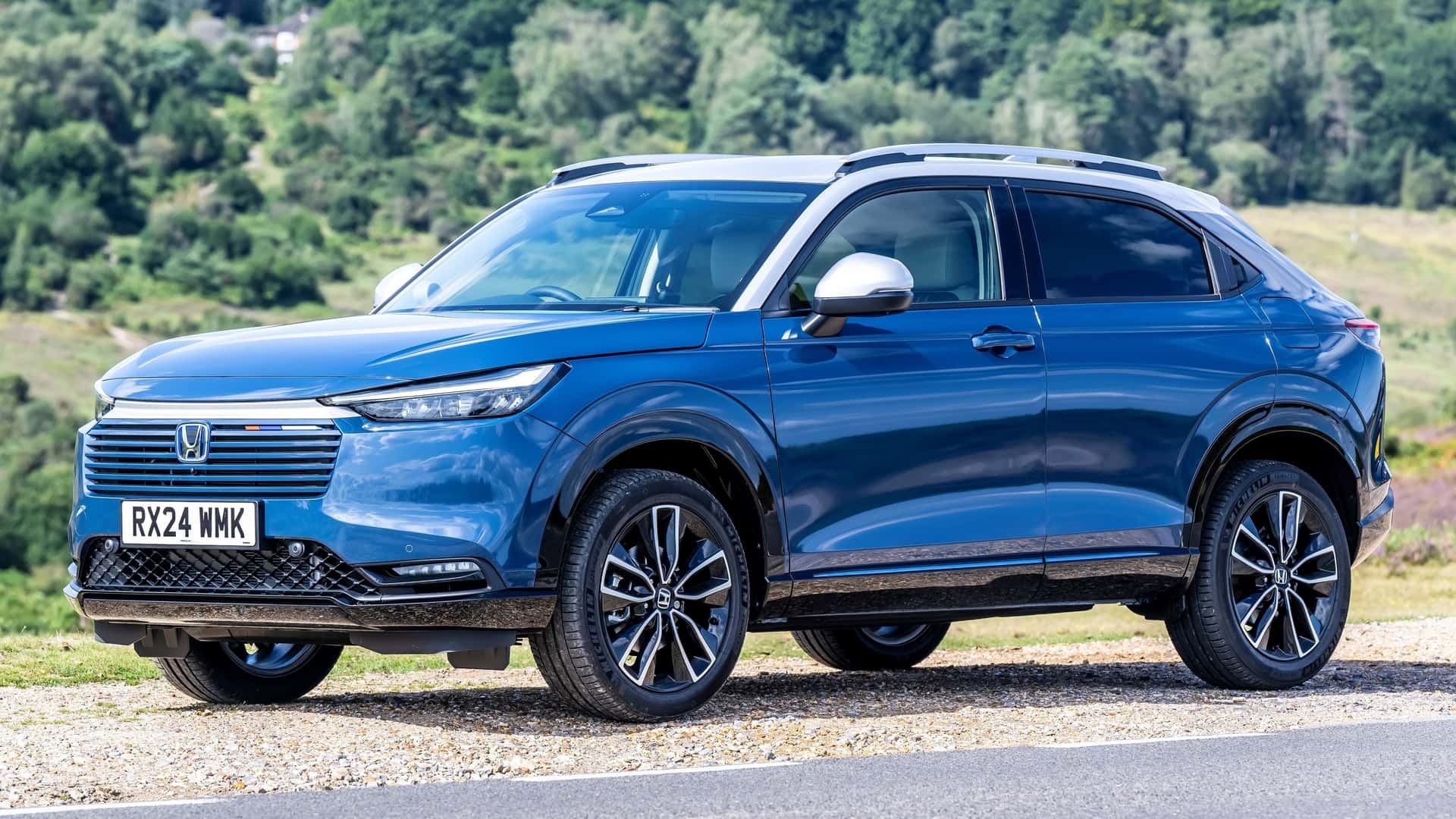
6. Honda HR-V
Family rivalry, settled by decimals. The Honda HR-V slightly trails its sibling hatchback, offering 24.4 cubic feet of cargo space behind the rear seats compared with the Civic hatchback’s 24.5.
That is a difference of one tenth of a cubic foot, which no one will notice while loading groceries. So why include it? Because the story is interesting.
An SUV from the same brand, with a taller body and a different price, still falls a hair short of the hatchback. For shoppers who assume an SUV always means more room, that is a useful reality check.
The HR-V still has plenty going for it. Its higher seating position gives a commanding view of the road, and many drivers prefer getting in and out of a taller vehicle. Those benefits are real, even if they do not show up in a cargo chart.
Compare both models side by side at the dealership. Sit in each one, check rear-seat space, and load a few items. Ask about price differences and fuel economy, too.
Do not buy on a spec sheet alone. Numbers guide you, and your own life decides.
Cargo figures can change by model year, so verify the specs for the vehicle you plan to buy. Test with your own gear, and choose the ride that fits your life.