Diesels are not all the same at 200,000 miles. Some are just getting started. Others are one repair away from a bill bigger than the car. The difference is rarely about brand names.
It comes down to design. Simple engines with mechanical fuel systems tend to survive. Complex engines with early emissions hardware tend to fail.
Mileage on a diesel means something different from mileage on a petrol car. A well-kept diesel block is built to last 400,000 miles or more. But the parts around the block decide your costs. Injectors, high-pressure pumps, turbos and emissions gear are the weak spots.
At 200,000 miles those parts are either already replaced or about to fail. That is why the same mileage can be a bargain or a trap. I picked ten engines with long, well-documented ownership histories. Five have earned their reputation for going the distance.
Five have a known failure that tends to appear around this mileage. I explain what breaks, why it breaks and what it costs. Cost figures are rough estimates.
They vary by country, by workshop and by year. Always check service records before buying any of them. A documented history matters more than the badge on the bonnet.
5 Diesels Worth Buying at 200,000 Miles
The Mercedes OM617 uses a mechanical Bosch pump and often reaches 400,000-500,000 miles. The Toyota 1HZ Land Cruiser engine is naturally aspirated and nearly indestructible.
The 12-valve Cummins 5.9L is tough and simple, though the killer dowel pin needs checking. The VW 1.9 TDI ALH delivers 40+ mpg if its timing belt has been changed, and the Ford 7.3L Power Stroke rewards frequent oil changes with decades of service.
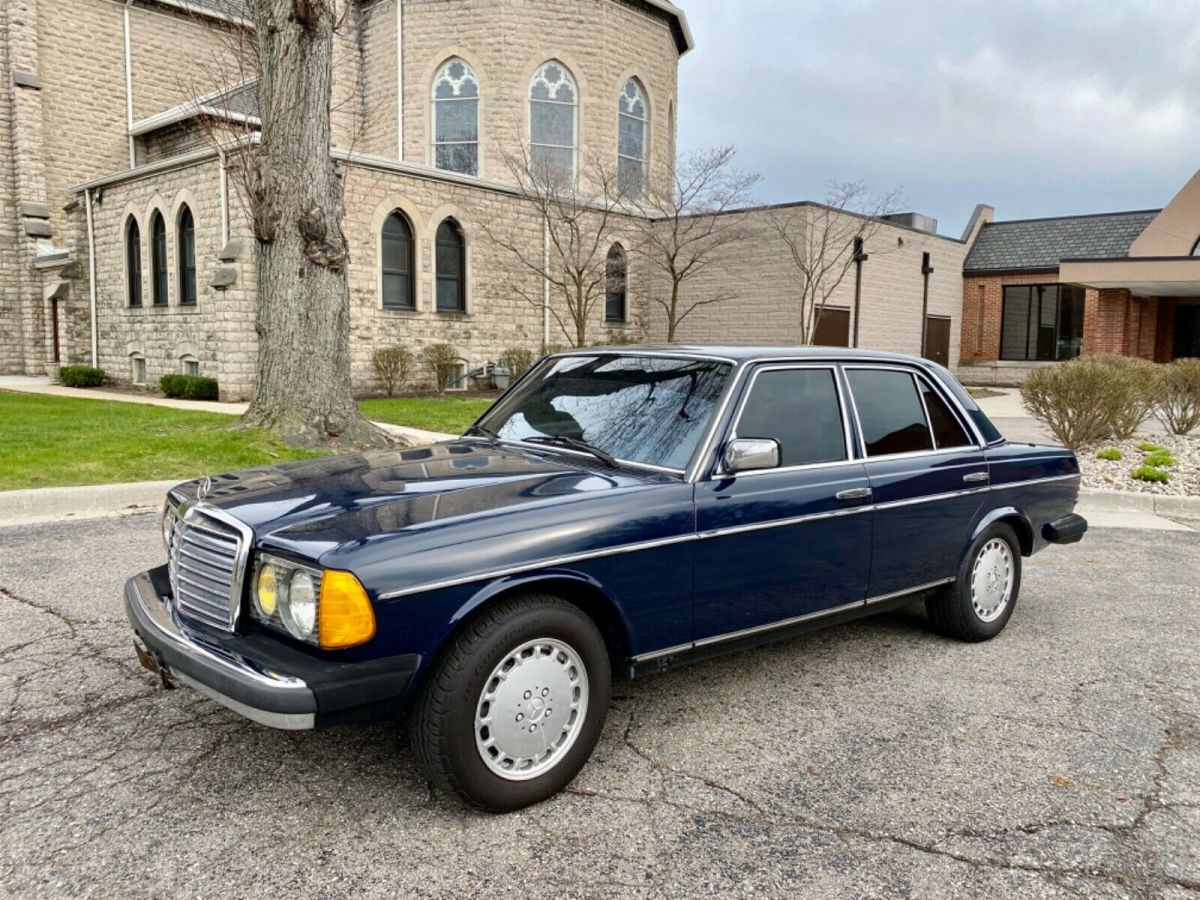
1. Mercedes-Benz OM617 (W123 300D Turbo)
This five-cylinder turbodiesel powered the W123 300D and 300TD. It is one of the most proven diesels ever built. It uses a mechanical Bosch injection pump. There is no computer to fail.
Owners regularly report 400,000 to 500,000 miles on the original engine. Taxi fleets proved this decades ago. At 200,000 miles, it is only middle-aged. The cast-iron block and forged parts are built for it.
The main enemy is overheating. A cracked head is the classic failure, usually after a neglected cooling system. Check the coolant condition and look for oil in the coolant. A healthy one is clean.
Valve adjustment is a routine job. A car that skipped it will run rough and lose power. Other common faults are cheap. Vacuum pumps, glow plugs and rubber vacuum lines are the usual culprits.
Power is modest, around 120 horsepower. Do not expect modern performance. What you get is simplicity. You can repair most of it with basic tools.
Rust is the bigger risk to the car than the engine. Check the floors, the sills and the boot well carefully. Parts supply is surprisingly good. Specialists and enthusiasts keep the model alive.
A good one costs more than you would expect. That is the price of an engine that can outlive you. Buy it for a slow, steady life. At 200,000 miles it is a smart purchase if the body is solid.
2. Toyota Land Cruiser 1HZ (80 and 100 Series)
The 4.2-litre 1HZ is a naturally aspirated six-cylinder diesel. It was sold in many markets outside the United States. It is slow and thirsty. It is also nearly indestructible.
There is no turbo to fail. The fuel system is mechanical and simple. Owners in Africa, Australia and the Middle East report 500,000 miles and more. Workshops there know it well.
At 200,000 miles, it has barely run in. Oil changes and clean fuel are most of what it needs. Power is around 130 horsepower. The weight of the truck makes it feel slow.
That low stress is the secret. The engine never works near its limits. The things to check are practical. Look for head gasket seepage, fuel leaks and a worn injection pump.

Overheating from a blocked radiator is the main danger. Cooling-system care is cheap insurance. Rust and chassis condition matter more than the engine. Inspect the frame, the body mounts and the suspension.
Many have lived hard lives off-road. Look for repaired damage and welded frames. Parts are cheap and available worldwide. Even remote workshops stock them.
In the US, these arrive as grey imports once they reach 25 years old. Check import rules before you buy. If you want a vehicle for rough roads and long distances, this is it. Buy a straight example and expect decades more.
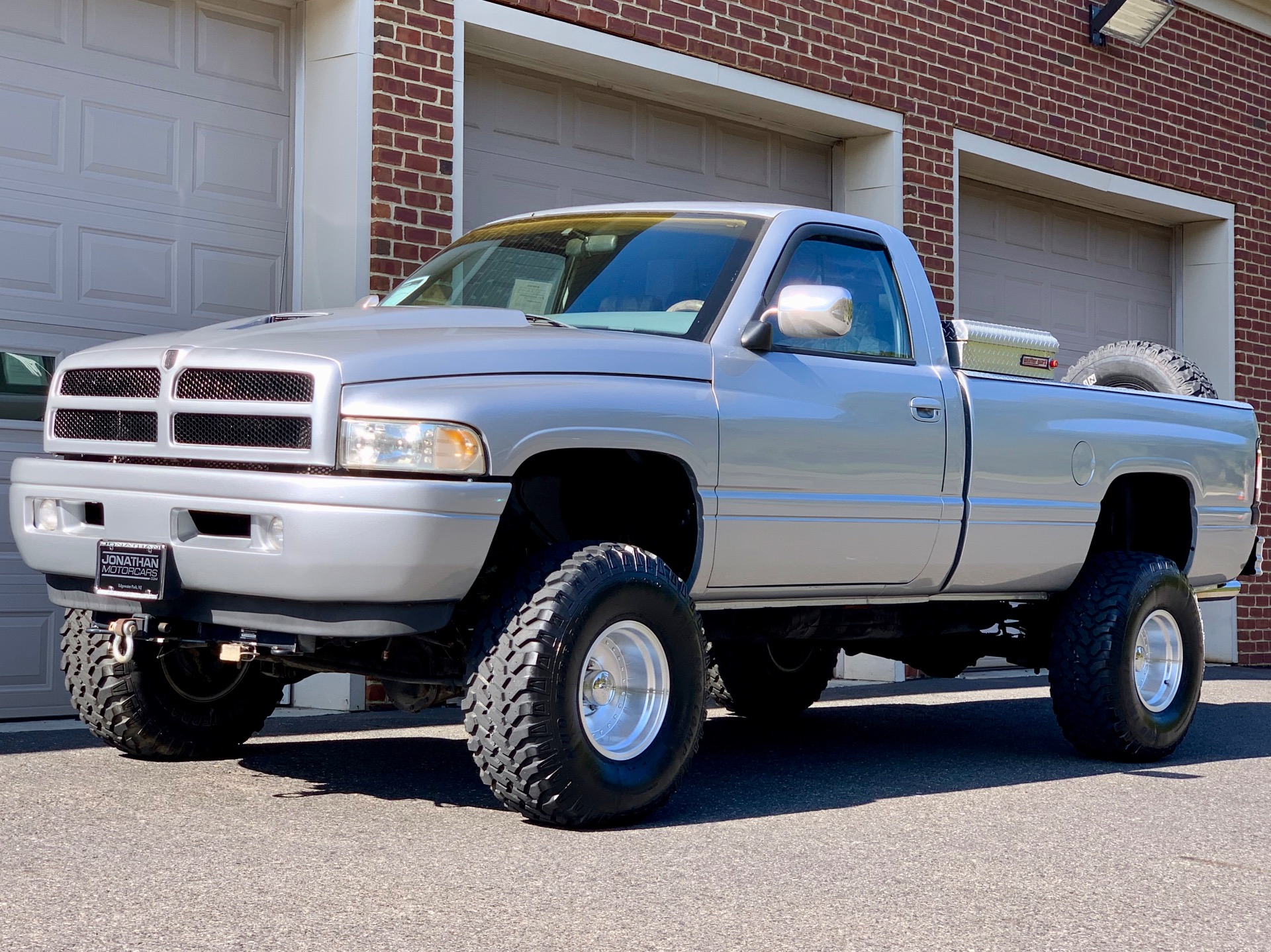
3. Cummins 5.9L 12-Valve (1994–1998 Dodge Ram)
The 12-valve Cummins is a legend in the truck world. The mechanical P7100 injection pump is the heart of it. There is no engine computer controlling fuel. That makes it simple and tough.
The 5.9-litre inline-six has a heavy-duty block. It was built for commercial use. Mileage of 400,000 to 600,000 is common. Many have gone past a million with rebuilds.
At 200,000 miles, a good one is just getting settled. Check the maintenance record instead of the odometer. The known weak point is the killer dowel pin. It can work loose and fall into the timing gears.
Check whether it has been secured. A fixed one removes that risk. Lift pumps often fail. They are cheap and easy to replace. Steering boxes and front-end parts wear out on these heavy trucks. Budget for that.
The automatic transmissions of the era are weaker than the engine. Manual versions are the safer buy. Many of these trucks have been modified. Be wary of heavy tuning, extra fuelling and neglected clutches.
Look for smoke, hard starts and oil leaks. Those tell you how it was treated. Prices have risen sharply. Collectors now pay a lot for clean examples. Even so, a good one is still worth it. The engine will outlast most of the truck around it.
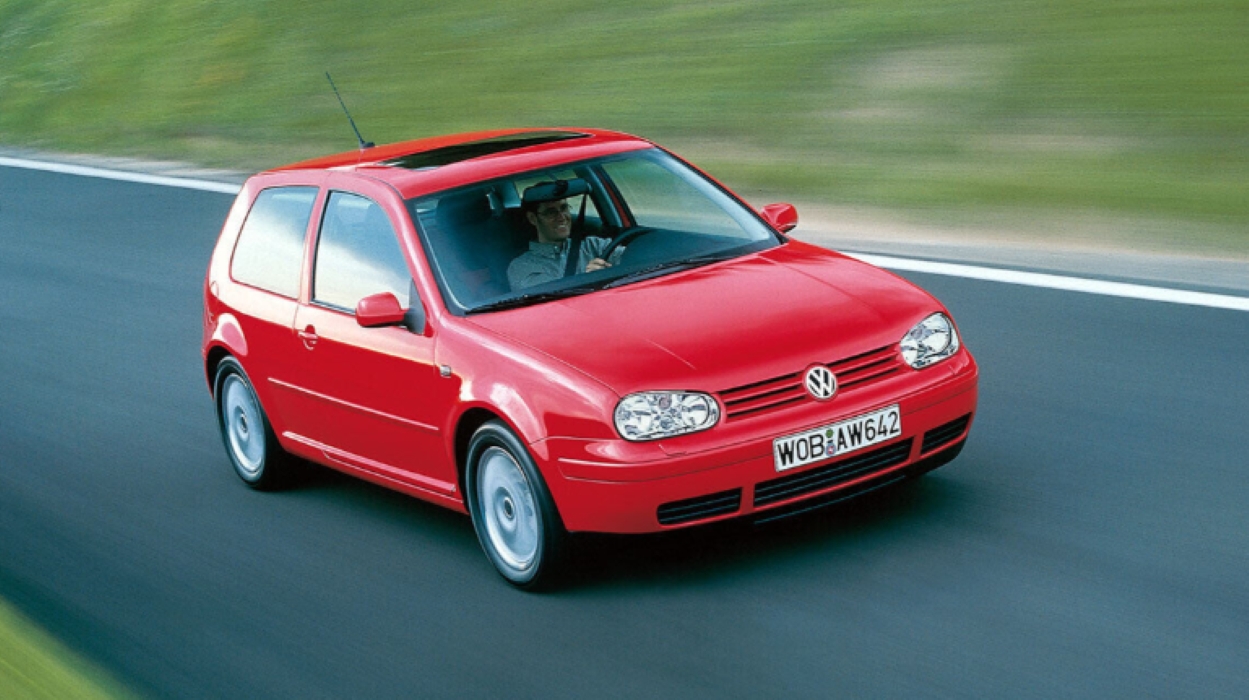
4. Volkswagen 1.9 TDI ALH (1999.5–2003)
The ALH 1.9-litre diesel earned a cult following. It sat in the Golf, Jetta and New Beetle. It makes 90 horsepower. It returns 40 miles per gallon or more in real use.
It uses a Bosch distributor-type injection pump. That is simpler than the pump-injector engines that followed. Owners report 300,000 to 500,000 miles on the original engine. Many are still daily drivers.
At 200,000 miles, the engine is not the question. The service history is. The timing belt is critical. It should be changed around 100,000 miles, with the water pump.
An overdue belt can destroy the engine. Ask for proof of the last change. Common faults are modest. Check the intake manifold, the EGR valve and the turbo’s variable-vane actuator.
The injection pump can leak or lose timing. A rebuild is possible but not cheap. The dual-mass flywheel on some cars wears out. Listen for rattles at idle.
The rest of the car ages faster than the engine. Expect window regulators, suspension bushings and electrical gremlins. Rust is mild on most examples. Check the rear arches and the sills.
Prices are fair but climbing. Clean cars with records sell quickly. If you want an economical, long-lived diesel, this is the one. Buy on records, not on odometer reading.
5. Ford 7.3L Power Stroke (1994.5–2003)
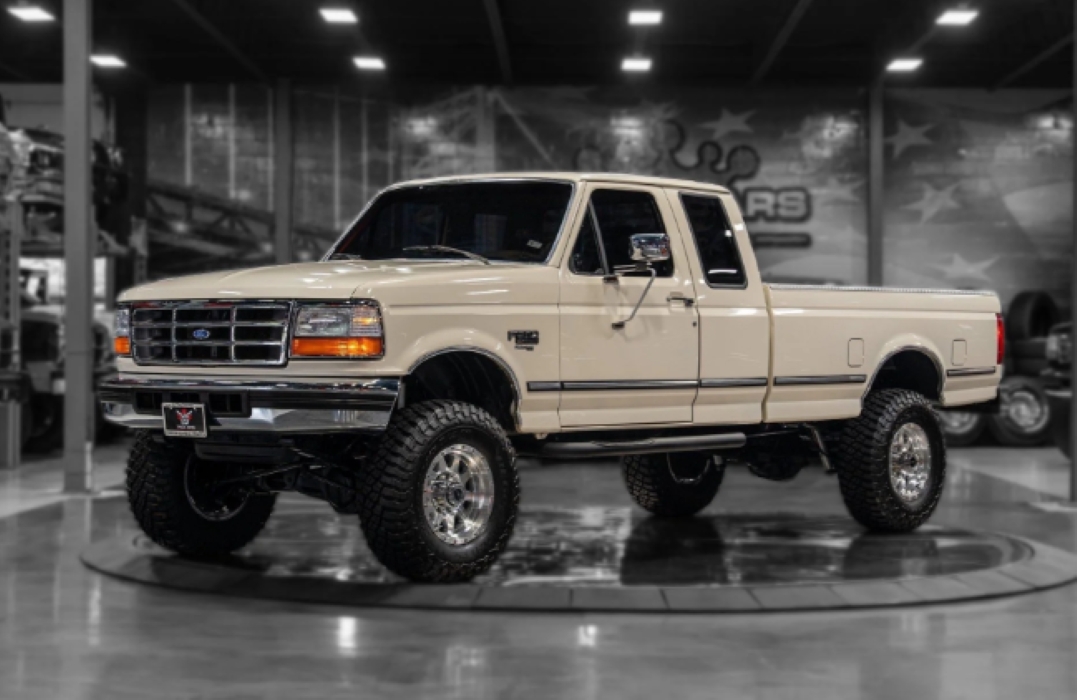
The 7.3-litre Power Stroke is a big, understressed V8 diesel. It was built by Navistar for Ford trucks. It is the opposite of the troubled 6.0 that followed. Mechanics trust it.
Cast-iron construction and low output keep it durable. Typical output was 210 to 275 horsepower. Mileage of 300,000 to 500,000 is common. Many pass 600,000 with proper care.
It uses hydraulically actuated injectors, called HEUI. They need healthy oil and a good high-pressure oil system. The usual faults are known and cheap. The camshaft position sensor fails often and leaves you stranded.
Injector O-rings leak with age. The high-pressure oil pump can wear and cause hard starts. Glow plug relays and turbos need checking. Smoke at idle or poor starting points to trouble.
Early automatic transmissions were the weak link. The 4R100 is better but can fail if towed hard. Look for towing abuse and heavy tuning. Those shorten the life of any engine.
Prices have risen a lot. Clean trucks are now valued as classics. Rust on the cab corners and bed is common. Check them before the engine. At 200,000 miles, a maintained one is a sound buy. Budget for sensors and seals. It rewards owners who change oil often. Do that and it should keep going for decades.
5 That Are Not
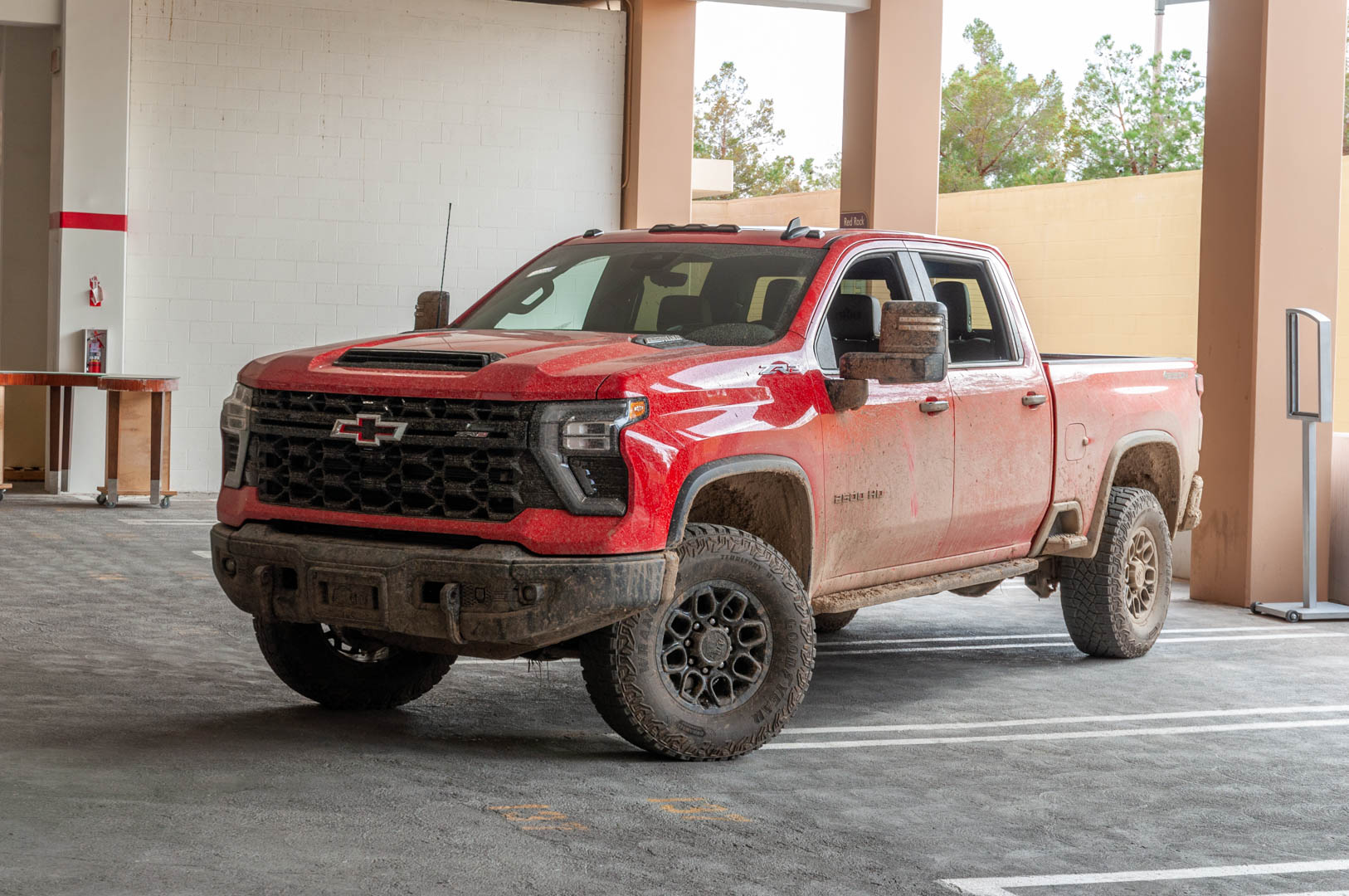
The Ford 6.0L Power Stroke suffers EGR cooler, oil cooler, and head gasket failures. The VW 2.0 TDI common rail risks high-pressure pump failure that contaminates the fuel system.
The Mercedes OM642 BlueTEC has costly AdBlue and particulate filter repairs. The BMW N47 has a timing chain that is very expensive to fix, and the Duramax LML’s CP4 pump can fail and ruin the fuel system.
1. Ford 6.0L Power Stroke (2003–2007)
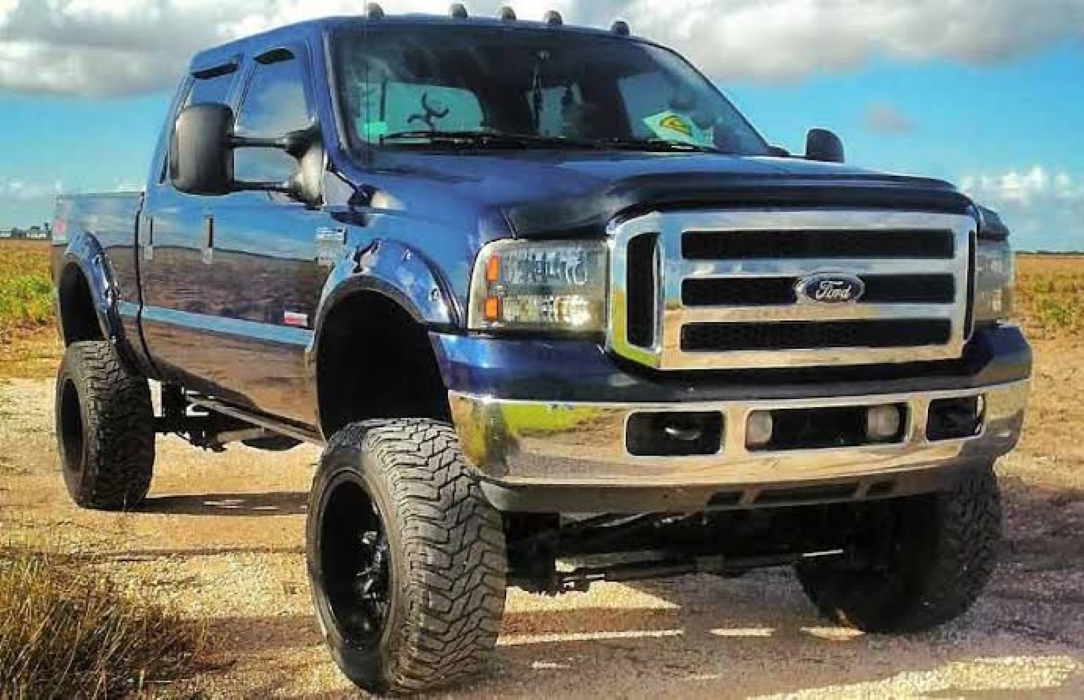
This engine has a poor reputation for good reason. It was rushed into production with serious flaws. The main problem is the EGR cooler. It clogs and leaks coolant into the intake.
The oil cooler also clogs. This feeds the EGR cooler failure in a bad cycle. Head gaskets blow because the head bolts stretch. The engine uses torque-to-yield bolts that could not hold the cylinder pressure.
The result is coolant loss, white smoke and overheating. A failure can wreck the engine. The fuel injection control module, the FICM, also fails often. Low voltage causes hard starts and misfires.
Standpipes and dummy plugs leak in the oil system. Small parts cause large problems. The fix is known as bulletproofing. It includes upgraded head studs, a new oil cooler and an EGR cooler replacement.
That work can cost many thousands of dollars. It often exceeds the value of the truck. At 200,000 miles, the question is whether this was done. Without proof, assume it was not.
Even with the fix, you are paying for a repair on a used truck. The 7.3 is the better buy for similar money. Some owners report trouble-free runs. Many of those had the upgrades done early. Unless you have documented proof of the upgrades, walk away. The risk is not worth the discount.
2. Volkswagen 2.0 TDI Common Rail (CBEA/CJAA, 2009–2014)
This engine was sold as a clean, efficient diesel. It powered the Jetta, Golf, Passat and Audi A3 in the US. The main concern is the high-pressure fuel pump. It can fail and send metal fragments through the fuel system.
That contaminates the lines, rail and injectors. The repair is often a full fuel system replacement. Costs run into the thousands of dollars. It can total the car.
Volkswagen extended some warranty coverage on the pump. That does not help you at 200,000 miles. The emissions system adds more risk. The diesel particulate filter and EGR cooler clog with short trips.

The 2.0 TDI emissions scandal also affected these cars. Some were bought back or modified. The modified cars can behave differently in fuel economy and response. Check what work was done.
Other issues include a worn cam follower on the pump drive. It must be inspected and replaced regularly. The engine itself is capable of going far. The surrounding hardware is what makes it a gamble.
At 200,000 miles, you are likely past the point of cheap fixes. A single failure can exceed the car’s value. If you want a VW diesel, the earlier ALH is the better choice. It is simpler and costs less to keep. Avoid this one unless there is full service history and a new pump. Even then, price it low.
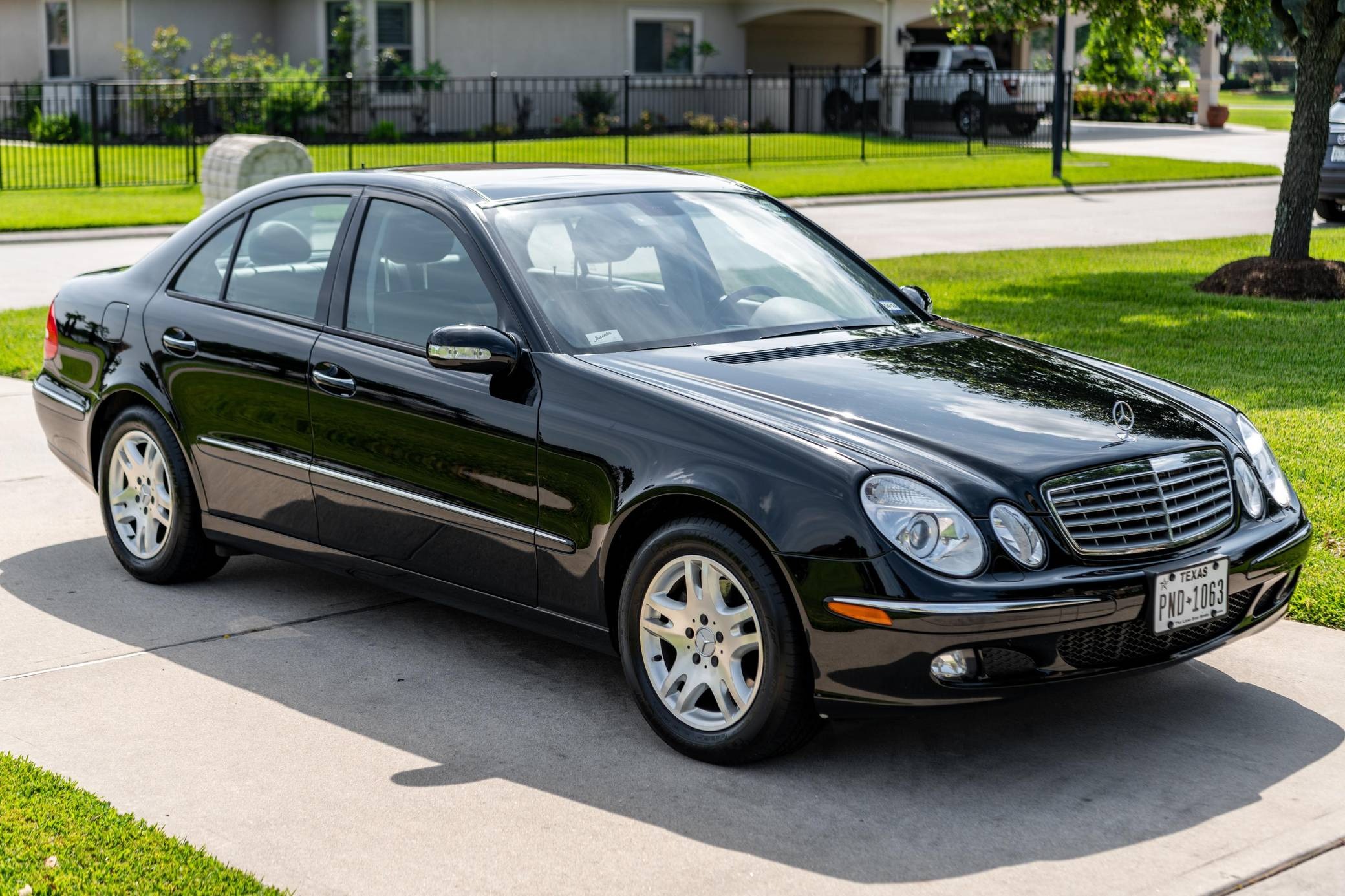
3. Mercedes-Benz OM642 BlueTEC (2007–2013)
The 3.0-litre V6 diesel is a strong engine in principle. In BlueTEC form, it is expensive to own. BlueTEC adds an AdBlue injection system. This reduces nitrogen oxides but adds complexity.
The system includes a tank, a pump, injectors and NOx sensors. Any of them can fail. Repairs are costly. The sensors and the pump can run into the thousands.
The diesel particulate filter also clogs on short trips. Regeneration issues are common. The OM642 has its own known faults. Early engines had balance shaft gear wear.
The intake swirl flaps can stick or break. Fragments can enter the engine in rare cases. Oil cooler seals and EGR components leak with age. The labor is heavy because of the tight packaging.
Injectors can fail and cause rough running. They are expensive to replace. The cars also have air suspension and complex electronics. Those add to the bill.
At 200,000 miles, many of these repairs are due or overdue. Running costs climb fast. Low used prices tempt buyers. The repair bills quickly erase the savings. Look for full records and recent work on the emissions system. Without them, avoid it.
4. BMW N47 2.0 Diesel (2007–2015)
The N47 is a four-cylinder diesel found across BMW’s range. It is common in the 118d, 318d, 320d and 520d. It is efficient and quick. Its flaw is the timing chain.
The chain sits at the rear of the engine. That placement makes access extremely difficult. Plastic guide rails and a weak tensioner design cause trouble. The chain can stretch or jump.
If it fails, the engine can be destroyed. The repair is major. Fixing it requires removing the engine or gearbox. Labor costs are very high. Cost estimates often run from a few thousand dollars upward. That is a lot for a used car.

Warning signs are a rattle on start-up and a check engine light. Timing codes also show up. BMW updated the design in later cars. Many early engines remain at risk.
Other issues include swirl flaps, EGR faults and turbo wear. They are less serious than the chain. At 200,000 miles, a car with the original chain is a gamble. A car with a new chain is much safer.
Ask for proof of replacement and the parts used. Without it, treat it as a ticking time bomb. The cars drive well, which is what tempts buyers. The risk is simply too large for the price.
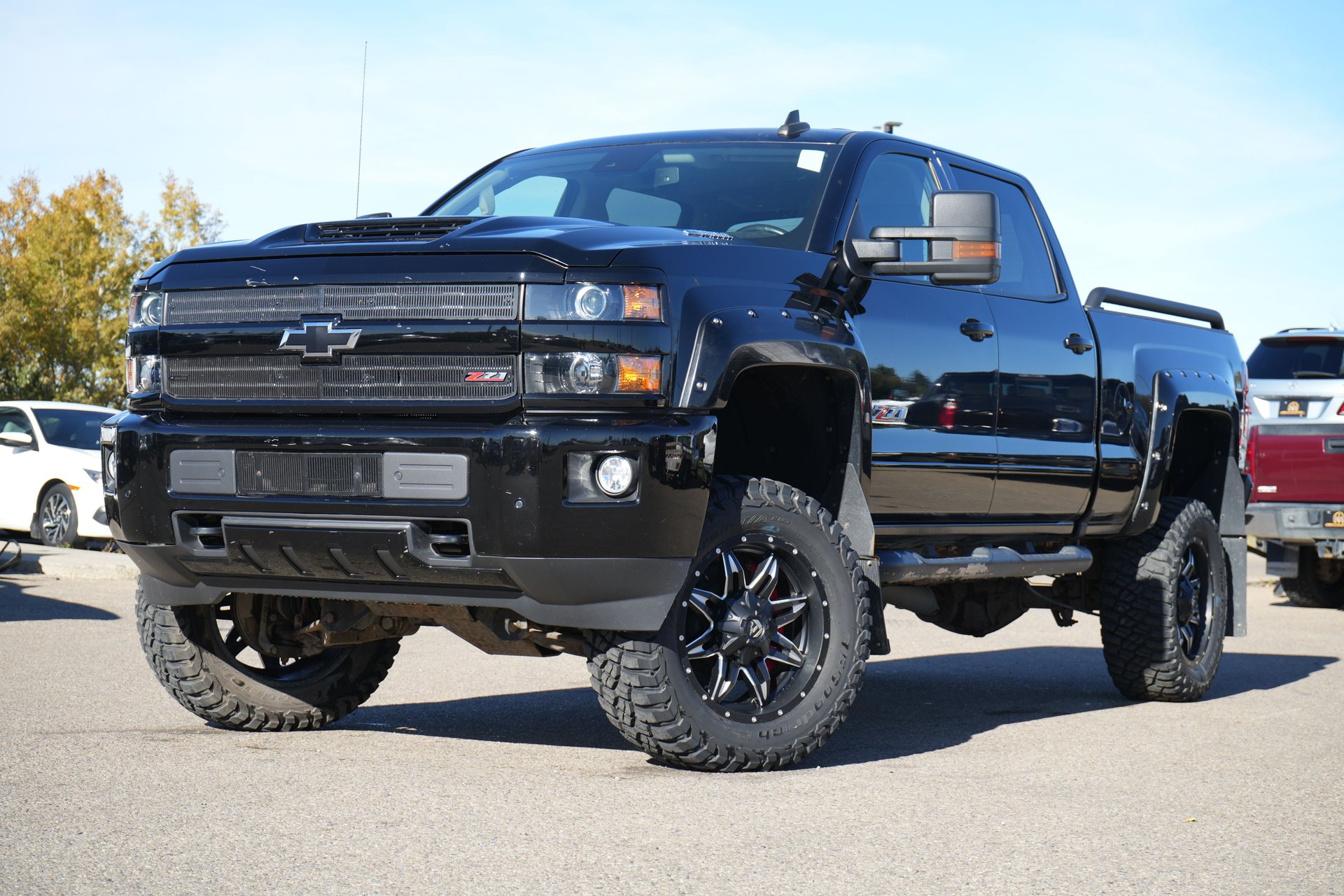
5. Chevrolet/GMC Duramax LML with CP4 Pump (2011–2016)
The LML Duramax is a powerful 6.6-litre diesel. It makes about 397 horsepower and strong torque. Earlier Duramax engines are well regarded. The LML has a known weak spot.
It uses a Bosch CP4 high-pressure fuel pump. The CP4 is sensitive to poor fuel lubricity. When it fails, it throws metal debris through the fuel system. Injectors, lines and the rail get contaminated.
The repair can reach many thousands of dollars. It often means replacing the whole system. Many owners install a conversion kit to switch to the older CP3 pump. That costs money too.
The LML also has emissions equipment. The DPF, the EGR cooler and the DEF system all add risk. DEF heaters, sensors and pumps can fail. They are expensive to replace.
The engine is strong when new. The problem is the age of the fuel system. At 200,000 miles, the pump may already be failing. Check for signs and ask about past repairs.
A truck with a CP3 conversion or a new pump with documentation is far safer. Pay for that peace of mind. Without it, choose the older LBZ or LMM instead. Those engines are more trusted. Skip a stock LML at this mileage. The risk is not worth the price.