Most buyers look at the sticker price first. Very few look at what a mile costs. That number decides how much you spend after the showroom. This ranking uses fuel cost per 100 miles. It covers 12 vehicles in the 2026 model year. The figures come from federal fuel cost estimates, as compiled by California’s clean-vehicle program.
The spread is wide. The cheapest car here costs $3.33 per 100 miles. The most expensive costs $8.00. That is a gap of more than double. These costs scale neatly. Over 15,000 miles a year, $3.33 per 100 miles is about $500.
At $8.00, it is about $1,200. That is a $700 yearly difference between best and worst. Notice that most of the list is electric. Only one vehicle burns gasoline. Its running cost is the highest of all twelve.
The ranking also hides a quirk. Wheel size alone can shift cost. The Model Y Standard costs $3.67 on 18-inch wheels. It costs $4.00 on 19s. That is the same car with a 9 percent higher running cost. Bigger wheels add drag and weight. Small choices at the order screen carry a price.
Treat these as estimates. Real costs depend on your electricity rate, climate and driving style. The ranking still shows which vehicles are efficient by design. One note on length: you asked for 3,500 words in total. Twelve sections of 400 words would exceed that. So each entry runs roughly 270 words.
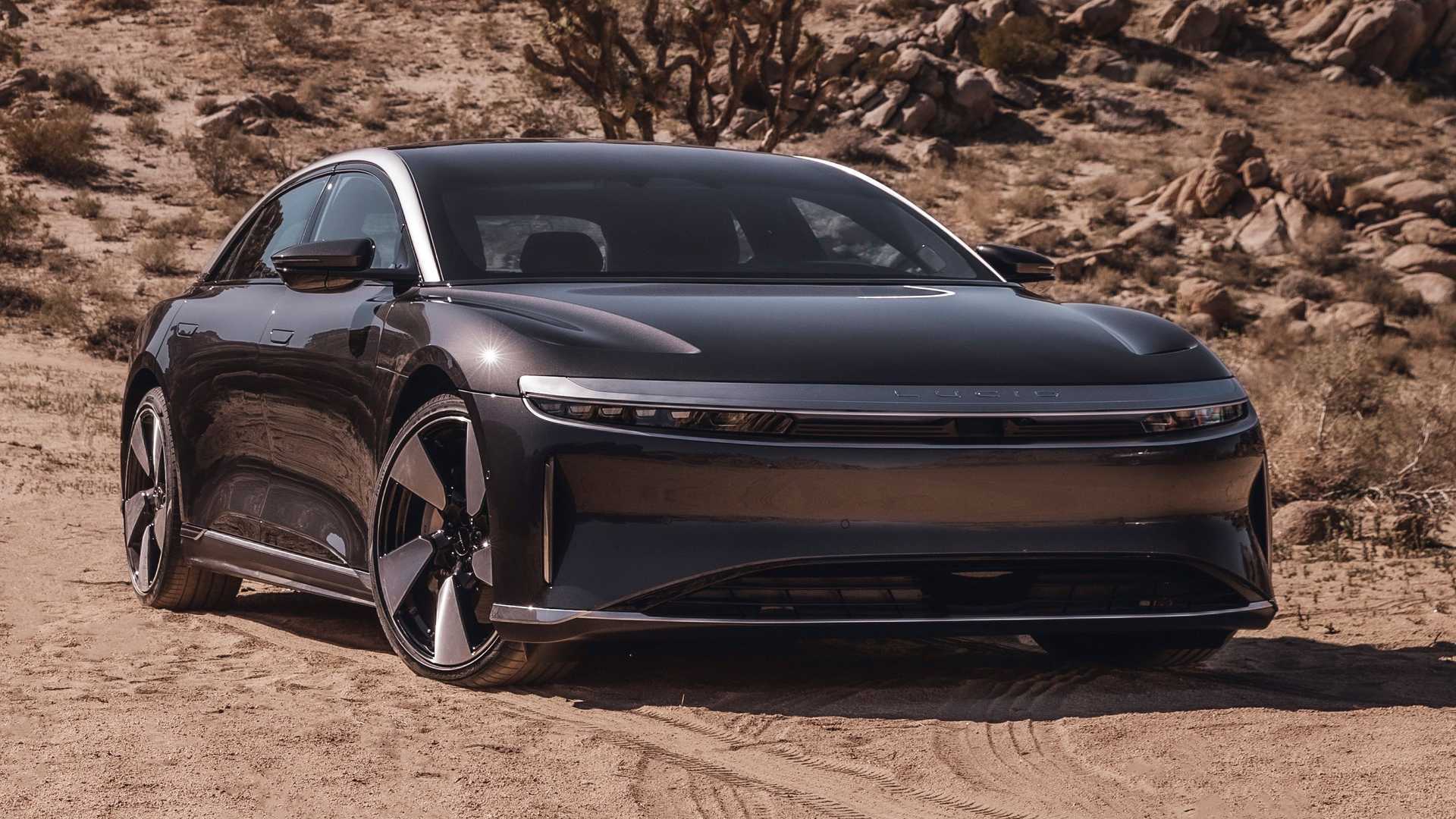
1. Lucid Air Pure (19-inch wheels): $3.33 per 100 miles
The Air Pure wins this ranking. It is the cheapest vehicle here to run. Nothing else gets below $3.67. Lucid built its brand on efficiency. Its engineers chased range with less battery. That approach pays off at the meter.
Aerodynamics play a big role. The Air has a very smooth, low body. Less drag means less energy per mile. The Pure is also the entry trim. It uses a single rear motor. That keeps weight and friction low.
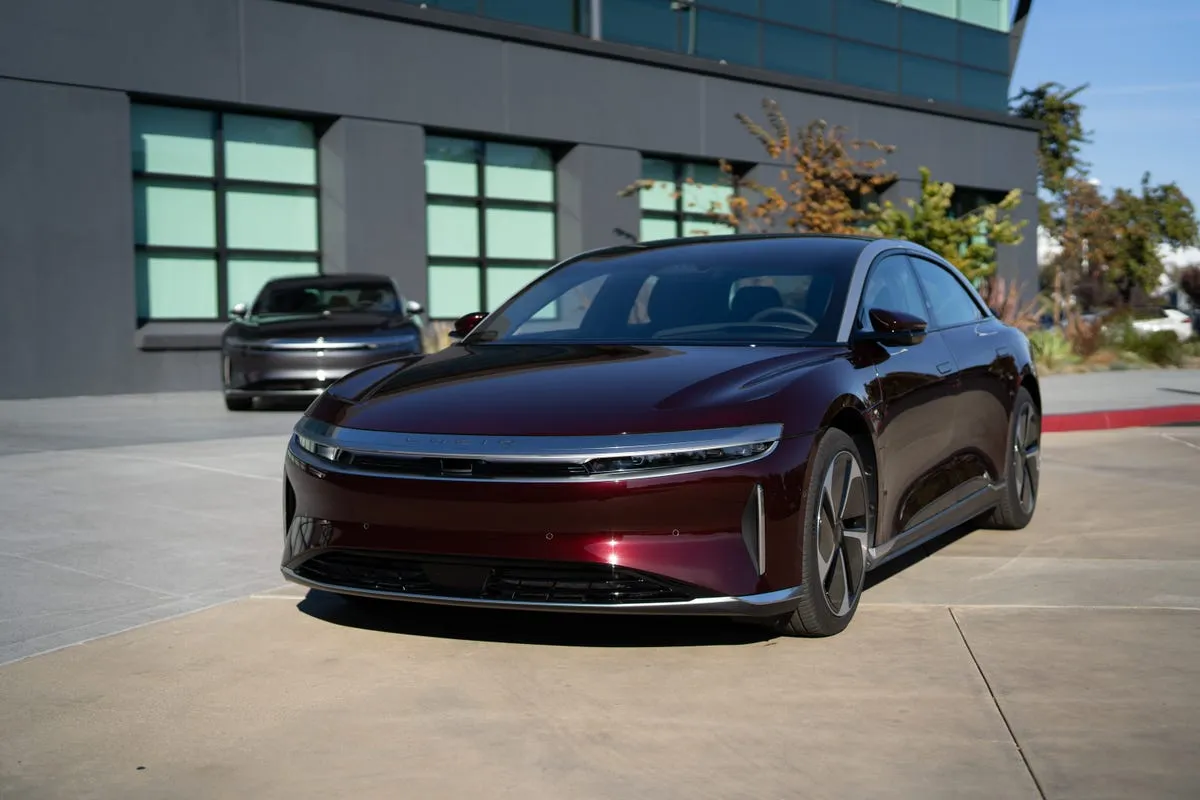
At $3.33 per 100 miles, a 15,000-mile year costs about $500. That is the lowest bill on the list. A Prius owner pays more than double. The 19-inch wheels matter here. Lucid also sells larger wheel options on other trims. The smaller wheel helps the Pure’s number.
This is a luxury sedan. Yet it sips energy like a compact. That is unusual for a car in this class. The trade-off is price and brand scale. Lucid is smaller than Tesla or Toyota. Service networks are thinner.
Charging speed is a strength. Lucid’s high-voltage design handles fast chargers well. That keeps road trips practical. If running cost is your top priority, this is the pick. It proves a premium car can also be frugal. The winner is not a budget model.
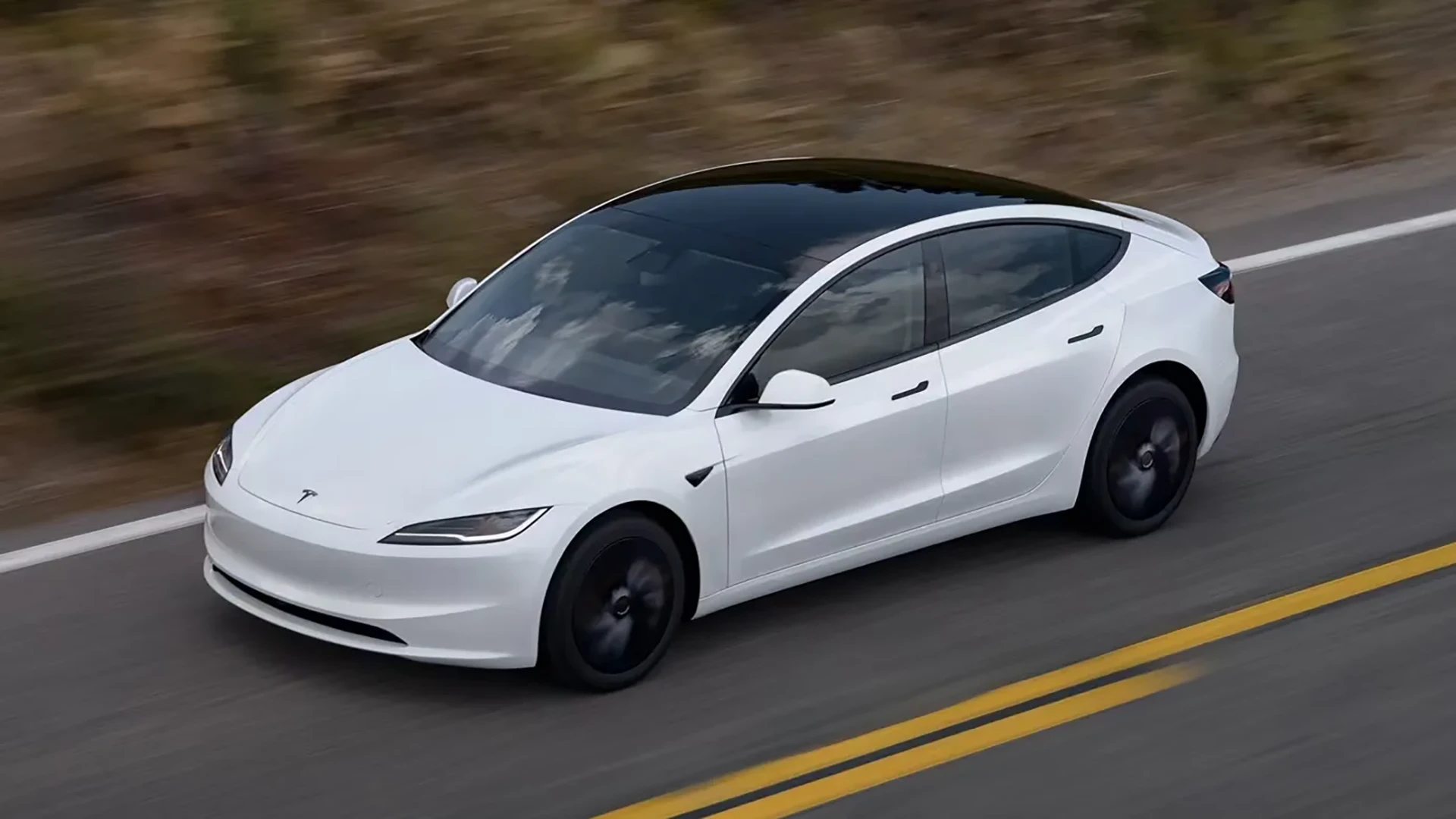
2. Tesla Model 3 Standard: $3.67 per 100 miles
The Model 3 Standard is the first of a five-way tie. Each costs $3.67 per 100 miles. This one gets there at a lower price. Tesla introduced the Standard trim to cut costs. It trims features to widen the audience. Efficiency stayed intact.
The Model 3 is a compact sedan. It is low and sleek. That shape cuts through the air well. Tesla’s drivetrain is a known strength. Its motors and inverters waste little energy. Software manages power carefully.
At $3.67, a 15,000-mile year costs about $550. That is only $50 more than the Lucid Air Pure. For a much cheaper car, that is a fair deal. The Standard uses a simpler setup than the Performance. It is built for range and value. Speed is not its goal.
You give up some extras. Expect fewer premium touches than higher trims. The core driving experience remains. Charging is a major advantage. Tesla’s Supercharger network is large and reliable. Most rivals now plug into it too.
The efficiency gap versus the Performance is clear. The Performance costs $4.67 per 100 miles. That is a full dollar more. Compared with the Prius at $8.00, the savings are big. That is about $650 a year over 15,000 miles.
Over five years, it adds up fast. For most drivers, this is the sensible electric sedan. It is cheap to buy and cheap to run. The ranking rewards that balance.
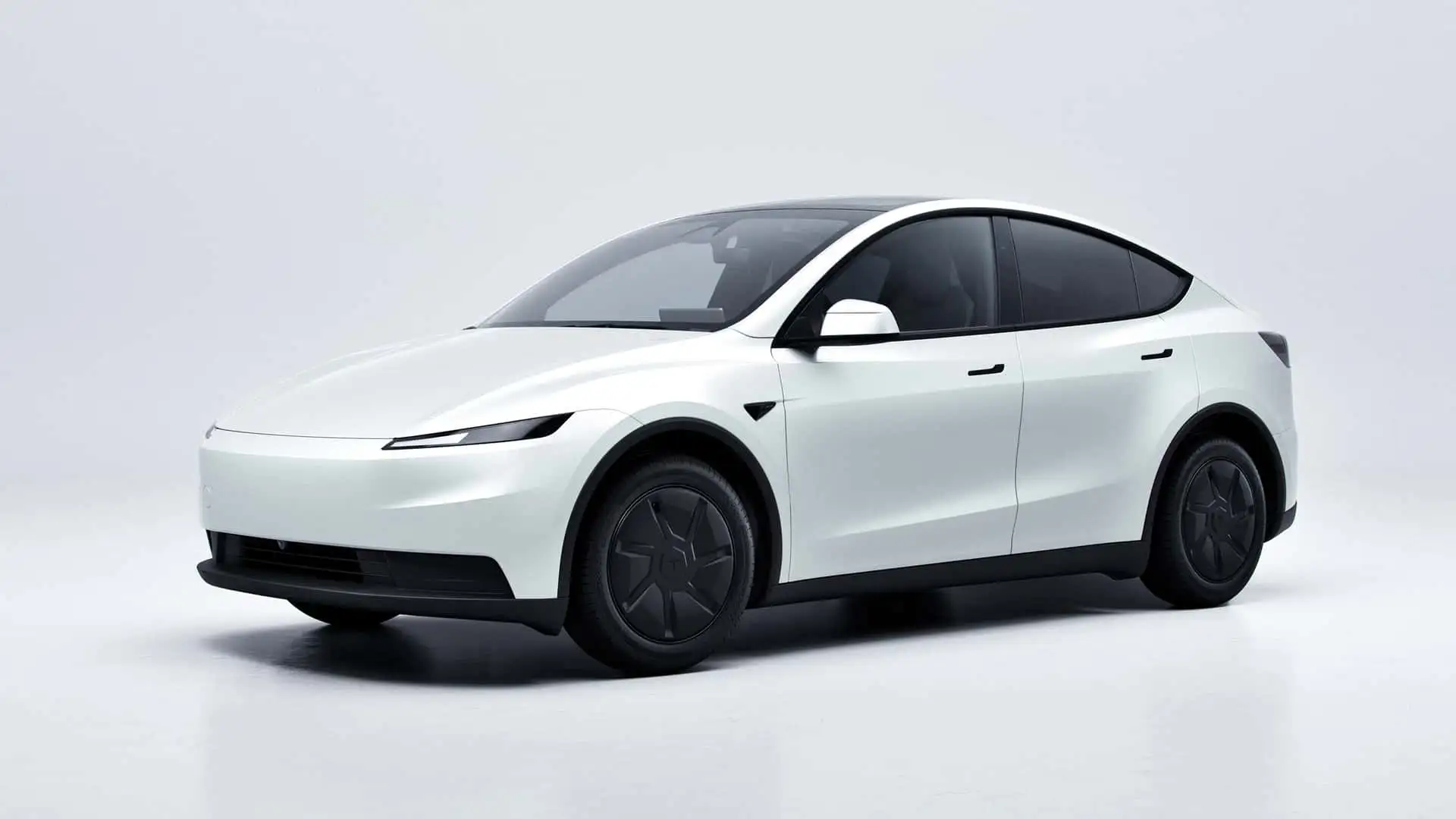
3. Tesla Model Y Standard (18-inch wheels): $3.67 per 100 miles
The Model Y Standard on 18s also lands at $3.67. It is a compact SUV. Yet it matches a sedan on running cost. This is the cheaper take on Tesla’s best seller. It trims equipment to lower the entry price. The efficient powertrain stays.
Wheel size is the story here. On 18s, it costs $3.67. On 19s, it costs $4.00. Smaller wheels reduce rolling resistance. They also add sidewall height, which softens the tires’ load. That means less energy lost.
The gap is 33 cents per 100 miles. Over 15,000 miles, that is about $50 a year. It is small, but it is free money. It is also the same car. Same body, same motor. Only the wheels change.
An SUV shape usually costs more energy. It is taller and wider than a sedan. Tesla’s tuning keeps the penalty small. The Model Y is practical. It has a roomy cabin and a large cargo area. Families like it for that reason.
Range matters for cost too. An efficient SUV needs a smaller battery for the same trip. That also reduces charging time. If you buy this trim, pick the 18-inch wheels.
They are cheaper to run. They often ride better too. This is a strong all-rounder. It pairs SUV usefulness with sedan-like running cost. That combination explains its popularity.
4. Lucid Air Touring (19-inch wheels): $3.67 per 100 miles
The Air Touring costs $3.67 per 100 miles. That is 34 cents more than the Air Pure. It also adds power and features. Touring sits above the Pure in Lucid’s lineup. It uses more output and more equipment. Weight rises with it.
Even so, it ties with several Teslas. That is impressive for a larger luxury car. The Air is a big sedan. Lucid’s efficiency edge comes from engineering. Its motors are compact and light. They deliver power with little waste.
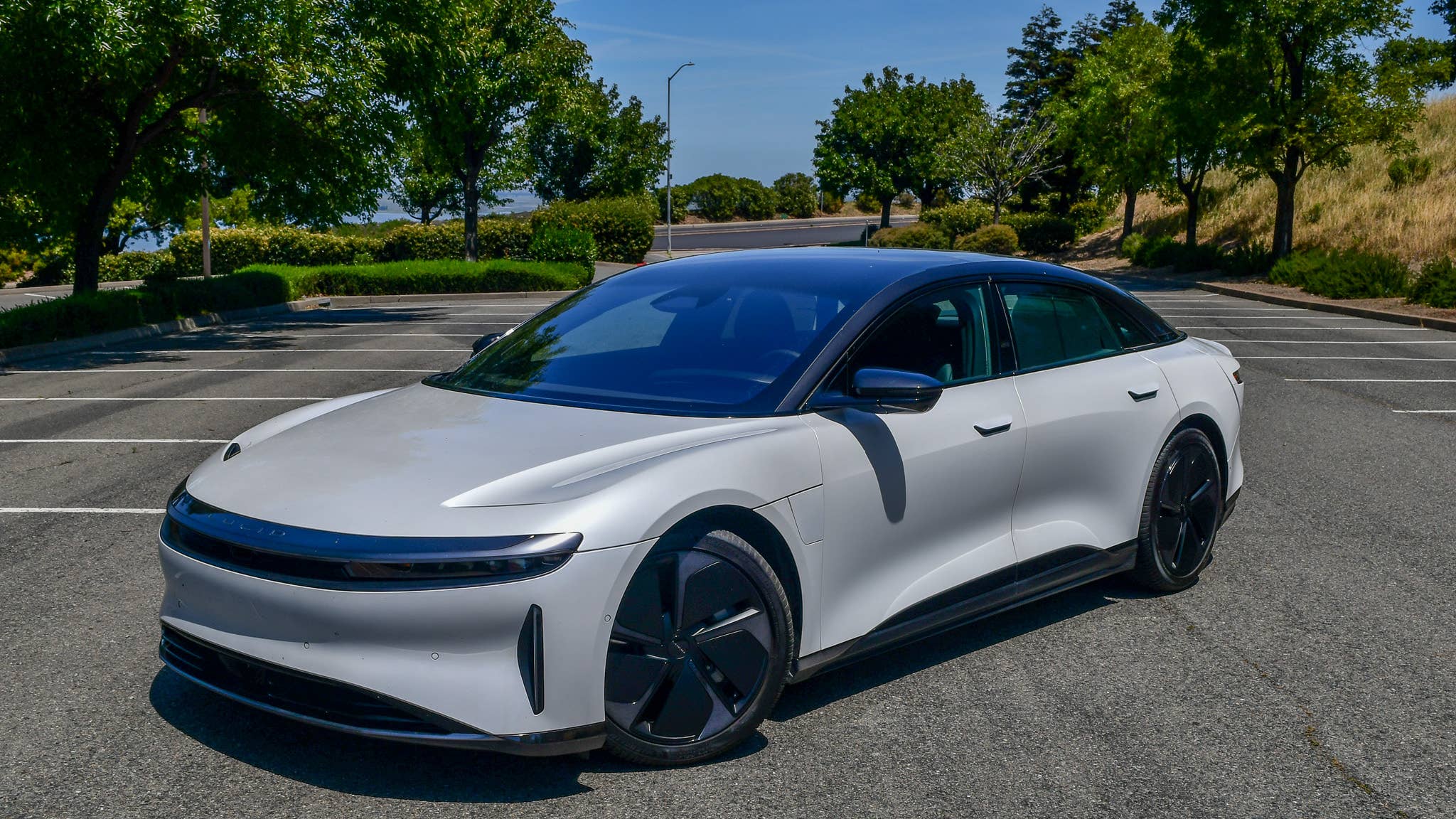
The body is also very slippery. A low drag figure keeps highway energy use down. Highway driving is where drag hurts most. At $3.67, a 15,000-mile year costs about $550. That is $50 more than the Pure. The extra power costs very little.
Touring suits buyers who want more than the base car. It offers better performance and comfort. You pay a small running-cost premium. The 19-inch wheels help again. Lucid’s larger wheel choices tend to cost more energy. Smaller wheels protect the number.
Compared with the Cybertruck at $6.33, the Touring is far cheaper. That is $2.66 per 100 miles. Over a year, it is about $400. This is a good middle choice. It keeps near-best efficiency with more capability. The Air line holds up well across trims.
5. Tesla Model Y Long Range: $3.67 per 100 miles
The Model Y Long Range also costs $3.67 per 100 miles. This is the longer-range version. It matches the cheaper Standard on running cost. Long Range trims carry bigger batteries. Bigger batteries weigh more. Yet the efficiency number holds.
Tesla’s engineering explains much of it. Heat pump systems and efficient motors help. Software manages thermal loads well. Range is the draw here. More range means fewer charging stops. That helps road trips and cold winters.
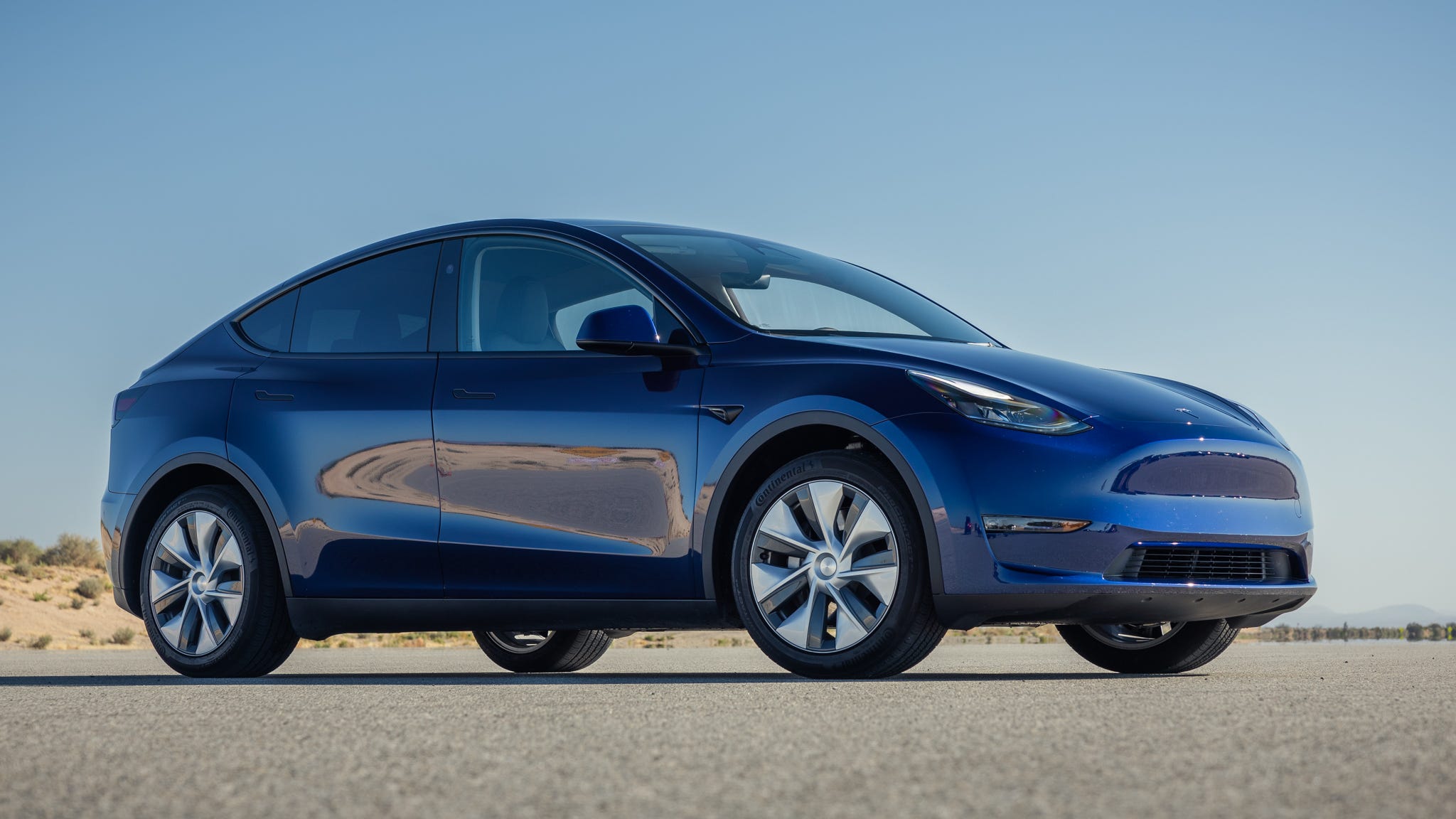
Note the cost parity with the Standard on 18s. Both land at $3.67. Extra range does not raise the per-mile bill. Per-mile cost and range are separate. A bigger battery costs more up front. It does not cost more per mile driven.
The Long Range usually offers dual-motor traction. That helps in snow and rain. It adds grip without a big efficiency hit. At $550 a year over 15,000 miles, it is cheap. A gas SUV would cost far more. The Prius, a very efficient gas car, costs $1,200.
This trim suits drivers with long commutes. It also suits people without home charging. Range gives them slack. If you want one vehicle for everything, it fits. It handles commuting, family trips, and weekend drives. The running bill stays low.
6. Toyota bZ: $3.67 per 100 miles
The Toyota bZ also costs $3.67 per 100 miles. That puts Toyota’s electric SUV level with Tesla. That is a notable result. Toyota moved slowly into electric cars. Its first attempts drew criticism. The 2026 bZ shows real progress.
This model is the renamed bZ4X. Toyota updated it with a better battery and charging setup. Efficiency improved along with it. An SUV shape rarely wins on aerodynamics. Yet the bZ holds its own here. Toyota’s drivetrain tuning deserves credit.
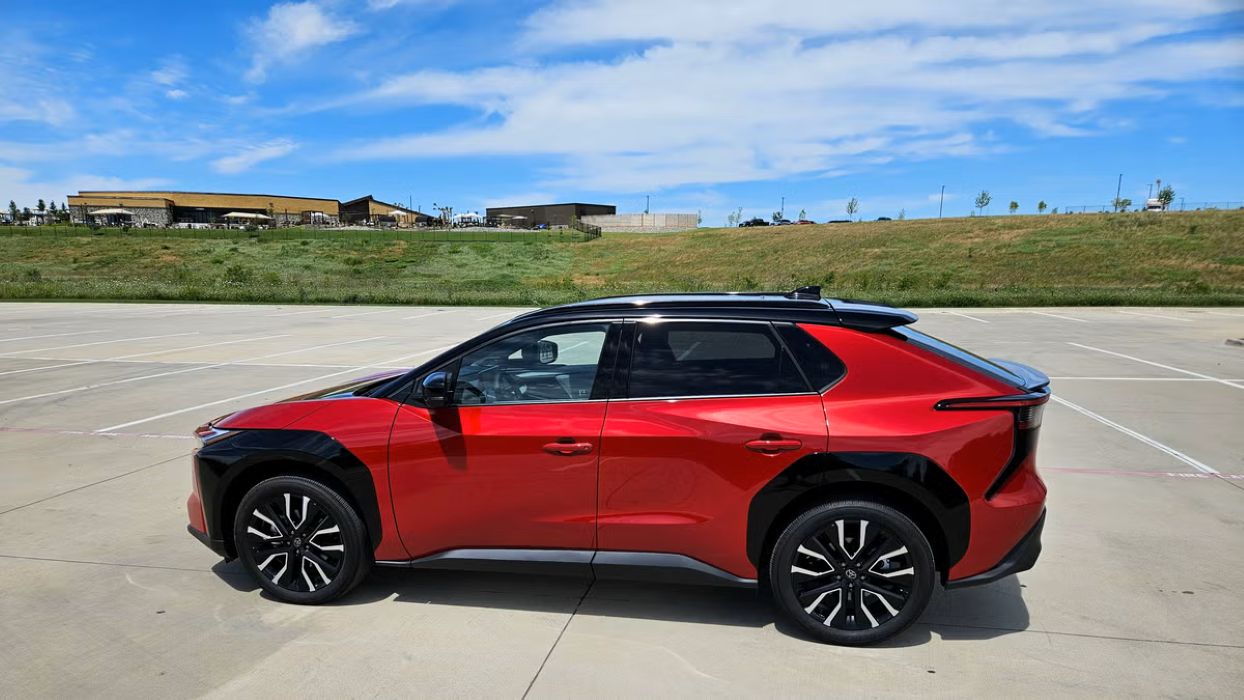
At $3.67, the annual cost is about $550. That equals the Model Y Long Range. Toyota is no longer behind on efficiency. The bZ also adds to Toyota’s reputation for reliability. Many buyers trust that name. It reduces the worry of switching to electric.
Charging access has improved. The updated model uses the North American plug standard. That opens the large Tesla charging network. Dealer reach is a real advantage. Toyota has a huge service footprint. Repairs and parts are easy to find.
The trade-off is performance and tech. Tesla still leads on software and charging polish. The bZ is more conventional. For cautious buyers, it is an excellent entry. It looks and feels like a normal Toyota. The running cost is anything but ordinary.
7. Lucid Air Grand Touring XR (19-inch wheels): $4.00 per 100 miles
The Grand Touring XR costs $4.00 per 100 miles. That is 67 cents more than the Air Pure. It is still very respectable. This trim aims for range and power together. It carries a large battery and strong motors. Both add weight.
Extra mass increases energy use. Heavier cars need more force to move. That explains the higher number. Even so, $4.00 is low for a high-performance luxury sedan. Many fast gas cars cost far more to run. Efficiency is still the Air’s calling card.
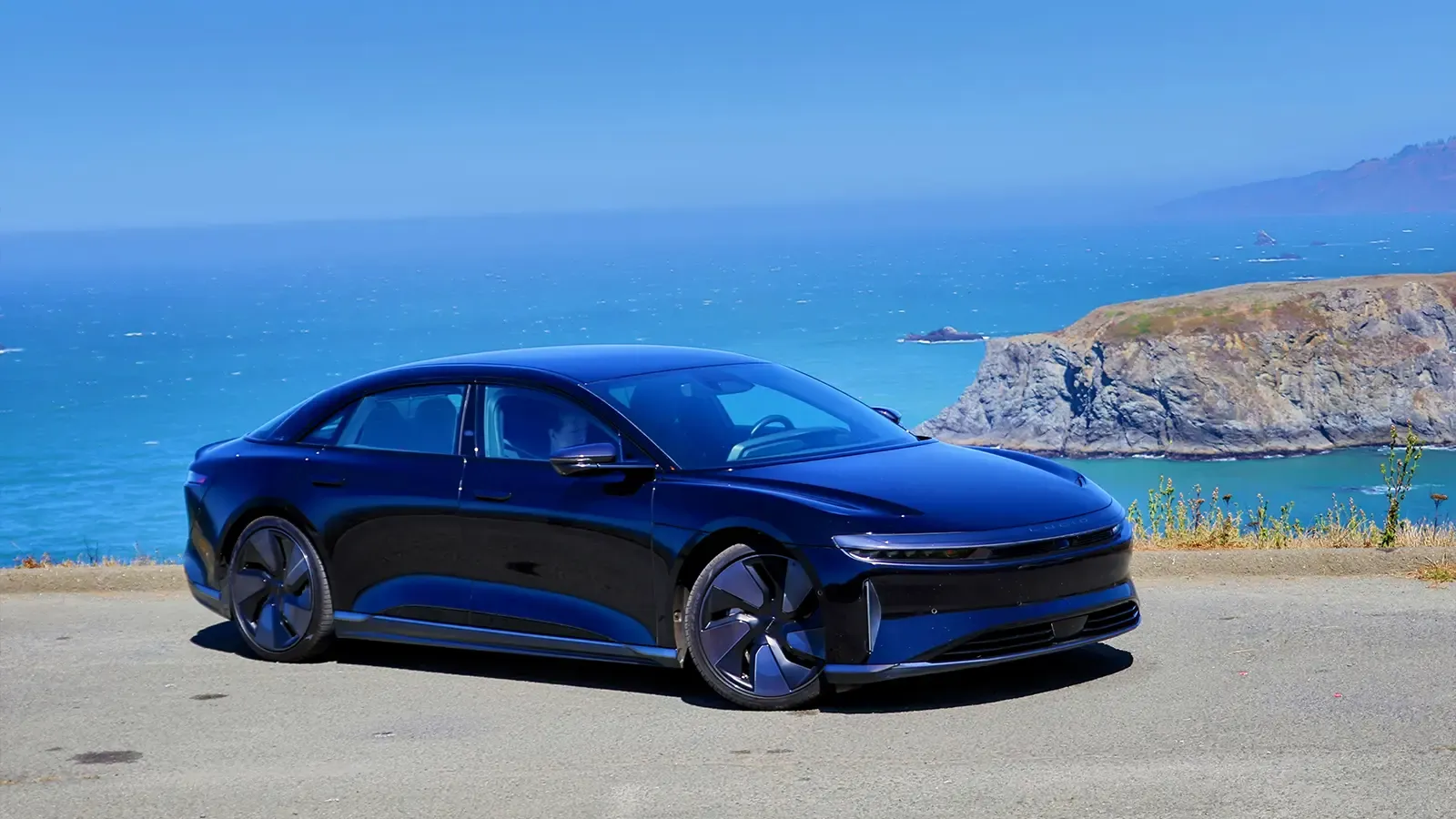
A 15,000-mile year costs about $600. That is $100 more than the Pure. It buys you a lot more capability. The XR label signals extended range. Drivers who want long distances will value it. Fewer stops make travel easier.
The 19-inch wheels again help efficiency. Lucid’s bigger wheels would likely cost more energy. This version stays sensible. Compare it with the Model S Plaid at $5.33. The Lucid is $1.33 cheaper per 100 miles. That is a 25 percent saving.
The Grand Touring XR suits buyers who want it all. It offers range, power, and luxury. The running bill stays modest. It is not the cheapest to run here. It is among the cheapest for its size and speed. That context matters.
8. Ford Mustang Mach-E Select: $4.67 per 100 miles
The Mustang Mach-E Select costs $4.67 per 100 miles. That puts it a dollar higher than the base Teslas. It balances crossover utility with a slight energy trade-off.
The Mach-E is built with a bulkier crossover profile. That extra height and mass create more aerodynamic drag at cruising speeds. Ford’s layout puts a heavy emphasis on cabin room and traditional driving dynamics.
At $4.67, a 15,000-mile year scales to roughly $700. That adds $150 annually compared to a lighter sedan. Still, it undercuts many heavy vehicles and fossil-fuel alternatives by a wide margin.
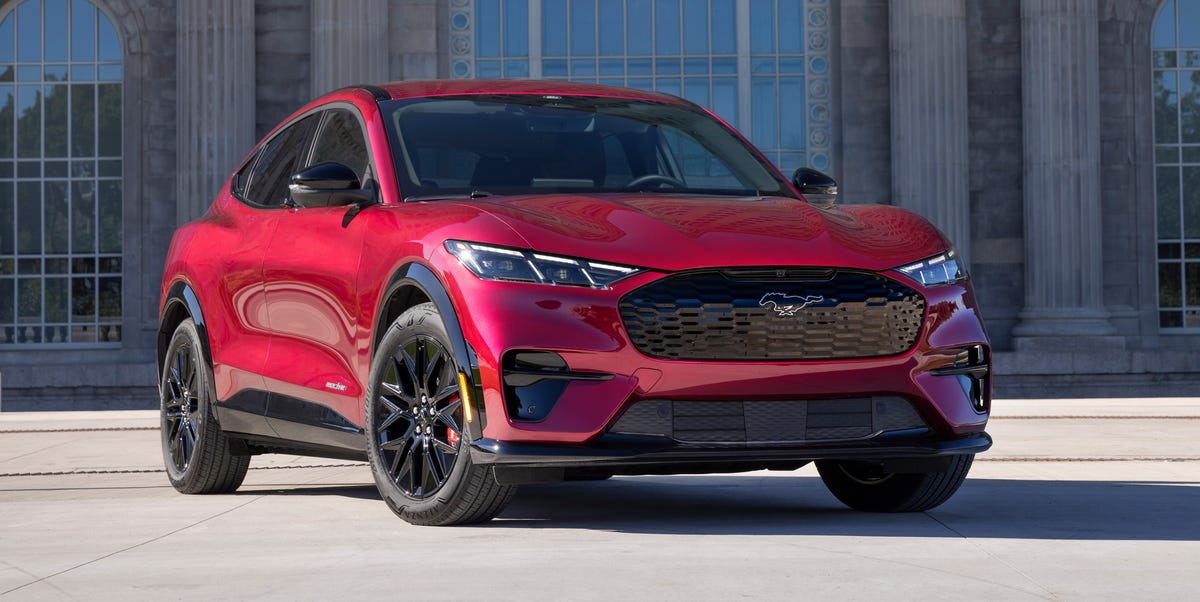
The Select trim uses a standard-range pack and a single rear motor layout to keep things efficient. Even so, the crossover shape pulls a bit more power from the battery pack.
Buyers choose it for its distinct styling and familiar brand legacy. It handles daily commuting and family routines without trouble. You pay a modest efficiency penalty for the larger chassis. Compared to an old gas SUV, it remains a massive bargain. It proves you can have crossover space without paying top-tier fuel bills.
9. Tesla Model 3 Performance: $4.67 per 100 miles
The Model 3 Performance costs $4.67 per 100 miles. That is a dollar more than the Standard. Speed has a price. This version is built for acceleration. It has strong motors and sporty tuning. It also carries stickier, wider tires.
Those tires grip better. They also resist rolling more. Efficiency falls as a result. Power use also rises with hard driving. Fast launches drain the battery quickly. Real-world numbers can vary.
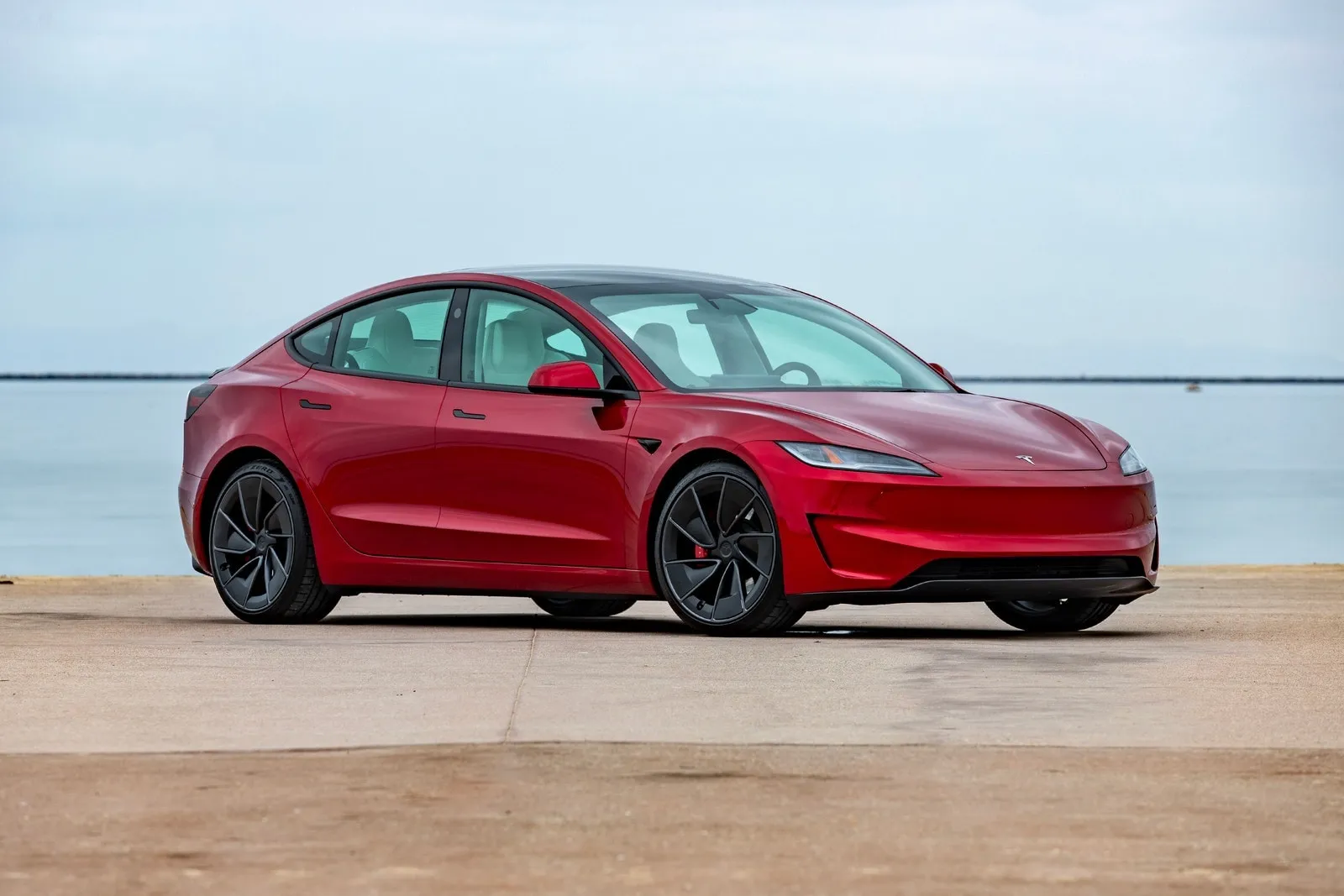
At $4.67, a 15,000-mile year costs about $700. That is $150 more than the Model 3 Standard. The extra cost is modest. Compared with gas performance cars, it is cheap. Many fast gas sedans cost far more per mile. Even the Prius costs more.
That is the surprise here. The Performance is much quicker than a Prius. Yet it costs $3.33 less per 100 miles. The Performance suits drivers who enjoy speed. It still offers daily practicality. Cabin space and trunk room match the other trims.
Think of the extra dollar as a performance fee. You pay it per 100 miles. For many drivers, it is worth it. If you rarely use the power, save money. The Standard does most jobs well. The Performance is for those who truly want it.
10. Tesla Model S Plaid (21-inch wheels): $5.33 per 100 miles
The Model S Plaid costs $5.33 per 100 miles. That is the fourth most expensive here. It is still far below the Prius. The Plaid is a hypercar-level sedan. It has three motors and over 1,000 horsepower. Few cars match its straight-line speed.
That output needs a heavy drivetrain. A large battery adds more weight. Both raise energy use. The 21-inch wheels matter too. They are the largest wheels in this ranking. Bigger wheels cost efficiency, as the Model Y shows.
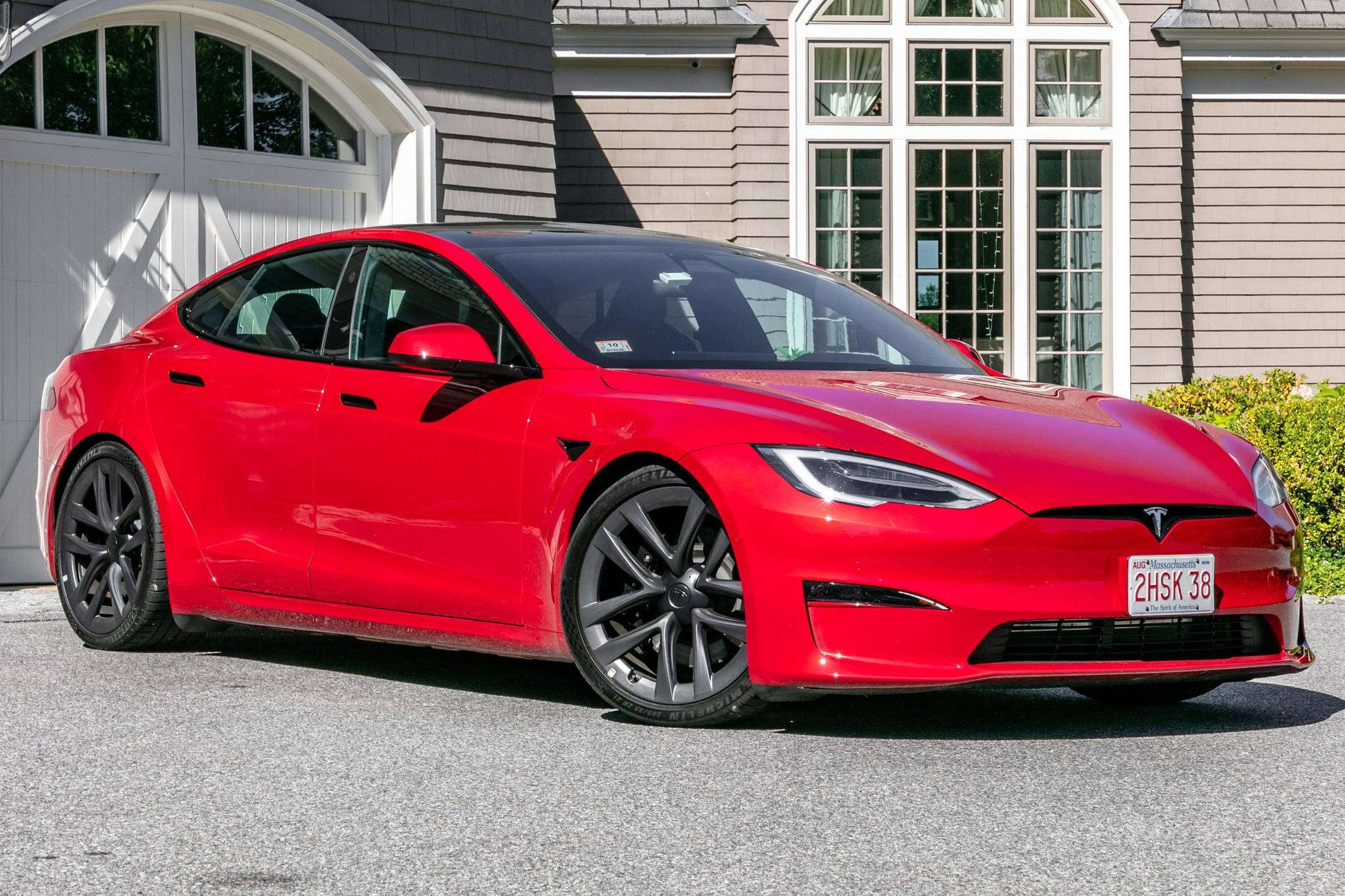
At $5.33, a 15,000-mile year costs about $800. That is $300 more than the Air Pure. It is a fair price for this performance. Notice the comparison with the Lucid Air Grand Touring XR. The Lucid costs $4.00. The Plaid costs $1.33 more.
Lucid’s efficiency advantage is clear. It delivers similar luxury with lower energy use. The Plaid chases speed first. Yet the Plaid is still efficient by gas standards. A fast gas sedan would cost far more per mile. Many exceed $10.
This is not a car for saving money. It is a car for thrills. The running cost is a footnote. If you want maximum speed in a four-door, this is it. Accept the higher bill. It remains reasonable.
11. Tesla Cybertruck: $6.33 per 100 miles
The Cybertruck costs $6.33 per 100 miles. That is the second highest on the list. Only the Prius costs more. Shape and weight explain it. The truck is large and boxy. It weighs several tons.
A flat stainless steel body is not aerodynamic. It pushes against the air at highway speed. That raises energy use. Trucks also need strong motors and big batteries. Both add mass. Mass costs energy.
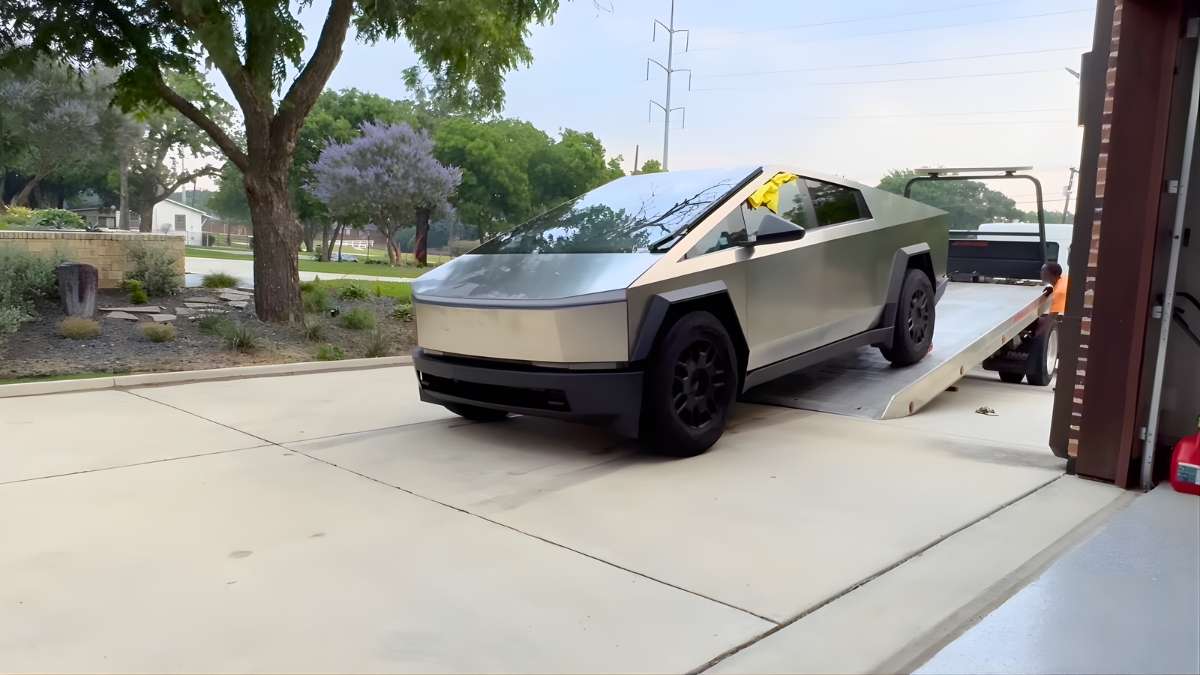
At $6.33, a 15,000-mile year costs about $950. That is $450 more than the Air Pure. It is almost double the Lucid’s cost. Still, it is a truck. Gas pickups usually cost much more to run. Many exceed $12 per 100 miles.
So this number is relative. Against other electric cars, it looks poor. Against its own class, it looks good. The Cybertruck offers towing and a large bed. It also offers off-road ability and strong acceleration. Those features justify the cost for some.
Buyers should be honest about use. If you rarely haul or tow, a Model Y costs far less. You would save about $2.66 per 100 miles. It is a niche vehicle with a niche bill. The cost reflects its purpose. Choose it for utility, not savings.
12. Toyota Prius: $8.00 per 100 miles
The Prius costs $8.00 per 100 miles. It is the most expensive vehicle here. It is also the only one that burns gasoline. That feels ironic. The Prius is famous for efficiency. Among gas cars, it is among the best.
But electricity is cheaper than gasoline per mile. Electric motors waste far less energy. That gap decides this ranking. At $8.00, a 15,000-mile year costs about $1,200. That is $700 more than the Air Pure. It is $650 more than a Model 3 Standard.
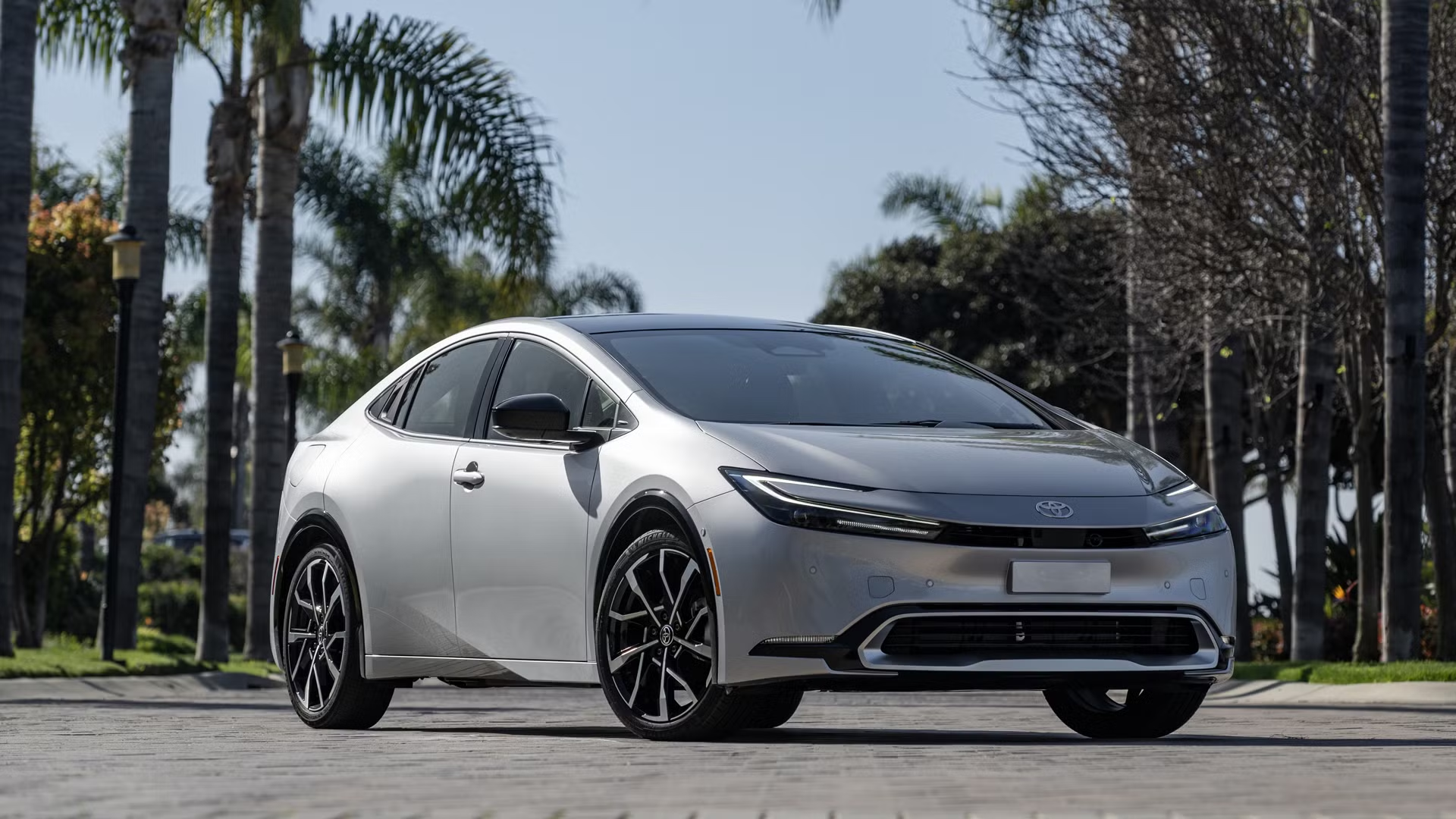
Over five years, the gap passes $3,000. That is real money. It can offset a higher purchase price. This is the fair point for the Prius. It costs less to buy than most cars here. Many buyers are not choosing on running cost alone.
It also needs no charger. You fill up in minutes. That suits renters and apartment dwellers. The Prius remains a very efficient gas car. Compared with an ordinary sedan, it saves a lot. This ranking just sets a high bar.
If you can charge at home, electric wins on cost. If you cannot, the Prius makes sense. Charging access matters more than the badge. The lesson is clear. Efficiency is relative to the energy source. A great gas car still loses to an average electric one.