Fuel economy is the number most buyers check first. At the bottom of the 2026 EPA rankings, almost nobody checks it at all. These eleven vehicles are the thirstiest on sale in America today. They are ranked here by combined mpg, the blend of city and highway driving the EPA uses.
At the very bottom sits the Bugatti Mistral at 9 mpg. Above it come machines from Ford, Ferrari, Rolls-Royce, Cadillac, Mercedes-AMG, Porsche and Audi.
None of these cars is thirsty by accident. Each one chases speed, size, silence or sheer presence. Fuel economy simply lost the argument at the design stage.
The gap to the other end of the list is striking. The Toyota Prius returns 57 mpg combined, which is more than six times the Mistral’s figure. Put another way, a Prius covers about 57 miles on the fuel a Mistral burns in 9. Over 100 miles, the Prius uses under two gallons. The Mistral uses over eleven.
Most of these cars are also bought as second, third, or fourth vehicles. They rarely rack up commuter mileage. That context matters when judging them. Still, the numbers are worth knowing. Here are the eleven, from worst to least bad.
1. Bugatti Mistral: 9 mpg combined
The Mistral is the thirstiest vehicle on sale in America. Its 9 mpg is the lowest on the 2026 EPA list. The reason is its engine. An 8.0-liter, quad-turbocharged W16 sits behind the driver.
That engine makes about 1,600 horsepower. It is the last W16 Bugatti will build. The Mistral is an open-top roadster. It was built to set a speed record for roadsters, and it did.
Bugatti limited production to 99 cars. Each one cost several million dollars. Moving this much power takes enormous airflow. Ten radiators and a huge intake system feed the engine.
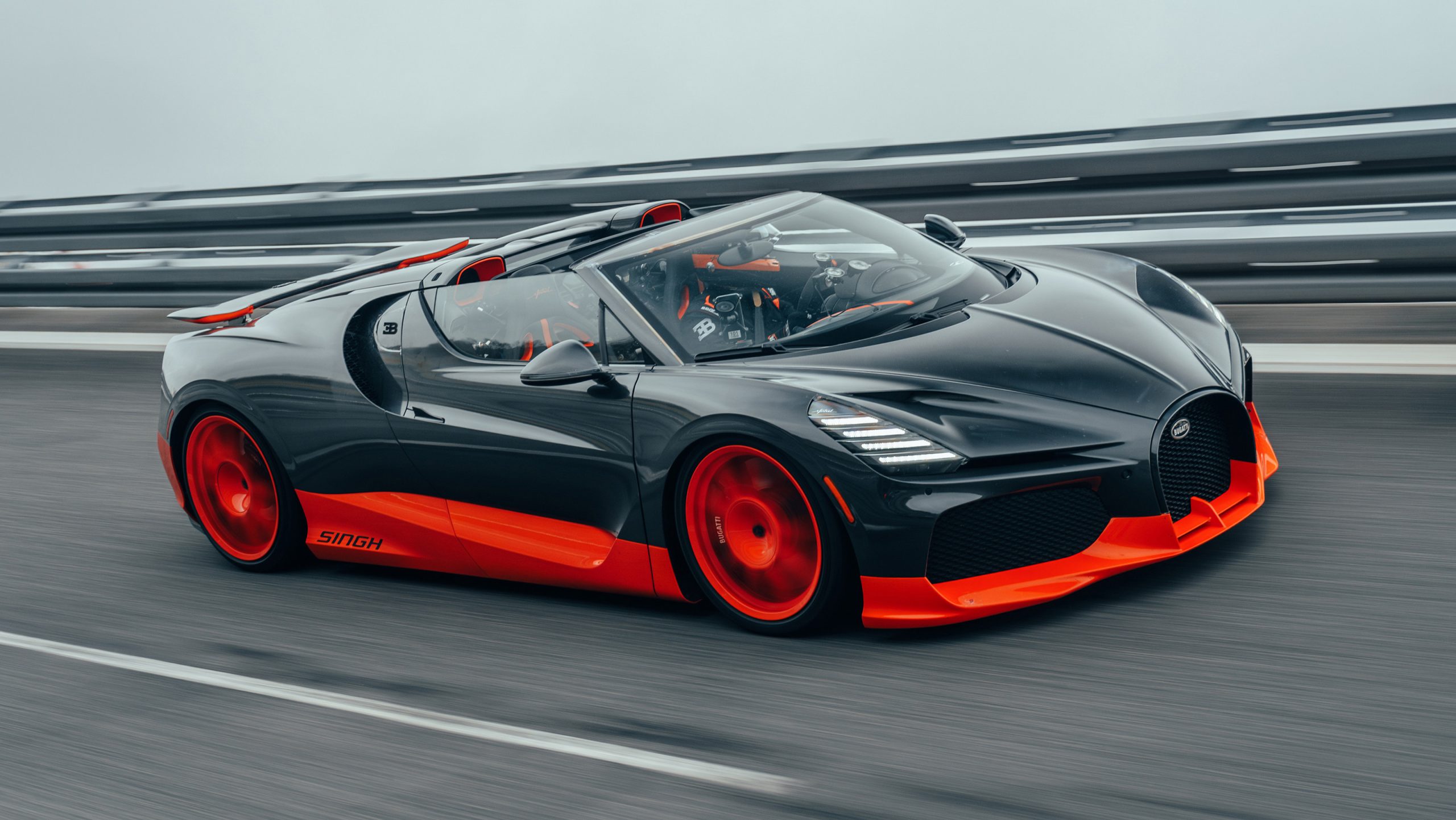
All-wheel drive and a dual-clutch gearbox add weight and friction. That weight costs more fuel. At top speed, the car reportedly empties its tank in minutes. Few owners will ever see that.
At 9 mpg, a 100-mile drive uses about eleven gallons. A Prius would use under two. Yet the Mistral will rarely cover many miles. Collectors tend to store these cars, not drive them.
For most owners, the fuel bill is a rounding error. The car’s value matters far more. The Mistral is a farewell to a remarkable engine. Its efficiency was never the goal.
2. Ford Mustang GTD: 12 mpg combined
The Mustang GTD is a road-legal race car. Its 12 mpg tells you what it was built for. Under the hood is a supercharged 5.2-liter V8. It makes about 815 horsepower.
The engine is related to the one in the old Shelby GT500. Ford tuned it for sustained track use. The transmission is an eight-speed dual-clutch unit. It sits at the rear for better weight balance.
The body is carbon fiber, and the suspension is extremely sophisticated. Ford partnered with a specialist firm for final assembly. Ford’s target was the Nürburgring. The GTD became the first American production car to lap it in under seven minutes.

Cars like this are judged by lap times. Fuel economy barely enters the conversation. The starting price is around $300,000. Ford limited production and controlled who could buy one.
Many buyers are Mustang loyalists with deep pockets. Others are collectors. At 12 mpg, the GTD would burn about eight gallons per 100 miles. On a track, the number drops far lower.
Ford chose not to add hybrid help. The company wanted a raw, mechanical experience. The GTD proves the Mustang name can stretch to supercar territory. It also proves that speed has a cost at the pump.
3. Ferrari Purosangue: 12 mpg combined
The Purosangue is Ferrari’s first four-door car. Its name means “thoroughbred” in Italian. Ferrari insists it is not an SUV. Its 12 mpg looks very much like one.
The engine is a 6.5-liter naturally aspirated V12. It makes about 715 horsepower. That engine revs to a very high redline. It sounds like no turbocharged rival.
Naturally aspirated engines stay efficient only at light loads. Pushed hard, they drink heavily. The Purosangue weighs well over two tons. Moving that mass takes serious energy.

All-wheel drive adds more weight and drivetrain loss. An eight-speed dual-clutch gearbox handles the shifts. Ferrari also fitted an advanced active suspension system. It keeps the tall body flat in corners.
The price starts above $400,000. Waiting lists were long at launch. Many buyers use it as a daily driver. That makes its fuel use matter more than a weekend car’s would.
Ferrari has promised a hybrid future for its lineup. The V12 here may be among the last of its kind. For now, 12 mpg is the price of a four-door Ferrari. Its owners seem happy to pay it.
4. Ford F-150 Raptor R 4WD: 12 mpg combined
The Raptor R is the most extreme F-150 ever built. It shares the 12 mpg figure with the Ferrari. Its engine is a supercharged 5.2-liter V8. It produces about 720 horsepower.
A ten-speed automatic sends power to all four wheels. The truck weighs close to three tons. Ford designed it for high-speed desert running. It can leap crests at speeds that would wreck a normal pickup.
Huge 37-inch tires come standard. They add weight, rolling resistance, and aerodynamic drag. The suspension uses long-travel shocks with live valves. They adjust damping in milliseconds.
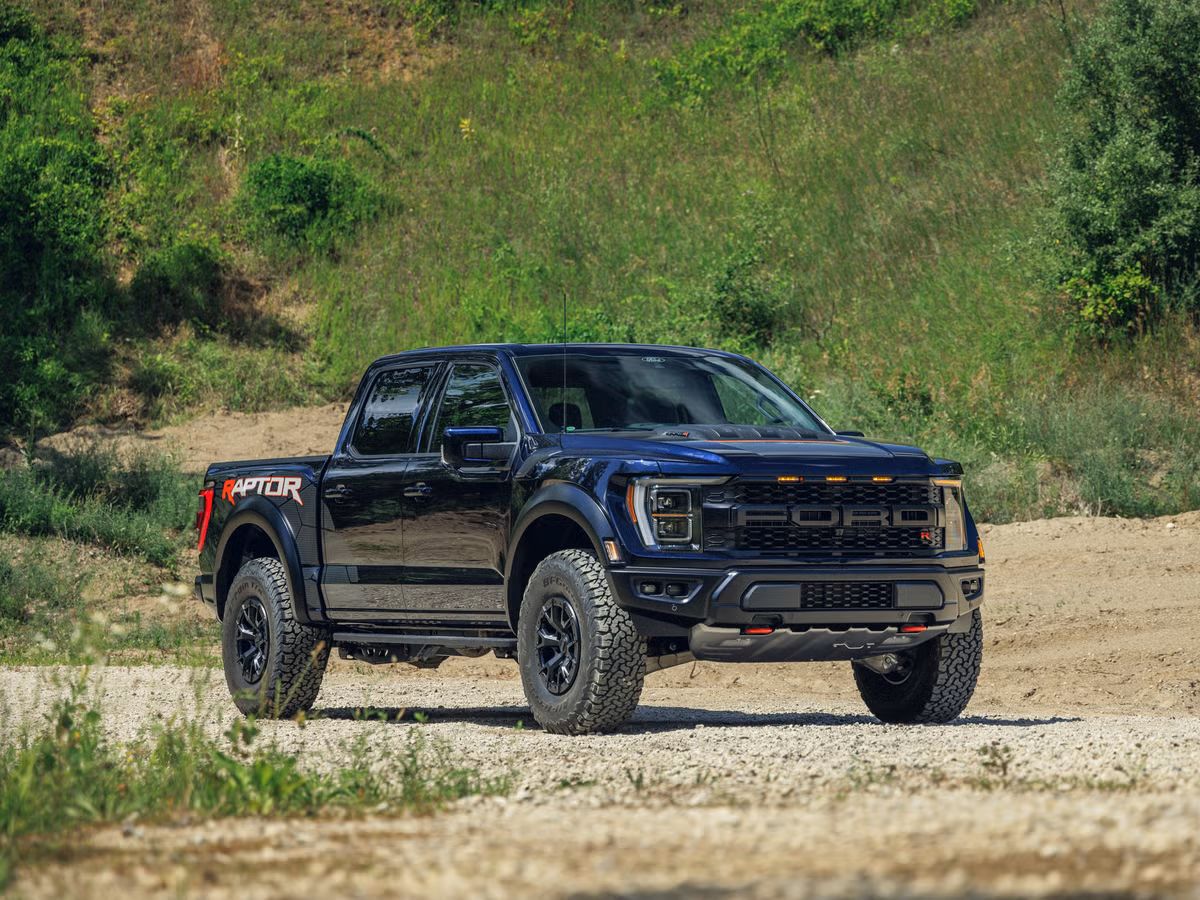
The Raptor R’s price sits around $110,000. That is far above a typical F-150. It is also the only truck here. Most others on this list are low sports cars.
A truck like this may see daily use. Owners may commute in it, tow with it, and race it. That makes the 12 mpg figure more costly than for a garage queen. Over 15,000 miles, it burns about 1,250 gallons.
Ford also sells hybrid and electric F-150 models. They exist for buyers who want a truck without the thirst. The Raptor R is for buyers who want the V8 above all. Ford will keep selling it while demand lasts.
5. Rolls-Royce Ghost: 14 mpg combined
The Ghost is the “entry” Rolls-Royce. Its 14 mpg reflects that its engineers prioritized comfort over economy. Power comes from a 6.75-liter twin-turbo V12. It makes about 563 horsepower.
The V12 is tuned for smooth, effortless torque. Rolls-Royce wants silence, not noise. Its eight-speed automatic uses satellite data to choose gears. It prepares for corners and hills ahead.
The car weighs more than two and a half tons. Much of that weight is sound insulation. Rolls-Royce used about 100 kilograms of sound-deadening material in the body. The goal is a cabin free of road noise.
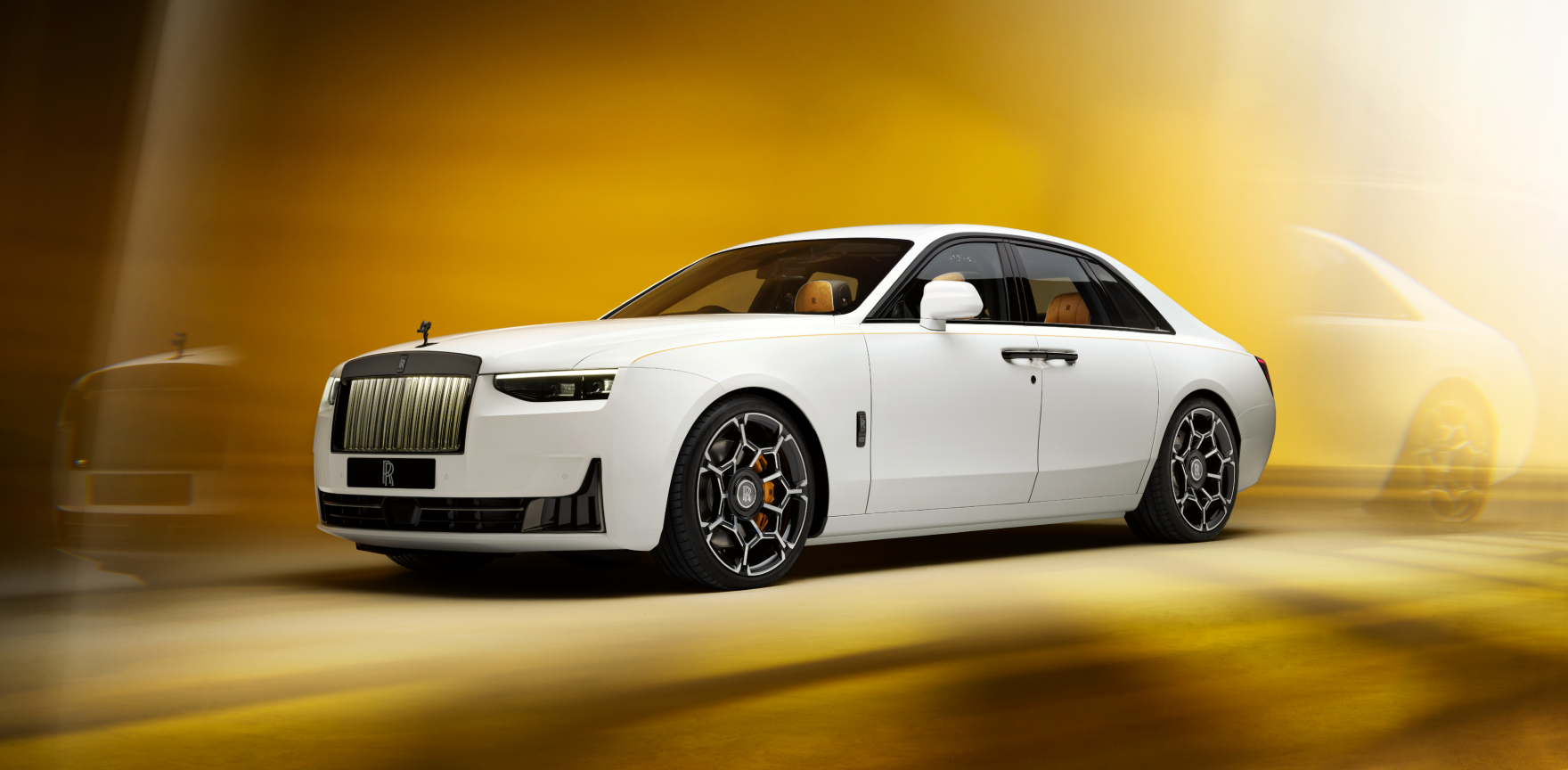
An air suspension system smooths out rough roads. The company calls the ride “magic carpet.” The Ghost starts above $350,000. Buyers can customize it nearly endlessly.
Many Ghost buyers are chauffeur-driven. That changes the economics of fuel use. A car with a driver may cover many miles in a year. Fuel is a small part of the ownership cost.
Rolls-Royce also sells an all-electric model, the Spectre. It shows where the brand is headed. For now, the V12 Ghost keeps the traditional formula alive. Its thirst is the cost of that tradition.
6. Rolls-Royce Phantom: 14 mpg combined
The Phantom is the flagship Rolls-Royce. It matches the Ghost at 14 mpg. It uses the same 6.75-liter twin-turbo V12. Output is about 563 horsepower.
The Phantom is larger and heavier than the Ghost. It can weigh nearly three tons. Its extended-wheelbase version adds even more rear legroom. That version is aimed at passengers, not drivers.
The Phantom has been Rolls-Royce’s top model for decades. Heads of state and celebrities have ridden in it. Its doors are rear-hinged, in the coach-door style. They open wide for easy entry.
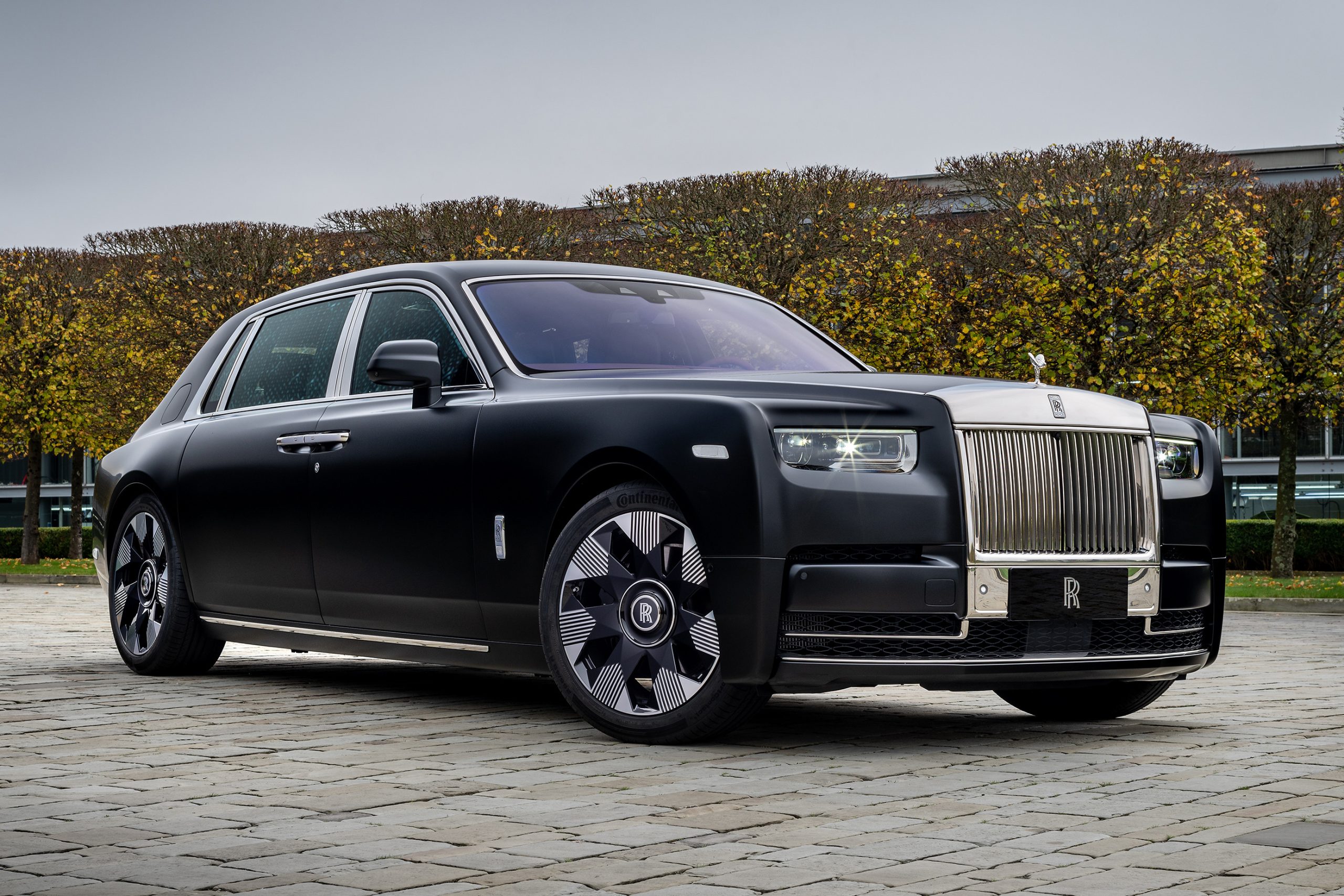
Inside, the roof can mimic a starry night with fiber-optic lights. Each car can be personalized in extreme detail. The Phantom’s price starts near $480,000. Bespoke options can double that.
Rolls-Royce built the car on an aluminum architecture. It is rigid enough to support a very quiet ride. The V12’s smooth delivery suits the car’s mission. A smaller engine would struggle with the mass.
Most Phantoms are driven gently and rarely. Their fuel use barely affects their owners. The 14 mpg figure is respectable for a car this large. It beats several lighter sports cars on this list.
7. Cadillac CT5-V: 15 mpg combined
The CT5-V on this list is the Blackwing, the performance flagship. It is a sedan that behaves like a muscle car. Its engine is a supercharged 6.2-liter V8. It makes about 668 horsepower.
Cadillac offers a six-speed manual transmission. Few high-end sedans still do. A ten-speed automatic is available too. Both versions are rear-wheel drive.
The Blackwing is aimed at German rivals like the BMW M5. It costs far less than many of them. Its starting price is around $90,000. That is strong value in this class.
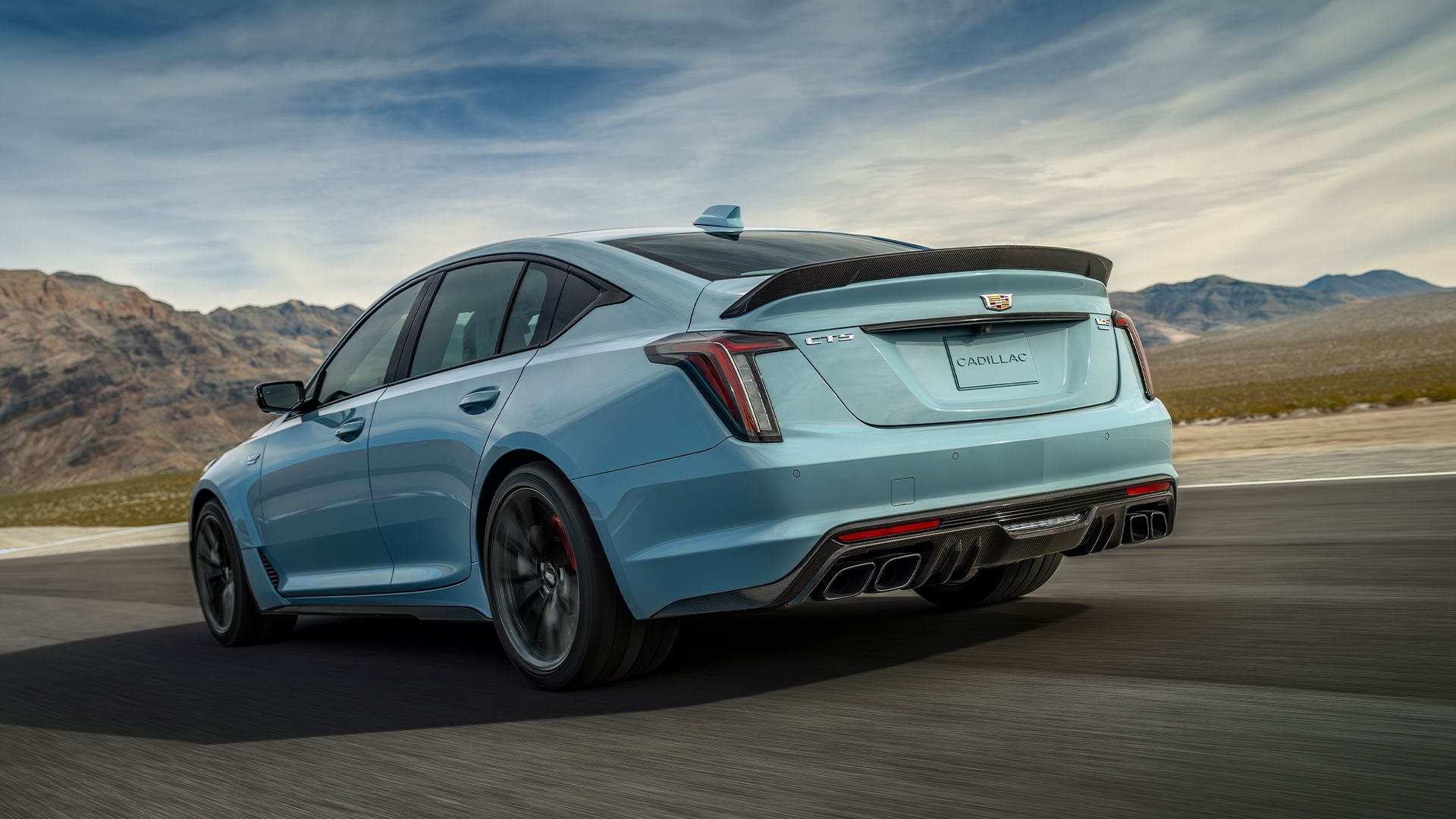
Cadillac tuned the chassis with magnetic ride control. The car handles like something much lighter. It also has enormous brakes. They help it hold up on a racetrack.
At 15 mpg, the Blackwing is the thriftiest of the American entries. It beats the Raptor R by three mpg. The car is something of a farewell. General Motors is moving Cadillac toward electric power.
Enthusiasts have embraced the Blackwing as a last great V8 sedan. Many call it a future classic. Its fuel use is a fair trade for that character. Few rivals offer a manual transmission at all.
8. Mercedes-AMG SL55: 16 mpg combined
The SL has been Mercedes’ grand tourer since the 1950s. The current generation was developed entirely by AMG. The SL55 uses a twin-turbo 4.0-liter V8. It makes about 469 horsepower.
Power goes to all four wheels. A nine-speed automatic handles shifting. This SL returned to a fabric soft top. That cut weight and lowered the center of gravity.

It is also a 2+2 again, with small rear seats. Earlier SLs had only two. The V8 can shut off cylinders at light load. That helps highway economy. Even so, 16 mpg is the official figure. Heavy throttle quickly erases any savings.
The SL55 starts around $140,000. It is the entry point to the SL range. It is quick for a convertible. The 0-60 time is under four seconds. Mercedes aims it at buyers who want style and speed. It is a car for sunny drives.
The SL55 is far more comfortable than a sports car. That makes it easy to live with. Its fuel use is average for this performance class. It simply looks bad next to the Prius.
9. Mercedes-AMG SL63: 16 mpg combined
The SL63 sits above the SL55. It shares the same 16 mpg figure. Its engine is also a twin-turbo 4.0-liter V8. Here it makes about 577 horsepower. The extra power comes from tuning and larger turbos. Fuel use stays similar on paper.
All-wheel drive and a nine-speed automatic are standard. The car weighs close to two tons. The SL63 adds an active anti-roll system. It improves handling on twisty roads.
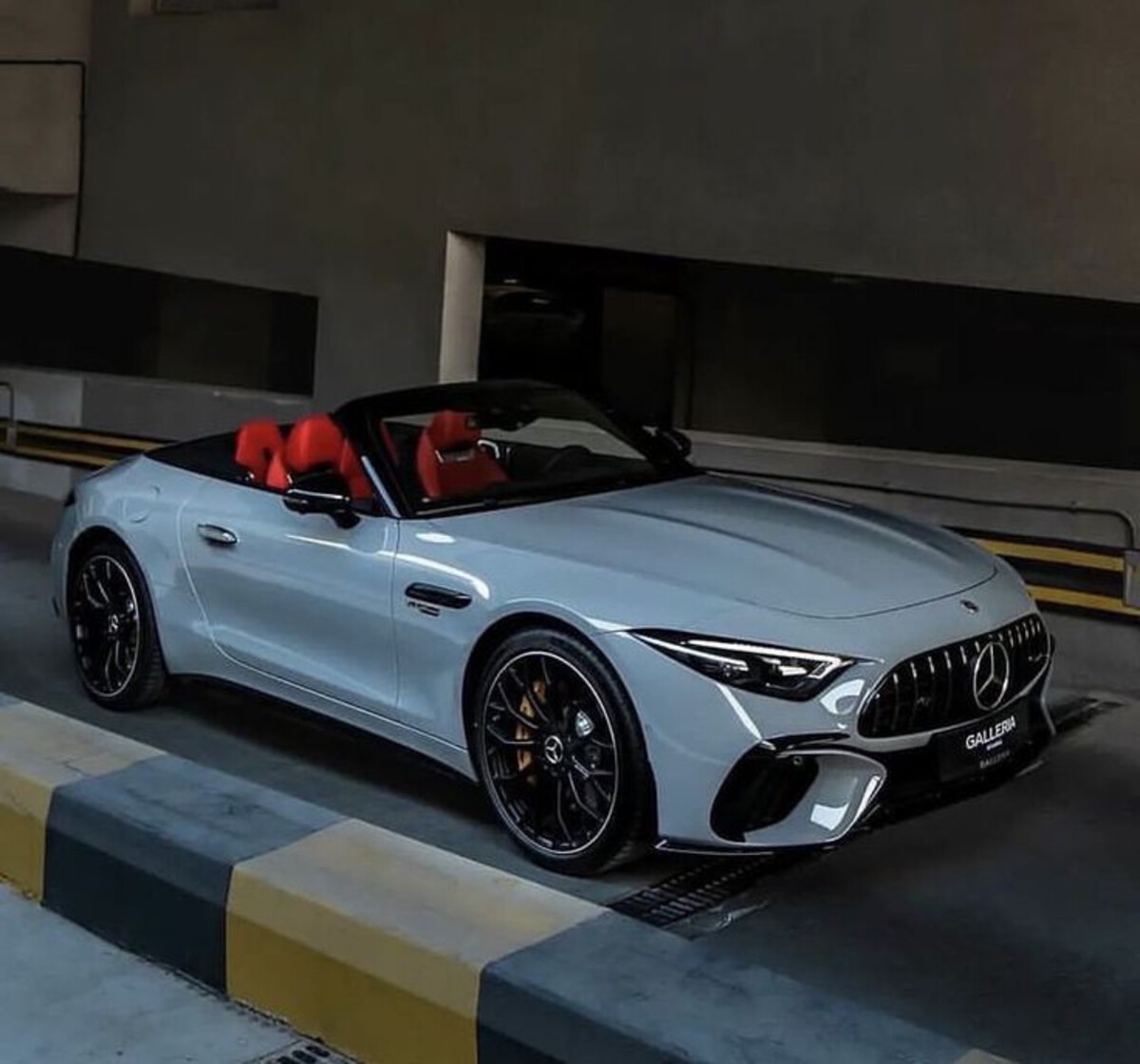
The 0-60 time is around 3.5 seconds. That is supercar territory for a roadster. The price is closer to $180,000. It is a significant step up from the SL55.
Its cabin is full of screens and leather. A tilting center display adjusts to avoid glare. The roof opens and closes in seconds. It works at moderate speeds.
AMG built the SL to be a daily-driver convertible. Many owners use it that way. At 16 mpg, the SL63 costs about $3,750 a year in fuel at $4 a gallon over 15,000 miles. A Prius driver would spend roughly $1,050. Owners in this segment accept that difference. They are buying the experience.
10. Porsche 911 Turbo: 16 mpg combined
The 911 Turbo has been Porsche’s performance benchmark since the 1970s. Its 16 mpg is typical of its breed. Every Turbo uses a twin-turbo flat-six engine. It sits behind the rear axle.
Recent versions top 600 horsepower. The newest hybrid-assisted Turbo S goes beyond 700. Power flows through all four wheels. An eight-speed dual-clutch gearbox does the shifting.
The car is astonishingly fast. Zero to 60 takes about 2.5 seconds or less. That speed comes with a surprisingly practical car. The 911 has a usable back seat and daily comfort.
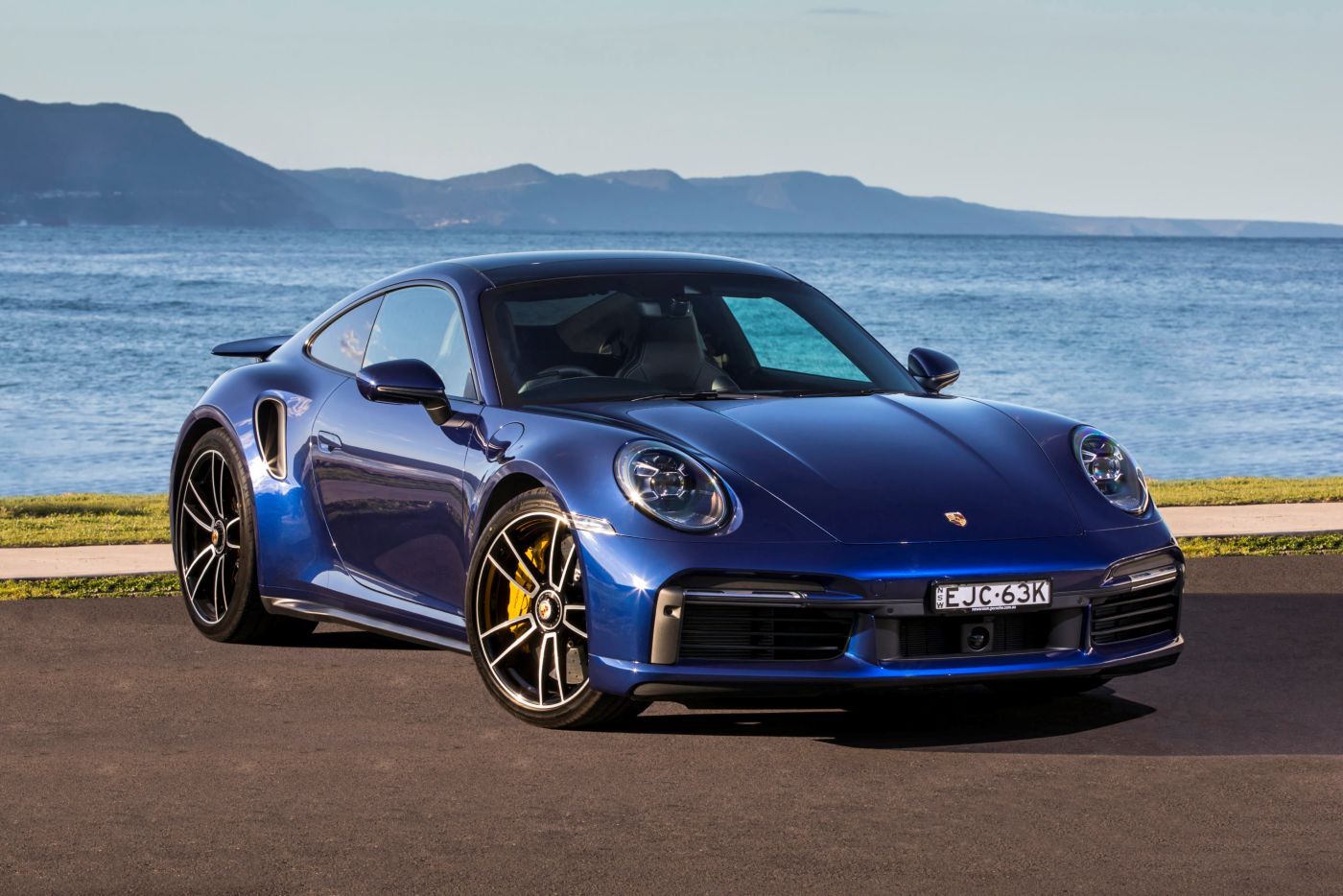
The price is well above $200,000. Options can add tens of thousands. Porsche builds the 911 with obsessive attention to detail. Resale values are strong.
At 16 mpg, the Turbo is no worse than the SLs. It is far faster, though. Porsche has begun adding hybrid help to the 911 line. That points to a cleaner future.
Purists worry about losing the old character. Most accept it as the cost of tighter rules. For now, the Turbo remains a rocket with a family-friendly cabin. Its fuel use is a small trade-off for that.
11. Audi RS 6 Avant: 17 mpg combined
The RS 6 Avant is a family wagon with supercar speed. Its 17 mpg makes it the thriftiest car on this list. Its engine is a twin-turbo 4.0-liter V8. It makes about 621 horsepower.
A mild-hybrid system helps smooth the engine’s operation. It also recovers a little energy. Audi’s Quattro all-wheel drive sends power to every wheel. A tuned eight-speed automatic does the shifting.
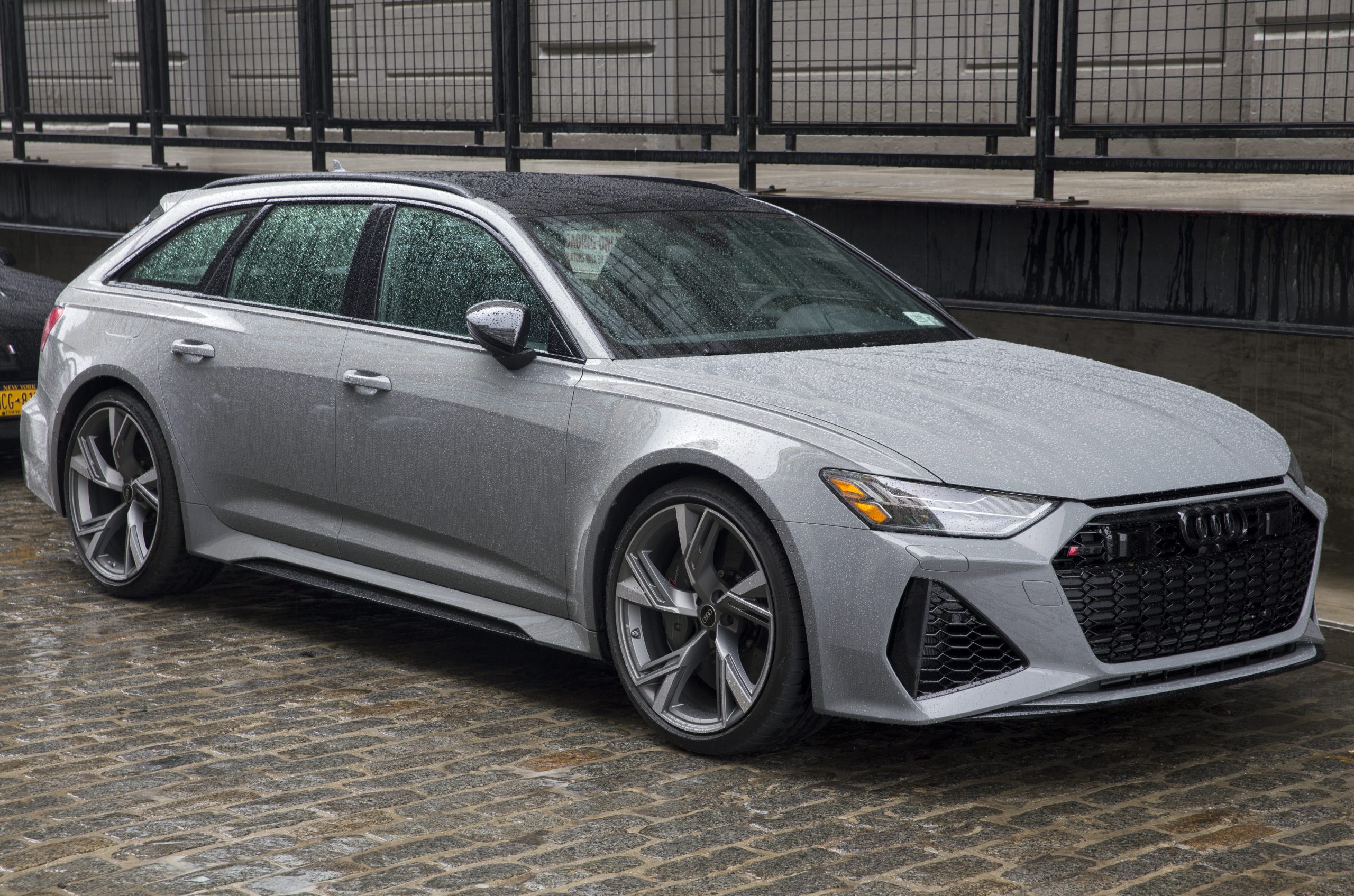
The car can hit 60 mph in about 3.5 seconds. That beats most sports cars. Yet it carries a full cargo area. Families can use it every day. The price starts above $120,000. Performance versions cost even more.
Audi has never sold the RS 6 Avant in large numbers here. That makes it a cult favorite. Enthusiasts love it for its stealthy look. It hides its power well.
The V8 can shut off half its cylinders at light load. That is how it reaches 17 mpg. On a gentle highway drive, owners may see better numbers. Hard driving lowers them quickly. The RS 6 shows that a thirsty car can still be practical. It is the sensible choice at the bottom of the list.