A wheel is supposed to stay bolted to the car. That sounds too obvious to say out loud, yet federal recall records show plenty of cases where it did not. A query of the NHTSA recalls dataset on 24 October 2026 turned up a dozen campaigns tied to wheel separation or closely related failures, and the numbers vary wildly.
Some cover a few thousand vehicles, while others cover hundreds of thousands. This list ranks them from largest to smallest. A couple of entries come with caveats, and I will point those out as we go. Read through, check your own driveway, and run your VIN through the NHTSA lookup tool if anything sounds familiar.
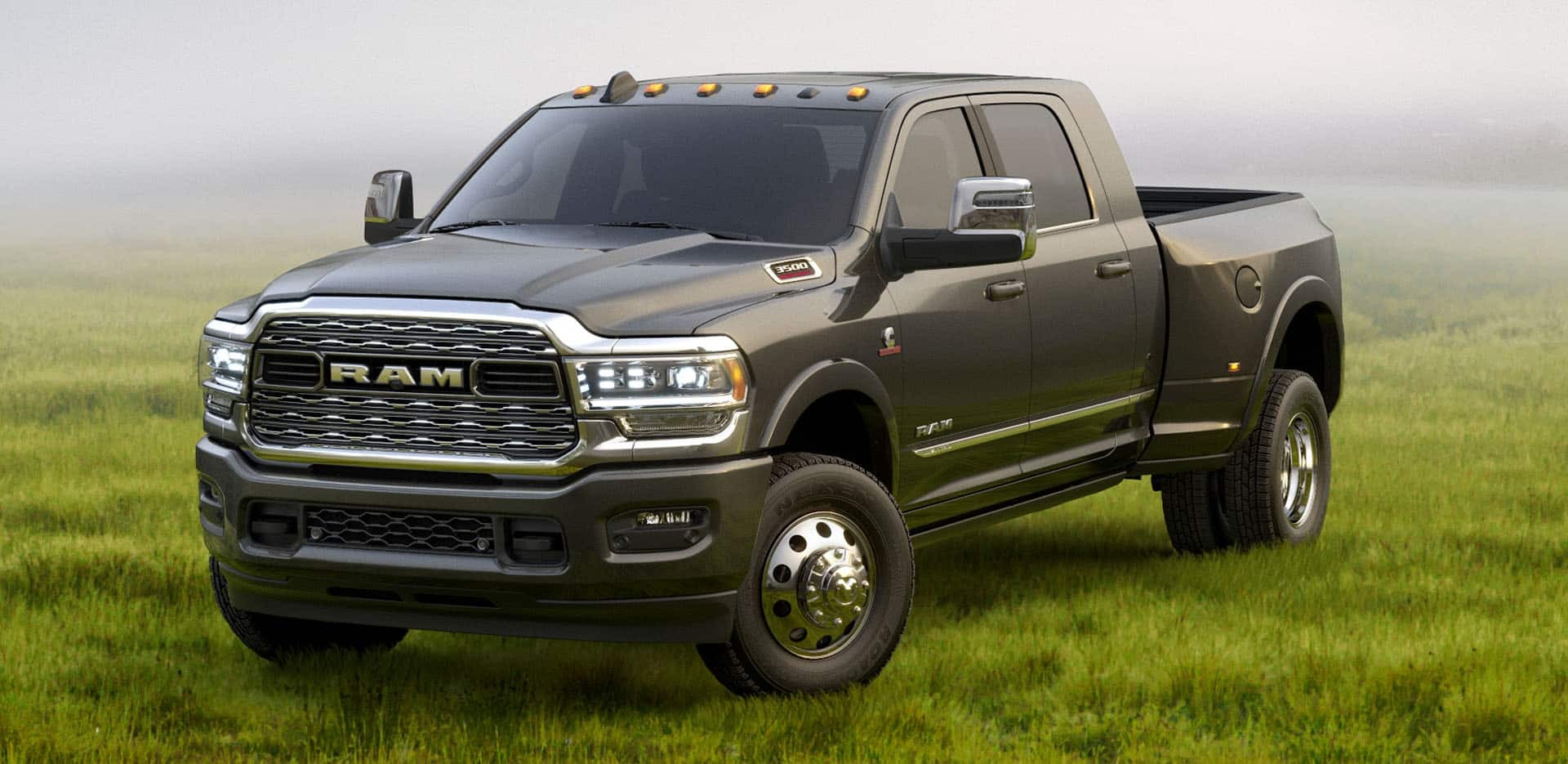
1. Ram 3500
Campaign 21V398 covers 447,985 vehicles, and the trouble started on paper rather than in the factory.
The Ram 3500 appears in one of the largest recalls in the supplied dataset involving a potential wheel separation hazard. The problem involved incorrect torque specifications printed in certain owner’s manuals and service documents.
These instructions could cause technicians or vehicle owners to tighten wheel lug nuts too much.
Excessive tightening can damage wheel studs, potentially allowing a wheel to separate while driving and increasing the risk of a crash. The campaign covered certain Ram 3500 models and other heavy-duty Ram trucks.
According to the recall information, the remedy involved correcting the published torque specifications and inspecting wheel studs, with replacement where necessary, at no charge.
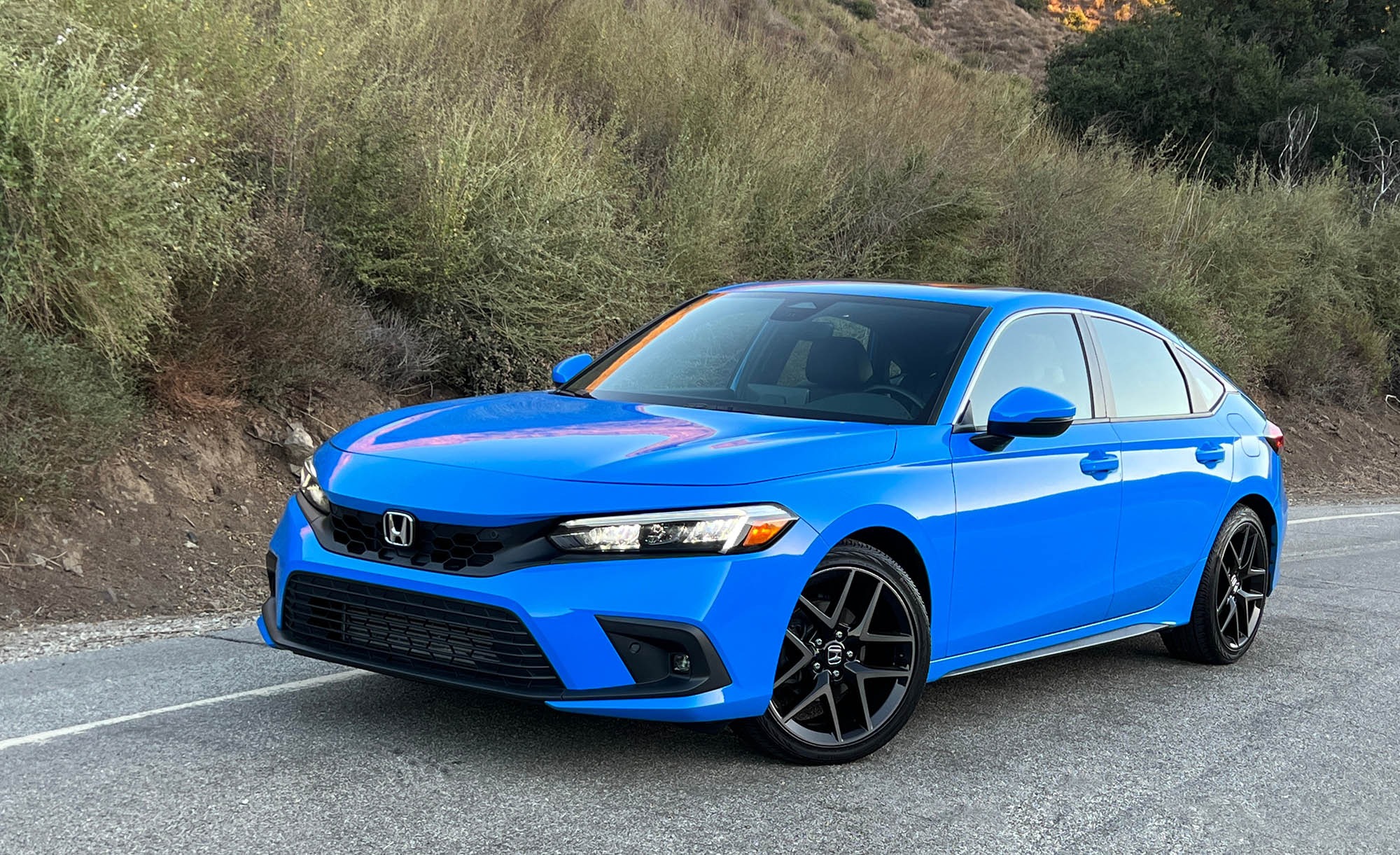
2. Honda Civic
Pay attention to the wording on this one. Campaign 25E071 is an equipment campaign, not a vehicle campaign, and the 406,290 figure counts accessory alloy wheels sold by Honda rather than cars.
A manufacturing defect could allow an affected wheel to detach from the vehicle. Such a failure can cause the driver to lose control and increase the risk of a crash or injury.
Honda’s remedy calls for dealers to inspect the affected wheels and replace the wheels and hubs when necessary, free of charge. Owners should confirm whether their vehicles have the affected accessory wheels and arrange the inspection through an authorized Honda dealer.
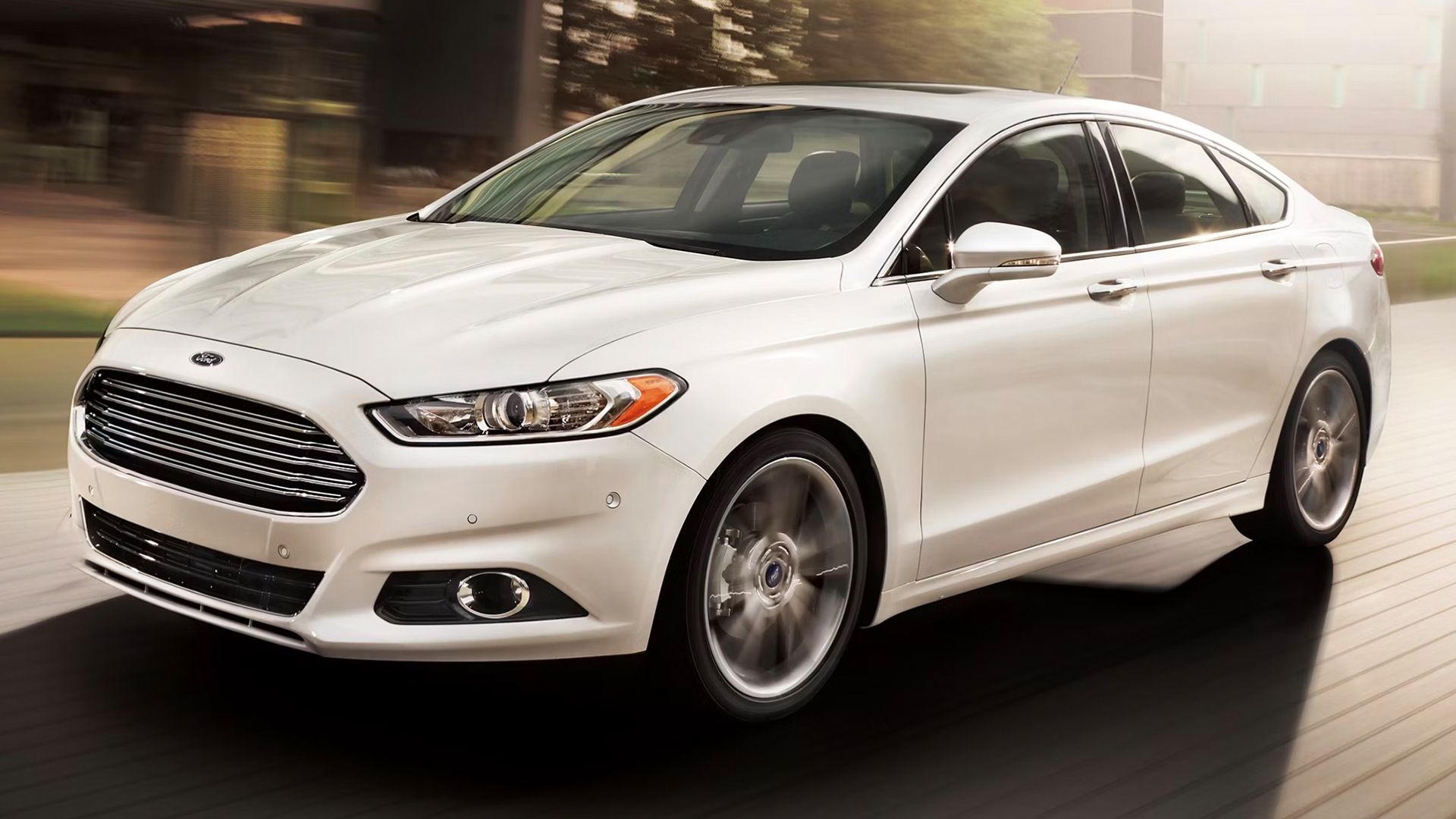
3. Ford Fusion
Fractured wheel studs sit at the center of campaign 11V574, which covers 128,616 vehicles.
Certain 2010 and 2011 Ford Fusion sedans were included in a recall involving wheel studs that could fracture. The campaign also covered certain Mercury Milan vehicles equipped with specified 17-inch steel wheels.
Wheel studs secure the wheel to the vehicle. If multiple studs fracture, the remaining fasteners may no longer hold the wheel securely. Drivers could notice unusual vibration before the problem progresses to wheel separation.
Ford’s recall addressed the mounting-related defects through inspections and replacement of specified components, including lug nuts on all four wheels. Rear brake disc surfaces were also inspected, with replacement when necessary.
Owners of potentially affected vehicles should verify recall completion rather than relying on the vehicle’s age or apparent condition.
4. Ford Transit
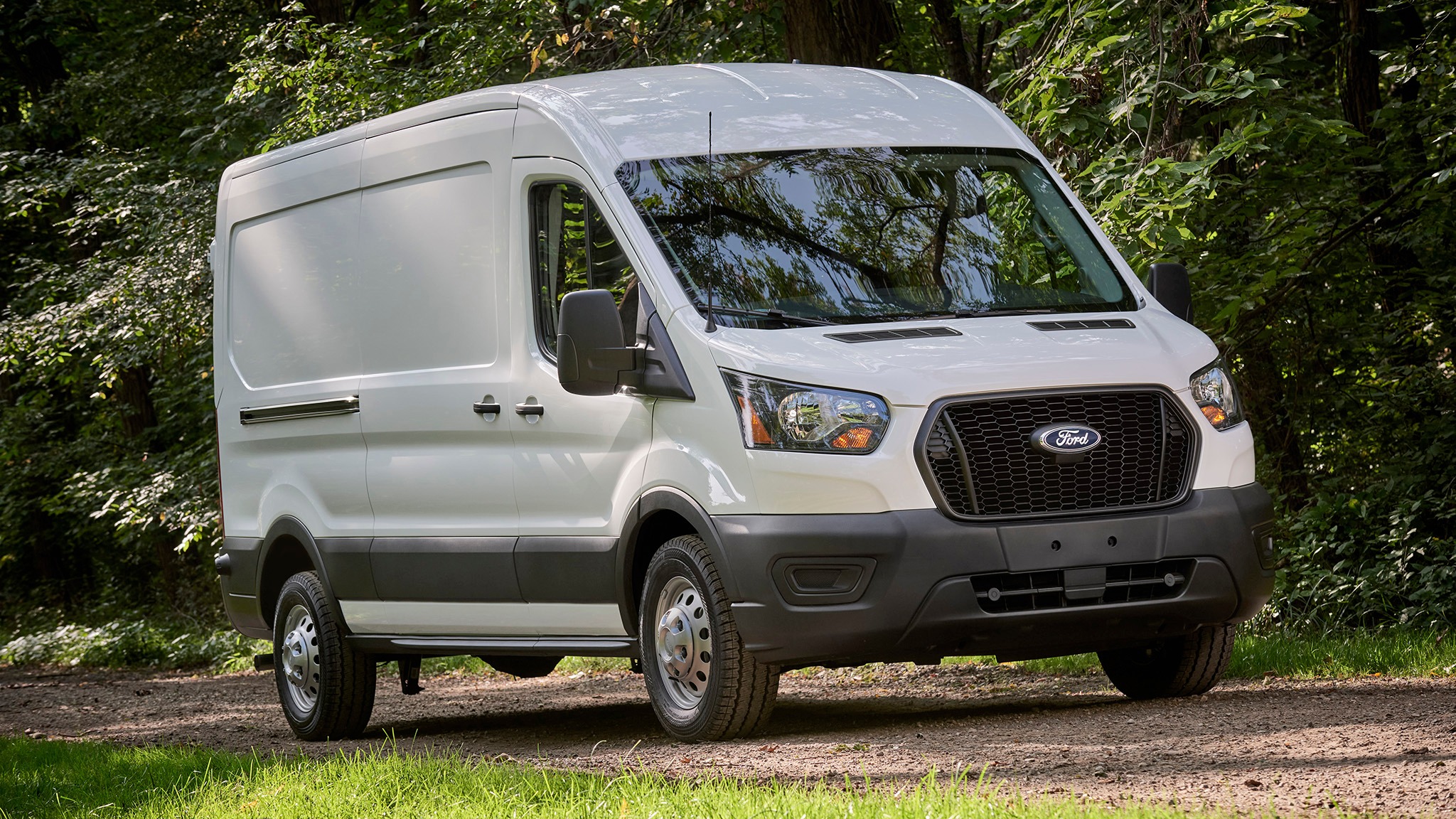
Here the wheel does not simply loosen. In campaign 24V102, covering 113,320 vehicles, the rear axle can run short of lubricant until the bearing seizes.
A seized bearing can lock the wheel or let the driveshaft separate, and either result is frightening at highway speed. Vans like the Transit often work as delivery rigs and contractor vehicles, so they log heavy mileage and carry heavy loads.
That combination makes lubrication problems worse. Fleet managers should confirm the repair on every van in the lot, since a single failure can mean lost cargo, lost income, and a dangerous roadside emergency.
5. Ram 1500
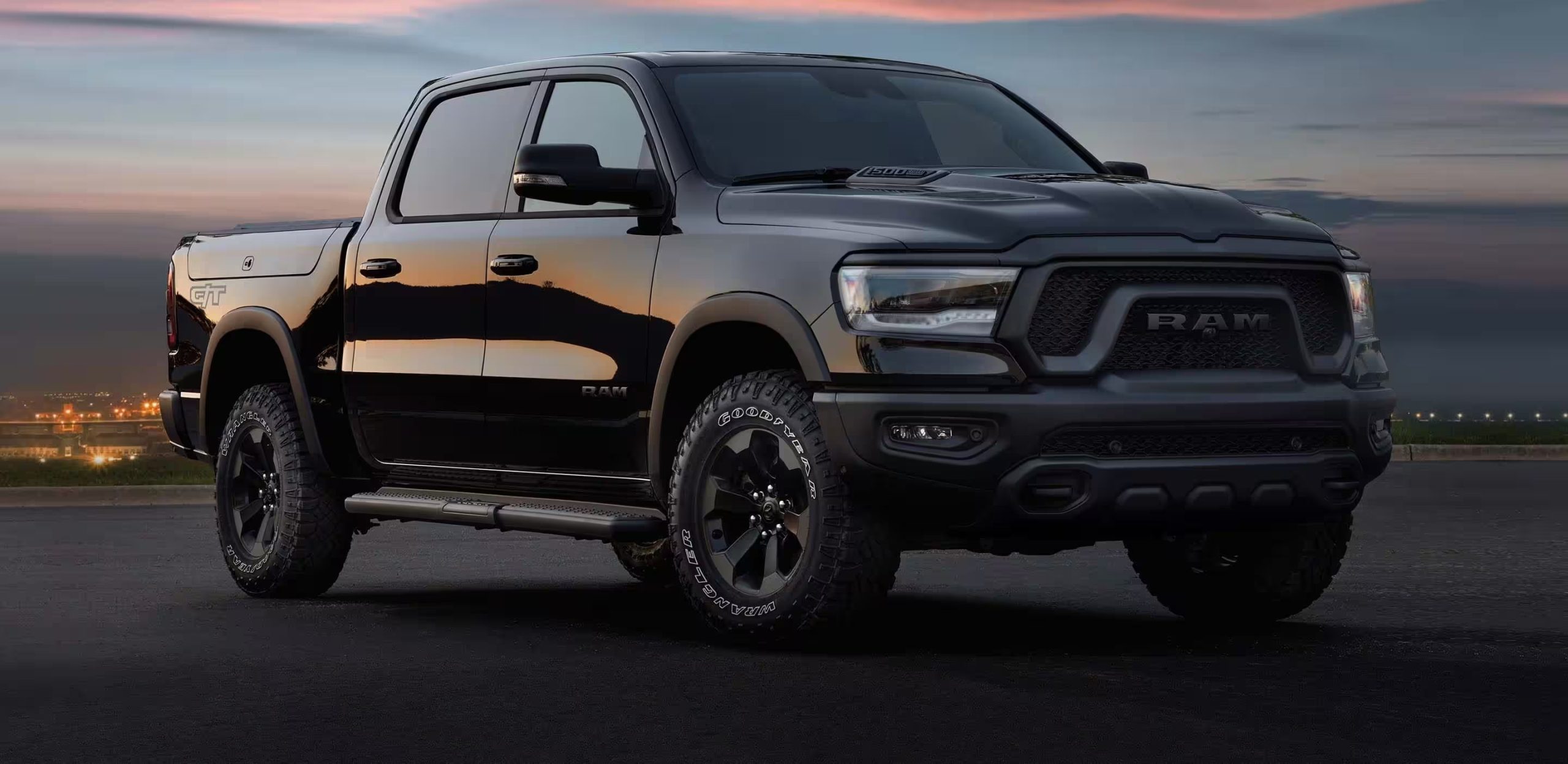
Metal can fail quietly when heat treatment goes wrong. Campaign 15V661 covers 61,859 vehicles whose rear axle shafts were heat-treated incorrectly.
Heat treating gives steel its strength and toughness, so a bad process leaves a shaft weaker than it looks. A weak axle shaft can break, and a broken shaft can let a wheel leave the vehicle.
Drivers would never see the flaw during a walk around the truck. That is exactly why the recall system exists. If you own a Ram 1500 from the affected group, schedule the inspection and do not wait for a warning sign that may never come.
6. Hyundai Santa Fe
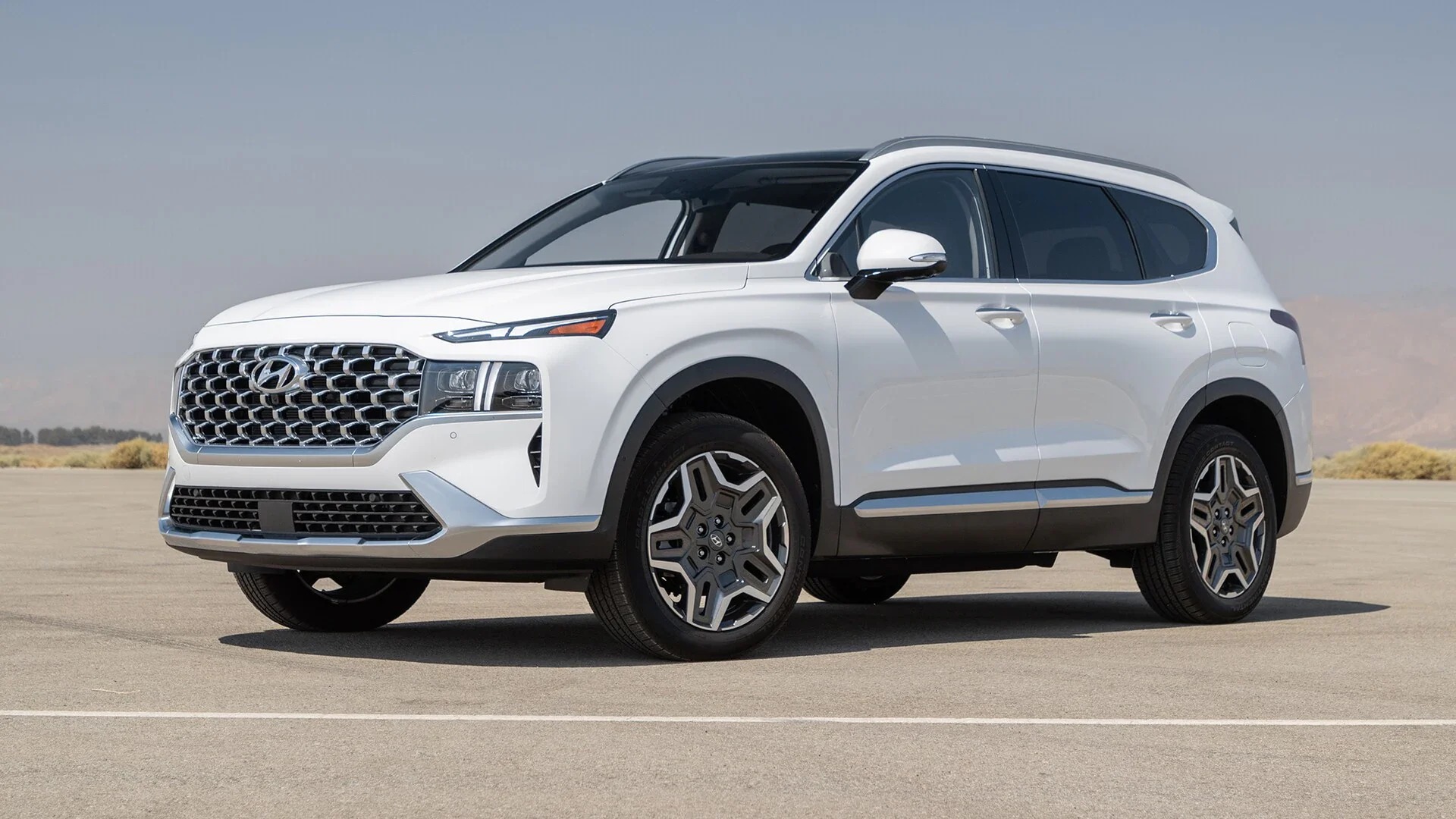
Time for a fair caveat. Campaign 18V118 covers 41,070 vehicles whose steering wheel can break away from the column. That is the wheel in your hands, not one of the four on the road.
It earns a place in the dataset because of how it was flagged, but a reader should not confuse it with a tire leaving the car.
Still, a steering wheel that comes loose in your grip is its own serious hazard, since you lose your main way of controlling the vehicle. Treat the notice with the same urgency and book the repair promptly.
7. Dodge Ram 1500
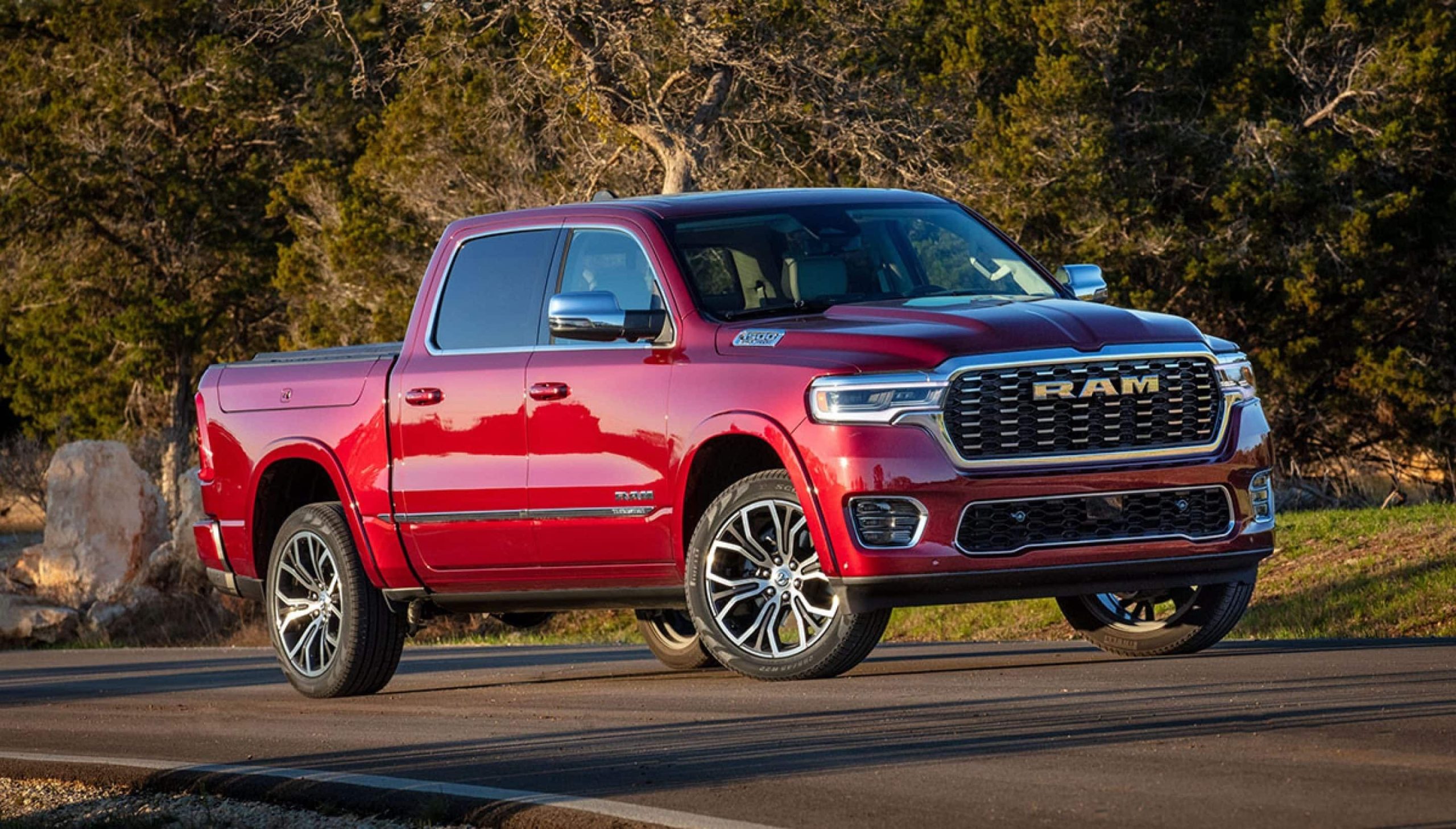
Campaign 10E040 covers 34,604 units and describes hubs that fatigue.
This entry concerns replacement wheel hub assemblies sold under certain aftermarket brands for use on 2002 through 2008 Dodge Ram 1500 pickup trucks. It is an equipment recall, not a recall of every truck produced during those years.
The affected hubs could develop fatigue in a retaining feature, potentially causing noise and allowing a wheel to separate. The defect applied to specified two-wheel-drive applications, while the four-wheel-drive applications were excluded from this particular campaign.
Federal-Mogul, the equipment supplier involved, announced a remedy involving replacement of the affected hub assemblies at no charge.
Used-vehicle buyers should remember that aftermarket parts can introduce safety concerns even when a vehicle’s original factory components were not affected. Maintenance invoices and repair records can help establish whether replacement hubs were installed.
If a Dodge Ram has received aftermarket wheel or hub repairs, owners should verify the part numbers and consult the appropriate recall information before assuming the equipment is safe.
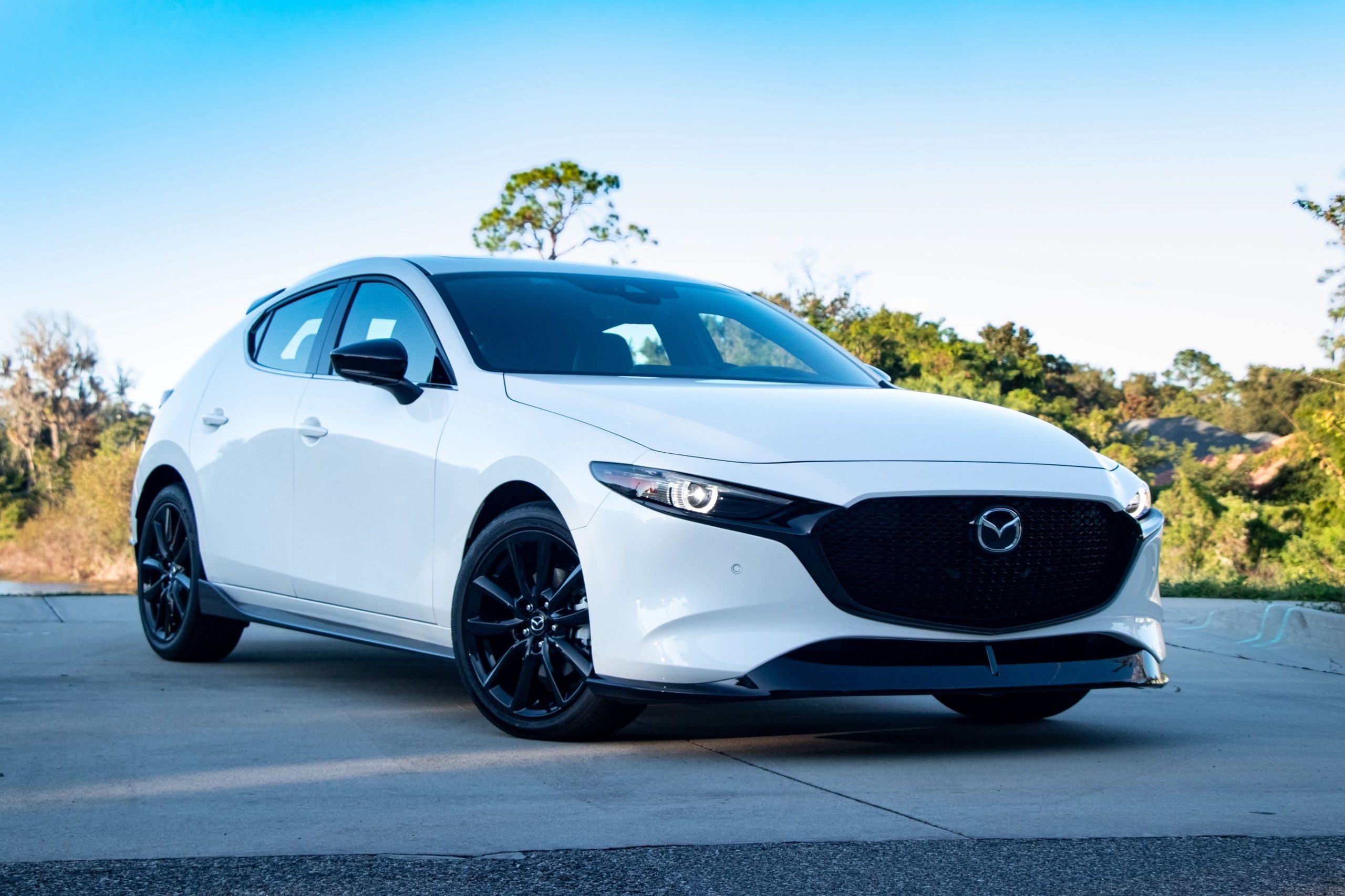
8. Mazda3
This one sounds almost unbelievable. In campaign 19V425, covering 25,003 vehicles, lug nuts can loosen on all four wheels at once.
Certain 2019 Mazda3 vehicles were recalled because their wheel lug nuts could loosen. The problem potentially affected all four wheels, making it particularly concerning because a loose wheel may become unstable before separating completely.
Lug nuts provide the clamping force that holds a wheel securely against its mounting surface. If they loosen, the wheel can move, creating additional stress on the fasteners and increasing the risk of separation.
Mazda’s remedy involved having dealers tighten the wheel lug nuts to the correct specification, free of charge.
Drivers should take unusual vibration, clicking noises, or a change in vehicle behavior seriously, especially after wheel or tire service. These symptoms do not prove a recall-related defect, but they warrant a safe inspection.
Owners of affected Mazda3 vehicles should confirm that the recall repair was completed. Proper wheel installation matters for every vehicle, and following the manufacturer’s specified tightening procedure helps maintain a secure wheel connection.
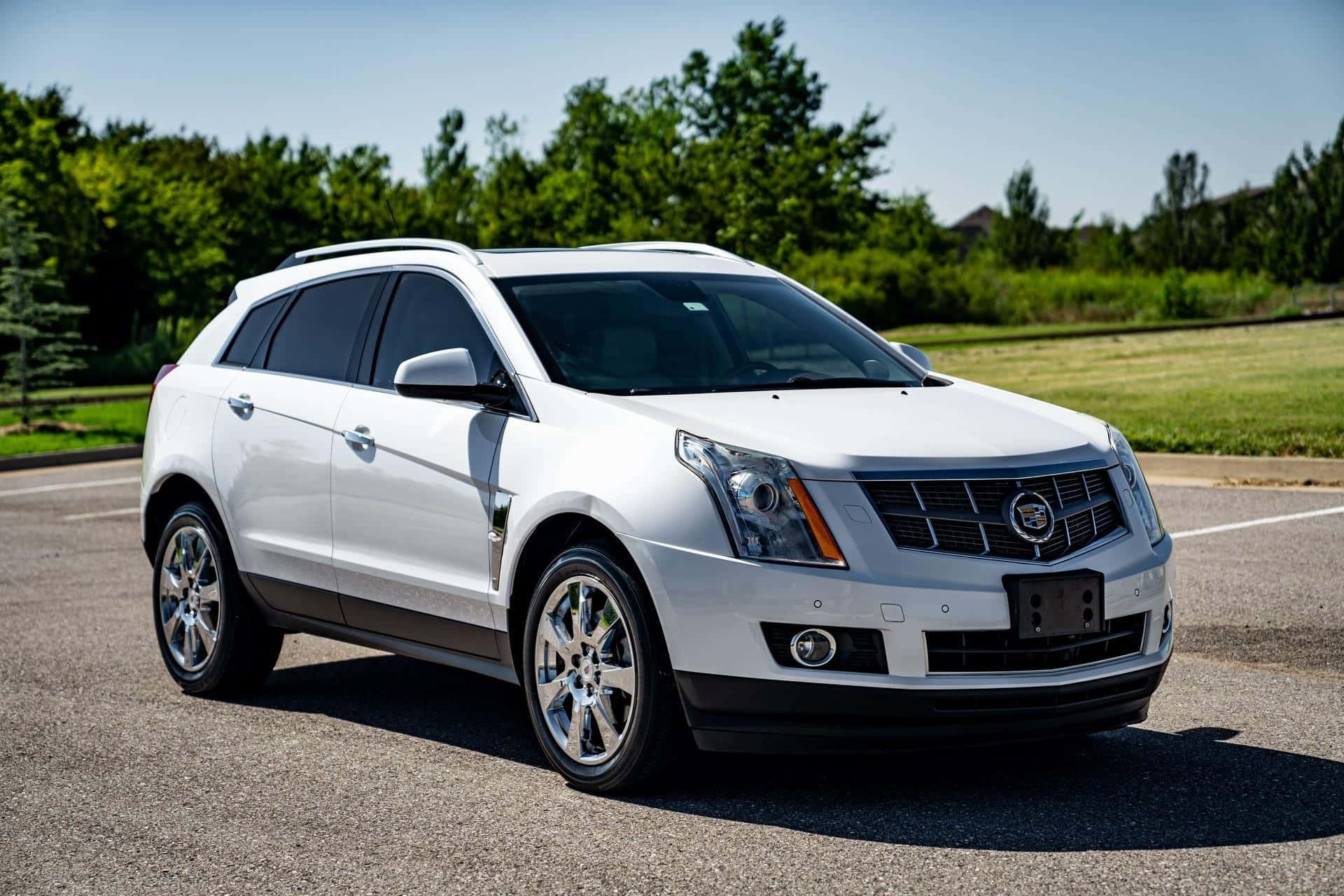
9. Cadillac SRX
Campaign 13V202 covers 18,871 vehicles with loosening nuts on the eighteen-inch wheels.
Certain 2013 Cadillac SRX luxury SUVs equipped with 18-inch wheels were recalled because their wheel lug nuts could loosen. If the fasteners became loose, they could fall off or cause wheel studs to fracture.
Either condition could allow a wheel to separate while driving, raising the risk of a crash.
General Motors addressed the problem by having dealers remove and reinstall the wheel nuts as part of a specified service procedure, free of charge. The campaign applied to particular vehicles within the model year rather than every Cadillac SRX.
Owners should verify eligibility using the VIN and confirm that the prescribed repair has been completed. A luxury vehicle’s comfort features and refined interior cannot compensate for a wheel attachment problem.
When buying a used SRX, request service documentation and arrange an inspection if recall completion cannot be confirmed.
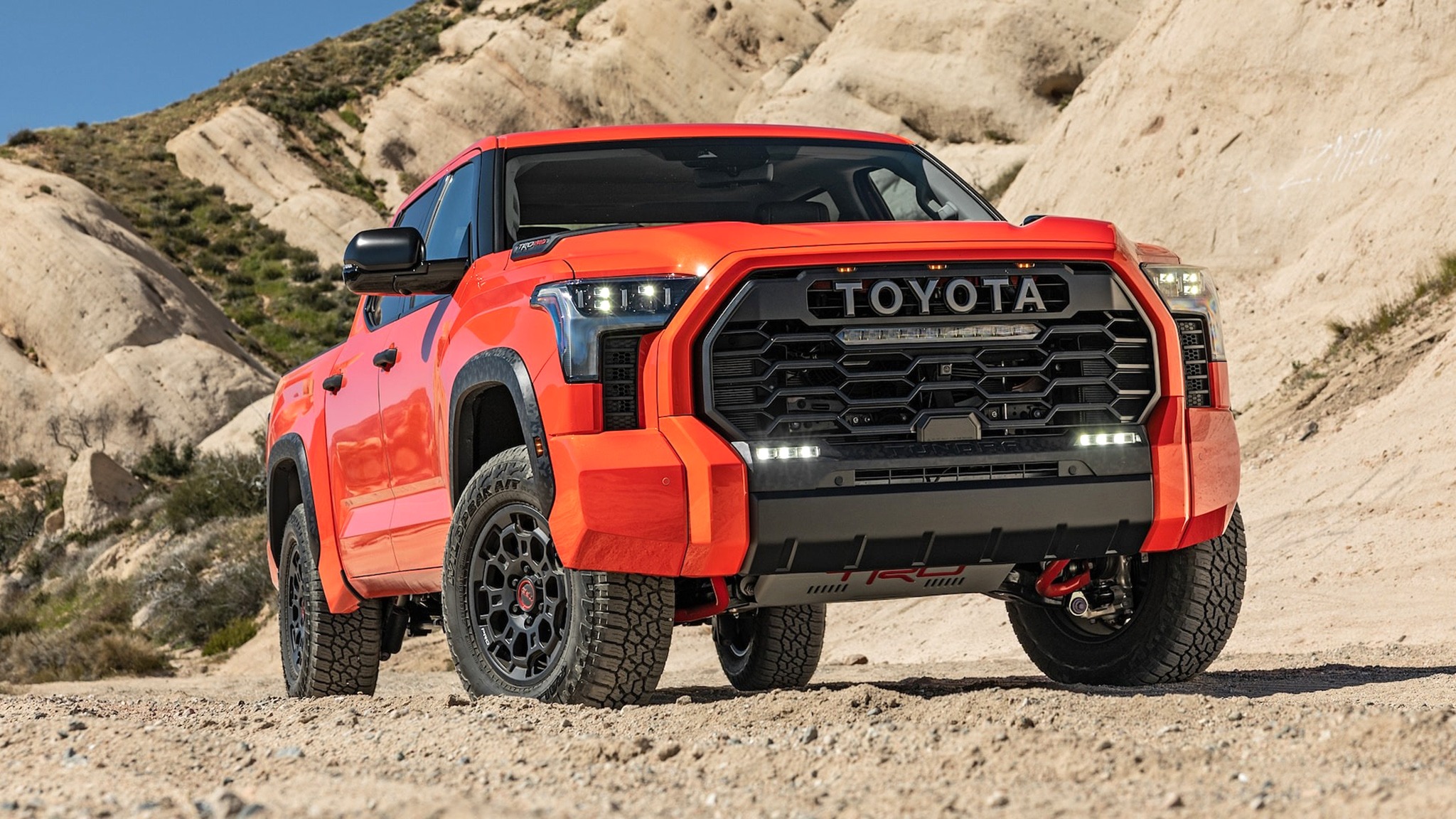
10. Toyota Tundra
Even a shiny lug nut can cause grief. Campaign 14V429 covers 16,249 trucks whose chrome lug nut plating gives way. When plating peels or flakes, the nut can bind, seize, or fail to hold proper clamping force.
It also makes removal harder, which can leave a stuck owner at the side of a road with a flat. The fix sounds modest, replacing the nuts, but it protects against a bigger problem.
If your Tundra has chrome nuts that look rough or flaky, bring it in. A few dollars of hardware can save you from a lot of trouble.
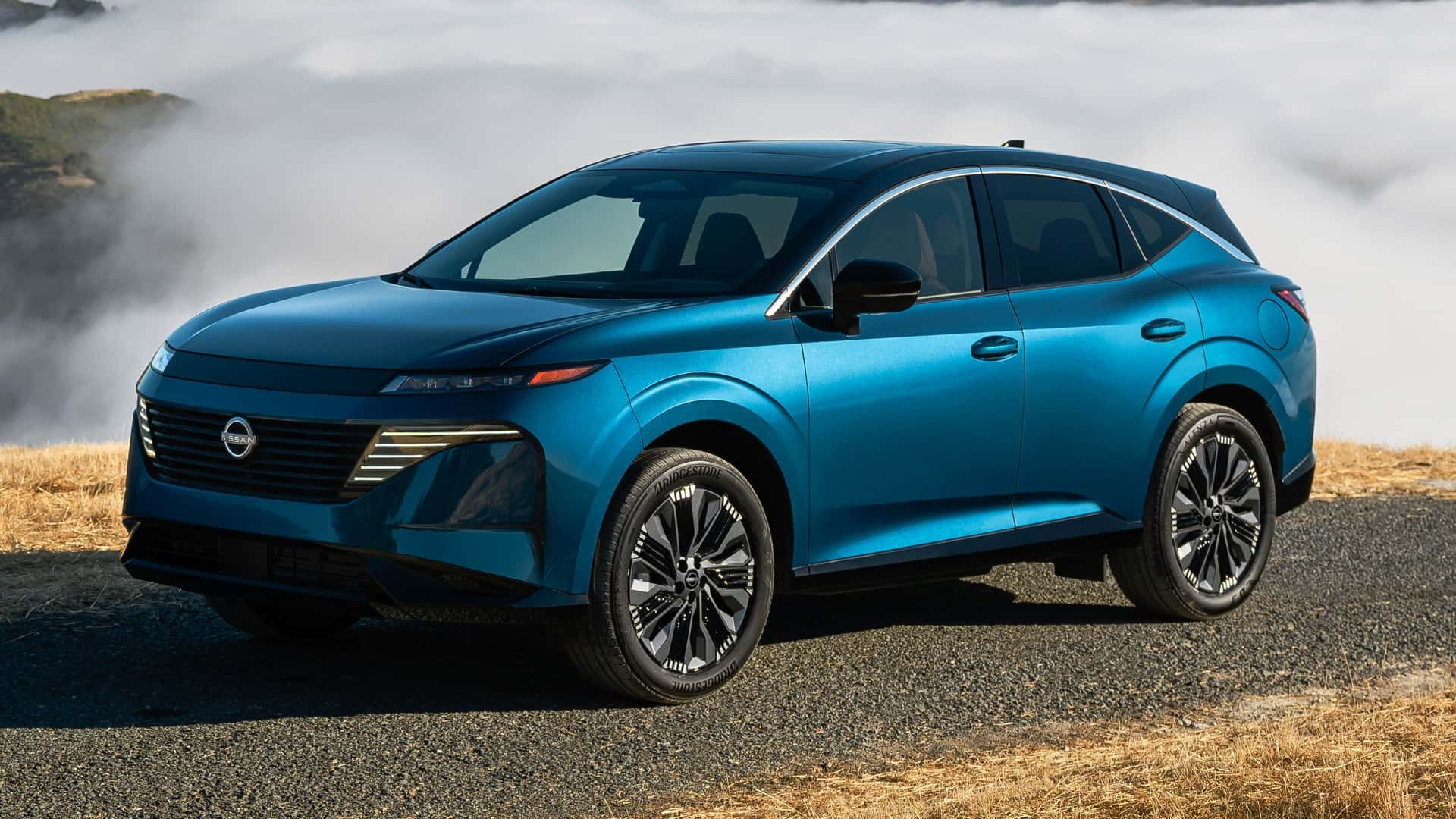
11. Nissan Murano
Campaign 21V402 covers 14,276 Murano vehicles with an under-strength steering knuckle and rear axle housing. The knuckle connects your wheel to the suspension and steering, so it carries serious loads every time you brake, turn, or hit a pothole.
If it fails, the wheel can lose its proper position or separate. The rear axle housing plays a similar supporting role at the back. Parts built too weakly can crack without warning.
Murano owners should look up the campaign, confirm their VIN, and book the repair soon, because these are not parts you want to test the hard way.
12. Infiniti QX60
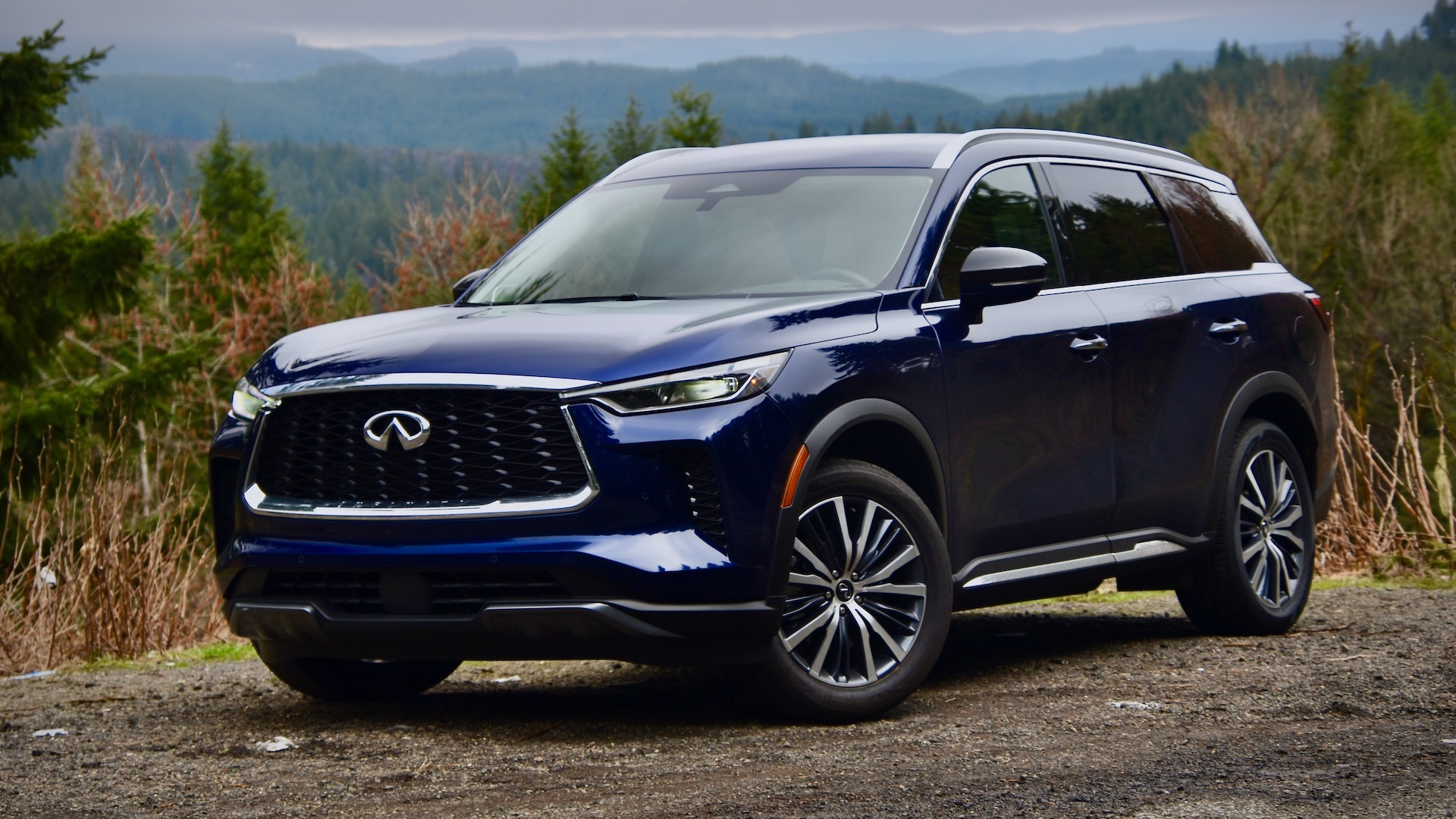
Last on the list sits the Infiniti QX60, which appears in the same campaign as the Murano, 21V402. The dataset does not give a separate vehicle count for it, so I placed it at the bottom rather than guessing a number.
The recall involves the same underlying issue, namely a steering knuckle and rear axle housing that may not meet the required strength standards. Murano owners should take the notice seriously and arrange to have their vehicle checked to determine whether the recall applies and what repairs are needed.
Look up your VIN on the NHTSA site, call a dealer if the repair is open, and keep the paperwork afterward. It is a short errand that protects your family and your wallet.