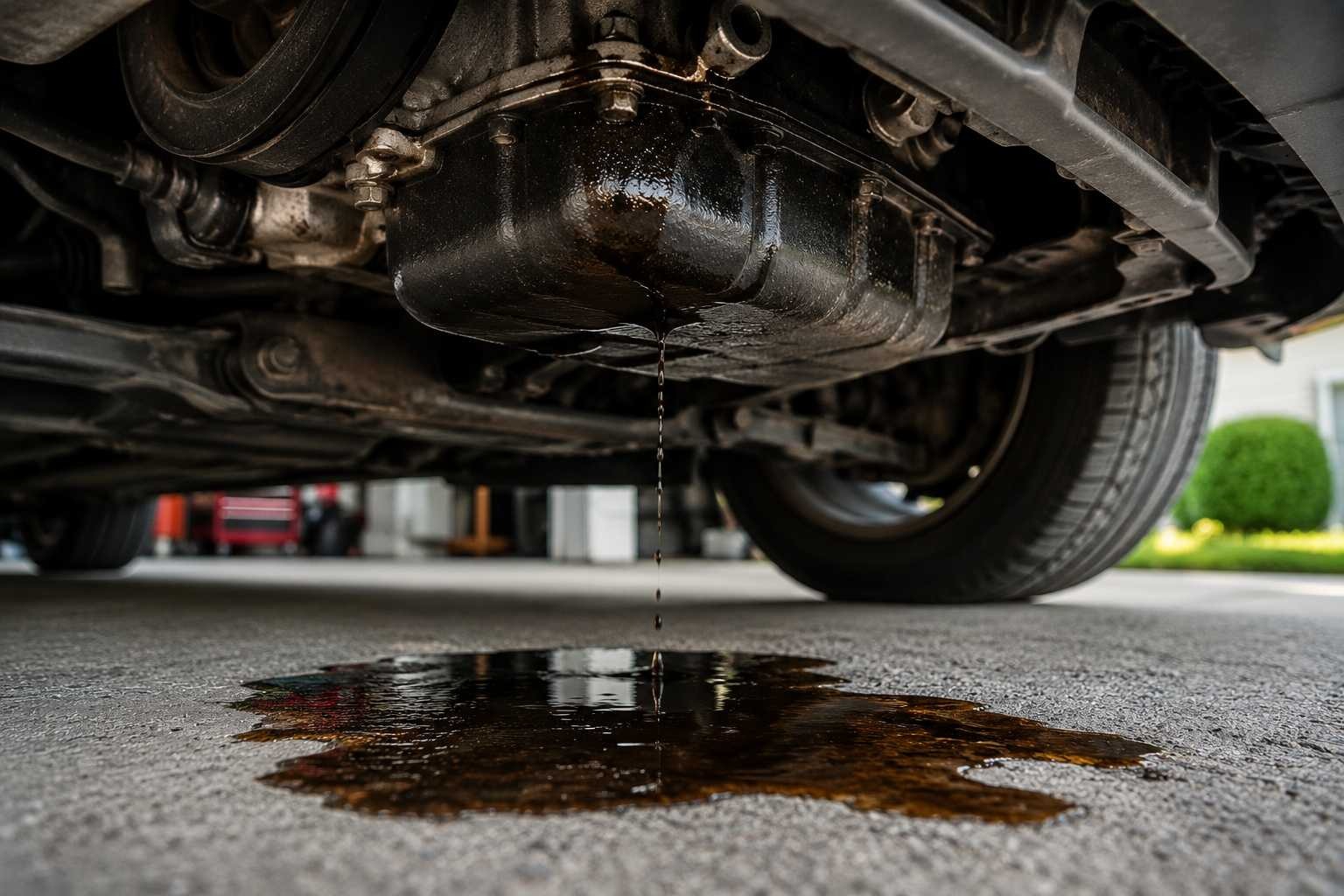
Fuel leaks are among the vehicle problems drivers should never ignore. A damaged fuel tank, a cracked hose, or a faulty fuel pump can allow gasoline to escape, creating a fire hazard and putting drivers, passengers, and others on the road at risk. Several major automakers have issued recalls involving these problems, affecting millions of vehicles across different model lines and production years.
Data queried from the National Highway Traffic Safety Administration (NHTSA) on October 24, 2026, identifies several fuel leak recalls involving Jeep, Ford, Honda, and other automakers. The reported causes range from corroded tank supports to damaged fuel system components. Here are four vehicles affected by fuel leak recalls, the defects behind them, and what owners should know about checking their vehicles for open recalls.

1. Jeep Grand Cherokee
The Jeep Grand Cherokee is associated with NHTSA recall campaign 13V252, which covers 1,560,000 vehicles. The recall addresses a fuel tank defect that can allow fuel to leak when the vehicle is involved in a rear impact.
A collision can place considerable force on a vehicle’s fuel system. If the tank fails under that pressure, gasoline may escape, increasing the risk of a fire.
This is especially concerning because a rear-end crash can damage components that drivers may not immediately see or recognize as compromised.
For owners, the central concern is the condition of the fuel tank and the protection it receives during a collision. A vehicle may appear to operate normally during everyday driving while still having a safety issue that becomes apparent only under particular conditions.
The recall’s large reported population makes it worth checking whether an individual Grand Cherokee is included. However, the campaign number and affected vehicle count do not establish that every Grand Cherokee has the defect.
Recall eligibility depends on the vehicle’s identification number (VIN) and the manufacturer’s records.
Owners should check their VIN through the NHTSA recall lookup or contact an authorized Jeep dealership to confirm whether the campaign applies.
If the vehicle has an open recall, the dealer can explain the required repair and arrange service. Drivers should also take any smell of gasoline or visible fuel leakage seriously.
A suspected leak calls for stopping in a safe location, switching off the engine, avoiding ignition sources, and arranging professional assistance rather than continuing to drive.
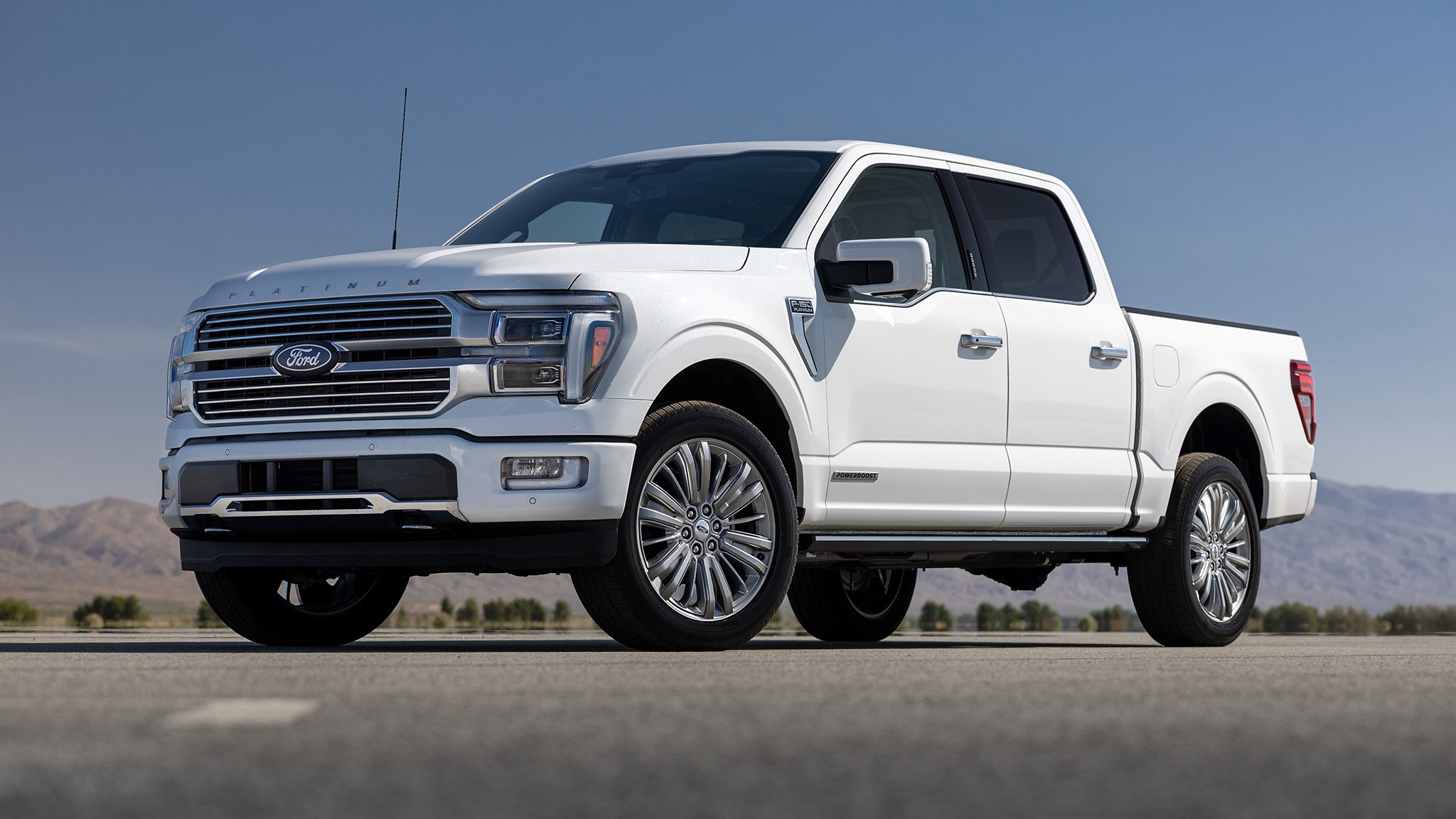
2. Ford F-150
The Ford F-150 appears in two separate fuel system recall campaigns listed in the supplied NHTSA data. Campaign 11V385 covers 1,100,000 vehicles affected by corrosion involving the fuel tank straps.
Campaign 26V578 covers another reported population of 223,472 vehicles whose fuel tanks may not be secured properly. In the earlier campaign, road salt can corrode the tank straps until they fail.
When that happens, fuel lines may separate, or the tank may fall to the ground. Either outcome can create a dangerous situation, particularly if escaping gasoline reaches a hot surface or an ignition source.
The latter campaign concerns the security of the fuel tank itself. An improperly secured tank may not remain in its intended position, increasing the possibility of damage or leakage.
Although both campaigns concern tank retention, they describe different reported defects and should not be treated as the same recall.
These issues illustrate why the condition of fuel system mounting hardware matters just as much as the tank and fuel lines themselves.
Metal straps and their attachment points must withstand vibration, weather exposure, and the forces generated during regular vehicle use.
F-150 owners should check their VIN against the relevant recall records rather than relying on the truck’s model name or age alone.
The precise production range and eligibility requirements must be confirmed through Ford or NHTSA.
If a truck has a hanging tank, visible fuel leakage, or a strong gasoline odor, the owner should avoid driving it until a qualified professional has assessed the problem.
An authorized dealer can confirm the applicable campaign and explain the corrective work.

3. Honda Odyssey
The Honda Odyssey is listed under NHTSA recall campaign 14V112, covering 886,815 vehicles with a deteriorating fuel pump strainer cover.
This defect places attention on a component within the fuel delivery system, rather than on a fuel tank or its supporting hardware.
The fuel pump helps deliver gasoline to the engine, while the strainer cover forms part of the assembly. If the cover deteriorates, the integrity of the fuel system may be compromised, potentially allowing fuel to escape.
A leak can expose nearby components to gasoline and increase the possibility of a fire.
For families who depend on a minivan for school trips, commuting, errands, and longer journeys, a fuel system defect deserves prompt attention.
A vehicle that starts reliably and runs without obvious trouble may still require recall service. Not every fuel leak produces an immediate warning light, and drivers should not assume that normal engine performance proves the system is safe.
Owners of potentially affected Odyssey vehicles can use the NHTSA recall database to check their VIN. Honda dealerships can also verify eligibility and provide information about the prescribed remedy.
The exact repair should be confirmed with the manufacturer, since recall instructions and vehicle coverage depend on the campaign.
Drivers should watch for signs such as a persistent gasoline smell, visible wetness near fuel system components, or unexplained fuel leakage. These symptoms do not confirm that the recalled strainer cover is responsible, but they warrant a prompt inspection.
If fuel is actively leaking, do not start the engine or continue driving. Move away from the vehicle when safe, keep flames and other ignition sources clear, and seek professional assistance.
An open recall should be addressed promptly, even when the vehicle seems to be working as expected.

4. Honda Accord
The Honda Accord is included in NHTSA recall campaign 24V763, which covers 720,810 vehicles affected by a high-pressure fuel pump that can develop cracks. A cracked pump may leak gasoline, creating a fire risk.
High-pressure fuel pumps operate under demanding conditions because they help supply fuel at the pressure required by the engine. A crack in the pump can compromise its ability to contain gasoline.
Depending on the location and extent of the damage, leaking fuel may reach nearby engine components, where heat or an ignition source can increase the danger.
This type of defect can be difficult for a driver to identify through routine observation alone. A warning light may not provide an early indication, and the absence of visible fuel on the ground does not guarantee that the fuel system is free of problems.
An unusual gasoline odor should therefore be taken seriously, especially if it appears repeatedly or becomes stronger after driving.
Accord owners should confirm whether their specific vehicle falls within campaign 24V763. The NHTSA VIN lookup is a useful starting point, while an authorized Honda dealership can verify the recall status and explain the manufacturer’s repair procedure.
The reported population of 720,810 vehicles represents the campaign’s listed coverage, not a finding that every vehicle in that group has a cracked pump.
A VIN check is necessary to establish whether a particular car is included and whether the repair remains outstanding. If an owner suspects a fuel leak, the safest response is to stop driving and arrange professional help.
Avoid inspecting hot engine components closely or attempting to repair a pressurized fuel system at home. Gasoline is highly flammable, and work on high-pressure fuel equipment should be left to trained technicians.