
Motorcycle insurance is supposed to protect you when things go wrong, yet many riders find out too late that their claim has been denied. Insurers are not hunting for excuses, but a policy is a legal contract. Breaking its terms, knowingly or not, can leave you paying for repairs, medical bills, and liability costs out of your own pocket.
Learning what voids a claim before an accident is far cheaper than learning it afterward. Below are ten of the most common reasons claims are rejected, from riding unlicensed to skipping the fine print on modifications. Read your own policy alongside this list, since wording varies by insurer and jurisdiction, and ask your provider to clarify anything unclear.
1. Riding Without a Valid License
Nearly every motorcycle policy requires the rider to hold a valid license for the class of motorcycle being ridden. If you crash while unlicensed, with an expired license, a suspended license, or only a car license on a bike that requires a motorcycle endorsement, your insurer can deny the claim entirely.
The reasoning is simple. Insurers price risk based on the assumption that riders are legally qualified and trained. An unlicensed rider falls outside that assumption, so the contract no longer applies in the way both parties expected.
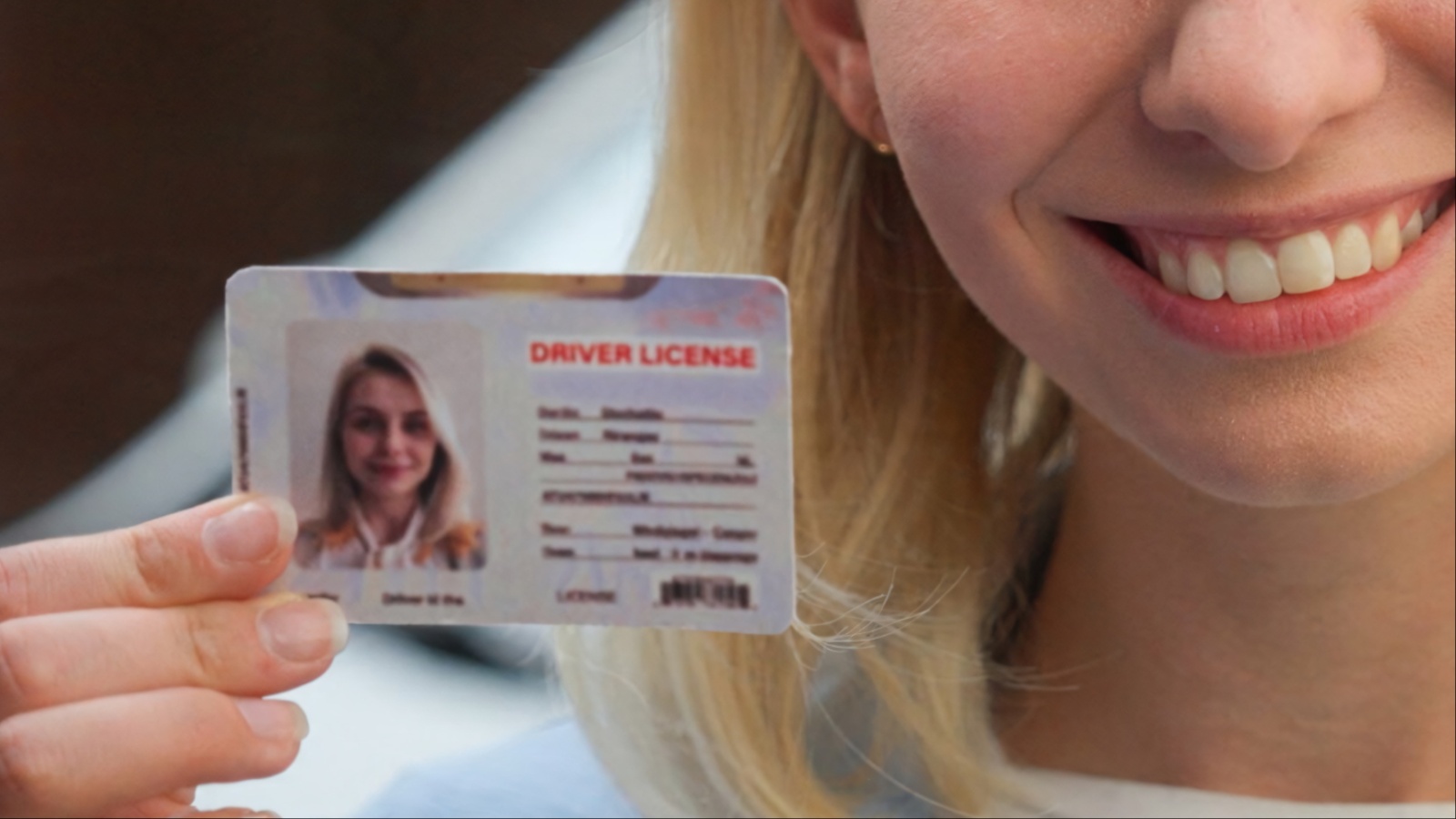
This problem catches people in surprising ways. Some riders let a renewal slip by a few weeks, thinking it is a minor administrative matter. Others upgrade to a larger-displacement bike without checking whether their license class covers it. Learner permit holders sometimes ride alone or carry passengers when their permit conditions forbid it, which can also invalidate coverage.
To protect yourself, set a calendar reminder well before your license expires, and confirm that your license class matches every motorcycle you own. If you move to another region or country, check whether your license is still recognized there.
When in doubt, call your insurer and ask directly. A short phone call costs nothing, while a denied claim after a serious crash can cost you tens of thousands in repairs, hospital bills, and legal liability. Keep a copy of your current license with your policy documents so you can verify both at a glance.
2. Riding Under the Influence of Alcohol or Drugs
Riding under the influence is one of the fastest ways to lose your coverage. Almost every insurer excludes claims where the rider was over the legal alcohol limit or impaired by illegal drugs. Some also exclude impairment from prescription medication when the label warns against operating machinery.
After a serious accident, police commonly run breath or blood tests, and the results often become part of the investigation. If a test shows impairment, the insurer can use it as grounds to deny your own damage claim, your medical claim, and in some cases even coverage for the damage you caused to others.

The consequences extend beyond the denial itself. Third parties injured in the crash may still pursue you personally, and you could face criminal charges, license revocation, and a permanent mark on your insurance history that raises future premiums or makes you uninsurable.
Impairment is not limited to obvious intoxication. Fatigue combined with a few drinks, or a new medication taken before a ride, can put you in a gray area where an insurer may still argue you were unfit to operate the motorcycle.
The safest approach is never to ride after drinking or using any substance that affects your judgment or reflexes. Arrange a ride home, leave the bike overnight, or wait until you are completely sober. Check medication labels carefully, and ask your doctor or pharmacist whether it is safe to ride while taking them.
3. Letting Your Policy Lapse or Missing Premium Payments
An insurance policy only protects you while it is active. If your premium goes unpaid and the policy lapses, any accident that happens during the gap is simply not covered, and no claim will be honored regardless of who was at fault.
Lapses often happen by accident. A card expires, an auto-payment fails, a renewal notice goes to an old email address, or the rider assumes the policy renews automatically. Many insurers offer a short grace period, but it is not guaranteed, and the terms differ widely between providers and policy types.

The danger is that you may not realize you are uninsured until you file a claim. By then, it is too late to backdate coverage. Reinstating a policy after an accident is almost never accepted, and attempting to do so can look like fraud.
Riders who store their bikes during winter or travel for long periods are especially vulnerable, since they stop paying attention to insurance admin. Others cancel coverage temporarily to save money and then forget to reactivate it before riding again.
To avoid this, turn on payment reminders, keep your billing details current, and confirm that your payment actually went through. Save the receipt or confirmation email. If you cannot afford a premium, call your insurer before the due date and ask about payment plans, since that is better than letting the policy quietly expire.
4. Providing False or Incomplete Information on Your Application
Insurance contracts rely on the information you provide when you apply. If you lie or leave out important details, the insurer may cancel the policy or reject a claim after the fact, a practice known as rescission or voiding for misrepresentation.
Common examples include understating your age or claims history, hiding previous accidents or traffic violations, listing the wrong address to get a cheaper rate, underreporting how many miles you ride, or failing to mention that you have modified the bike. Even minor omissions can be treated seriously once a claim is filed.

Insurers routinely investigate after significant claims. They compare your application against driving records, previous insurer databases, public records, and repair histories. If they find a discrepancy that would have changed the premium or led them to decline coverage, they may have grounds to void the policy.
Some riders shave details to save a few dollars a month, but the risk is wildly lopsided. You might save a small amount on premiums and lose full coverage on a claim worth many times more. In serious cases, misrepresentation can also lead to fraud allegations.
The solution is honesty and accuracy. Answer every question completely, disclose past incidents even if they seem minor, and update your insurer when circumstances change, such as moving, changing jobs, or adding a garage or security device. If you are unsure whether something matters, mention it anyway. A slightly higher premium is far better than a voided policy.
5. Making Unapproved Modifications to Your Motorcycle
Customizing a motorcycle is part of the culture, but unreported modifications can put your coverage at risk. Insurers base premiums on the bike as it left the factory. Changes that boost power, speed, or value alter the risk, and if you have not declared them, the insurer may reduce your payout or reject the claim altogether.
Typical examples include aftermarket exhausts, engine tuning, performance air filters, altered suspension, oversized wheels, fairings, and custom paint. Cosmetic upgrades matter too, because expensive parts raise the replacement cost that the policy was priced to cover.
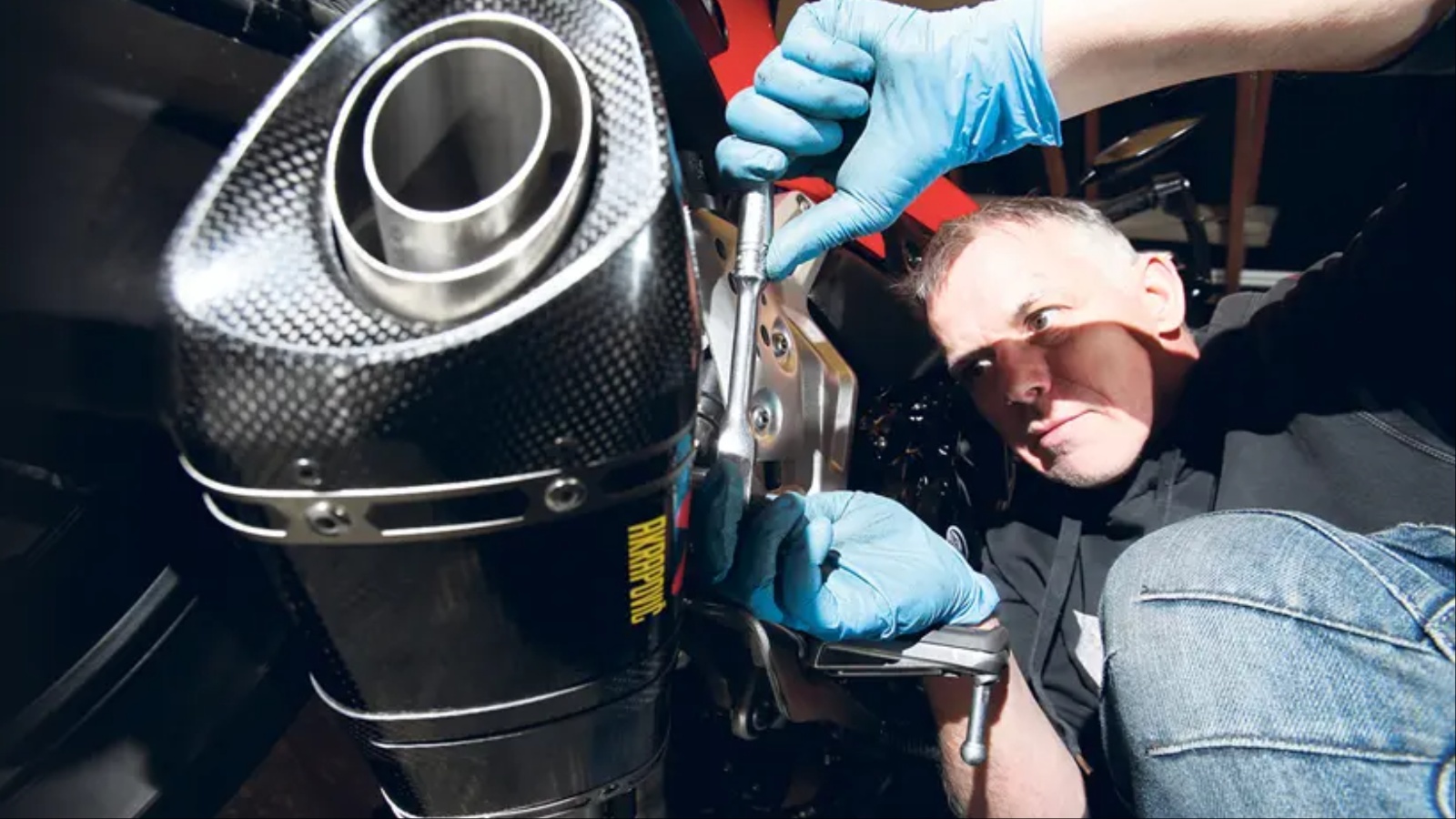
Safety-related modifications are even more sensitive. If a non-compliant part or poor installation contributes to the crash, the insurer can argue the bike was no longer roadworthy. Illegal modifications, such as noise levels over legal limits or removed emissions equipment, may breach both traffic law and your policy terms.
Another common issue is accessories. Expensive luggage systems, electronics, and custom seats are often excluded unless specifically listed, so they may not be reimbursed after theft or an accident.
Before spending money on upgrades, contact your insurer and ask how each one affects your policy. Many will approve modifications for a modest premium increase, and some offer agreed-value coverage that accounts for custom work.
Keep receipts, photos, and installation records as proof of what was added and when. Having the changes documented and approved beforehand makes any later claim much smoother and removes the insurer’s easiest reason to deny it.
6. Using the Motorcycle for Unauthorized Purposes
Your policy lists how the motorcycle may be used, and riding outside that scope can void your claim. Most standard personal policies cover social, domestic, and commuting use. They often exclude commercial activity, racing, and other high-risk uses.
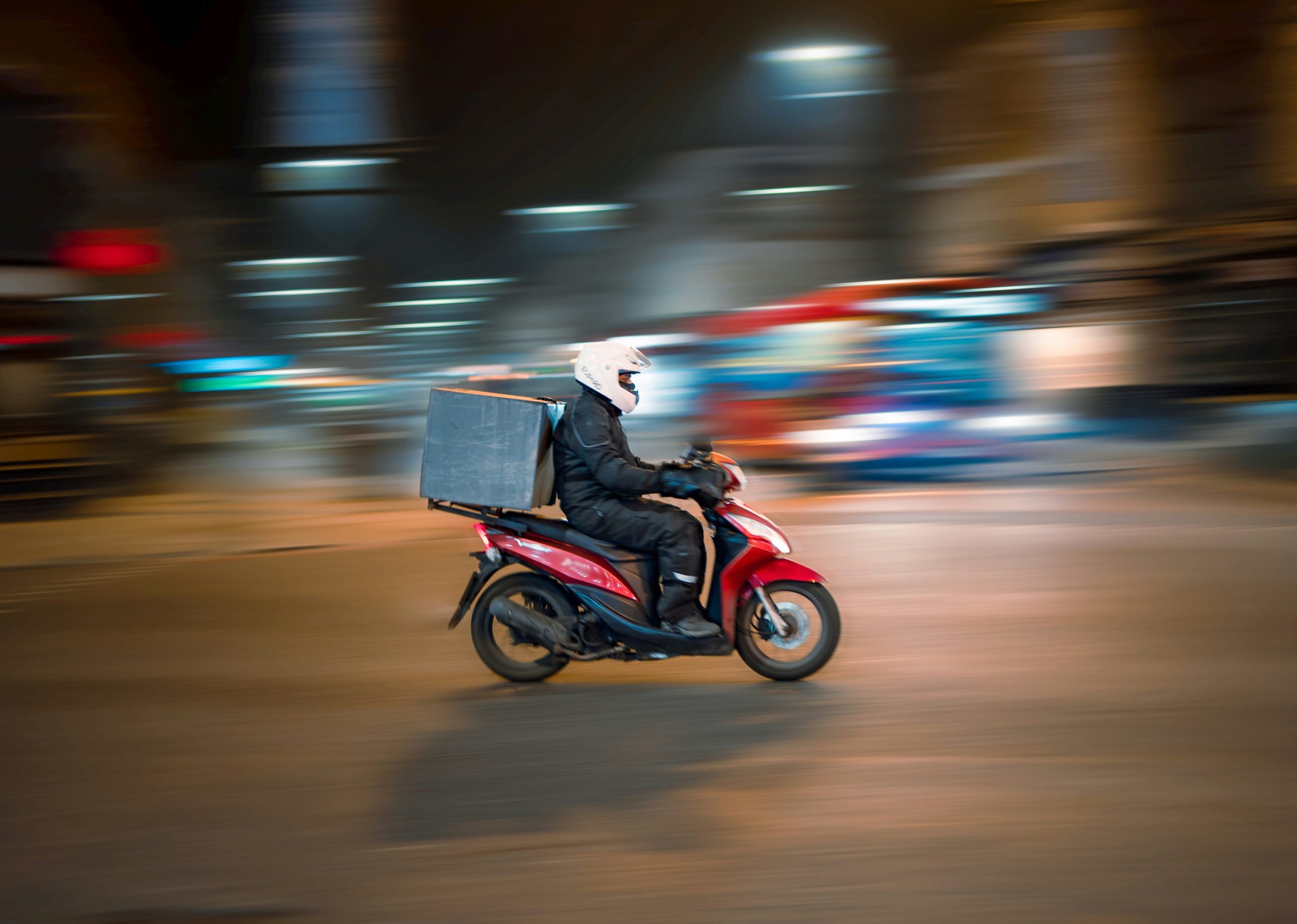
The most common trap is delivery work. Riders who sign up for food or parcel delivery apps often assume their personal policy still applies. In most cases, it does not, because carrying goods for payment counts as business use, which carries higher risk and needs a different policy. The same applies to ride-hailing, courier work, and rider training for pay.
Racing and track use are another frequent exclusion. Standard policies typically refuse claims for damage during organized races, speed trials, stunt riding, or track days unless you have bought specific cover. Even informal street racing can lead to a denial and possible criminal charges.
Commuting can also be an issue. Some policies cover only leisure riding, so using the bike for daily travel to work may need an upgraded plan. Likewise, off-road riding on a road-legal bike may not be covered unless the policy says so.
The fix is to be upfront about how you plan to use the motorcycle. If your situation changes, such as taking a delivery job or starting to ride on track, tell your insurer immediately and switch to an appropriate policy. The extra cost is usually small compared with the protection it provides.
7. Riding an Unregistered or Unroadworthy Motorcycle
A motorcycle must be legally registered and in safe working condition to be covered. If it is unregistered, has expired registration, or fails mandatory inspections, an insurer can argue the bike should never have been on the road and decline the claim.
Roadworthiness covers a wide range of issues. Worn tires, faulty brakes, broken lights, damaged steering components, leaking fluids, and a poorly maintained chain can all contribute to a crash. If an investigator concludes that neglected maintenance caused or worsened the accident, the claim may be reduced or refused.

Registration problems are equally serious. Riding with lapsed registration or plates that do not match the bike can violate both law and policy conditions. In some places, mandatory inspection certificates or emissions tests are legal requirements, and missing them can complicate any claim.
Many riders underestimate how closely insurers examine the aftermath of a crash. Adjusters may inspect the wreckage, check service history, and review photos for signs of poor maintenance, such as bald tires or brake pads worn to metal.
To protect yourself, keep up with scheduled servicing, and fix safety issues right away rather than postponing them. Perform a quick pre-ride check on tires, brakes, lights, and fluids. Keep registration and inspection documents current and stored where you can find them. Save maintenance receipts, since they serve as evidence that you looked after the bike. A well-documented service history is one of your strongest defenses against a roadworthiness dispute.
8. Failing to Report the Accident Promptly or Properly
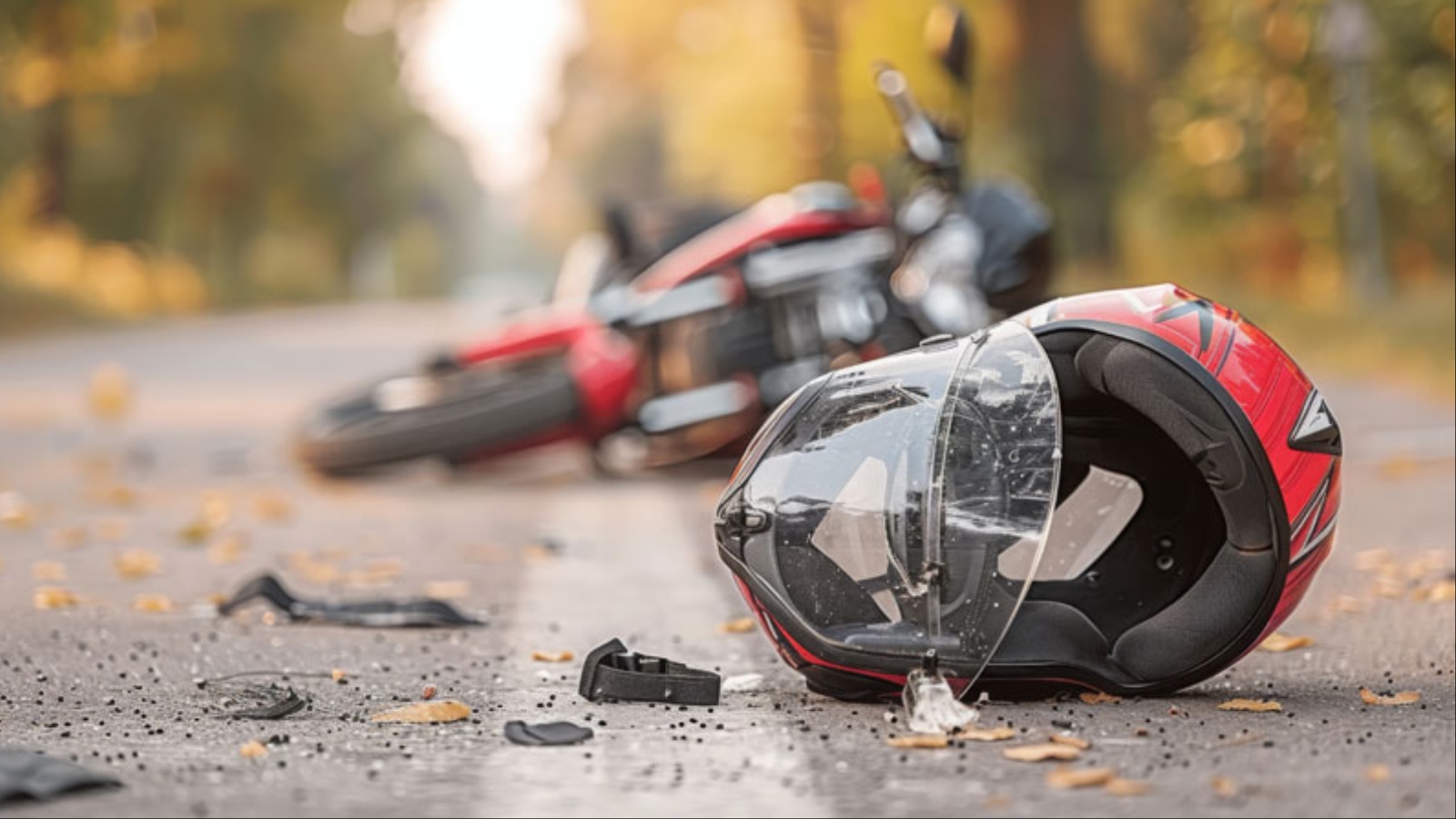
Even a legitimate claim can fail if you do not follow the reporting rules. Policies usually require you to notify the insurer within a specific timeframe, often 24 to 72 hours, and to report serious accidents to the police. Missing these deadlines gives the insurer a legal reason to deny coverage.
Delays create problems because evidence disappears. Skid marks fade, witnesses become hard to find, and vehicle damage may be repaired or altered. Insurers argue that late reporting prevents them from investigating properly, and courts often accept this argument when the delay is significant.
Proper reporting also means giving accurate, complete information. Inconsistent statements, missing details, or changing your story can raise suspicion. Likewise, admitting fault at the scene or agreeing to private settlements without your insurer’s approval can breach your policy and weaken your claim.
Another common mistake is moving or repairing the motorcycle before the insurer has inspected it. Doing so can erase proof of how the accident happened and give the adjuster grounds for rejection.
After any accident, make sure everyone is safe and call emergency services if needed. Then take photos of the scene, vehicles, and injuries, collect contact details from witnesses and other parties, and obtain a police report when required.
Notify your insurer as soon as possible, ideally the same day, and follow their instructions on repairs and documentation. Keep copies of every message and form. Acting quickly and keeping clear records protects both your claim and your credibility.
9. Letting an Unlisted or Unauthorized Rider Use Your Bike
Motorcycle policies generally cover only the named policyholder and any riders specifically listed or permitted under the policy. If someone else rides your bike and crashes, the insurer may refuse the claim, even if you gave them permission.
Many owners assume that lending a motorcycle to a friend or relative is harmless, but insurers see it differently. Each rider has a different age, experience level, and driving record, all of which affect risk. An unlisted rider has not been assessed, so the insurer has not priced for them.

Some policies include a limited “any rider” clause, but it often comes with conditions. These can include minimum age limits, license requirements, restrictions on rider experience, or higher excess fees. Others exclude novice riders and anyone with serious violations entirely.
Problems are especially common with family members. A teenage child, a partner with only a learner permit, or a sibling visiting from abroad may not be covered. The same applies to test rides when selling your bike, since a buyer riding it without proper cover can leave you liable.
Before letting anyone ride your motorcycle, read the “authorized drivers” section of your policy, and call your insurer if it is unclear. If someone will ride regularly, add them to the policy so they are properly covered. For one-off loans, ask whether temporary cover is available. A few minutes of checking can prevent a large uninsured loss, along with an awkward conflict with a friend or relative.
10. Committing Fraud or Exaggerating a Claim
Fraud is the surest way to have a claim voided, and it can have consequences far beyond losing your payout. Insurers train investigators to spot dishonest claims, and they share data across the industry. If they conclude you lied, they can reject the claim, cancel the policy, and report you to authorities.
Outright fraud includes staging accidents, claiming for damage that already existed, reporting a bike stolen when it was sold or hidden, and inventing injuries. But exaggeration also counts. Inflating repair estimates, adding items that were not lost, overstating the value of your motorcycle, or claiming that damage came from one accident when it came from several can all be treated as fraudulent.
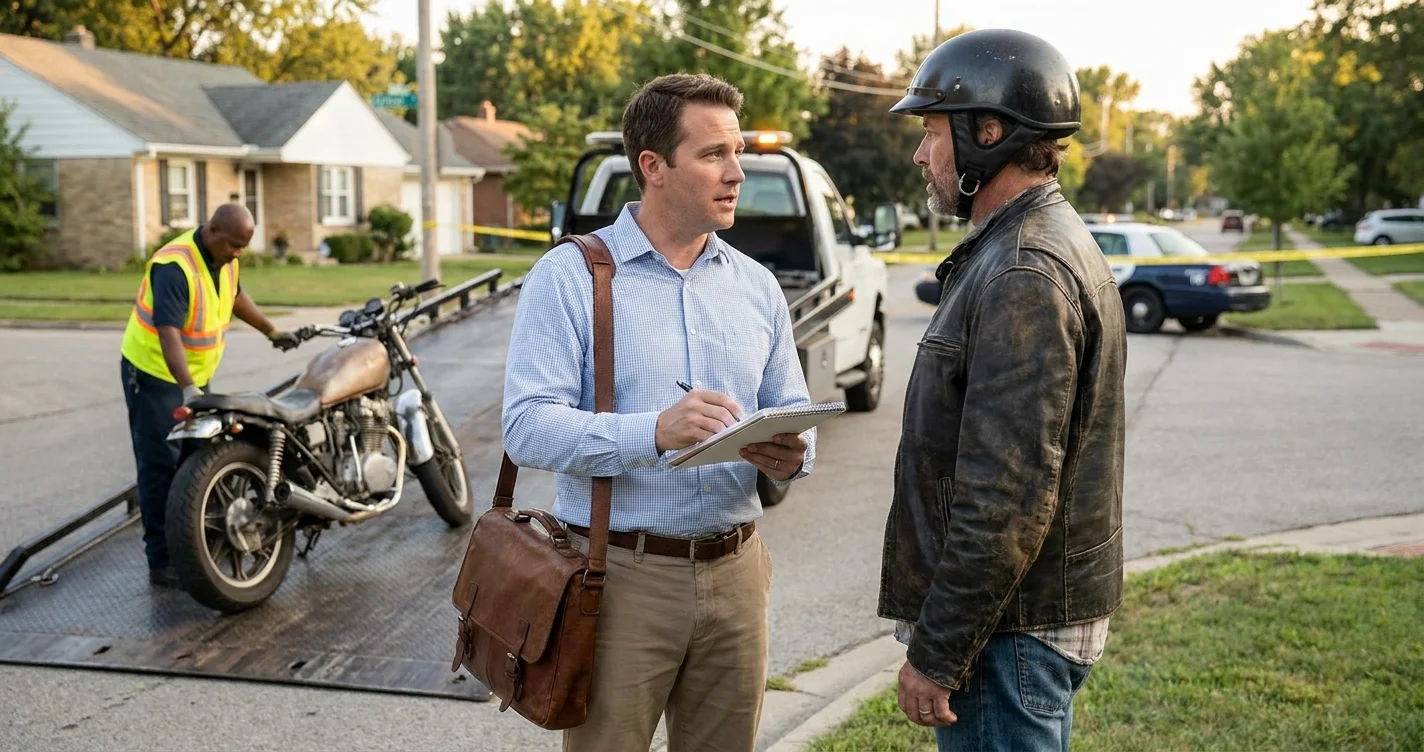
Investigators look for warning signs such as inconsistent statements, missing documents, suspicious timing shortly after a policy begins, financial difficulty, and photos that do not match the reported event. They may also check social media, repair shop records, and witness accounts.
The penalties are serious. Beyond denial, you may face criminal prosecution, fines, repayment of any money already paid, and difficulty getting insured again. Even a small lie can taint an otherwise valid claim, because insurers often treat one proven falsehood as grounds to doubt everything else.
The best protection is simple honesty. Report only what actually happened, provide genuine receipts and estimates, and correct any mistakes as soon as you notice them. If you are unsure about the value of something, say so and let the insurer assess it. A truthful claim, even a modest one, is always safer than an inflated one.