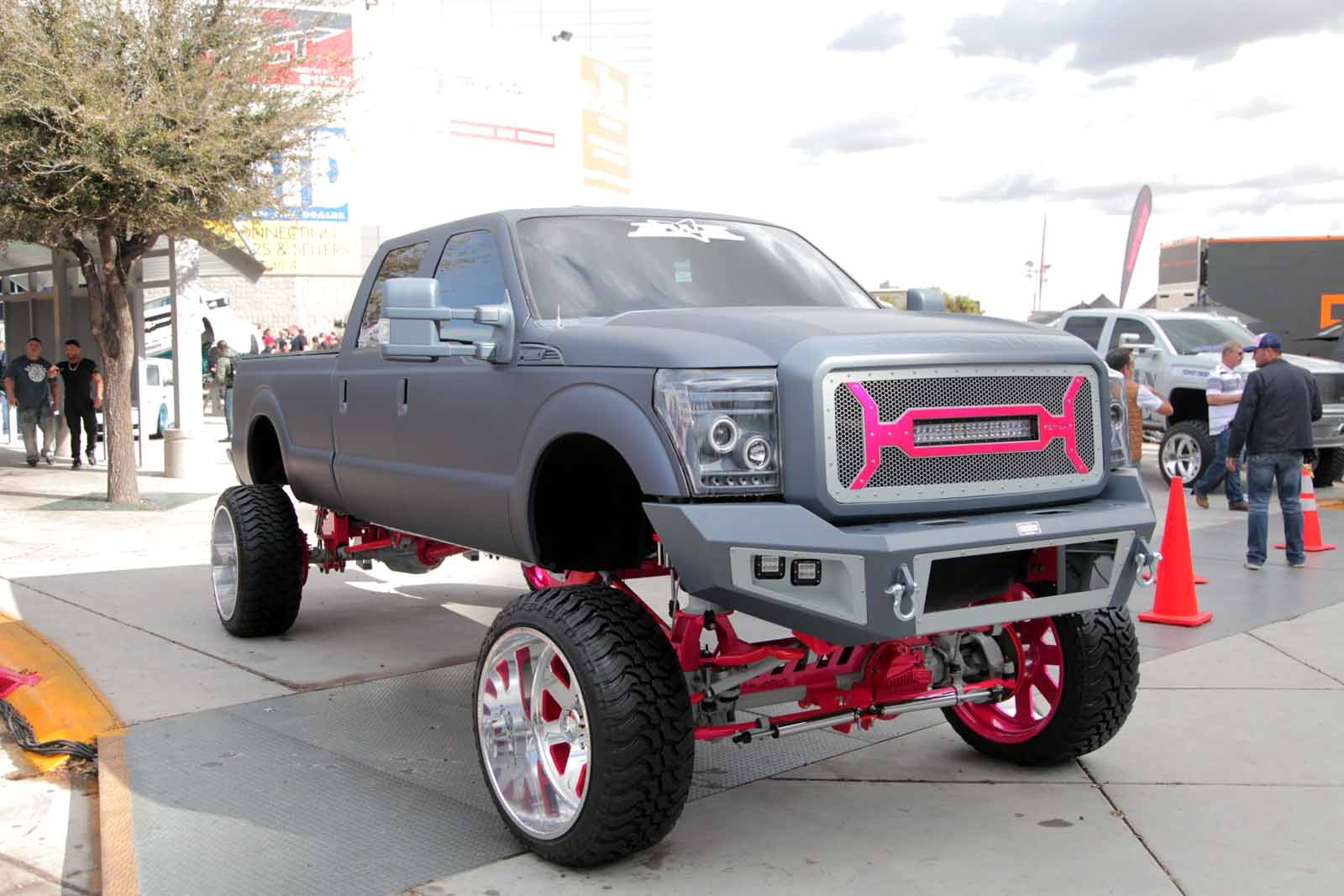
Do you love your ride? Of course you do. Every scratch and every weekend spent under the hood tells a story. But before you spend another dollar on that shiny upgrade, pause for a second. Some modifications look great in the parking lot, then land you in trouble at the inspection station, or worse, on the roadside with flashing lights behind you.
The tricky part is that inspection rules differ from state to state, and more than half of the states have dropped routine inspections for regular passenger cars. That does not put you in the clear. Federal law and state codes still apply everywhere. Here are ten popular modifications that can fail inspection, draw a ticket, or both, no matter where you live. Let’s keep your car fun and legal.
1. Catalytic Converter Deletion / Straight Pipes
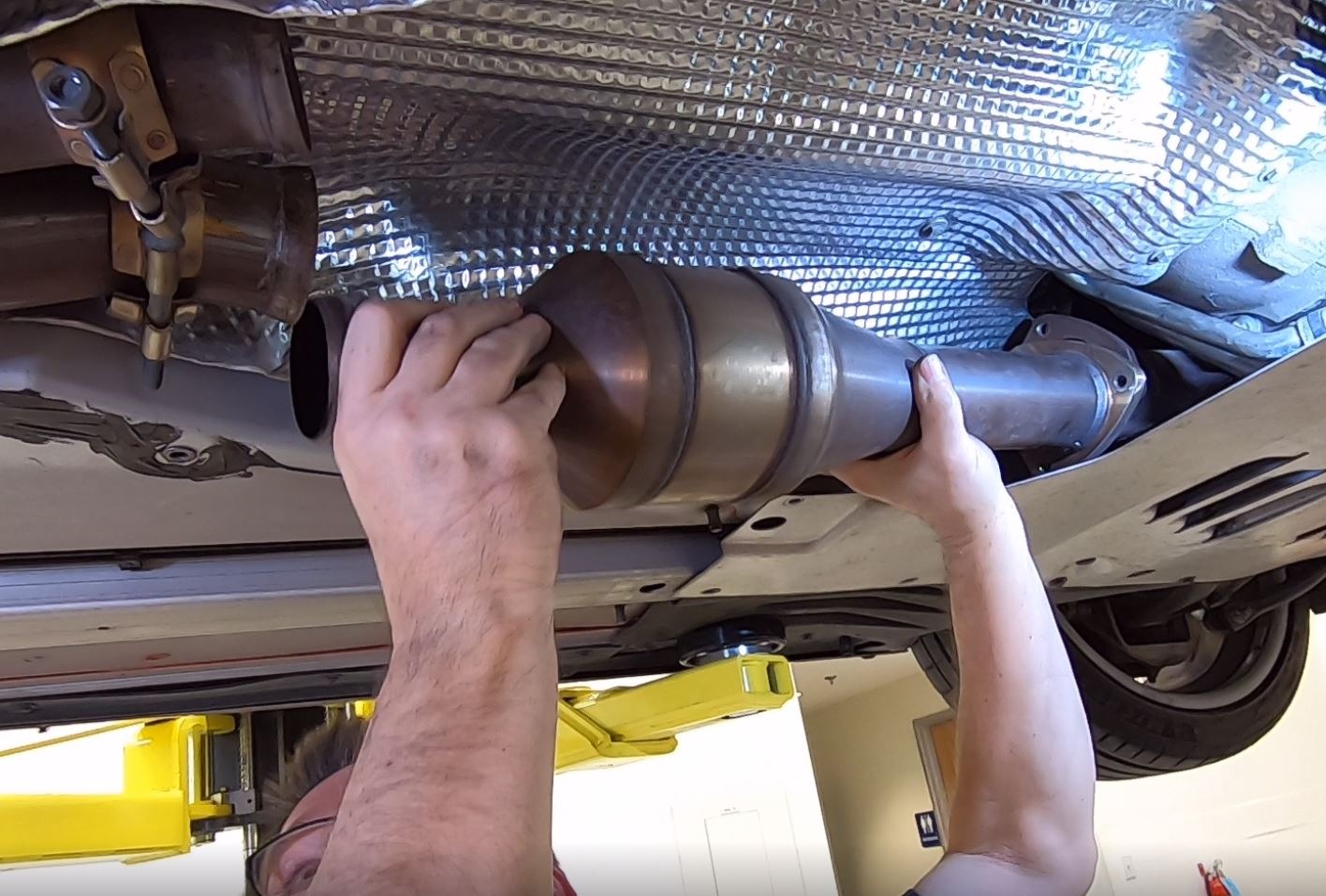
A louder exhaust might appeal to performance enthusiasts, but removing a factory catalytic converter can create a serious legal problem.
This component helps reduce harmful pollutants released by a vehicle’s engine. Replacing it with a straight pipe removes an important part of the emissions control system.
The federal Clean Air Act prohibits tampering with required emissions equipment on vehicles used on public roads. That means a car owner generally cannot legally remove a functioning catalytic converter simply to gain exhaust volume or reduce restriction.
The rule applies nationwide, even though states use different methods to enforce emissions requirements.
What happens during an inspection? In states and counties that conduct emissions testing, a missing converter can cause an immediate failure.
Inspectors may also identify the missing equipment during a visual examination. Some vehicles can fail an emissions test even when the engine runs smoothly, and the dashboard shows no warning lights.
Straight pipes can also create practical problems by making the exhaust louder and increasing emissions. Even if a vehicle passes a basic mechanical inspection, it may still fail to meet local emissions regulations.
2. Radar and Laser Jammers
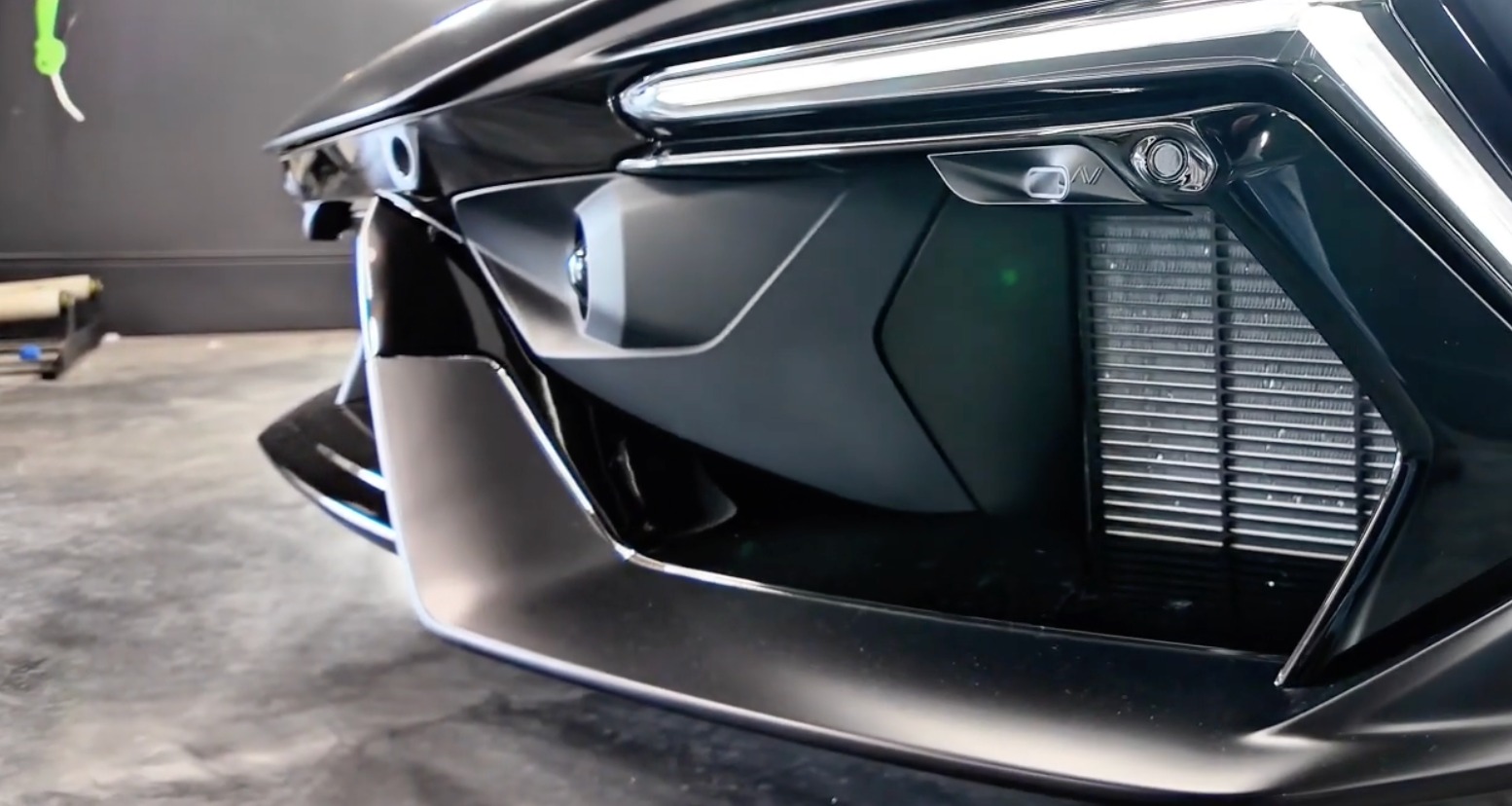
Speed detection equipment is designed to help law enforcement monitor traffic, and devices built to interfere with that equipment can create legal trouble for drivers. Radar detectors and radar jammers are not the same thing.
A detector receives signals and alerts the driver, while a jammer actively transmits interference intended to disrupt radar measurements.
Federal Communications Commission rules prohibit the operation, marketing, and sale of equipment that interferes with authorized radio communications. Radar jammers can fall under these restrictions.
Laser jammers raise different legal questions because they interfere with optical speed measurement, and their treatment varies by state.
Why does this matter during a vehicle inspection? A routine mechanical inspection may not specifically test for a jammer, and many states do not conduct periodic inspections at all.
However, that does not make an otherwise prohibited device lawful to use on public roads. A traffic stop, equipment examination, or enforcement action may expose the violation.
Drivers should also avoid assuming that every device advertised as a speed protection system is legal. Product descriptions can make bold claims without explaining applicable restrictions.
Before installing any electronic equipment intended to affect speed detection, review federal communications rules and your state’s vehicle laws.
A conventional radar detector may be permitted in some circumstances, but active jamming equipment presents a different legal risk.
Choosing legal navigation tools and observing posted speed limits is a safer approach than attempting to interfere with enforcement technology.
3. Emergency-Imitating Lighting
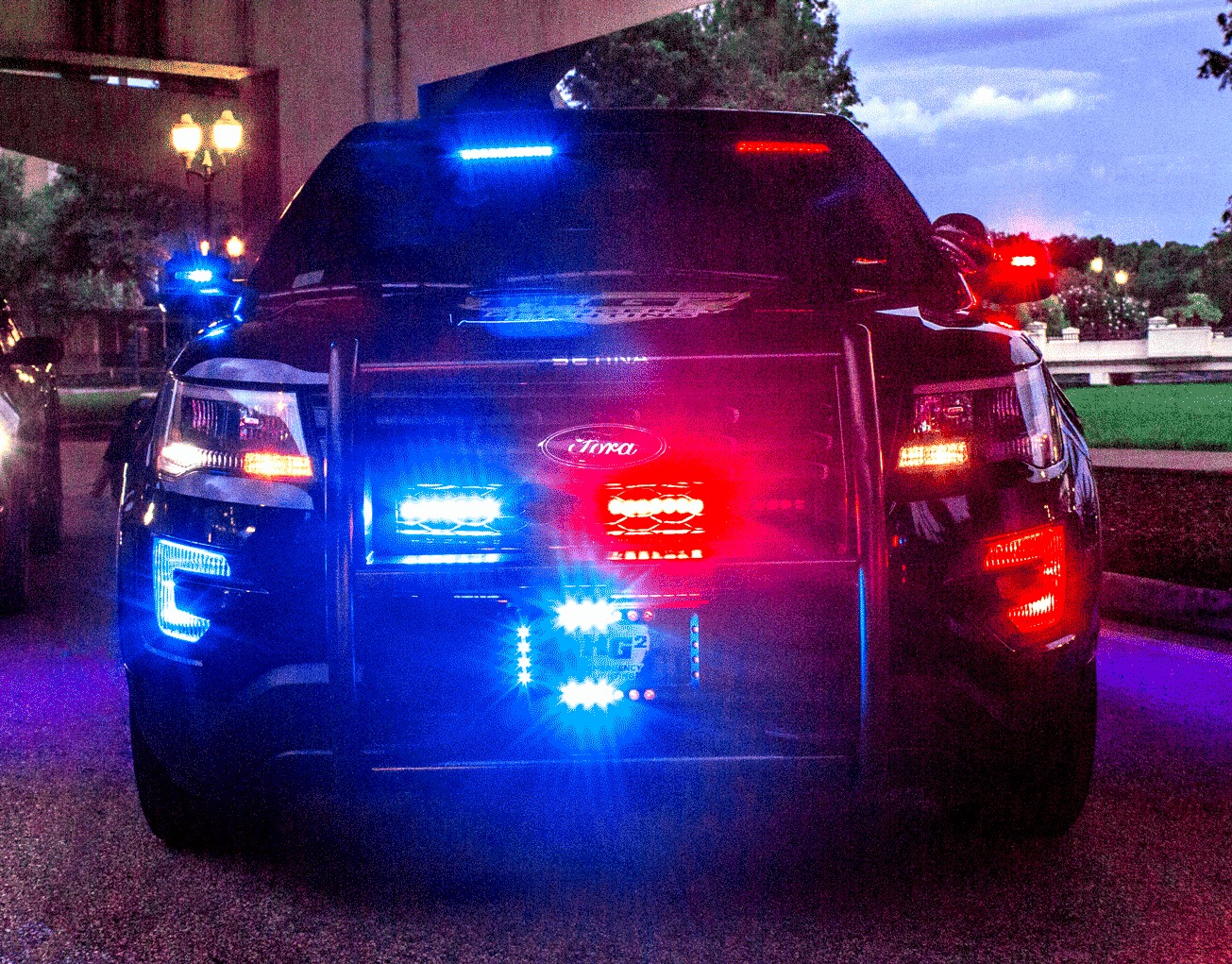
Imagine driving home after dark when red and blue lights suddenly flash in your rearview mirror. You instinctively slow down, expecting a police vehicle, only to discover that another driver is using an aftermarket lighting kit.
That moment of confusion is exactly why emergency-imitating lights are banned. Police cruisers, ambulances, and fire trucks rely on those colors to clear the road quickly, and drivers react on instinct.
Flashing, pulsing, or even solid red and blue lights on the outside of a civilian vehicle can make people brake hard, swerve, or pull over for no reason.
Accidents follow. Inspectors and officers treat these lights as a clear violation, and drivers have faced fines and even criminal charges for impersonating emergency responders.
Some people install them as accent lighting under the car, thinking a hidden glow is harmless. It is not, if the light is visible from the outside while driving on public roads.
Want a custom look? Choose colors that are allowed, like white or amber in the right places, and check local rules first. Even a lighting kit that stays off while you drive can draw attention if it is mounted where officers can see it, so many shops advise skipping red and blue parts entirely.
Save show lighting for private events, where nobody mistakes you for a patrol unit. The street is not a stage.
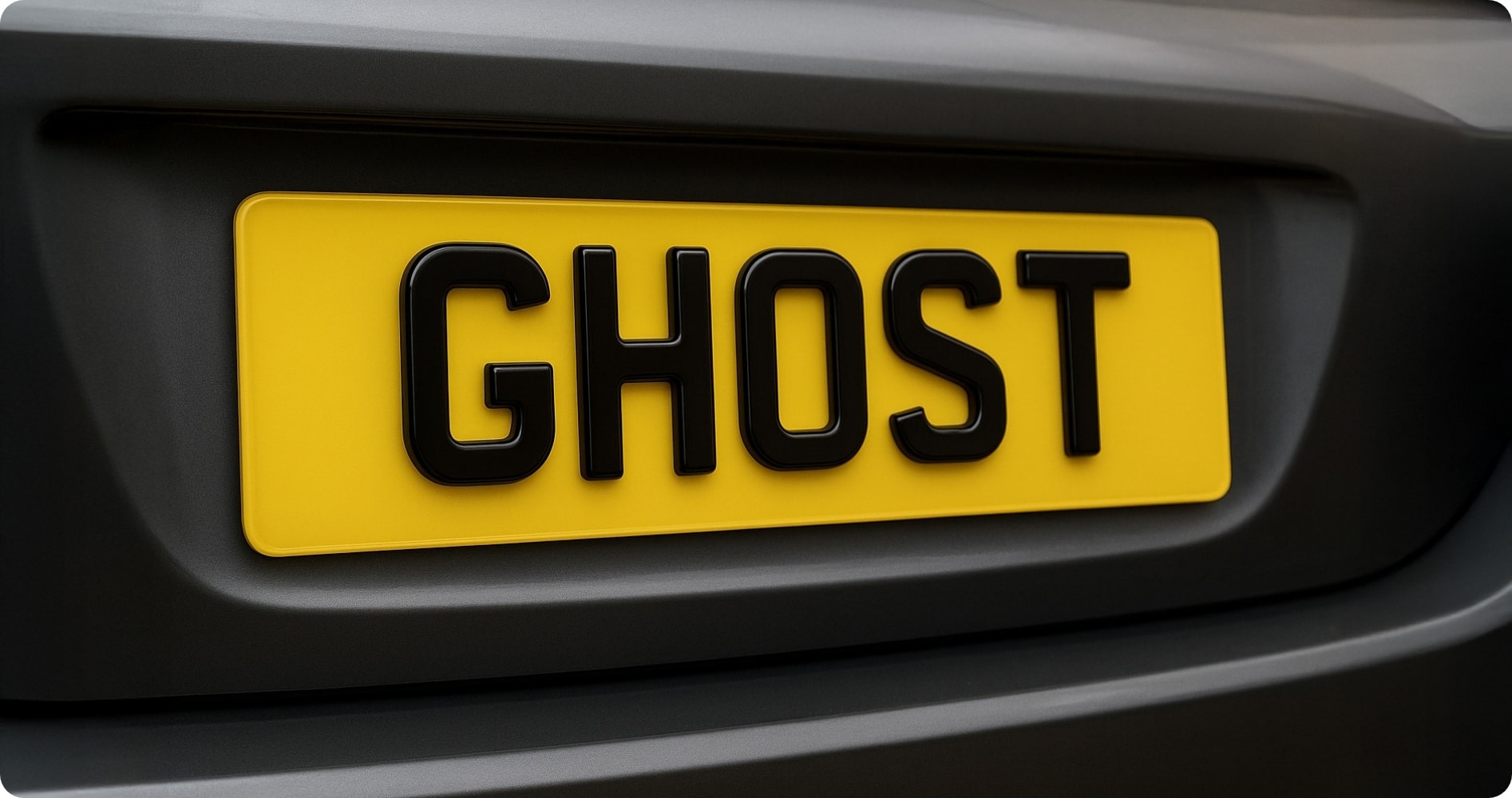
4. Ghost Plates / Automated License Plate Covers
License plate covers may seem harmless, but some are designed to obstruct identification. Tinted shields, motorized covers that conceal plates at the touch of a button, and digital displays can all prevent traffic cameras from capturing a clear image of the plate.
That is exactly what makes them illegal. Traffic cameras, toll systems, and police all depend on clear, readable plates. Think of it as three rules to remember.
First, the plate must be visible from a reasonable distance. Second, the characters and the state name should not be blocked, tinted, or reflective. Third, nothing should make the plate unreadable from an angle or in bright light.
Break any of them, and an officer can stop you on the spot. Tolls add another layer, because evading a toll with a hidden plate can bring heavy penalties on top of the ticket.
Some covers sold online are marketed as legal, but the label means little if the plate cannot be read. If you simply want to protect the plate from weather, choose a clear, flat frame that leaves every letter and number exposed.
A dirty or bent plate can cause trouble too, so wipe it clean now and then and replace it if the paint peels. Many states offer low-cost replacement plates through the motor vehicle office. Keep it simple, keep it readable, and enjoy a ticket-free commute.
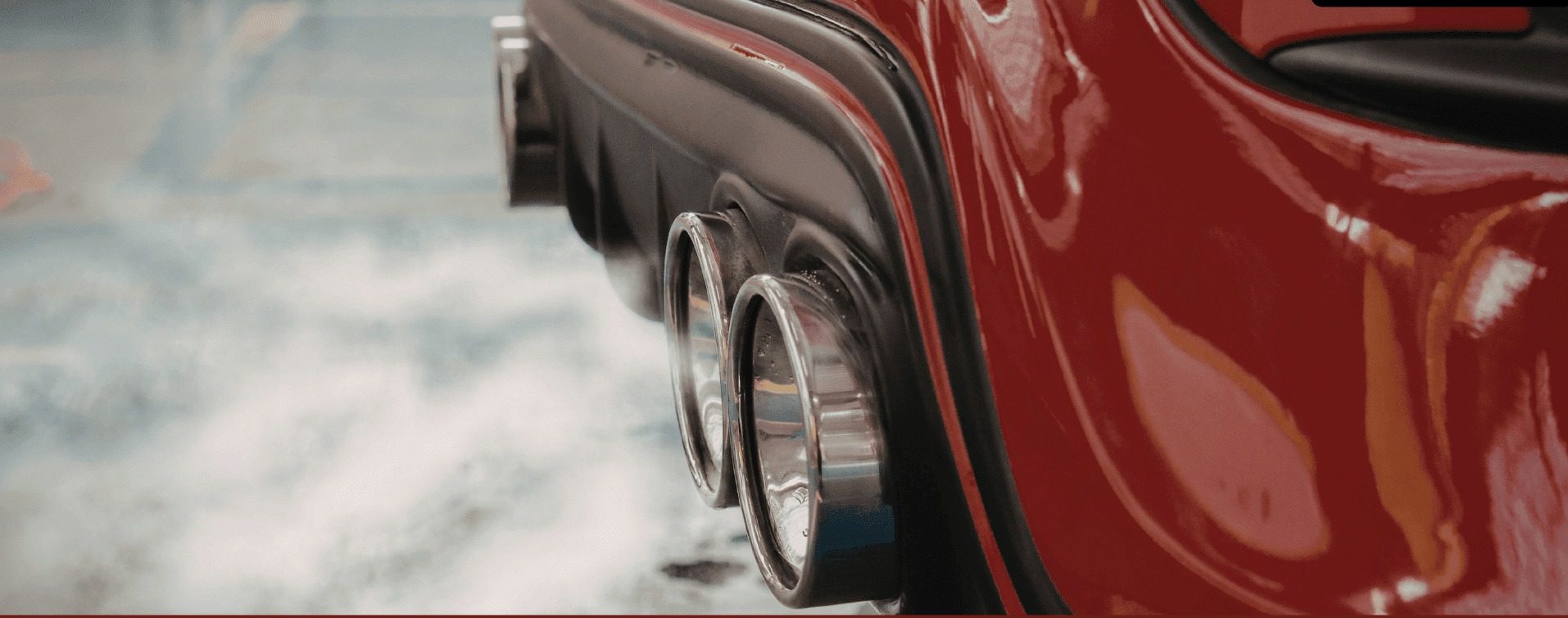
5. Excessively Loud Exhausts (Exceeding Decibel Limits)
A powerful engine does not need an excessively loud exhaust to deliver enjoyable performance. Removing a muffler, cutting out a resonator, or fitting an unsuitable aftermarket system can push exhaust noise beyond the limits allowed by local law.
Noise restrictions differ by state and sometimes by city or county. Some jurisdictions use specific sound limits, while others rely on equipment requirements or prohibit unusually loud exhaust systems.
California, for example, has used a 95-decibel limit for certain vehicle exhaust noise tests under specified conditions. That figure should not be treated as a universal limit for every car in every state.
During a safety inspection, an examiner may check whether required mufflers and exhaust components are present and properly installed. Where noise testing applies, an exhaust that exceeds the relevant limit can result in a failed test or a repair order.
There are practical reasons to take this issue seriously. Excessive exhaust noise can disturb neighborhoods, make long trips tiring, and draw unwanted attention from law enforcement.
An exhaust leak can also allow dangerous gases to enter areas where occupants may breathe them.
Before installing a louder exhaust, check local noise rules and emissions requirements. Make sure the system is designed for your specific vehicle and retains all required pollution-control equipment.
A properly engineered cat-back system or approved replacement muffler may offer a deeper tone without violating applicable limits. Keep receipts and product documentation, especially when using aftermarket components. Sound impressive, not unlawful.
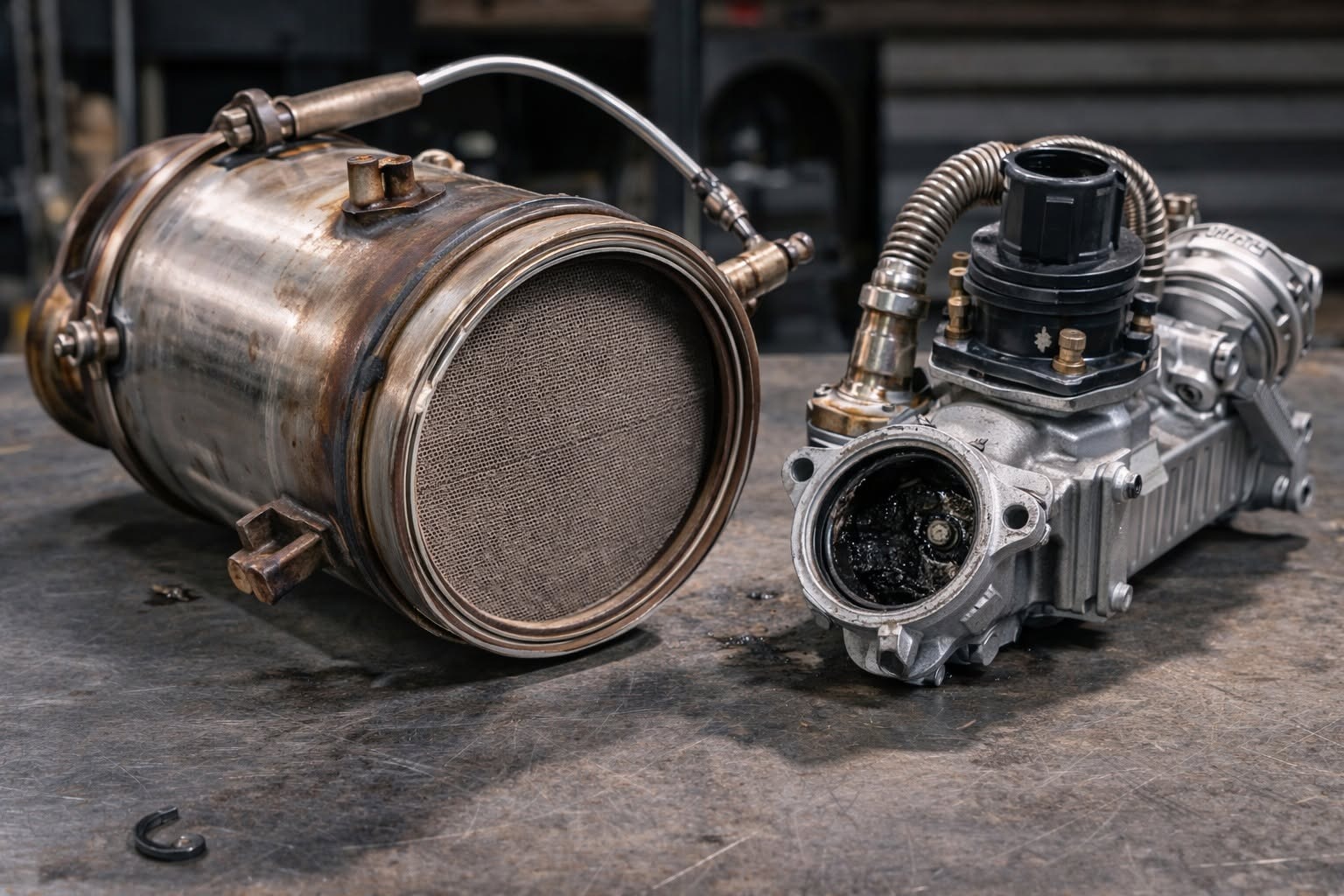
6. Emissions Equipment Removal (EGR / DPF / Smog Deletes)
Modern engines rely on several emissions parts working together. EGR valves recirculate exhaust gas to reduce nitrogen oxides, diesel particulate filters trap soot, and the engine computer monitors everything in a closed loop.
Removing any of them, often called a smog delete, breaks that system. Installing an illegal tune, sometimes called a flame map, that disables those controls makes things worse.
The Clean Air Act prohibits tampering, and the EPA has pursued manufacturers, shops, and individual owners. Inspection tools read the vehicle’s onboard computer, so missing or disabled equipment usually shows up as readiness failures or warning codes.
Even when a state skips emissions testing, a mechanic or officer can check for tampering. The cost goes beyond fines. Deleted trucks can lose resale value, void warranties, and be refused by dealers.
Insurers may also push back after a claim if they find illegal changes. Clogged filters and sticky valves are common reasons people consider deleting parts in the first place, but cleaning or replacing them usually costs less than the fines and lost value that come with tampering.
Performance gains from deletes are often smaller than advertised, and reputable tuners offer emissions-compliant options that still improve power and efficiency.
If a part fails, replace it with a certified one. Your engine runs cleaner, and you avoid a legal headache that can follow the vehicle to its next owner.
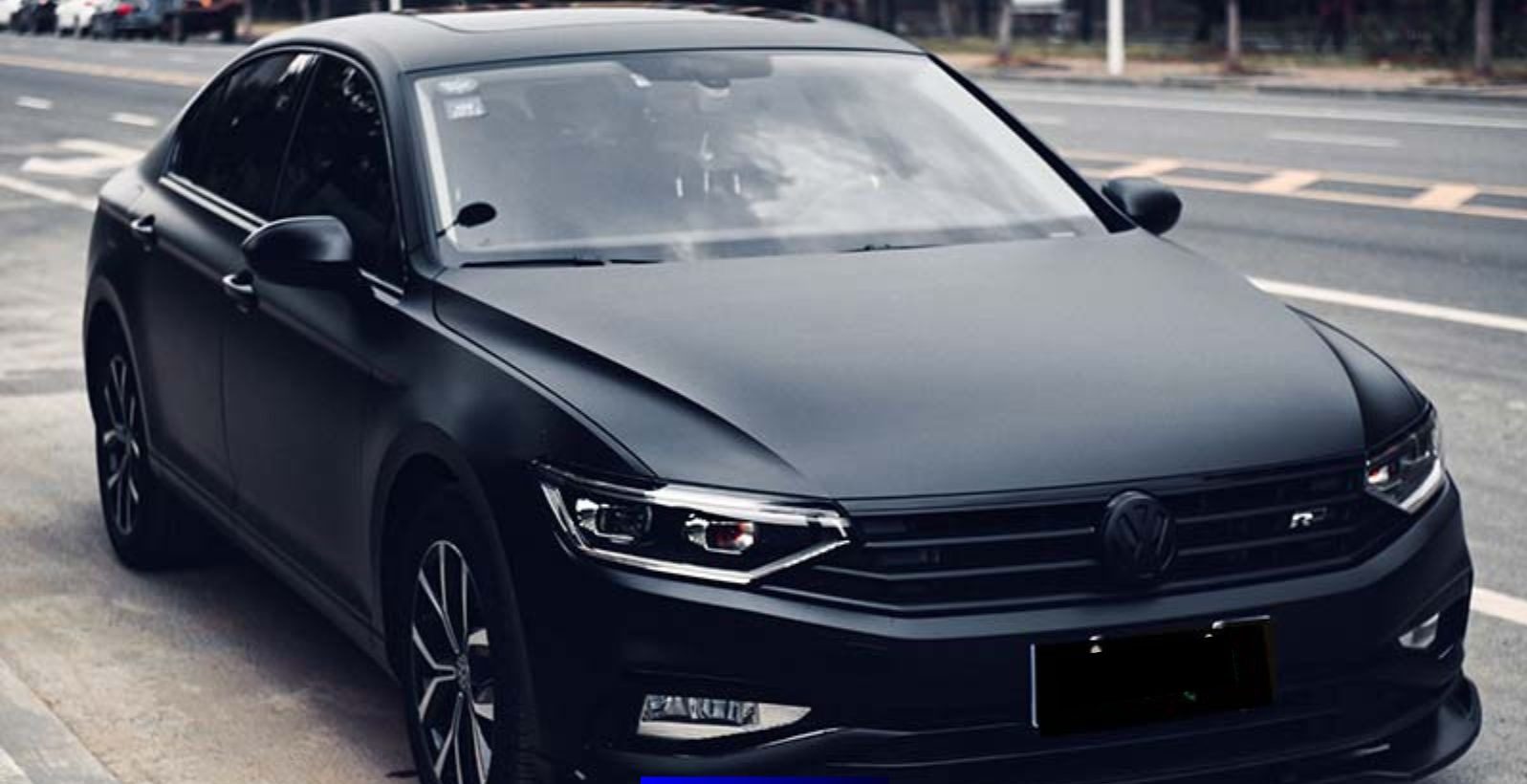
7. Laser- or Radar-Blocking Paint / Vantablack
Here is one that sounds like science fiction. Some drivers apply ultra-absorptive coatings, such as Vantablack-style finishes, or reflective specialty paints, hoping to make the car harder for optical and radar tracking units to detect.
Does it work? Mostly no, and that is not even the main issue. Traffic-enforcement and visibility codes expect vehicles to be seen by other drivers and by the equipment that monitors roads.
A car that swallows light is hard to spot at night, and that creates a real hazard for everyone nearby. Mirror-like finishes can reflect glare into other drivers’ eyes.
Officers may cite a vehicle whose coating is clearly intended to defeat detection, and some states treat that as evading enforcement. Genuine Vantablack is also not sold for cars in standard form, so many products are imitations with unpredictable results.
Inspectors can reject paint or wraps that create glare or hide required reflectors and lights. If you want a dramatic look, matte black wraps and satin finishes deliver a stealthy style without risking a citation.
Quality wraps also protect factory paint and can be removed later. Choose something that turns heads for the right reasons, and keep your car visible so you get home safely every time.
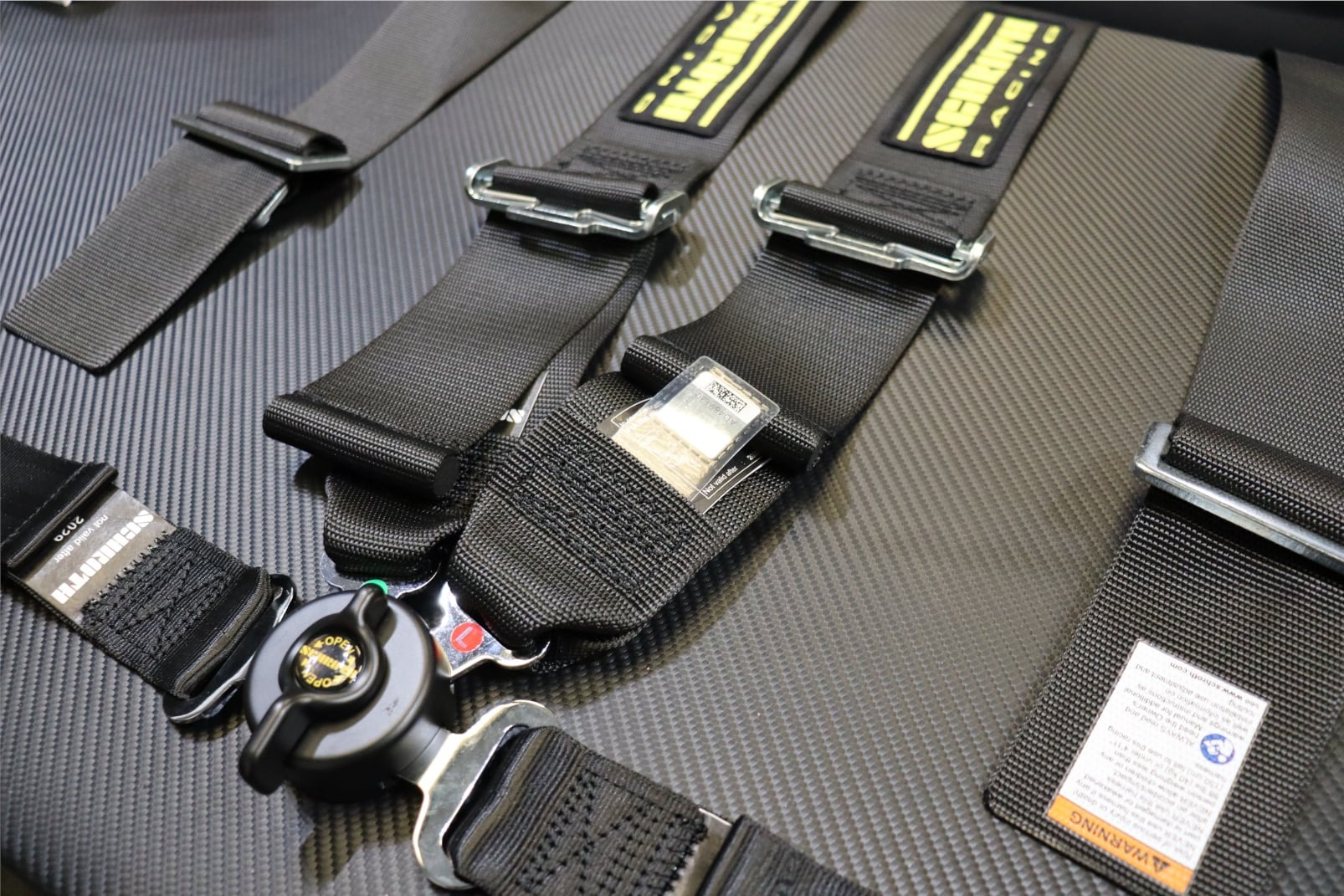
8. Seat Belt Harness Replacements on Public Roads
Racing harnesses look fantastic, and on a track they make perfect sense. On public roads, though, replacing the factory three-point seat belts with uncertified multi-point harnesses causes problems.
Factory belts are engineered to work with your seat, your airbags, and the crash structure of the car. A four-, five-, or six-point harness locks you rigidly in place, which can be great on a closed course but risky during an everyday collision with airbags deploying.
Many harnesses lack proper certification for road use, and they may not meet federal motor vehicle safety standards. Inspectors will check that the belts are present, intact, and functional.
Replacing standard seat belts with aftermarket alternatives may cause a vehicle to fail inspection and could result in a citation. These modifications can also restrict access to the dashboard and gear selector, while making it more difficult to exit the vehicle quickly after a crash.
If you love the racing feel, install harnesses in a dedicated track car and keep the original belts in your daily driver. Some drivers keep both by using a removable setup, then switching back before heading home.
If you track your car often, ask the event organizer which harness brands they accept, since many tracks require specific certifications and expiration dates. Keep the factory belts stored safely so you can reinstall them quickly.
Safety gear should protect you in every situation, not just the one you imagined.
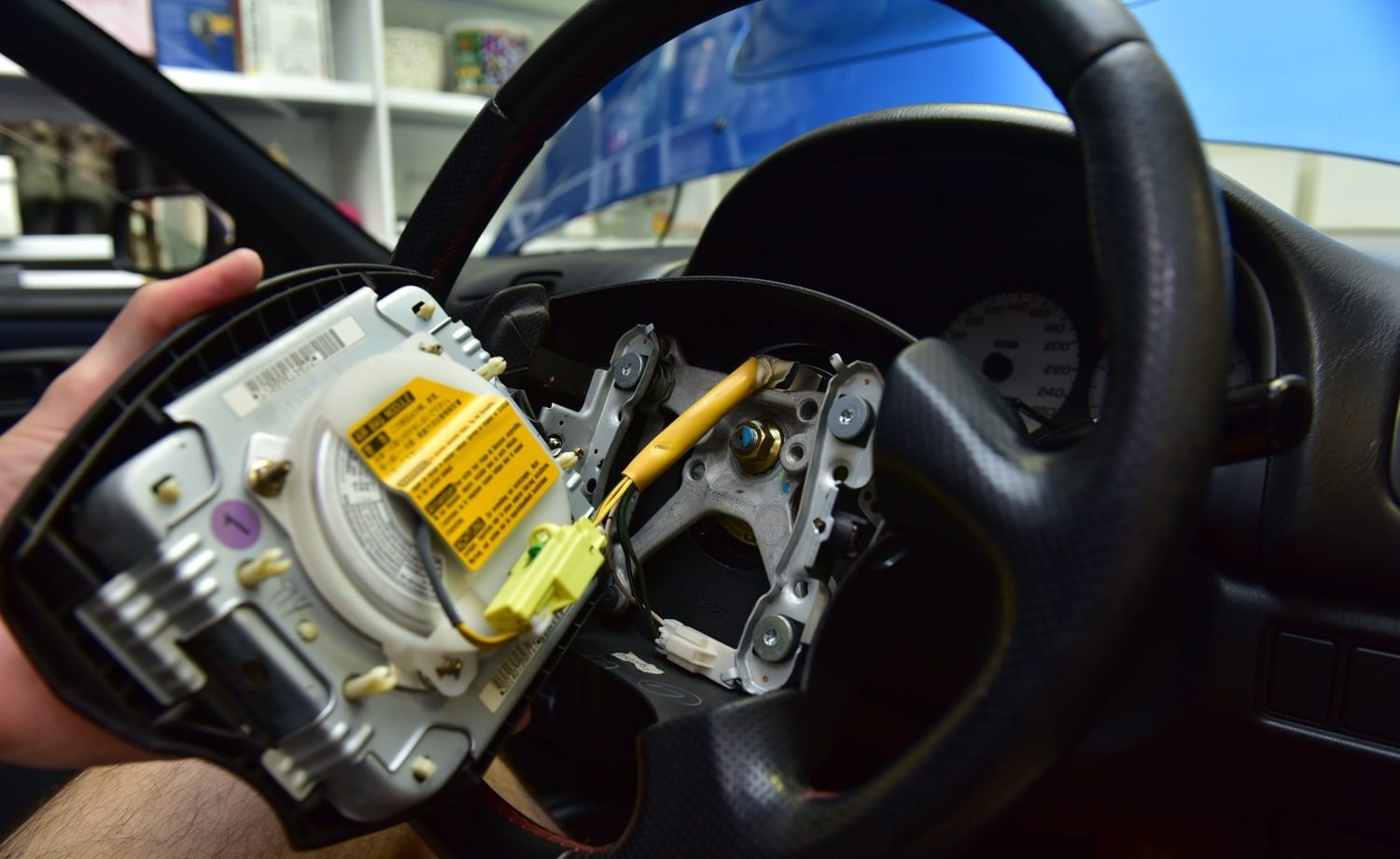
9. Removing or Disabling Airbags / Airbagless Steering Wheels
Replacing a factory steering wheel with a smaller aftermarket version can change the feel of a car, but removing its airbag may compromise occupant protection and create compliance problems.
Airbags work alongside seat belts and other restraint components to reduce injuries during certain collisions.
A steering wheel fitted with an airbag is part of a larger safety system. Removing the airbag, disconnecting its wiring, or installing an incompatible replacement can prevent the system from working as intended.
The dashboard warning light may also illuminate when the vehicle detects a fault. Federal safety requirements restrict certain modifications that make required safety equipment inoperative.
Businesses involved in vehicle repairs or modifications can face particular obligations, and state laws may impose additional requirements.
Whether a specific aftermarket steering wheel is lawful depends on the vehicle, applicable rules, and the details of the installation.
During an inspection that includes restraint-system checks, missing or disabled airbags may lead to a failure. Even without a periodic inspection, an altered restraint system can affect occupant safety and complicate insurance or vehicle resale matters.
Be skeptical of products that promise a simple airbag delete without explaining the legal and safety implications. A warning-light bypass does not restore crash protection.
If your original steering wheel is damaged or you want a different design, look for a compatible replacement that preserves the required safety functions.
Have the work completed by a qualified professional and confirm that the airbag system remains functional. Style should never require sacrificing essential crash protection.
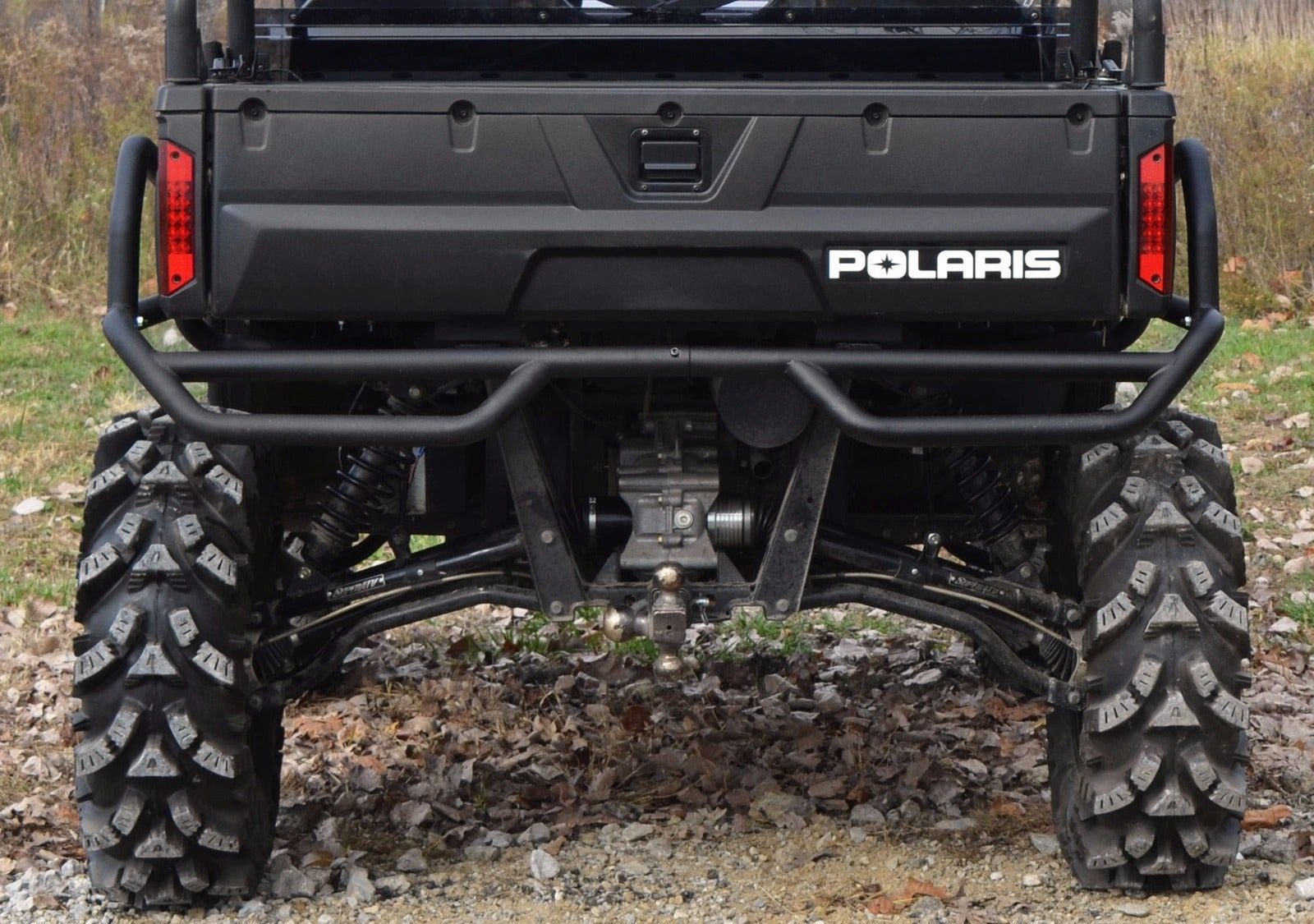
10. Frame and Bumper Height Extremes (Out of Bounds)
A truck with a massive lift or a car scraping the pavement certainly gets attention. The trouble starts when the suspension goes beyond legal limits. States set maximum and minimum heights for frames and bumpers, often tied to vehicle weight class.
Go too high, and your bumper no longer lines up with other vehicles, so in a crash it can ride over a smaller car’s protection and hit the passenger cabin.
A tall center of gravity also raises rollover risk, and headlights may aim above oncoming drivers. Go too low, and you risk bottoming out, damaging parts, and losing steering control over bumps.
Inspectors measure the heights, and officers can ticket you on the road. Fixes can mean reversing the whole build, which costs money.
Before buying lift kits or lowering springs, look up your state’s rules and match them to your vehicle’s weight rating. Many manufacturers also offer moderate options that improve looks or off-road ability while staying legal.
A small adjustment can deliver the style you want without the headache. Tire size matters here as well, because oversized tires can rub the fenders and break local rules on tire coverage.
Keep receipts and spec sheets for every part, so you can show an inspector that the build matches the rules. Stay within the numbers, and your ride passes inspection, handles safely, and keeps you off the shoulder.
Modifying a car should be fun, and it can be, as long as you check the rules before you buy the parts. Rules differ by state, so a quick call to your local motor vehicle agency or a trusted inspection shop can save you real money and stress.
Build something you are proud of, and build it the legal way.