Shopping for a new car can feel like a game of finding the best deal, until you compare the trim levels. One model may offer leather seats, a premium sound system, and useful convenience features, while a version with a similar price adds sporty styling but removes equipment you expected to get. The difference can cost hundreds or even thousands of dollars.
The trick is to look beyond badges, wheel designs, and marketing promises. Some higher-priced trims offer genuine upgrades, while others ask buyers to pay more for a different appearance or a specialized driving setup. Here are 10 trim comparisons based on the supplied 2026 and 2027 model pricing and equipment information, with a focus on what you pay, what you gain, and what you give up.
1. Honda CR-V Sport Hybrid vs. EX-L
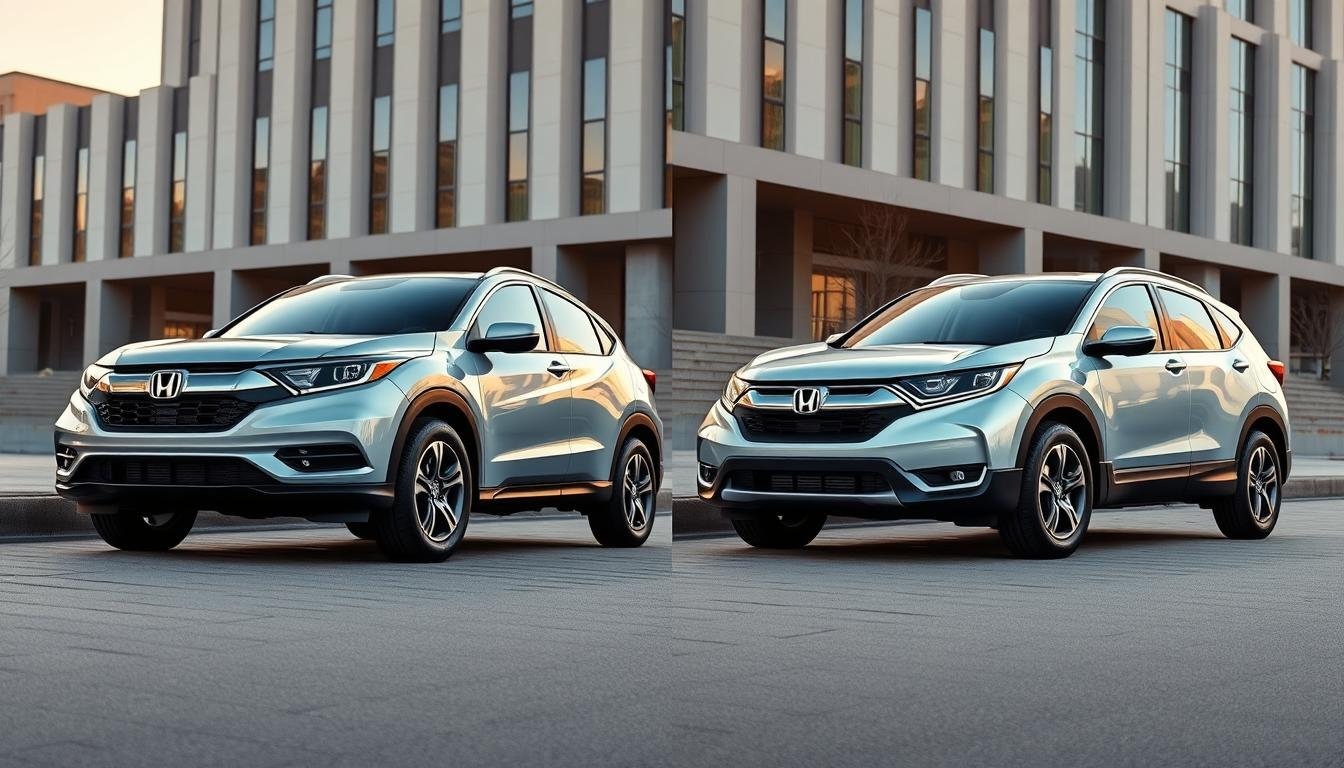
Paying an extra $230 for a different trim sounds reasonable, especially when both versions belong to the same hybrid SUV lineup. The Honda CR-V Sport Hybrid, priced at $36,030, sits just above the EX-L at $35,800.
Yet the cheaper EX-L offers several comfort and technology features that the Sport Hybrid lacks.
The EX-L includes a 10.2-inch digital instrument cluster, an eight-speaker audio system rated at 320 watts, leather seating, a power tailgate, and parking sensors.
The Sport Hybrid gives up those features, making its lower equipment level harder to justify for buyers who value everyday convenience.
Want those missing amenities in the hybrid lineup? The Sport-L Hybrid brings them back for a reported $3,095 premium over the Sport Hybrid.
This can leave buyers questioning the value of the upgrade. They may pay extra for the sportier model, only to face additional costs for features that come standard on the more affordable EX-L.
Compare the equipment lists before choosing a trim based on its name. If leather upholstery, parking assistance, and a powered tailgate matter to you, the EX-L deserves serious consideration.
The Sport Hybrid may appeal to someone who prefers its styling or driving character, but the price alone does not make it the better-equipped choice.
A quick showroom comparison can prevent an expensive surprise after delivery. Ask the salesperson to demonstrate the digital cluster, audio system, tailgate, and parking sensors in each vehicle.
Those everyday features may prove more useful than the sporty badge on the rear hatch.
2. Subaru Forester Sport vs. Premium Hybrid
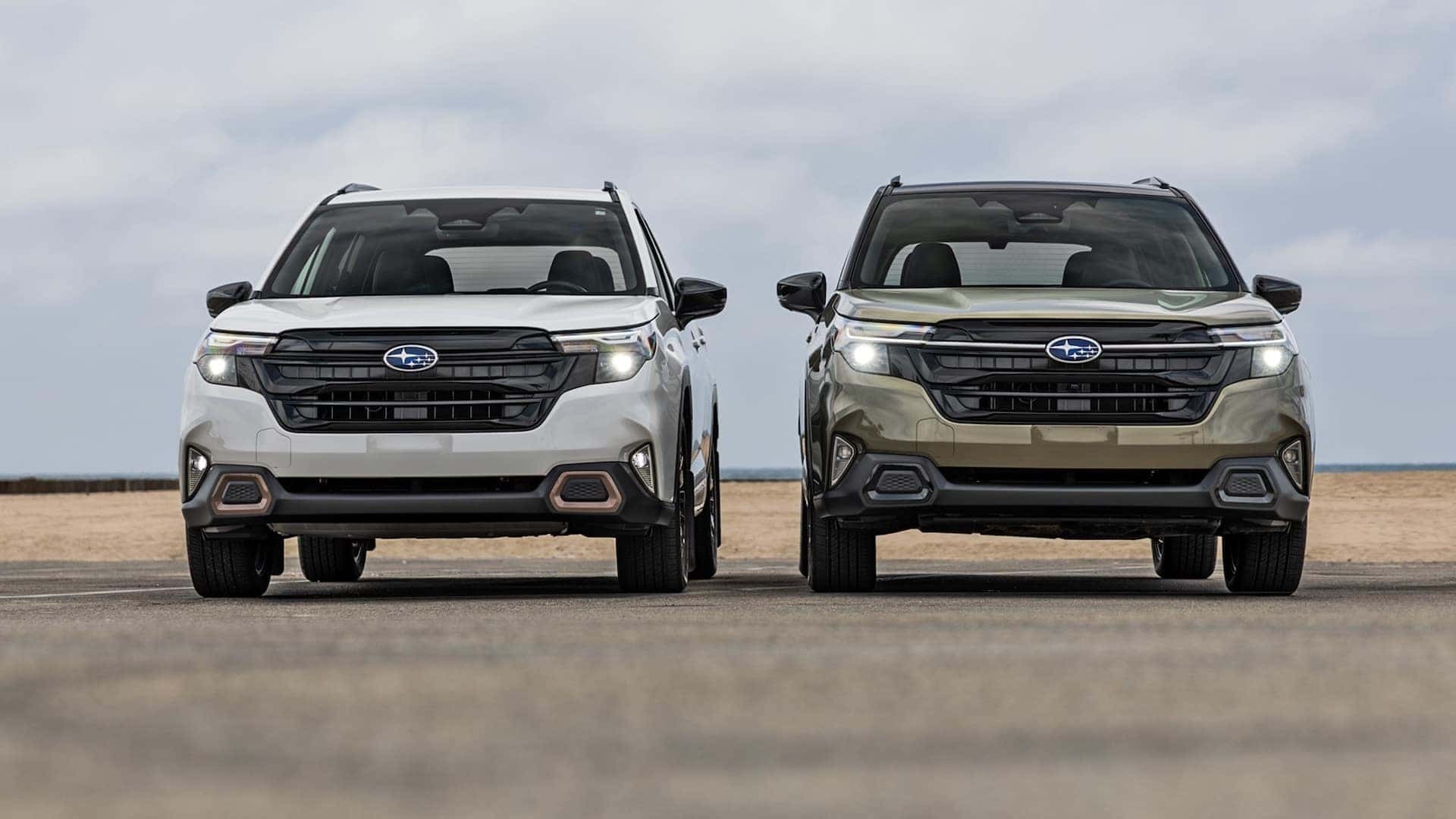
A $65 difference can make two trims seem almost interchangeable. The Subaru Forester Sport, listed at $34,795, costs slightly more than the Premium Hybrid at $34,730.
However, these versions differ in powertrain and included equipment, so the lower sticker price deserves a closer look.
The Sport uses a 180-horsepower gasoline engine, while the Premium Hybrid delivers 194 horsepower. That gives the hybrid a power advantage on paper, although actual acceleration, fuel economy, and driving feel depend on more than horsepower alone.
The equipment comparison adds another wrinkle. The Sport gives up navigation, a 12.3-inch digital instrument cluster, and the standard power liftgate included with the Premium Hybrid, according to the supplied pricing information.
Those omissions can matter during daily commutes, family errands, and long highway trips. Imagine loading groceries into the cargo area with both hands occupied.
A power liftgate can make that routine easier. Navigation and a larger instrument display may also reduce the need to rely on a phone for directions and driving information.
The right choice depends on what you value. Drivers who prefer the Sport’s appearance or gasoline powertrain may find it appealing, while buyers seeking hybrid efficiency and additional technology may prefer the Premium Hybrid.
Before signing a purchase agreement, confirm the exact model year and equipment list. Subaru trim names and available features can vary by year, and hybrid equipment may differ between versions.
Request written pricing, compare the standard features line by line, and test-drive both vehicles if possible. An extra $65 should buy a clear benefit, not merely a different badge.
3. Honda Civic Hatchback Sport vs. Sedan Sport
A closer look at these body styles reveals that a higher price does not necessarily translate to better performance or improved fuel efficiency.
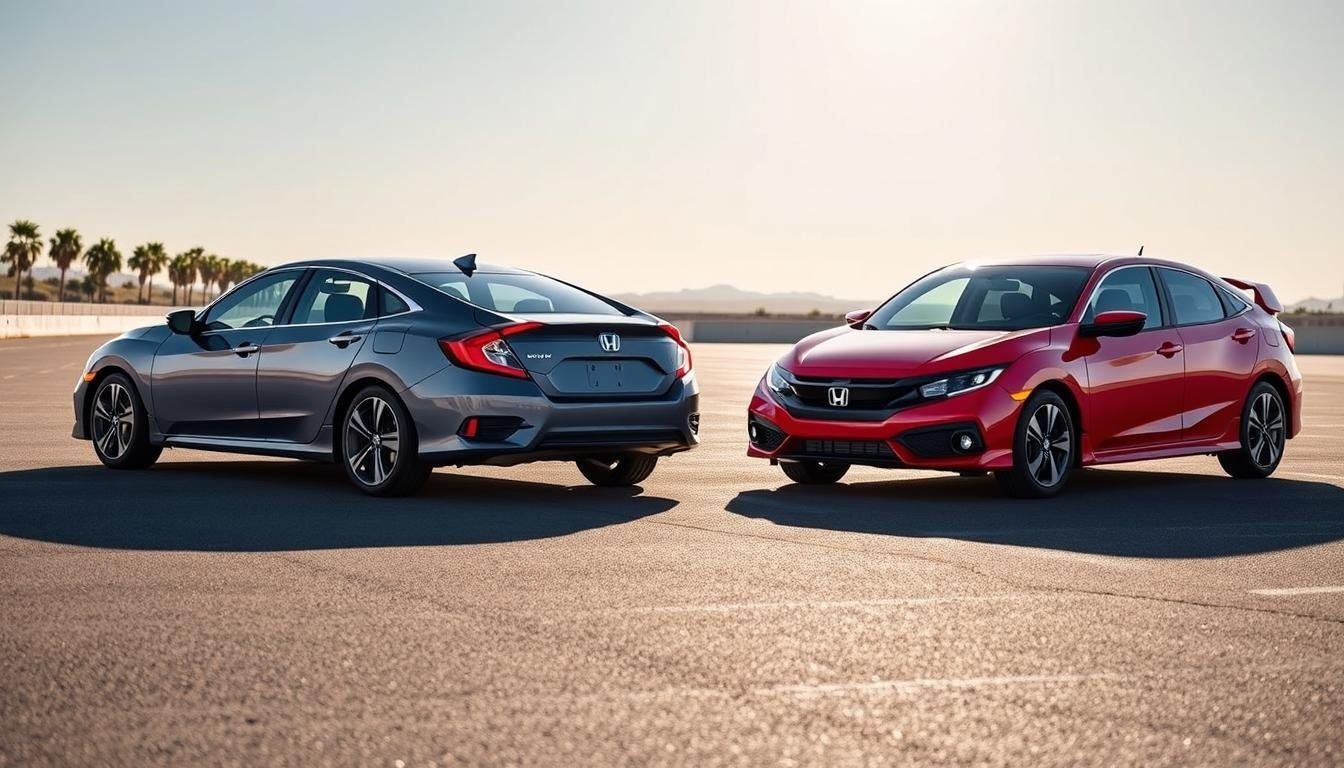
The Honda Civic Hatchback Sport is listed at $28,195, while the Civic Sedan Sport costs $26,995.
The difference is $1,200. Both versions use the same 150-horsepower drivetrain, so buyers should not expect an increase in engine output simply because they choose the hatchback.
Fuel economy also deserves attention. The supplied figures list 34 mpg combined for both vehicles, but the sedan achieves 31 mpg in city driving compared with 30 mpg for the hatchback.
The difference is modest, yet it favors the less expensive model in urban conditions.
So why consider the hatchback? Its body design offers a wider rear opening and a cargo area that can be easier to load with bulky purchases, sports equipment, or luggage.
The sedan may suit buyers who prefer a traditional trunk and a lower starting price. Neither body style is automatically the better purchase.
The hatchback’s extra cost may be worthwhile if its cargo opening fits your routine. Someone who mostly commutes alone and carries ordinary shopping bags may find the sedan provides everything needed for less money.
Take a few minutes to test the cargo areas instead of judging them from photographs. Bring a stroller, suitcase, or other item you regularly transport, if practical. Check rear-seat access and parking convenience, too.
Before making a purchase, check the fuel economy ratings for the specific model year and configuration you plan to buy, as the figures may vary between versions.
Equipment, transmission choices, and official ratings can vary. If the hatchback’s added utility matters to you, the premium may make sense. If not, the sedan offers a similar powertrain for $1,200 less.
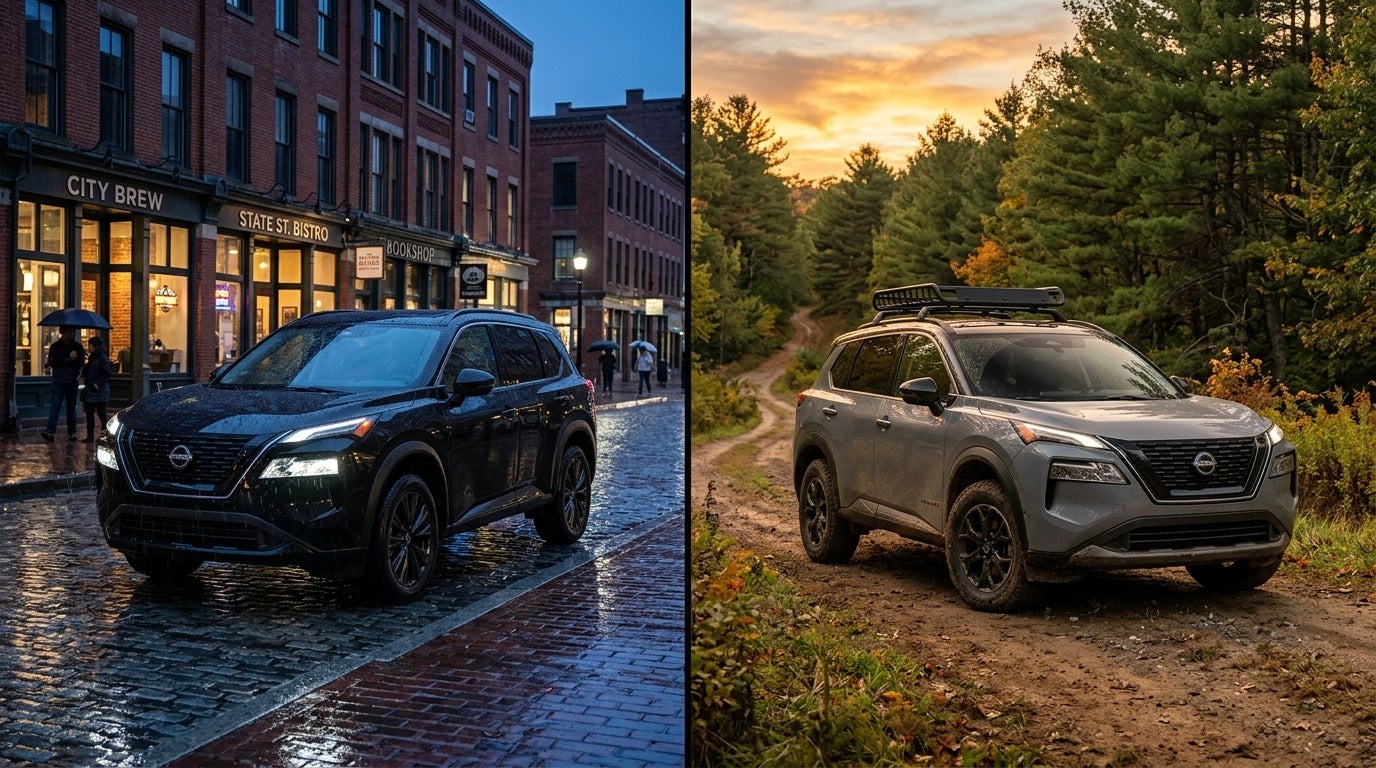
4. Nissan Rogue Rock Creek vs. Dark Armor
Rugged styling can make an SUV look ready for adventure, but appearance does not always mean more equipment. The Nissan Rogue Rock Creek costs $34,590, which is $1,050 more than the Dark Armor at $33,540.
According to the supplied comparison, the Rock Creek loses the panoramic moonroof, makes the heated steering wheel optional, and replaces 19-inch wheels with 17-inch wheels.
Smaller wheels may allow taller tire sidewalls, which can help absorb bumps on rough roads when properly matched to the vehicle.
Still, buyers who value cabin comfort may prefer the Dark Armor’s included features. Paying more for the Rock Creek makes sense mainly if its styling and wheel setup suit your driving needs.
Consider where you drive most often. If you regularly travel on gravel roads, the Rock Creek may appeal to you. If you mainly commute on paved streets and want a panoramic moonroof and heated steering wheel, the Dark Armor could offer better value.
Before choosing, ask the dealer to confirm the standard equipment and available packages for each vehicle. Compare the final prices in writing so you know exactly what your money buys.
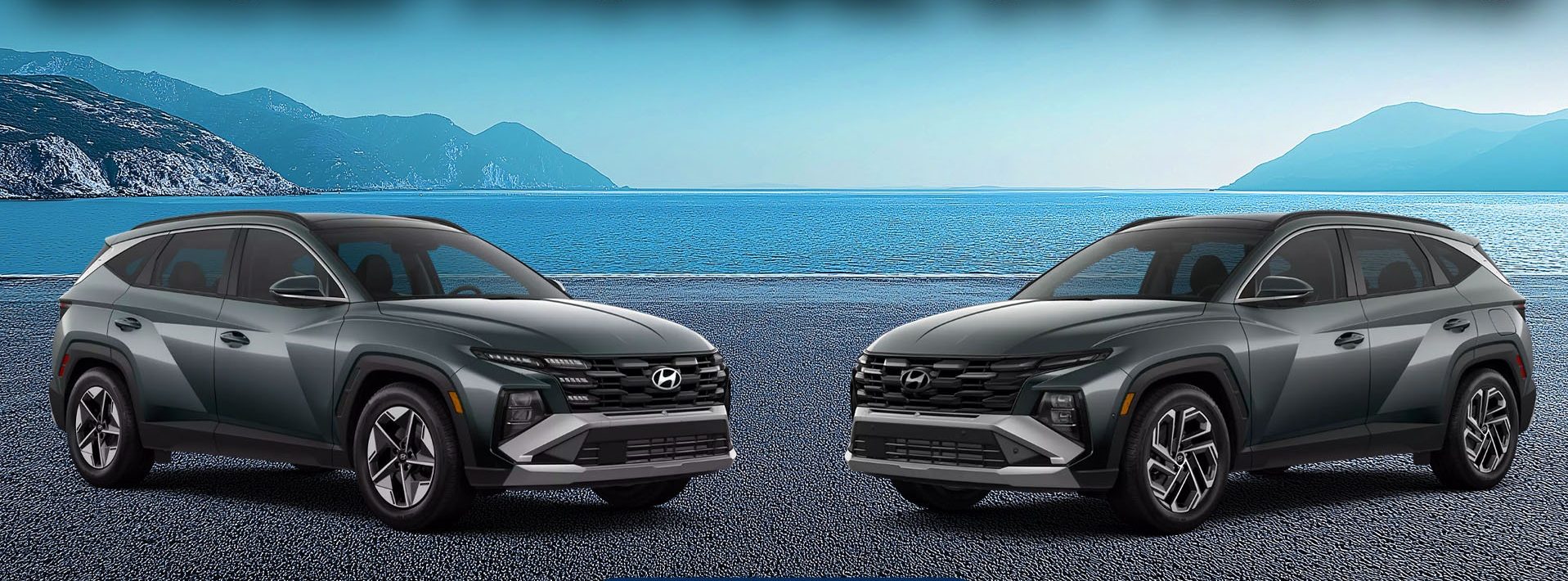
5. Hyundai Tucson XRT vs. SEL
The Hyundai Tucson XRT costs $33,225, making it $2,675 more expensive than the SEL at $30,550. For buyers focused on everyday comfort and useful features, that price difference deserves a closer look.
The XRT emphasizes rugged styling through distinctive exterior details and wheel designs. While these touches give the SUV a tougher appearance, they may not improve its practical features or daily comfort.
The SEL Premium is another option at $33,550, only $325 more than the XRT. Depending on the model year and included equipment, its additional features may offer more practical benefits for daily driving than styling enhancements.
There is nothing wrong with choosing a vehicle because you like its design. The important thing is knowing what you receive for the extra money.
Ask the dealer to compare the SEL, XRT, and SEL Premium feature by feature. Check seating, technology, convenience equipment, and safety features before making your decision. Also confirm optional packages and additional fees.
If rugged styling is your priority, the XRT may suit you. If you want more equipment for your money, compare the SEL Premium carefully before paying extra for appearance alone.
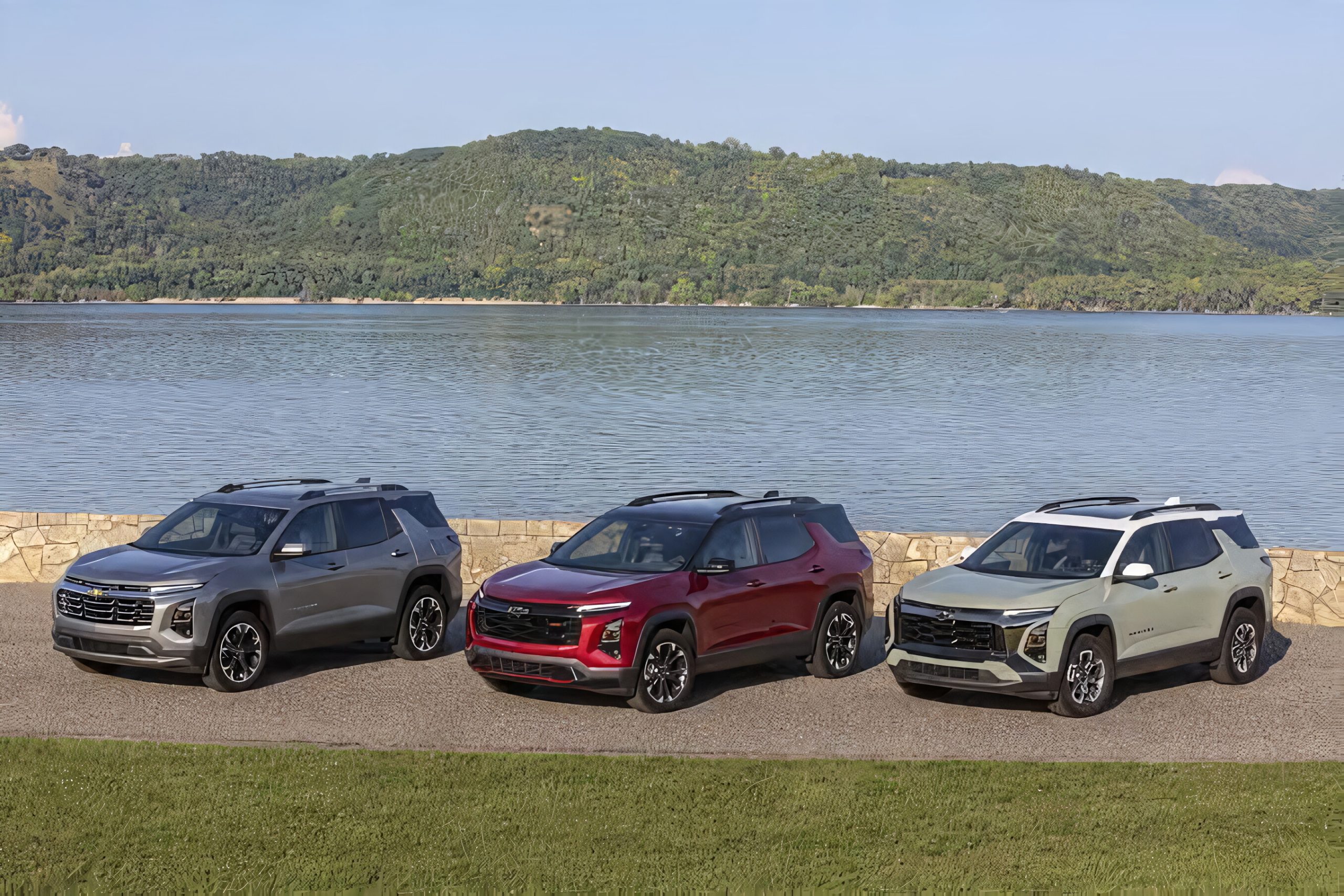
6. Chevrolet Equinox RS and ACTIV vs. LT
The Chevrolet Equinox RS and ACTIV each cost $34,200, while the LT starts at $29,300. That puts both higher-priced trims $4,900 above the entry-level version.
According to the supplied comparison, the engine, central screen, and seat heating remain unchanged. Buyers should not expect more engine power or a larger display simply because they choose the RS or ACTIV.
Their appeal comes from different styling priorities. The RS emphasizes a sportier appearance, while the ACTIV features a more adventurous design theme. Exact equipment depends on the model year and configuration.
For some buyers, distinctive wheels and exterior accents justify the additional cost. Others may prefer to save nearly $5,000 for insurance, maintenance, fuel, or a down payment.
Before visiting a dealership, list the features you genuinely need and compare which trim provides them at the lowest price. Ask for a written breakdown of standard equipment and optional packages.
The LT may offer better value if its features meet your needs. The RS or ACTIV could still be worthwhile if you strongly prefer its design or additional equipment. Just make sure the $4,900 premium fits your priorities rather than assuming a higher price means better performance.
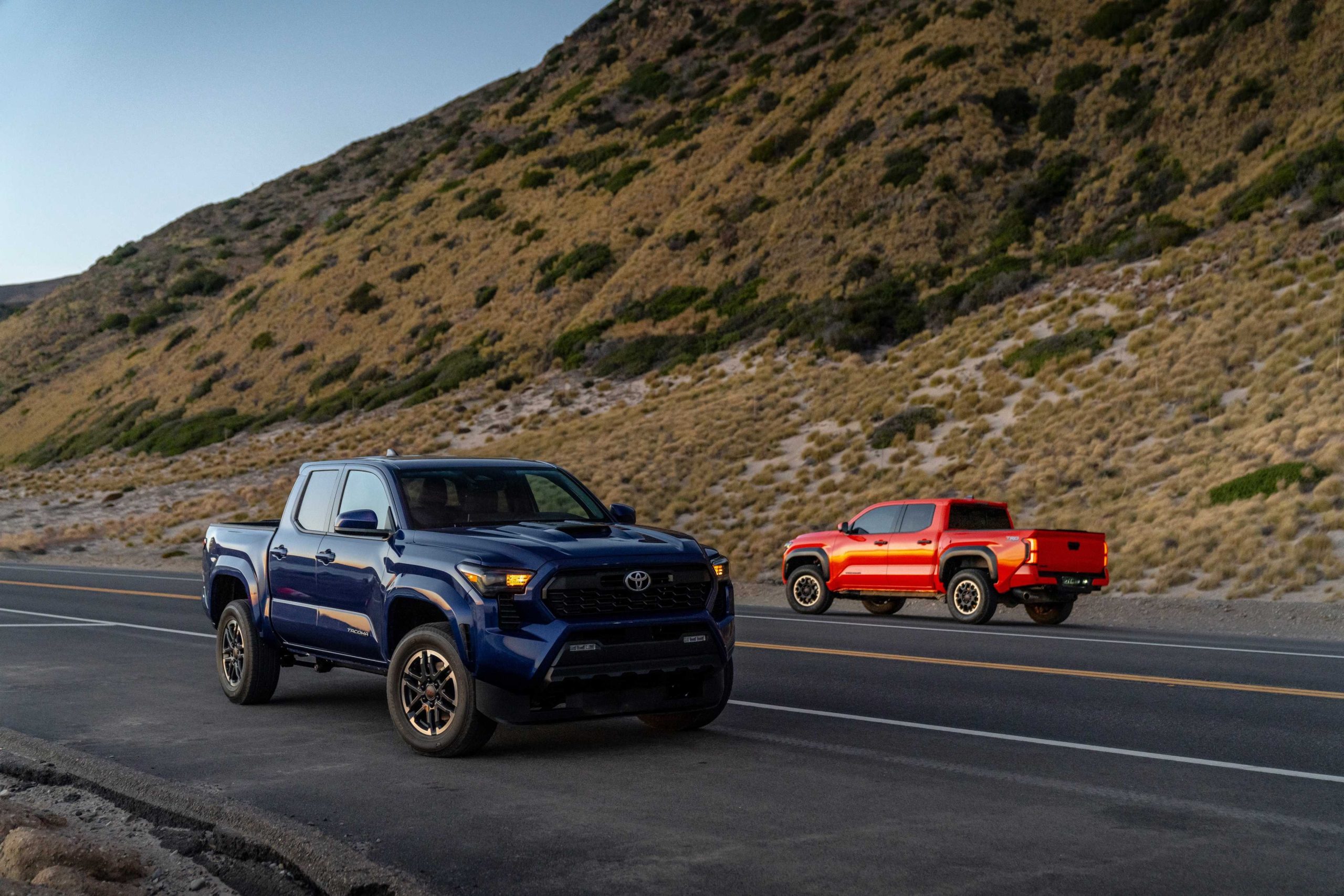
7. Toyota Tacoma Limited vs. TRD Off-Road
Pickup shoppers often face a choice between comfort-oriented equipment and hardware designed for demanding driving. The Toyota Tacoma Limited, priced at $53,170, costs $10,755 more than the TRD Off-Road at $42,415.
That is a large price gap, and the cheaper truck may be better suited to buyers who regularly leave paved roads.
The Limited focuses on a more premium experience, with equipment and finishes intended to make daily driving feel more refined. The TRD Off-Road emphasizes trail-oriented capability.
The supplied comparison indicates that the Limited gives up off-road hardware found on the TRD Off-Road.
This does not mean the Limited is a poor truck. Someone who spends most of the week commuting, traveling on highways, or driving to customer appointments may prefer its comfort-oriented features.
A buyer who regularly tackles rough tracks or uneven work sites may value the specialized equipment in the less expensive trim.
The $10,755 difference deserves attention beyond the showroom. That money could help cover fuel, tires, insurance, accessories, maintenance, or other ownership expenses. It could also make a meaningful difference to the amount financed.
Consider where the truck will spend most of its time. If trail driving is a regular activity, compare ground clearance, suspension equipment, tires, and other relevant hardware.
If comfort and cabin amenities matter more, inspect the Limited carefully and decide whether its equipment justifies the extra cost.
Do not assume that every Tacoma with an expensive badge is more capable in every setting. Capability depends on the configuration and equipment fitted to the truck.
Ask the dealer for the exact specifications, compare the features you will actually use, and test-drive both versions where possible.
The best purchase is the truck that fits your work, recreation, and budget without charging you for equipment you rarely need.
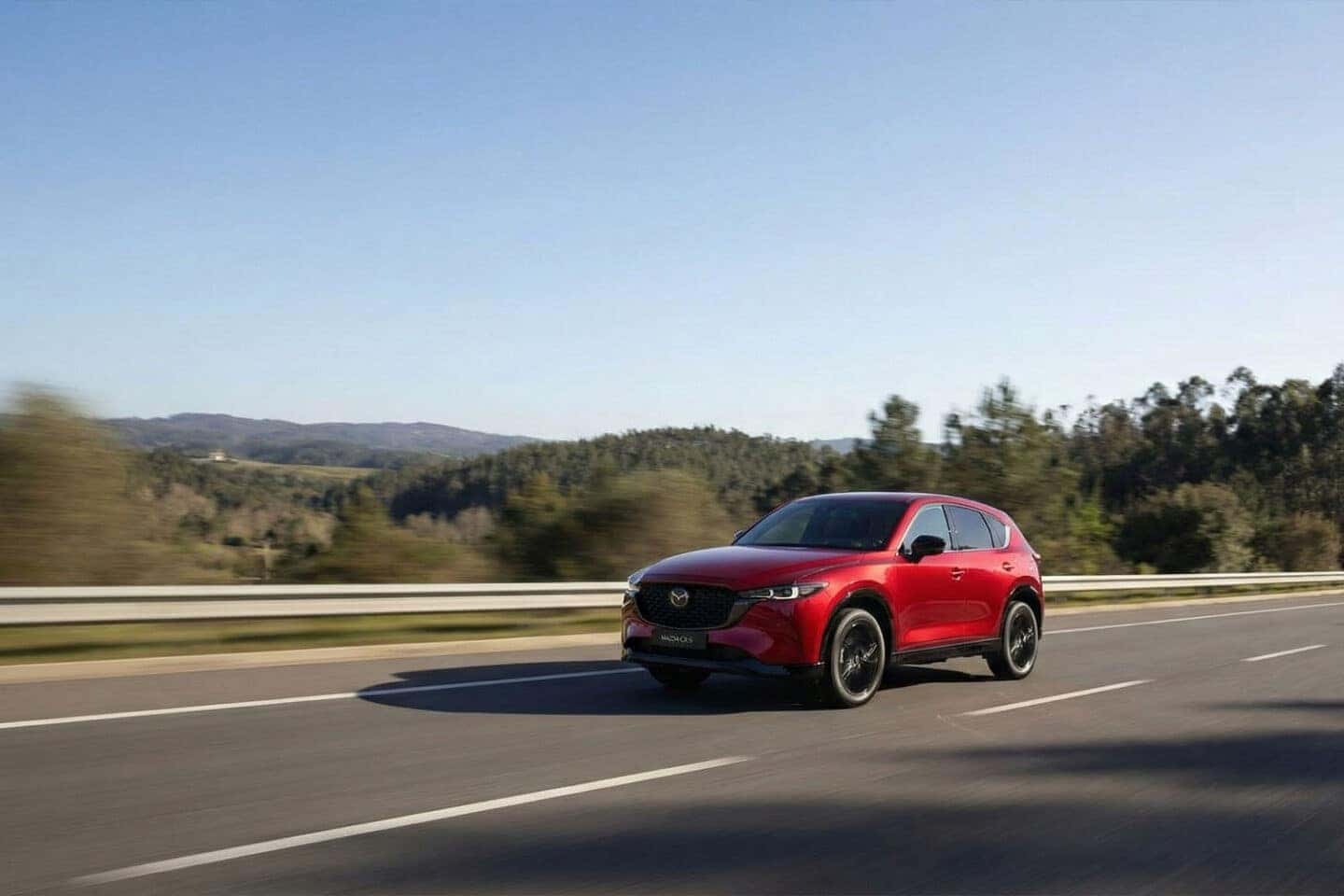
8. Mazda CX-5 Trim Walk
A large central screen can give a dashboard a modern appearance, but the quality of the technology experience involves more than display size. The Mazda CX-5 comparison raises a practical question about how much buyers must spend on higher trims before getting the larger screen they prefer.
The base CX-5 is listed at $29,990, and the same 12.9-inch screen reportedly continues through several trim levels. The 15.6-inch display appears only on the Premium Plus, priced at $38,990.
That means the price rises by $9,000 between the base model and Premium Plus, while the screen remains the same size through much of the range.
The more expensive versions may offer other upgrades, so this is not proof that every dollar buys nothing. It does mean shoppers should separate the value of the screen from the value of the rest of the equipment.
Consider whether a larger screen is worth spending thousands of dollars more. If it is not a priority, compare the additional features offered by each trim to determine which package provides the most value for your needs.
Seat materials, audio quality, driver assistance, comfort amenities, and convenience features may justify the price difference for some buyers.
It is also worth testing the existing screen rather than judging it by dimensions alone. Menu organization, response speed, phone connectivity, and ease of use can affect daily satisfaction more than a few extra inches.
Before ordering, request a full trim comparison and confirm which display is fitted to the exact vehicle. Manufacturer equipment can vary by model year and configuration.
The base model may provide enough technology for many drivers. Premium Plus could be attractive if its additional equipment meets several needs at once. The smart move is to assess the complete package, not buy a higher trim solely for a larger screen.
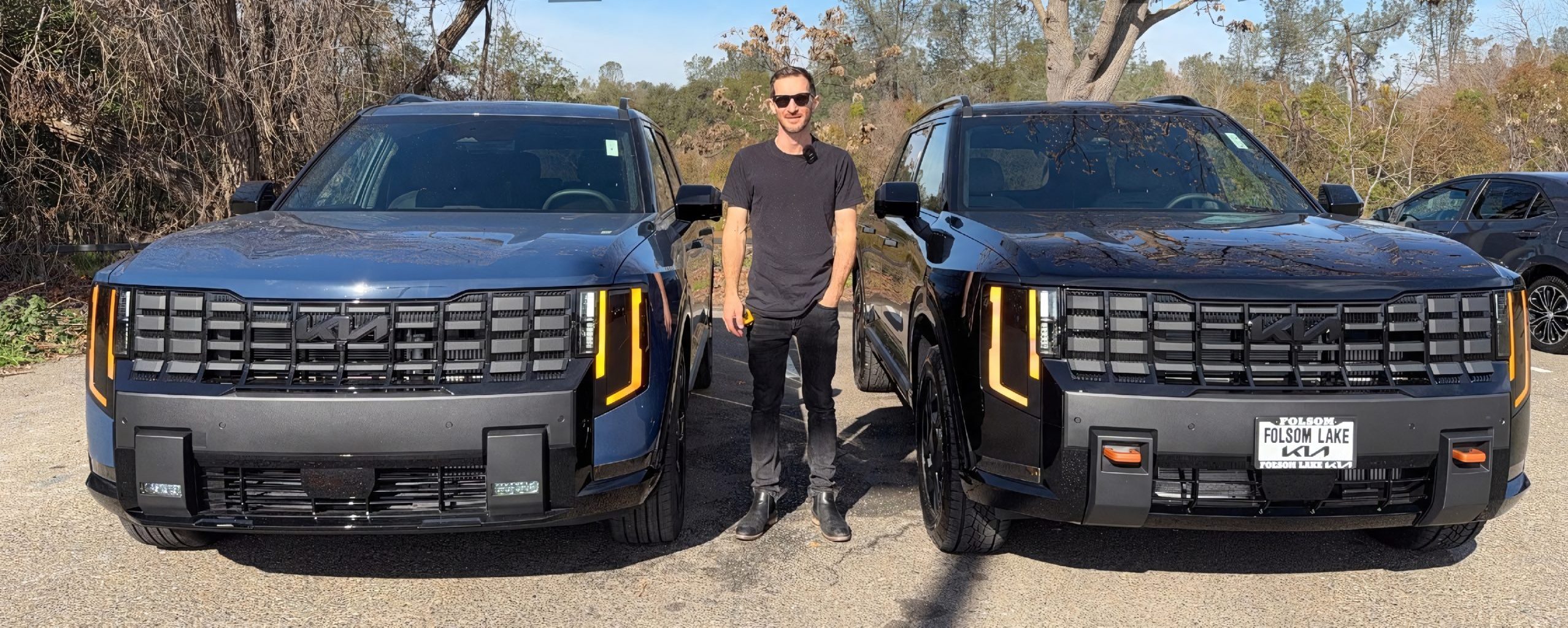
9. Kia Telluride X-Pro SX vs. SX Prestige
A $200 price difference may seem minor when shopping for a large SUV, but the Kia Telluride X-Pro SX at $53,690 and SX Prestige at $53,890 cater to different priorities.
The X-Pro SX emphasizes off-road capability, while the SX Prestige focuses more on premium comfort and interior amenities. These differences matter because the best trim depends on how you plan to use your vehicle, not simply which one costs more.
Families who enjoy camping or traveling on rough roads may appreciate the X-Pro’s specialized equipment. Drivers who spend most of their time on paved streets may prefer the SX Prestige’s comfort-oriented features.
Before choosing, compare seating materials, driver assistance technology, wheel and tire specifications, suspension equipment, and convenience features. A higher price does not automatically make one version better for your needs.
Confirm the listed prices with your dealer, since destination charges, optional packages, and model-year changes can affect the final cost. Request a written equipment breakdown for both trims.
With just $200 separating these versions, focus on the features you will use most often. The right choice is the one that balances comfort, capability, and practicality for your daily routine.
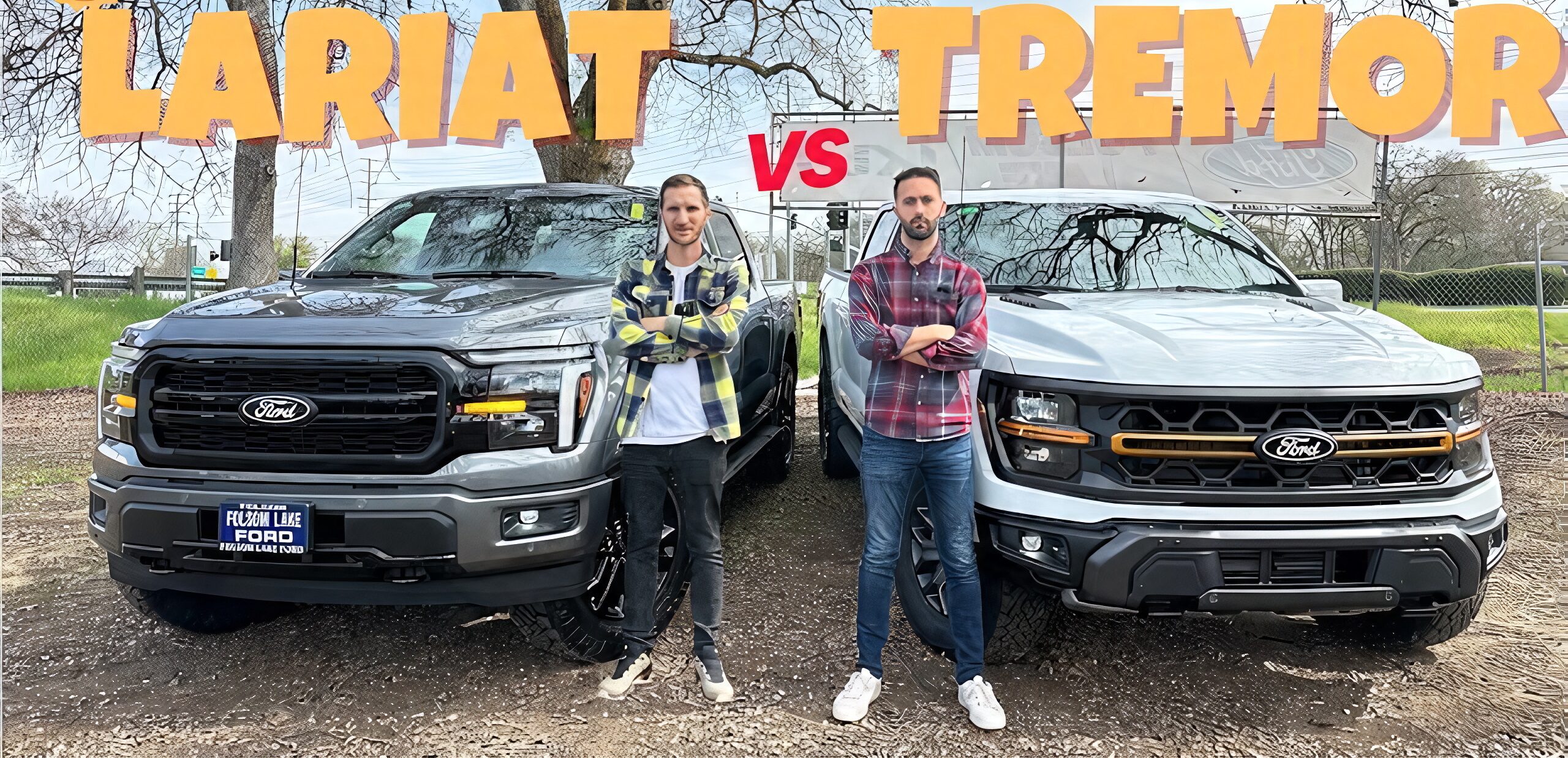
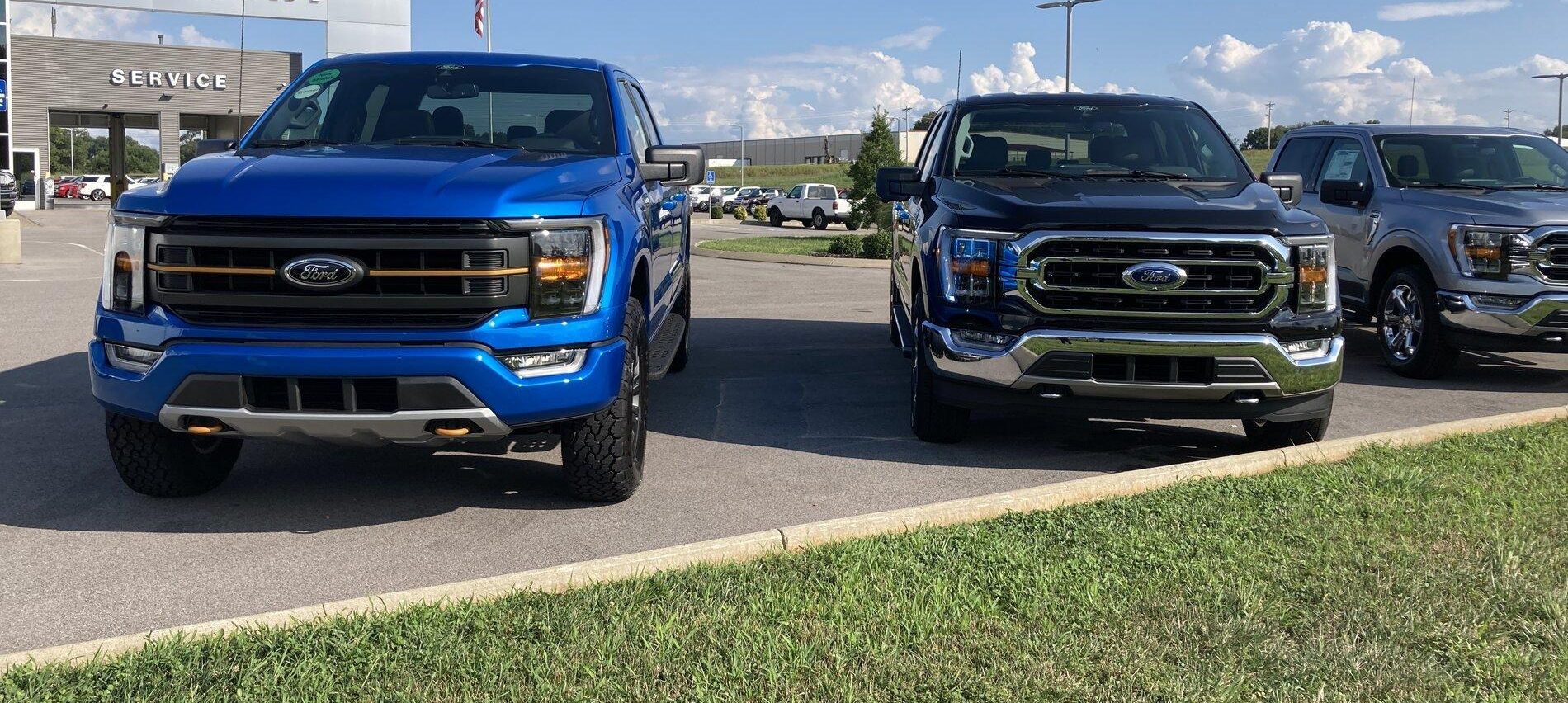
10. Ford F-150 Tremor vs. Lariat
The Ford F-150 Tremor costs $64,915, compared with $59,560 for the Lariat. That makes the Tremor $5,355 more expensive, but the higher price does not mean it offers more of every feature.
The Tremor emphasizes off-road capability, with specialized equipment designed for driving beyond smooth pavement. The Lariat focuses more on interior comfort and convenience. According to the supplied comparison, the Tremor trades some cabin equipment for off-road hardware.
Drivers who regularly travel on rough access roads, visit remote campsites, or use their trucks for outdoor work may appreciate the Tremor’s equipment. Those who mainly commute or drive on highways may find the Lariat’s comfort-focused setup more useful.
Before deciding, compare seating, storage, controls, towing specifications, and safety technology. Ask the dealer which features come standard and which require extra-cost packages.
Running expenses also deserve attention. Tire replacement, fuel use, and insurance costs can vary by configuration and driving habits, so request estimates for both trucks.
The Tremor may justify its premium for buyers who need specialized off-road equipment. The Lariat may offer better value for those who prioritize cabin comfort. Choose based on your regular driving needs, not just the price or trim badge.