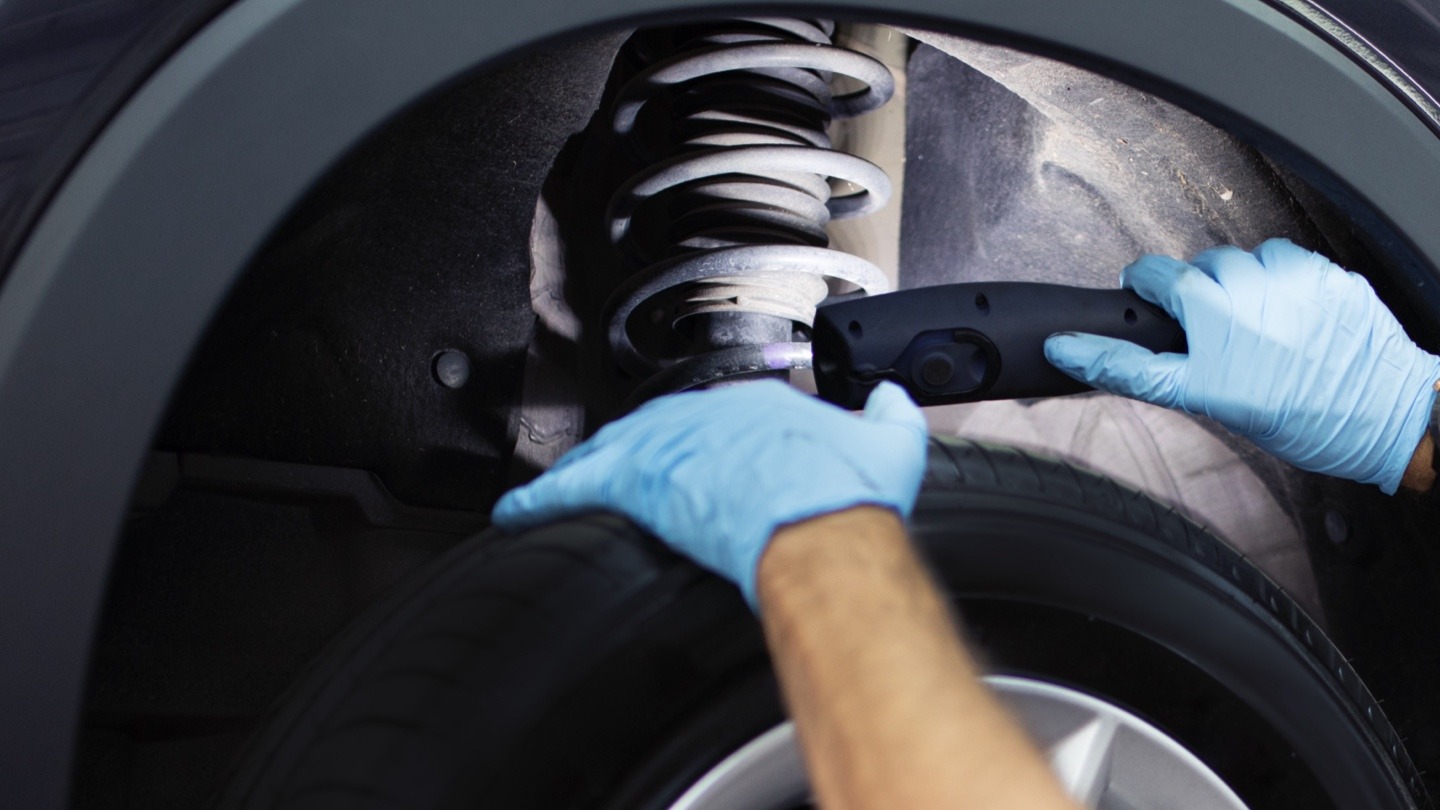
Your vehicle’s suspension does more than keep the ride comfortable. It helps maintain tire contact with the road, supports stable handling, and allows you to steer and brake with confidence. Yet everyday driving habits can wear out suspension parts faster than many drivers realize. Hitting potholes, carrying excessive weight, and ignoring strange noises can turn small problems into expensive repairs.
The good news? You do not need to be a mechanic to protect your suspension. A few changes to your driving habits, along with regular maintenance, can help your shocks, struts, springs, and other components last longer. Here are 10 common habits that can damage your vehicle’s suspension and practical ways to avoid them.
1. Hitting Potholes at High Speeds
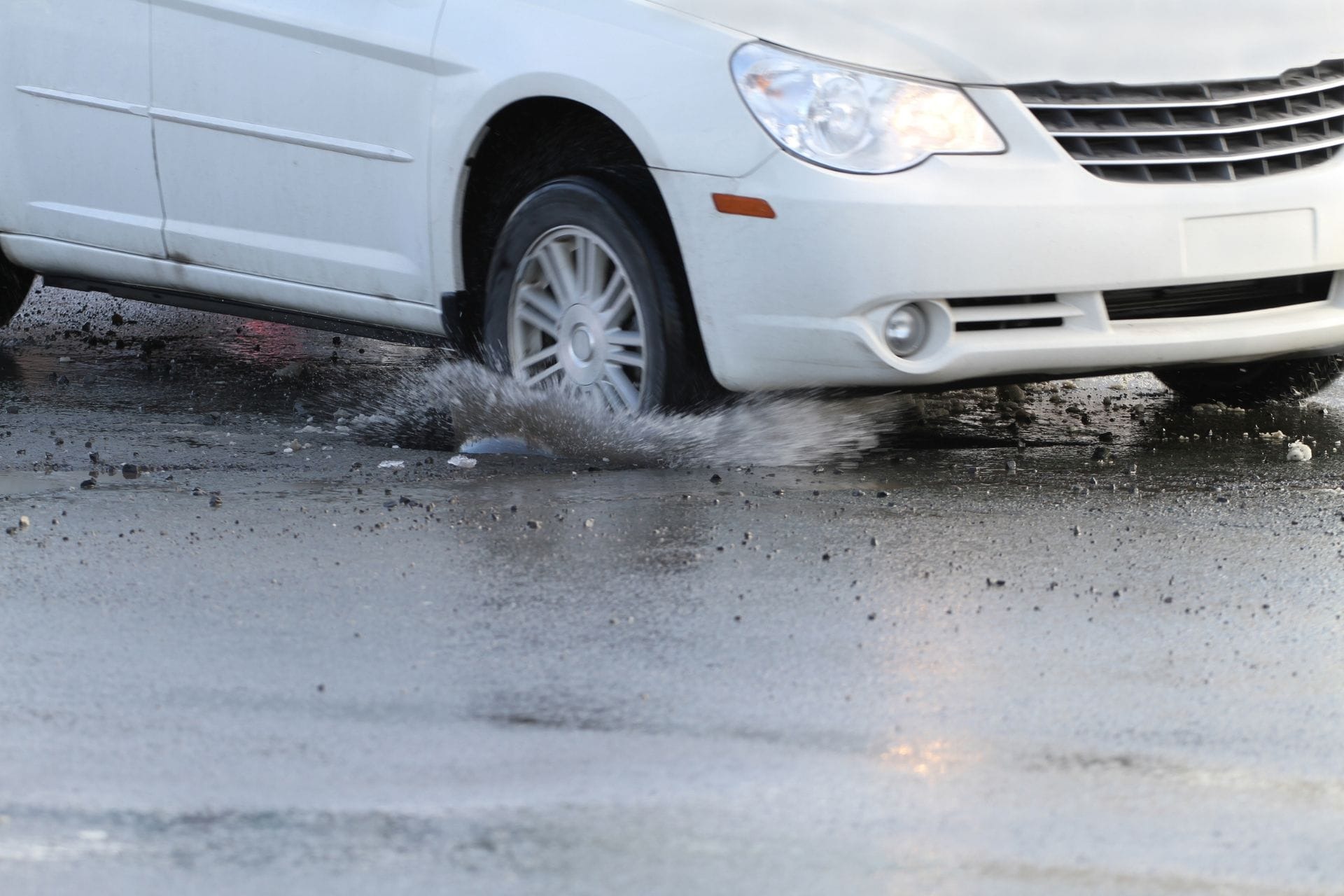
That pothole ahead might look harmless, but hitting it at highway speed can deliver a powerful blow to your vehicle’s suspension. The faster you travel, the greater the force the wheel may experience when it drops into a hole and strikes the far edge.
Even a single impact can cause expensive damage. Shocks and struts help control wheel movement, but they cannot absorb every impact.
A deep pothole can damage their seals, bend control arms, tear rubber bushings, or knock the wheels out of alignment. In severe cases, the impact can also damage a tire, crack a wheel, or affect steering components.
The best approach is to slow down when approaching rough pavement. Keep your eyes on the road, leave enough following distance to spot hazards early, and avoid sudden steering movements that could put you or other drivers at risk.
If you cannot avoid a pothole, reduce your speed as much as traffic conditions safely allow before reaching it. After a hard impact, watch for steering-wheel vibration, unusual noises, uneven tire wear, or a vehicle that pulls to one side.
Do not assume everything is fine simply because the car still drives. Suspension damage may not be immediately obvious, yet it can affect handling, stability, and tire life.
If you notice any changes after hitting a deep pothole, arrange a professional inspection before the problem gets worse.
2. Braking Over Potholes
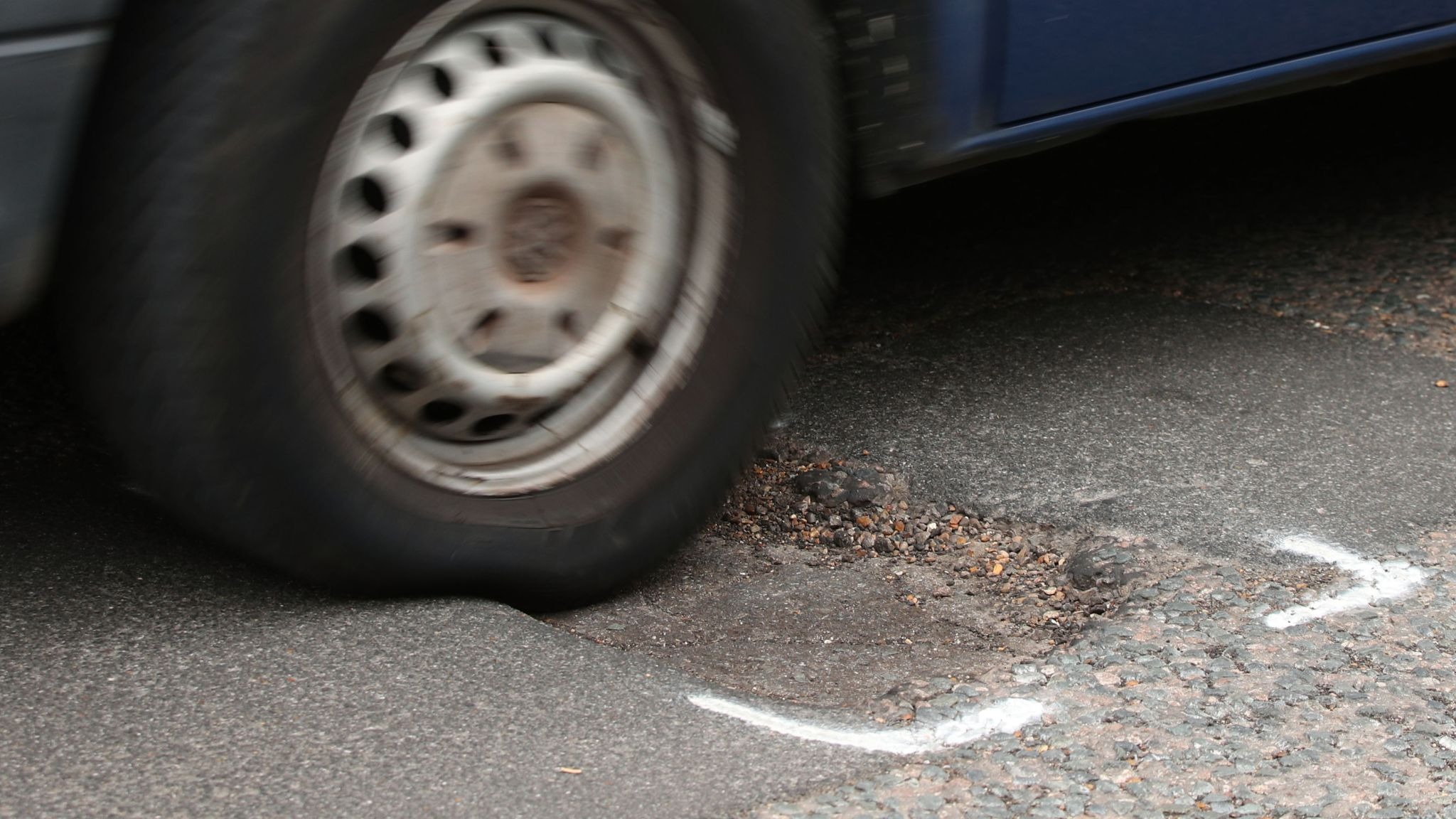
Imagine spotting a pothole at the last second, hitting the brakes, and rolling over it while still braking hard. Although this reaction is understandable, it can increase the forces acting on your vehicle and place additional stress on its suspension components.
When you brake hard, the vehicle’s weight transfers toward the front wheels. This compresses the front suspension, leaving it with less room to absorb an additional road impact. Hitting a pothole under heavy braking can increase the load on tires, control arms, bushings, and struts.
That does not mean you should avoid braking when safety requires it. Preventing a collision always comes first. The goal is to anticipate road hazards early enough to reduce speed smoothly whenever conditions permit.
Leave enough following distance to spot damaged pavement before reaching it. If you see a pothole, assess whether it can be avoided safely without swerving into traffic or another hazard.
Once you have passed the damaged section, pay attention to unusual clunks, steering changes, or vibration. A hard impact can cause damage even when the vehicle appears normal at first.
Good driving habits give your suspension a better chance of handling rough roads without unnecessary stress. Looking farther ahead and braking progressively can protect both your vehicle and your passengers.

3. Speeding Over Speed Bumps
Speed bumps exist to slow traffic, yet some drivers treat them as minor obstacles they can cross without lifting their foot off the accelerator. That habit can be hard on suspension components, especially when the bump is tall or sharply angled.
When a vehicle crosses a speed bump too quickly, the wheels must move upward and downward rapidly.
The suspension may compress close to its limit, causing the vehicle to bottom out. This can strain shocks, struts, springs, bushings, and underbody components.
There is no single safe speed for every speed bump. Height, shape, road conditions, vehicle clearance, and manufacturer guidance all matter. A speed that works for a broad, gentle hump may be too fast for a short, steep one.
The safest approach is to slow down before reaching the bump, cross at a controlled speed, and accelerate gently once all wheels have cleared it. Always obey posted speed limits and watch for nearby pedestrians, cyclists, and other vehicles.
Listen for a hard thud or metallic clunk after crossing. Repeated impacts can contribute to wear, while a sudden loud noise may indicate damage that needs inspection.
Your suspension is designed to handle ordinary road irregularities, not repeated high-speed impacts. Giving it time to respond helps preserve ride comfort and reduces unnecessary strain on the parts beneath your vehicle.
4. Overloading the Vehicle
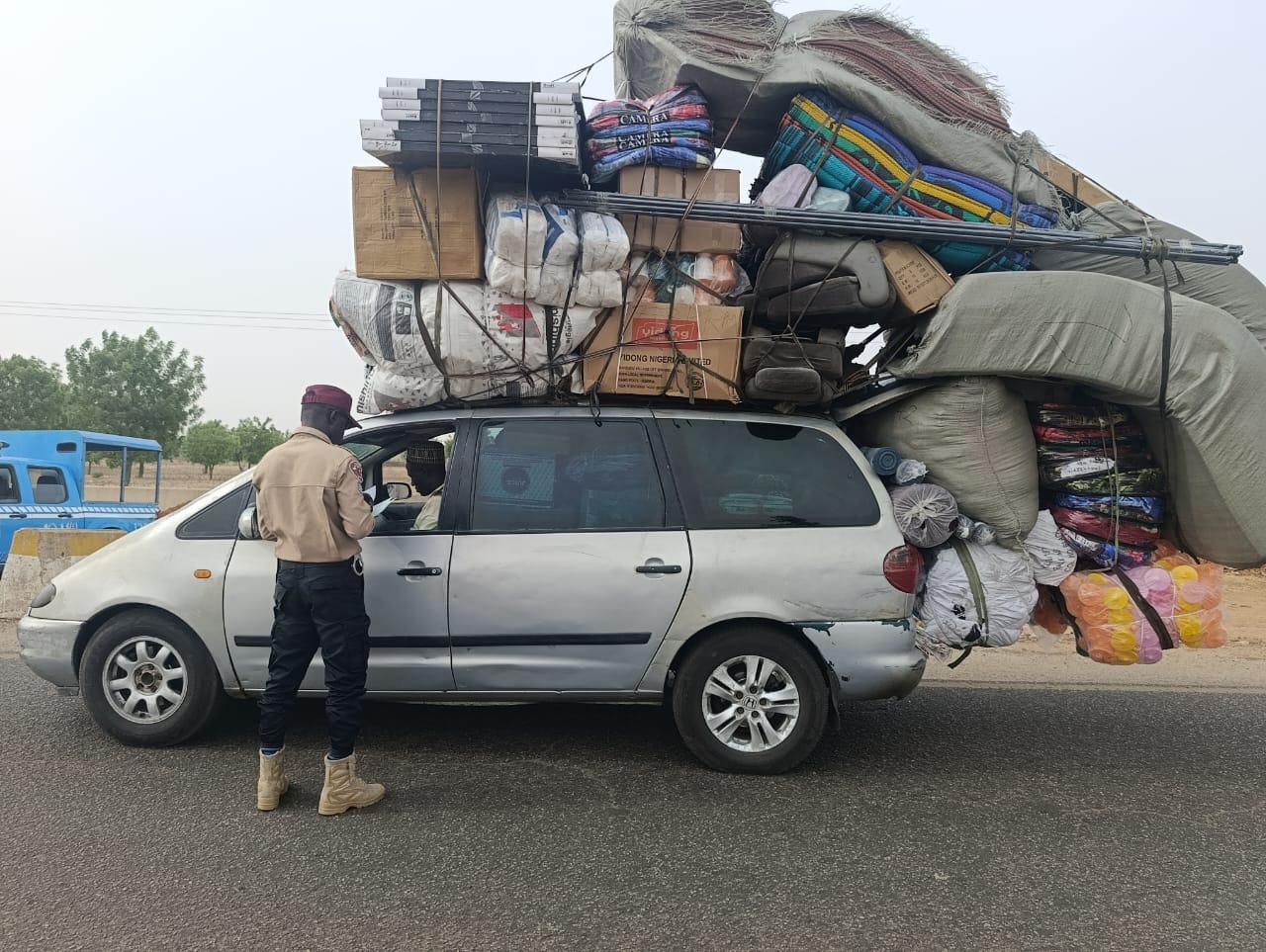
Your SUV may have plenty of cargo space, and your pickup may look capable of carrying almost anything. Still, there are limits to how much weight your vehicle can safely support.
Every vehicle has a maximum payload rating and a Gross Vehicle Weight Rating, or GVWR. Exceeding these limits places extra pressure on springs, shocks, struts, tires, and suspension joints. Springs may compress too far, while dampers struggle to control the vehicle’s movement.
An overloaded vehicle may sag at the rear, feel unstable in turns, or take longer to stop. Heavy loads can also reduce ground clearance and increase the risk of underbody damage on uneven roads.
Before loading luggage, building materials, tools, or recreational equipment, check the vehicle’s load information in the owner’s manual and on the manufacturer’s labels.
Remember that passengers and cargo both count toward the permitted load. Towing also has separate limits that must be respected.
Distribute weight as instructed by the manufacturer instead of piling everything into one corner or at the back. Secure loose cargo so it cannot move during braking or cornering.
If your vehicle frequently carries heavy loads, choose one rated for that work rather than relying on stronger-looking springs or aftermarket parts to compensate for excessive weight.
Staying within the manufacturer’s limits helps protect your suspension and supports safer handling, braking, and tire performance.
5. Hitting Curbs
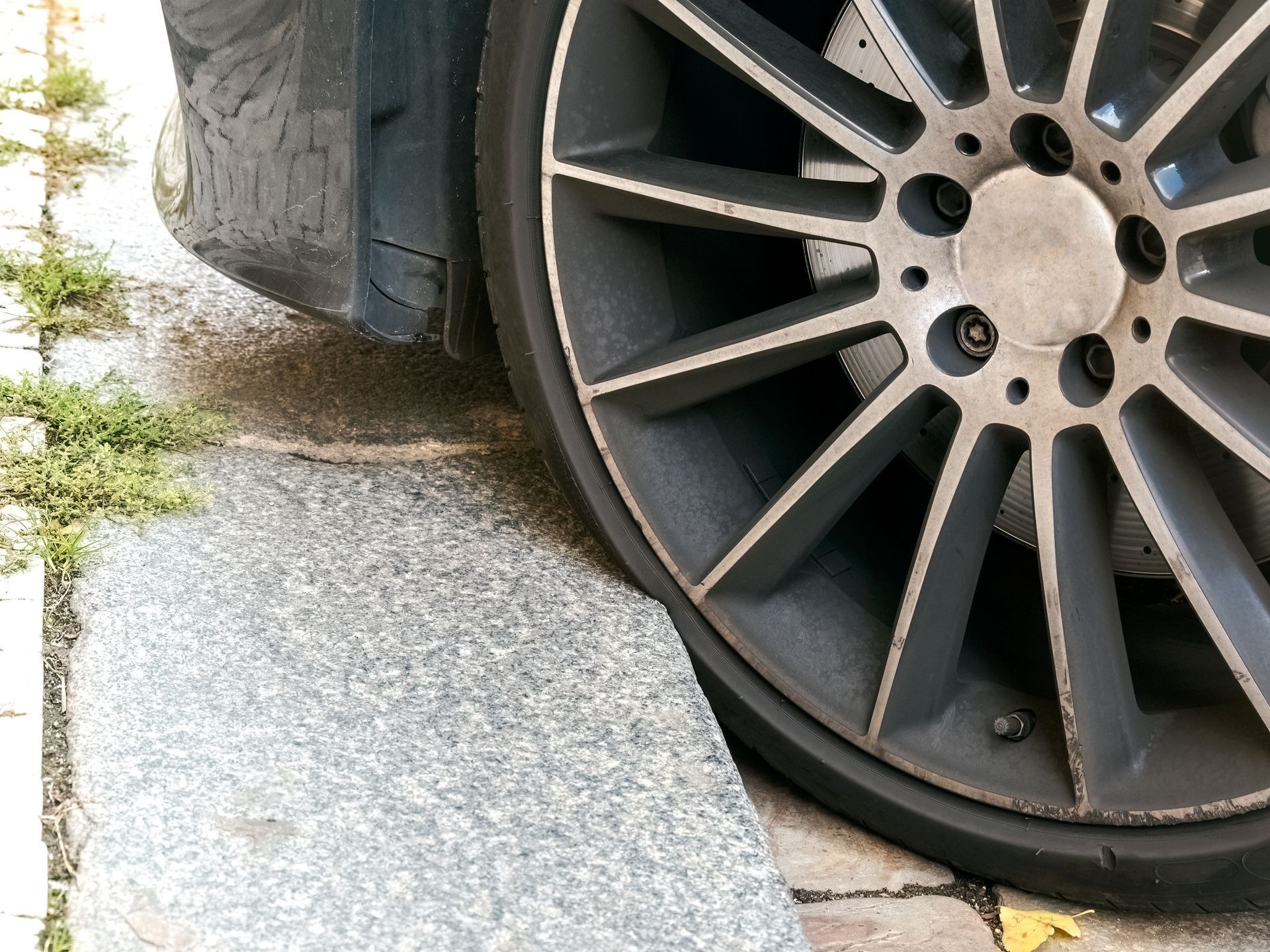
A curb might seem like a small obstacle, but striking it with a wheel can create a surprisingly forceful impact. This often happens when parking too quickly, cutting a corner too tightly, or misjudging the distance between a tire and the sidewalk.
The wheel and tire absorb some of the impact, but the force can travel into the suspension and steering system.
Tie rods, control arms, ball joints, and alignment components may become damaged or bent. A hard strike can also crack a wheel or damage the tire’s sidewall.
Even if the vehicle continues moving normally, the wheel alignment may no longer be correct. You might notice the steering wheel sitting at an angle, the vehicle pulling to one side, or the tires wearing unevenly.
Parking slowly is the easiest way to prevent these problems. Use your mirrors and backup camera where available, check your surroundings, and leave enough room between the tires and the curb.
Avoid climbing onto a curb unless the location and vehicle access are specifically designed for it.
After a hard impact, inspect the tire for cuts, bulges, or other visible damage without placing yourself in traffic. If steering feels different or you hear a new noise, arrange a professional inspection.
A few extra seconds while parking can save you from replacing suspension parts, repairing a wheel, or buying new tires sooner than expected.
6. Driving with Incorrect Tire Pressure
Tire pressure may seem unrelated to suspension maintenance, but the two systems work together every time your vehicle moves. Incorrect inflation can change how road impacts reach the suspension and affect the vehicle’s handling.
Underinflated tires can flex excessively, build up heat, and wear unevenly. They may also feel sluggish during steering. Overinflated tires can provide a harsher ride and may be less forgiving when the vehicle encounters potholes or rough pavement.
Neither condition is ideal for the shocks, struts, springs, and other components that manage wheel movement. Incorrect pressure can also increase the risk of tire damage, so the problem extends beyond ride comfort.
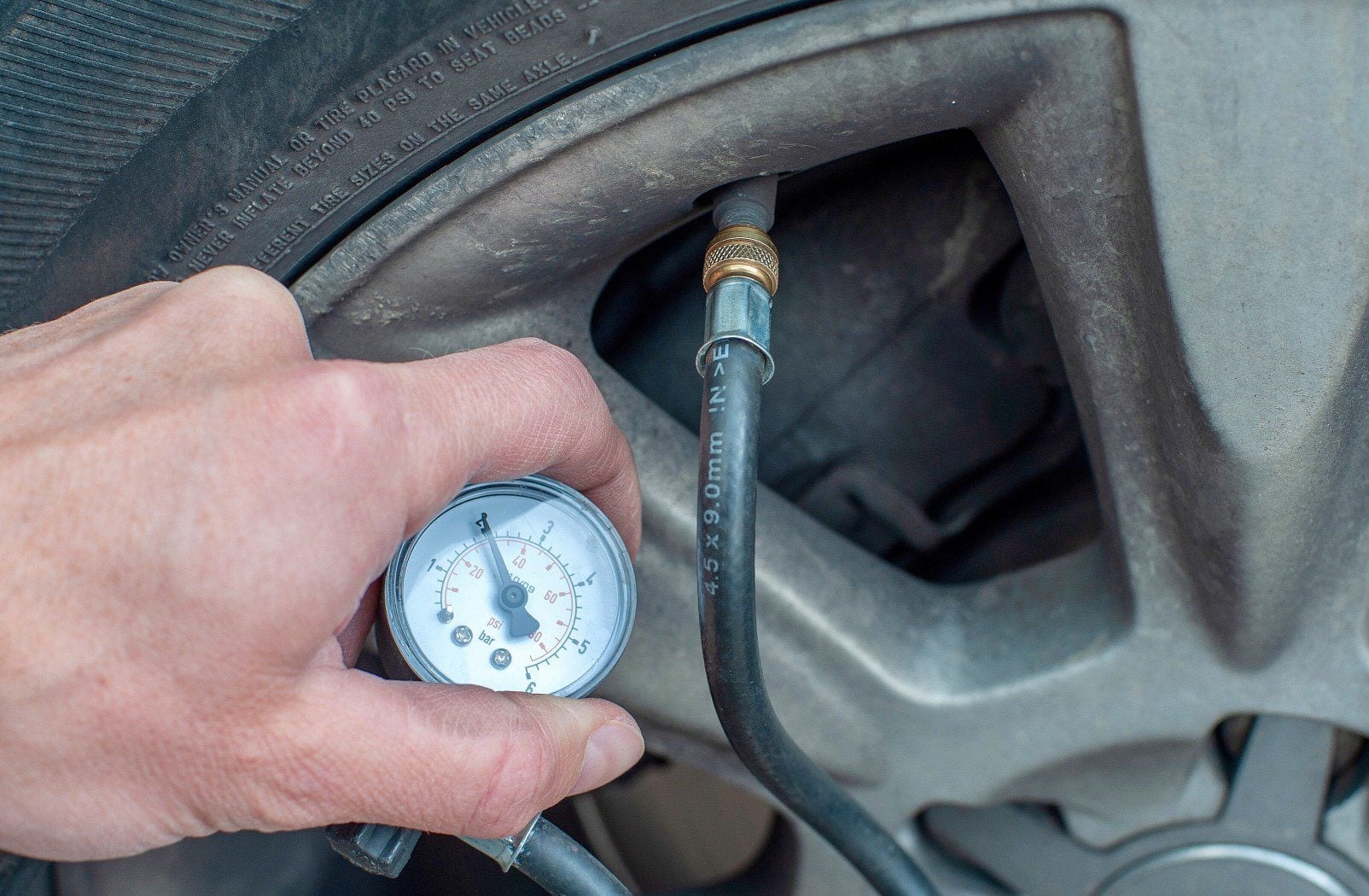
Check your tire pressure regularly, preferably when the tires are cold. Use the pressure recommended on the driver’s door-jamb label or in the owner’s manual, rather than relying on the maximum pressure printed on the tire’s sidewall.
Do not assume all four tires require the same pressure. Some vehicles specify different settings for the front and rear tires, especially when carrying certain loads.
Remember to check the spare tire if your vehicle has one that requires routine inflation checks. Temperature changes can also affect pressure, making regular checks useful during seasonal weather changes.
Properly inflated tires help the suspension do its job as designed. This small maintenance task can support more predictable handling, better tire life, and a more comfortable ride.

7. Aggressive Driving and Cornering
Fast acceleration, sudden braking, and sharp turns may make an ordinary trip feel more exciting, but these habits place extra demands on your suspension.
During hard cornering, the vehicle’s weight moves toward the outside wheels. Sway bars, springs, struts, and bushings work together to manage body movement and maintain control.
Repeated aggressive maneuvers can increase wear on these components, particularly when combined with rough pavement or excessive vehicle weight.
Rapid acceleration and harsh braking also transfer weight between the front and rear axles. This repeated loading can stress suspension mounts and joints while reducing passenger comfort.
The answer is not to drive timidly. It is to make your inputs smoother and leave room for changing road conditions. Accelerate progressively, brake early when possible, and reduce speed before entering a turn instead of braking sharply halfway through it.
Keep a safe following distance so you are less likely to make sudden maneuvers. On wet, icy, or gravel-covered roads, reduce speed further because tire grip may be limited.
If you enjoy spirited driving, choose a suitable legal environment and ensure your vehicle’s tires, brakes, and suspension are maintained properly. Public roads contain unpredictable hazards that make aggressive driving risky for everyone nearby.
Smooth driving reduces unnecessary stress on suspension components and helps maintain control. It can also make journeys more comfortable for passengers and reduce wear on other parts of the vehicle.
8. Ignoring Wheel Alignment Issues
Does your vehicle pull to one side when you are trying to drive straight? Perhaps the steering wheel sits crooked, or one tire wears out faster than the others. These signs may point to a wheel alignment problem.
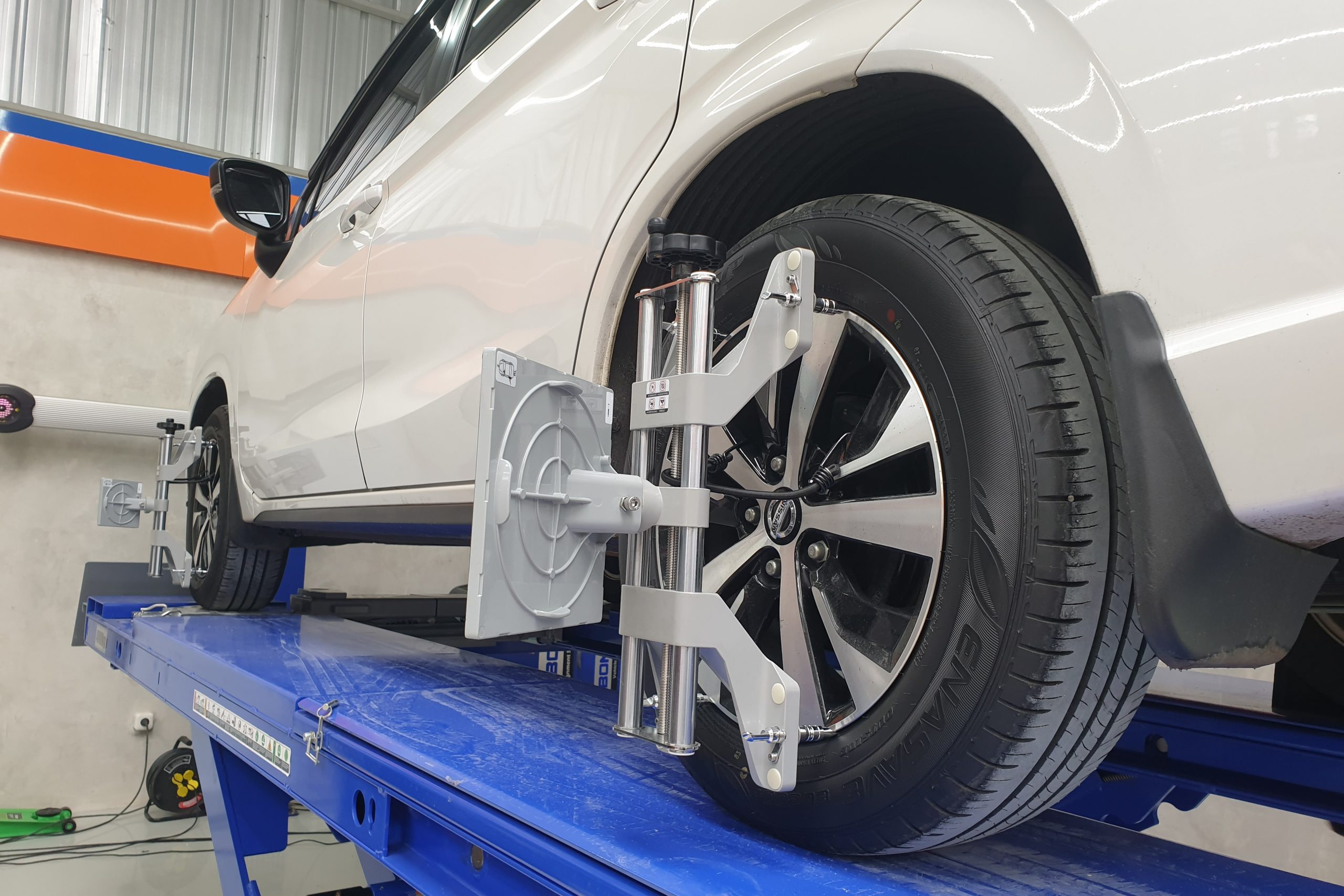
Alignment refers to the angles at which the wheels meet the road. When those angles fall outside the manufacturer’s specifications, tires may scrub against the pavement rather than roll correctly. This can cause uneven wear and affect steering stability.
Misalignment does not always mean suspension parts are damaged. It can follow a hard pothole strike, a curb impact, or normal wear in steering and suspension components.
However, driving with an unresolved problem may place additional stress on ball joints, tie rods, bushings, and related parts.
Pay attention to how the vehicle behaves on a reasonably level road. A slight pull can also result from road slope, tire pressure differences, or braking problems, so it is important not to assume alignment is the cause without checking.
If the steering wheel is off-center, the vehicle consistently pulls to one side, or tire wear looks uneven, arrange an inspection. A technician can check the suspension for damaged components before adjusting the alignment.
An alignment service cannot repair a bent control arm or worn ball joint. Those faults must be addressed first.
Correct alignment helps your tires wear more evenly and supports predictable steering, making it an important part of suspension care.
9. Neglecting Worn Shocks and Struts
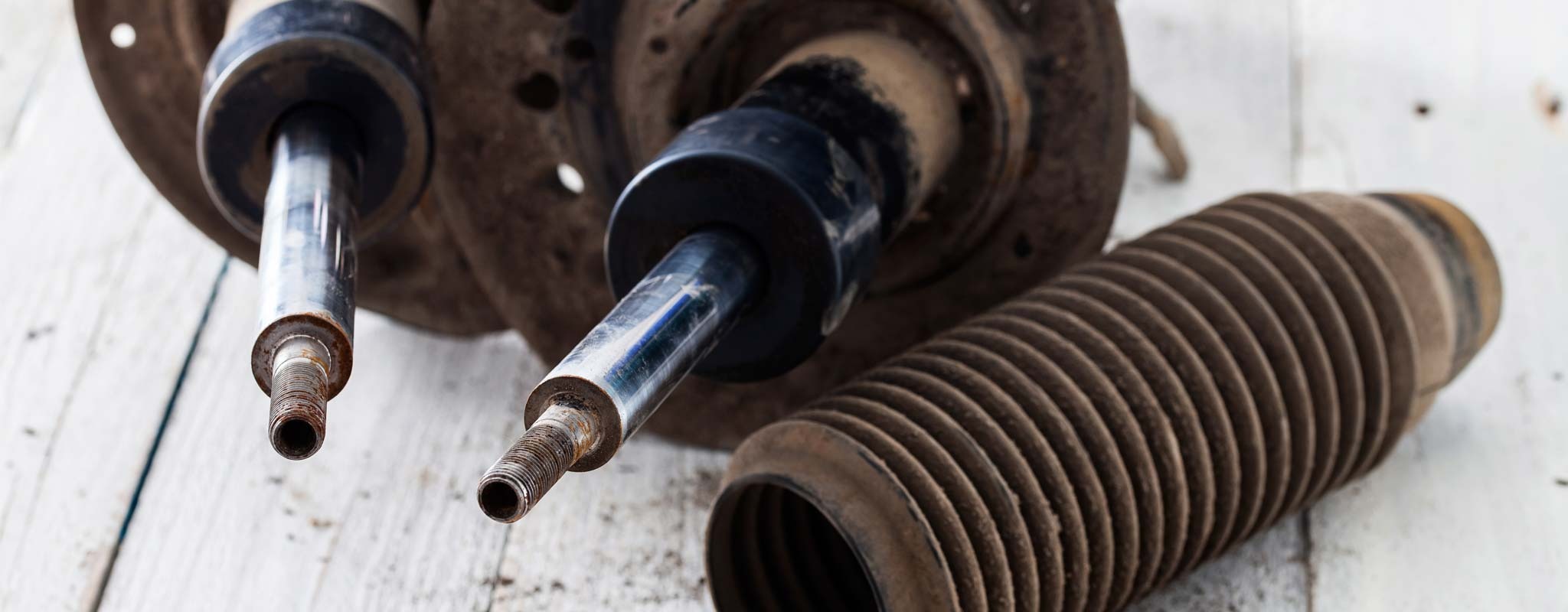
Shocks and struts do more than make a vehicle feel comfortable. They help control spring movement, limit excessive bouncing, and keep the tires in contact with the road.
As these parts wear, the vehicle may bounce repeatedly after a bump, dip sharply during braking, or feel less stable in turns. You might also hear knocking noises or notice fluid leaking from a damper.
Driving with worn shocks or struts forces other suspension components to cope with poorly controlled movement. Springs, mounts, bushings, and tires may experience extra stress, while handling and braking performance can suffer.
A common mistake is waiting until the ride becomes unbearable before arranging repairs. Worn dampers do not always fail suddenly, and drivers can gradually become accustomed to the vehicle’s changing behavior.
Watch for excessive bouncing, uneven tire wear, fluid leaks, or a new clunk from the suspension. These symptoms can have several causes, so a proper inspection is more reliable than judging the parts by appearance alone.
Follow the manufacturer’s maintenance schedule and use replacement parts designed for your vehicle. Some models require shocks or struts to be replaced in pairs on the same axle to maintain balanced handling, so check your vehicle’s specific repair recommendations.
Fresh dampers cannot fix every suspension problem, but keeping them in good condition helps protect related parts and supports a more controlled ride.
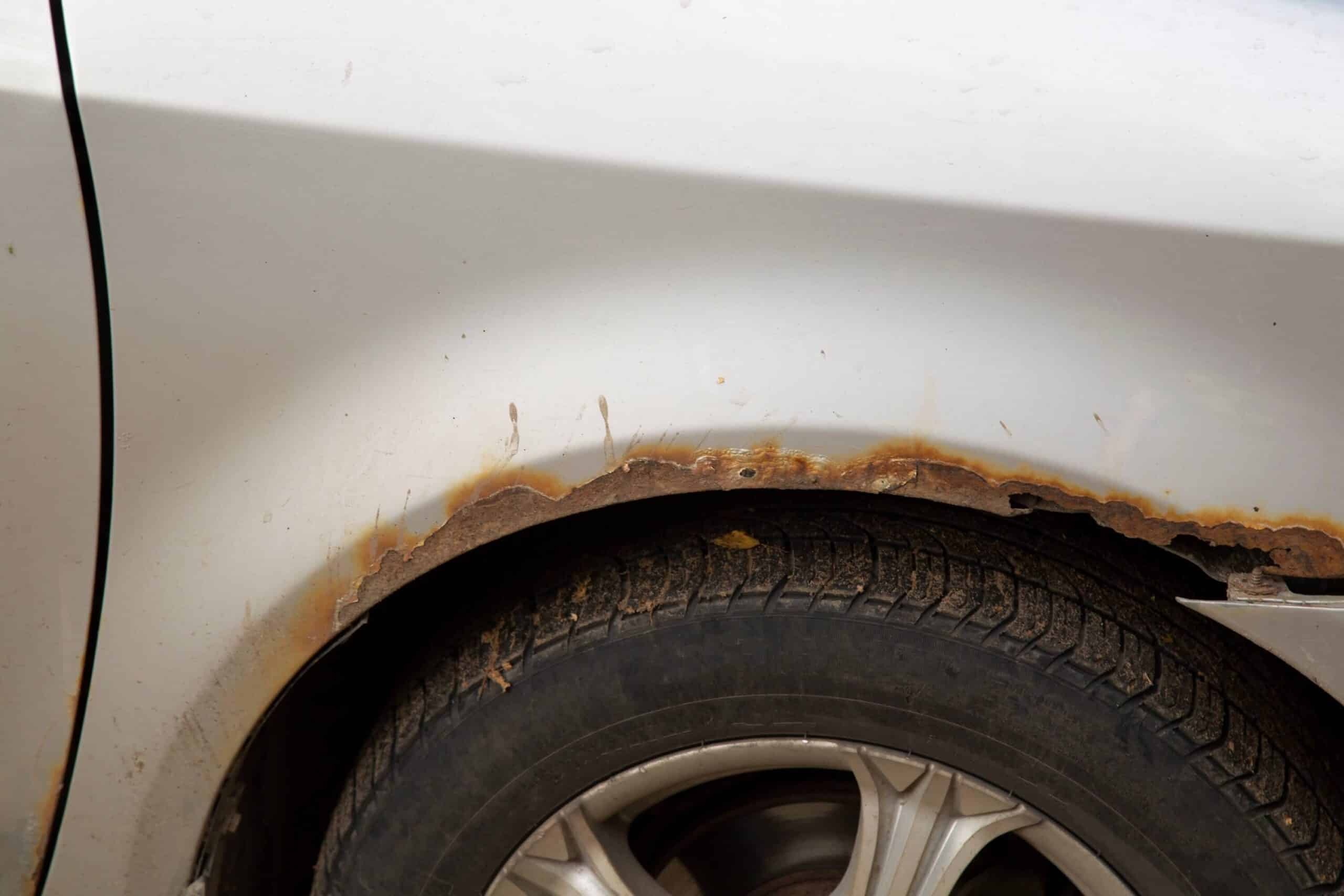
10. Allowing Rust and Road Salt Buildup
Road salt helps control ice, but it can be harsh on the metal parts beneath your vehicle. If salt, mud, and moisture remain trapped around suspension components, corrosion may gradually weaken the hardware.
Springs, control arms, bolts, brackets, and other underbody parts can rust, particularly in areas where winter roads are treated with salt. Mud and grime can hold moisture against metal surfaces, allowing corrosion to continue between trips.
Severe rust may weaken a spring or compromise a mounting point. Corroded fasteners can also make repairs harder and more expensive. The risk depends on the vehicle’s design, protective coatings, climate, and maintenance history.
Washing the undercarriage after driving on salted roads can help remove corrosive residue. Use a suitable car wash with underbody cleaning when available, and pay attention to wheel wells and other areas where grime collects.
Cleaning does not reverse existing corrosion, so have heavily rusted parts inspected by a qualified mechanic. Avoid scraping, drilling, or applying coatings to structural components without professional guidance, since some treatments may hide damage rather than solve it.
If you live where winter roads are salted, make underbody care part of your seasonal maintenance routine. Drivers in coastal areas may also need to watch for corrosion caused by salty air.
Keeping the underside clean and addressing rust early can help preserve suspension hardware, reduce repair difficulties, and support safe vehicle operation.