
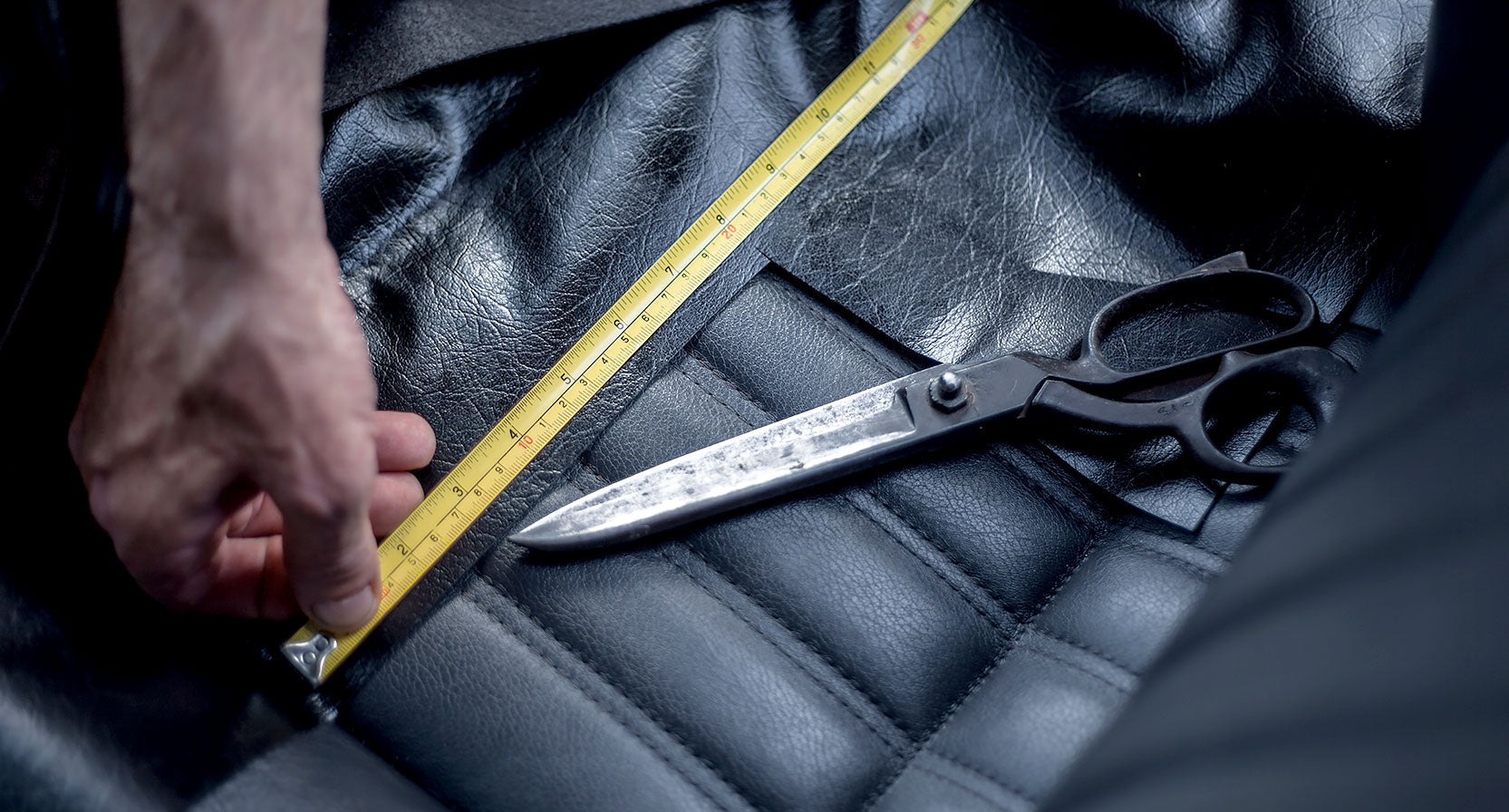
Have your car seats started looking cracked, faded, torn, or flat? You do not have to spend hundreds of dollars on professional upholstery work to make them look better. With a few affordable supplies and some patience, you can repair minor damage, refresh tired materials, and make your seats more comfortable for less than $60. Whether your seats are covered in cloth, vinyl, or leather, there is a practical solution for many common problems.
Some repairs take only a few minutes, while others require a little extra care and attention. The trick is choosing a method that matches the type of damage rather than spending money on supplies you do not need. Here are 10 budget-friendly ways to fix worn car seats, complete with estimated costs, helpful tips, and straightforward instructions for getting started.
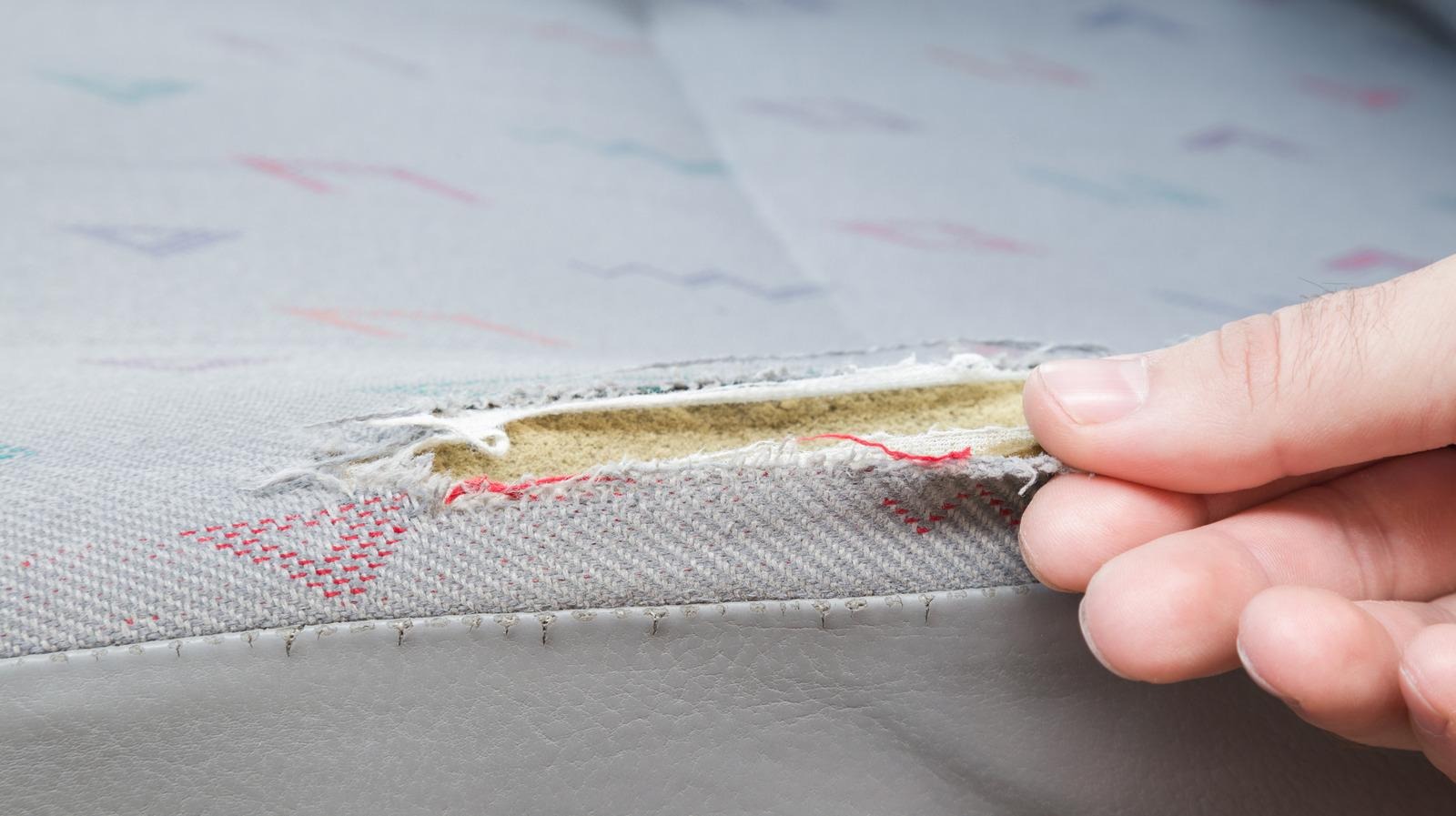
1. Use Fabric Glue or Vinyl Adhesive ($5 to $15)
A small tear along a seat seam does not always require sewing or replacing the upholstery. Fabric glue or vinyl adhesive can help secure loose edges before the damage spreads. This inexpensive repair works best when the surrounding material remains in good condition.
What you will need:
- Flexible fabric glue or vinyl adhesive suitable for automotive upholstery
- A clean cloth
- A small applicator or cotton swab
- Clips or gentle pressure to hold the edges in place
How to do it: Start by cleaning the damaged area and allowing it to dry completely. Apply a thin layer of adhesive beneath the loose edges, following the product instructions. Press the material together carefully and keep it in place for the recommended curing period.
Avoid using ordinary household glue that becomes brittle after drying. Car seats bend and flex whenever someone sits down, so the adhesive must remain flexible.
This method is especially useful for minor seam separation and small lifted edges. It will not provide a reliable repair for a large hole, badly shredded upholstery, or a seat with extensive structural damage.
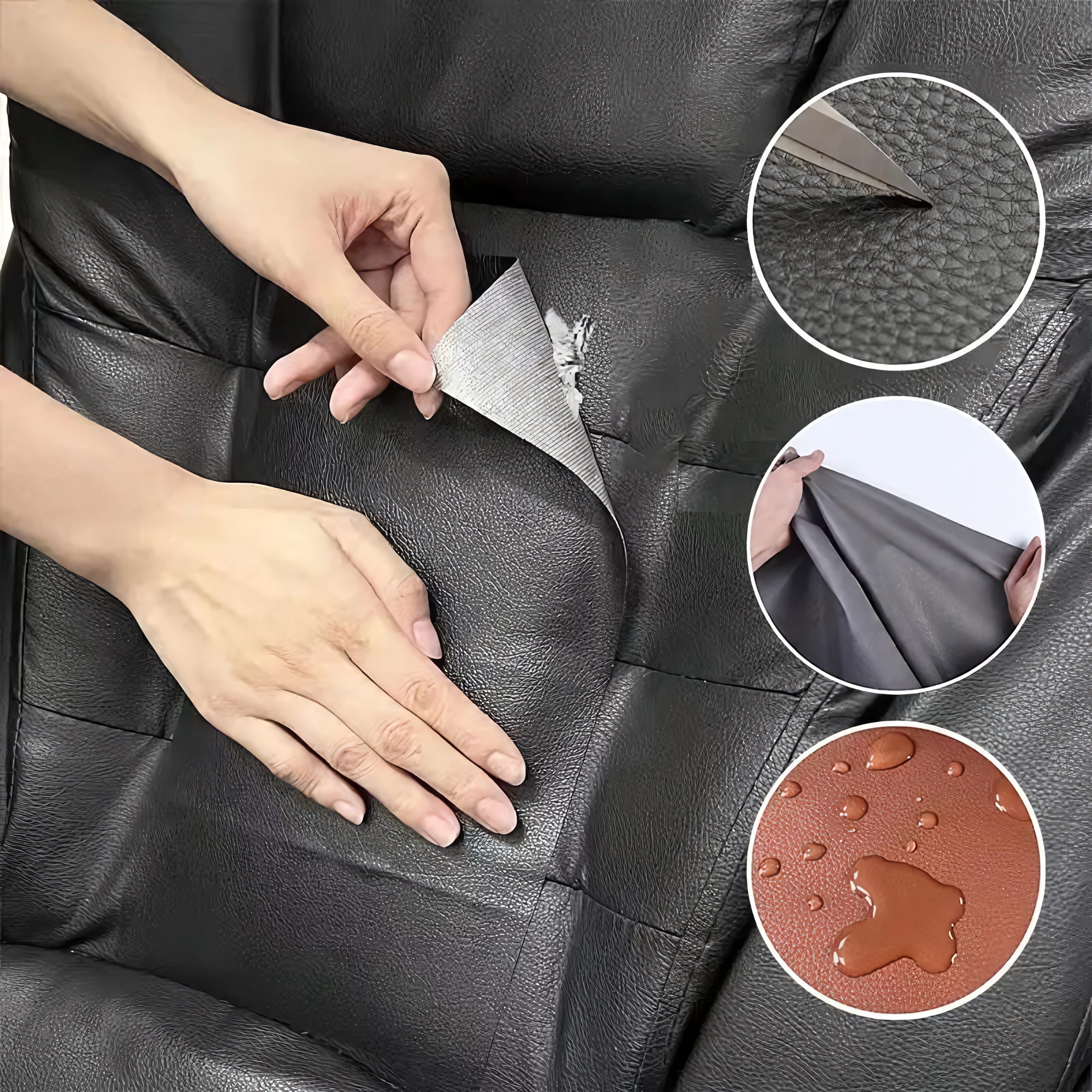
2. Cover Damaged Areas With Heavy-Duty Patch Tape ($8 to $15)
Need a quick fix without pulling out a sewing kit? Heavy-duty upholstery repair tape can conceal small worn spots and prevent minor tears from spreading.
Some varieties resemble leather, vinyl, or cloth, making it easier to choose a patch that blends with your seat.
The process is simple. Clean the damaged area according to the tape manufacturer’s directions, then let it dry. Measure the tear and cut a piece of tape large enough to extend beyond every damaged edge.
Round the corners before applying it, since sharp corners tend to peel more easily.
Press the tape firmly from the center outward to remove trapped air and encourage good contact. Check that every edge lies flat before using the seat.
A practical tip: Test the tape on a hidden section of upholstery first. Some adhesives can leave residue, discolor certain materials, or damage delicate surfaces when removed.
This approach is best for small tears, scuffs, and worn patches in areas that do not experience excessive rubbing. It may look less convincing on highly textured leather or seats with pronounced stitching.
Choose tape specifically designed for upholstery rather than ordinary duct tape, which may become sticky, peel, or leave a mess.
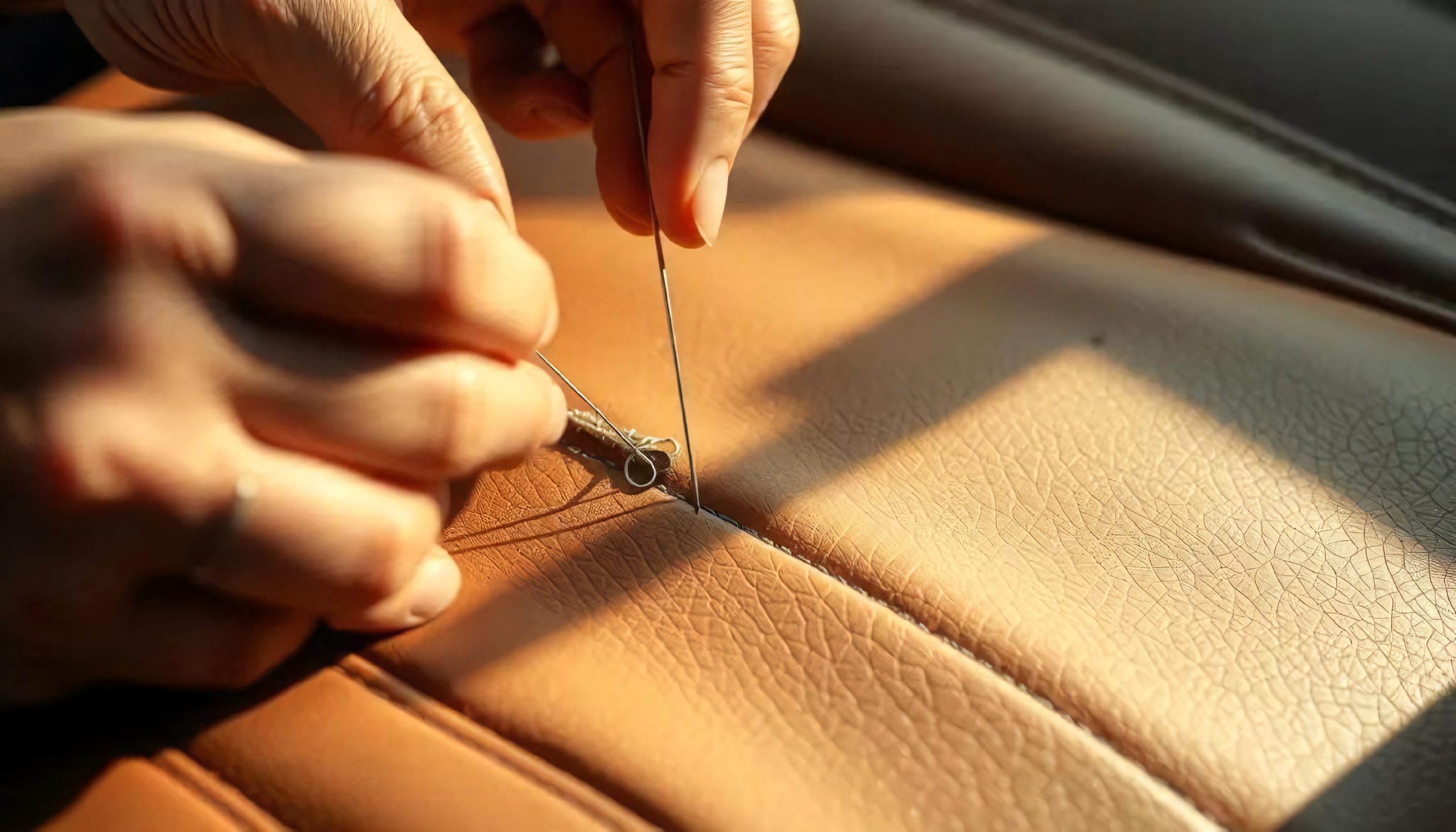
3. Repair Split Seams With Upholstery Thread and a Curved Needle ($5 to $10)
A split seam in a car seat does not always mean you need a new seat cover. If the surrounding fabric or leather is still durable, a simple hand-sewing repair may be enough to close the gap and improve the seat’s appearance.
To get started, gather a curved upholstery needle, heavy-duty nylon or polyester thread, and scissors. These materials are designed for tougher sewing jobs and are generally more suitable for upholstery than standard sewing supplies.
Begin by examining the damaged seam and trimming away loose threads. Align the separated edges carefully, making sure the material lies flat without stretching or bunching. Sew the opening with small, even stitches, applying enough tension to hold the edges together without causing additional tears.
For a clean finish, consider using a hidden ladder stitch on suitable seams. This technique helps conceal the stitching when the edges are brought together properly. However, if the upholstery has become brittle or severely worn, sewing may cause further damage, so another repair method might be more appropriate.
Safety is essential. Never attempt to sew seams that contain airbags or are connected to seatbelt systems. These areas require professional attention to maintain the vehicle’s safety features.
Hand stitching is an affordable solution for minor seam damage, particularly if you have basic sewing skills. Using thread that closely matches the original upholstery can also help the repair blend naturally with the surrounding material.
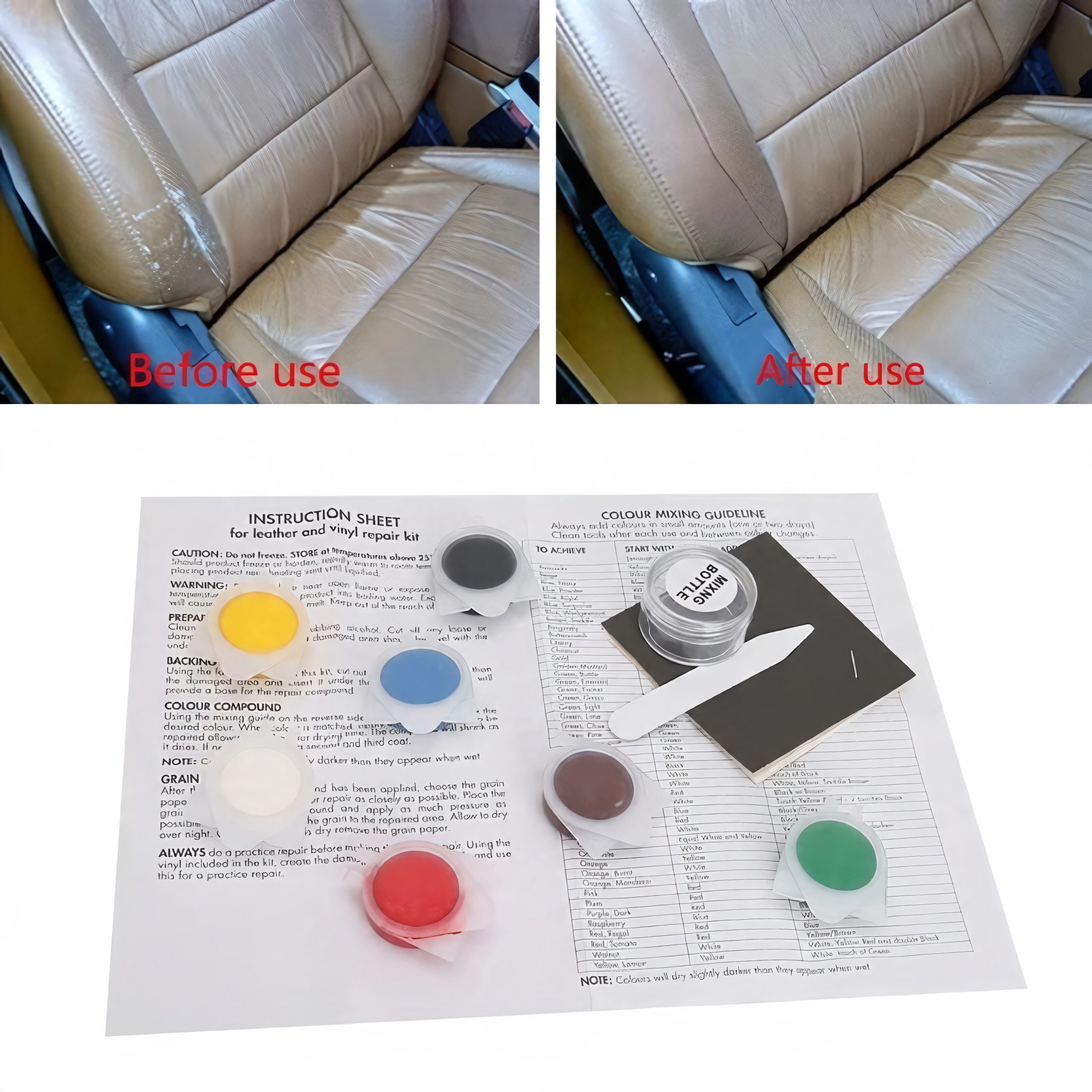
4. Restore Cracked Vinyl or Leather With a Repair Kit ($15 to $30)
Small cracks, shallow holes, and peeling patches can make an otherwise usable seat look worn out. A leather and vinyl repair kit gives you several materials for filling and blending damaged areas without paying for a complete replacement cover.
Most kits include a repair compound, colorants, backing material, and an applicator. Some use heat to set the compound, while others cure at room temperature. Always follow the instructions for the specific kit you purchase.
Begin by cleaning the surface with a compatible cleaner. Trim only loose, dangling material, taking care not to enlarge the damaged area. For a hole that needs support, position the supplied backing fabric beneath the opening if the kit calls for it.
Apply the repair compound in thin layers, allowing each layer to cure as directed. Mix the color carefully, then use the supplied texture pad when required to imitate the surrounding finish.
Patience matters here. Thick applications can dry unevenly, while a poorly matched color may leave the repair more obvious than the original damage.
Best for: Small cracks, shallow cuts, and minor holes in compatible leather or vinyl upholstery.
Do not expect a repair compound to restore badly deteriorated material or replace missing structural support.
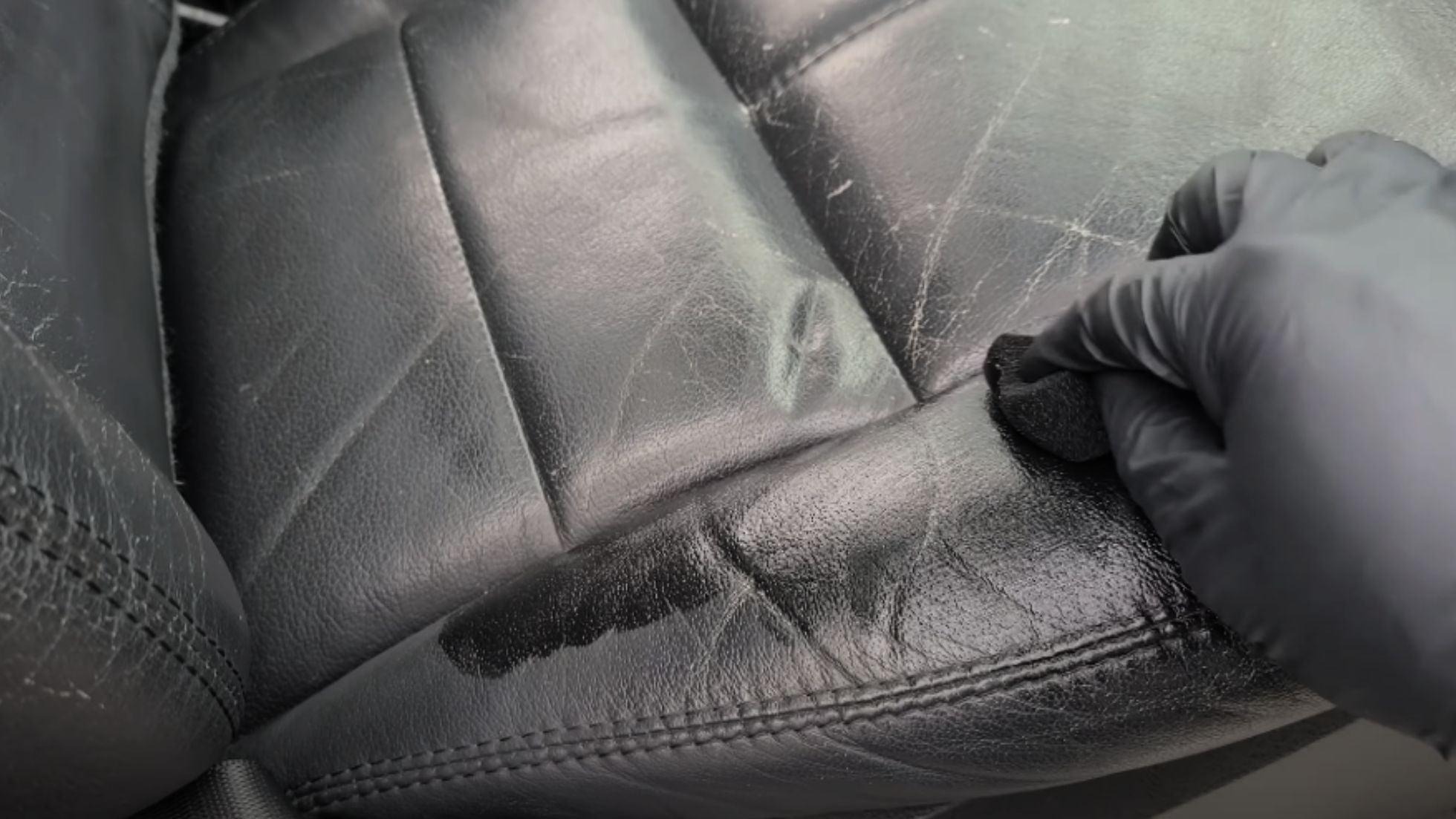
5. Refresh Faded Leather With Color Balm ($20 to $35)
Sunlight, friction, and regular use can leave leather seats looking pale or uneven. If the leather is still intact, a color-restoring balm or compatible leather recoloring product may improve its appearance without requiring a full upholstery repair.
Think of this as a cosmetic treatment rather than a solution for holes or deep cracks. The product deposits color on the surface or refreshes its finish, depending on the formulation.
To get started, clean the seat with a leather-safe cleaner and allow it to dry. Test the balm on a hidden area to check the color and finish. Apply a small amount with a soft cloth, spreading it evenly rather than concentrating it in one spot.
Follow the manufacturer’s instructions for drying, buffing, and any required protective treatment. Use a product formulated for your particular upholstery, especially if your seats have a coated leather finish.
One common mistake is applying too much product at once. Excess balm may leave streaks, transfer onto clothing, or produce a finish that looks darker than expected. Several light applications may provide a more natural result.
This option is useful when the seat looks faded but has no major tears or missing material. It can also help disguise light surface scuffs.
Keep expectations realistic: a color balm will not reverse deep cracking, repair split seams, or rebuild worn cushioning.
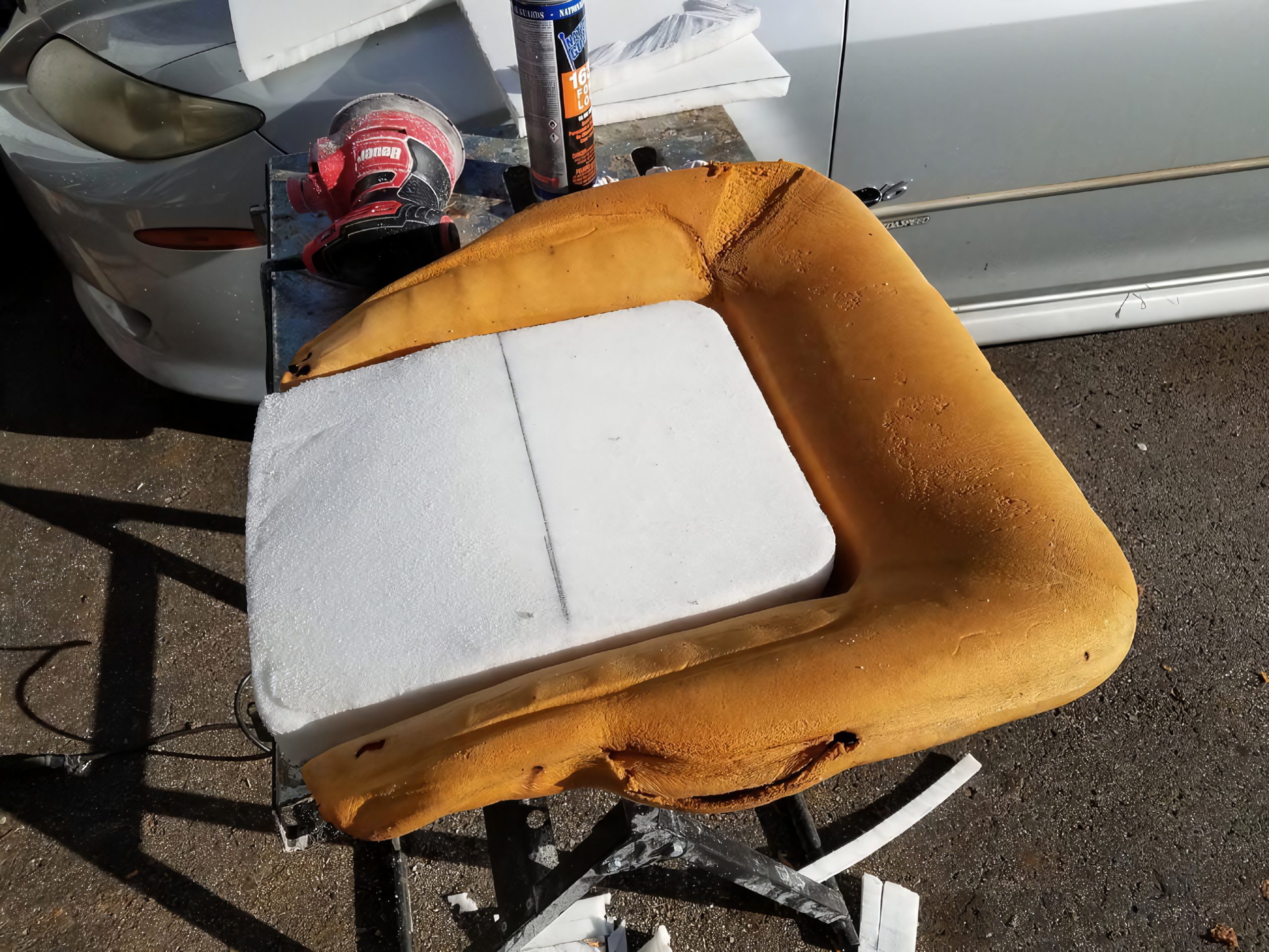
6. Replace Missing Cushion Support With Upholstery Foam ($15 to $25)
Does your seat feel like it has lost its shape? Perhaps the driver’s side cushion sinks lower than the passenger’s side, or you can feel a hard area beneath the upholstery.
Worn foam may be responsible, and adding suitable replacement foam can help restore some of the lost support.
For a small repair, purchase a block of high-density upholstery foam and an appropriate cutting tool. Choose foam intended for seating rather than soft craft foam, which may compress too easily.
If the upholstery has an existing opening, inspect the foam beneath it before deciding how much material to add. Cut the replacement piece to fit the damaged section, making sure it sits evenly without creating a raised lump.
For minor cushion repairs, suitable upholstery adhesive may help secure the foam in place. Use only products compatible with the foam and seat materials, and follow all safety directions.
However, this job requires caution. Modern automotive seats may contain side airbags, occupancy sensors, heating elements, and specialized foam structures. Opening a seat or altering these components can interfere with their operation.
If the damage is near wiring, airbags, or built-in sensors, have a qualified technician handle the repair.
A useful distinction: Foam replacement addresses lost cushioning, not damaged upholstery. If the outer material is torn, it may need a separate repair.
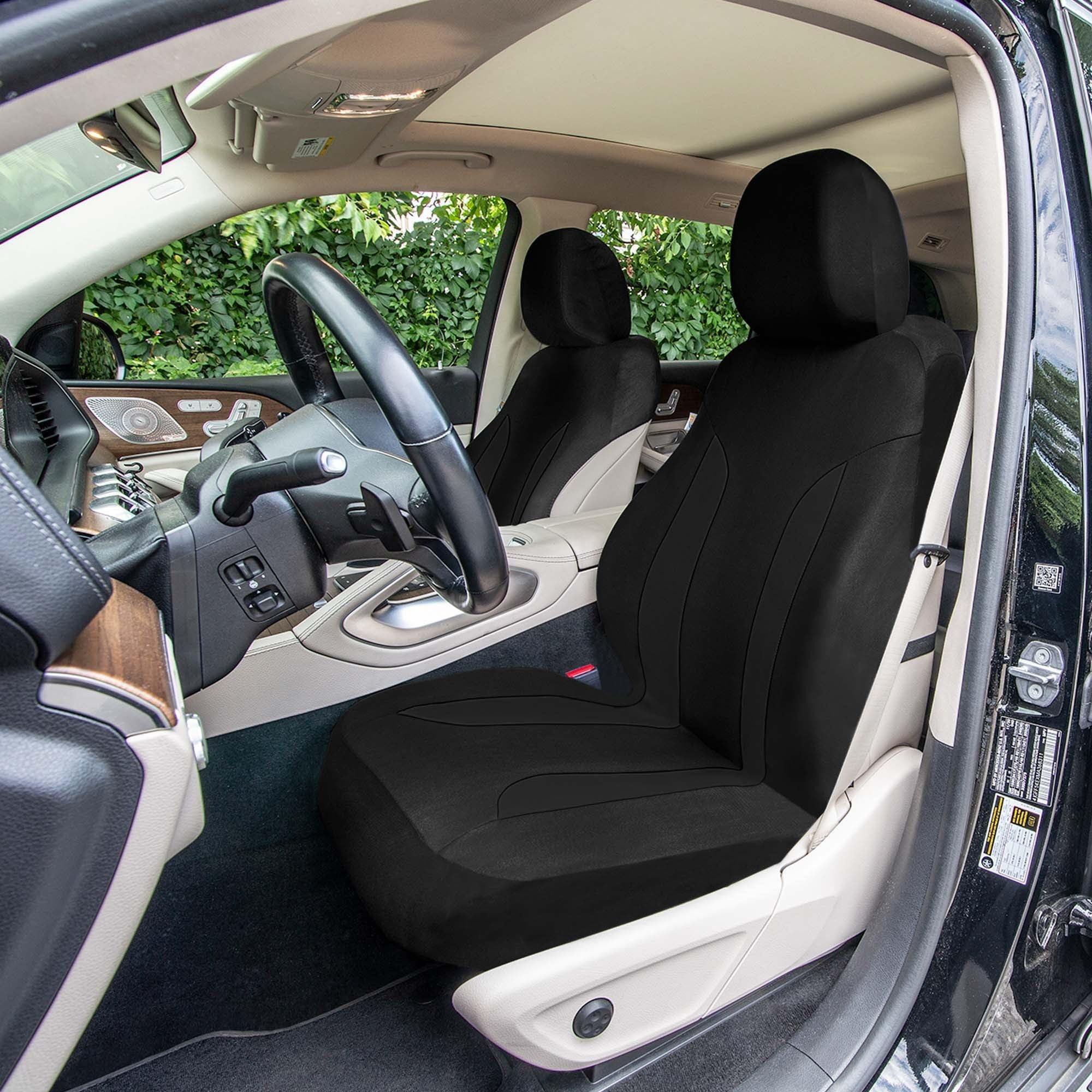
7. Hide Worn Upholstery With Universal Slip-On Seat Covers ($25 to $45)
Sometimes the easiest way to improve a worn seat is to cover it instead of repairing every blemish. Universal seat covers offer a relatively affordable way to conceal faded cloth, light scuffs, and unattractive patches.
These covers usually fit over the headrest and seatback, with straps, elastic, or hooks to hold them in place. They come in materials such as polyester fabric, mesh, and neoprene-style textiles, so you can choose an option that suits your comfort preferences.
Before buying, measure your seats and check the product’s compatibility information. Universal covers do not fit every seat shape equally well, and some may bunch around bolsters or leave portions of the original upholstery exposed.
Installation usually involves removing or adjusting the headrest if the design allows it, pulling the cover into position, and securing the straps beneath the seat. Keep all straps away from seat tracks, wiring, and moving mechanisms.
Safety comes first: For seats equipped with side airbags, use only covers specifically designed and approved for that application. Never cover an airbag deployment seam with an incompatible product.
Seat covers are particularly useful when the original upholstery has widespread cosmetic wear but the seat remains structurally sound.
Choose a machine-washable cover if easy cleaning matters to you. A dark, textured fabric may also help conceal everyday marks between washes.
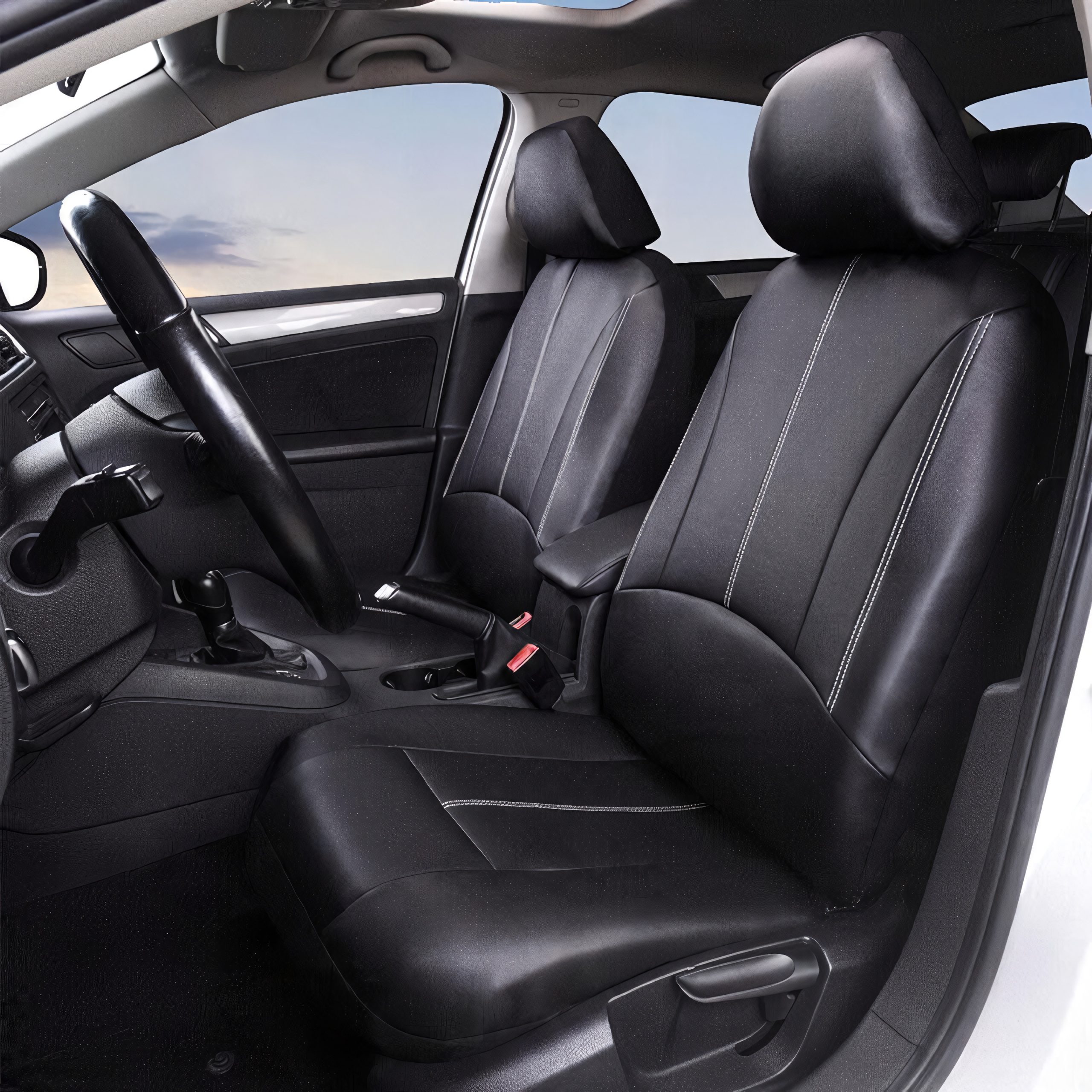
8. Give Your Seat a Fresh Look With Faux Leather Protectors ($35 to $60)
Want a cleaner, more polished appearance without paying for new leather upholstery? A faux leather seat protector can cover worn surfaces and give an older interior a more uniform finish.
These protectors are commonly made from polyurethane, often labeled PU leather. They may be sold as individual bucket-seat covers, bottom-only protectors, or larger pieces intended to cover several sections of a seat.
For the best value, identify exactly where the damage is located. If only the seat base is worn, a compatible bottom protector may cost less than a full cover. If both the seatback and cushion show damage, a larger model may offer better coverage.
Check the dimensions, attachment method, cleaning instructions, and compatibility with your seat design before ordering. Some inexpensive covers fit loosely, so look for adjustable straps and a shape that matches your seat.
Installation is usually straightforward, although tucking the material neatly around the cushion may take a few extra minutes. Smooth out wrinkles and check that the cover does not interfere with seat adjustments.
Faux leather is easy to wipe clean, which makes it convenient for people who regularly carry pets, children, or passengers. However, some products can feel warm in hot weather, and lower-quality finishes may peel with heavy use.
This option is best for cosmetic damage when you want a more leather-like appearance at a manageable price.
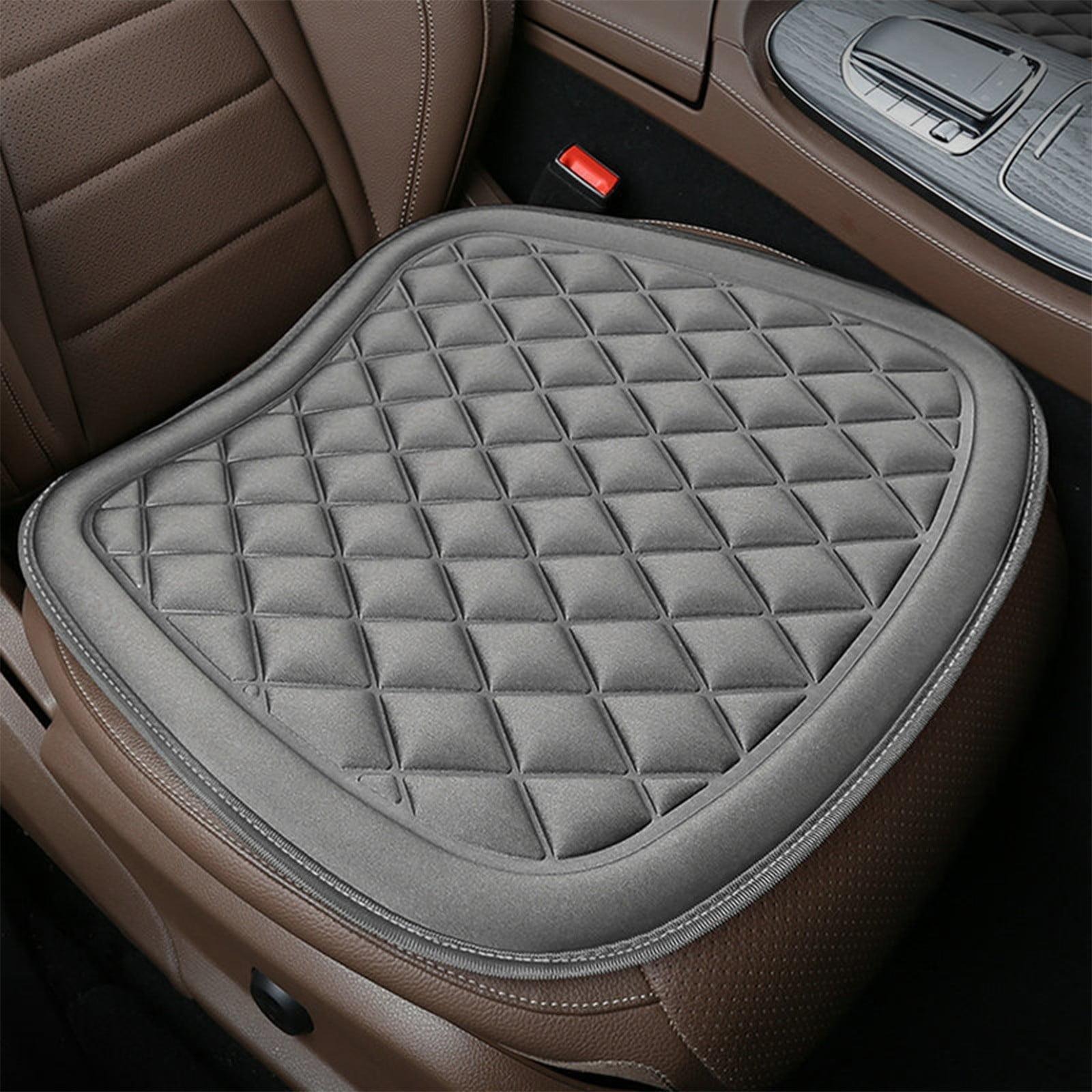
9. Add a Sheepskin or Gel Cushion Pad ($20 to $40)
A damaged or flattened car seat base can make driving uncomfortable, even when the backrest and side supports are still in good shape. A removable cushion pad offers an affordable way to hide worn upholstery while adding extra comfort without covering the entire seat.
Gel cushions help spread pressure across the sitting surface, making them useful for longer journeys. Sheepskin and faux-sheepskin pads provide a softer, plush feel. Your choice will depend on your comfort preferences, cleaning needs, and the appearance you want for your car’s interior.
Before purchasing a cushion, measure the seat base to ensure the pad covers the damaged area properly. Choose a design with secure straps or a nonslip backing to prevent unwanted movement while driving.
Another advantage of removable pads is their convenience. You can take them out for cleaning or transfer them to another compatible seat when needed. Since cleaning requirements vary, check the manufacturer’s care instructions before making your purchase.
Remember that a cushion pad conceals visible damage rather than repairing the underlying problem. It will not fix broken springs, severely compressed foam, or torn upholstery beneath the surface. If the seat has structural damage, professional repairs may be necessary.
For the best results, select a cushion that fits securely and allows you to maintain a comfortable driving position. Avoid overly thick pads that interfere with the pedals, seat controls, or proper seatbelt positioning.
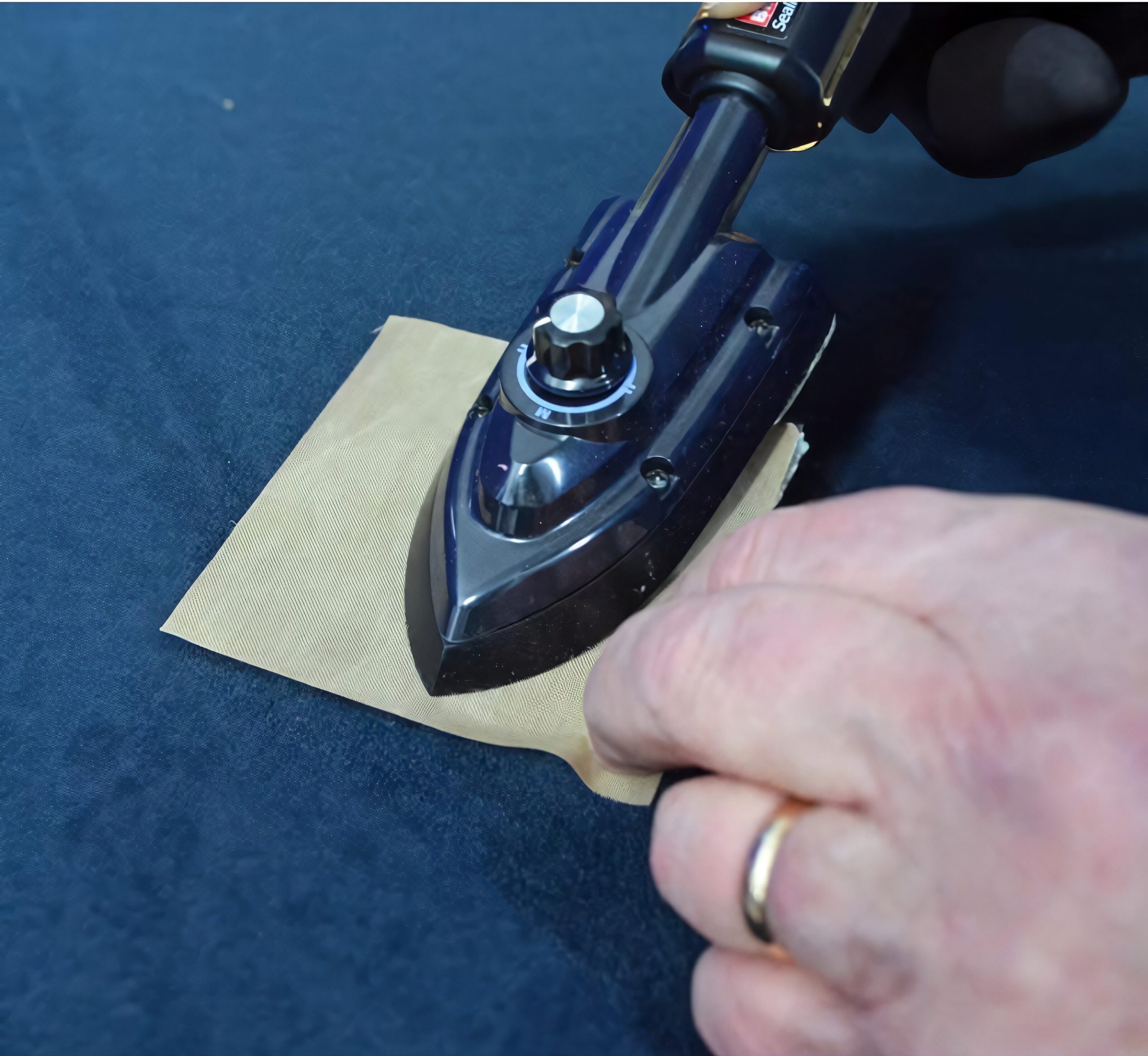
10. Patch Cloth Seats With Iron-On Fabric Patches ($10 to $20)
Cloth seats often develop small holes from friction, sharp objects, or years of regular use. An iron-on upholstery patch can conceal minor damage and help keep the surrounding fabric from fraying further.
You will need a suitable fabric patch, scissors, and an iron only if the product’s instructions permit its use on your particular seat material. Some patches are designed for clothing, while others are specifically intended for upholstery, so choose carefully.
First, clean the area and let it dry. Trim loose threads without cutting away sound fabric. If the tear has an accessible opening, a compatible backing patch may help support the damaged section.
Cut the patch slightly larger than the affected area, rounding the corners to reduce peeling. Position it according to the manufacturer’s instructions, then apply the recommended amount of heat and pressure if the upholstery can safely tolerate them.
Important caution: Do not assume a standard household iron is safe for automotive fabric. High temperatures can melt synthetic fibers, damage foam, affect adhesives, or harm seat heating components. If the patch requires heat and you cannot safely apply it, choose a compatible no-heat upholstery adhesive or consult an upholstery professional.
A well-matched patch can blend reasonably well with plain cloth, although patterned or textured fabrics may be harder to match.
This is an inexpensive choice for small tears and holes when the surrounding material remains strong.
