
Choosing a car involves more than comparing engine power, design, comfort, and fuel efficiency. The tyres fitted by manufacturers also play an important role in driving safety, handling, braking, and road comfort.
Many leading automotive brands work with established tyre manufacturers to select tyres that complement their vehicles’ performance and engineering. From premium luxury cars to reliable everyday vehicles, factory-fitted tyres are selected according to specific driving requirements.
This article highlights ten car brands known for using reputable tyre manufacturers as original equipment, explaining their tyre partnerships, performance characteristics, and benefits for everyday drivers.
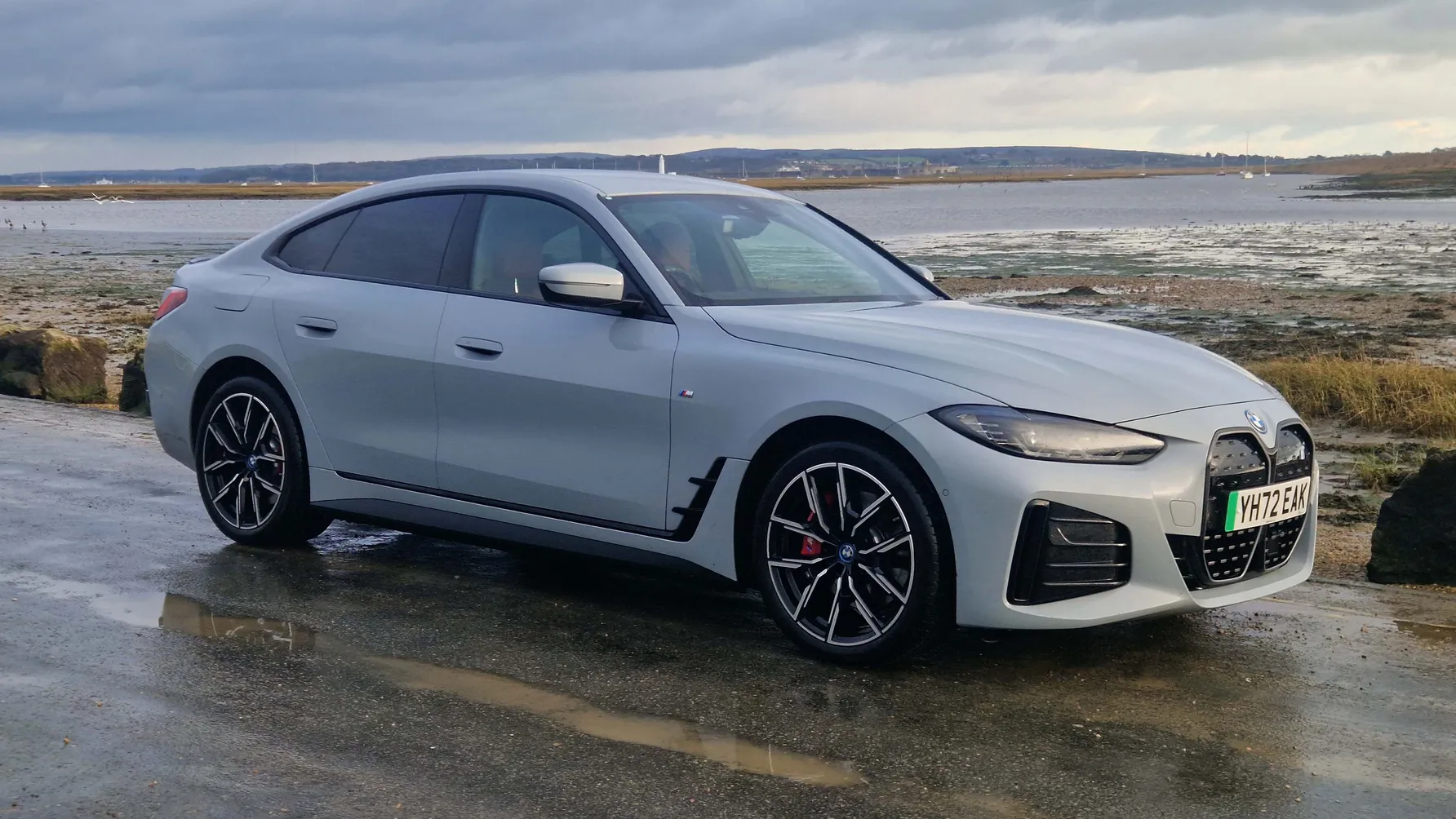
1. BMW: Premium Engineering with Performance-Focused Tyres
BMW has built a strong reputation for producing vehicles that combine sporty performance, sophisticated engineering, and driving comfort. Its factory-fitted tyres are selected to support the company’s focus on responsive steering, road grip, cornering stability, and braking performance.
BMW works with established tyre manufacturers to develop products suited to individual models and driving characteristics.
The German automotive manufacturer has partnerships with recognised tyre companies such as Michelin, Continental, Pirelli, Bridgestone, and Goodyear. The exact supplier depends on the vehicle, wheel size, production year, and market. These manufacturers develop tyres that meet BMW’s requirements for handling, comfort, durability, and performance.
BMW uses a special star marking on approved original equipment tyres. This symbol indicates that the tyre has been developed or approved to meet BMW’s specific requirements.
Drivers looking for replacement tyres can check this marking to identify suitable versions for their vehicles. It is particularly relevant for models with performance-oriented suspension and wheel configurations.
BMW M models require tyres capable of handling higher power outputs, stronger acceleration, and demanding cornering conditions. Their tyre specifications can differ considerably from those of standard BMW sedans and SUVs. High-performance tyres help maintain traction during acceleration and provide predictable handling when the vehicle is driven enthusiastically.
For BMW owners, choosing the correct factory-approved tyre can help preserve the intended driving characteristics of the vehicle.
Drivers should check the manufacturer’s recommended tyre size, load index, speed rating, and original equipment marking before purchasing replacements. BMW is a strong choice for people who appreciate performance-focused tyre engineering.

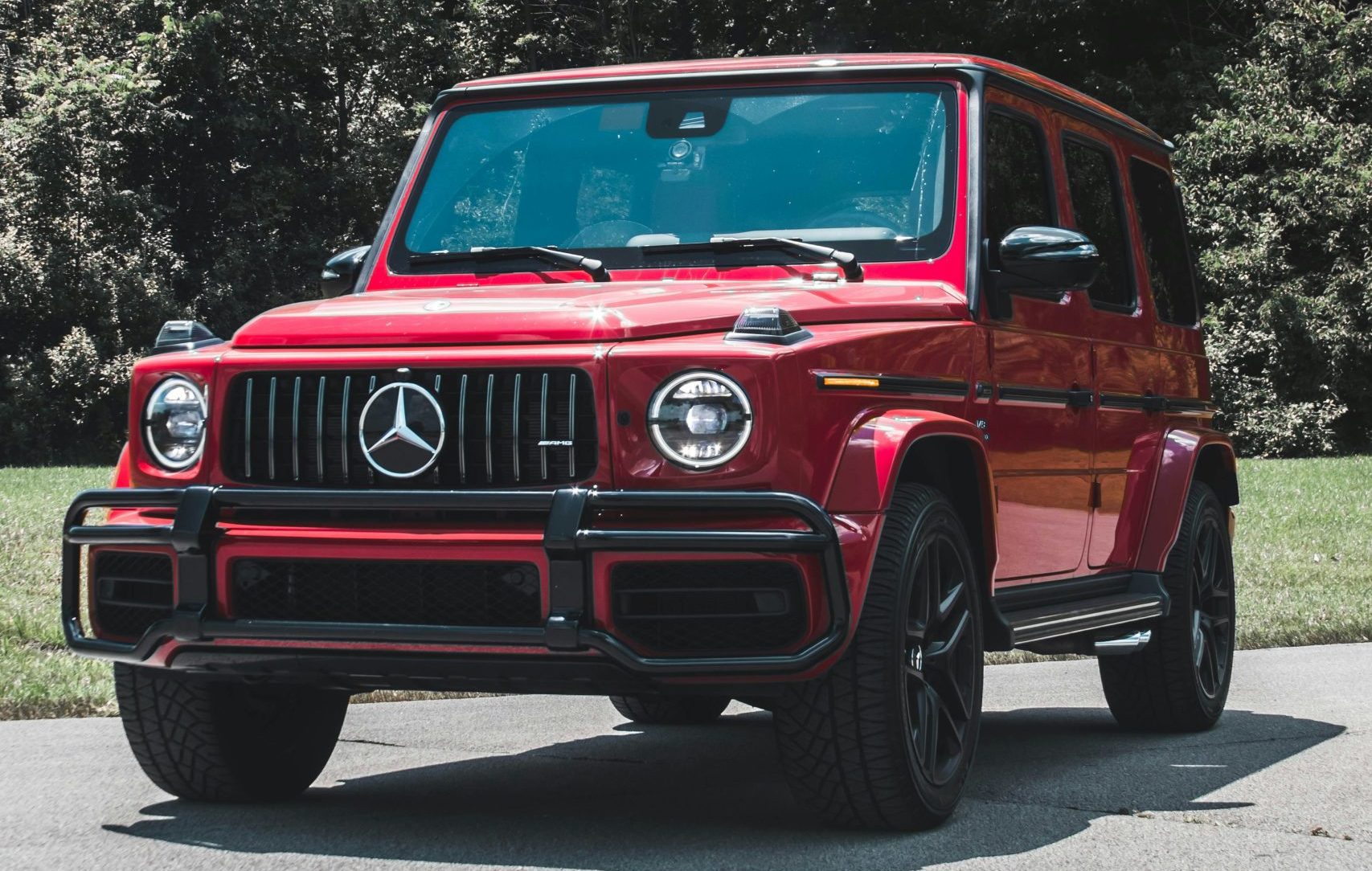
2. Mercedes-Benz: Luxury Comfort and Advanced Tyre Technology
Mercedes-Benz is widely recognised for its luxury vehicles, advanced technology, refined interiors, and comfortable driving experience. Tyres play an important role in achieving these qualities. The company selects original equipment tyres designed to complement its suspension systems, steering characteristics, vehicle weight, and road performance requirements.
Mercedes-Benz works with leading tyre manufacturers, including Continental, Michelin, Pirelli, Bridgestone, and Goodyear. Depending on the model and market, vehicles may receive different tyre brands from the factory. These partnerships allow the manufacturer to select suitable products for luxury sedans, SUVs, sports cars, and high-performance AMG vehicles.
One feature of Mercedes-Benz approved tyres is the MO marking, which stands for Mercedes Original. Some approved versions carry MOE markings, indicating Mercedes Original Extended tyres designed for extended mobility after certain punctures.
AMG-specific applications can also have additional approval markings. These identifiers help owners recognise tyres developed for particular Mercedes-Benz requirements.
Mercedes-AMG vehicles need tyres that can handle powerful engines, rapid acceleration, and demanding driving conditions. Their tyre specifications focus on grip, steering response, stability, and braking performance. Luxury models such as the S-Class also require attention to road noise and ride comfort, making tyre construction and tread design particularly important.
Mercedes-Benz owners should avoid selecting replacement tyres based only on appearance or price. The correct tyre must match the vehicle’s specifications and driving requirements.
Selecting an appropriate MO-approved tyre, where specified, can help maintain the intended balance between comfort, safety, and handling. This makes Mercedes-Benz a notable brand for premium original equipment tyre technology.
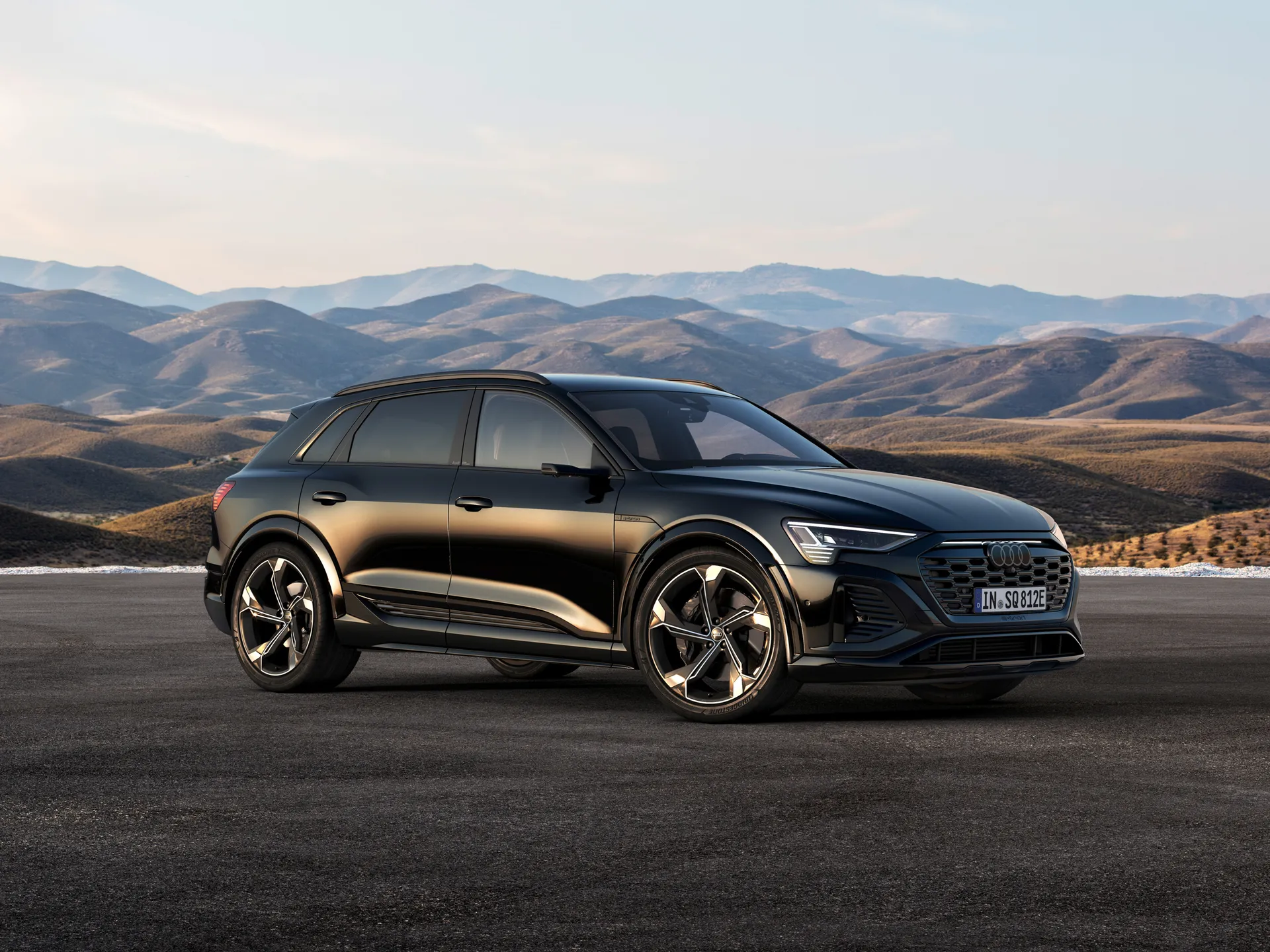
3. Audi: Advanced Handling and Road Stability
Audi is another German car manufacturer known for its advanced engineering, quattro all-wheel-drive technology, and premium vehicle designs. Its cars are designed to deliver stable handling and confident road performance.
Factory-fitted tyres contribute significantly to these characteristics by providing the necessary contact between the vehicle and the road surface.
Audi collaborates with established tyre manufacturers such as Continental, Michelin, Pirelli, Bridgestone, and Goodyear. The selection varies according to the vehicle model, engine configuration, wheel dimensions, and intended driving conditions. A family-oriented Audi SUV may require a different tyre construction from a performance-focused RS model.
Audi-approved original equipment tyres often carry the AO marking, meaning Audi Original. Certain applications use additional markings such as AO1, AO2, AOE, or RO1. These markings identify tyres developed or approved for particular Audi applications. They can indicate differences in construction, performance, and vehicle compatibility.
Audi’s quattro models place particular importance on tyre compatibility because their all-wheel-drive systems depend on appropriate tyre dimensions and rolling characteristics.
Differences in tyre circumference can affect the way the drivetrain operates. For this reason, owners should follow Audi’s recommendations when replacing tyres, particularly when changing all four tyres or selecting different tread patterns.
For people who value stability, refined road manners, and premium vehicle engineering, Audi offers an interesting example of how original equipment tyres complement automotive design.
Selecting the correct AO-approved replacement, when required by the vehicle specification, helps maintain the intended driving experience. Proper inflation and regular tyre inspections remain equally important.

4. Porsche: High-Performance Tyres for Sports Cars
Porsche is famous for its sports cars, performance SUVs, and engineering-focused approach to vehicle development. Its vehicles require tyres that can handle powerful engines, precise steering inputs, strong braking forces, and high cornering loads. For this reason, tyre selection is an important part of Porsche’s vehicle development process.
The company works with premium tyre manufacturers such as Michelin, Pirelli, Continental, and Bridgestone. These manufacturers produce specially approved tyre versions for Porsche models. The exact selection depends on the vehicle, its performance package, wheel dimensions, and intended use. Sports cars and performance SUVs can have significantly different tyre requirements.
Porsche uses N-markings to identify approved original equipment tyres. Examples include N0, N1, N2, N3, and other variations. These markings indicate specific tyre approvals and development versions. A tyre carrying the correct Porsche approval is designed to meet the requirements of the relevant vehicle application.
Models such as the Porsche 911 require tyres that provide dependable traction during acceleration, cornering, and braking. Some versions use different front and rear tyre dimensions to support the vehicle’s handling characteristics. This makes it especially important to follow the recommended specifications rather than purchasing tyres based only on size.
Porsche owners should pay close attention to the N-marking, tyre dimensions, load capacity, and speed rating when selecting replacements. Choosing the correct approved product helps maintain the performance balance intended by Porsche engineers. The brand deserves recognition for treating tyre development as an essential part of sports car engineering.

5. Tesla: Specialised Tyres for Electric Vehicles
Tesla has changed the automotive industry by making electric vehicles more popular in several global markets. Its vehicles combine electric powertrains, advanced software, modern interiors, and impressive acceleration. However, electric vehicles place different demands on tyres because of their battery weight, instant torque delivery, and emphasis on energy efficiency.
Tesla works with recognised tyre manufacturers, including Michelin, Continental, Pirelli, Goodyear, and Hankook, depending on the model and production specification.
Original equipment tyres are selected to support factors such as grip, rolling resistance, noise levels, and vehicle weight. These characteristics are important for maintaining driving comfort and energy efficiency.
Tesla-approved tyres may carry T0, T1, or other T-series markings on the sidewall. These identifiers indicate original equipment tyre approvals associated with Tesla applications. Some versions may include additional characteristics designed to address noise reduction, rolling resistance, or performance requirements.
Electric vehicles can generate considerable torque as soon as the driver presses the accelerator. This means tyre grip is important during rapid acceleration and braking. Tyres must also support the additional weight associated with battery packs. A suitable tyre design helps manage these demands while maintaining predictable handling and stable road contact.
Tesla owners should select replacement tyres according to the manufacturer’s specifications rather than assuming that every premium passenger-car tyre is suitable.
Correct load ratings, dimensions, speed ratings, and any required acoustic or EV-specific features should be considered. Proper tyre pressure and wheel alignment can also help improve tyre life and driving efficiency.
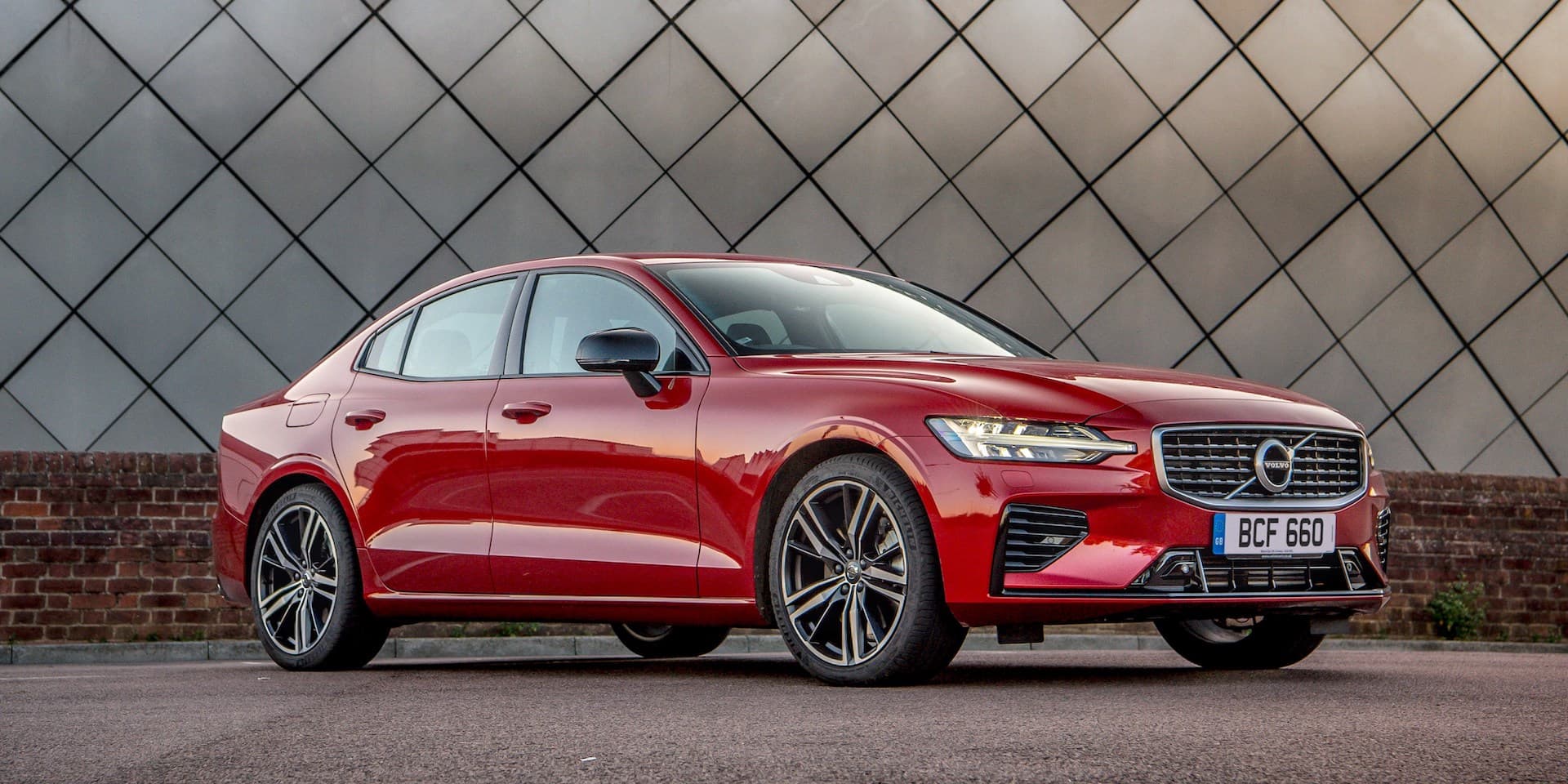
6. Volvo: Safety-Focused Tyre Selection
Volvo has a longstanding reputation for prioritising passenger safety, practical design, and comfortable driving experiences. Its vehicles are engineered for families, professionals, and people who appreciate refined road performance. Tyres are an important part of this approach because they influence braking distances, steering control, traction, and stability in different weather conditions.
The company has used tyre suppliers such as Michelin, Continental, Pirelli, Goodyear, and other established manufacturers across different vehicle ranges.
The original equipment selection depends on the model, wheel package, production location, and market. Volvo SUVs and luxury sedans may have different tyre requirements according to their weight and driving characteristics.
Volvo-approved original equipment tyres can carry the VOL marking. This identifier indicates a tyre developed or approved for Volvo applications. The approval helps distinguish suitable original equipment versions from standard tyres within the same product family. Checking the sidewall can therefore be useful when purchasing replacement tyres.
Volvo SUVs require tyres that can support their vehicle weight while providing reliable traction and comfortable handling. Models designed for everyday family use benefit from tyres that balance wet-road braking, road noise, durability, and rolling resistance. These factors can make a noticeable difference during regular commuting and long-distance journeys.
Volvo owners should consider the manufacturer’s tyre recommendations when replacing worn tyres. Selecting the correct VOL-approved option, when specified, can help preserve the original vehicle characteristics.
Regular inspections, correct tyre pressure, and timely replacement are essential for maintaining road safety. Volvo’s approach demonstrates the importance of choosing tyres as part of a complete vehicle safety system.
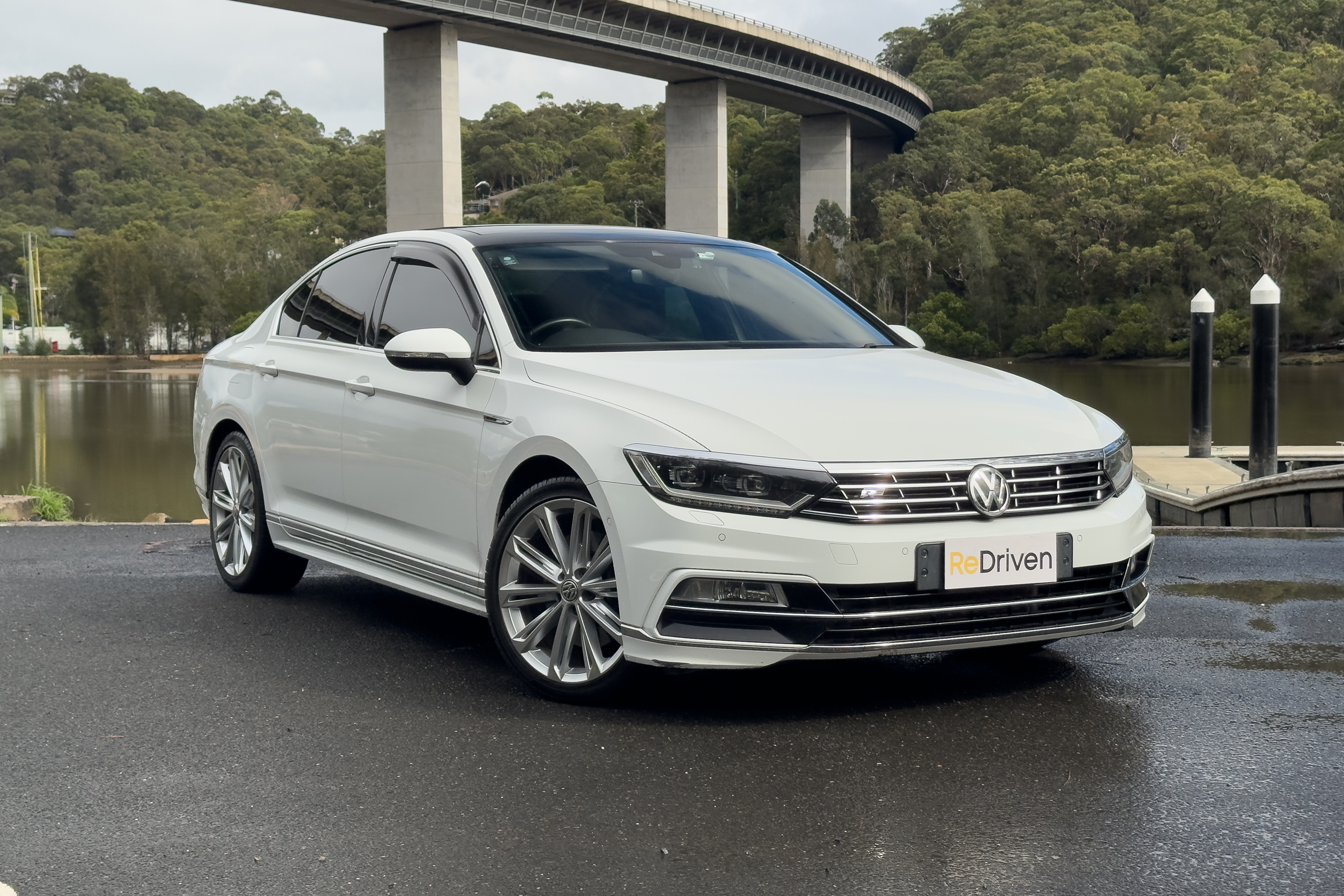
7. Volkswagen: Reliable Tyres for Everyday Driving
Volkswagen is a popular automotive brand known for producing practical, comfortable, and versatile vehicles. Its range includes hatchbacks, sedans, SUVs, and electric cars designed for different customer requirements.
Factory-fitted tyres are selected to support everyday driving, road stability, braking performance, and fuel efficiency. The company considers tyre performance an important part of the vehicle’s engineering.
Volkswagen works with tyre manufacturers such as Continental, Bridgestone, Michelin, Goodyear, Pirelli, and Hankook. These suppliers provide different tyre options for Volkswagen’s vehicle range.
The selected product depends on the vehicle’s size, engine, trim level, wheel package, and regional specifications. This allows Volkswagen to maintain suitable performance characteristics across different models.
Volkswagen-approved tyres can carry a distinctive plus symbol marking, commonly represented as (+). This marking identifies Volkswagen Original tyres that have been developed or approved according to the manufacturer’s requirements. It is useful for customers who want to identify original equipment-compatible products when replacing their factory-fitted tyres.
Vehicles such as the Volkswagen Golf, Polo, Passat, and Tiguan have different driving requirements. Smaller hatchbacks generally need tyres that offer a balance of comfort, fuel efficiency, and reliable grip. Larger SUVs require suitable load capacity and stability. Performance models such as the Golf GTI need additional attention to traction and handling.
Volkswagen owners should always check the recommended tyre dimensions and specifications before purchasing replacements.
Choosing a suitable Volkswagen-approved tyre, where available and specified, can help maintain the intended driving characteristics. Regular tyre maintenance also contributes to safer journeys, better handling, and more consistent performance during everyday use.
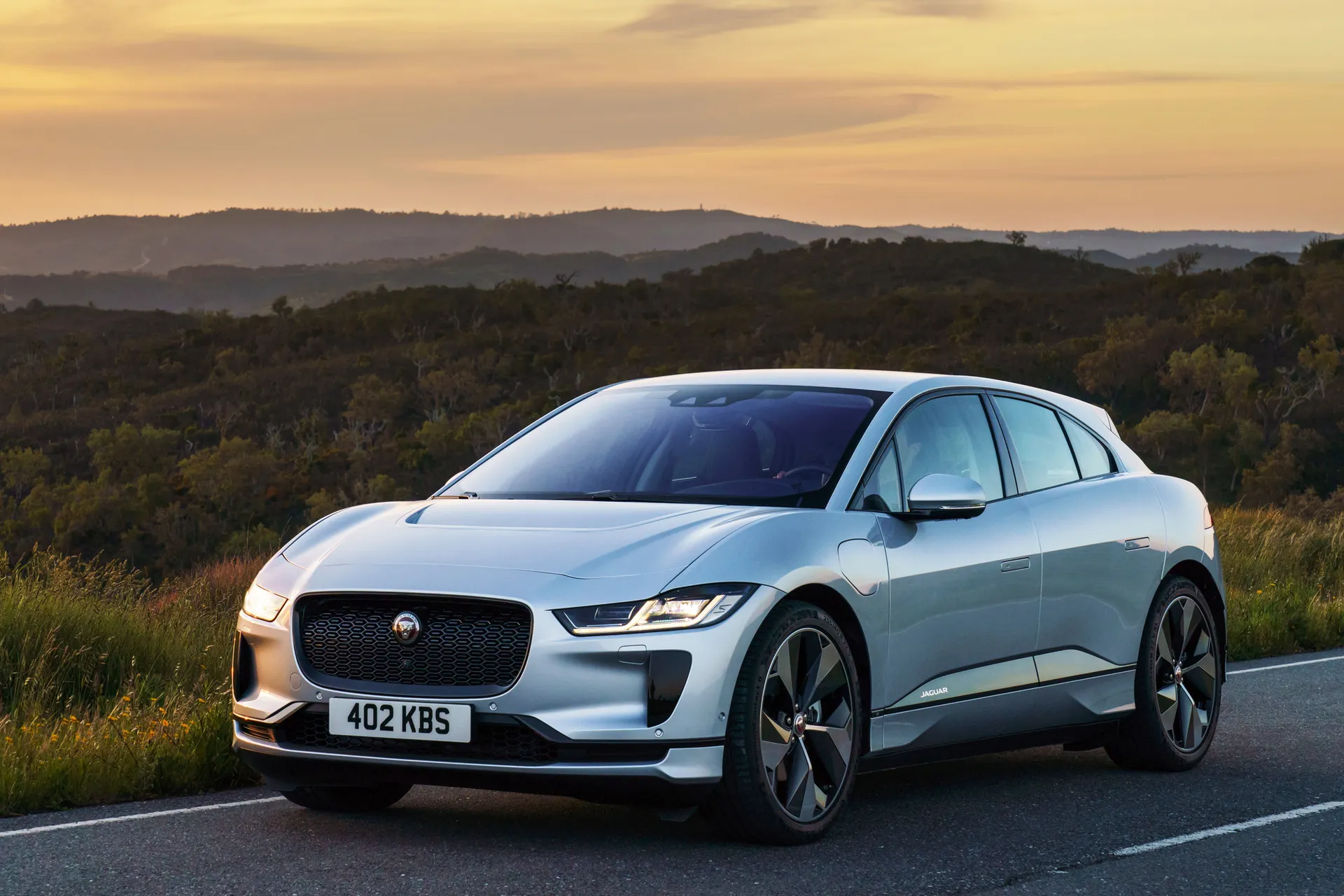
8. Jaguar: Premium Tyres for Luxury and Performance
Jaguar has traditionally been associated with British automotive design, luxury interiors, and performance-oriented vehicles. Its cars combine elegant styling with powerful engines and refined suspension systems. To complement these features, Jaguar vehicles use carefully selected tyres that support steering response, braking performance, road grip, and driving comfort.
Jaguar has worked with recognised tyre manufacturers such as Pirelli, Michelin, Continental, Goodyear, and Bridgestone. The exact original equipment supplier varies by model and production specification. Sports cars, luxury sedans, and SUVs require different tyre characteristics, so manufacturers develop products suited to each vehicle’s engineering requirements.
Jaguar-approved tyres may carry the J marking, while certain Jaguar and Land Rover applications use JLR. These markings identify tyres approved for particular vehicle manufacturer requirements.
They are useful when checking whether a replacement tyre matches the original equipment specification. Owners should check the complete marking rather than relying on the tyre brand alone.
Performance models such as the Jaguar F-Type require tyres capable of providing strong traction, responsive steering, and dependable braking. SUVs such as the F-Pace have different requirements because of their vehicle weight, ride height, and intended usage. In both cases, tyre construction and tread design contribute to the vehicle’s handling and comfort.
Jaguar owners can maintain their vehicles’ driving characteristics by selecting tyres that meet the recommended specifications. The correct size, load index, speed rating, and manufacturer approval should be checked before installation.
Premium tyres can be a worthwhile investment for drivers who value refined handling, dependable braking, and a comfortable driving experience.

9. Ferrari: High-End Tyres for Supercar Performance
Ferrari is among the most recognised names in the global performance car industry. Its vehicles are designed around high power, rapid acceleration, precise handling, and advanced engineering. Every component contributes to the driving experience, including the tyres. Since supercars can reach high speeds and generate significant cornering forces, tyre selection requires careful attention.
Ferrari works closely with premium tyre manufacturers, including Pirelli and Michelin, to develop tyres suitable for specific models.
These partnerships focus on producing tyres that meet demanding performance requirements. The products are developed to complement the car’s engine, suspension, braking system, weight distribution, and intended driving characteristics.
Ferrari uses special K-series markings on approved original equipment tyres. These include K1, K2, and K3 designations, which identify different approved tyre specifications. Such markings help owners recognise tyre versions developed for Ferrari applications. The correct approval depends on the particular vehicle and its requirements.
High-performance Ferrari models require tyres that can maintain grip during powerful acceleration and hard braking. Their tyres must also provide predictable steering response during fast cornering.
Specialised rubber compounds and tread construction help meet these demands. Some models have different front and rear tyre sizes to support their handling balance and performance.
Ferrari owners should be particularly careful when replacing original equipment tyres. A standard tyre with matching dimensions may not provide exactly the same characteristics as a Ferrari-approved version.
Checking the correct K-series marking, speed rating, load capacity, and manufacturer recommendations is important. Ferrari demonstrates how specialised tyre engineering supports the performance of high-end sports cars.
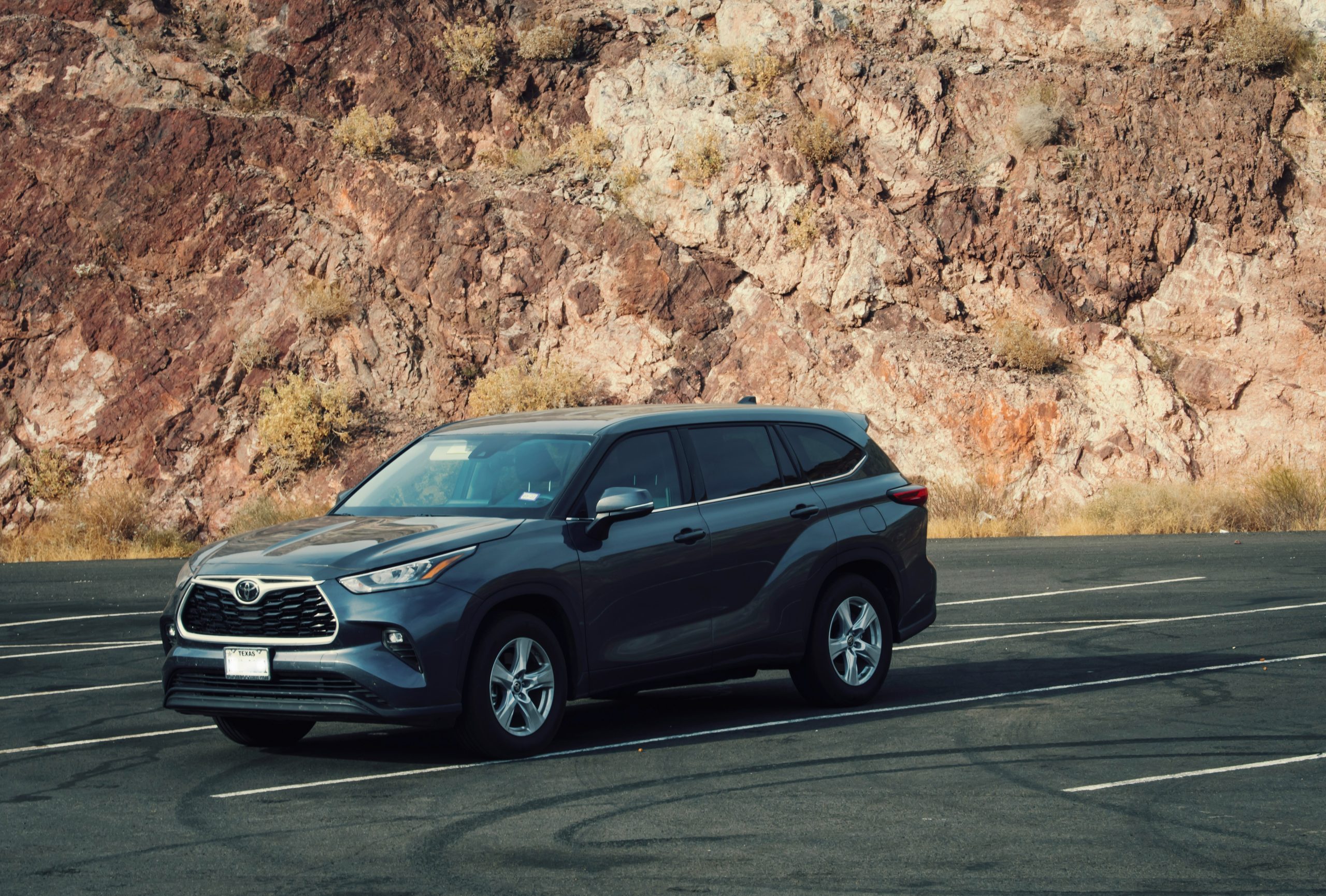
10. Toyota: Dependable Tyres for Everyday Reliability
Toyota is known internationally for reliability, practical vehicle engineering, and a broad range of cars and SUVs. Its vehicles are designed for different driving environments, from busy city streets to long highway journeys.
Tyre selection is an important part of this approach because Toyota vehicles must deliver dependable braking, predictable handling, and comfortable everyday performance.
Toyota works with established tyre manufacturers, including Bridgestone, Michelin, Continental, Goodyear, Yokohama, and other suppliers. The exact factory-fitted tyre brand depends on the model, manufacturing location, trim level, and market. This means a Toyota Corolla, Innova Hycross, Fortuner, and Camry may receive different original equipment tyres.
Toyota’s tyre selection focuses on practical driving requirements. Family cars generally need a balance of comfort, low road noise, wet-weather grip, and durability. SUVs require tyres with suitable load capacity and handling characteristics.
Hybrid vehicles also benefit from tyres designed to support lower rolling resistance, helping improve energy efficiency.
Toyota has a wide range of vehicles, so there is no single tyre brand that can be considered the standard factory fitment across its entire lineup. Goodyear, for example, lists Toyota among the automotive manufacturers for which its tyres are frequently selected as original equipment. Other suppliers also have relationships with Toyota.
For Toyota owners, the best replacement tyre is the product that matches the vehicle’s original specifications and driving needs. Buyers should check the correct size, load index, speed rating, and seasonal suitability.
Choosing a reputable tyre manufacturer and maintaining proper inflation can help improve comfort, handling, and tyre longevity. Toyota remains a strong example of practical vehicle engineering supported by established tyre manufacturers.
