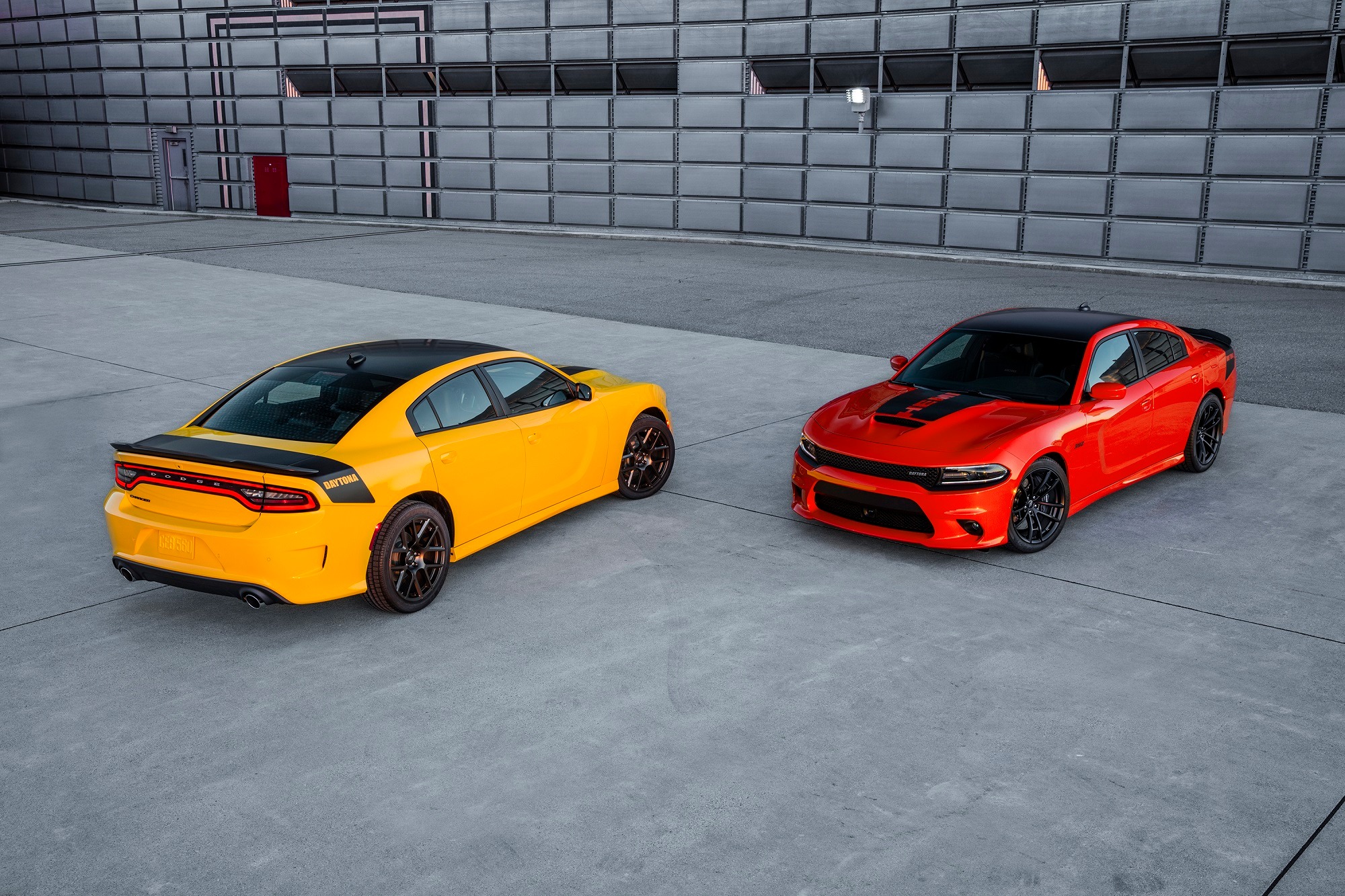
Imagine a car that sold tens of thousands of copies one year, then nearly vanished from the sales charts the next. That is not a thought experiment. It happened to six well-known nameplates in the United States, and the drops were brutal, each one more than 85 percent in a single year. Some of these cars were muscle icons. Others were the sensible sedans and crossovers your neighbor drove to work. All of them lost most of their buyers almost overnight.
Why? The answer is a mix of ended production, closed factories, and last-call models. Pull up a chair, because the numbers are wild, and ranking these six from the steepest decline to the mildest tells a story about where the American car market has been heading. Let’s walk through them.
1. Chevrolet Camaro
97.0% Decline
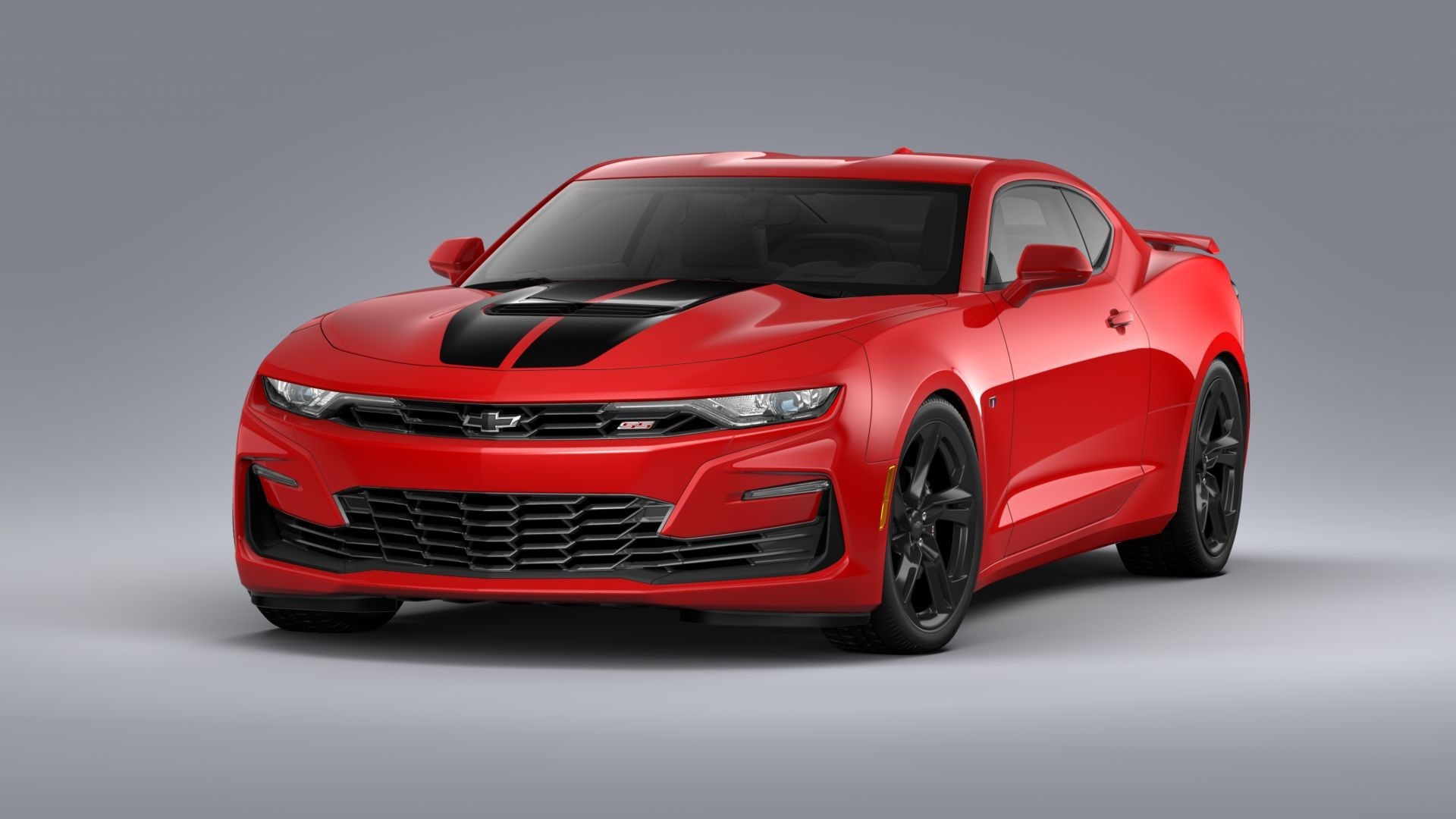
Few cars illustrate a sharp sales collapse more clearly than the Chevrolet Camaro. According to GoodCarBadCar’s annual US sales tables, the sports coupe recorded just 174 sales in 2025, compared with 5,860 in 2024. That represents a 97.0 percent decline, the steepest among the six vehicles examined here.
The numbers make more sense when production history enters the picture. Chevrolet ended sixth-generation Camaro production at Lansing Grand River Assembly in January 2024.
The model had recorded 31,029 US sales in 2023, giving it a much stronger position before the final production period began.
By 2025, the Camaro was no longer being produced for new-car buyers, leaving dealerships with whatever remaining vehicles were available.
Its tiny sales total therefore reflects the dwindling supply of new cars rather than a conventional year of competition between active models.
The Camaro carried a recognizable name associated with American performance cars, powerful engines, and an accessible entry into the muscle-car category. Its departure also left Chevrolet without a direct replacement in the same traditional coupe format.
For shoppers who wanted a new Camaro, the choices became increasingly limited as inventory disappeared. Used examples remained an option, but they could not contribute to new-vehicle sales figures.
A 97 percent decline sounds extraordinary, yet the circumstances explain the result. The Camaro’s 2025 total marked the final remnants of a discontinued model, not a normal sales year for a car still rolling off the assembly line.
2. Ford Edge
95.4% Decline
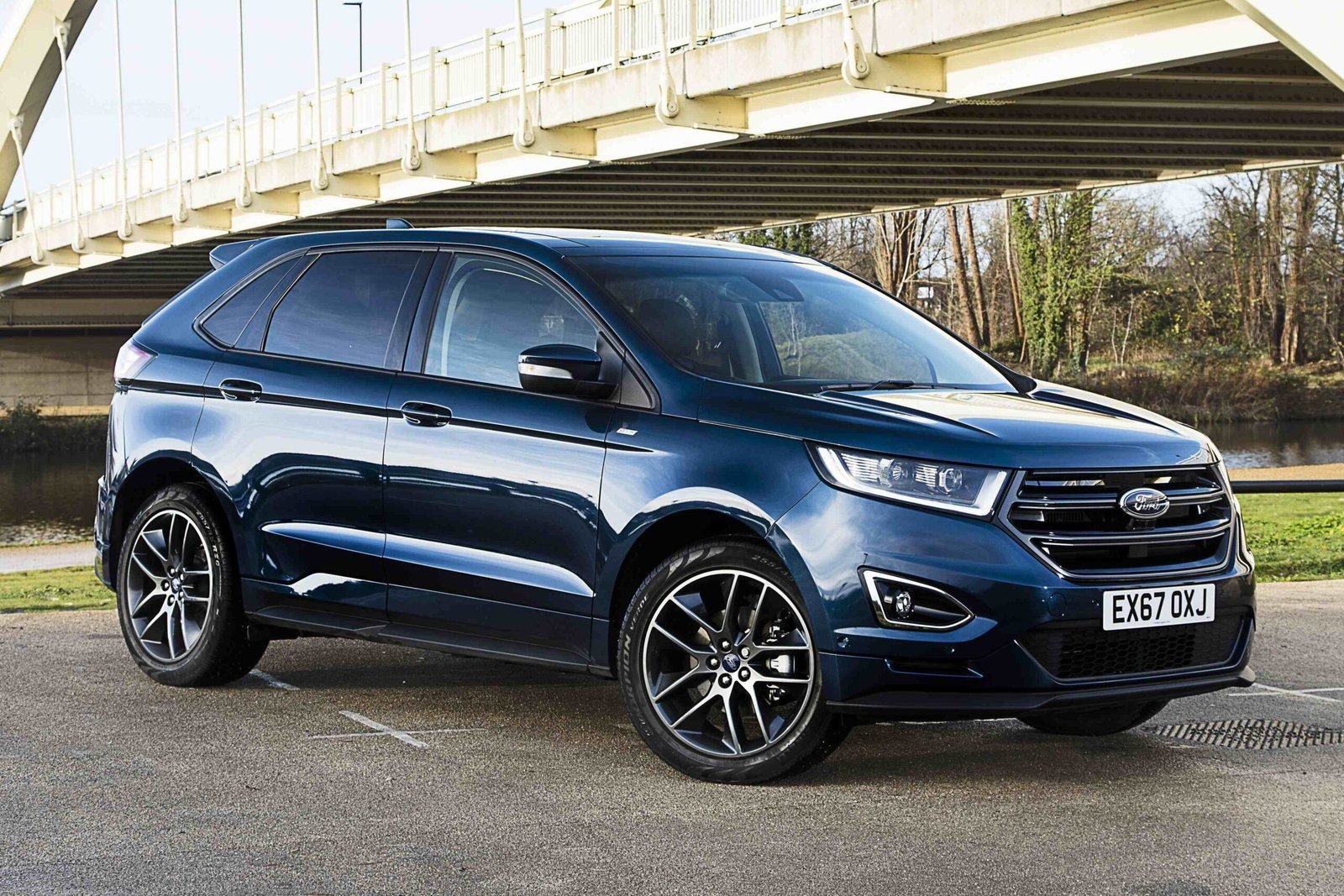
Next up is a crossover that people actually bought. The Ford Edge dropped from 66,436 sales in 2024 to just 3,040 in 2025, a decline of 95.4 percent. That is a loss of 63,396 units in twelve months.
The explanation sits at the factory. The Oakville plant was retooled for electric Explorer and Aviator production, which means the Edge lost its home. When a factory changes jobs, the car it used to build has nowhere to come from, and sales dry up fast.
Here is a useful way to think about the size of this fall. Edge sales in 2024 were more than double the Camaro’s 2023 total. So this was never a niche car. It was a mainstream family vehicle with a real customer base, which makes the 3,040 figure feel almost surreal.
If you own one, there is no need to panic. Plenty of cars outlive the production run that created them, and parts and service rarely vanish the day the line stops.
Still, shoppers considering a used Edge should expect the market to treat it as a model that is no longer being built.
Percentages grab headlines, but 63,396 lost units leave a big hole, and the Oakville retool for electric Explorer and Aviator models points to where Ford wanted that factory time to go.
3. Dodge Challenger
93.3% Decline
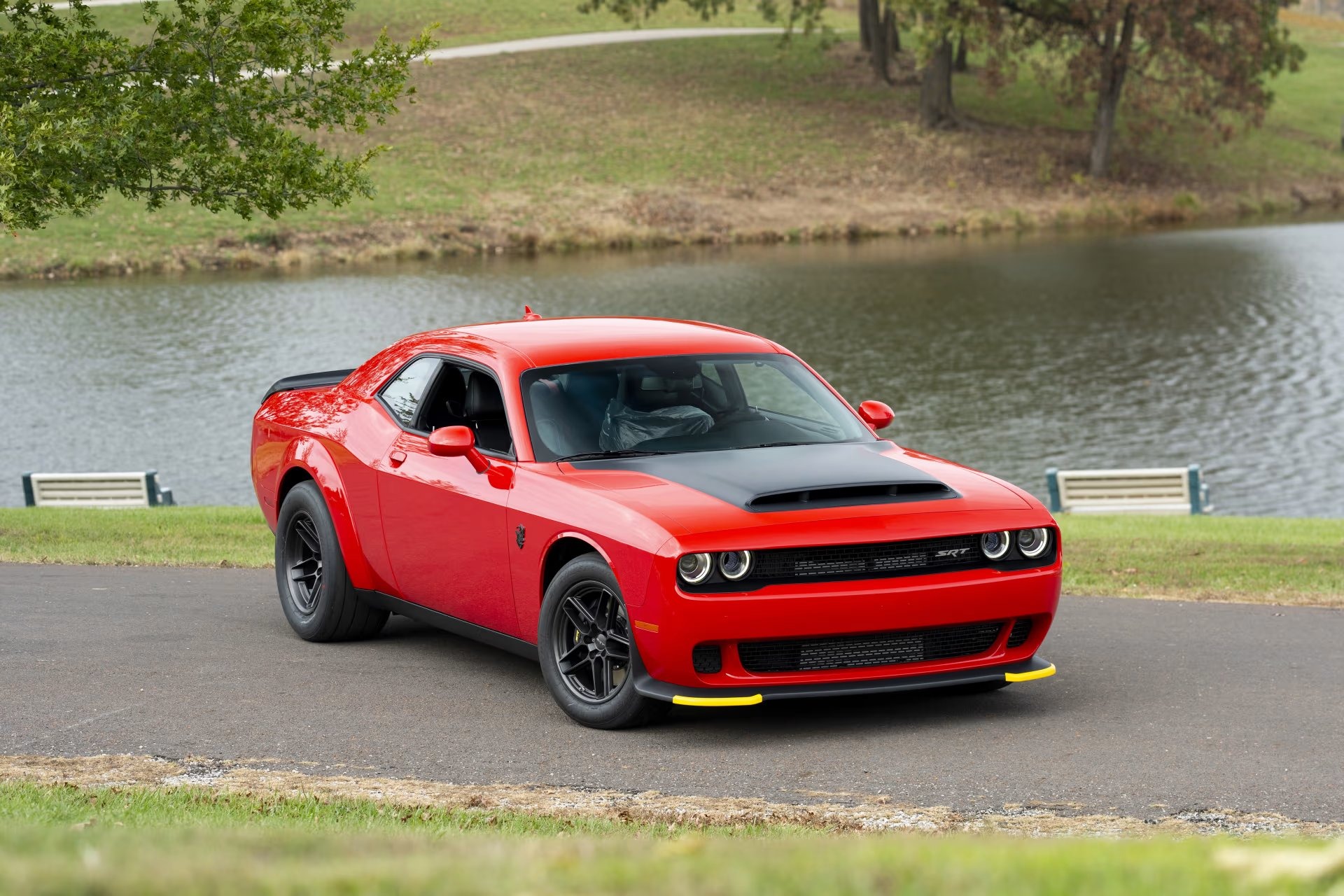
The Dodge Challenger went from 27,054 US sales in 2024 to only 1,800 in 2025, a decline of 93.3 percent. Its place among the sharpest sales drops reflects the end of an era for a large, traditional American muscle car.
The Challenger built its appeal around a distinctive combination of retro-inspired styling, substantial engine choices, and straight-line performance.
Buyers could select more modest versions or pursue increasingly powerful models, with the range eventually reaching extraordinary levels of output.
One vehicle made a memorable mark during the brand’s final production chapter, a black Dodge Challenger SRT Demon 170 powered by a 1,025-horsepower engine. The last V8-powered car rolled off the line at the Brampton Assembly Plant during the week of December 22, 2023.
That machine represented the extreme end of the Challenger’s performance story. Its output demonstrated how far the model had moved beyond the basic idea of an affordable coupe with a powerful engine.
The Challenger’s production ending meant its later sales depended on the remaining supply of new vehicles. By 2025, the shrinking inventory had left dealerships with very few examples to sell.
A drop from more than 27,000 units to 1,800 may suggest that shoppers abruptly abandoned the car, but the production timeline provides a more useful explanation. The vehicle was no longer being built to maintain regular showroom stock.
For buyers who wanted a Challenger, the end of production made the remaining new examples more difficult to find. Used vehicles offered another route, though condition, mileage, engine choice, and asking price could vary widely.
Its 93.3 percent decline captures the final stage of a model that had become closely associated with the modern American muscle car.
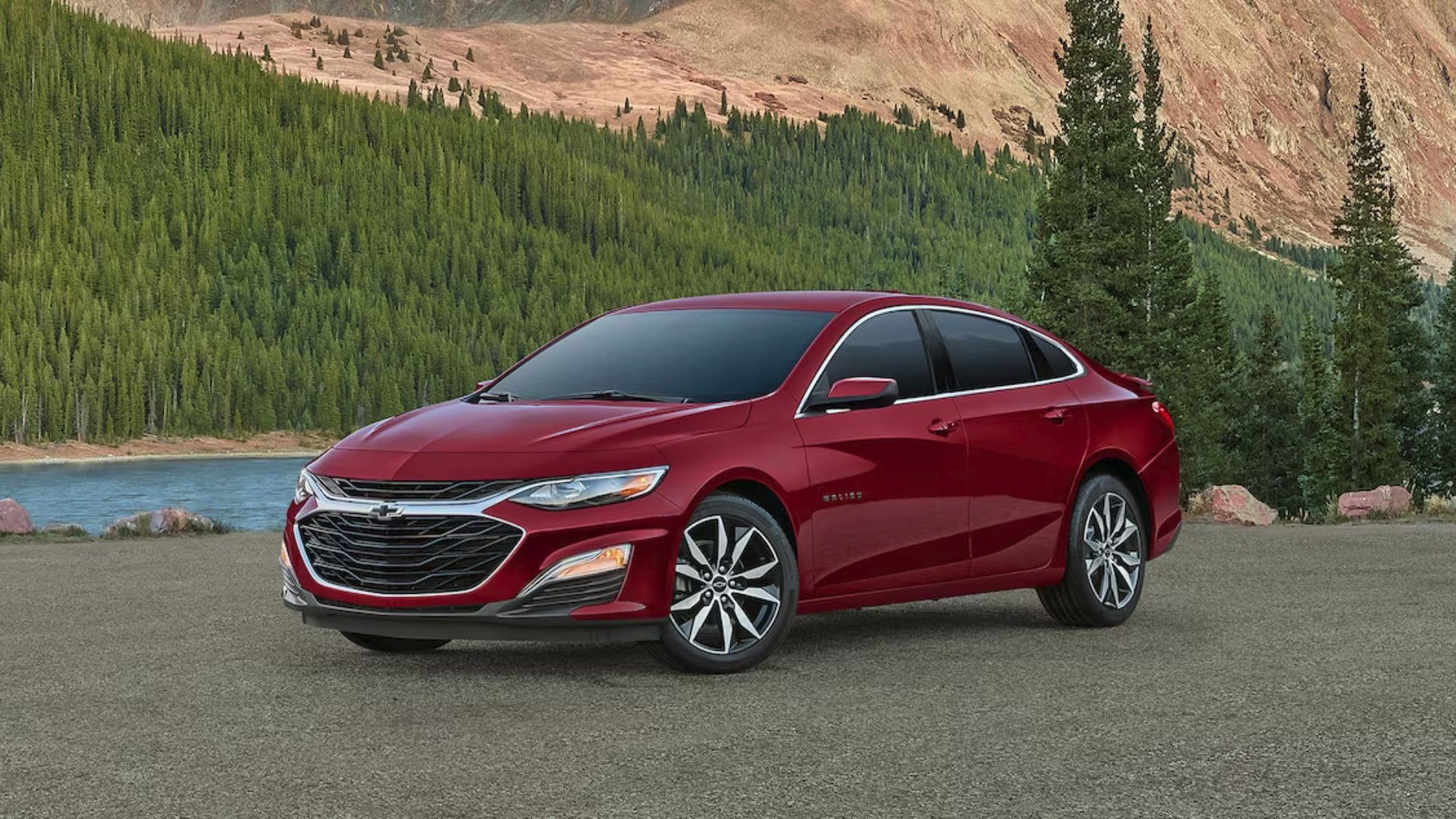
4. Chevrolet Malibu
91.5% Decline
Here is the biggest raw loss on the list. The Chevrolet Malibu sold 117,319 cars in 2024 and just 10,025 in 2025, a fall of 91.5 percent. Subtract one from the other and you get 107,294 sales gone.
Production ended at the Fairfax plant in November 2024. The end of the line came quietly for a name that had been on Chevrolet showroom floors for decades.
That left Chevrolet with only the cars already built and shipped, and buyers still drove 10,025 of them home in 2025.
Picture a longtime Malibu buyer walking into a dealership in 2025. The familiar midsize sedan is nearly gone from the lot, so that shopper looks at something else. Multiply that single decision by a hundred thousand and you have the sales drop.
Compare it with the Camaro and the Edge. The Malibu’s percentage fall is smaller, yet its raw loss is bigger than both. Percentages show how complete a collapse is, while raw numbers show how many customers walked away.
Of course, a sedan that sold more than 117,000 copies in a single year does not disappear from the road. Plenty of Malibus remain in driveways, and used-car shoppers will keep seeing them for years.
Only the new-car showroom has gone quiet. Even after a 91.5 percent drop, 10,025 buyers still signed on the dotted line.
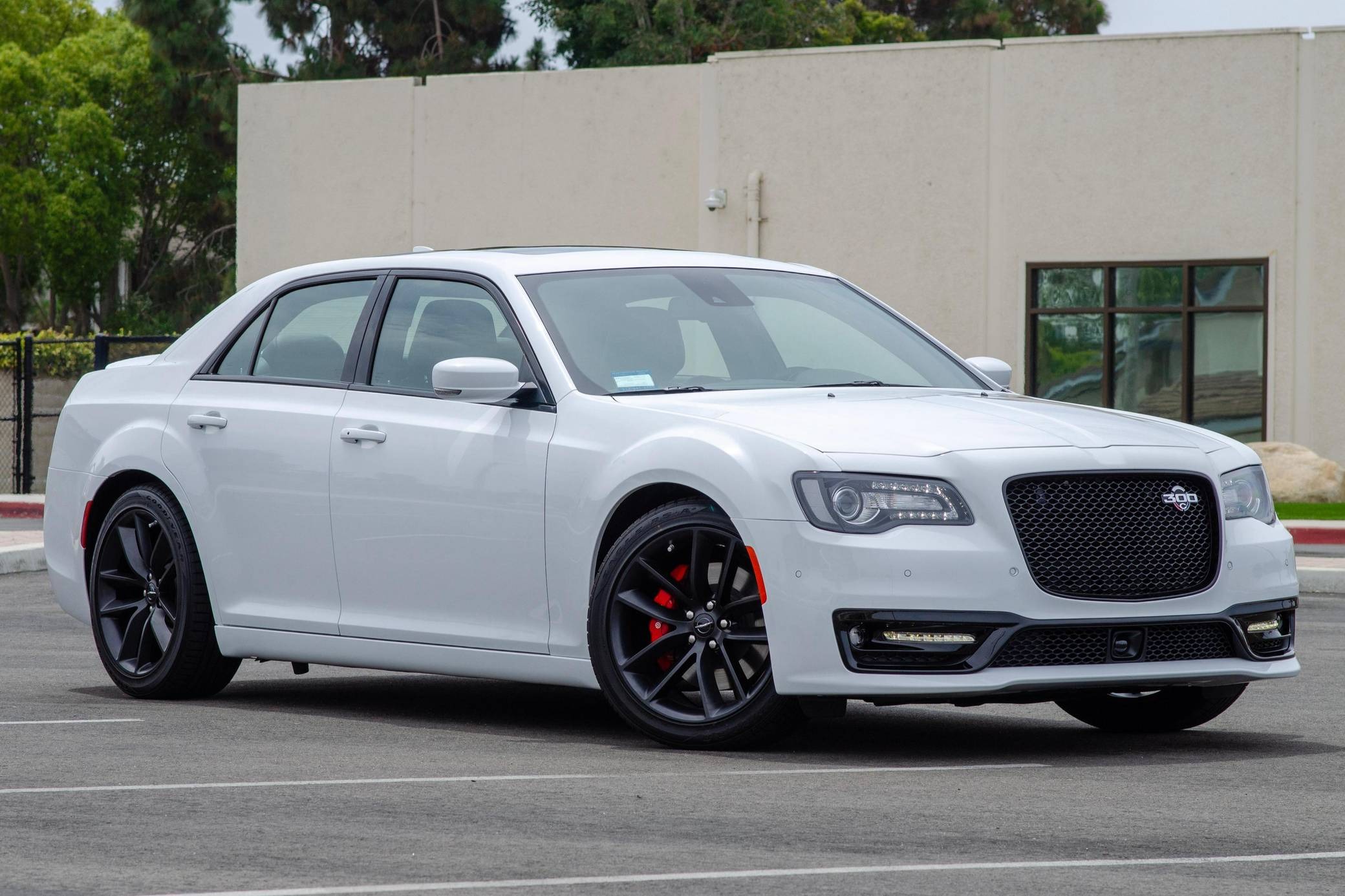
5. Chrysler 300
89.2% Decline
The Chrysler 300 always carried itself like a car that cost more than it did. In 2024, it sold 5,297 units. In 2025, that number was 574, a decline of 89.2 percent.
Run the math and the picture gets clearer. The loss comes to 4,723 cars, the smallest raw drop on the list.
Sales were already low, leaving less room for a major decline in volume, yet the drop still exceeded 89 percent. It is like watching a small pond dry up. It may never have held much water, but the loss is still striking.
I will be straight with you here. The sales tables show the drop, but they do not explain it. Without a documented plant closing or last build date in the data, it is better to describe the numbers than to invent a story around them.
What can you take from it? A low-volume sedan with a big name can slide quickly when its support falls away. Shoppers who still want one should look at condition and service history first, since a rare car is only valuable when it has been looked after.
Set it beside the Camaro and the sizes look alike. Both were low-volume cars to begin with, with 5,297 and 5,860 sales in 2024. The Camaro lost 97.0 percent, though, while the 300 lost a smaller 89.2 percent.
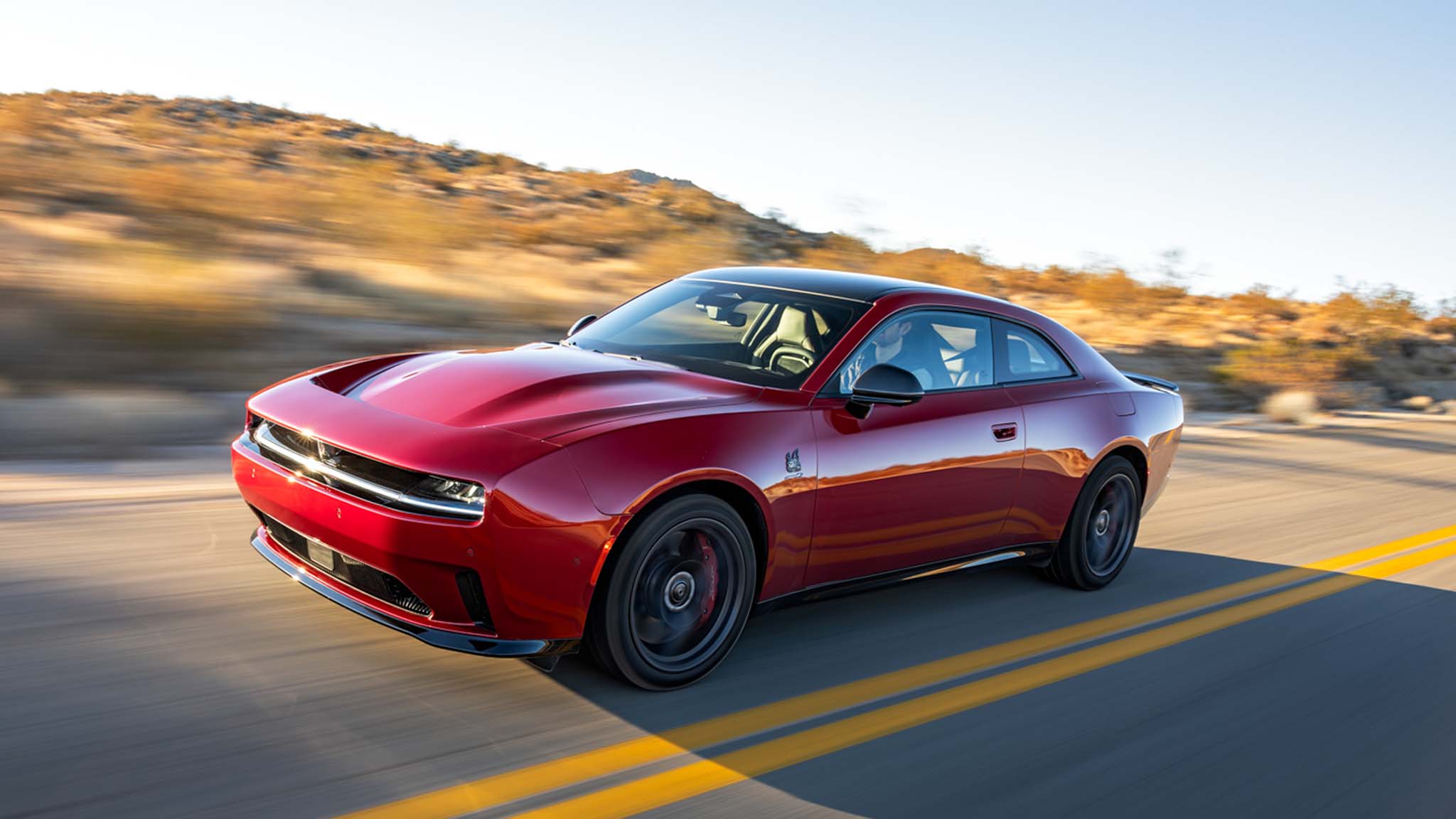
6. Dodge Charger
85.1% Decline
We finish with the mildest fall, and it still cuts deep. The Dodge Charger went from 34,756 sales in 2024 to 5,165 in 2025, a decline of 85.1 percent.
That works out to 29,591 fewer cars in a year. Only the Malibu and the Edge lost more units, which puts the Charger third on the raw-loss chart even though it sits last in the percentage ranking.
Does 85.1 percent sound mild? Try it in plain terms. For roughly every seven Chargers sold in 2024, only one sale showed up in 2025. Imagine seven friends who all planned to buy a Charger, and six of them changing their minds.
Put all six side by side, and a pattern appears. Cars that lose their factory, their last build, or their place in the lineup fall off the sales table in a hurry. Shoppers adapt fast, and buyers who loved these names have already moved on to something else.
So the next time you hear that a car is fading, check the numbers and the factory news before you believe the rumors.
Sales tables rarely lie, but they never explain themselves, and a little context makes all the difference. Thanks for reading, and may your next car stay in production long enough to get a proper tune-up.