
Ask ten people which car brand lasts the longest, and you will get ten confident answers. Some will swear by a badge their dad drove. Others will point to price, assuming a pricey car must be a tough one. So what does the data say? A 2026 study from iSeeCars looked at how many vehicles from each brand actually reach 300,000 miles, and the results are surprising. Only five brands beat the market average of 5.4 percent.
Some luxury names landed at the very bottom. Here is a ranking of twelve brands, from the champion down to the lowest share on our list. Whether you are shopping for a used car or hoping your current one lasts, this ranking might change what you look for. Are you ready to see where your brand lands? Let’s go!
1. Toyota
Share of vehicles reaching 300,000 miles: 19.7%
Toyota takes first place with an impressive 19.7% of its vehicles reaching 300,000 miles, according to the 2026 iSeeCars study. Put simply, nearly one in five Toyota vehicles reaches a mileage figure that many drivers never see on their odometers.
This is an impressive achievement for a brand recognized for practical cars, reliable family vehicles, and long-lasting performance. Toyota does more than outperform its rivals in this ranking, securing a clear lead over every other brand.
What makes this result especially interesting is its practical meaning for everyday motorists. A vehicle that lasts for hundreds of thousands of miles can help its owner postpone the expense of buying another car.
Models such as the Toyota Camry, Corolla, Highlander, and 4Runner have long attracted buyers looking for vehicles suitable for extended ownership. Still, a brand-level percentage does not guarantee that every Toyota will reach 300,000 miles.
Driving habits, maintenance schedules, road conditions, and repair costs all play a part. A neglected Toyota can wear out early, just as a carefully maintained vehicle from another manufacturer can last for decades.
Even with those qualifications, Toyota’s 19.7% result makes it the clear leader in this study and a compelling choice for buyers who place long-term use near the top of their shopping priorities.
2. Lexus
Share of vehicles reaching 300,000 miles: 14.4%
Luxury and longevity do not always travel together, yet Lexus makes a persuasive case for combining the two. With 14.4% of its vehicles reaching 300,000 miles, Toyota’s luxury division earns second place and records the strongest result among premium brands in this 12-brand ranking.
The figure means that a substantial portion of Lexus vehicles reaches mileage levels that demand years of consistent driving and careful upkeep. For shoppers who want comfort without treating their car as a short-term purchase, that performance deserves attention.
Lexus benefits from its relationship with Toyota, sharing engineering experience and, in some cases, mechanical foundations with its mainstream counterpart.
Its vehicles are designed to deliver a refined driving experience, but the durability figures suggest that long service life can remain part of the package.
Models such as the ES sedan, RX crossover, and GX SUV appeal to different buyers, from daily commuters to families seeking a spacious vehicle. Their individual results may differ, so the brand percentage should not be mistaken for a model-by-model guarantee.
Luxury ownership can also bring higher expenses for replacement parts, specialized repairs, and certain maintenance procedures.
Buyers should weigh those costs against their plans for keeping a vehicle. Even so, Lexus demonstrates that premium appointments do not automatically prevent a car from accumulating exceptionally high mileage.
Its second-place result places it well ahead of most other luxury manufacturers.
3. Honda
Share of vehicles reaching 300,000 miles: 13.3%
Honda lands in third with 13.3 percent, just 1.1 points behind Lexus. If you were rooting for the everyday hero, this is your moment. A podium finish is no small thing among twelve brands.
Think about what that number says. Roughly 13 of every 100 Hondas, about one in 7.5, make it to 300,000 miles. The market figure is 5.4 percent, so Honda is 7.9 points ahead, or about 2.5 times the average.
Here is a fun comparison. Honda’s share is more than double the market average and nearly four times Nissan’s 3.4 percent. Same roads, same potholes, very different results. It is a reminder that a brand’s reputation and its numbers can line up nicely.
Honda’s number deserves respect because it covers a wide range of vehicles, from small cars to family SUVs. A brand-wide share like this may point to durability that reaches beyond a single lucky model.
If you currently own a Honda, consider this a friendly reminder to stay on top of oil changes, fluid replacements, and routine maintenance. Many of those cars that reach 300,000 miles likely owe their longevity to owners who consistently took care of them. Simple maintenance habits may not seem exciting, but they can make a big difference in how long your car lasts.
4. Acura
Share of vehicles reaching 300,000 miles: 9.5%
Acura claims fourth place, with 9.5% of its vehicles reaching 300,000 miles. Although its share falls below those recorded by Toyota, Lexus, and Honda, Acura still clears the market figure by a healthy margin.
That matters because Acura occupies the premium end of Honda’s vehicle lineup, offering buyers a combination of comfort, performance, technology, and everyday usability.
Its result suggests that a more upscale driving experience can coexist with the possibility of very long service life.
Consider the needs of someone shopping for a used luxury SUV or sedan. The Acura MDX offers three-row practicality, while the RDX caters to buyers seeking a smaller crossover.
The TLX sedan provides a different route for drivers who prefer a traditional four-door car. Each model has its own maintenance requirements, repair history, and ownership costs, making a careful inspection essential before purchase.
Acura’s brand percentage cannot tell a buyer exactly how a particular vehicle will perform, but it supplies a useful starting point when comparing manufacturers.
The brand’s 9.5% share becomes even more impressive when compared with the market average of 5.4%, putting it 4.1 percentage points ahead. This gap is significant in a study that examines vehicles capable of reaching exceptionally high mileage.
Buyers should still budget for premium tires, recommended fluids, and any specialized servicing their chosen model requires.
Acura’s fourth-place finish makes it a credible candidate for motorists seeking a luxury vehicle they hope to keep for many years rather than replace after a short ownership period.
5. GMC
Share of vehicles reaching 300,000 miles: 5.8%
Here comes a surprise. GMC takes fifth place with 5.8 percent, and it is the fifth and final brand to beat the market average of 5.4 percent.
The margin is thin, just 0.4 points. After Acura, the lead over the average shrinks from 4.1 points to this sliver, which tells you how quickly the field gets crowded. Beating the average by a hair still counts, and it still puts GMC ahead of Mazda, Lincoln, Ram, Ford, Cadillac, Chevrolet, and Nissan.
Check out the family angle. GMC and Chevrolet are sister brands from the same company, yet GMC lands 2.2 points above Chevrolet’s 3.6 percent. Close relatives, different outcomes.
Translate 5.8 percent into plain English, and you get about one in seventeen. Not a big club, but a bigger one than most of the brands behind it.
Think of the top five as the honor roll. Toyota, Lexus, Honda, Acura, and GMC are the only brands that finished ahead of the market average. Everyone else, including some very famous names, finished behind it.
For shoppers, GMC proves you do not need an import badge to find solid longevity odds. Just remember that the margin is small, so condition and maintenance records should carry more weight than the brand name.
6. Mazda
Share of vehicles reaching 300,000 miles: 5.3%
Mazda lands in sixth place with a 5.3% share, missing the 5.4% market average by just one-tenth of a percentage point. That tiny gap makes this ranking a useful reminder that the difference between two positions on a list does not always represent a dramatic difference in real-life ownership prospects.
Mazda sits just below the benchmark, yet its result is far from the lowest among the 12 brands featured here. The automaker has built its appeal around vehicles that balance everyday practicality with an engaging driving experience.
The Mazda3 appeals to compact-car shoppers, while the CX-5 and CX-50 serve buyers who prefer crossovers. The CX-90 offers a larger option for households needing additional passenger space.
These models differ in size, powertrain, and equipment, so anyone hoping to reach 300,000 miles should research the specific vehicle rather than relying on the badge alone. Maintenance history becomes especially important as mileage rises.
Worn suspension parts, fluid leaks, neglected cooling systems, and rust can turn an otherwise appealing used car into an expensive project. Buyers should also consider whether replacement parts and qualified repair services are readily available in their area.
Mazda’s 5.3% result does not place it among the five brands that outperform the study’s market average, but it comes remarkably close.
For shoppers, that is a reason to compare individual models, ownership records, and expected repair expenses instead of rejecting the brand based on a narrow numerical difference.
7. Lincoln
Share of vehicles reaching 300,000 miles: 4.7%
Welcome to the middle of the pack. Lincoln comes in seventh with 4.7 percent, which is 0.7 points under the market average. Five brands on this list rank below it, and six rank above it.
Here is where the luxury story gets mixed. Lincoln is Ford’s upscale brand, and it beats Ford’s 4.1 percent by 0.6 points. That makes it one of only two cases on this list where a luxury brand edges out its mainstream sibling.
Still, 4.7 percent means about one in twenty-one Lincolns reaches the milestone. If you own one, that is a good reason to treat maintenance as a priority, not an afterthought.
A comfortable ride, a quiet cabin, and a respectable-looking odometer are all nice. But odometers only look respectable when the car keeps running, and that is the part Lincoln owners should watch.
The distance from Lincoln down to Nissan is only 1.3 points, so the entire bottom half of this list lives in a narrow band.
Buying used? A well-kept Lincoln can be a pleasant surprise, but check for records and avoid assumptions. A big price tag when new says nothing about the odds of reaching 300,000 miles, as the bottom of this list shows.
8. Ram
Share of vehicles reaching 300,000 miles: 4.2%
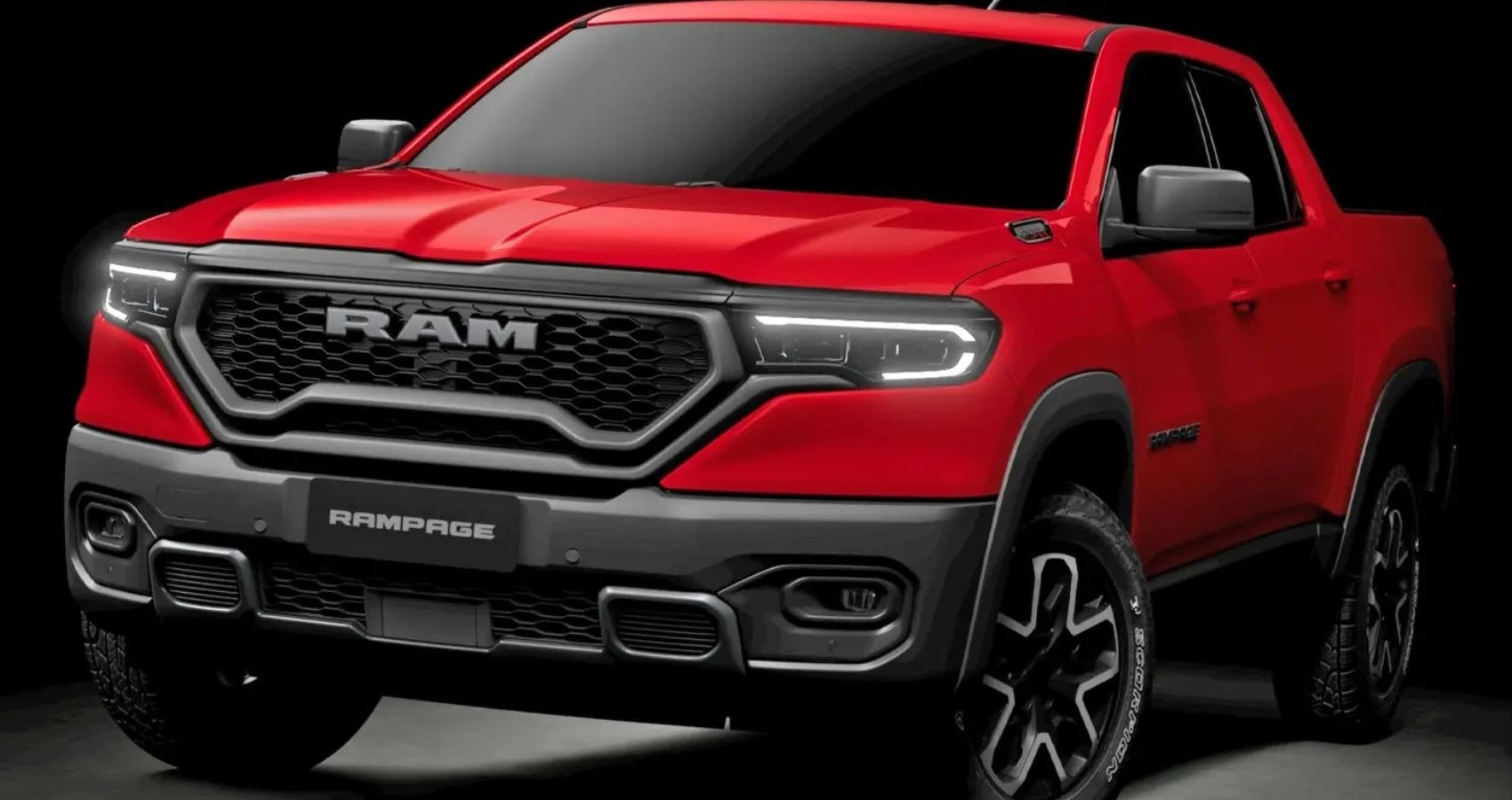
Ram takes eighth place, with 4.2% of its vehicles reaching 300,000 miles. Pickups often have a very different life from ordinary passenger cars, and that makes this result worth considering carefully.
While some trucks spend most of their lives cruising highways with lighter loads, others face the constant challenges of construction work, farm duties, heavy towing, and demanding commercial operations.
Two vehicles of the same age can therefore accumulate very different levels of mechanical wear, even when their odometers display similar numbers.
Ram’s pickup lineup attracts people who need hauling capability, towing strength, or a vehicle suited to both work and personal use. Such versatility can make a truck valuable for many years, but the way it has been used matters enormously.
Heavy towing places added demands on the powertrain, while rough roads can wear suspension and steering components. Regular fluid changes, attention to cooling performance, and timely repairs can help reduce avoidable damage.
Used-truck shoppers should check for evidence of excessive loads, modifications, accident repairs, and neglected servicing.
They should also inspect the underbody for corrosion and pay close attention to transmission behavior during a test drive. Ram’s 4.2% share falls below the 5.4% market benchmark, so the brand does not qualify among the five above-average performers in this study.
Still, the figure does not establish that every Ram is short-lived. A well-maintained example with a documented history may remain useful for a long time, particularly when its previous owner has treated it according to its intended working demands.
9. Ford
Share of vehicles reaching 300,000 miles: 4.1%
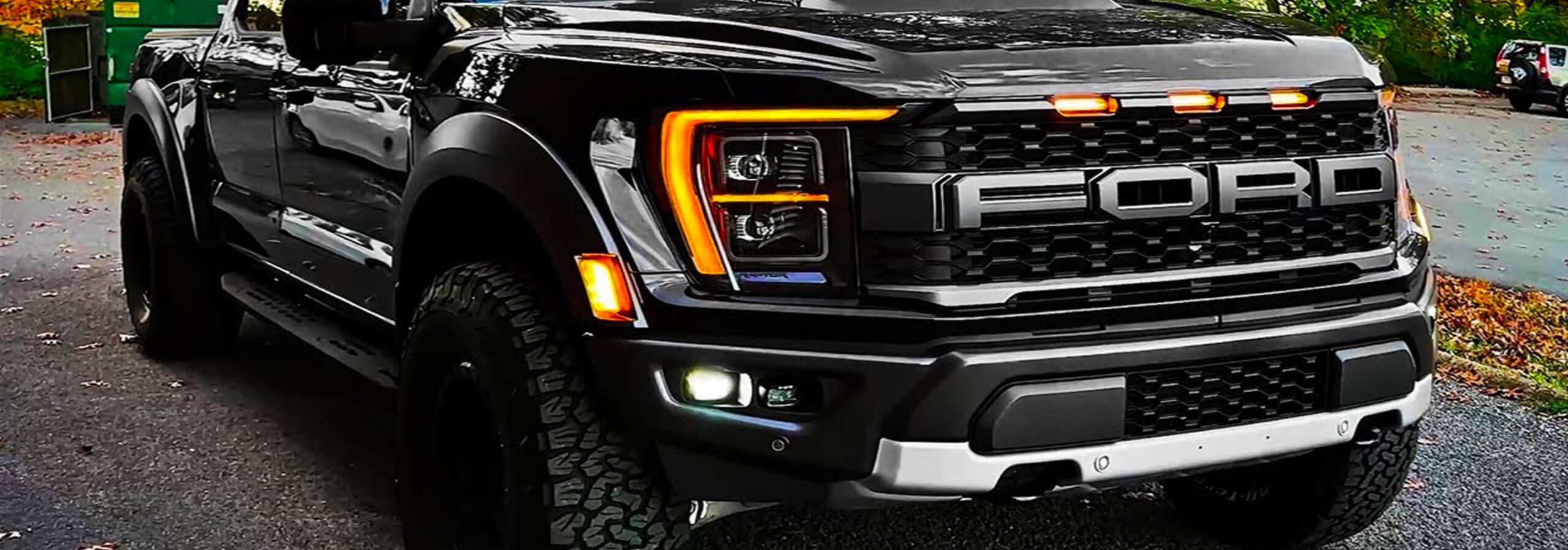
Ford follows closely behind Ram, with 4.1% of its vehicles reaching 300,000 miles. The difference between the two brands is only one-tenth of a percentage point, making their positions nearly identical in this part of the ranking.
Ford’s result also sits below the 5.4% market average, a detail that should encourage buyers to look beyond the popularity of its vehicles and examine the specific models they are considering.
Few automakers cover such a broad range of everyday transportation needs. Ford sells vehicles for commuting, family travel, outdoor recreation, and commercial work, with its F-Series pickups occupying an important place in the truck market.
The Escape and Explorer address different crossover and SUV needs, while the Mustang appeals to drivers seeking a sportier experience.
These vehicles have different engineering and operating demands, so one brand-wide figure cannot fairly describe the long-term prospects of every model.
A pickup that spends much of its life on highways may age differently from an SUV used for repeated short journeys or a performance car driven aggressively.
Before buying a high-mileage Ford, request maintenance records, review the vehicle’s history, and have its engine, transmission, suspension, and electrical systems inspected. Buyers should also compare expected fuel and repair costs with their intended annual mileage.
Ford’s 4.1% result does not place it among the strongest performers in the study, but individual vehicles may still offer years of useful service. Careful selection and consistent maintenance remain more informative than a brand name alone when judging a particular used car.
10. Cadillac
Share of vehicles reaching 300,000 miles: 3.9%
Cadillac takes tenth place at 3.9 percent, which puts it 1.5 points under the market average.
The idea that luxury vehicles are built to last longer becomes less convincing when looking at these figures. Despite its prestigious reputation, Cadillac falls 15.8 percentage points behind Toyota’s more affordable mainstream brand.
Does a higher price buy a longer life? These numbers say not necessarily. A fancy interior and a famous name do not automatically turn into 300,000 miles.
Cadillac does edge out its sibling Chevrolet by 0.3 points, which echoes the Lincoln and Ford pattern. A tiny win for the premium badge, and not much more.
Picture two buyers at the same used lot. One falls for a shiny luxury sedan because of the name on the grille. The other picks a plain-looking car with a thick folder of receipts.
The study cannot tell you which of them wins, but the brand numbers suggest the badge alone is a weak reason to choose.
About one in twenty-six Cadillacs makes it to the finish line. If you are eyeing a used one, put the condition of the car above the prestige of the badge, and let the paperwork speak first.
11. Chevrolet
Share of vehicles reaching 300,000 miles: 3.6%
Chevrolet records a 3.6% share, placing it eleventh among the 12 brands in this ranking. It is a familiar name across the passenger-car, SUV, and pickup markets, with vehicles serving households, commuters, recreational drivers, and businesses.
Yet familiarity and broad market appeal do not automatically translate into a high share of vehicles reaching 300,000 miles. Chevrolet’s result falls 1.8 percentage points below the study’s 5.4% market average.
The brand offers a wide selection of vehicles, from compact models to large SUVs and work-oriented pickups. That variety makes it difficult to draw a single conclusion about the durability of every Chevrolet.
A vehicle used mainly for steady highway commuting faces different demands from one that regularly tows a heavy trailer or spends its days on rough work sites.
Maintenance practices also make a difference. Drivers who follow service intervals, address fluid leaks promptly, replace worn components, and investigate unusual noises may avoid damage that shortens a vehicle’s useful life.
For used-car buyers, records of previous repairs can be just as revealing as the odometer reading. A mechanic should assess the powertrain, suspension, brakes, cooling system, and underbody before a purchase, especially if the vehicle has already covered substantial mileage.
Chevrolet’s 3.6% figure places it near the bottom of this particular list, but it should not be treated as a verdict on every model. Some individual vehicles can remain dependable for years beyond the mileage at which others become uneconomical to repair. Choosing matters carefully.
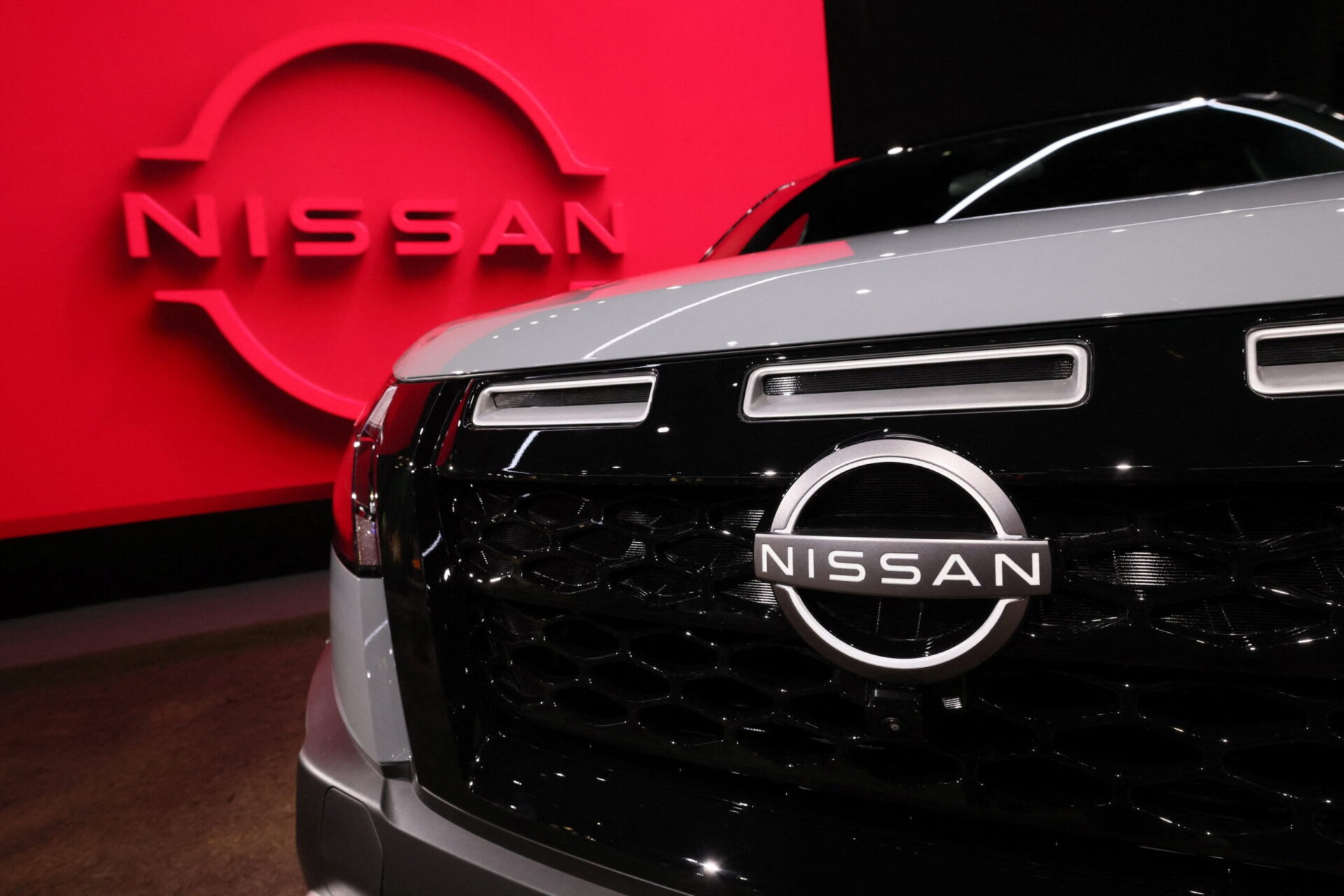
12. Nissan
Share of vehicles reaching 300,000 miles: 3.4%
Nissan closes out the twelve at 3.4 percent, which is 2.0 points below the market average.
Compare the two ends. Toyota sits at 19.7 percent and Nissan at 3.4 percent, a gap of 16.3 points. Toyota’s share is about 5.8 times as large.
That sounds harsh, but context helps. Nissan is last among the twelve brands on this list, not last in the study. Jaguar, Mini, and Maserati each recorded 0.0 percent, and BMW, Audi, Porsche, and Buick all sit at or below 0.5 percent.
Put differently, Nissan’s 3.4 percent is at least six and a half times the 0.5 percent ceiling that applies to BMW, Audi, Porsche, and Buick. Last place on this list would be a first-place finish at the bottom of the study.
So if you are choosing among Nissan, Chevrolet, and Ford, the choice is tight, with only 0.7 points separating all three. If your goal is a very long-lived car, though, the top of the list deserves your first look.
One last thing before the finish line. A low share is not a death sentence for any single car. It simply tells you how the odds look across the whole brand, and odds can be beaten by good care.
One important takeaway is that a luxury badge does not necessarily translate into a longer-lasting vehicle. While Lexus and Acura show strong results, Cadillac, Lincoln, and several other premium brands record lower shares, suggesting that long-term durability depends on more than just a vehicle’s price or prestige.
Buyers should therefore compare real durability evidence, maintenance expenses, and individual model histories instead of assuming that a higher purchase price means a longer-lasting vehicle.
Reaching 300,000 miles is an ambitious goal, not a promise any manufacturer can make for every car. Routine maintenance, driving conditions, repair decisions, and the quality of a used vehicle’s previous care all influence its prospects.
Use these rankings to narrow your choices, then investigate the specific vehicles that fit your budget and needs. The smartest purchase is one that offers the right combination of durability, affordability, comfort, and dependable service for the miles ahead.
