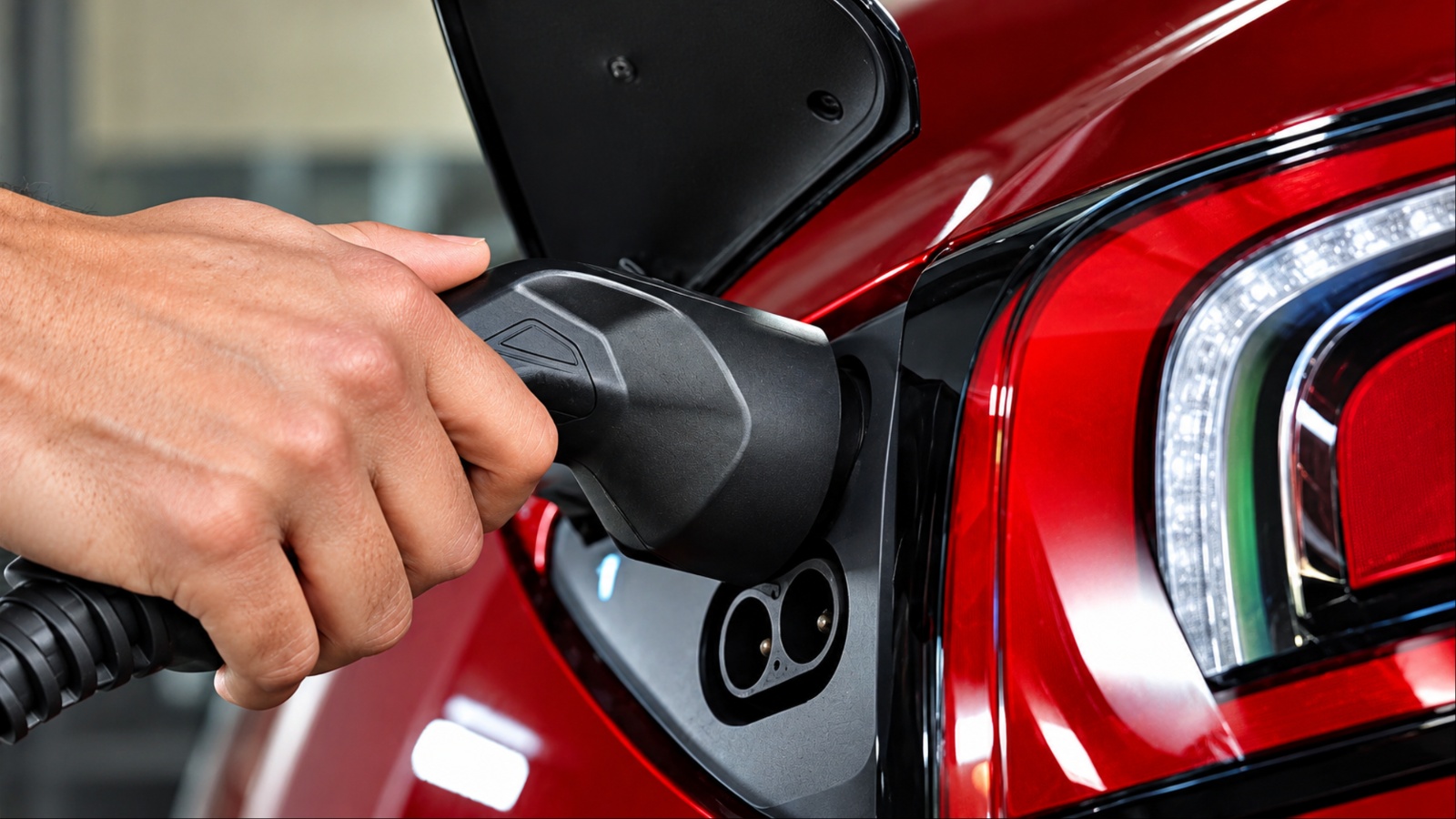
Electric vehicles can save drivers money on fuel and routine maintenance, but their resale prices tell a less encouraging story. A recent five-year depreciation study found that EVs lose an average of 57.2% of their original value, making them the worst-performing vehicle segment in the comparison. Even more striking, electric cars showed only a small improvement in depreciation compared with the previous study period.
For buyers, falling used EV prices raise important questions about what is driving the decline and whether purchasing one is a wise financial move. The answer depends on several factors, including battery health, new-car prices, technological advances, and consumer confidence.
Understanding these factors can help shoppers determine whether an electric vehicle fits their budget, whether they are considering a new model, a used EV, or selling a vehicle they already own.
What the 57.2 Percent Figure Really Means
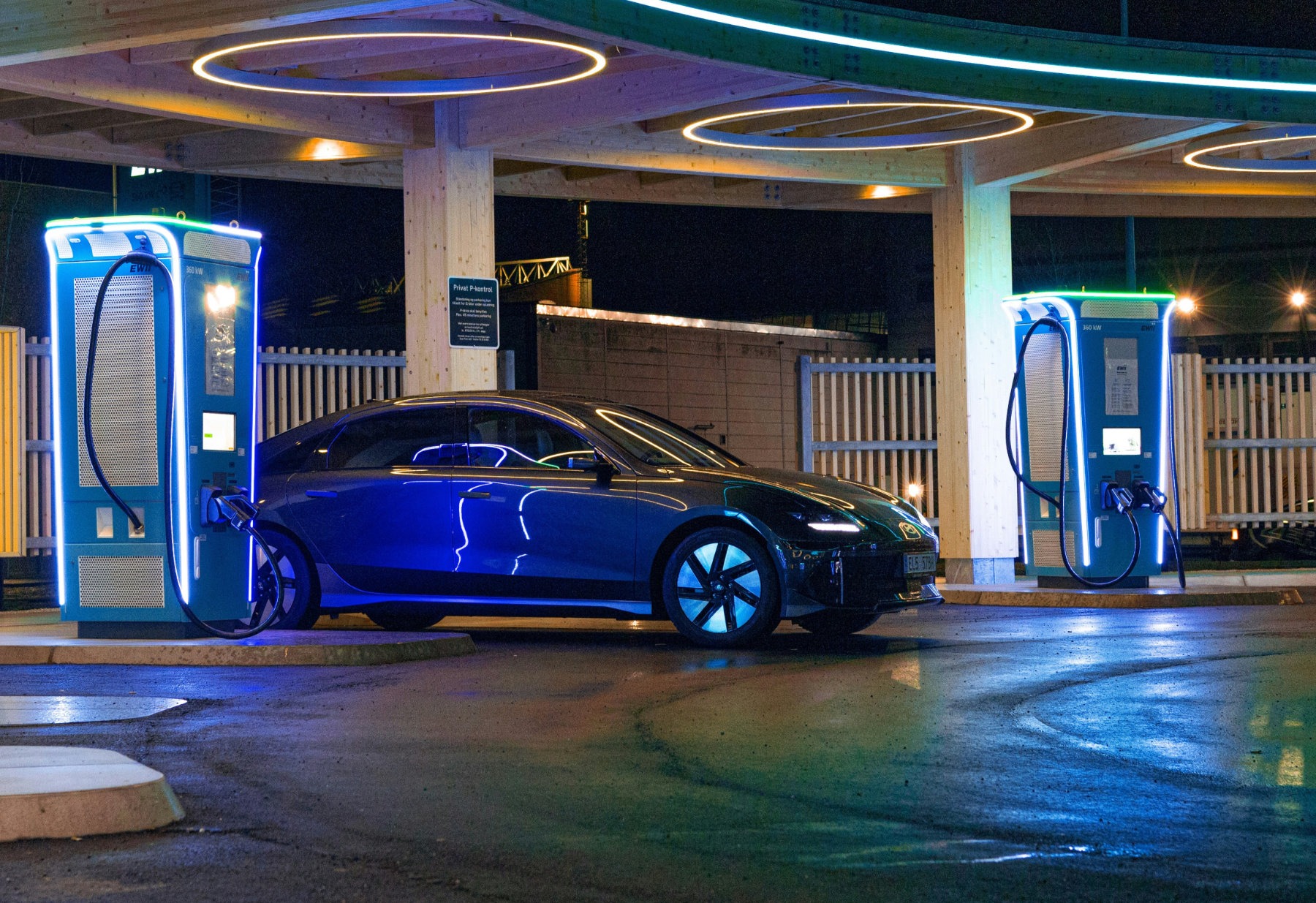
Let’s start with what the number says. The iSeeCars value-retention study, published in March 2026, tracked prices from March 2025 to February 2026. It found that a five-year-old electric vehicle sells for about 42.8% of its original price, so 57.2% disappeared.
The same study put the market average at 41.8%, which means EVs fall roughly 15 percentage points faster than the typical vehicle.
Fifteen points sounds abstract, so picture a $45,000 purchase. Those extra points equal thousands of dollars gone before the fifth birthday.
Depreciation is usually the highest cost of owning any car, bigger than fuel, insurance, or servicing, which explains why this figure draws so much attention.
Here is the frustrating part. The wider market has improved. All-vehicle five-year depreciation dropped to 41.8%, down from roughly 45% a year earlier, as the pandemic-era spike in used prices continued to unwind.
Even with that relief across the board, EVs remain at the bottom of the major segments. That gap, more than the raw number, is what makes the 57.2% figure worth studying.
Why Electric Cars Lose Value So Quickly
Picture two vehicles purchased in the same year. One runs on gasoline, while the other uses a battery and electric motors.
Five years later, buyers may view the electric model as less desirable if newer versions offer longer driving ranges, faster charging, or better software.
That is one reason EV resale prices can fall quickly. Battery technology continues to develop, and improvements in newer models can make older vehicles feel dated sooner than expected.
A car that offered an impressive range when new may face tougher competition from newer, more capable alternatives.
New-car pricing also matters. When manufacturers reduce prices or introduce attractive incentives, used EV sellers may need to lower their asking prices to remain competitive.
A shopper comparing a discounted new vehicle with a three-year-old model may choose the new car if the price difference is small.
Then there is uncertainty. Buyers may worry about battery degradation, replacement expenses, warranty coverage, and the availability of charging stations.
These concerns can reduce demand, particularly when shoppers cannot easily verify the battery’s condition. The International Energy Agency identifies rapid technological progress and concerns about battery health as factors affecting used-EV values in several markets.
These patterns vary by country, so the American five-year depreciation figure should not be treated as a universal rate.
Which Electric Vehicles Lose the Most Value?
Some electric models perform much worse than the segment average. The iSeeCars study puts the Nissan Leaf at a five-year depreciation rate of 63.1%, followed by the Volkswagen ID.4 at 62.1% and the Tesla Model S at 62.0%.
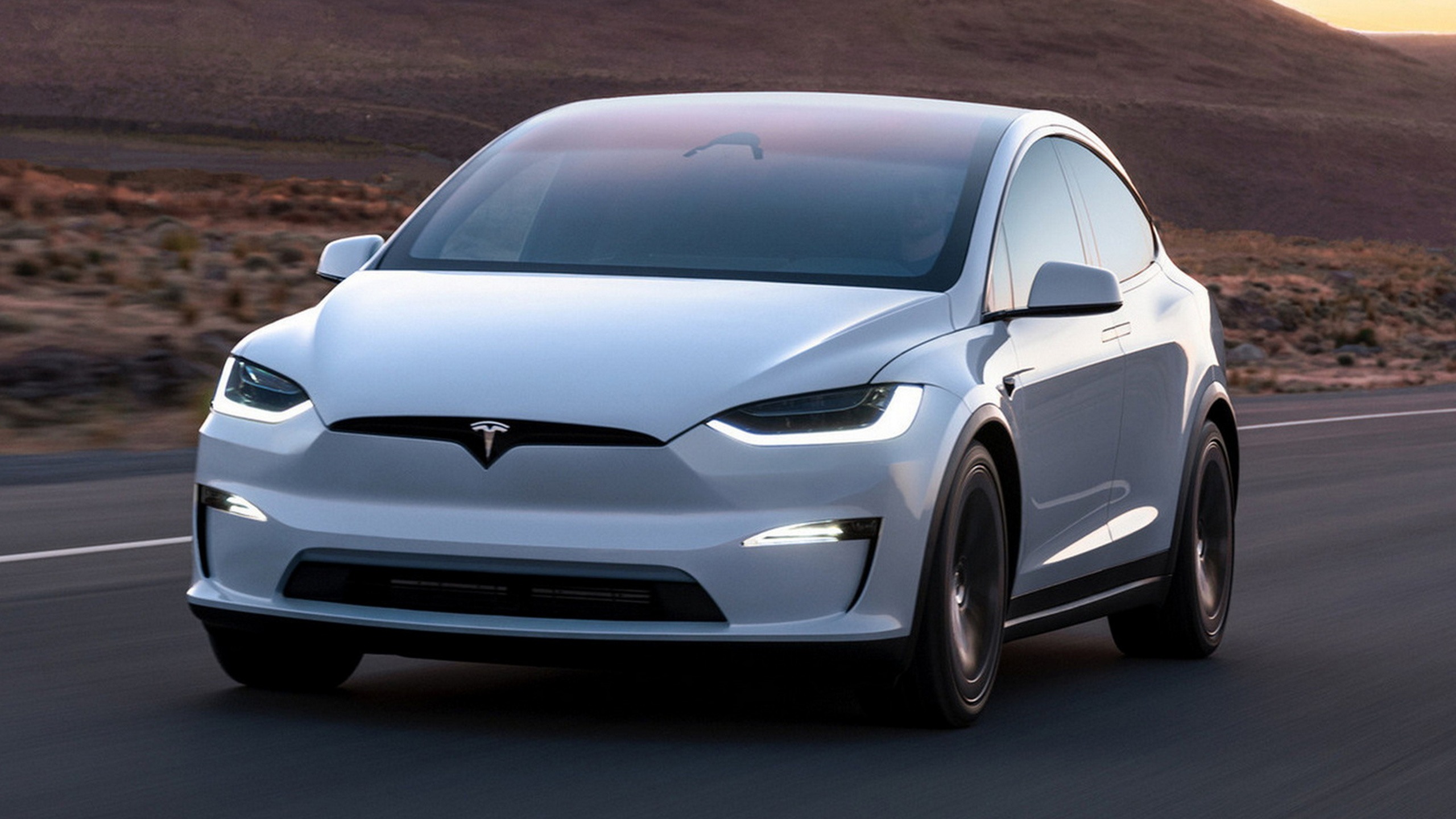
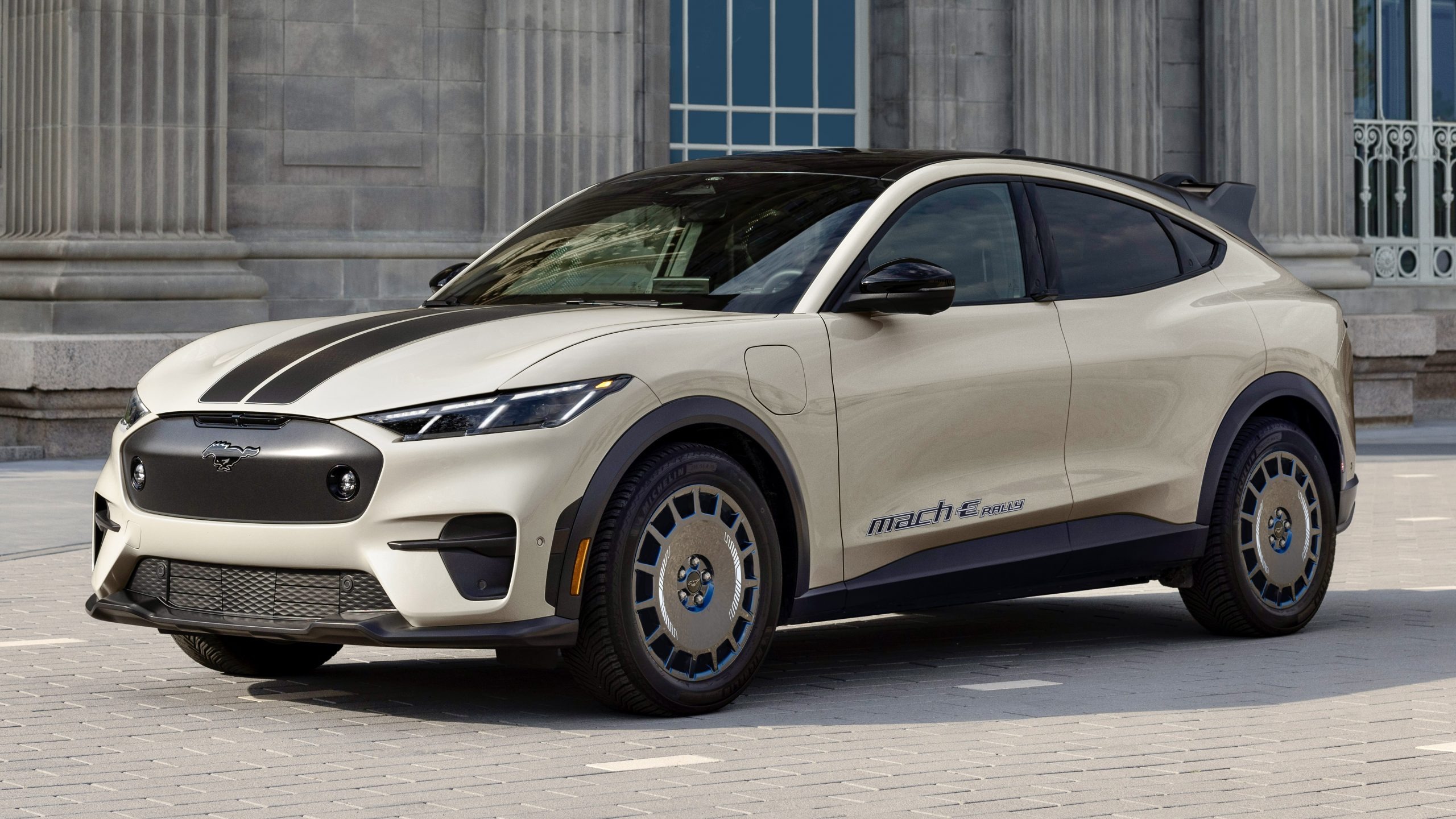
The Tesla Model X loses 61.2%, while the Ford Mustang Mach-E records a 60.8% decline.
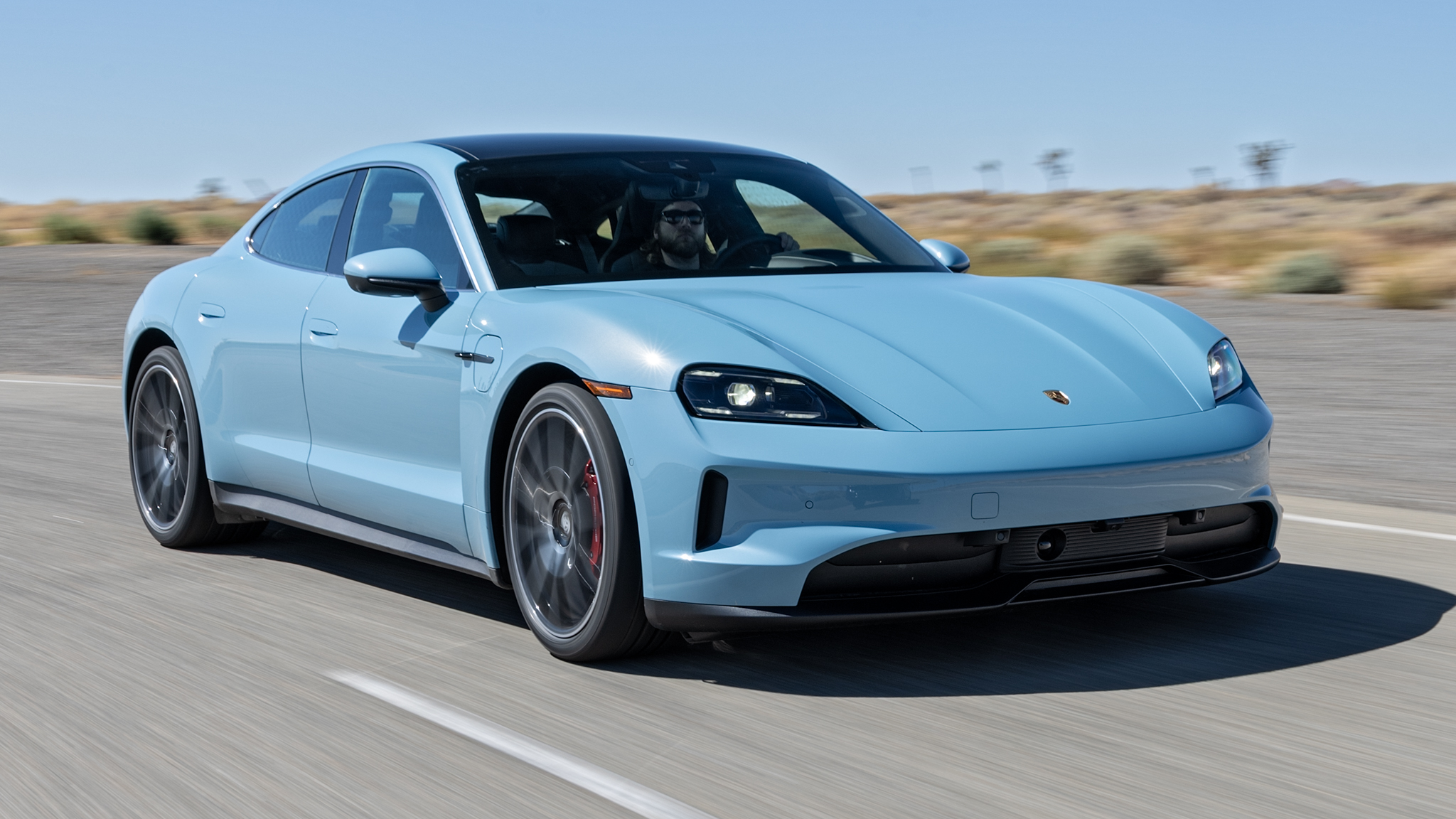
These percentages tell only part of the story. The Nissan Leaf’s average loss is approximately $17,743, while the Porsche Taycan loses about $54,403.
The difference reflects their original prices as well as their resale values. A less expensive EV can lose a larger share of its price while costing its owner fewer dollars in depreciation.
Some models fare better than the typical electric vehicle. The Tesla Model 3 records a five-year loss of 54.6%, the Porsche Taycan 54.7%, and the Hyundai Kona Electric 56.5%.
All three still lose more than half their original value under the study’s estimates, but their results are stronger than the 57.2% EV average.
For shoppers comparing used EVs, model-specific research matters far more than relying on a category average. Similar-looking electric cars can have very different resale records, so investigate the exact year and trim before deciding which one offers the best value.
What Battery Health Means for Resale Value
Today, a battery report can matter more than the odometer. State of health, which measures how much usable capacity remains compared with the day the car was new, has become the biggest factor in used EV pricing. A car at 90% or better commands a clear premium over an identical one at 75%.
So how bad is degradation, really? Milder than most people fear. Geotab studied more than 22,700 EVs and found an average loss of about 2.3% per year, leaving roughly 81.6% of original capacity after eight years.
Habits do matter. Cars that fast-charge above 100 kW for more than 12% of their sessions lose up to 3.0% per year, roughly double the rate of gentler drivers. Hot climates add a bit more wear.
Newer designs hold up better too. Second-generation EVs show a battery replacement rate of just 2%, compared with 8.5% for first-generation cars.
That changes how resale works. For the first time, how an EV was used can raise or lower its price, and sellers can prove their case with a report. Owners who charge at home and avoid extreme heat hold an advantage worth protecting.
Why EV Depreciation Barely Improved
The latest figures offer a little encouragement, but not enough to declare the problem solved. EV depreciation eased from 58.8% in the 2025 study to 57.2% in 2026.
That is progress, although the improvement is modest compared with the gains recorded across several other vehicle categories.
Used-car demand has helped support vehicle prices more broadly. iSeeCars analyst Karl Brauer points to stronger interest in used vehicles and factors such as rising new-car prices and softer consumer confidence. When new vehicles become harder to afford, more shoppers consider used alternatives.
Electric cars face additional pressures that can limit those gains. Lower prices on new EVs can weaken the value of older models, while rapid product development gives buyers more choices.
Questions about charging access, battery condition, and long-term repair expenses can also discourage shoppers who are unfamiliar with electric ownership.
The figures also need historical context. EV depreciation reached 67.1% in the 2019 study, fell to 49.1% in 2023, and then climbed to 58.8% in 2025 before easing again in 2026. The latest result is better than last year’s, but it remains well above the 2023 rate.
Future resale performance will depend on supply, consumer confidence, new-car pricing, and how quickly used-EV buyers become comfortable evaluating battery condition.
How Buyers Can Turn Falling Prices Into an Advantage
So what should you actually do? Start with a buyer’s mindset. Used EVs now run about a year newer, with roughly 30,000 fewer miles, than gas cars at the same price, and about 39% sell for under $25,000.
Ask for a battery health report before anything else. Favor newer packs over early air-cooled designs, and check how the car was charged.
Sellers have a different job. If you bought in 2021 or 2022, the worst may be behind you. Get an independent battery report and lead your listing with it, because a strong number turns the market’s biggest worry into your best selling point.
Watch the calendar as well. A wave of 2023 and 2024 leases is about to mature, which could flood the market with used EVs and soften prices again. Selling before that peak may bring a better offer.
Finally, ignore the average and price the specific car, including its brand, battery, and chemistry. That approach turns a scary 57.2% into a plan.
The MSN article blocked automated access, and I could read only the ChargeCostLab page, which summarizes the iSeeCars data. The other links were not opened, so every figure comes from that page.
Is Buying an EV Still Worth It?
The 57.2% depreciation figure deserves attention, but it does not automatically make electric cars a poor purchase. A vehicle’s financial value depends on how much it costs to buy, operate, maintain, insure, and eventually sell.
For drivers who can charge at home, electricity may cost less than gasoline for an equivalent distance, depending on local rates and vehicle efficiency.
EVs also avoid routine oil changes and have fewer moving parts in their propulsion systems than conventional gasoline cars.
Those advantages can help offset depreciation, although insurance, tires, charging equipment, and repairs still belong in the budget.
People who replace their vehicles every few years should pay close attention to resale estimates because they may face the steepest financial impact.
Buyers who intend to keep an EV for many years may place greater value on reliable transportation and operating savings than on its eventual sale price.
Before making a decision, compare a new EV with a lightly used example and a comparable hybrid or gasoline vehicle. Use realistic annual mileage, local energy prices, insurance quotes, and expected ownership length in your calculations.
The latest study highlights a clear trend. Electric vehicles continue to lag behind other vehicle segments in five-year value retention, with only modest improvement so far. However, declining used EV prices can create opportunities for budget-conscious buyers who carefully evaluate a vehicle’s condition and long-term costs.
Check the battery, research the specific model, and calculate the full cost of ownership before deciding whether an EV is right for you.