
Choosing a car in 2026 requires careful consideration of reliability, safety, comfort, performance, and long-term ownership expenses. Consumer Reports has released its latest automotive brand rankings, offering buyers a useful guide to manufacturers that perform well across their current vehicle lineups.
The results highlight familiar names alongside brands that have made meaningful progress in quality and customer satisfaction. From practical family vehicles to premium luxury models and electric cars, these rankings provide valuable insight into the automotive market.
Understanding each brand’s position can help shoppers compare options, identify strengths, and make more informed decisions before visiting a dealership.
1. Subaru
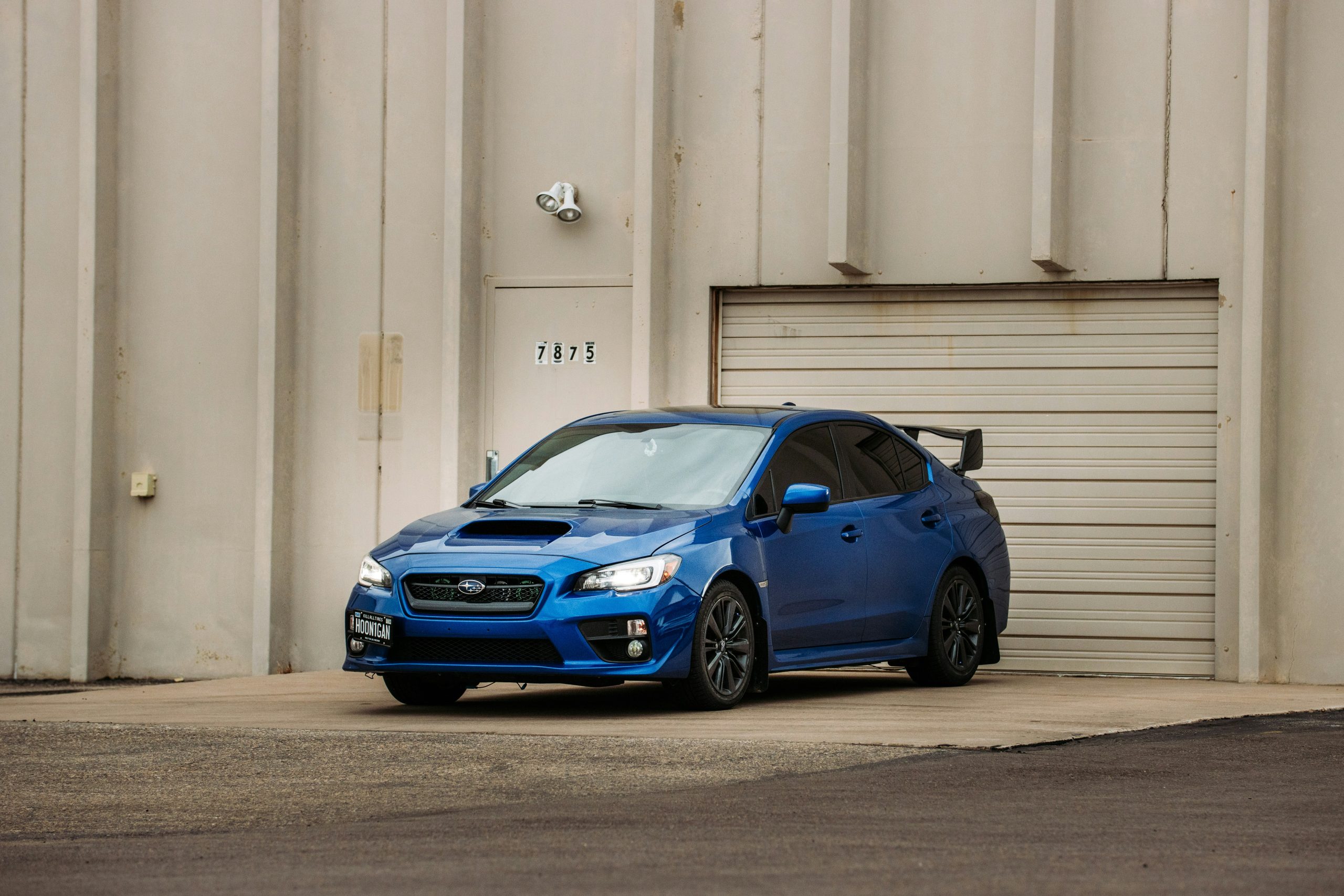
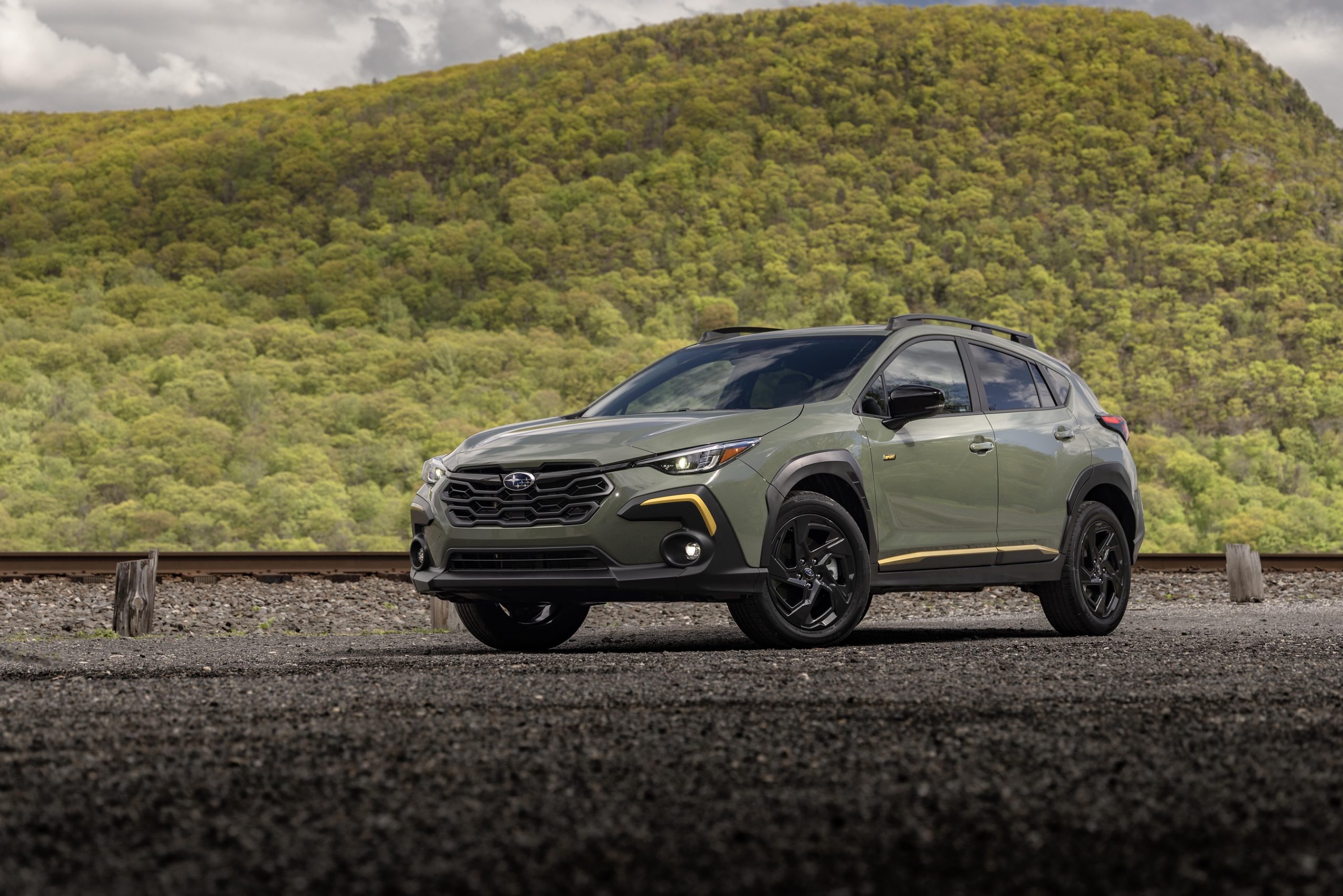
Subaru takes first place in Consumer Reports’ 2026 car brand rankings, retaining the leading position it achieved the previous year. The Japanese automaker has built its reputation around practical vehicles, standard all-wheel drive on most of its lineup, and a focus on everyday usability.
Its strong performance across testing and owner feedback demonstrates the value of maintaining consistent engineering standards. For drivers who prioritize dependable transportation and year-round driving confidence, Subaru deserves serious consideration.
The company’s lineup includes popular models such as the Forester, Outback, Crosstrek, Impreza, and Ascent. These vehicles serve different needs, from compact urban transportation to spacious family travel.
The Forester offers a practical cabin and useful cargo capacity, while the Outback combines wagon-like versatility with additional ground clearance. The Crosstrek appeals to buyers seeking a smaller vehicle with outdoor-friendly capabilities. This range allows customers to choose a suitable body style without abandoning the brand’s familiar approach to design.
All-wheel drive remains a major selling point for Subaru. The system can provide additional traction when driving on wet roads, loose surfaces, or snow-covered streets. However, its benefits depend on tire quality, road conditions, and driver behavior.
All-wheel drive does not automatically shorten stopping distances on slippery pavement. Buyers should still invest in appropriate tires and practice safe driving habits, particularly during winter weather. These practical considerations help owners get the most from the technology.
2. BMW
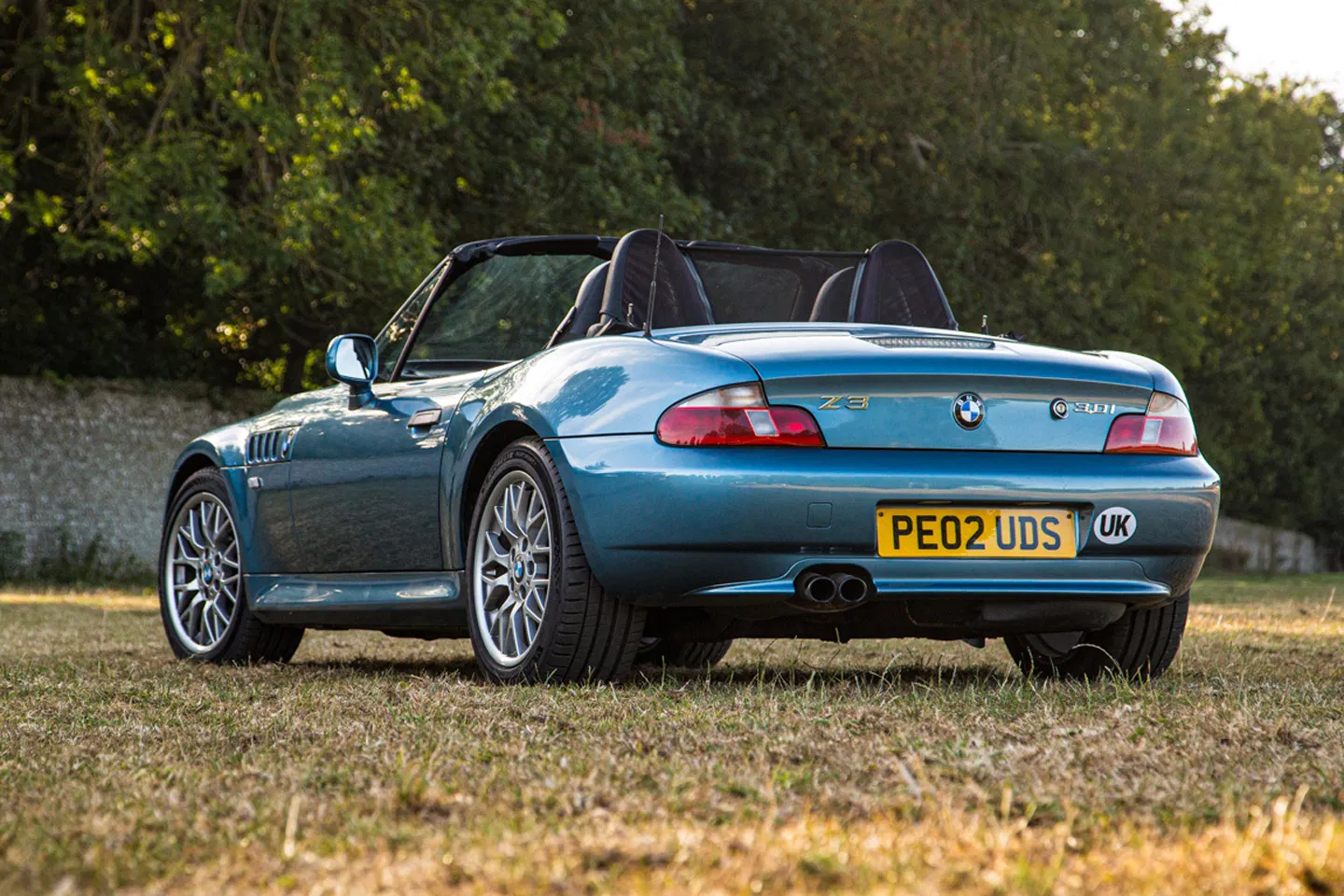
BMW ranks second in Consumer Reports’ 2026 brand report, finishing close to Subaru. The German manufacturer is known for combining responsive handling, refined interiors, and strong engine performance. Its high road-test results helped establish its position among the leading brands.
BMW appeals to buyers who want a premium driving experience without sacrificing everyday comfort. Its placement also demonstrates that luxury vehicles can compete strongly when performance, safety, reliability predictions, and owner feedback are considered together.
The company’s range includes sedans such as the 3 Series and 5 Series, along with SUVs including the X1, X3, X5, and X7. Each model serves a different audience.
The 3 Series remains an appealing option for drivers seeking a compact luxury sedan, while the X3 offers additional cargo space and a higher seating position. Larger SUVs provide room for families and luggage, though their size can increase fuel consumption and make parking more difficult in crowded urban areas.
BMW has also expanded its electrified offerings. Buyers can find plug-in hybrid vehicles and fully electric models, depending on the market and model year. These options allow customers to choose between conventional engines and alternative powertrains.
An electric BMW may provide quiet operation and immediate acceleration, while a plug-in hybrid can combine electric driving with a gasoline engine. Charging access, electricity prices, driving distances, and local incentives should all be considered before selecting an electrified model.

3. Porsche
Porsche holds third place in Consumer Reports’ 2026 brand rankings, earning recognition for its strong performance in road testing and owner feedback. The German manufacturer is closely associated with sports cars, but its current range also includes sedans and SUVs.
Porsche vehicles generally emphasize precise handling, powerful engines, carefully designed cabins, and distinctive styling. Its ranking reflects the quality of the models included in the assessment rather than simply the company’s reputation for speed or luxury.
The Porsche 911 remains the brand’s signature sports car. Its rear-engine layout and long production history have helped make it recognizable among enthusiasts. The Cayman and Boxster families, depending on current market availability, appeal to drivers who want a smaller sports car with responsive handling.
These vehicles prioritize driver involvement, making them attractive to people who value cornering ability and steering feedback. Their limited cargo space and relatively high prices mean they may not suit every household.
Porsche’s SUVs broaden its appeal beyond sports-car buyers. The Macan offers a more compact format, while the Cayenne provides greater space and a range of powertrain choices. Both are designed to deliver a sportier driving experience than many conventional family SUVs.
Nevertheless, shoppers should consider tire replacement costs, fuel requirements, insurance premiums, and service expenses. Larger wheels and performance-oriented equipment can add to ownership costs, so the initial purchase price tells only part of the story.
4. Honda
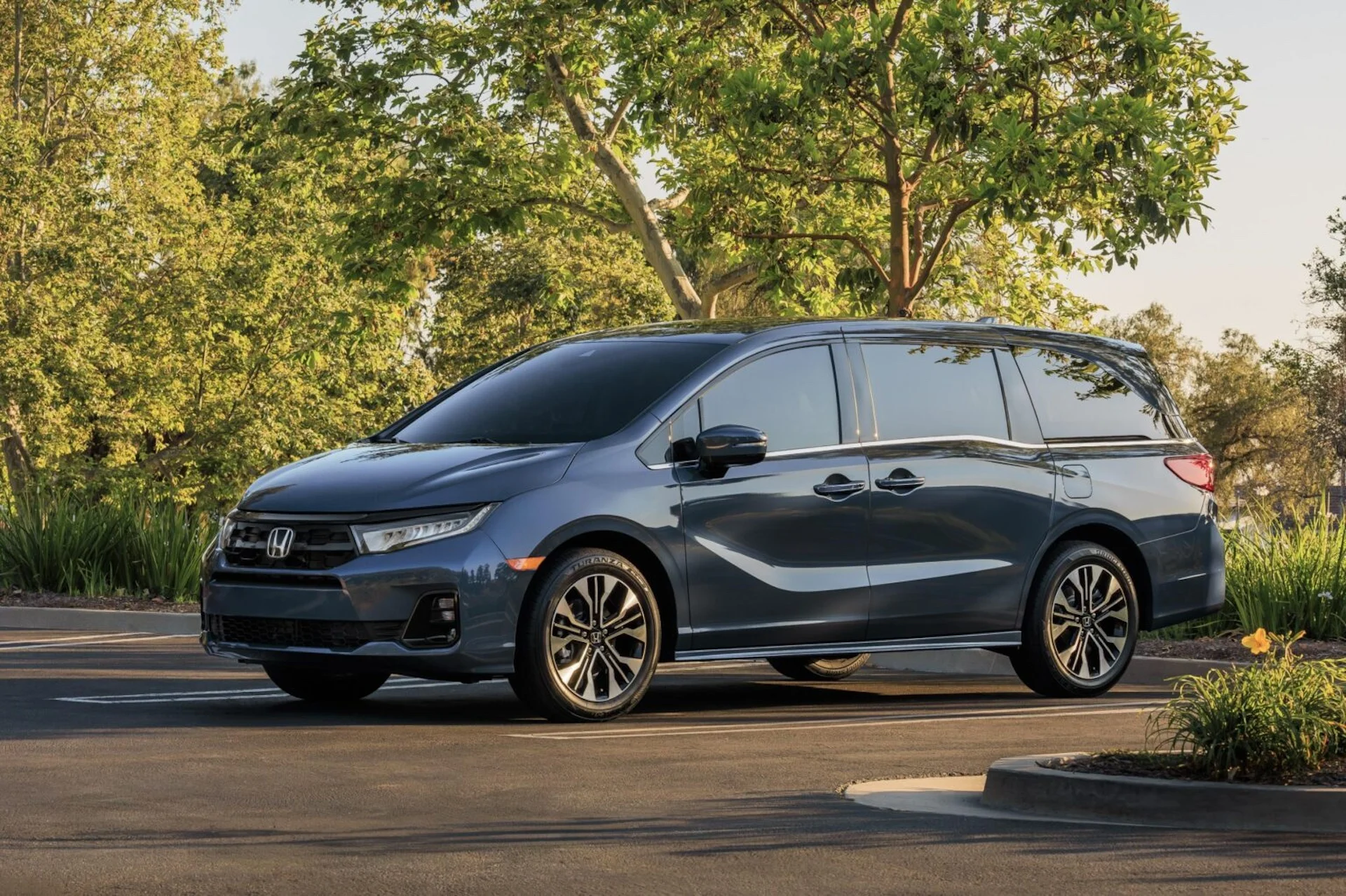
Honda ranks fourth in Consumer Reports’ 2026 brand report, reinforcing its position as a major contender among mainstream automakers. The Japanese company has a long history of producing practical cars, family SUVs, and fuel-efficient powertrains.
Its vehicles often appeal to shoppers who want useful features without the added cost associated with many luxury brands. A strong ranking is especially relevant for families and commuters who need a vehicle that can handle regular driving, shopping trips, and longer journeys.
The Civic is a popular choice for drivers seeking a compact car with manageable dimensions and an efficient design. The Accord offers a larger cabin and a more spacious rear seat, making it attractive to households that prefer a traditional sedan.
The CR-V serves buyers who need more cargo room and a higher seating position. These models cover several common transportation needs, allowing customers to compare body styles and price ranges within a single manufacturer.
Honda’s hybrid offerings are also important for buyers looking to reduce fuel consumption. Hybrid systems combine a gasoline engine with electric motors and a battery, allowing the vehicle to use energy more efficiently in suitable driving conditions.
Real-world fuel economy depends on traffic, weather, speed, and driving habits. Shoppers should compare the purchase price of hybrid and conventional versions against their expected annual mileage to estimate whether the additional upfront expense makes financial sense.
Safety and ease of use deserve equal attention when choosing a Honda. Driver-assistance systems may include automatic emergency braking, adaptive cruise control, lane-related assistance, and other features, depending on the model and trim.
Buyers should check which technologies are standard and learn how they operate during a test drive. Infotainment controls, seat adjustment, rear visibility, and child-seat access can also influence daily satisfaction. A vehicle should feel comfortable and intuitive, not simply score well on paper.
5. Toyota
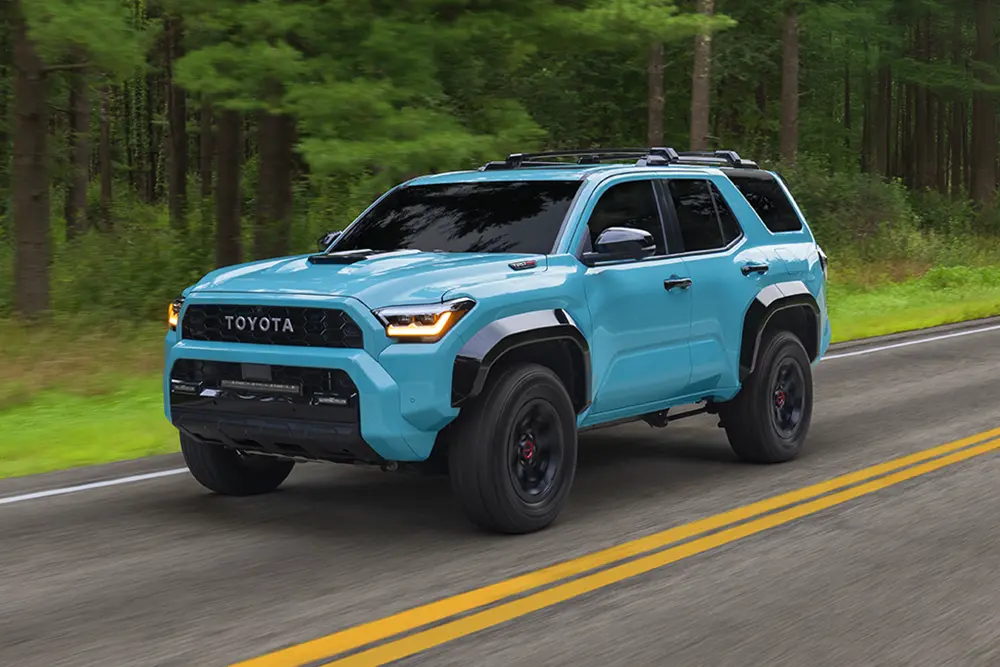
Toyota occupies fifth place in Consumer Reports’ 2026 brand rankings. Its position reflects performance across several factors, including road tests, predicted reliability, safety, and owner satisfaction. The Japanese automaker sells a broad range of vehicles, from compact cars to pickup trucks and family SUVs.
Many customers associate Toyota with long-term dependability and practical engineering. Its large lineup gives buyers multiple options, though the most suitable model depends on individual needs and the latest model-specific ratings.
The Corolla remains a familiar option for people seeking a compact, everyday car. The Camry offers additional passenger space and is available with hybrid technology in its current generation. The RAV4 appeals to shoppers who want a versatile crossover with useful cargo capacity.
Meanwhile, the Highlander and other larger Toyota SUVs may suit families requiring more space. Buyers should compare seating arrangements, cargo measurements, fuel economy, and available safety equipment rather than choosing based on the badge alone.
Toyota’s extensive experience with hybrid powertrains is an advantage for shoppers interested in fuel-efficient transportation. Hybrid versions are available across several vehicle categories, helping customers reduce gasoline use without depending entirely on charging infrastructure.
The actual savings vary with fuel prices, driving distance, traffic conditions, and the price difference between comparable models. Drivers who cover substantial annual distances may benefit more from improved fuel economy than people who rarely travel far.
Reliability remains an important part of Toyota’s appeal, but no manufacturer can eliminate every mechanical or electronic problem. Vehicle history, maintenance quality, usage, and model redesigns all affect long-term ownership.
Consumer Reports’ predicted reliability ratings are based on survey information from vehicle owners and are not guarantees for future performance. Buyers should inspect the specific vehicle, review maintenance records, and check for outstanding recalls. Used-car shoppers should also consider mileage and signs of previous damage.
6. Lexus
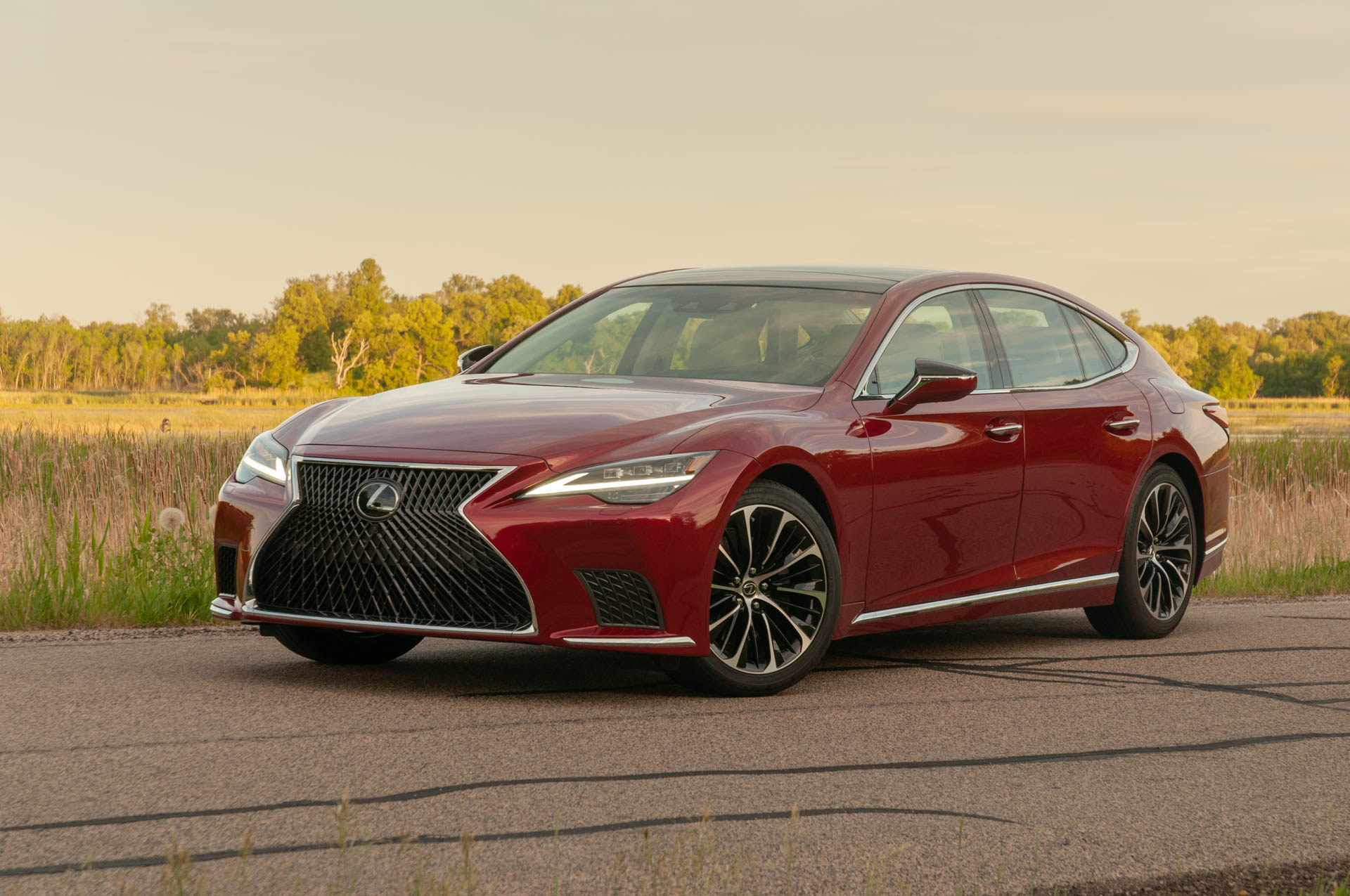
Lexus ranks sixth in Consumer Reports’ 2026 brand report, placing it among the leading premium automakers. Toyota’s luxury division is known for quiet cabins, comfortable seating, refined finishes, and a broad range of SUVs and passenger cars.
Its vehicles target customers who want an upscale ownership experience alongside a reputation for careful engineering. The brand’s position makes it worth considering for buyers comparing premium comfort with reliability predictions and long-term running expenses.
The Lexus ES is designed for drivers who prefer a comfortable sedan, while the NX provides a smaller luxury SUV format. The RX serves customers seeking a larger crossover with generous passenger space, and other models cater to different combinations of performance and utility.
Depending on the model, shoppers may choose gasoline, hybrid, or other electrified powertrains. Cabin materials, infotainment features, seating comfort, and ride quality can vary significantly between trims.
Hybrid technology is a major part of Lexus’s product strategy. These vehicles combine electric assistance with gasoline power to improve efficiency under suitable driving conditions. Some models emphasize comfort and fuel economy, while performance-oriented versions prioritize acceleration and handling.
Buyers should consider the differences between conventional hybrids and plug-in hybrids, including whether external charging is required. Fuel costs, battery coverage, warranty conditions, and the availability of service facilities are useful factors to compare before signing a purchase agreement.
Luxury ownership brings expenses that extend beyond the showroom price. Premium tires, advanced lighting systems, electronic equipment, and specialized repairs may increase costs as the vehicle ages.
Even a highly ranked brand can have models with individual issues or expensive maintenance requirements. Shoppers should review the warranty, request an insurance quote, and examine the service schedule. For used Lexus vehicles, an inspection by a qualified technician can help assess the condition of the engine, suspension, brakes, and electronic systems.
7. Lincoln
Lincoln ranks seventh in Consumer Reports’ 2026 brand report and stands out for its improvement from the previous year’s results. The American luxury manufacturer recorded a substantial rise in the rankings, supported by stronger reliability results.
Its placement demonstrates that a brand’s position can change when model performance and survey feedback improve. Lincoln’s current range focuses primarily on SUVs, appealing to customers who value spacious cabins, relaxed driving characteristics, and upscale equipment.
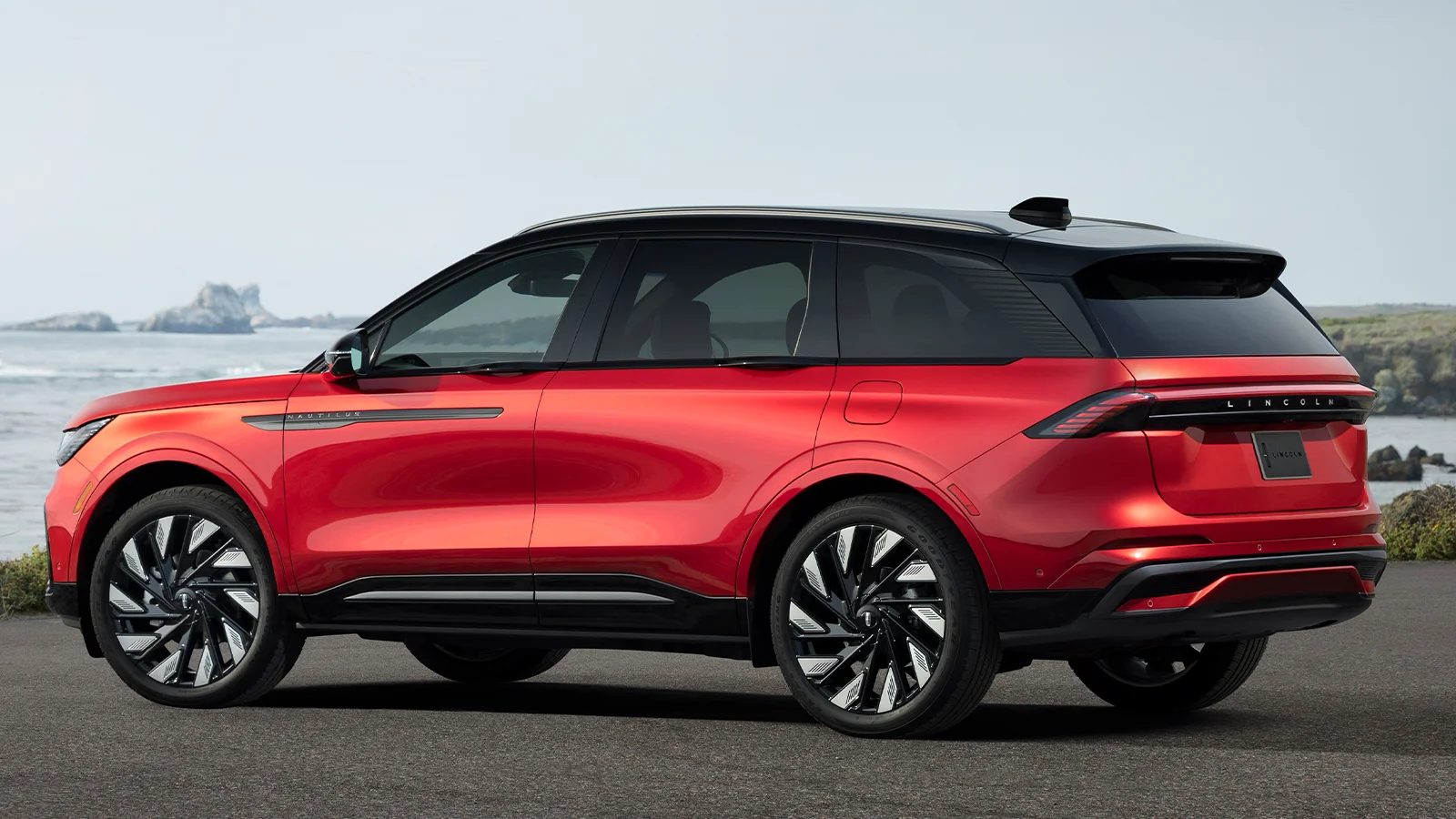
The Corsair provides a compact luxury SUV option, while the Nautilus offers a larger vehicle with additional passenger and cargo room. The Aviator targets buyers seeking a more substantial three-row SUV, and the Navigator serves customers who want a full-size luxury vehicle.
These models differ in price, interior space, engine choices, and equipment. Families should pay close attention to third-row access, child-seat installation, cargo capacity behind the rear seats, and the amount of space available when all seating positions are occupied.
Lincoln emphasizes comfort through features such as supportive seats, quiet cabins, premium materials, and available driver-assistance technologies. These features can make long journeys more pleasant, particularly for drivers who regularly travel with passengers.
However, shoppers should assess whether the controls are easy to use and whether the vehicle’s dimensions suit their parking arrangements. Large SUVs may offer generous space but can be challenging to maneuver on narrow streets or in crowded parking structures.
A higher brand ranking does not remove the need to review individual model ratings. Buyers should pay attention to reliability results for specific engines, hybrid systems, transmissions, and electronic features. This is particularly important when considering plug-in hybrid versions or vehicles that have undergone major redesigns.
Checking recall information, warranty coverage, and maintenance requirements can help prevent unexpected costs. Used buyers should request complete service records and consider an independent inspection before making a final decision.
8. Hyundai
Hyundai ranks eighth in Consumer Reports’ 2026 brand report, placing it among the strongest mainstream manufacturers in the assessment. The South Korean automaker has expanded its lineup and improved its presence across compact cars, family SUVs, hybrids, and electric vehicles.
Its appeal often comes from competitive pricing, modern styling, extensive standard equipment, and generous warranty coverage in markets where those terms apply. The ranking makes Hyundai a worthwhile option for buyers seeking value alongside measured vehicle performance.
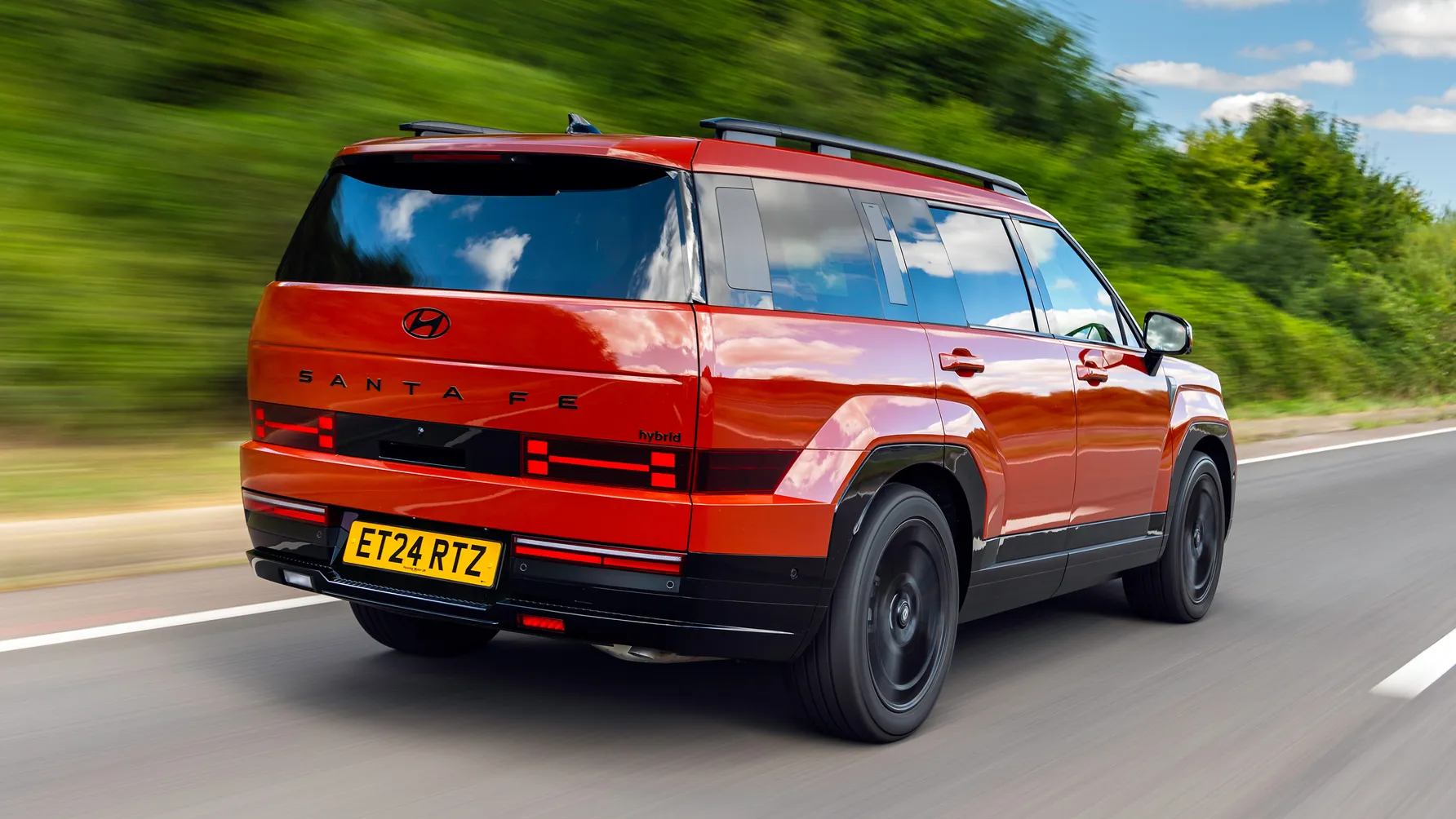
The Elantra provides a compact sedan format, while the Sonata offers a larger alternative in markets where it is sold. The Tucson is a popular compact SUV choice, and the Santa Fe offers additional space for families.
Hyundai’s electric range includes vehicles such as the Ioniq 5 and Ioniq 6, depending on regional availability. Each model has a distinct purpose, so customers should compare seating comfort, luggage capacity, powertrain options, and operating costs before deciding.
Hyundai’s equipment levels can be attractive to shoppers who want modern technology without moving into a luxury price bracket. Depending on the model and trim, available features may include digital displays, smartphone integration, wireless charging, and advanced driver-assistance systems.
Buyers should check which items are included in the base model and which require a more expensive trim. A feature list is useful, but the quality and simplicity of the controls matter just as much during everyday driving.
Electric and hybrid Hyundai models deserve special consideration for buyers focused on energy costs. A hybrid can reduce gasoline use without requiring a charging station, while a fully electric vehicle needs access to suitable charging facilities.
Electric-car ownership also depends on local electricity prices, battery warranty terms, driving distance, and public charging availability. A buyer should assess the practical charging routine before choosing an EV, especially if home charging is not possible.
9. Acura
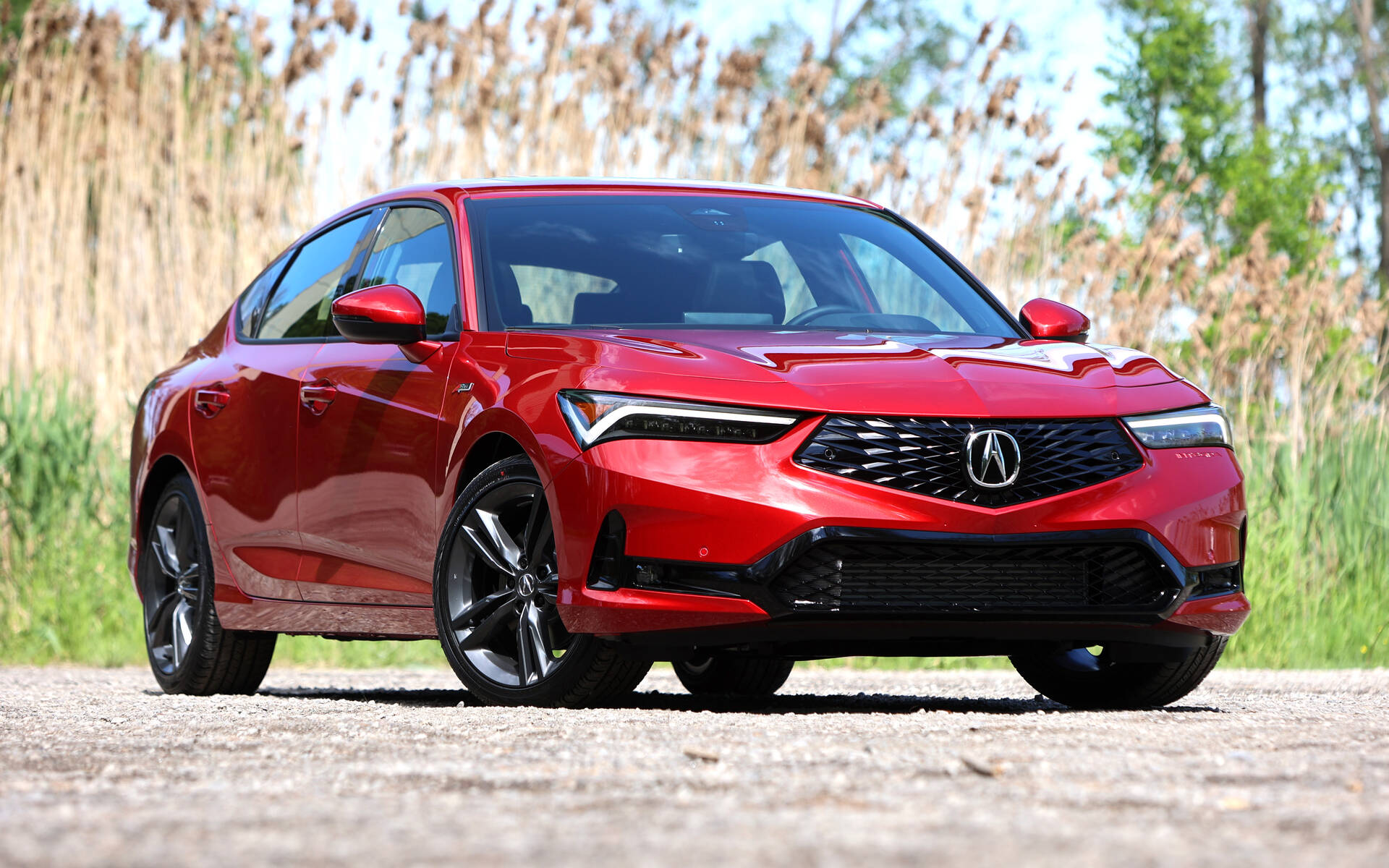
Acura ranks ninth in Consumer Reports’ 2026 brand report. The luxury division of Honda combines Japanese engineering with upscale interiors, performance-focused styling, and a lineup of sedans and SUVs.
Its position makes it a relevant choice for buyers who want premium features but also value the engineering background of an established mainstream automaker. Acura occupies a useful middle ground for shoppers comparing luxury vehicles with more affordable family-oriented alternatives.
The Integra offers a compact premium car experience, while the RDX provides a versatile two-row SUV. The MDX is a larger option designed for households that need three rows of seating.
Each model offers a different balance of passenger room, cargo capacity, performance, and price. Buyers should compare the available powertrains, standard equipment, and trim levels carefully. A larger SUV may offer more flexibility for family travel, but it can also involve higher fuel and tire expenses.
Acura vehicles often appeal to drivers who want a combination of comfort and responsive handling. Interior design, supportive seats, visibility, and straightforward controls can all influence the experience behind the wheel.
Shoppers should spend time testing the infotainment interface, checking rear-seat room, and evaluating the ease of entering and exiting the vehicle. These practical considerations can matter more over several years of ownership than small differences in acceleration or exterior styling.
As with any premium manufacturer, repair and maintenance expenses deserve attention. Acura vehicles may share engineering components with Honda models, but ownership costs can still vary according to vehicle size, equipment, and parts requirements.
Buyers should check scheduled servicing, warranty terms, insurance premiums, and the availability of qualified technicians. For used examples, a detailed maintenance history can provide valuable evidence of how carefully the vehicle has been maintained.
10. Tesla
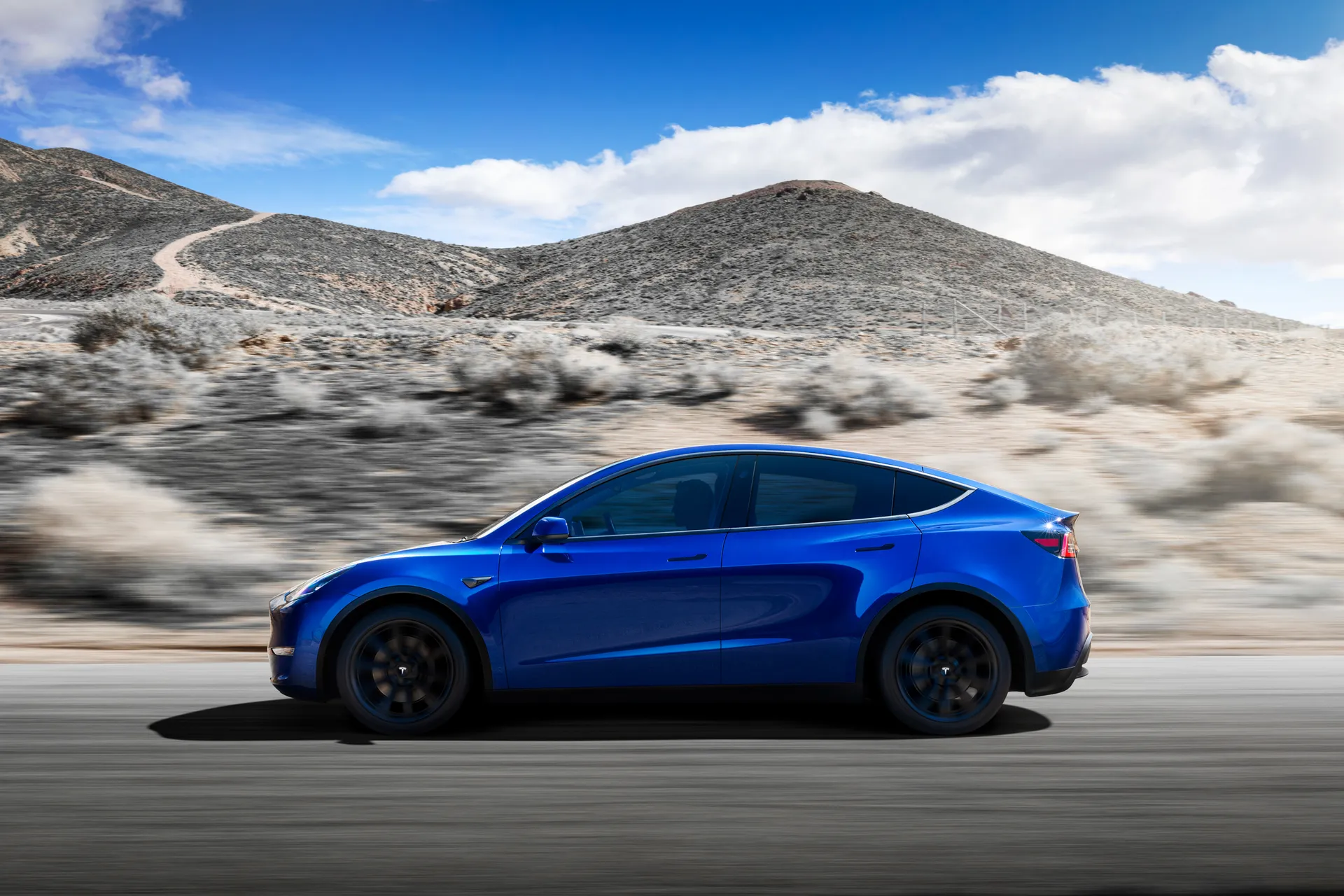
Tesla takes tenth place in Consumer Reports’ 2026 brand rankings, completing the list of the highest-ranked ten manufacturers. The electric-vehicle company has a different business model from traditional automakers, focusing its lineup on battery-powered vehicles and software-based features.
Its placement reflects the performance of the models included in the report across road testing, predicted reliability, safety, and owner satisfaction. For shoppers considering an electric vehicle, Tesla’s position offers a useful starting point for further research.
The Model 3 is a sedan designed for drivers seeking an electric commuter or family car, while the Model Y provides a higher seating position and additional cargo flexibility.
These vehicles have attracted buyers interested in rapid acceleration, quiet operation, and reduced dependence on gasoline. The right choice depends on passenger needs, luggage space, driving range, and local charging access. Buyers should compare the exact model year and trim because equipment, range, and performance can change.
Charging is one of the most important considerations when buying a Tesla. Owners who can charge at home may find daily use convenient, while people relying on public chargers need to consider location, availability, and cost. Long journeys require planning around charging stops, weather, speed, and battery range.
Prospective buyers should also examine charging compatibility, local electricity rates, and the availability of service facilities before deciding whether an electric car suits their routine.
Tesla’s software capabilities are a part of the ownership experience. Certain features can receive over-the-air updates, allowing improvements or changes to be delivered without a conventional dealership visit.
However, software updates cannot prevent every mechanical or hardware problem. Buyers should review warranty coverage, repair procedures, parts availability, and insurance costs. They should also understand the limitations of driver-assistance features and remain attentive while driving, regardless of the technology available.
