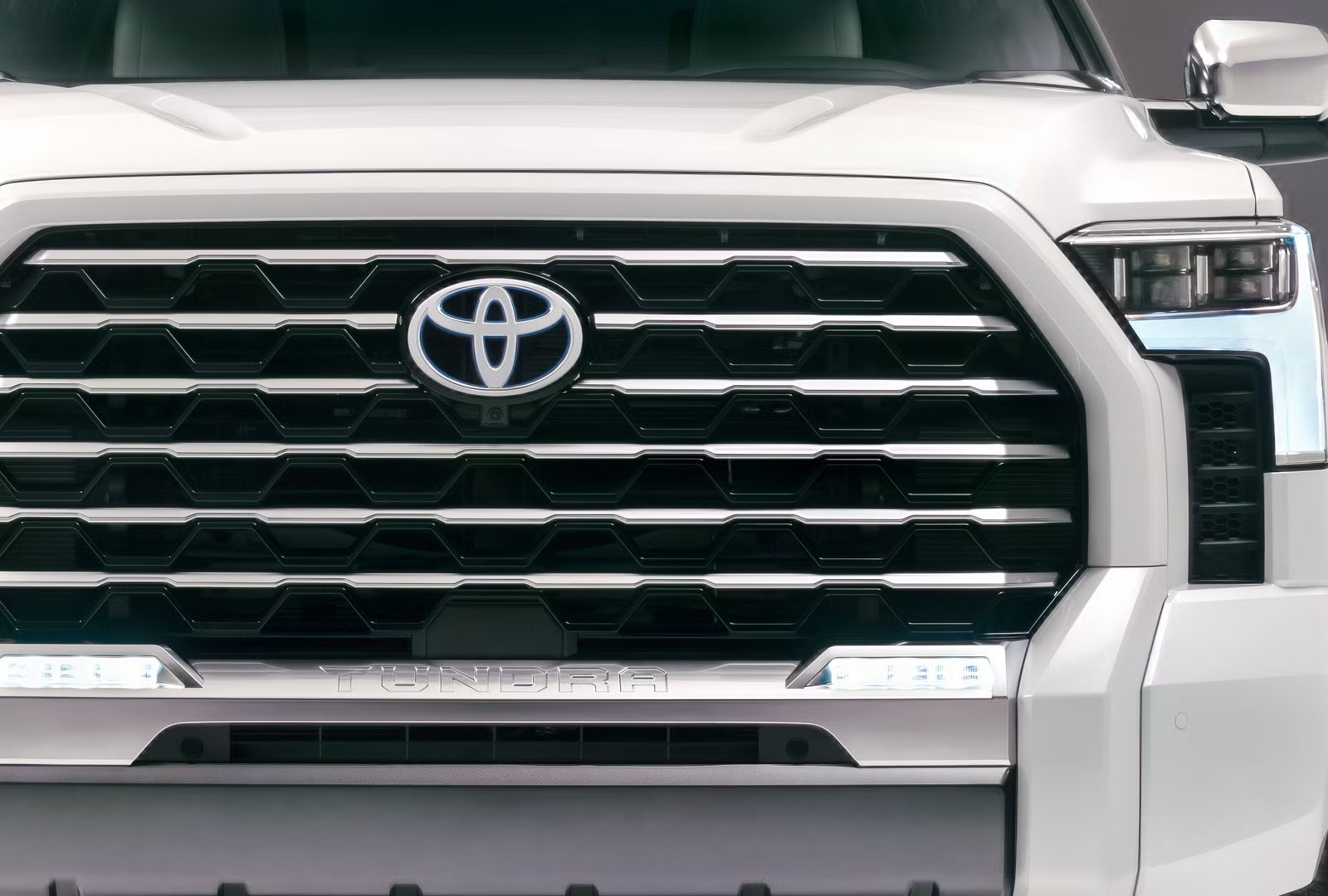
Toyota is making a serious push toward the top of America’s automotive market, putting increasing pressure on General Motors as the two manufacturers head into the final stretch of 2026. GM still holds the lead in U.S. vehicle sales, but its recent decline and Toyota’s steady performance have made the competition considerably closer.
The latest third-quarter figures show just how much the balance is shifting. General Motors sold 670,974 vehicles in the United States during the quarter, a 5.5% decline from the same period last year. Toyota Motor North America, which includes Toyota and Lexus, delivered 633,223 vehicles, marking a modest 0.6% increase. That left Toyota just 37,751 vehicles behind GM for the quarter.
The numbers do not yet mean Toyota is on course to take the annual sales crown. GM has built a substantial lead over the first nine months of the year. However, Toyota’s performance highlights a broader change in American car-buying habits, with fuel efficiency, affordability and hybrid technology becoming increasingly important to consumers.
Toyota Has Turned the Sales Race Into a Real Challenge
For decades, GM has maintained a strong presence in the U.S. market through its extensive dealer network, large-scale operations, and popular trucks and SUVs. Toyota, by contrast, has built its reputation around reliability, affordable ownership costs, and a diverse vehicle lineup designed to meet the practical needs of everyday drivers.
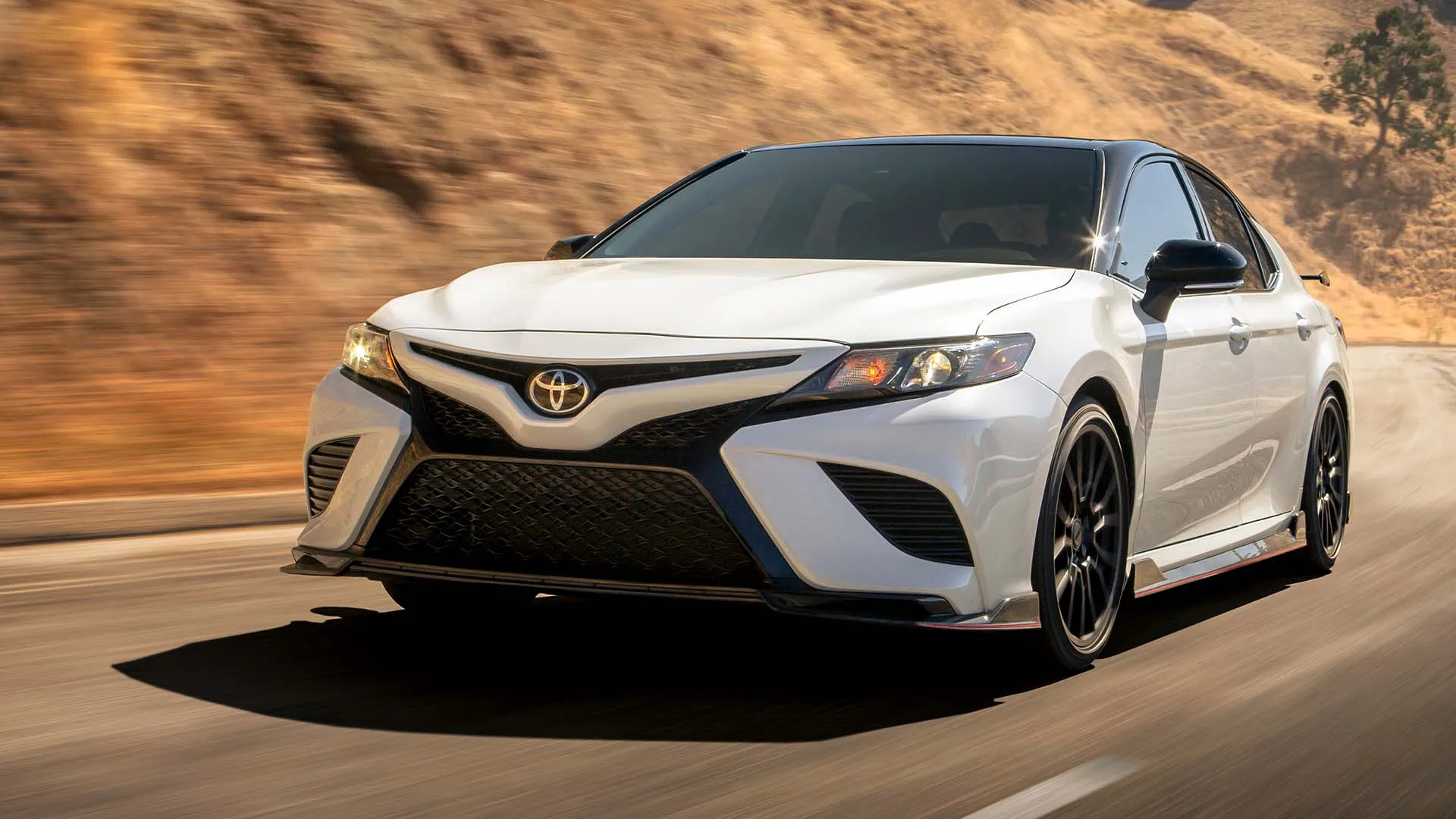
That strategy is proving particularly effective in 2026. Toyota’s third-quarter sales edged higher while GM experienced a noticeable decline, narrowing the gap between the companies. Toyota’s results also benefited from Lexus, its luxury division, which recorded a 1.6% increase in third-quarter sales.
Still, the broader year-to-date picture puts the challenge into perspective. GM sold approximately 2.01 million vehicles through the third quarter, according to a Cox Automotive forecast reported in September. Toyota’s corresponding forecast was approximately 1.89 million. The figures suggest that GM retained an advantage of roughly 121,000 vehicles after nine months.
That is a meaningful lead, but it is not insurmountable. Toyota would need to outperform GM substantially in the fourth quarter to finish 2026 in first place. The possibility is attracting attention because Toyota is gaining ground without needing to dominate every vehicle category. Instead, its strength lies in matching products to what a growing number of American buyers want.
Hybrids Are Giving Toyota a Valuable Advantage
Toyota’s hybrid strategy is one of the clearest reasons it remains competitive. While several automakers have invested heavily in fully electric vehicles, Toyota has continued offering gasoline-powered vehicles, conventional hybrids, plug-in hybrids, and battery-electric models.
That approach gives customers more choices without requiring every buyer to install a home charger or make the full transition to an electric vehicle. For drivers concerned about gasoline prices, hybrids can offer improved fuel economy while retaining the convenience of familiar refueling.
The third-quarter results show the scale of that advantage. Toyota Motor North America sold 363,367 electrified vehicles during the quarter, up 28.5% year over year. These vehicles accounted for 57.4% of its total sales. The category includes hybrids and other electrified models, rather than battery-electric vehicles alone.
The Corolla Hybrid is one example of how that strategy translates into demand. Reuters reported that U.S. sales of the model increased nearly 36% in the third quarter, reaching 13,003 units. Higher gasoline prices helped strengthen interest in efficient vehicles across the market.
Toyota’s advantage is not simply that it sells hybrids. It has built a broad selection of them across price points and vehicle categories, giving shoppers alternatives to larger, less-efficient vehicles.
GM, meanwhile, remains heavily invested in trucks, SUVs and electric vehicles. Its lineup has considerable strengths, but it does not offer the same breadth of conventional hybrid choices in the U.S. market. If demand continues to favor fuel-efficient vehicles, Toyota could benefit from that difference well beyond the current sales quarter.
GM Still Has Powerful Reasons to Stay Ahead
Despite Toyota’s momentum, writing off GM would be a mistake. Its full-size pickups remain a major source of sales and profitability, with the Chevrolet Silverado and GMC Sierra serving customers who need towing capability, cargo capacity and traditional truck performance.
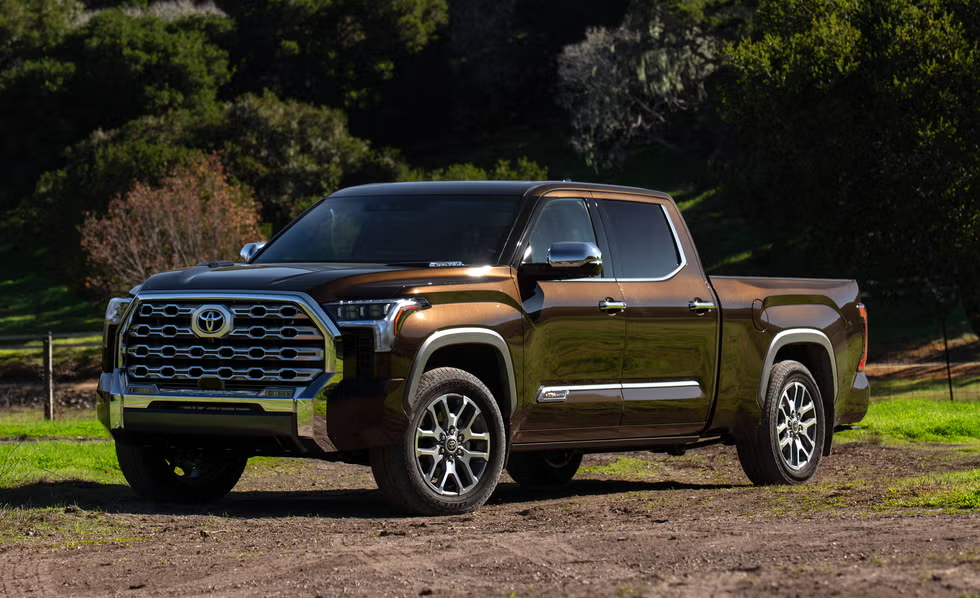
GM also has a broad SUV portfolio, from more affordable crossovers to larger family vehicles. Those products give the company access to some of the highest-volume segments in the United States. Its ability to compete through multiple brands, including Chevrolet, GMC, Buick and Cadillac, also provides a different kind of market reach from Toyota’s Toyota-and-Lexus structure.
The company has additional opportunities to protect its position. The next-generation Chevrolet Silverado and GMC Sierra launches could help renew interest in two of its most important nameplates. Pricing incentives and financing offers can also encourage shoppers to buy, although aggressive discounts may put pressure on profitability.
GM’s recent sales decline also needs context. Comparisons with the previous year can be affected by product timing, inventory, incentives and changes in electric-vehicle demand. Its third-quarter electric-vehicle sales fell sharply, partly against a prior-year period in which buyers were rushing to purchase before federal consumer tax credits expired in September 2025.
For GM, the challenge is to maintain its truck and SUV strength while responding to changing consumer preferences. It does not necessarily need to copy Toyota’s entire hybrid strategy, but it must ensure that its lineup remains competitive as buyers weigh fuel costs, purchase prices and monthly payments.
Toyota Could Close the Gap Further, but the Annual Crown Is Still Uncertain
The final quarter will determine whether Toyota’s progress becomes a serious threat to GM’s annual sales lead or remains a sign of a longer-term shift in the market.
Toyota is entering this period with strong demand for electrified vehicles and a diverse lineup that includes affordable compact cars, crossovers, SUVs, trucks, and luxury models. Its September results were especially positive, with Toyota Motor North America reporting 201,306 U.S. vehicle sales, up 8.4% compared with September 2025.
But a strong month does not guarantee an annual victory. GM’s lead through the first three quarters means Toyota would need a substantial relative advantage in the remaining months to overtake it. Product availability, holiday-season promotions, consumer confidence and fuel prices could all influence the outcome.
The competition also matters beyond the rankings. If Toyota continues gaining share, GM and other domestic manufacturers may face greater pressure to improve efficiency, expand their electrified offerings and keep entry prices within reach of mainstream buyers. Meanwhile, Toyota must prove that its recent gains can continue even if gasoline prices fall or demand shifts back toward larger vehicles.
For now, GM remains America’s leading automaker by U.S. sales, but Toyota is making the contest harder to dismiss. The third-quarter gap of fewer than 38,000 vehicles demonstrates how closely the companies are competing over a single three-month period.
Whether Toyota will claim the top spot for annual sales in 2026 is still uncertain. What stands out is how the company is challenging GM through a different approach, combining a wide range of hybrid vehicles, consistent demand for popular models, and a lineup that offers buyers more choices as ownership costs increase. Even if GM retains its lead, Toyota’s progress shows that the competition for America’s best-selling automaker remains wide open.